Nasty Performance ~ 847-458-4858 

  • Blog Home
  • Categories
    • Motorcycle Maintenance
    • Riding Tips & Preps
    • Safety & Inspection
    • Customizations & Upgrades
    • DIY Motorcycle Repairs
    • Motocycle Audio Systems
    • Motocycle Seasonal Care & Storage
    • Engine, Electrical Performance
  • Bike Night
  • Nasty Performance Motorcycle Shop
November 26.2026
1 Minute Read

Avoid These Common Mistakes in Fuel Efficiency Riding Tips Now

Did you know that a single overlooked maintenance tip, like skipping an air filter change, can reduce your motorcycle’s fuel efficiency by up to 10%? The truth is, most riders unknowingly fall into habits that sabotage their gas mileage—and the cost adds up at every fuel stop. In this comprehensive guide, you’ll uncover the most common mistakes in fuel efficiency riding tips and learn how small changes in your routine and mindset can deliver dramatic savings and smoother rides.

Unlock Superior Fuel Efficiency: Why Avoiding Common Mistakes in Fuel Efficiency Riding Tips Matters

Maximizing fuel efficiency isn't just about spending less at the pump—it's about ensuring your motorcycle runs better for longer while minimizing your environmental footprint. Surprisingly, common mistakes in fuel efficiency riding tips are often easy to overlook, even by seasoned riders. Habits such as improper tire pressure, neglecting your spark plug, or using inefficient driving techniques can together reduce fuel efficiency and increase long-term repair costs. Understanding and addressing these pitfalls is key for anyone looking to save fuel, enhance performance, and ride efficiently whether you’re in daily urban traffic or exploring scenic highways.

This guide will give you an actionable blueprint. You’ll learn why efficient riding starts well before you hit the road, how driving habits directly influence fuel economy, and why routine maintenance is your best ally for consistently great gas mileage. Each insight is supported by real-world examples and expert advice—so let’s unlock your motorcycle’s true potential and avoid the most common mistakes in fuel efficiency riding tips today.

Startling Facts: How Everyday Riding Habits Impact Fuel Efficiency

We tend to think extreme weather, poor road conditions, or loaded saddlebags are the main threats to fuel efficiency. However, studies by the Department of Energy reveal everyday driving habits—from sudden stops to overlooking tire pressure—are responsible for the majority of wasted fuel. For example, harshly accelerating out of a red light or idling through a traffic jam can increase fuel consumption just as dramatically as riding at consistently high speeds. It’s the small, repetitive things we do (or forget to do) every ride that quietly erode our gas mileage. With awareness and targeted adjustments, these habits are almost always fixable.

While mastering daily riding habits is crucial, it’s equally important to adapt your approach as seasons change. For a deeper dive into how weather and seasonal shifts can impact your bike’s performance and efficiency, check out these seasonal bike care secrets every rider should know—these insights can help you avoid hidden pitfalls and keep your motorcycle running smoothly year-round.
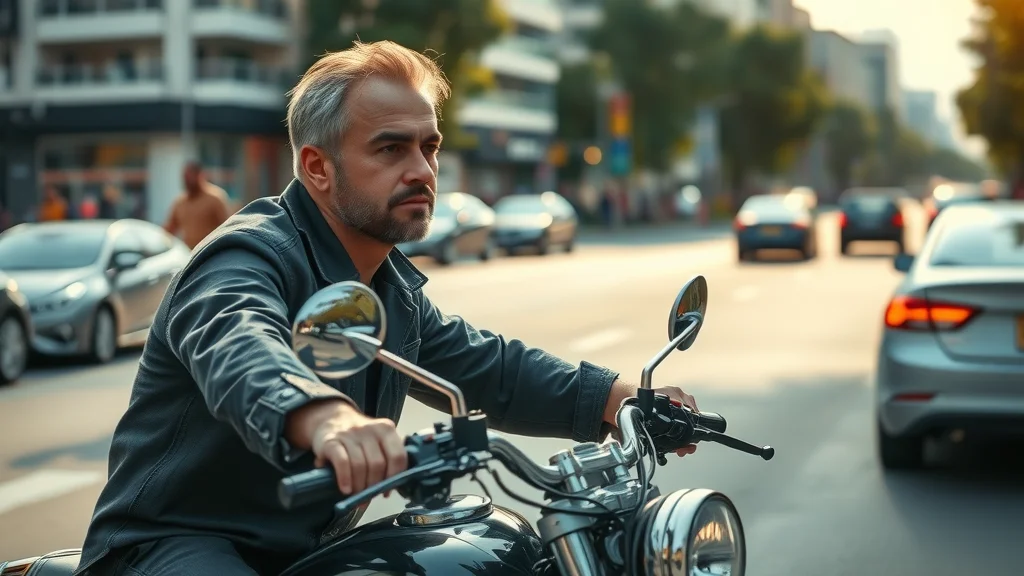
Motorcycle rider focused on navigating traffic for fuel efficiency in an urban setting

What You'll Learn About Common Mistakes in Fuel Efficiency Riding Tips

  • Key driving habits that sabotage fuel efficiency
  • Correct techniques for maximizing gas mileage
  • How maintenance choices affect efficient driving
  • How to spot the most common mistakes in fuel efficiency riding tips
  • Expert advice to improve your fuel-saving strategy

Understanding Common Mistakes in Fuel Efficiency Riding Tips

Overlooked Driving Habits that Kill Fuel Efficiency

Even experienced riders often underestimate the impact of subtle driving habits on fuel economy. Accelerating too hard, frequent stopping and starting, and riding aggressively all demand more from the engine—an immediate way to reduce fuel efficiency. Riding at higher speeds than necessary, especially on highways, increases aerodynamic drag and pushes the engine to burn more fuel per mile.

Many riders also fall into the trap of excessive idling—waiting in a traffic jam or at a long red light. Modern fuel-injected bikes use surprisingly little fuel at idle but over time, and especially in stop-and-go traffic, idling adds up and reduces overall efficiency. The solution? Focus on smooth, adaptive driving techniques: anticipate stops, avoid unnecessary acceleration, and keep your pace steady to save fuel at every opportunity.

Ignoring Vehicle Maintenance: Spark Plugs, Air Filters, and More

Routine maintenance (or lack thereof) can quietly undermine your efforts to achieve superior fuel efficiency. Old or fouled spark plugs may cause incomplete combustion, which leads to reduced power and wasted gas—in some cases, even minor wear can have measurable impacts. Likewise, a clogged or neglected air filter restricts airflow into the engine, forcing it to work harder and therefore burn more fuel.

Simple, cost-effective checks like replacing your spark plug at recommended intervals and inspecting the air filter regularly are among the most powerful maintenance tips to protect gas mileage. Don’t forget routine oil changes, checking for leaks, and keeping your bike in top mechanical condition—all part of a holistic approach to efficient driving and maintenance.
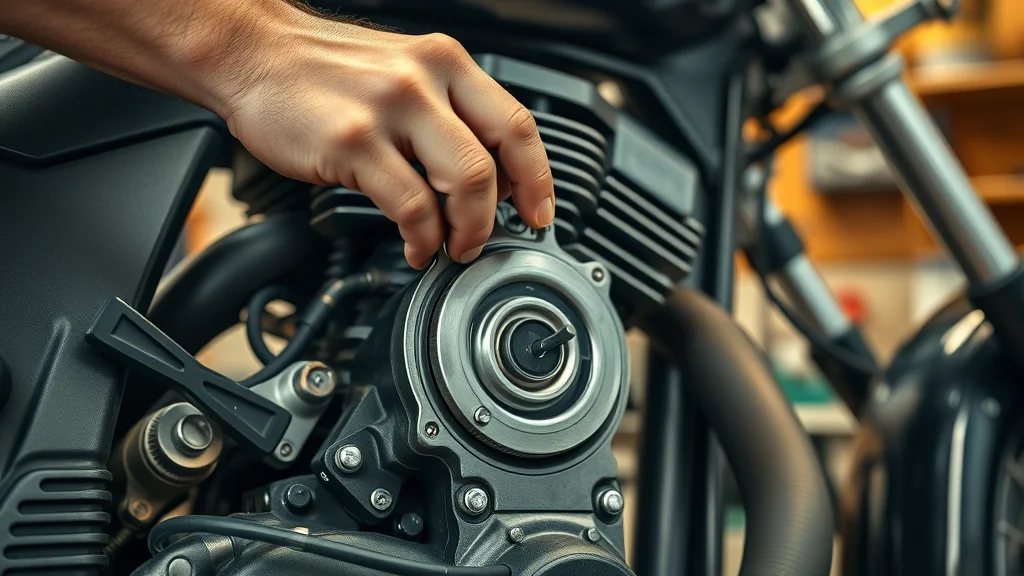
Close-up of motorcycle spark plug maintenance to avoid fuel efficiency mistakes

Efficient Driving: The Foundation for Superior Fuel Efficiency

The Connection Between Driving Habits and Fuel Efficiency

Every twist of your throttle and touch of the brakes has an immediate impact on fuel efficiency. Aggressive acceleration uses much more fuel than gradual increases in speed, while sudden or hard braking wastes the energy gained during acceleration. The key principle: energy lost to hard braking is often energy (and fuel) you’ve just paid for at the pump.

To increase your fuel efficiency, practice maintaining a steady speed wherever possible, and anticipate changes in traffic—the less you need to brake hard or throttle up quickly, the more efficient your ride. These driving habits are fundamental to long-term ride economy. They also reduce wear on key components, saving you additional repair costs.

Smooth Acceleration vs. Hard Braking in Efficient Driving

Riding smoothly is the hallmark of every fuel-conscious rider. Smooth, consistent acceleration keeps fuel delivery moderate and predictable, whereas rapid acceleration dumps extra gas into the cylinders. Conversely, hard braking signals lost momentum and wasted energy.

Instead, focus on reading the road ahead. Roll on the throttle gently after complete stops and use engine braking when slowing down. Not only does this approach reduce fuel consumption, it also opens the door to better overall vehicle performance—a win-win of increased fuel efficiency and a safer, more comfortable ride.

“Conservative riding with even throttle application is the single most effective method to boost fuel efficiency.”

Essential Maintenance to Avoid Common Fuel Efficiency Mistakes

Air Filter Issues: The Silent Fuel Efficiency Killer

The air filter is your engine’s first line of defense against dust and debris. When it becomes clogged, intake airflow drops, oxygen mixtures become uneven, and your engine has to work overtime—resulting in less efficient combustion and reduced overall fuel economy. Many motorcyclists wait too long to replace their air filters, not realizing the negative impact on fuel efficiency and even risking engine damage in the process. To avoid one of the most common mistakes in fuel efficiency riding tips, follow scheduled air filter maintenance and inspect more frequently if riding in dusty or urban environments.

A clean air filter optimizes the balance between fuel and oxygen, ensuring maximum combustion efficiency and performance. Not only does regularly swapping out a dirty filter save fuel, but it can also help maintain vehicle performance and extend the life of core engine components.

Spark Plug Problems and Their Impact on Fuel Efficiency

Your spark plug delivers the ignition spark necessary for combustion. A worn spark plug misfires or provides an incomplete burn, which not only wastes fuel but increases emissions and can even harm the catalytic converter over time. Even slight wear or deposits can decrease fuel efficiency noticeably.

Inspecting and replacing your spark plug at the intervals specified in your owner’s manual is a small but vital step to maximize efficient driving. Ensuring a healthy spark improves responsiveness, maintains strong power delivery, and keeps your gas mileage at its best. This simple maintenance habit reduces fuel wastage and supports smooth, efficient engine function.
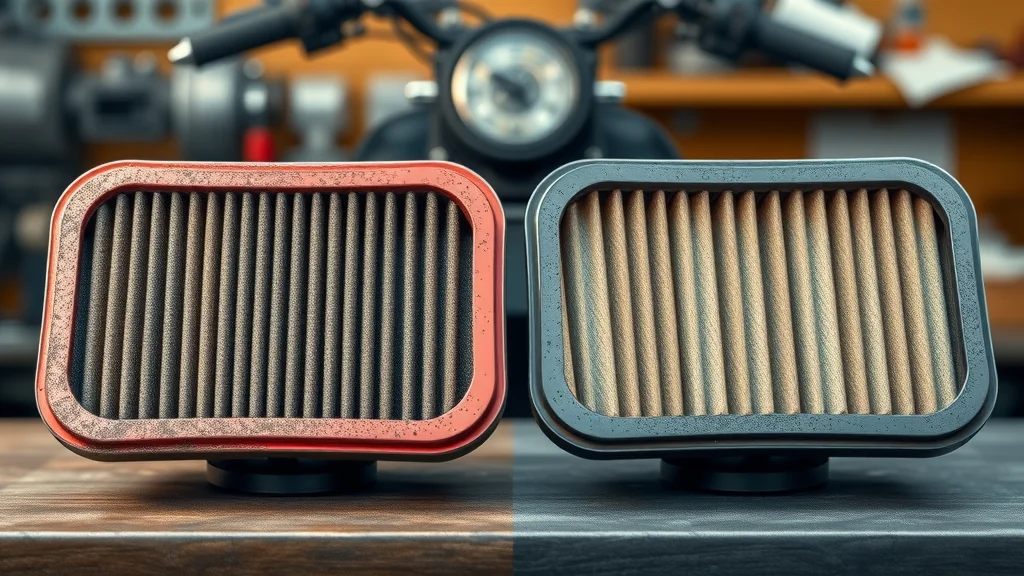
Clean vs dirty motorcycle air filters showing impact on fuel efficiency

Why Tire Pressure Matters for Fuel Efficiency

It’s easy to overlook tire pressure, but riding on underinflated tires increases rolling resistance—a drag that forces your engine to use more power and ultimately reduce fuel efficiency. Properly inflated tires optimize your contact with the road, reduce uneven wear, and increase safety, comfort, and efficiency all at once.

Checking tire pressure regularly is one of the simplest, most effective maintenance tips for any rider aiming to improve gas mileage. Use a reliable gauge, and always adjust tire pressure according to your manufacturer’s specifications, taking into account load and passenger changes. A quick check can make all the difference in long-term fuel economy.

Air Conditioner Use and Its Effect on Fuel Efficiency

While motorcycles rarely feature built-in air conditioning like cars, riders sometimes use add-ons like electric cooling vests or portable fans during hot weather. Even in motorcycles or scooters equipped with a cabin or enclosed systems, running the air conditioner draws noticeable power from the engine, putting a dent in fuel efficiency.

If you must stay cool, do so moderately; remember, using these features on low speeds or in dense traffic compounds the impact on fuel economy. Balancing comfort and efficiency is about moderation: turn off the AC or electric accessories when they aren’t strictly necessary, and use natural ventilation (open vents or windows, where applicable) whenever possible to save fuel.

Driving Habits: How Small Changes Make a Big Difference in Fuel Efficiency

Cruise Control: Friend or Foe of Efficient Driving?

Cruise control can be a powerful ally for riders covering long distances, especially at steady highway speeds. By maintaining a constant speed, cruise control helps avoid minor but wasteful fluctuations in throttle and keeps fuel delivery efficient. However, using cruise control on hilly terrain or in heavy traffic can work against you—leading to unnecessary engine strain or disengagement and re-engagement that messes with overall fuel economy.

The rule of thumb: Use cruise control where the road and conditions are predictable and relatively flat, but rely on your own judgment—and steady throttle technique—when traffic is variable or the landscape is rolling. This way, you get the best benefits from this feature without trading off fuel savings for convenience.
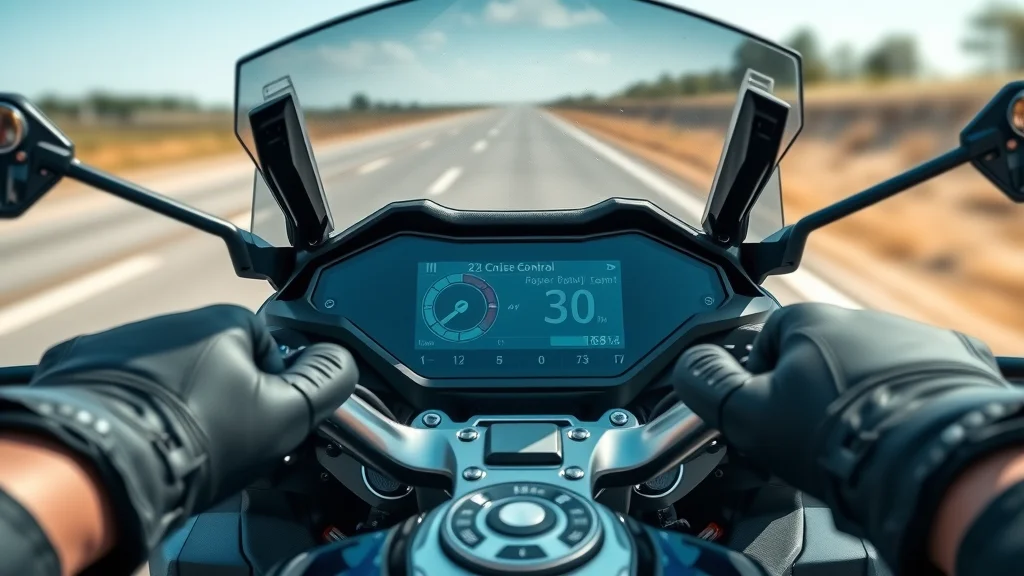
Modern motorcycle dashboard cruise control feature for fuel efficiency

Weight, Wind, and Aerodynamics: Overlooked Fuel Efficiency Mistakes

It’s easy to underestimate the effects of added weight and wind resistance on your fuel consumption. Carrying extra luggage, strapping on bulky gear, or even riding with a passenger all increase the load, which pushes the engine to work harder, reducing fuel efficiency. Likewise, riding with exposed gear or without attention to your motorcycle’s aerodynamic drag can make a measurable impact, especially at higher speeds.

Simple adjustments yield big results: pack only what you need, secure loads tightly to minimize wind catch, and streamline your gear. Wearing close-fitting clothing and maintaining a more aerodynamic riding posture can further help retain optimal gas mileage across all riding conditions.

“Regularly checking tire pressure alone can improve fuel efficiency significantly—don’t neglect the simple things.”

Lists of Do’s and Don’ts to Maximize Fuel Efficiency

  • Check tire pressure frequently
  • Replace air filters as scheduled
  • Monitor spark plug condition
  • Limit excessive idling
  • Avoid heavy use of air conditioner when possible
  • Do not ride aggressively
  • Avoid unnecessary acceleration
  • Do not overload your bike
  • Don’t skip routine maintenance

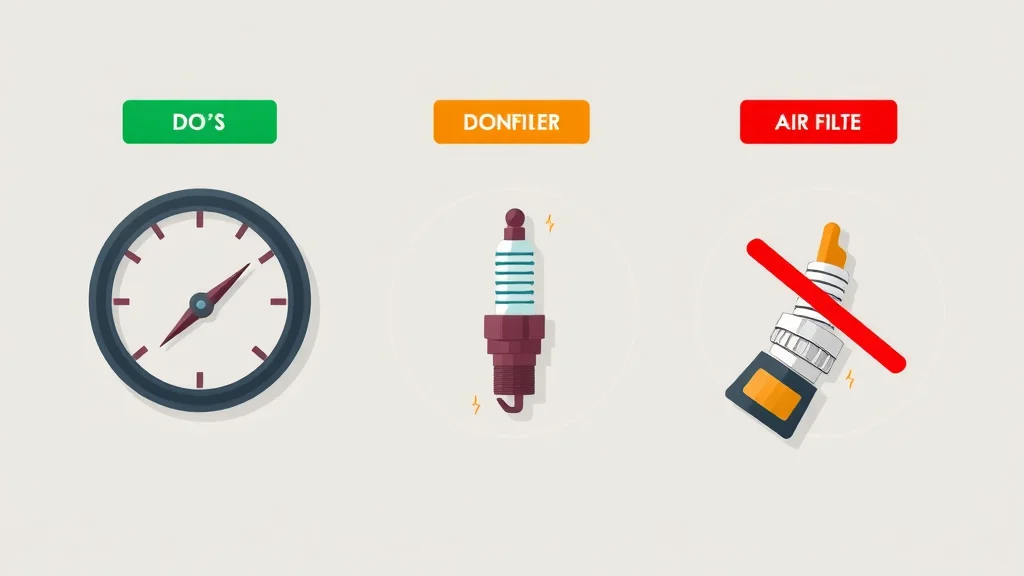
Icons of tire gauge, spark plug, and air filter for fuel efficiency do’s and don’ts

Tables: At-a-Glance Comparison of Fuel Efficiency Factors

Factor Impact on Fuel Efficiency How to Optimize
Driving Habits Major (up to 30%) Smooth acceleration, avoid aggressive driving, steady speed
Air Filter Condition Moderate-High Replace/filter as scheduled, inspect regularly
Spark Plug Health Moderate Check and replace at intervals, use recommended types
Tire Pressure Moderate (affects rolling resistance) Maintain correct psi according to the manufacturer
Weight & Aerodynamics Moderate Lighten load, wear fitted gear, streamline accessories
Air Conditioner Use Low-Moderate Minimize or use naturally ventilated cooling solutions
Routine Maintenance Major (long-term effect) Follow schedule, address issues as they arise

People Also Ask: Answers to Your Top Questions

How to ride fuel efficiently?

Riding fuel efficiently means adopting habits like smooth acceleration, gradual braking, maintaining steady speeds, and avoiding unnecessary idling, especially in traffic jams. Regularly check your tire pressure, change your air filter when it’s due, and make sure your spark plug is clean and functional. Avoid overloading your bike or using unnecessary accessories that add drag or weight. Stick to these maintenance tips and driving techniques for optimal fuel efficiency.

What trick gets the best gas mileage?

The most effective trick for the best gas mileage is to maintain a consistent, moderate throttle. This simple habit minimizes fuel wastage from stop-and-go changes and aggressive input. Regular maintenance of air filter, spark plug, and tire pressure complements your riding technique by keeping your engine running as efficiently as possible, substantially improving your fuel economy.

What is the most common mistake drivers make?

The most prevalent mistake is neglecting routine maintenance—especially ignoring a clogged air filter or worn spark plug. Pair this with aggressive driving habits like rapid starts, harsh braking, and frequent high-speed riding, and you have a recipe for poor fuel efficiency. Addressing these common errors makes a noticeable difference in fuel consumption and vehicle performance.

Is 60 mph more efficient than 70 mph?

Yes, as a general rule, lower speeds around 60 mph are significantly more fuel-efficient for most motorcycles and cars compared to 70 mph. Above this threshold, aerodynamic drag increases substantially, making the engine work harder and resulting in noticeably higher fuel consumption per mile. Sticking closer to 60 mph where safe and practical is a reliable way to increase your gas mileage.

FAQs: Common Mistakes in Fuel Efficiency Riding Tips

  • How often should I check my tire pressure for optimal fuel efficiency?
    Check at least once a week, and before any long ride, to ensure optimal contact with the road and minimize rolling resistance for the best fuel efficiency.
  • Does using higher-octane fuel improve fuel efficiency?
    For most motorcycles, higher-octane fuel does not increase fuel efficiency unless your manufacturer specifically recommends it. Stick to the recommended grade for your bike.
  • Can skipping oil changes hurt my gas mileage?
    Absolutely. Old or degraded oil increases internal engine friction, making your motorcycle work harder and reducing fuel efficiency. Follow the oil change schedule without exception.
  • How important is chain lubrication for fuel efficiency?
    A well-lubricated chain reduces mechanical drag and friction, helping preserve fuel efficiency and prevent undue wear on your drivetrain.
  • Is it better to ride with windows down or AC on for fuel efficiency?
    On motorcycles, this is usually not a consideration, but for scooters or enclosed rides: opening windows increases aerodynamic drag at higher speeds, while AC draws power from the engine. For best efficiency, moderate AC at highway speeds is often preferable over open windows.

Professional mechanic advising on motorcycle fuel efficiency maintenance tips

Key Takeaways for Avoiding Common Mistakes in Fuel Efficiency Riding Tips

  • Consistent maintenance equals consistent fuel efficiency
  • Driving habits play a crucial role in gas mileage
  • Small adjustments can make a significant impact

Get Expert Help to Maximize Your Motorcycle’s Fuel Efficiency

“Don’t let avoidable mistakes drain your wallet at the pump—expert advice is just a call away.”

Call Nasty Performance Motorcycle Shop Today: 847-458-4858

Watch how smooth acceleration, gentle braking, and simple maintenance checks combine for maximum fuel efficiency on the road.

Conclusion

Avoiding common mistakes in fuel efficiency riding tips is within every rider’s reach. Follow the essentials: adopt smarter driving habits, stay on top of maintenance, and get expert help when in doubt—your bike and your wallet will thank you!

If you’re ready to take your motorcycle care to the next level, don’t stop with just fuel efficiency. Expanding your knowledge to include seasonal maintenance can help you anticipate issues before they arise and keep your ride performing at its best in any weather. Explore the full guide on seasonal bike care secrets every rider must know for advanced strategies that go beyond the basics. By integrating these expert tips into your routine, you’ll not only maximize fuel savings but also extend the life and reliability of your motorcycle. Make every mile count—your next level of riding mastery starts with proactive, year-round care.


Riding Tips & Preps

0 Comments

Write A Comment

*
*
Please complete the captcha to submit your comment.
Related Posts All Posts

Tips for Motorcycle Trip Planning That Will Save Your Day

Have you ever wondered why some motorcycle trips become legendary journeys while others unravel due to one overlooked detail? This guide provides actionable tips for motorcycle trip planning—so you can enjoy the open road, avoid headaches, and make every mile a memory worth savoring. Discover how a few smart steps will shape the outcome of your next motorcycle adventure, regardless of whether you’re plotting a cross-country road trip or a long weekend ride. Start Your Journey: The Essential Tips for Motorcycle Trip Planning Every successful motorcycle trip starts before the engine even turns over. Smart planning is the key to making the most of your long motorcycle ride or epic motorcycle road trip. By following the right strategies, you avoid unnecessary stress, unexpected hazards, and wasted opportunities. In this section, you'll find real-world strategies for organizing a smooth road trip—from picking your route to prepping your motorcycle for long distance challenges. Whether you're a seasoned rider or preparing for your first big motorcycle road trip, the right approach empowers you to focus on the ride, not the "what ifs. " You'll gain confidence by understanding exactly what each part of the journey demands—from pre-trip maintenance checks to selecting luggage and keeping safety top of mind. Carefully considering packing, route planning, and gear will help you steer clear of common pitfalls like flat tires or missed fuel stops. Let’s jump in and lay down the groundwork for a ride that feels as good as you’ve always imagined. What You'll Learn About Tips for Motorcycle Trip Planning Key strategies for successful road trip and motorcycle trip organization Ways to prepare your motorcycle for long motorcycle and motorcycle road adventures Practical guidance on motorcycle riding safety, luggage, and readiness for long rides Why Are Tips for Motorcycle Trip Planning Important? Implementing effective tips for motorcycle trip planning transforms a good motorcycle ride into a great one. A well-planned trip isn’t just about knowing where you’re headed, but also about anticipating challenges and maximizing comfort and safety. Consider how quickly a road trip can turn sour if your navigation app fails in a remote area, or you run out of fuel with no gas station in sight. By prepping ahead of time, you minimize risks and ensure a smoother journey, no matter the distance motorcycle trip you’re planning. Planning also gives you the chance to tailor each ride to your group’s riding style, whether it’s a solo adventure or a group motorcycle road trip. When you map out rest stops, check weather forecasts, and set up safety contacts in advance, you’ll feel ready for every curve that comes your way—both literally and figuratively. It’s a good idea to treat planning not as a chore but as the invisible force that keeps your ride on the road and your mind at ease. As you fine-tune your trip plans, remember that your motorcycle’s condition can make or break your adventure. For a deeper dive into keeping your bike in peak shape throughout the year, check out these seasonal bike care secrets every rider should know. Staying proactive with maintenance ensures your ride is ready for any journey, no matter the season. The Core Benefits of Thoughtful Motorcycle Road Trip Preparation Thoughtful preparation means you’re setting yourself up for both freedom and safety on your road trip. By plotting your route, organizing your gear, and conducting pre-ride inspections, you’re less likely to find yourself stranded with a flat tire or hunting desperately for rain gear. Every detail—from heated gear for chilly runs to packing your repair kit—directly impacts your comfort level, your motorcycle’s health, and the memories you’ll create. "Planning a motorcycle trip is about freedom and safety—a carefully mapped route often makes the difference between a memory and a mishap." Assessing Your Destination: Motorcycle Road Trip Route Planning Route planning is the backbone of every motorcycle journey. Whether you’re eyeing scenic backroads or major highways, the features of your destination and the roads that lead there matter just as much as your final goal. The smartest tips for motorcycle trip planning start with assessing your options: Which routes offer inspiring scenery and smooth riding surfaces? Where can you find reliable fuel stops and overnight accommodations along the way? Spending time up front researching ensures that the journey is as rewarding as the destination—especially for long motorcycle rides that pass through unfamiliar or remote terrain. By weighing route options and destination highlights, you can match your trip to your adventure bike’s capabilities and your group’s energy level. Always check local traffic laws and road conditions ahead of time, as what’s enjoyable on a touring bike may be exhausting on a lighter machine. Strategic planning also helps avoid high-traffic areas during peak hours, allowing you to enjoy each stretch with peace of mind and a sense of exploration. Selecting Scenic and Safe Routes for Your Motorcycle Trip Choosing the right roads is about more than choosing the shortest or fastest route. For a memorable motorcycle road trip, consider routes known for their beauty, good road conditions, and frequent amenities. Look for roads less traveled that offer breathtaking views, interesting stops, and low-risk riding. Using ride planning software or consulting motorcycle community forums is a pro tip for discovering routes with extraordinary viewpoints and plenty of opportunities for rest, refueling, and meals. Always prioritize roads with adequate signage and emergency access, especially if planning a long motorcycle trip through rural or mountainous regions. Don’t forget to factor in your desired balance between adventure and comfort. For some, twisty mountain passes are bucket-list rides; for others, longer but straighter highways make for easier days. To play it safe, make sure each planned stretch has options for gas stations and overnight stays, so you’re never caught without a backup plan. Reliable trip preparation means you can fully immerse yourself in the experience without worrying about unforeseen detours or dead-ends. Considering Long Distance and Long Motorcycle Trip Factors When mapping out a long distance motorcycle journey, it’s essential to take stock of factors unique to multi-day or cross-state rides. Consider your group’s average energy level and the type of bikes in your lineup. Touring bikes may allow longer daily mileage than adventure bikes or standards. Analyze daily distances, account for realistic travel speeds, and build extra time for scenic detours or unplanned road delays. Pre-ride research about local weather patterns, roadwork, and seasonal closures is also crucial for avoiding the frustration of last-minute reroutes. Remember, the longer the motorcycle road trip, the more critical advance planning becomes. Keep a checklist of must-stop fuel stations, especially in sparsely populated regions. Consult online tools that map gas stations and rest stops along your route, and use them to mark backup options in case your original plans go awry. A road trip is meant to be an adventure—not a test of survival—so thoughtful preparations are just as important as the bike itself. Comparison Table: Popular Motorcycle Road Destinations and Route Features Destination Route Scenic Value Road Quality Fuel Stops Rider Amenities Blue Ridge Parkway ★★★★★ ★★★★☆ Every 40-50 miles Picnic areas, outlooks Pacific Coast Highway ★★★★★ ★★★★☆ Frequent towns Scenic stops, restaurants Tail of the Dragon ★★★★☆ ★★★★★ Nearby gas stations Shops, photo ops Route 66 ★★★☆☆ ★★★☆☆ Infrequent (plan ahead!) Historic diners, motels Essential Gear Checklist: Tips for Motorcycle Trip Planning One of the core tips for motorcycle trip planning is to put your gear together before departure. Proper motorcycle riding gear not only ensures comfort but can be a life-saver in case of a fall or rapid weather change on the road. Don't overlook the value of rain gear, heated gear for long rides, and layers designed for varying temperatures. You should also assemble a repair kit that includes tire plugs, wrenches, and zip ties—key for handling a flat tire or minor breakdown far from home. Keeping essential gear readily accessible means you’ll be able to react swiftly and safely to unexpected situations. Must-Have Items for Every Motorcycle Trip Protective riding gear—including heated gear for long rides Roadside repair kits (including flat tire essentials) Weather-adaptive clothing and backup accessories Packing light is wise, but make sure you don’t leave behind critical safety items. A first aid kit, multi-tool, extra fuses, and a portable tire inflator belong in every motorcycle touring kit. It’s also a good idea to bring personal ID, important documents, and a small supply of emergency cash for places that may not accept cards. With the right checklist, you’ll never have to worry about being caught unprepared on your next motorcycle road trip. Motorcycle Inspection and Maintenance Before a Road Trip Reliable maintenance checks are a non-negotiable tip for motorcycle trip planning. Before embarking on long motorcycle or distance motorcycle trips, survey your machine from tip to tail. Comprehensive inspections decrease the chance of breakdowns and extend both your bike’s lifespan and your own peace of mind. Thorough checks reveal worn or unsafe components, keeping you and your riding partners safe during long rides. Pre-Ride Safety Checks for Long Motorcycle and Distance Motorcycle Journeys Begin every trip by reviewing lights, mirrors, chain/belt condition, and ensuring all fasteners are secure. Tire pressure must be set according to load—overlooked tire maintenance is a major cause of preventable roadside incidents. Check for leaks and confirm that controls and levers operate smoothly. Investing time in a detailed pre-ride inspection is a pro tip that could save you from a long wait for roadside assistance or a dangerous situation out on the highway. Test your brake function, ensure your horn is working, and top up fluids such as brake, coolant, and clutch fluid. Take extra care if your trip will cover varied terrain or long distances; unexpected changes in weather or elevation can affect bike performance and rider comfort. Especially before a long motorcycle trip, be sure your battery is fully charged and all critical bolts are torqued to spec. Stay proactive and attentive—this effort pays off in countless trouble-free miles. Tire, Brakes, and Fluid Reviews to Avoid Roadside Hassles Focus on tires—inspect for tread wear, embedded objects, and always set correct inflation. Underinflated or overinflated tires not only reduce comfort but can be dangerous during wet or windy road conditions. Check brakes for pad thickness and smooth operation; squealing or pulsing are signs to replace components before your trip. Clean and lube your chain, check your drive belt, or—if your motorcycle uses shaft drive—confirm proper fluid levels. Finally, replace or top off engine oil and coolant. Carrying a compact bottle of chain lube or a repair kit with zip ties ensures you’re ready for emergencies, whether you’re prepping for an afternoon dash or charting a multi-day road trip. A thorough maintenance routine is your passport to a stress-free, exhilarating journey, regardless of where the roads take you. Luggage Options and Packing for Long Motorcycle Road Adventures Choosing the right luggage for your motorcycle trip is crucial. Your luggage setup impacts your ability to organize gear, maintain stability, and adapt to changing weather and trip length. For most riders, the choice comes down to hard bags versus soft bags. Hard cases offer maximum protection and are highly weather-resistant—ideal for longer rides or carrying sensitive equipment. Soft bags offer flexibility, lighter weight, and are often more affordable, though they may require extra waterproofing. Choosing the Right Luggage and Packing Efficiently Hard vs. soft bags for road trips Balancing your load for sturdy motorcycle riding Whichever type you choose, load your bike with weight evenly distributed—low and toward the center whenever possible. Overpacking one side can affect your riding style and comes with genuine safety risks, especially on winding roads or during sudden maneuvers. Invest in waterproof liners or dry bags regardless of luggage type—rain gear, electronics, and essential documents must be easily accessible and protected. For a pro tip, make a checklist of what you need for each day and keep the most-used items on top or in exterior pockets for quick stops. Planning Your Stops: Rest, Fuel, and Overnight Stays Rest and refueling strategies are easy to overlook but can make or break your ride. Mapping out fuel stops and overnight stays is just as important as charting your route. Not all roads have gas stations at predictable intervals, and some popular long distance motorcycle tour routes can leave you stranded for miles if you fail to plan ahead. Mark major gas stations, rest points, and possible overnight accommodations on your map or GPS—a little foresight helps you keep energy levels up and anxiety down on the longest road trips. Mapping Out Fuel Stops and Reliable Rest Points Before setting out, identify critical fuel stops and backup options for each leg of your trip. It’s a good idea to allow a margin between gas stations—never plan to run the tank to empty. Rest points should offer more than just a bathroom; look for picnic areas, roadside parks, or shaded stretches where you can hydrate and eat. Planning regular breaks minimizes fatigue and keeps your senses sharp, which is essential for safe motorcycle riding on long rides. Selecting Accommodation Along Your Motorcycle Road Trip Whether you prefer the comfort of hotels or the adventure of camping, book important accommodations ahead of time, especially during high-traffic seasons. Confirm reservations before leaving and keep backup options on hand, as weather, traffic, or a mechanical issue could change your trajectory. For group motorcycle trips, search for places that accommodate multiple bikes and offer secure parking. Prioritizing your overnight plans increases peace of mind and lets you savor the journey at every stop. Adapting to Weather on Long Motorcycle Trips Weather can be one of the most unpredictable factors on any motorcycle tour. The best tips for motorcycle trip planning include anticipating forecast changes and packing accordingly. Checking the weather ahead of time for your full route—rather than just your starting point—keeps you prepared for surprise downpours or sudden cold snaps across state lines. Knowledge is power when it comes to adapting your riding style and avoiding dangerous or miserable road conditions. Weather Forecasting Ahead of Time for Road Trips Before each segment of your journey, check updated weather apps or local travel advisories. A storm in the mountains or a pop-up thunderstorm in the Midwest can turn a comfortable ride into a test of endurance if you’re not prepared. Download weather-focused navigation apps that alert you to changes in conditions ahead of time. This foresight not only helps with rain gear and climate control but also influences when to push on or stop for a break. Staying Comfortable: Heated Gear and Climate Prep Heated gear can make all the difference when temperatures drop suddenly on a high-elevation road trip. Heated vests, gloves, and socks keep your core temperature up and your focus sharp, particularly during early morning or late evening rides. Layer your clothing and bring removable layers to adapt to rising and falling temperatures. Make sure your rain gear is lightweight but easily accessible for sudden weather shifts. By planning your wardrobe to match projected weather conditions and carrying a change of gear, you’ll feel comfortable—even on the longest rides. Navigational Tools and Apps for Motorcycle Road Trips Navigation is at the heart of successful, stress-free motorcycle trips. Modern digital tools offer much more than simple turn-by-turn directions—they provide live traffic updates, weather alerts ahead of time, fuel stop locations, and even highlight scenic routes popular among fellow riders. Utilizing the right apps and GPS devices not only enhances your confidence but saves you from frustration on unknown backroads. Best Digital Tools for Planning and Tracking Your Motorcycle Trip Some GPS apps are specifically designed for motorcycle touring, letting you plan routes that prioritize scenic vistas, twisty roads, or the quickest path to your next rest stop. Others offer features for tracking your progress and sharing your location with friends or family for safety. Pro tip: always download offline maps for areas with spotty cell service—it’s a good idea to have backup navigation as well as physical maps for worst-case scenarios. Riders often rely on handlebar-mounted smartphones paired with waterproof cases for the ultimate mix of convenience and safety. Rider Health and Stamina on Long Distance Motorcycle Trips Endurance is key when covering long distances on a motorcycle. Keeping up your energy level through proper hydration, nutrition, and rest is one of the most overlooked tips for motorcycle trip planning. During multi-hour rides, the body dehydrates quickly in the sun and wind, so always keep water on hand—even consider a hydration pack for “hands-free” sipping. Don’t wait until you’re hungry or thirsty; regular snacks and drinks during rest stops help maintain stamina and keep your mind sharp and focused on the road ahead. Hydration, Rest, and Nutrition for Endurance Riding Stop every 1–2 hours for a quick break to stretch, eat, and drink. Pack healthy snacks like fruits, trail mix, or energy bars for easy roadside refueling. On especially long motorcycle trips, listen to your body—fatigue is a safety hazard that can sneak up quickly. Before each ride, check your overall energy level and adjust your riding plan if necessary. A tired or dehydrated rider is far more likely to make errors or lose concentration on critical stretches of road. On-the-Go Repairs: Handling Flat Tire and Unexpected Challenges No road trip is immune to the threat of unexpected hiccups—most commonly, a flat tire or minor mechanical snafu. One of the best tips for motorcycle trip planning is to carry a compact repair kit and learn basic roadside fixes. Even seasoned riders face issues like loose bolts, broken chains, or punctured tires miles from the nearest shop. With tire plugs, zip ties, and a portable inflator in your toolkit, you can get back on the road quickly without derailing your adventure. Tools and Quick Fixes for Keeping Your Road Trip Moving Include multi-tools, replacement bulbs, a chain tool, and duct tape in your kit. Even simple components like extra fuel canisters and spark plugs can be a lifesaver on a remote stretch. Quick fixes give you options in case of mishaps—and having a plan keeps you calm when problems arise. Being ready for the unexpected is the mark of a prepared and confident rider, ensuring you and your bike always make it home (or at least to the next gas station) safely. Group Motorcycle Trips vs. Solo Motorcycle Road Adventures Both group and solo adventures come with distinct rewards and challenges. Riding with others offers more camaraderie, safety in numbers, and shared memories, but requires more planning, coordination, and flexibility. Solo motorcycle road trips, in contrast, let you set your own pace and route, but demand higher self-sufficiency and meticulous preparation for emergency scenarios. Regardless of your riding style, the right tips for motorcycle trip planning will keep your trip smooth. Pros, Cons, and Planning Tips for Each Motorcycle Trip Type Group trips benefit from task sharing—one person handles route planning, another navigates, and someone else can be on repair duty. However, group coordination is a must to avoid mishaps at intersections, fuel stops, or during sudden weather changes. Set clear communication rules—hand signals, meeting points, and fuel strategies—before setting out. For solo rides, triple-check your emergency contacts and leave your itinerary with someone you trust. Carry extra gear and be especially diligent about bike maintenance, since you won’t have immediate backup. Emergency Preparedness During a Long Motorcycle Trip Smart motorcycle trip planning includes building layers of safety backup into your plans. Pack an emergency kit with flares, reflective vests, and copies of important documents—including your license, insurance, and medical information. Share your route and expected check-ins with someone back home, and establish what to do if you don’t communicate on schedule. Remember, an ounce of prevention truly beats a pound of “what now?” Safety Planning, Contact Sharing, and Important Documents Have key contacts pre-programmed into your phone and keep hard copies of essential details safe from rain or damage. Identify local emergency numbers and know the locations of medical facilities along your route, particularly for long-distance or remote road trips. Keeping these protocols in place ensures you’re ready for any surprise, keeping stress low and safety high. "Prepare for the unexpected—your day can turn on a single moment." Motorcycle Riding Etiquette on the Open Road Etiquette is more than courtesy—it’s also about safety and group harmony. Know the universal hand signals, such as the two fingers down gesture, to communicate intentions clearly with fellow riders. In group rides, staggered formations improve visibility and reaction times, while clear rules on passing and regrouping enhance every rider’s experience. Whether you’re leading the group or bringing up the tail, learn these etiquette rules and pass them on—good road citizenship keeps all motorcyclists safer. Rules, Signals (like 2 Fingers Down), and Group Coordination Common courtesy includes respecting different riding styles and paces, yielding to faster vehicles, and using signals for lane changes. A well-coordinated group stays safer and enjoys a tighter, more memorable ride. For solo riders, recognizing signals from other bikers creates a bond of mutual understanding and support on the open road. People Also Ask: Motorcycle Trip Planning Essentials What is the 1% rule in motorcycles? The 1% rule refers to an old statement that 99% of motorcyclists are law-abiding citizens while 1% are outlaws. For modern riders, it's a term generally unrelated to responsible motorcycle trip planning. What does 2 fingers down mean to bikers? The gesture of 2 fingers down is a sign of respect and safety among bikers, wishing each other safe travels and good luck on motorcycle road trips. What is the 4 second rule on a motorcycle? The 4 second rule helps riders maintain a safe distance from the vehicle in front; ensuring better reaction time, especially on long motorcycle trips or at high speeds. Which bike is most liked by girls? Popularity varies by location and trends, but comfort, manageable seat height, and style often make certain motorcycles, like cruisers or standards, appealing to new women riders planning their first motorcycle trip. FAQs on Tips for Motorcycle Trip Planning How early should I start planning my long motorcycle trip? Start planning several weeks ahead of your planned departure—especially for lengthy or cross-country motorcycle trips. This gives you ample time to review your bike's condition, book accommodations, assemble your essential gear, and survey the route for possible changes. Early planning also allows for modifications if unexpected issues with your motorcycle or travel schedule arise. In general, the farther you plan to travel, the sooner you should start laying the groundwork for a smooth road trip. What are the top safety essentials to bring on a motorcycle road trip? Key safety essentials include a DOT-approved helmet, protective gloves, armored jacket and pants, heated gear for cold segments, a comprehensive roadside repair kit with flat tire tools and zip ties, first aid kit, extra fuses, and reliable rain gear. Access to identification and emergency contacts should also be part of your safety checklist. Packing these items ensures you’re ready for both expected and unexpected challenges on the open road. Can I use regular travel apps for motorcycle trip planning? Yes, you can use general travel apps for route mapping, accommodation searches, and weather tracking, but specialized motorcycle navigation apps provide added value. These apps often include curated scenic routes, group ride features, and waypoint management. For long distance motorcycle trips, having both regular and specialized apps is a good idea for comprehensive coverage, especially when cell service is spotty or when seeking hidden gems tailored for two wheels. Expert Advice: Quotes from Experienced Motorcycle Tour Leaders "Meticulous planning transforms a motorcycle tour from a simple ride into an unforgettable journey." Checklist: Final Steps Before Your Motorcycle Road Trip Check your motorcycle's mechanical condition before every trip Double-check your route and accommodation reservations Test your navigational tools and safety devices Pack your gear and prepare for changing weather Share your travel itinerary with family or friends Key Strategies for Motorcycle Trip Planning Success Always build flexibility into your road trip itinerary Prioritize weather and safety on long rides Balance solo adventure with group rides for variety Recap: Time to Hit the Road with Confidence Harness These Tips for Motorcycle Trip Planning for a Stress-Free Adventure With these tips for motorcycle trip planning, you’re ready to transform every mile into a story worth telling. Preparation unlocks freedom—so ride smarter, safer, and with the confidence every memorable motorcycle road trip deserves. If you’re eager to take your motorcycle adventures to the next level, consider how year-round care and seasonal adjustments can further enhance your riding experience. Exploring expert advice on seasonal bike maintenance will help you keep your machine running smoothly, no matter the weather or destination. By integrating these advanced care strategies into your trip planning, you’ll not only extend the life of your motorcycle but also ensure every journey is as safe and enjoyable as possible. Ready to ride with confidence through every season? Dive deeper and discover how proactive maintenance can make every trip legendary. Ready to Plan Your Next Motorcycle Trip? Call Nasty Performance Motorcycle Shop Today: 847-458-4858

How to Prepare for Riding with a Passenger Without Stress

Did you know that improper preparation for riding with a passenger is a leading factor in many motorcycle mishaps? Many riders leap into the adventure of carrying a passenger, only to discover their ride quickly becomes stressful, uncomfortable, or even dangerous. If you’ve ever wondered how to prepare for riding with a passenger and want to ensure your next two-up trip is smooth and safe, you’re in the right place. This guide will give you practical checklists, proven riding tips, and essential gear recommendations—everything you need to feel confident when someone’s riding on the back of a motorcycle with you. Startling Facts About Riding with a Passenger Did you know that improper preparation for riding with a passenger is a leading factor in many motorcycle mishaps? Most riders are surprised to learn just how significantly adding a passenger can change the way their motorcycle handles. The extra weight of a second person impacts braking distance, tire pressure requirements, suspension response, and overall maneuverability. Unprepared riders may experience sudden movements or wobbles, especially at low speed or during mounting or dismounting. According to major motorcycle safety studies, carrying a passenger contributes to a sharp rise in risk unless you adjust your approach and equipment to compensate for the changes. This makes diligent pre-ride checks, clear communication, and the right gear non-negotiable for safe two-up journeys. What You'll Learn: Step-By-Step Guide to How to Prepare for Riding with a Passenger Key checks before riding a motorcycle with a passenger Essential riding gear for both the rider and passenger Effective riding tips and communication strategies Safety adjustments and legal considerations Preparing Your Motorcycle for Riding with a Passenger When you’re planning on riding with a passenger, the first step is to adjust your motorcycle for the extra load. Whether you’re heading out for a long ride or just around the block, physically preparing your bike—and knowing how to check the right components—can make a dramatic difference. Modern motorcycles are designed to handle two-up duty, but only when essential adjustments are made. Don't overlook simple yet critical elements like checking tire pressure, tuning your suspension, and confirming your passenger’s seat and passenger footpegs are secure. Doing so not only ensures comfort but also gives you precise, safe handling, no matter how experienced your passenger is. As you focus on preparing your motorcycle for a passenger, it's also wise to consider how seasonal changes can affect your bike's performance and safety. For a deeper dive into maintaining your motorcycle in top condition throughout the year, check out these seasonal bike care secrets every rider must know to keep your rides smooth and stress-free in any weather. Checking Tire Pressure and Suspension Before Riding with a Passenger Proper tire pressure is even more crucial when you’re adding a passenger to the back of a motorcycle. Both underinflated and overinflated tires can lead to poor handling, sluggish steering, and rapid tire wear. Check your owner’s manual for the correct tire pressure when carrying a passenger—and always measure and adjust while tires are cold. Additionally, your motorcycle’s suspension may need increased preload to compensate for the extra weight and to keep the bike level. A well-tuned suspension keeps rider and passenger comfortable and ensures the tires maintain optimal traction even when braking or cornering. Make these checks routine if you plan to regularly ride a motorcycle with a passenger. Inspecting and Adjusting Foot Pegs and Passenger Footpegs While checking tire pressure, don’t neglect your foot pegs and especially the passenger footpegs. These should be firmly attached, unfold into position easily, and feel stable under pressure—loose or unstable passenger foot supports make for an anxious and unsafe ride. Visual inspection is not enough: physically stand or press down on each foot peg to confirm they’re secure. Remind your passenger on your bike how to use these pegs when mounting or dismounting, as sudden movements can throw off your balance. If you’re prepping for a long ride, lubricate any moving parts for smoother action. Adjusting these small but significant parts helps both rider and passenger maintain a safe, steady stance through all situations. Riding Gear: Essential Equipment for You and Your Passenger Appropriate riding gear protects both rider and passenger and helps boost overall confidence on the road. For riding with a passenger, you’ll both need more than a helmet—think complete protection from head to toe. Before every ride, double-check for approved helmet status, visibility, and comfort. Don’t forget the details, such as eye protection, quality gloves, jackets, pants, and sturdy boots for everyone—yes, even on warm days or short rides. Durable, comfortable gear makes a big difference in passenger confidence and reaction to sudden movements. Establishing an ultra-safe, fully-geared policy maintains high standards for every two-up journey. Choosing the Right Riding Gear for Motorcycle with a Passenger Every person on a motorcycle, whether operator or passenger, benefits from full riding gear. Match your riding jacket, pants, and gloves for abrasion resistance and weather protection—look for armor or padding on elbows, shoulders, knees, and hips. Long pants and sturdy boots (not sandals or sneakers) guard against hot exhausts, debris, or road rash. Eye protection, such as visored helmets or goggles, is an absolute must. Invest in gear for your passenger that’s as robust and comfortable as your own; hand-me-downs or loose-fitting equipment can cause distraction and risk. Prioritize comfort without compromise, especially on a long ride, and select high-visibility colors so drivers can easily spot you both at a glance. Why Your Passenger Should Wear Full Riding Gear Passengers are just as exposed as the primary rider—if not more so. Insist on a DOT or ECE approved helmet, proper motorcycle jacket (with padding), long pants, boots, and gloves. Quality riding gear not only shields from impact and weather, but also reassures a nervous passenger, making them less likely to shift or fidget unexpectedly. On the back of a motorcycle, sudden movements at speed are risky, so comfortable gear helps your passenger remain still and focused. Careful preparation and clear standards also reinforce your commitment to safety, encouraging open communication before, during, and after every ride together. Pre-Ride Briefing: Communication and Coordination Effective communication is the secret to confidence and harmony when riding with a passenger. Before strapping on your helmet, talk through basic expectations and demonstrations: how to get on and off, where to hold on (hips or waist), how to sit still during turns, and what to do if they need to slow or stop. Use hand signals as backup cues for essential riding situations. Reviewing these dynamics beforehand prevents uncertainty during the ride and helps both rider and passenger be proactive rather than reactive. Using Hand Signals for Riding with a Passenger Hand signals aren’t just for communicating with other motorists—develop a simple set of signals with your passenger for start, stop, slow down, or emergency situations. If you’re new to two-up riding, rehearse these signals with the motorcycle off and stationary. Clear communication goes beyond signals: encourage your passenger to tap your shoulder or arm if they’re nervous, uncomfortable, or have a concern. The more you practice these interactions off the road, the smoother your ride will be. Advanced riders even use Bluetooth intercoms, but for most people, solid hand signals and clear pre-ride agreements make every trip safer and less stressful. Setting Passenger Expectations When Riding on the Back of a Motorcycle Before you hit the road, set clear guidelines for your passenger’s role. Remind them to avoid sudden movements, always keep both feet on the passenger footpegs, and lean with you in turns—not independently. Teach them how to align their body with yours, perhaps “lean forward” slightly if you accelerate, and always keep a gentle grip around your hips or waist, not the shoulders. Setting these expectations makes riding on the back less intimidating for first-timers, reducing anxiety and minimizing risk for both of you. Use calm, friendly language, and encourage open communication for all future rides. Motorcycle Handling and Riding Tips with a Passenger Bringing a passenger aboard alters how you ride a motorcycle. The added extra weight means you must be smooth with throttle, brakes, and steering, using extra caution at low speeds and when cornering. Whether heading out for a long ride or a city trip, the real key to comfort is adjusting your riding style—avoid abrupt acceleration or hard braking, and give yourself extra time and space for every maneuver. Staying alert and communicating clearly helps both you and your passenger relax into the ride, making it more fun and less like a chore. Adjusting Riding Style for Motorcycle with a Passenger To handle the extra load of a motorcycle with a passenger, take off more gradually, shift at lower RPMs, and plan for slower stops. Turns require extra caution—initiate the lean gently, and remind your passenger to mirror your movements. Always maintain awareness of your increased stopping distance, especially in traffic. When starting and stopping, place feet firmly on the ground before signaling your passenger to mount or dismount. Professional riding tips suggest practicing in a lot or open area before hitting busy streets. Familiarize yourself with “two-up” behavior by taking short, easy rides before extending your journeys—a helpful way to build trust and comfort for both rider and passenger. Practice Safe Braking and the Four Second Rule Braking becomes more demanding when riding with a passenger, due to the increased inertia. Always apply brakes progressively, starting with more gentle pressure on the front brake before squeezing harder as the bike settles. One essential safety tip is following the "four second rule": after the vehicle in front passes a fixed point, you should be able to count four seconds before you pass the same point. This extended following distance compensates for the extra weight and longer stopping time required for safe two-up travel. Also, practice smooth, steady braking and gradual acceleration—quick, sharp stops can cause uncomfortable shifting for both the rider and the passenger, especially on the back of a motorcycle. Legal and Safety Considerations for Riding with a Passenger Before you invite someone to ride on the back of a motorcycle, it’s essential to understand your local laws and best practices on the road. Requirements vary, but typically your bike must be equipped with a passenger seat and passenger footpegs, and you (the rider) should have sufficient experience to handle the extra load. Some regions mandate a minimum age for passengers, and most demand both people wear helmets. If you plan a long ride or cross state lines, double-check those rules in advance. In addition, inform your passenger about route planning and rest stops, and make sure your motorcycle insurance explicitly covers carrying a passenger. Understanding the Laws for Riding with a Passenger Laws for riding a motorcycle with a passenger can differ by state or country. Most places require a securely attached passenger seat, functional passenger footpegs, and a helmet for both riders. Some regions specify the minimum age or minimum height for passengers; others require your motorcycle license to be of a certain class. It’s your responsibility to review and comply with all local regulations. Before any ride, also ensure your motorcycle insurance policy covers carrying a passenger, as this varies by provider and could affect coverage in the event of an incident. Familiarity with these rules helps you ride a motorcycle confidently and legally every time. Ride Planning and Route Selection Proper planning pays dividends for every two-up excursion. Select routes with smooth surfaces, avoiding rough patches and heavy traffic, especially if your passenger is inexperienced. Schedule fuel stops, rest breaks, and snack opportunities every hour or so—a comfortable passenger makes for a safer, less distracted rider. Tell your passenger about upcoming turns or stops ahead of time, and allow them to ask questions or voice concerns. Remember, event organizers or tour guides can provide tips for choosing the right motorcycle for your specific journey if needed. Overall, treat two-up riding as a team effort, where communication and predictability are the cornerstones of a safe, fun ride for both parties. Table: Essential Checklist—How to Prepare for Riding with a Passenger Preparation Step Rider Passenger Reference Tire Pressure Check ✅ Owner’s Manual Helmet Fit/Check ✅ ✅ Safety Standards Foot Pegs/Passenger Footpegs Secure ✅ ✅ Inspection Prior Riding Gear (Full) ✅ ✅ Gear List Hand Signal Review ✅ ✅ Pre-Ride Briefing People Also Ask: Key Questions About How to Prepare for Riding with a Passenger Is it difficult to ride a motorcycle with a passenger? Riding with a passenger changes the balance, handling, and braking of your motorcycle. At first, it may seem a bit challenging, especially during takeoff, at slow speeds, or while cornering. However, with proper preparation—adjusting your tire pressure, suspension, and riding style, as well as clear communication with your passenger—riding two-up becomes much easier. Start with short trips to gain confidence and always ensure both you and your passenger wear full riding gear. What does 2 fingers down mean to bikers? The "two fingers down" gesture is a respectful, subtle signal exchanged between bikers passing one another on the road. It typically means "keep two wheels down" or simply "ride safe. " While not directly about how to prepare for riding with a passenger, this tradition highlights the community’s emphasis on safety and shared experience—principles you should adopt on every ride. What is the 4 second rule on a motorcycle? The "four second rule" is a riding tip for maintaining extra following distance when on a motorcycle. After the vehicle ahead passes a fixed object (like a sign or tree), count "one thousand one, one thousand two, one thousand three, one thousand four. " If you reach the object before finishing, you’re too close. This increased cushion is especially important when carrying a passenger because your stopping distance grows with extra weight. Which bike is most liked by girls? Preference varies widely, but many female riders or passengers favor bikes with comfortable passenger seats, upright riding positions, and easily accessible passenger footpegs. Models known for good ergonomics, manageable seat heights, and smooth handling are often top choices. The most important factor is comfort and confidence for both people, so always "try before you buy" and give priority to safety features over style alone. Expert Quotes on How to Prepare for Riding with a Passenger "Communication and gear are key—prepare your bike thoroughly and never underestimate the impact of riding with a passenger." — Motorcycle Safety Foundation Instructional video demonstrating how to check and adjust motorcycle suspension and tire pressure for safe riding with a passenger, featuring a real rider and passenger on a modern motorcycle, with clear step-by-step visuals in a garage and close-ups of gauges and tools. Watch riders practicing hand signals and communication techniques for stress-free, coordinated two-up motorcycle riding. Essential Lists: Do’s and Don’ts for Riding with a Passenger Do hold a pre-ride briefing with your passenger. Do check all riding gear and footpegs. Do maintain extra following distance. Don’t accelerate or brake abruptly. Don’t ignore passenger comfort signals. Frequently Asked Questions on How to Prepare for Riding with a Passenger What should passengers never do while on the back of a motorcycle? Passengers should avoid sudden movements, standing up, or reaching out while in motion. They should also never take their feet off the passenger footpegs until the motorcycle is fully stopped and the rider says it’s safe to dismount. How often should I check my motorcycle when carrying a passenger? Check the main safety items—tire pressure, foot pegs, and gear—before every ride when carrying a passenger, especially if you alternate between solo and two-up riding. Are there weight limits for riding with a passenger? Yes, all motorcycles have a gross vehicle weight rating (GVWR), often listed in the owner’s manual. Never exceed it, and remember this includes the weight of fuel, gear, and both rider and passenger. Key Takeaways for Stress-Free Riding with a Passenger Preparation and communication are the foundation of safe two-up riding. Always double-check gear, bike setup, and passenger readiness. Practice makes perfect—start with short rides and build experience. Ready to Ride with Confidence? For expert gear, professional tuning, or personalized riding advice, call Nasty Performance Motorcycle Shop today: 847-458-4858. Ride safe and enjoy your adventures together! If you’re committed to making every ride enjoyable and safe, don’t stop at passenger preparation—expand your expertise by learning how to care for your motorcycle through every season. Discover practical strategies for protecting your bike from weather extremes, optimizing performance, and extending its lifespan by exploring seasonal bike care secrets every rider must know. This next step will empower you to ride confidently year-round, ensuring both you and your passenger experience the best your motorcycle has to offer, no matter the conditions.

Expert Advice on Windy Day Motorcycle Riding: Stay in Control

Did you know? According to motorcycle safety research, more than half of serious single-rider bike incidents occur when strong wind or unpredictable gusts catch riders off guard—especially on open highways or exposed roads. Windy conditions are among the least predictable and most underestimated challenges you’ll face on two wheels, making expert advice on windy day motorcycle riding absolutely essential if you want to stay safe and in control every time you ride. A Startling Look at High Wind Risks: Why Expert Advice on Windy Day Motorcycle Riding Matters Riding a motorcycle in high wind isn’t just uncomfortable—it’s genuinely dangerous. When the wind is blowing hard across open roads or between buildings, even experienced riders can be thrown off balance. High wind and strong wind conditions reduce traction, impair handling, and erode your confidence, creating a situation where simple distractions or minor adjustments can lead to losing control. For both beginners and seasoned riders, understanding these risks is the first step to mastering riding a motorcycle in windy conditions. Addressing this challenge starts with recognizing why you need expert advice on windy day motorcycle riding—to keep yourself and fellow motorists safe, to protect your bike, and to ride confidently, whatever the weather. Windy days bring types of wind that change rapidly and unpredictably, with crosswinds, gusts, and tailwinds challenging your riding experience. Riders must not only be physically skilled, but mentally alert to shifting weather conditions. Equipping yourself with tried-and-true tips for riding in high winds will help you make smarter decisions, allowing you to maintain control even when nature tries to push you off course. Riding safely in strong gusts means more than just holding on tightly—it requires the right knowledge, strategies, and mindset to react in the moment. What You'll Learn About Riding a Motorcycle in Windy Conditions How high wind and strong wind impact riding a motorcycle Essential riding techniques for windy conditions Best tips for riding safely in high winds Weather forecast strategies for detecting windy days FAQs and expert quotes on motorcycle in wind Understanding Windy Conditions for Motorcycle Riders When considering expert advice on windy day motorcycle riding, it’s crucial to understand exactly what “windy conditions” mean. Not all wind is dangerous, but when you’re riding a motorcycle, even seemingly moderate breezes can cause trouble. Some types of wind are predictable, like steady tailwinds, while others—like sudden crosswinds or strong gusts—can hit you with little or no warning and require lightning-fast reflexes. Whether you’re navigating coastal highways, mountain passes, or busy city streets, knowing how to identify and categorize wind risk can make the difference between a controlled ride and a dangerous event. Most riders don’t realize that strong wind doesn’t only affect handling at high speeds or on open roads. Urban areas can create unpredictable wind tunnels between buildings, or turbulent pockets behind large vehicles. Riding in wind also puts extra strain on your body and your bike’s stability. Understanding the official definitions, and how your motorcycle in wind behaves, arms you with the confidence to ride your motorcycle under practically any weather conditions. Defining High Wind and Strong Wind When Riding a Motorcycle High wind and strong wind are more than just weather terms—they’re daily realities for many riders. Generally, “high wind” means sustained wind speeds above 25-30 mph, or frequent gusts that reach 35 mph and higher. Anything in this range can unsettle even a heavy touring bike, especially when riding a motorcycle at highway speeds or while passing large vehicles, where sudden side gusts push your bike off its line. A motorcycle in windy conditions demands quick adjustments: leaning into gusts, adjusting your grip, and reading the landscape for signs of increased turbulence. When the wind is blowing at high speeds, both novice and experienced riders must pay attention to fatigue, visibility, and controllability. Unlike cars, motorcycles are vulnerable due to their lighter weight and larger exposed surfaces, such as fairings or panniers. Winds that might not phase an automobile can force a motorcyclist to slow down, reposition, or even pull over entirely if the conditions are too dangerous. That’s why having reliable strategies and gut-level knowledge—anchored in expert advice on windy day motorcycle riding—is non-negotiable for staying safe on the road. Types of Wind and Their Effects on Motorcycle in Wind There are several main types of wind riders encounter: crosswinds, gusts, tailwinds, headwinds, and turbulent wind caused by passing large vehicles or landscape features. Each impacts your motorcycle in wind differently. Crosswinds push your bike sideways, requiring you to lean into the force. Gusts—sudden, unpredictable surges—require immediate correction and can unsettle your bike mid-corner or in straight sections. Tailwinds may increase your speed but decrease your front wheel traction, while strong headwinds reduce top speed and strain your engine. Even more subtle winds, channeled by terrain or buildings, can catch you by surprise and demand on-the-fly adjustments to your riding techniques. Recognizing which wind you’re facing lets you ride more defensively, using proven tips for riding in all weather conditions. Riding experience helps you anticipate how incoming storms or shifts in the environment could alter windy conditions. Learning to “read the wind” is a hallmark of skilled, confident riders: it reduces panic and promotes control when conditions are rapidly changing. Comparing Types of Wind: Crosswinds, Gusts, and Tailwinds Type of Wind Description Effect on Motorcycle Recommended Response Crosswinds Wind pushing sideways across your path Pushes bike off-center, affects stability Lean into wind, adjust lane position Gusts Sudden, strong, and unpredictable bursts Quick disturbance, unsettles bike mid-ride Maintain a relaxed grip, quick correction Tailwinds Wind blowing from behind Speeds up bike, reduces front traction Monitor speed, don’t overcompensate Essential Tips for Riding in High Wind and Windy Conditions Safely riding in wind means targeting every challenge with a clear plan—guided by both expert advice on windy day motorcycle riding and your own trusted routines. The following essential tips for riding help you maintain control and make smart choices in high wind scenarios, whether rolling along open highways, city streets, or rural backroads. Remember, no one tip alone guarantees safety; together, they build a powerful toolkit for confidently facing all types of wind and weather conditions. Before you ride, always check your bike is ready, including tire pressure, suspension, and any loose components—strong wind can exploit even minor mechanical flaws. While underway, keep a watchful eye on weather warnings, approaching storms, and the state of the road. Pre-trip planning, strategic pit stops, and in-motion technique adjustments are the foundation for successful rides in unpredictable windy conditions. In addition to these riding strategies, it's wise to consider how seasonal changes can impact your motorcycle's performance and safety in windy weather. For a deeper dive into preparing your bike for all types of conditions, including wind, check out these seasonal bike care secrets every rider should know. Top Tips for Riding Safely in High Winds 1. Maintain a Relaxed Grip on the Handlebars: A death grip can make your body rigid, reducing your ability to let the bike move beneath you and absorb wind gusts. Instead, keep hands firm but flexible, arms slightly bent, and shoulders down. This helps your motorcycle in windy conditions “self-correct” by letting the frame move naturally with each push or pull from strong wind. 2. Lean Appropriately into Gusts and Crosswinds: When crosswinds hit, lean your upper body and bike slightly into the wind, much as you would while cornering. The key is not to overcorrect—instead, smooth gentle pressure keeps your bike tracking straight without sacrificing control. Maintain a relaxed grip on the handlebars Lean appropriately into gusts and crosswinds Reduce speed in strong wind weather conditions Stay aware of large vehicles and road obstacles Plan stops strategically during high winds 3. Reduce Speed in Strong Wind Weather Conditions: Lower speeds allow you to react more quickly to sudden wind surges or road debris. Slowing down increases your reaction time, improves traction, and lets you choose safer routes around hazards. 4. Stay Aware of Large Vehicles and Road Obstacles: Passing trucks, buses, or even roadside walls can create powerful wind tunnels or sudden gusts. Give larger vehicles extra space, and avoid riding alongside them for extended periods. 5. Plan Stops Strategically During High Winds: Use natural windbreaks—such as overpasses, wooded areas, or embankments—for rest stops. If winds intensify and conditions are too dangerous, don’t hesitate to pull over and wait for weather to improve. Riding Techniques: Staying Safe in Windy Conditions True safety comes from mastering and adapting your riding techniques for every type of wind. With the right execution, you’ll feel calm, collected, and agile—no matter what the weather forecast predicts. Carefully honed skills let you anticipate gusts, manage your balance, and conserve energy over long rides. Every ride in windy conditions sharpens your ability to sense subtle changes in the environment and react before conditions worsen. It’s not only about how you hold the bars or lean: where you look, how you sit, and your readiness to shift weight or adjust trajectory all play a part. Expert advice on windy day motorcycle riding stresses practicing these techniques on safe, open stretches before encountering truly strong wind along your preferred routes. Adjusting Riding Techniques for Different Types of Wind When facing strong crosswinds, shifting your weight toward the wind and moving slightly within your lane can dramatically increase stability. If gusts are intermittent, stay flexible—be ready to momentarily steer into the gust, then relax as it passes. For tailwinds or headwinds, moderate your speed to maintain safe following distances and predictable stopping ability. A key principle for riding in wind is never fighting the wind outright; instead, you adapt your movement to work with the wind, keeping your actions smooth, deliberate, and in sync with changes around you. Practicing in varying weather conditions builds your confidence and improves muscle memory. Regularly review your approach by observing other experienced riders, especially in group rides where wind patterns can change with each formation. If you’re ever unsure, seek out local instructors or group rides focused on wind training—investing in skill-building means you’ll always be ready to handle whatever wind requires on your next ride. Expert Advice: Body Position and Motorcycle Control in Wind How you sit and control your bike in windy conditions makes a huge difference to ride quality and safety. Keep your elbows bent and knees tucked against the tank to form a secure, aerodynamic position. Lowering your torso slightly can reduce wind drag and help you respond more quickly to sudden gusts or changing crosswinds. Proper body position balances your weight over the wheels and keeps your center of gravity low—critical for retaining stability when the wind is blowing from the side or shifting unpredictably. It’s also wise to scan the environment far ahead for signs of wind trouble. Swaying trees, moving dust, fluttering flags, or the way large vehicles react can provide instant wind warnings before you feel them on your bike. Remember, practice builds confidence: regularly simulate strong wind scenarios in open parking lots or low-traffic roads to sharpen reflexes, engage muscle memory, and ensure you’re always ready to ride safely in the most challenging circumstances. Reading Wind Warnings and the Weather Forecast Being prepared starts before you even gear up—always check the weather forecast for possible windy conditions. Modern tools, from weather apps to NOAA and National Weather Service updates, let you anticipate high winds and plan your ride accordingly. Reliable wind warning signs can help you decide whether to proceed, delay, or reroute your journey. Ignoring severe weather warnings is never worth the risk—an unplanned ride in high winds can be stressful and unsafe. Many riders develop a habit of reading the skies—looking for fast-moving clouds, abrupt weather changes, or shifts in local environment that signal increasing winds. While experience sharpens this skill, always rely on official alerts for critical decisions, especially when the National Weather Service or local radio issues urgent wind advisories. How to Check the Weather Forecast for Windy Conditions Use reputable weather services and apps for real-time wind data. Look for wind speed, direction, and gust potential along your route—not just your launch and finish points. Local factors, like mountains or large lakes, can create microclimates of strong wind that online forecasts won’t always predict. Set up weather alerts that notify you of changing weather conditions while you’re on the road. Don’t ignore wind warnings—plan alternate routes, reschedule, or make strategic stops if high wind is forecast along your journey. If the conditions are too dangerous or above your comfort level, it’s smart and safe to delay your ride. Understanding Wind Warning Signs and Alerts Roadside wind warning signs or digital message boards alert you when high wind is blowing, especially on bridges or exposed open highways. These warnings aren’t just for trucks—a motorcycle in wind is just as susceptible. Learn the common warning symbols and listen to radio travel advisories or public alerts, which often specify wind speeds and suggest caution when riding in wind. When in doubt, follow the lead of experienced riders: pause at the next safe location, check your route for updates, and listen to the latest weather service bulletins. The best riders never ignore a wind warning, and you’ll build your own reputation for safety and maturity every time you act on solid information instead of gut instinct alone. Demonstration: Riding a Motorcycle in Wind—Real-World Expert Tips Common Challenges Faced When Motorcycle in Wind Every riding experience in wind teaches you something new—often the hard way. High winds and sudden gusts are notorious for catching riders mid-maneuver, causing abrupt lane changes, or pushing bikes toward the road edge. Visibility also drops as dust, debris, and flying leaves blur your vision. Even passing large vehicles or bridges, where wind funnels or billows unpredictably, presents unique dangers. One of the greatest challenges is mental fatigue from the constant focus and energy required to stay safe and maintain control. Long rides in high winds tire you out faster, so pre-planning frequent breaks and knowing when to call it a day is a hallmark of responsible riding. Don’t hesitate to use every available tool—your training, online weather forecasts, group riding dynamics, and modern gear—to confront and conquer these on-the-road realities. Real Conditions: Navigating High Winds and Sudden Gusts Crossing bridges, cresting hills, and riding beside large trucks or open fields often brings unpredictable wind shifts. The correct, practiced response—leaning, adjusting grip, reducing speed—comes from combining expert advice on windy day motorcycle riding with your unique experience and quick judgment calls. "Wind can turn a leisurely ride into a test of skill and nerve. Knowing how to respond is critical." – Experienced Rider Gusts may appear suddenly from tree breaks or roadside gaps, so always adjust your lane position and speed to give yourself the best chance to react. Group rides can add protection, but they require additional coordination. Balancing vigilance and flexibility ensures you’re still enjoying the ride, even when nature tries to throw you off balance. Protective Gear Recommendations for Riding a Motorcycle in Wind Wearing the right gear is one of the most effective ways to improve your comfort, control, and safety when riding a motorcycle in windy conditions. Well-designed apparel reduces drag, blocks chilling gusts, and improves overall handling by preventing distracting flapping or ballooning fabric. Top manufacturers now offer jackets, gloves, pants, and helmets designed with wind resistance and rider comfort in mind, giving you the confidence to face strong wind on any route. Choosing gear with windproof features, like tight closures, adjustable cuffs, and aerodynamic shapes, can make even a blustery day manageable. Investing in high-quality gear is an investment in safer, more enjoyable rides—don’t cut corners on this vital aspect of your motorcycle in wind strategy. Choosing Wind-Resistant Motorcycle Gear Opt for a snug, yet flexible, jacket with a secure fastening at the neck, waist, and cuffs. This isn’t just about warmth—it’s about reducing loose fabric that could catch the wind and create instability at speed. Gloves should fit closely and offer solid grip, while wind-resistant pants and boots safeguard the lower body. Always wear a full-face helmet with a closed visor to cut down on wind noise and flying debris. Review your gear at the start of every season—replace worn or ill-fitting pieces and ensure every zipper, snap, and seal works flawlessly. Bonus tip: Consider layering wind-resistant base garments beneath your main riding gear on especially blustery days. Staying dry and streamlined helps you feel confident, focused, and safe despite whatever the wind is blowing your way. People Also Ask: Expert Answers to Windy Day Motorcycle Riding Questions [[paa_q1]] Answer: [[paa_a1]] [[paa_q2]] Answer: [[paa_a2]] [[paa_q3]] Answer: [[paa_a3]] Frequently Asked Questions About Expert Advice on Windy Day Motorcycle Riding Is it safe to ride a motorcycle in high wind? Riding a motorcycle in high wind is possible, but it requires careful planning, refined technique, and access to high-quality expert advice on windy day motorcycle riding. Always respect wind warnings and delay your ride if the conditions are too dangerous for your skill or comfort level. With proper preparation and a cautious approach, many riders stay safe even in less-than-ideal weather. How do windy conditions affect motorcycle stability? Windy conditions reduce motorcycle stability by pushing the bike sideways, creating turbulence behind large vehicles, and affecting how the tires interact with the road. These changes require on-the-fly adjustments and greater concentration to maintain control. Learning to read and respond to wind warnings is essential for every rider’s safety. What are the essential tips for riding a motorcycle in wind? Key tips for riding in wind include: maintaining a relaxed grip on the bars, leaning into crosswinds, moderating your speed, respecting wind warnings, wearing appropriate gear, and always checking the weather forecast before heading out. These expert tips create a solid foundation for riding safely in windy conditions. Key Takeaways: Mastering Motorcycle in Wind and Windy Conditions Plan ahead for weather conditions by checking the forecast Utilize proven riding techniques during high winds and gusts Pick appropriate safety gear for windy conditions Stay alert for wind warnings while riding a motorcycle Ready to Ride Confidently? Call Nasty Performance Motorcycle Shop Today: 847-458-4858 Don’t leave your safety to chance. For expert advice on windy day motorcycle riding and top-quality wind-resistant gear, call Nasty Performance Motorcycle Shop today at 847-458-4858—ride safe, ride smart, ride with confidence! If you’re looking to take your motorcycle safety and performance to the next level, consider exploring broader strategies that go beyond just windy day riding. Our comprehensive guide on seasonal bike care secrets reveals how proactive maintenance and smart preparation can help you handle not only wind, but every challenge the road and weather can throw your way. Discover how a well-maintained bike and year-round care can transform your riding experience and keep you confidently in control, no matter the season.

© 2026 Nasty Performance All Rights Reserved. 2035 S. Eastwood Dr., Woodstock, IL 60098 . Contact Us . Terms of Service . Privacy Policy

eyJjb21wYW55IjoiTmFzdHkgUGVyZm9ybWFuY2UiLCJhZGRyZXNzIjoiMjAzNSBTLiBFYXN0d29vZCBEci4iLCJjaXR5IjoiV29vZHN0b2NrIiwic3RhdGUiOiJJTCIsInppcCI6IjYwMDk4IiwiZW1haWwiOiJuYXRlQG5hc3R5cGVyZm9ybWFuY2UuY29tIiwidG9zIjoiUEhBK1BITjBjbTl1Wno0OFpXMCtWMmhsYmlCNWIzVWdjMmxuYmkxcGJpQjNhWFJvSUhWekxDQjViM1VnWVhKbElHZHBkbWx1WnladVluTndPeUI1YjNWeUlIQmxjbTFwYzNOcGIyNGdZVzVrSUdOdmJuTmxiblFnZEc4Z2MyVnVaQ0I1YjNVZ1pXMWhhV3dnWVc1a0wyOXlJRk5OVXlCMFpYaDBJRzFsYzNOaFoyVnpMaUJDZVNCamFHVmphMmx1WnlCMGFHVWdWR1Z5YlhNZ1lXNWtJRU52Ym1ScGRHbHZibk1nWW05NElHRnVaQ0JpZVNCemFXZHVhVzVuSUdsdUlIbHZkU0JoZFhSdmJXRjBhV05oYkd4NUlHTnZibVpwY20wZ2RHaGhkQ0I1YjNVZ1lXTmpaWEIwSUdGc2JDQjBaWEp0Y3lCcGJpQjBhR2x6SUdGbmNtVmxiV1Z1ZEM0OEwyVnRQand2YzNSeWIyNW5Qand2Y0Q0S0NqeHdQanhoSUdoeVpXWTlJbWgwZEhBNkx5OTNkM2N1WjI5dloyeGxMbU52YlNJK2FIUjBjRG92TDNkM2R5NW5iMjluYkdVdVkyOXRQQzloUGp3dmNENEtDanh3UGladVluTndPend2Y0Q0S0NqeHdQanh6ZEhKdmJtYytVMFZTVmtsRFJUd3ZjM1J5YjI1blBqd3ZjRDRLQ2p4d1BsZGxJSEJ5YjNacFpHVWdZU0J6WlhKMmFXTmxJSFJvWVhRZ1kzVnljbVZ1ZEd4NUlHRnNiRzkzY3lCNWIzVWdkRzhnY21WalpXbDJaU0J5WlhGMVpYTjBjeUJtYjNJZ1ptVmxaR0poWTJzc0lHTnZiWEJoYm5rZ2FXNW1iM0p0WVhScGIyNHNJSEJ5YjIxdmRHbHZibUZzSUdsdVptOXliV0YwYVc5dUxDQmpiMjF3WVc1NUlHRnNaWEowY3l3Z1kyOTFjRzl1Y3l3Z1pHbHpZMjkxYm5SeklHRnVaQ0J2ZEdobGNpQnViM1JwWm1sallYUnBiMjV6SUhSdklIbHZkWElnWlcxaGFXd2dZV1JrY21WemN5QmhibVF2YjNJZ1kyVnNiSFZzWVhJZ2NHaHZibVVnYjNJZ1pHVjJhV05sTGlCWmIzVWdkVzVrWlhKemRHRnVaQ0JoYm1RZ1lXZHlaV1VnZEdoaGRDQjBhR1VnVTJWeWRtbGpaU0JwY3lCd2NtOTJhV1JsWkNBbWNYVnZkRHRCVXkxSlV5WnhkVzkwT3lCaGJtUWdkR2hoZENCM1pTQmhjM04xYldVZ2JtOGdjbVZ6Y0c5dWMybGlhV3hwZEhrZ1ptOXlJSFJvWlNCMGFXMWxiR2x1WlhOekxDQmtaV3hsZEdsdmJpd2diV2x6TFdSbGJHbDJaWEo1SUc5eUlHWmhhV3gxY21VZ2RHOGdjM1J2Y21VZ1lXNTVJSFZ6WlhJZ1kyOXRiWFZ1YVdOaGRHbHZibk1nYjNJZ2NHVnljMjl1WVd4cGVtRjBhVzl1SUhObGRIUnBibWR6TGp3dmNENEtDanh3UGxsdmRTQmhjbVVnY21WemNHOXVjMmxpYkdVZ1ptOXlJRzlpZEdGcGJtbHVaeUJoWTJObGMzTWdkRzhnZEdobElGTmxjblpwWTJVZ1lXNWtJSFJvWVhRZ1lXTmpaWE56SUcxaGVTQnBiblp2YkhabElIUm9hWEprSUhCaGNuUjVJR1psWlhNZ0tITjFZMmdnWVhNZ1UwMVRJSFJsZUhRZ2JXVnpjMkZuWlhNc0lFbHVkR1Z5Ym1WMElITmxjblpwWTJVZ2NISnZkbWxrWlhJZ2IzSWdZMlZzYkhWc1lYSWdZV2x5ZEdsdFpTQmphR0Z5WjJWektTNGdXVzkxSUdGeVpTQnlaWE53YjI1emFXSnNaU0JtYjNJZ2RHaHZjMlVnWm1WbGN5d2dhVzVqYkhWa2FXNW5JSFJvYjNObElHWmxaWE1nWVhOemIyTnBZWFJsWkNCM2FYUm9JSFJvWlNCa2FYTndiR0Y1SUc5eUlHUmxiR2wyWlhKNUlHOW1JR1ZoWTJnZ1UwMVRJSFJsZUhRZ2JXVnpjMkZuWlNCelpXNTBJSFJ2SUhsdmRTQmllU0IxY3k0Z1NXNGdZV1JrYVhScGIyNHNJSGx2ZFNCdGRYTjBJSEJ5YjNacFpHVWdZVzVrSUdGeVpTQnlaWE53YjI1emFXSnNaU0JtYjNJZ1lXeHNJR1Z4ZFdsd2JXVnVkQ0J1WldObGMzTmhjbmtnZEc4Z1lXTmpaWE56SUhSb1pTQlRaWEoyYVdObElHRnVaQ0J5WldObGFYWmxJSFJvWlNCVFRWTWdkR1Y0ZENCdFpYTnpZV2RsY3k0Z1YyVWdaRzhnYm05MElHTm9ZWEpuWlNCaGJua2dabVZsY3lCbWIzSWdaR1ZzYVhabGNua2diMllnWlcxaGFXd2diM0lnVTAxVExpQlVhR2x6SUdseklHRWdabkpsWlNCelpYSjJhV05sSUhCeWIzWnBaR1ZrSUdKNUlIVnpMaUJJYjNkbGRtVnlMQ0J3YkdWaGMyVWdZMmhsWTJzZ2QybDBhQ0I1YjNWeUlHbHVkR1Z5Ym1WMElITmxjblpwWTJVZ2NISnZkbWxrWlhJZ1lXNWtJR05sYkd4MWJHRnlJR05oY25KcFpYSWdabTl5SUdGdWVTQmphR0Z5WjJWeklIUm9ZWFFnYldGNUlHbHVZM1Z5SUdGeklHRWdjbVZ6ZFd4MElHWnliMjBnY21WalpXbDJhVzVuSUdWdFlXbHNJR0Z1WkNCVFRWTWdkR1Y0ZENCdFpYTnpZV2RsY3lCMGFHRjBJSGRsSUdSbGJHbDJaWElnZFhCdmJpQjViM1Z5SUc5d2RDMXBiaUJoYm1RZ2NtVm5hWE4wY21GMGFXOXVJSGRwZEdnZ2IzVnlJR1Z0WVdsc0lHRnVaQ0JUVFZNZ2MyVnlkbWxqWlhNdUlGbHZkU0JqWVc0Z1kyRnVZMlZzSUdGMElHRnVlU0IwYVcxbExpQktkWE4wSUhSbGVIUWdKbkYxYjNRN1UxUlBVQ1p4ZFc5ME95QjBieVp1WW5Od096eG9hV2RvYkdsbmFIUWdZMnhoYzNNOUltTnZiWEJoYm5sVFRWTlFhRzl1WlZWd1pHRjBaU0krYm5Wc2JEd3ZhR2xuYUd4cFoyaDBQaTRnUVdaMFpYSWdlVzkxSUhObGJtUWdkR2hsSUZOTlV5QnRaWE56WVdkbElDWnhkVzkwTzFOVVQxQW1jWFZ2ZERzZ2RHOGdkWE1zSUhkbElIZHBiR3dnYzJWdVpDQjViM1VnWVc0Z1UwMVRJRzFsYzNOaFoyVWdkRzhnWTI5dVptbHliU0IwYUdGMElIbHZkU0JvWVhabElHSmxaVzRnZFc1emRXSnpZM0pwWW1Wa0xpQkJablJsY2lCMGFHbHpMQ0I1YjNVZ2QybHNiQ0J1YnlCc2IyNW5aWElnY21WalpXbDJaU0JUVFZNZ2JXVnpjMkZuWlhNZ1puSnZiU0IxY3k0OEwzQStDZ284Y0Q0OGMzUnliMjVuUGxsUFZWSWdVa1ZIU1ZOVVVrRlVTVTlPSUU5Q1RFbEhRVlJKVDA1VFBDOXpkSEp2Ym1jK1BDOXdQZ29LUEhBK1NXNGdZMjl1YzJsa1pYSmhkR2x2YmlCdlppQjViM1Z5SUhWelpTQnZaaUIwYUdVZ1UyVnlkbWxqWlN3Z2VXOTFJR0ZuY21WbElIUnZPand2Y0Q0S0NqeHZiRDRLQ1R4c2FUNXdjbTkyYVdSbElIUnlkV1VzSUdGalkzVnlZWFJsTENCamRYSnlaVzUwSUdGdVpDQmpiMjF3YkdWMFpTQnBibVp2Y20xaGRHbHZiaUJoWW05MWRDQjViM1Z5YzJWc1ppQmhjeUJ3Y205dGNIUmxaQ0JpZVNCMGFHVWdVMlZ5ZG1salpTWWpNems3Y3lCeVpXZHBjM1J5WVhScGIyNGdabTl5YlNBb2MzVmphQ0JwYm1admNtMWhkR2x2YmlCaVpXbHVaeUIwYUdVZ0puRjFiM1E3VW1WbmFYTjBjbUYwYVc5dUlFUmhkR0VtY1hWdmREc3BJR0Z1WkR3dmJHaytDZ2s4YkdrK2JXRnBiblJoYVc0Z1lXNWtJSEJ5YjIxd2RHeDVJSFZ3WkdGMFpTQjBhR1VnVW1WbmFYTjBjbUYwYVc5dUlFUmhkR0VnZEc4Z2EyVmxjQ0JwZENCMGNuVmxMQ0JoWTJOMWNtRjBaU3dnWTNWeWNtVnVkQ0JoYm1RZ1kyOXRjR3hsZEdVdUlFbG1JSGx2ZFNCd2NtOTJhV1JsSUdGdWVTQnBibVp2Y20xaGRHbHZiaUIwYUdGMElHbHpJSFZ1ZEhKMVpTd2dhVzVoWTJOMWNtRjBaU3dnYm05MElHTjFjbkpsYm5RZ2IzSWdhVzVqYjIxd2JHVjBaU3dnYjNJZ2QyVWdhR0YyWlNCeVpXRnpiMjVoWW14bElHZHliM1Z1WkhNZ2RHOGdjM1Z6Y0dWamRDQjBhR0YwSUhOMVkyZ2dhVzVtYjNKdFlYUnBiMjRnYVhNZ2RXNTBjblZsTENCcGJtRmpZM1Z5WVhSbExDQnViM1FnWTNWeWNtVnVkQ0J2Y2lCcGJtTnZiWEJzWlhSbExDQjNaU0JvWVhabElIUm9aU0J5YVdkb2RDQjBieUJ6ZFhOd1pXNWtJRzl5SUR4emRISnZibWMrUEhOd1lXNGdjM1I1YkdVOUltTnZiRzl5T2lOR1JqQXdNREE3SWo1MFpYSnRhVzVoZEdVZ2VXOTFjaUJoWTJOdmRXNTBMM0J5YjJacGJHVWdZVzVrSUhKbFpuVnpaU0JoYm5rZ1lXNWtJR0ZzYkNCamRYSnlaVzUwSUc5eUlHWjFkSFZ5WlNCMWMyVWdiMllnZEdobElGTmxjblpwWTJVZ0tHOXlJR0Z1ZVNCd2IzSjBhVzl1SUhSb1pYSmxiMllwTGp3dmMzQmhiajQ4TDNOMGNtOXVaejQ4TDJ4cFBnbzhMMjlzUGdvS1BIQStKbTVpYzNBN1BDOXdQZ284YUdsbmFHeHBaMmgwSUdOc1lYTnpQU0pqYjIxd1lXNTVUbUZ0WlZWd1pHRjBaU0krVG1GemRIa2dVR1Z5Wm05eWJXRnVZMlU4TDJocFoyaHNhV2RvZEQ0OFluSWdMejRLUEdocFoyaHNhV2RvZENCamJHRnpjejBpWTI5dGNHRnVlVUZrWkhKbGMzTlZjR1JoZEdVaVBqSXdNelVnVXk0Z1JXRnpkSGR2YjJRZ1JISXVMQ0JYYjI5a2MzUnZZMnNzSUVsTUlEWXdNRGs0UEM5b2FXZG9iR2xuYUhRK1BHSnlJQzgrQ2p4b2FXZG9iR2xuYUhRZ1kyeGhjM005SW1OdmJYQmhibmxRYUc5dVpWVndaR0YwWlNJK0tEZzBOeWtnTkRVNExUUTROVGc4TDJocFoyaHNhV2RvZEQ0OFluSWdMejRLUEdocFoyaHNhV2RvZENCamJHRnpjejBpWTI5dGNHRnVlVVZ0WVdsc1ZYQmtZWFJsSWo1dVlYUmxRRzVoYzNSNWNHVnlabTl5YldGdVkyVXVZMjl0UEM5b2FXZG9iR2xuYUhRKyIsInByaXZhY3kiOiJQSEErUEhOMGNtOXVaejVRVWtsV1FVTlpQQzl6ZEhKdmJtYytQQzl3UGdvS1BIQStQSE4wY205dVp6NVVhR1VnYVc1bWIzSnRZWFJwYjI0Z2NISnZkbWxrWldRZ1pIVnlhVzVuSUhSb2FYTWdjbVZuYVhOMGNtRjBhVzl1SUdseklHdGxjSFFnY0hKcGRtRjBaU0JoYm1RZ1kyOXVabWxrWlc1MGFXRnNMQ0JoYm1RZ2QybHNiQ0J1WlhabGNpQmlaU0JrYVhOMGNtbGlkWFJsWkN3Z1kyOXdhV1ZrTENCemIyeGtMQ0IwY21Ga1pXUWdiM0lnY0c5emRHVmtJR2x1SUdGdWVTQjNZWGtzSUhOb1lYQmxJRzl5SUdadmNtMHVJRlJvYVhNZ2FYTWdiM1Z5SUdkMVlYSmhiblJsWlM0OEwzTjBjbTl1Wno0OEwzQStDZ284Y0Q0OGMzUnliMjVuUGtsT1JFVk5Ua2xVV1R3dmMzUnliMjVuUGp3dmNENEtDanh3UGp4bGJUNVpiM1VnWVdkeVpXVWdkRzhnYVc1a1pXMXVhV1o1SUdGdVpDQm9iMnhrSUhWekxDQmhibVFnYVhSeklITjFZbk5wWkdsaGNtbGxjeXdnWVdabWFXeHBZWFJsY3l3Z2IyWm1hV05sY25Nc0lHRm5aVzUwY3l3Z1kyOHRZbkpoYm1SbGNuTWdiM0lnYjNSb1pYSWdjR0Z5ZEc1bGNuTXNJR0Z1WkNCbGJYQnNiM2xsWlhNc0lHaGhjbTFzWlhOeklHWnliMjBnWVc1NUlHTnNZV2x0SUc5eUlHUmxiV0Z1WkN3Z2FXNWpiSFZrYVc1bklISmxZWE52Ym1GaWJHVWdZWFIwYjNKdVpYbHpKaU16T1RzZ1ptVmxjeXdnYldGa1pTQmllU0JoYm5rZ2RHaHBjbVFnY0dGeWRIa2daSFZsSUhSdklHOXlJR0Z5YVhOcGJtY2diM1YwSUc5bUlFTnZiblJsYm5RZ2VXOTFJSEpsWTJWcGRtVXNJSE4xWW0xcGRDd2djbVZ3Ykhrc0lIQnZjM1FzSUhSeVlXNXpiV2wwSUc5eUlHMWhhMlVnWVhaaGFXeGhZbXhsSUhSb2NtOTFaMmdnZEdobElGTmxjblpwWTJVc0lIbHZkWElnZFhObElHOW1JSFJvWlNCVFpYSjJhV05sTENCNWIzVnlJR052Ym01bFkzUnBiMjRnZEc4Z2RHaGxJRk5sY25acFkyVXNJSGx2ZFhJZ2RtbHZiR0YwYVc5dUlHOW1JSFJvWlNCVVQxTXNJRzl5SUhsdmRYSWdkbWx2YkdGMGFXOXVJRzltSUdGdWVTQnlhV2RvZEhNZ2IyWWdZVzV2ZEdobGNpNDhMMlZ0UGp3dmNENEtDanh3UGp4emRISnZibWMrUkVsVFEweEJTVTFGVWlCUFJpQlhRVkpTUVU1VVNVVlRQQzl6ZEhKdmJtYytQQzl3UGdvS1BIQStQSE4wY205dVp6NVpUMVVnUlZoUVVrVlRVMHhaSUZWT1JFVlNVMVJCVGtRZ1FVNUVJRUZIVWtWRklGUklRVlE2UEM5emRISnZibWMrUEM5d1Bnb0tQRzlzUGdvSlBHeHBQbGxQVlZJZ1ZWTkZJRTlHSUZSSVJTQlRSVkpXU1VORklFbFRJRUZVSUZsUFZWSWdVMDlNUlNCU1NWTkxMaUJVU0VVZ1UwVlNWa2xEUlNCSlV5QlFVazlXU1VSRlJDQlBUaUJCVGlBbWNYVnZkRHRCVXlCSlV5WnhkVzkwT3lCQlRrUWdKbkYxYjNRN1FWTWdRVlpCU1V4QlFreEZKbkYxYjNRN0lFSkJVMGxUTGlBc0xpQkJUa1FnVlZNc0lFbFVKaU16T1R0VElFTlZVMVJQVFVWU1V5d2dSVmhRVWtWVFUweFpJRVJKVTBOTVFVbE5VeUJCVEV3Z1YwRlNVa0ZPVkVsRlV5QlBSaUJCVGxrZ1MwbE9SQ3dnVjBoRlZFaEZVaUJGV0ZCU1JWTlRJRTlTSUVsTlVFeEpSVVFzSUVsT1EweFZSRWxPUnl3Z1FsVlVJRTVQVkNCTVNVMUpWRVZFSUZSUElGUklSU0JKVFZCTVNVVkVJRmRCVWxKQlRsUkpSVk1nVDBZZ1RVVlNRMGhCVGxSQlFrbE1TVlJaTENCR1NWUk9SVk5USUVaUFVpQkJJRkJCVWxSSlExVk1RVklnVUZWU1VFOVRSU0JCVGtRZ1RrOU9MVWxPUmxKSlRrZEZUVVZPVkM0OEwyeHBQZ29KUEd4cFBrMUJTMFZUSUU1UElGZEJVbEpCVGxSWklGUklRVlFnS0drcElGUklSU0JUUlZKV1NVTkZJRmRKVEV3Z1RVVkZWQ0JaVDFWU0lGSkZVVlZKVWtWTlJVNVVVeXdnS0dscEtTQlVTRVVnVTBWU1ZrbERSU0JYU1V4TUlFSkZJRlZPU1U1VVJWSlNWVkJVUlVRc0lGUkpUVVZNV1N3Z1UwVkRWVkpGTENCUFVpQkZVbEpQVWkxR1VrVkZMQ0FvYVdscEtTQlVTRVVnVWtWVFZVeFVVeUJVU0VGVUlFMUJXU0JDUlNCUFFsUkJTVTVGUkNCR1VrOU5JRlJJUlNCVlUwVWdUMFlnVkVoRklGTkZVbFpKUTBVZ1YwbE1UQ0JDUlNCQlEwTlZVa0ZVUlNCUFVpQlNSVXhKUVVKTVJTd2dRVTVFSUNocGRpa2dRVTVaSUVWU1VrOVNVeUJKVGlCVVNFVWdVMDlHVkZkQlVrVWdWMGxNVENCQ1JTQkRUMUpTUlVOVVJVUXVQQzlzYVQ0S0NUeHNhVDVCVGxrZ1RVRlVSVkpKUVV3Z1JFOVhUa3hQUVVSRlJDQlBVaUJQVkVoRlVsZEpVMFVnVDBKVVFVbE9SVVFnVkVoU1QxVkhTQ0JVU0VVZ1ZWTkZJRTlHSUZSSVJTQlRSVkpXU1VORklFbFRJRVJQVGtVZ1FWUWdXVTlWVWlCUFYwNGdSRWxUUTFKRlZFbFBUaUJCVGtRZ1VrbFRTeUJCVGtRZ1ZFaEJWQ0JaVDFVZ1YwbE1UQ0JDUlNCVFQweEZURmtnVWtWVFVFOU9VMGxDVEVVZ1JrOVNJRUZPV1NCRVFVMUJSMFVnVkU4Z1dVOVZVaUJEVDAxUVZWUkZVaUJUV1ZOVVJVMGdUMUlnVEU5VFV5QlBSaUJFUVZSQklGUklRVlFnVWtWVFZVeFVVeUJHVWs5TklGUklSU0JFVDFkT1RFOUJSQ0JQUmlCQlRsa2dVMVZEU0NCTlFWUkZVa2xCVEM0OEwyeHBQZ29KUEd4cFBrNVBJRUZFVmtsRFJTQlBVaUJKVGtaUFVrMUJWRWxQVGl3Z1YwaEZWRWhGVWlCUFVrRk1JRTlTSUZkU1NWUlVSVTRzSUU5Q1ZFRkpUa1ZFSUVKWklGbFBWU0JHVWs5TklFOVNJRlJJVWs5VlIwZ2dUMUlnUmxKUFRTQlVTRVVnVTBWU1ZrbERSU0JUU0VGTVRDQkRVa1ZCVkVVZ1FVNVpJRmRCVWxKQlRsUlpJRTVQVkNCRldGQlNSVk5UVEZrZ1UxUkJWRVZFSUVsT0lGUklSU0JVVDFNdVBDOXNhVDRLUEM5dmJENEtDanh3UGp4emRISnZibWMrVEVsTlNWUkJWRWxQVGlCUFJpQk1TVUZDU1V4SlZGazhMM04wY205dVp6NDhMM0ErQ2dvOGNENVpUMVVnUlZoUVVrVlRVMHhaSUZWT1JFVlNVMVJCVGtRZ1FVNUVJRUZIVWtWRklGUklRVlFnUVU1RUlGTklRVXhNSUU1UFZDQkNSU0JNU1VGQ1RFVWdSazlTSUVGT1dTQkVTVkpGUTFRc0lFbE9SRWxTUlVOVUxDQkpUa05KUkVWT1ZFRk1MQ0JUVUVWRFNVRk1MQ0JEVDA1VFJWRlZSVTVVU1VGTUlFOVNJRVZZUlUxUVRFRlNXU0JFUVUxQlIwVlRMQ0JKVGtOTVZVUkpUa2NnUWxWVUlFNVBWQ0JNU1UxSlZFVkVJRlJQTENCRVFVMUJSMFZUSUVaUFVpQk1UMU5USUU5R0lGQlNUMFpKVkZNc0lFZFBUMFJYU1V4TUxDQlZVMFVzSUVSQlZFRWdUMUlnVDFSSVJWSWdTVTVVUVU1SFNVSk1SU0JNVDFOVFJWTWdLRVZXUlU0Z1NVWWdTRUZUSUVKRlJVNGdRVVJXU1ZORlJDQlBSaUJVU0VVZ1VFOVRVMGxDU1V4SlZGa2dUMFlnVTFWRFNDQkVRVTFCUjBWVEtTd2dVa1ZUVlV4VVNVNUhJRVpTVDAwNlBDOXdQZ29LUEc5c1Bnb0pQR3hwUGxSSVJTQlZVMFVnVDFJZ1ZFaEZJRWxPUVVKSlRFbFVXU0JVVHlCVlUwVWdWRWhGSUZORlVsWkpRMFU3UEM5c2FUNEtDVHhzYVQ1VVNFVWdRMDlUVkNCUFJpQlFVazlEVlZKRlRVVk9WQ0JQUmlCVFZVSlRWRWxVVlZSRklFZFBUMFJUSUVGT1JDQlRSVkpXU1VORlV5QlNSVk5WVEZSSlRrY2dSbEpQVFNCQlRsa2dSMDlQUkZNc0lFUkJWRUVzSUVsT1JrOVNUVUZVU1U5T0lFOVNJRk5GVWxaSlEwVlRJRkJWVWtOSVFWTkZSQ0JQVWlCUFFsUkJTVTVGUkNCUFVpQk5SVk5UUVVkRlV5QlNSVU5GU1ZaRlJDQlBVaUJVVWtGT1UwRkRWRWxQVGxNZ1JVNVVSVkpGUkNCSlRsUlBJRlJJVWs5VlIwZ2dUMUlnUmxKUFRTQlVTRVVnVTBWU1ZrbERSVHM4TDJ4cFBnb0pQR3hwUGxWT1FWVlVTRTlTU1ZwRlJDQkJRME5GVTFNZ1ZFOGdUMUlnUVV4VVJWSkJWRWxQVGlCUFJpQlpUMVZTSUZSU1FVNVRUVWxUVTBsUFRsTWdUMUlnUkVGVVFUczhMMnhwUGdvSlBHeHBQbE5VUVZSRlRVVk9WRk1nVDFJZ1EwOU9SRlZEVkNCUFJpQkJUbGtnVkVoSlVrUWdVRUZTVkZrZ1QwNGdWRWhGSUZORlVsWkpRMFU3SUU5U1BDOXNhVDRLQ1R4c2FUNUJUbGtnVDFSSVJWSWdUVUZVVkVWU0lGSkZURUZVU1U1SElGUlBJRlJJUlNCVFJWSldTVU5GTGp3dmJHaytDand2YjJ3K0NnbzhjRDQ4ZFQ1Q2VTQnlaV2RwYzNSbGNtbHVaeUJoYm1RZ2MzVmljMk55YVdKcGJtY2dkRzhnYjNWeUlHVnRZV2xzSUdGdVpDQlRUVk1nYzJWeWRtbGpaU3dnWW5rZ2IzQjBMV2x1TENCdmJteHBibVVnY21WbmFYTjBjbUYwYVc5dUlHOXlJR0o1SUdacGJHeHBibWNnYjNWMElHRWdZMkZ5WkN3Z0puRjFiM1E3ZVc5MUlHRm5jbVZsSUhSdklIUm9aWE5sSUZSRlVrMVRJRTlHSUZORlVsWkpRMFVtY1hWdmREc2dZVzVrSUhsdmRTQmhZMnR1YjNkc1pXUm5aU0JoYm1RZ2RXNWtaWEp6ZEdGdVpDQjBhR1VnWVdKdmRtVWdkR1Z5YlhNZ2IyWWdjMlZ5ZG1salpTQnZkWFJzYVc1bFpDQmhibVFnWkdWMFlXbHNaV1FnWm05eUlIbHZkU0IwYjJSaGVTNDhMM1UrUEM5d1Bnb0tQSEErSm01aWMzQTdQQzl3UGdvOGFHbG5hR3hwWjJoMElHTnNZWE56UFNKamIyMXdZVzU1VG1GdFpWVndaR0YwWlNJK1RtRnpkSGtnVUdWeVptOXliV0Z1WTJVOEwyaHBaMmhzYVdkb2RENDhZbklnTHo0S1BHaHBaMmhzYVdkb2RDQmpiR0Z6Y3owaVkyOXRjR0Z1ZVVGa1pISmxjM05WY0dSaGRHVWlQakl3TXpVZ1V5NGdSV0Z6ZEhkdmIyUWdSSEl1TENCWGIyOWtjM1J2WTJzc0lFbE1JRFl3TURrNFBDOW9hV2RvYkdsbmFIUStQR0p5SUM4K0NqeG9hV2RvYkdsbmFIUWdZMnhoYzNNOUltTnZiWEJoYm5sUWFHOXVaVlZ3WkdGMFpTSStLRGcwTnlrZ05EVTRMVFE0TlRnOEwyaHBaMmhzYVdkb2RENDhZbklnTHo0S1BHaHBaMmhzYVdkb2RDQmpiR0Z6Y3owaVkyOXRjR0Z1ZVVWdFlXbHNWWEJrWVhSbElqNXVZWFJsUUc1aGMzUjVjR1Z5Wm05eWJXRnVZMlV1WTI5dFBDOW9hV2RvYkdsbmFIUSsifQ==

Terms of Service

Privacy Policy

Core Modal Title

Sorry, no results found

You Might Find These Articles Interesting

T
Please Check Your Email
We Will Be Following Up Shortly
*
*
*