Add Row
Add Element
cropper
update

Nasty Performance ~ 847-458-4858 

update
Add Element
  • Blog Home
  • Categories
    • Motorcycle Maintenance
    • Riding Tips & Preps
    • Safety & Inspection
    • Customizations & Upgrades
    • DIY Motorcycle Repairs
    • Motocycle Audio Systems
    • Motocycle Seasonal Care & Storage
    • Engine, Electrical Performance
  • Bike Night
  • Nasty Performance Motorcycle Shop
December 04.2025
1 Minute Read

Winter Motorcycle Gear Guide: Stay Warm and Protected

Did you know that over 30% of winter motorcycle accidents are linked to riders lacking the right winter gear? Riding through cold weather isn’t just a small discomfort—it can change the outcome of your journey. Whether you’re new to winter riding or looking to upgrade your kit, our winter motorcycle gear guide reveals everything you need to stay warm, protected, and confident when temperatures drop. Discover expert tips and best practices to transform your cold weather riding into a safe and enjoyable adventure.

Unveiling the Risks: Why a Winter Motorcycle Gear Guide Matters

"Riding in cold weather without proper motorcycle gear increases the risk of hypothermia and impaired reaction times." – National Safety Council
  • Recent studies reveal that over 30% of winter motorcycle accidents are linked to inadequate winter gear.
  • Cold weather riding increases fatigue and reduces concentration.

When embarking on a winter ride, many underestimate how quickly cold weather can impact both comfort and safety. Prolonged exposure to cold air not only causes discomfort but also slows reflexes and tires you out faster—critical factors when navigating unpredictable roads. A dedicated winter motorcycle gear guide is your roadmap to avoiding these hidden dangers, letting you focus on the road ahead. As the chill sets in, wearing the correct motorcycle gear keeps you insulated, dry, and alert, significantly lowering the risks highlighted in safety studies. That’s why understanding and investing in the right winter gear isn’t just smart—it’s essential to stay warm, protected, and safe.
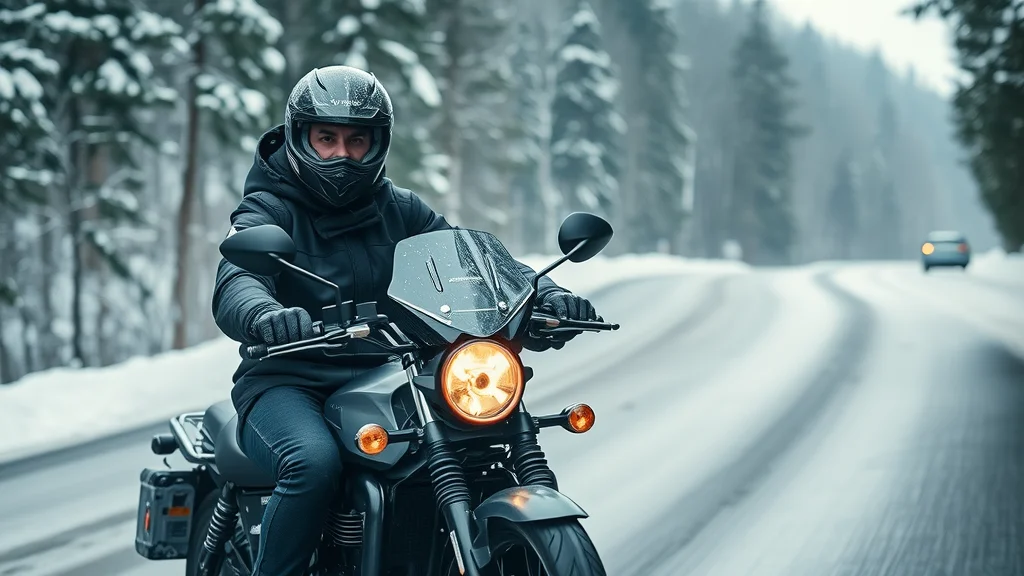
Modern motorcycle rider wearing full winter motorcycle gear, confident and focused on a snowy forested highway, light snowfall, shot with sharp detail — winter motorcycle gear guide

What You'll Learn in This Winter Motorcycle Gear Guide

  • Essential winter motorcycle gear for every rider
  • How to layer for maximum warmth and comfort
  • Top-rated riding jackets, gloves, and base layers
  • Best practices for cold weather riding safety

This guide arms you with practical advice and the latest recommendations for winter motorcycle gear. From understanding the basics of layering to reviewing specific product suggestions, you’ll discover everything you need to ride through winter safely and comfortably. Whether you’re facing icy highways or just chilly morning commutes, you’ll learn actionable tips that help you select, wear, and maintain the best riding gear for cold weather. Keep reading for a deep dive into tested strategies and detailed checklists—all designed to keep you warm and protected throughout the cold season.

As you build your winter riding kit, it’s also important to consider how seasonal changes affect your motorcycle’s performance and longevity. For a comprehensive look at essential maintenance routines that complement your cold weather gear, check out these seasonal bike care secrets every rider should know—they’ll help ensure your bike is as ready for winter as you are.

Understanding the Hazards of Cold Weather Riding

How Cold Weather Impacts Motorcycle Riding

Cold weather riding presents unique hazards that every motorcyclist must take seriously. Exposure to low temperatures can sap your concentration and drain your stamina, making quick responses more difficult when faced with black ice or unpredictable traffic. Even elite riding gear can only do its job if you use it properly and understand how cold air affects your body and your bike. Hypothermia is a very real risk, especially when traveling at highway speeds—wind chill can drive perceived temperatures down dramatically. In addition to physical effects, fatigue sets in faster, leading to lapses in focus just when you need to stay sharp the most.

Besides lowering body temperature, cold weather increases the risk of stiff joints, slower muscle response, and even numbness, all of which make maneuvering and brake control harder. Fogged visors, frozen brake levers, and loss of tactile feedback in your fingers can lead to dangerous mistakes. Seasoned riders respect the hazards of cold weather riding and prioritize gear that addresses these specific challenges. From the right base layers to heated gear, every layer counts toward keeping you dry, alert, and safe on wintry roads.
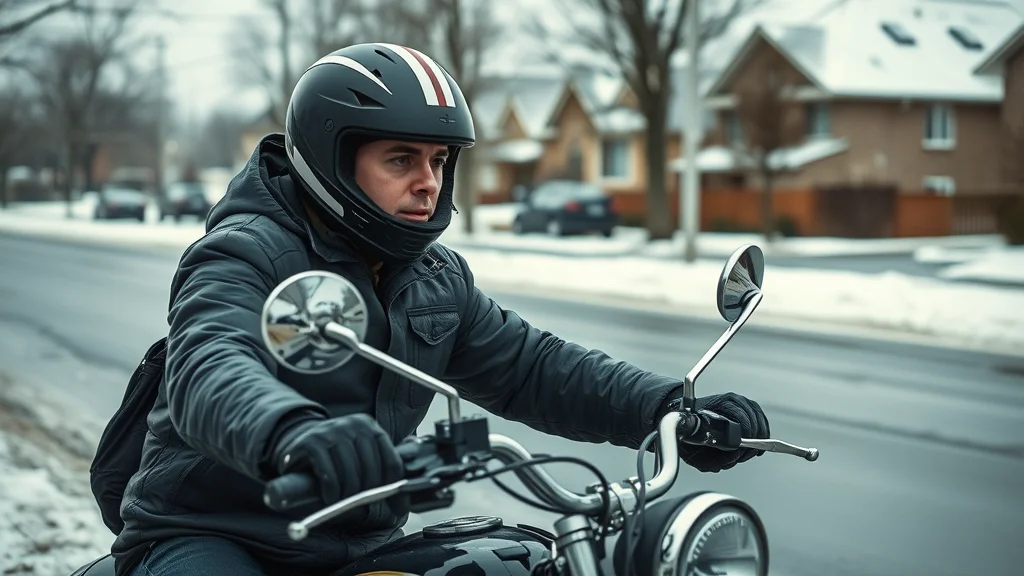
Cautious motorcycle rider navigating icy conditions in a suburban winter street, icy patches visible — cold weather riding hazards

Key Winter Gear and Techniques to Stay Warm

Wearing the right winter motorcycle gear is the foundation of safe and enjoyable cold weather riding. Start with moisture-wicking base layers made of materials like merino wool, which draw sweat away and keep you dry and comfortable. Over this, add an insulating layer such as a fleece or down-filled liner, which traps heat close to your body. Your outer layer—a robust and waterproof riding jacket and pants—will act as the primary shield from wind, water, and cold air.

Equally important are accessories: heated gloves or grips, thick socks, and a neck tube can make the difference between comfort and misery on the bike. Practice layering and learn how to regulate warmth by adjusting vents on your gear, adding or removing layers as needed. Techniques like planning frequent breaks for circulation, using hand and foot warmers, and choosing routes with less exposure to icy wind help you stay warm throughout your winter ride. Mastering these gear choices and techniques builds your resilience, so you can confidently tackle whatever winter throws your way.

Essential Layers: Building a Winter Motorcycle Gear System

Base Layer: Your First Line of Defense

  • Best base layers for moisture wicking
  • Base layers versus base layer: what matters most

The right base layer forms the foundation of your winter motorcycle gear system. Its primary duty is to wick moisture away from your skin, maintaining warmth without allowing sweat to chill you. High-quality base layers are often made of technical fabrics like merino wool or synthetic microfibers, both of which offer excellent moisture management. Merino wool, in particular, stands out for its natural odor-resistance, softness, and superior temperature regulation.

When deciding between multiple base layers or just a single high-performance base layer, prioritize fit and breathability. Layers that sit snugly (but not tightly) work best at moving moisture away from your skin and keeping you dry and comfortable. Always avoid cotton, as it retains moisture, leaving you colder in the long run. Combining the right base layer with additional insulating and weatherproofing garments ensures that each layer can work together, keeping you warm during long winter rides.

Close-up of hands laying out winter motorcycle base layers; soft wool and technical fibers — base layer for cold weather riding

Insulating Layers: Trap the Heat During Cold Weather Riding

The insulating layer sits between your base layer and outer shell, and it’s in charge of trapping heat to keep your core temperature stable. Look for fleece, down, or advanced synthetic insulators that pack warmth without adding excessive bulk. Adjustable mid-layers allow for flexibility—add an extra sweater or thermal liner when temperatures plummet or scale back if you’re working up a sweat. Many motorcycle-specific insulating layers are designed to provide freedom of movement while maximizing heat retention, a critical factor for winter riding gear.

Layering is as much about flexibility as warmth. If your insulating layer is too thick, it may restrict your movement or prevent your outer shell from sealing properly. Instead, opt for slim, purpose-built insulated liners that work harmoniously with your winter motorcycle jacket or pants. This system ensures warmth, comfort, and unimpeded handling of your controls—a must for cold weather riding.

Outer Shells: Winter Riding Jackets and Pants for Maximum Protection

  • Comparing waterproof motorcycle jackets and pants
  • Motorcycle jacket vs riding jackets: Which is better for winter?

The outer shell is your first defensive barrier against the elements. Waterproof motorcycle jackets and pants are designed to shield you from wind, rain, and snow. Look for products with a high-quality waterproof membrane, sealed seams, and ample ventilation zippers for moisture control. Compare different types of riding jackets: true winter jackets typically incorporate more robust insulation, storm flaps, and adjustable cuffs to keep cold air from sneaking in.

When deciding between a dedicated motorcycle jacket versus multi-purpose riding jackets, consider winter-specific features: extended collars, integrated hood systems, and reinforced impact zones. Matching waterproof motorcycle pants offer equal protection for your legs while maintaining flexibility and safety. Stay alert for products with reflective panels—these boost your visibility on gloomy winter rides, helping you stay safe on every journey.
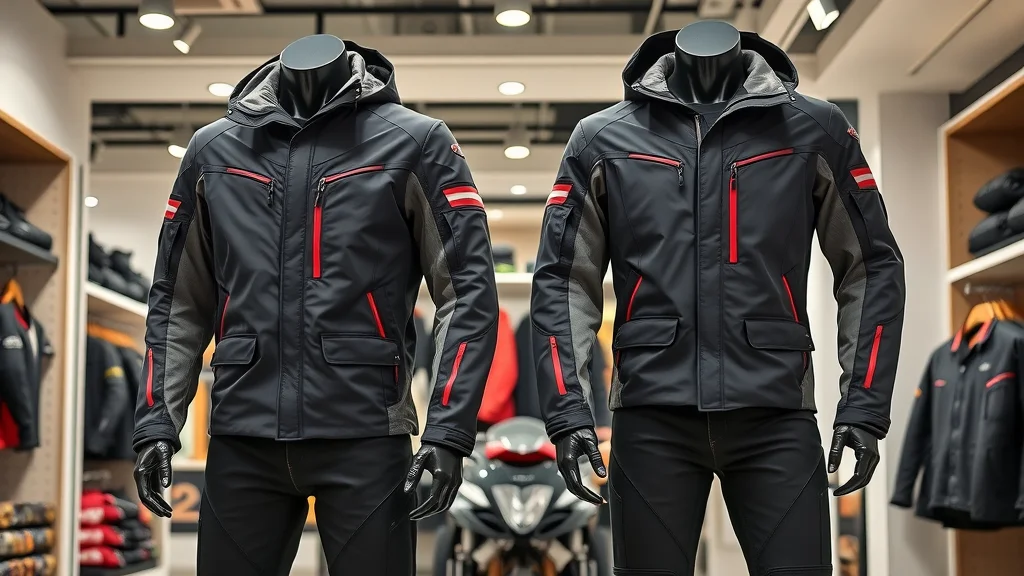
Pair of premium winter motorcycle jackets and pants in a gear store — waterproof, insulated, detailed textures — winter riding jackets vs motorcycle jackets

Winter Motorcycle Gloves & Hands Protection

Features to Look for in Winter Motorcycle Gloves

Choosing the right winter motorcycle gloves is much more than a comfort consideration—it’s about maintaining full control and dexterity on the road. Key features include waterproofing, insulation, and armored protection. Gloves should fit snugly enough to allow free movement without gaps that let in cold air. Popular models utilize advanced membranes that repel water while being breathable, ensuring your hands stay dry even in heavy snow or rain.

For the best experience, opt for motorcycle glove designs with layered thermal linings, adjustable wrist straps, and pre-curved fingers. Modern winter gloves may also offer touchscreen capability and reinforced palms to extend durability. If you ride long distances in frigid temperatures, consider heated glove options that run off your bike’s battery or a rechargeable pack. Ultimately, your winter motorcycle gloves should balance warmth, protection, and responsiveness, ensuring comfort and safety for every winter ride.
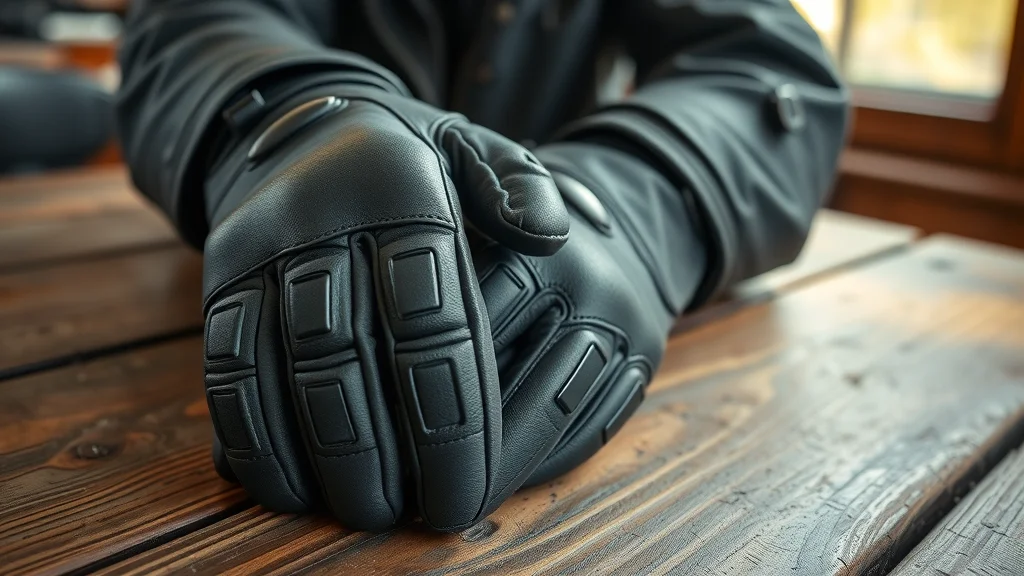
Close up of winter motorcycle gloves; waterproof, thermal lining, armored knuckles — features for cold weather riding

Tips for Keeping Hands and Feet Warm When Weather Riding

Your hands and feet are the first to feel the effects of cold weather on the motorcycle. Invest in quality motorcycle gloves with adequate insulation and wind-blocking features, and always keep an extra pair for emergencies. Layering thin liner gloves beneath your main gloves can increase warmth and wick away moisture. For your feet, select moisture-wicking, thermal socks—“Darn Tough” brand socks are highly rated among riders—and choose sturdy, insulated boots with non-slip soles.

To maximize warmth, use heated insoles or boot heaters on especially cold days, and take regular breaks to keep circulation flowing. Never underestimate the value of dry gear: always carry spare socks and gloves in case you get wet. Routine movement, such as stretching fingers and wiggling toes at stops, also helps maintain sensation and prevents stiffness. Thoughtful planning and high-quality gear enable you to keep your hands and feet warm and responsive during every winter adventure.

Head, Face, and Neck: Critical Winter Motorcycle Gear

Winter Helmets and Balaclavas for Cold Weather

The head, face, and neck are highly exposed points on a winter ride, requiring specialized motorcycle gear. A well-fitting winter helmet with a sealed visor helps retain heat and block wind. Look for helmets with anti-fog and pin-lock systems to prevent condensation buildup that can obscure your vision. Balaclavas made from fleece or performance synthetics offer added protection by shielding your neck and face from biting winds, slipping comfortably under your helmet without bunching or restricting movement.

Never ride with gaps around your collar or under your chin—wind can rush through the smallest of spaces, rapidly bringing down your body temperature. Many winter helmets now feature improved ventilation control and wind skirts at the chin to keep you extra comfortable. Combining a quality helmet with a good balaclava is one of the most effective ways to ensure your upper body stays warm and protected, no matter how cold the winter weather.
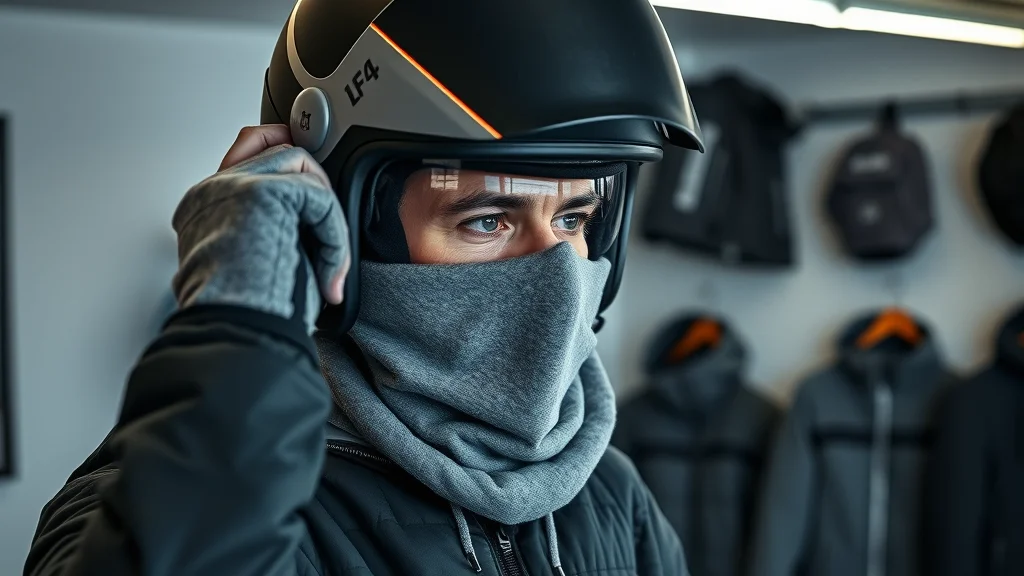
Rider preparing with a winter helmet and balaclava in a garage — anti-fog visor and fleece balaclava for cold weather riding

Neck Tubes and Face Shields: Defending Against the Chill

Neck tubes, sometimes called gaiters or buffs, offer flexible, lightweight defense against chilly air creeping down your collar. Made from soft fleece, wool, or technical synthetics, they are easy to pull over your head or adjust throughout the day. Face shields that attach to your helmet further block the wind and prevent frostbite on exposed cheeks or lips. If you experience frequent fogging, consider face shields with integrated breath guards, which direct your exhaled air away from the visor.

Don’t overlook the cumulative effect of small gaps: wind entering at your neck or under your helmet adds up over miles, draining your energy and dulling your focus. Well-chosen neck tubes and face shields play a surprisingly large role in staying warm, comfortable, and fully alert on cold weather rides. These small investments make winter rides much more enjoyable and less risky.

Protecting Lower Extremities: Winter Motorcycle Gear for Legs and Feet

Selecting Durable Pants and Riding Gear for Cold Weather

Protecting your legs on a winter ride is just as important as shielding your core. Insulated winter motorcycle pants, often equipped with waterproof liners and knee armor, provide essential protection against the cold and enable full mobility. Look for pants that allow you to wear a thermal base layer underneath and feature adjustable ventilation for optimal comfort. Key features include reinforced impact zones, articulated knees, and zippered cuffs that fit smoothly over boots, preventing drafts around your ankles.

The best pants for winter riding are those designed with multi-layer systems—a wicking liner, insulating middle, and a tough, waterproof outer shell. This configuration ensures you don’t sacrifice comfort or safety, even during long commutes or adventurous rides deep into winter landscapes. Remember, staying dry is half the battle: quality riding gear for legs and feet means you can stay safe and warm, no matter what the forecast brings.
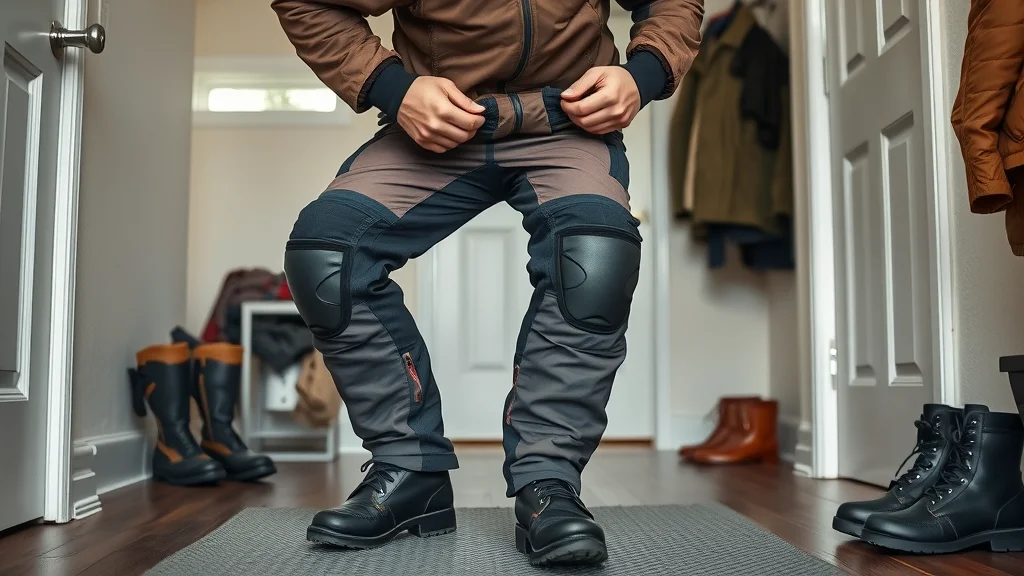
Motorcyclist pulling on insulated winter riding pants over base layers in a mudroom — features water-resistant material for cold weather riding

Heated Socks & Boots: Addressing Cold Weather Riding Challenges

"Darn Tough socks are a game-changer for long winter motorcycle trips." – Seasoned Rider

Your choice of socks and boots directly affects your comfort and reaction time while riding in winter. Thermal socks made with wool blends, like Darn Tough, provide unmatched warmth and moisture control. For longer winter rides or especially harsh climates, heated socks are a worthwhile investment, circulating gentle warmth to thwart numbness and stiffness.

Complement high-quality socks with insulated, waterproof motorcycle boots that rise above your ankles and seal tightly without pinching. Some modern motorcycle boots feature integrated electric heating elements, which can be powered by your bike’s battery or a portable pack. Always make sure your boots are roomy enough to allow slight toe movement—this promotes circulation and helps keep your feet warm throughout your journey. Proactive investment in proper gear guarantees a safer, more comfortable ride during the winter months.
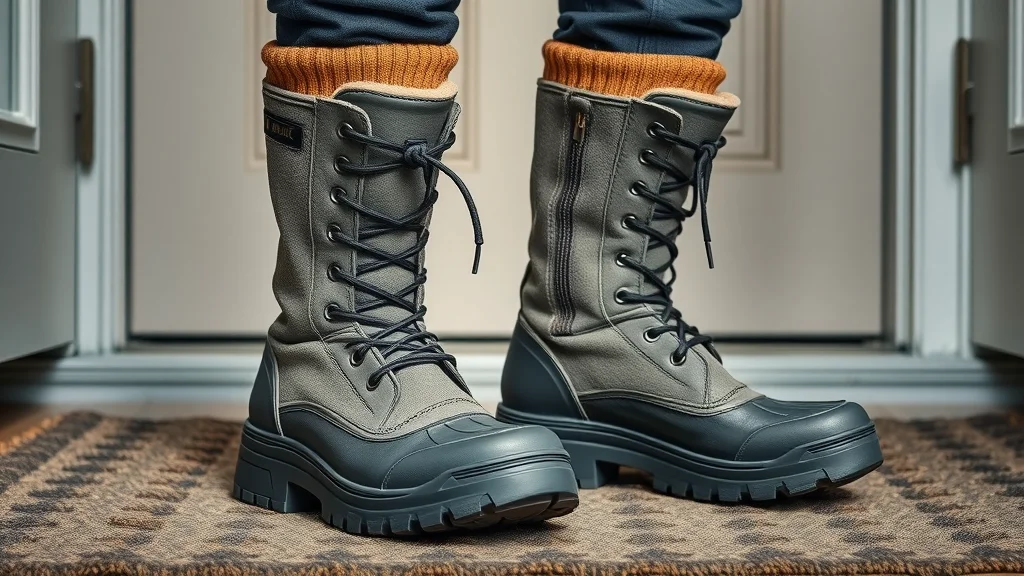
Pair of rugged winter motorcycle boots with heated socks placed by the door — essential for winter motorcycle gear

Heated Gear Explained: Benefits and Buying Guide

Heated Jackets, Jacket Liners, and Vests

For those committed to winter riding, heated gear is a game-changer. Heated jackets, jacket liners, and vests use thin, flexible heating wires to deliver maintained warmth directly to the core. Most systems are adjustable, allowing you to set your preferred temperature for any condition. Heated jacket liners can be worn under any outer shell, providing versatility and ensuring you’re ready for both mild and freezing days.

The main advantage of heated jackets and liners is their ability to supplement your natural protection against cold, especially during long rides when body heat alone isn’t enough. Models vary by their power sources: some connect directly to your motorcycle, while others utilize rechargeable batteries for complete flexibility. Evaluate control settings, coverage of heating zones, and ease of layer integration when selecting your system. Investing in reliable heated gear extends your riding season and boosts your overall comfort.

Heated Gloves and Grips: What to Know

Beyond jackets, heated gloves and grips make a world of difference. Integrated heated gloves feature strategically placed elements that warm your fingers and palms, maintaining full dexterity and preventing the dangerous numbness that leads to slow reaction times. Heated grips, installed on your handlebars, offer a constant, gentle heat for your hands—even when you’re wearing thick gloves overtop.

Consider battery life, adjustability, and weatherproofing when selecting heated glove systems. Quality models boast quick heat-up times, multiple warmth settings, and waterproof construction. For extended rides in extreme cold, some riders combine both heated gloves and grips—providing redundancy and ensuring ultimate comfort. Whether you choose battery-powered or bike-connected options, heated gear is a must-have for those who refuse to let winter slow them down.

How to Choose Reliable Heated Riding Gear

When shopping for heated riding gear, prioritize proven reliability and safety. Look for gear with user-replaceable batteries, robust heating elements, and attention to craftsmanship in construction, such as reinforced wiring and weather-sealed connectors. Many premium products are designed with advanced thermal regulation that prevents overheating, making them safer for long-haul travel.

Brand reputation and warranty support are key factors—respected manufacturers like Gerbing, Tourmaster, and Firstgear provide excellent support and high-quality control. Take time to read user reviews and make sure the items you choose are compatible with the rest of your cold weather system. Above all, don’t underestimate the impact of a well-balanced kit; reliable heated gear gives you the confidence to enjoy winter riding to the fullest.
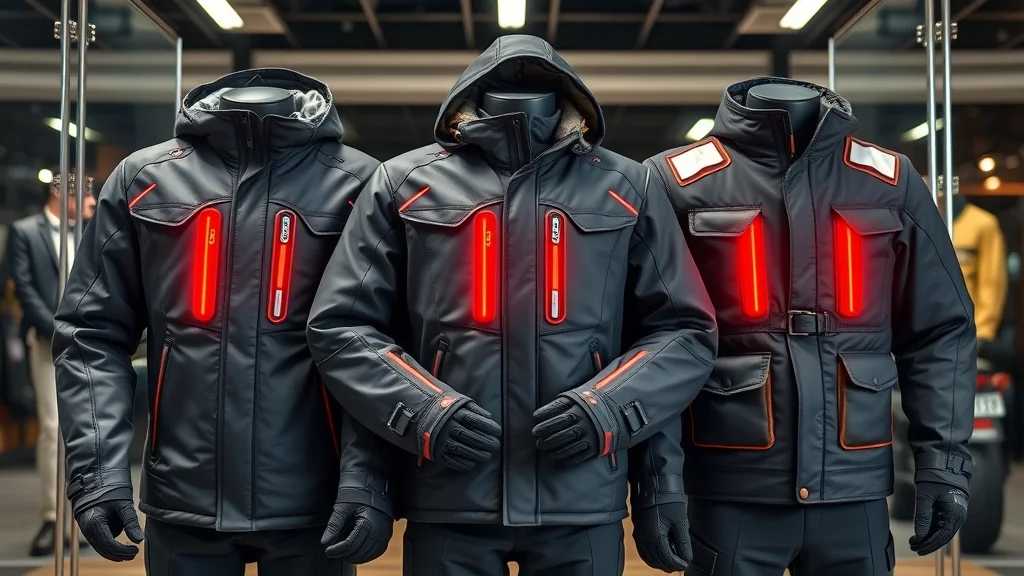
Collection of winter motorcycle heated gear including jacket, gloves, and vest — heated gear for cold weather riding

Comprehensive Gear List: Winter Motorcycle Gear Checklist

  • Base layers
  • Insulation layers
  • Outer shells (riding jacket and pants)
  • Winter motorcycle gloves
  • Boots and socks
  • Heated gear (vests, liners, gloves)
  • Helmet, balaclava, and face shield
Winter Motorcycle Gear Comparison: Features, Comfort, Pricing
Item Key Features Comfort Rating Waterproof Approx. Price ($)
Base Layer (Merino) Moisture-wicking, odor-resistant 9/10 No 60–100
Insulating Fleece Breathable, thermal retention 8/10 No 50–120
Winter Riding Jacket Windproof, armored, waterproof membrane 10/10 Yes 200–500
Winter Motorcycle Gloves Thermal lining, armored knuckles, touchscreen 9/10 Yes 70–200
Insulated Boots Waterproof, slip-resistant sole 8/10 Yes 120–300
Heated Gear (Jacket/Gloves) Battery/bike-powered, multi-zone heating 10/10 Yes 150–450
Helmet & Balaclava Anti-fog, thermal lining 9/10 Yes 100–400

Best Practices for Winter Motorcycle Maintenance

Pre-Ride Checks & Essential Tips for Cold Weather Riding

  • Battery maintenance in cold weather
  • Tire pressure monitoring
  • Proper storage of winter motorcycle gear

Routine winter maintenance is crucial for both safety and performance. Cold weather can drain your battery quickly, so check charge levels before every ride and keep a trickle charger handy. Tire pressure often drops with falling temperatures, affecting traction on icy or wet roads—inspect and adjust pressure as needed. Don’t neglect your riding gear: store all winter gear in a dry, well-ventilated area and air it out after each ride to prevent mildew and material breakdown.

Additionally, inspect your motorcycle’s brake fluid, coolant, and lighting, as cold conditions can reveal hidden weaknesses in these systems. Taking the time for these pre-ride checks ensures your bike and your gear are ready for whatever winter throws at you. Preparedness is the first—and most effective—step in ensuring you stay safe and warm, trip after trip.
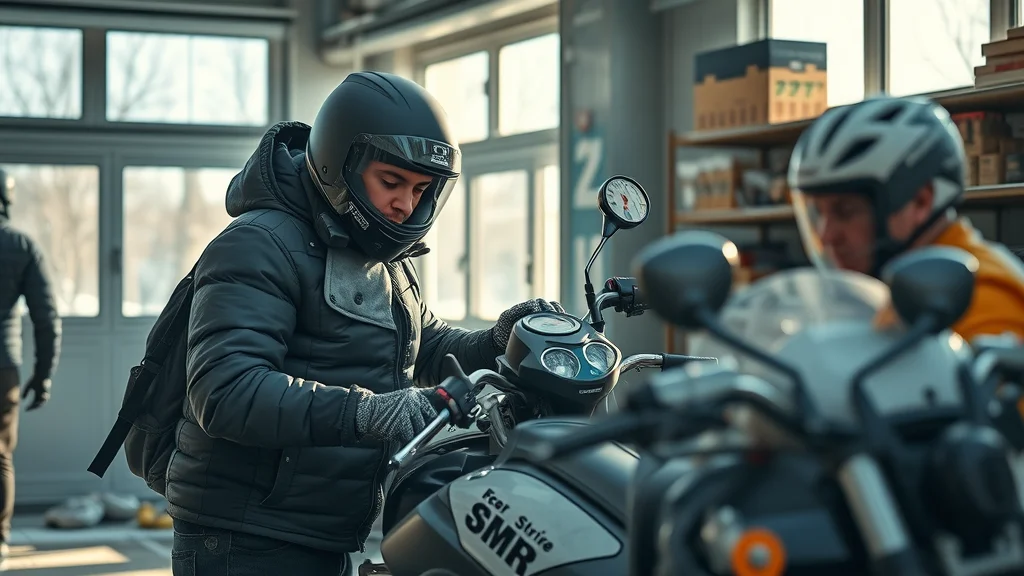
Motorcycle and rider performing pre-ride checks in winter — battery, tires, and gear preparation for cold weather riding

Expert Tips for Weather Riding: Staying Safe and Warm

"Riding gear selection is just as important as route planning in winter motorcycle conditions."

Mastering winter motorcycle gear and maintenance will pay dividends each time you head out into the cold. Keep your ride short and plan frequent breaks, especially on long journeys. Hydrate regularly—cold air can be deceptively dehydrating—and always have spare base layers and gloves in your luggage. Refine your route to avoid heavily shaded roads where ice lingers and opt for main thoroughfares that are cleared more frequently.

Above all, listen to your body. If you feel cold or sluggish, stop and warm up! Check the weather before departure and adjust your riding gear selection accordingly. As you gain experience, you’ll develop your own preferences and tweaks for staying warm—but always heed expert recommendations for safety and comfort, combining them with your personal insights for the ultimate winter ride.

People Also Ask

What is the best winter motorcycle gear?

The best winter motorcycle gear includes insulated, waterproof jackets and pants, heated gloves, thermal base layers, and weather-resistant boots. Leading brands offer specialized gear designed specifically for cold weather riding, ensuring maximum protection and comfort.

What is the 2 4 12 second rule on a motorcycle?

The 2-4-12 second rule is a motorcycle safety guideline: maintain a 2-second following distance in city riding, extend to 4 seconds on the highway, and look at least 12 seconds ahead of your position to anticipate hazards.

What does 2 fingers up mean on a motorcycle?

Riders often signal each other with a '2 fingers up' gesture, symbolizing respect and camaraderie within the motorcycle community. It’s a friendly greeting prioritizing safety and mutual awareness.

Should I leave gas in my motorcycle over the winter?

It's recommended to use a fuel stabilizer and fill the tank before winter storage to prevent rust and fuel degradation during cold weather.

FAQs: Winter Motorcycle Gear Guide

  • How do I clean and maintain winter motorcycle gear? Clean gear as recommended by the manufacturer. Remove liners and air dry after each ride. Store items in a climate-controlled area to maximize lifespan and performance.
  • Can I use summer motorcycle gear for winter riding? It’s not recommended. Summer gear lacks insulation and may not be waterproof, leaving you exposed to the cold and wet.
  • Are heated grips safe for prolonged rides? Yes—modern heated grips are specifically designed for ongoing use, but always follow the manufacturer’s instructions to prevent overheating or battery drain.
  • What is the lifespan of thermal base layers? With proper care, high-quality base layers last several years. Wash gently, dry flat, and avoid high heat.
  • How can I maximize warmth without sacrificing safety? Layer wisely, avoid cotton, and invest in well-fitted outer shells with armor. Never bulk up so much that movement is impeded or visibility is reduced.

Key Takeaways from This Winter Motorcycle Gear Guide

  • Proper winter motorcycle gear is critical for safety and comfort.
  • Layering provides the most effective defense against cold weather.
  • Investing in quality gear pays off in durability and protection.
  • Routine motorcycle maintenance is essential before every ride.
  • Utilize expert advice to stay warm and protected throughout the season.

Final Thoughts: Elevate Your Cold Weather Riding Experience

Gear Up Confidently With This Winter Motorcycle Gear Guide

Don’t let winter slow you down—embrace cold weather riding with confidence by investing in the right gear and preparation. Call Nasty Performance Motorcycle Shop Today: 847-458-4858 for expert guidance, gear selection, or to book your service. Stay warm, ride safe, and enjoy the best of winter motorcycling!

If you’re ready to take your winter riding to the next level, consider expanding your knowledge beyond gear and into holistic seasonal bike care. Understanding how to protect your motorcycle throughout the year can dramatically improve performance, safety, and longevity—especially when temperatures fluctuate. Explore our in-depth guide on seasonal bike care secrets every rider must know for expert strategies that go hand-in-hand with your winter gear. By combining smart maintenance with the right apparel, you’ll be fully equipped to enjoy every season on two wheels with confidence and peace of mind.
Motorcycle Maintenance

Write A Comment

*
*
Related Posts All Posts

How to Choose the Right Motorcycle Mechanic Near Me Fast

Did you know: 80% of riders report that delays in finding the right motorcycle mechanic near me result in missed rides, lost weekends, and extra expenses? If you’ve ever faced a sudden breakdown or urgent cycle repair, you know that waiting for a qualified mechanic can put your entire riding season on hold. This guide unpacks what you need to consider, the advantages of Nasy Performance motorcycle mechanics, and how to book urgent repair shop services—fast. Why Finding the Best Motorcycle Mechanic Near Me Matters: The Startling Number Behind Nasty Performance Motorcycle Services Did you know that 80% of riders say delays in finding the right motorcycle mechanic near me lead to missed rides? Discover how Nasty Performance motorcycle repair services are transforming cycle repair speed and reliability. Securing the right motorcycle mechanic near me is about more than just convenience—it’s about safety, speed, and staying on the road. A qualified cycle repair expert ensures that emergencies, oil changes, or complex issues like engine diagnostics don’t ruin your plans. With the prevalence of expert available motorcycle repair and mechanic services, repair shop visits don't have to be a difficult option. These professionals often cover a wide range of makes and models, offer urgent roadside help, and provide transparent service—so you don’t miss another perfect day on the bike. Key Factors for Choosing the Best Motorcycle Mechanic Near Me Proximity of Motorcycle Mechanic Services Immediate response: Why a local motorcycle mechanic near me can save critical time Coverage area: How far will you have to travel to a local repair shop for cycle repair? Time is of the essence when you need a motorcycle mechanic near me. Whether you’re stranded with a clogged fuel line or a dead battery, the ability to get a mechanic service quickly can make all the difference. Many motorcycle repair pros offer fast response ensuring you’re not waiting days for assistance. Their immediate availability for both minor and major repairs—including full service oil change, spark plug replacement, and air filter swaps—means less downtime and more riding. Another crucial factor is the coverage area of your local cycle shop. Not all repair shops are close by for cycle repair, so ask upfront. The best motorcycle mechanics clearly outline their service zones, so you’re never left guessing about response times or availability for breakdowns. Experience and Specialization (Harley Davidson, Sport Bikes, More) Certified motorcycle mechanics for different brands Specialty repair service for Harley Davidson and custom bikes Expertise matters. Not all motorcycle mechanics have the same background—some specialize in Harley Davidson, others are seasoned in high-performance sport bikes, and many pride themselves on their cycle repair skills across a wide range of motorcycle makes and models. When searching for a motorcycle mechanic near me , verify certifications. Certified motorcycle mechanics ensure the latest diagnostic techniques and can handle complex services such as engine oil changes, advanced valve adjustments, and specialized cycle service for custom bikes. If you ride a Harley Davidson or a custom build, look for a repair shop or motorcycle mechanic that specifically mentions experience with your bike’s brand or type. Specialized tools, manufacturer specs, and even factory training can make a huge difference—especially when every detail, down to the fuel filter or intricate wiring, matters for proper cycle repair. Reputation and Customer Reviews of Cycle Repair Shops Mechanic / Shop Star Rating No. of Reviews Top Feedback FastRide Motorcycle Mechanic 4.9 212 Quick, on-time, friendly service Downtown Cycle Repair Shop 4.7 158 Great attitude, fair pricing, specialty repairs Harley Specialist Garage 4.8 192 Expert with Harley Davidson, thorough diagnostics What others say about their cycle repair experience is often your best insight. Online platforms like Google and Yelp, as well as word-of-mouth testimonials, show which motorcycle mechanic near me consistently provides friendly, reliable, and expert service. Spend some time comparing ratings, noting the number of reviews, and looking for recurring themes like speedy emergency repair or transparent repair service pricing—these clues point you to a trusted repair shop or mobile motorcycle mechanic. Also, watch for how mechanics and repair shops respond to customer feedback. A shop that addresses concerns with a great attitude and offers follow-up support is more likely to provide a satisfactory overall cycle service experience. Essential Questions to Ask Your Motorcycle Mechanic Near Me Before Hiring Are you a certified motorcycle mechanic? Do you offer expert motorcycle or cycle repair services? How do you handle urgent motorcycle repair requests? Asking the right questions before booking a motorcycle mechanic near me ensures you’re not left with surprises when emergencies occur. Certifications matter, especially for specialized brands like Harley Davidson, complex engine repairs, or electrical troubleshooting. Confirm if the mechanic picks up your motorcycle for repair or if you’ll need to transport your bike to the repair shop. Lastly, ask about response time for urgent requests—some mechanics offer 24/7 cycle repair service, while others may prioritize scheduled maintenance jobs. Don’t hesitate to request proof of relevant certifications or training. Successful mechanics and cycle shops are proud to show their skills and answer questions about the range of motorcycle repair services they offer. This transparency signals professionalism and helps you trust that your ride is in skilled hands. Understanding Services Offered By a Motorcycle Mechanic Near Me Routine Maintenance: Oil Change, Inspections, and More "Routine motorcycle repair and professional oil changes are the backbone of a safe and reliable ride." Keeping your bike in top form means sticking to regular care: oil changes, spark plug checks, air filter replacements, and safety inspections. Most cycle shops and motorcycle mechanic services offer a full service maintenance package, ensuring your ride is ready for every journey. These simple but critical tasks prevent clogged fuel lines, worn spark plugs, and engine trouble down the road. As part of their inspection, they may check your fuel tank, assess for any leaks or valve adjustment needs, and confirm everything from tire pressure to brake pads is up to spec. Advanced Motorcycle Repair Services: Suspension, Engine Diagnostics, and Tune-Ups For more complex issues—like engine misfires, rough suspension, or specialized motorcycle electronics—a motorcycle mechanic near me with experience in diagnostics is invaluable. Advanced services may include computerized faultfinding, fuel injection system checks, engine oil and fuel filter replacement, valve adjustments, or custom dyno tuning for high-performance machines. Many repair shops and motorcycle repair specialists use factory-grade scanners or proprietary tools to quickly pinpoint problems, from check engine lights to stalling or overheating. These advanced cycle repair services help you avoid pricey breakdowns and ensure peak bike performance. Emergency Repair Shop Solutions: Mechanic Advantages Breakdowns don’t wait for business hours. When your motorcycle refuses to start or breaks down unexpectedly, an emergency mechanic can be a lifesaver. These repair services often provide on-the-spot troubleshooting and quick fixes—from jump-starting a dead battery to repairing a snapped drive chain or replacing a blown fuse. The significant advantage of a motorcycle mechanic near me is speed and convenience, especially for urgent situations. There might be some limitations for complex diagnostic equipment or rare parts, but most routine and emergency repairs can be handled swiftly by a skilled repair technician. Motorcycle Mechanic Near Me: Pros and Cons Convenience: On-location cycle repair and motorcycle maintenance Potential limitations: Parts availability and complex diagnostic equipment Motorcycle mechanic services that are local are revolutionizing cycle repair for today’s busy riders. The main benefit is you don’t need to arrange transport to a distant repair shop, saving significant time and effort. Quicker oil changes, air filter inspections, and spark plug swaps are especially valuable for urban riders or those with multiple bikes needing attention. Cost Comparison for Motorcycle Mechanic Near Me Services Service Type Mobile Mechanic Fees Traditional Repair Shop Fees Basic Oil Change & Inspection $80 - $120 (includes callout fee) $60 - $100 Full Tune-Up (plugs, filters, adjustments) $200 - $350 $180 - $330 Engine Diagnostics $120 - $250 $110 - $220 Emergency Roadside Repair $120 - $200+ (callout + repair) N/A When weighing costs for a motorcycle mechanic near me , factor in both labor rates and potential callout fees for mobile mechanic service. Emergency repairs often carry a premium, but the convenience and prompt response time can be well worth it. Compare quotes from multiple providers, and be wary of unusually low prices which may suggest cut corners or inexperience with certain cycle repair services. Remember, paying a fair rate for a qualified mobile motorcycle mechanic or established repair shop is a smart investment in your bike’s longevity and performance. Reviews and Testimonials: How to Evaluate a Motorcycle Mechanic Near Me Google and Yelp reviews for motorcycle mechanics Word-of-mouth recommendations Online ratings and testimonials offer transparent insights into the professionalism, reliability, and attitude of a motorcycle mechanic near me. Consistently high star ratings—especially with a significant number of reviews—indicate trusted local repair shops or mobile mechanics. Focus on feedback related to timely cycle repair, clear communication, and satisfaction with both minor and major repair service. Apart from digital feedback, word-of-mouth recommendations from fellow riders, local clubs, or online forums can be invaluable. Riders tend to share honest opinions about how well a mechanic handled emergency breakdowns, full service maintenance, or even complex Harley Davidson repair jobs. The Steps to Booking a Motorcycle Mechanic Near Me—Fast and Safe Search and shortlist local repair service providers Check qualifications and specializations Request quotes and compare prices Read recent customer testimonials Book an appointment or emergency cycle repair To book a motorcycle mechanic near me quickly : Start by searching online or asking for referrals to cycle repair shops and mechanic services nearby. Carefully review each option for specialties (Harley Davidson, sport bikes, etc.) and contact at least two or three for written quotes. Pay special attention to customer testimonials, with an eye for repairs similar to your needs. Once satisfied, schedule your appointment—be it a routine service or an emergency cycle repair. Most motorcycle mechanics now accept bookings via phone, SMS, websites, or even dedicated rider apps. For the fastest results, call your top choice directly, especially if you require urgent help. Remember: a responsive, certified, and communicative mechanic is key to a safe and hassle-free repair experience. People Also Ask: Motorcycle Mechanic Near Me Essential Questions How much do motorcycle repairs cost? The average motorcycle repair can range from $80 to $500+, depending on the job complexity. Mobile mechanic and mobile motorcycle repair services may have callout fees, while major cycle repairs at a repair shop could involve labor and parts costs. What is a motorcycle mechanic called? A motorcycle mechanic is a specialized technician—sometimes called a cycle repair expert or motorcycle technician—who performs repair, maintenance, and diagnostic services for motorcycles. What is the common maintenance problem on a motorcycle? Common maintenance issues include oil changes, chain adjustments, brake pad replacements, and battery checks. Most mechanics are equipped to handle these repair services quickly. How much does it pay to be a motorcycle mechanic? Motorcycle mechanic salaries vary by experience and location. In the US, the average annual pay is between $30,000 and $50,000. Mistakes to Avoid When Hiring a Motorcycle Mechanic Near Me Not verifying certifications for motorcycle repair Ignoring reviews of mobile motorcycle or repair shop services Settling for the lowest price instead of proven quality Don’t cut corners when it comes to cycle repair. Some of the most common missteps include trusting uncertified mechanics, skimming past bad reviews, and choosing based on the cheapest quote alone. These mistakes can lead to recurring issues, unsafe rides, or even voided warranties. Always vet your mechanic or repair shop for qualifications, transparency in pricing, and positive service history. Your bike’s safety—and your own—depend on lasting, expert repairs. Take the time up front to vet your options and avoid unnecessary risks on the road. Top Qualities of a Trusted Motorcycle Mechanic Near Me Transparency in pricing and repair service Strong cycle repair portfolio Positive customer relationships Responsive urgent repair service When it comes to entrusting your ride to a motorcycle mechanic near me , look for key indicators of professionalism: upfront quotes, a history of completed repairs on makes and models like yours, and prompt communication for urgent cycles. Mechanics with a full service portfolio, from simple oil changes to complex engine repairs, and who maintain a great attitude even under pressure earn lasting loyalty from local riders. The best repair shops and mobile mechanics maintain relationships with repeat clients, offering regular reminders, advice on maintenance, and quick scheduling for both routine cycle service and unexpected breakdowns. Best Practices for Scheduling and Maintaining Service with Your Motorcycle Mechanic Near Me Regular service check-ups Mechanic reminders Keeping a maintenance log for every cycle repair Consistent scheduling is essential to avoid inconvenient breakdowns and expensive cycle repairs. Set reminders for oil changes, air filter cleanings, and spark plug replacements according to your ride's make and model. Many motorcycle mechanics offer text or email reminders for upcoming service milestones—a modern, rider-friendly alternative to manual tracking. Maintain a digital or paper log of work done, from fuel tank flushes to valve adjustments. This not only documents your bike’s “health history” for resale, but also helps mechanics quickly pinpoint issues based on previous repairs or trouble spots. Expert Tips for Saving on Motorcycle Mechanic Near Me Costs Bundle multiple repair jobs to save on callout fees Ask for seasonal promotions from repair shops Compare quotes from mobile and stationary mechanics "Choosing the right motorcycle mechanic near me is an investment in your safety and the longevity of your ride." Savvy riders know that booking several small jobs—like oil changes, fuel filter replacements, and battery checks—together minimizes costs. Many cycle repair shops offer seasonal specials before riding weather arrives or after major biking events. Always request written quotes and compare inclusions, such as inspection fees or warranty coverage, to ensure the best value for your next cycle repair. Don’t hesitate to ask about payment plans for costly repairs or potential discounts for loyal customers. A great attitude toward negotiation can lead to surprising savings, especially when dealing with independent repair shops and motorcycle mechanics eager to grow their local clientele. Frequently Asked Questions for Choosing a Motorcycle Mechanic Near Me How do I find an emergency repair shop close by? What certifications should a reputable motorcycle mechanic have? Are mobile motorcycle services more expensive than cycle repair shops? How do I find an emergency repair shop close by? Search online for local mobile motorcycle mechanics or use rider apps to locate urgent cycle repair services near you. Many now offer rapid roadside assistance within a set radius. What certifications should a reputable motorcycle mechanic have? Look for formal training or factory certifications—especially from brands like Harley Davidson—or accreditation from organizations such as ASE (Automotive Service Excellence). Are mobile motorcycle services more expensive than cycle repair shops? Mobile mechanics may charge a small callout or convenience fee, but base rates for repairs are often comparable to in-shop prices, especially when bundled. Can a mobile mechanic perform complex motorcycle repairs at my location? For most standard maintenance and many moderate repairs, yes. Highly specialized diagnostics or rebuilds may still require a trip to a dedicated repair shop. Ready to Experience Hassle-Free Motorcycle Repair? Contact a Trusted Motorcycle Mechanic Near Me Don’t wait for a breakdown—call Nasty Performance Motorcycle Shop at: 847-458-4858 now to schedule your trusted motorcycle mechanic near me for prompt cycle repair or emergency roadside help. Act now, enjoy fast service, and ride with confidence—call us today: 847-458-4858 . Take action to safeguard every ride: vet your motorcycle mechanic near me, schedule regular maintenance, and keep your bike in peak condition with trusted, qualified repair professionals today. When searching for a reliable motorcycle mechanic near you, it’s essential to consider various factors to ensure your bike receives the best care. Additionally, websites such as MotorcycleMechanicNearMe.com provide a comprehensive directory of certified mechanics across different regions, allowing you to find professionals with the specific expertise your motorcycle requires. ( motorcyclemechanicnearme.com ) By utilizing these resources, you can efficiently locate and choose a qualified motorcycle mechanic near you, ensuring your bike remains in optimal condition for all your riding adventures.

Motorcycle Gear Trends: What’s New for This Riding Season

Did you know? Recent studies reveal that nearly 70% of motorcycle accidents result from inadequate or outdated protective gear—an alarming figure that’s driving bold innovation across the world of motorcycle gear. As we rocket into the new riding season, the industry is seeing a surge of futuristic helmets, digitized apparel, and sustainable manufacturing that not only elevate rider safety, but redefine how enthusiasts express identity on the open road. If you’re ready to upgrade your riding experience, there’s never been a more exciting time to discover what’s next in motorcycle gear trends. Breaking the Mold: Startling Facts About Motorcycle Gear Trends Motorcycle gear trends are evolving at an unprecedented pace thanks to cutting-edge advancements in materials, electronics, and design philosophies. Gone are the days when a basic helmet and worn leather jacket sufficed; contemporary riders demand gear that delivers smart protection, real-time connectivity, and eco-friendly flair. According to recent industry surveys, more than half of riders prioritize advanced safety features like airbag vests and integrated communication systems when upgrading their gear.Major gear brands report explosive growth in smart helmets equipped with heads-up displays and crash sensors, marking a dramatic shift from the standard modular helmet to tech-enhanced models. This underscores a growing rider preference for wearable technology that not only keeps them safer but also transforms the very act of motorcycle riding. Manufacturers are responding with feature-rich apparel, like textile motorcycle jackets and pants with modular armor and integrated ventilation panels, providing ultimate adaptability in changing weather conditions. While brand loyalty still plays a role in purchasing habits, especially among motorcycle enthusiasts, the latest collection trends reveal that riders are increasingly seeking gear that fuses form with function—where style, comfort, and technology meet. Whether you’re a daily commuter or an adventure touring devotee, understanding what’s new in the realm of motorcycle gear will ensure your next ride is safer, smarter, and more sustainable than ever before. What You’ll Learn About Motorcycle Gear Trends How motorcycle gear trends have evolved in recent seasons The latest advancements in smart helmets, airbag vests, and textile motorcycle clothing How new communication systems are transforming the riding experience Personal insights into the intersection of safety, technology, and style for motorcycle gear The Evolution of Motorcycle Gear: From Leather to Smart Technology Motorcycle gear has seen remarkable evolution over the decades, transitioning from classic full-grain leather to today’s technologically advanced smart gear. In the early years, riders relied on thick hides and heavy boots for protection—gear that was undeniably cool but often bulky, hot, and lacking in versatility for varied weather conditions. As designers and engineers listened to the needs of motorcycle enthusiasts, riding gear advanced with innovations like reinforced synthetic textiles, modular helmets, and ergonomic protective armor.More recently, the intersection of tech and tradition is rewriting the standards of rider safety. Helmet manufacturers have invested in smart helmets equipped with a chin bar for extra protection, built-in Bluetooth communication systems, and even real-time data monitoring. Textile motorcycle jackets and pants now feature removable pads, weather-resistant membranes, and superior abrasion protection with sophisticated design lines. Technology like wearable airbag vests and seamless mobile apps for communication are quickly becoming must-haves, not just optional accessories. This gear revolution ensures every piece is designed for riders seeking to bridge the gap between high-performance protection and all-day comfort. “Today’s riding gear is increasingly defined by both function and connectivity, revolutionizing the riding experience.” At the core, motorcycle gear trends now emphasize multifunctionality—gear that adapts to different riding landscapes, weather conditions, and communication needs. As the industry moves forward, expect to see further blurring of boundaries: from traditional leather to hybrid textiles, and from simple visors to integrated head-up displays. The rider of tomorrow won’t have to choose between comfort, safety, or style; modern gear delivers all three, raising the stakes for what’s possible on two wheels. As you consider upgrading your gear for the season, it's also important to think about how your apparel choices can impact your overall riding experience and safety. For a deeper dive into keeping your motorcycle in peak condition throughout the year, check out these essential seasonal bike care secrets every rider should know—a practical complement to the latest gear innovations. Top Motorcycle Gear Trends Dominating This Riding Season Smart Helmets: The New Standard in Motorcycle Gear Airbag Vests: Enhanced Safety for Motorcycle Riding Textile Motorcycle Clothing: Versatile and High-Tech Advanced Communication Systems: Stay Connected on the Road Eco-Friendly Materials: Sustainability in Motorcycle Gear Trends This season, the latest collection of riding apparel speaks volumes about where the motorcycle gear industry is headed. Smart helmets and airbag vests are stealing the spotlight thanks to their life-saving potential, while textile motorcycle clothing wins favor for its breathability and comfort, especially as warmer weather draws. Advanced communication systems are eliminating the age-old problem of rider isolation, turning group rides and solo journeys alike into more connected adventures. Meanwhile, eco-friendly materials in jackets, pants, and gloves appeal to riders who want to make a difference with every mile.Whether you’re updating your motorcycle jacket or considering a new set of riding pants, this year’s trends ensure every piece of gear is more functional, smart, and stylish than ever. From seamless Bluetooth systems to modular armor and recycled textiles, each innovation marks a step forward for both rider safety and sustainability. Smart Helmets: Game-Changer in Motorcycle Gear Trends Smart helmets are radically shifting the landscape of motorcycle gear trends by blending robust safety with high-tech convenience. These advanced helmets offer much more than just head protection; leading models feature heads-up displays, crash sensors, rear-view cameras, and built-in Bluetooth communication systems. With a smart helmet, your riding experience is elevated through integrated navigation cues, real-time alerts, and seamless connectivity to other riders or mobile apps.Unlike standard modular helmets that focus on hinge mechanisms and basic sun visors, the newest smart helmets provide a fundamentally different approach to rider safety and awareness. Helmet manufacturers are leveraging improved aerodynamic designs and lightweight composites to enhance both comfort and wind resistance, making all-day riding less fatiguing. Many now include voice-activated controls and helmet-to-helmet communication features, ensuring you never take your eyes off the road or your hands off the controls. Quote: "A helmet that talks to you, navigates for you, and keeps you safer than ever before—that’s not the future, it’s the present." These smart helmets are much more than gadgets—they’re tools that save lives and amplify enjoyment. Boasting features like proactive accident detection, GPS integration, and expandable software updates, it’s clear why so many riders are trading in traditional lids for the latest tech-forward models. In a fast-moving market, staying informed and equipped with the best smart helmet means embracing not just safety but the very spirit of innovation in motorcycle riding. Airbag Vests: Revolutionizing Motorcycle Riding Safety The introduction of airbag vests marks a significant leap in motorcycle riding safety, offering unprecedented levels of protection for riders of all styles and skill levels. Unlike heavy, rigid armor of the past, modern airbag vests use advanced sensors that detect instability or a crash event in milliseconds, deploying a protective cushion that shields the chest, back, and vital organs.Leading gear brands have embraced this technology with vests that are lightweight, comfortable, and compatible with both leather and textile jackets. These vests deliver a major improvement over traditional armor—automatically activating faster than a rider can blink if an accident occurs. Some even sync with smart helmets or mobile apps, providing a well-rounded safety net that reflects the current pinnacle of motorcycle gear trends. The buzz around airbag vests is especially strong this season, with more riders recognizing that investing in this wearable safety tech is a highly effective way to minimize injury risk when the unexpected happens. Another factor fueling the surge in airbag vests is versatility. They aren’t limited to racing but are now commonly seen among touring and adventure riders who want all-day protection without sacrificing mobility or comfort. Thanks to improvements in materials and streamlined activation units, modern airbag vests can fit discreetly beneath a riding jacket, ensuring riders never have to compromise on style or flexibility. Whether paired with other protective gear or worn as a standalone safeguard, today’s airbag vests underscore just how far motorcycle gear has come in prioritizing rider safety and peace of mind. Communication Systems: The Connectivity Trend in Riding Gear Modern riding gear isn’t just about protecting your body—it's about connecting your world. The rise of communication systems in motorcycle gear trends signals a shift toward seamless rider group interaction and hands-free convenience. Today’s top communication systems integrate Bluetooth technology directly into helmets, allowing easy communication with passengers and fellow riders, GPS navigation prompts, music streaming, and access to emergency services at the press of a button. Previously, the only way to coordinate a group ride or signal a change of route was with hand gestures; now, with multi-device sync, riders can stay in touch on the move without missing a beat. The best communication systems for 2024 offer crystal-clear audio, noise-filtering microphones, and are designed for riders tackling everything from urban commutes to cross-country tours. They fit snugly into both standard modular helmets and full-face helmet models, ensuring compatibility across most brands. Not only do these advances expand the riding experience, but they also add a safety layer—with real-time alerts and route sharing, group rides are more organized and secure than ever. Riders find that equipping their gear with an intuitive communication system transforms both the practical and social aspects of every journey. In an era where staying connected is a top priority, it’s no surprise that communication systems are among the fastest-growing segments in motorcycle apparel. For those seeking to get the most out of every ride, whether you’re using helmet-to-helmet chat, tuning into your favorite podcast, or receiving real-time traffic updates—all while keeping your hands on the handlebars—today’s communication systems set a new bar for what smart, connected gear can deliver. Textile Motorcycle Clothing: Where Style Meets Functionality Textile motorcycle clothing has redefined the balance between comfort, protection, and versatility—qualities that have skyrocketed its popularity in current motorcycle gear trends. Modern textile jackets and pants are engineered with high-denier fibers, weatherproof membranes, modular armor, and ventilation panels that perform well under diverse conditions. Unlike traditional leather, high-quality textile motorcycle clothing is lighter, more breathable, and often comes with easy-to-adjust features, making it an ideal choice as summer draws near. Brands are focusing on designed for riders apparel that features waterproof pockets, hi-vis striping for night riding, and quick-zip ventilation. Today’s textile jackets and riding pants can resist not just rain but also abrasion and tearing—thanks to technical reinforcements and new weaving techniques. The trend extends to textile overpants, which slip over casual clothes for added convenience and adaptability. Riders are embracing these modern materials for their ease of care, custom fit, and ability to match contemporary motorcycle apparel style. The latest collection for 2024 accessorizes textile gear with color-blocked designs and eco-conscious fibers that satisfy even the most fashion-forward and planet-minded motorcyclists. Whether you want to ride in style or require all-season readiness, textile motorcycle clothing’s rise proves that smart, functional gear can lead the pack in both protection and flair. Riding Jackets and Pants: Innovations in Motorcycle Riding Apparel Today’s riding jackets and pants bring together state-of-the-art materials and innovative construction to set new standards for motorcycle riding apparel. Technical textile fabrics now rival, and often surpass, the protective prowess of leather—offering advanced abrasion resistance, weatherproofing, and lightweight comfort. Riding jackets are equipped with removable armor at the shoulders, elbows, and back, while pants feature knee and hip protectors, all tailored for flexibility and movement. Cutting-edge features abound, such as integrated air ventilation channels, reflective accents for improved night visibility, and waterproof zippers for unpredictable weather conditions. Custom-fit systems and ergonomic cuts enable riders to move freely, regardless of their riding position. For those who ride year-round, four-season motorcycle jackets and pants incorporate liner systems that can be added or removed depending on climate—a key trend for riders who refuse to let their gear limit their adventures. A growing focus on brand loyalty has led some of the most popular gear brands to create modular armor kits, so riders can swap out protective pads as technology evolves or as their needs change. Some riding pants now feature removable, reinforced panels for hot or cold conditions, and riding jackets come with easily swapped color panels for personal style. As these innovations become standard, the boundaries between function, protection, and expressive style in motorcycle riding apparel continue to blur. Eco-Conscious Motorcycle Gear Trends for the Modern Rider Sustainability has firmly taken root in motorcycle gear trends, with manufacturers increasingly focused on eco-friendly materials and responsible production processes. The latest eco-conscious gear employs recycled fibers, plant-based fabrics, and water-based dyes to minimize environmental impact. Major gear brands now label their products to help riders identify which jackets, pants, and gloves are produced using ethical sourcing, renewable energy, and minimal waste. This shift is more than cosmetic—it reflects a broader demand from modern riders who want to tread lightly while still enjoying the highest standards of protection and comfort. Some manufacturers now upcycle discarded motorcycle gear into new accessories or offer recycling programs for worn-out gear, encouraging a circular approach in the world of motorcycle gear. Beyond environmental benefits, eco-friendly gear often boasts enhanced breathability and moisture-wicking capabilities, adding another layer of functionality for the eco-conscious biker. A dynamic walkthrough video showcasing a variety of the latest 2024 motorcycle gear trends, including demonstrations of smart helmets, airbag vests, textile apparel, communication systems, and eco-friendly gear in real-life scenarios in a modern gear shop and outdoor settings. Fast cuts, demonstrations, and expert commentary. Perspectives: How Motorcycle Gear Trends Reflect Rider Identity Motorcycle gear has always been about more than just protection—it’s a powerful canvas for self-expression, brand loyalty, and a sense of community. As trends shift toward customizable, tech-integrated, and eco-friendly gear, riders are increasingly using their choices to reflect who they are on and off the road. For some, the switch from a classic leather jacket to a high-tech textile piece signifies a passion for innovation. For others, choosing gear made from recycled materials demonstrates a commitment to the environment and the riding community’s future. The proliferation of smart helmets, modular jackets, and color-customizable gear allows every rider to fine-tune their look and feel without sacrificing safety. Communication systems let groups of friends coordinate on the go, while airbag vests project a modern, proactive approach to rider safety. The current season’s trends make it clear: motorcycle gear is now just as much about expressing identity and values as it is about setting new safety benchmarks. This intersection of progression and personality is transforming every aspect of motorcycle apparel. No matter your style or riding goals, aligning your gear with what matters most to you—innovation, sustainability, or tradition—ensures that your time on the road feels as authentic as it is secure. People Also Ask: Insights on Motorcycle Gear and Riding Etiquette What is the 4 second rule for motorcycles? The 4 second rule is a crucial rule-of-thumb for safe motorcycle riding. It means keeping a four-second distance between your motorcycle and the vehicle ahead, allowing ample time to react to sudden stops or obstacles. In variable weather conditions or while wearing new riding gear, this buffer helps provide the extra margin needed for quick, controlled responses, greatly reducing the risk of accidents in changing traffic scenarios. Is motorcycling on the decline? While certain regions have seen dips in new rider registrations, motorcycling overall remains vibrant, especially as gear trends make the sport safer and more accessible. Smart helmets, protective gear, and improved motorcycle riding apparel are drawing in both younger and experienced riders. Many manufacturers are diversifying their products and focusing on comfort and safety features, giving the sport a fresh appeal and encouraging renewed participation across demographic groups. What does 2 fingers up mean on a motorcycle? The gesture of extending two fingers (usually the index and middle finger) down toward the road, often called “the rider’s wave,” is a classic sign of respect and camaraderie among motorcyclists. This unspoken riding etiquette lets fellow riders know you recognize them, wish them a safe journey, and acknowledge the shared bond within the motorcycle community. What is the unwritten biker rule? The most cited unwritten rule in the motorcycle world is: always help a fellow rider in need. Whether it’s offering technical advice, sharing spare gear, or assisting during a roadside breakdown, this tradition of looking out for one another is core to the motorcycle culture. Upholding this ethos is as enduring as the motorcycle itself—and as integral as any piece of gear you put on before a ride. Table: Motorcycle Gear Trends Breakdown by Feature Trend Feature 2024 Example Market Impact Smart Tech Integration Helmet HUD/Crash Sensors High Modular Armor Jacket Removable Pads/Textile Medium Improved Abrasion Resistance Pants Reinforced Textile Medium Seamless Bluetooth Communication Multi-device Sync Rising Wearable Safety Airbag Vest Automatic Deployment Surging FAQs on Motorcycle Gear Trends for 2024 How often should motorcycle gear be replaced? Motorcycle gear should be replaced whenever it’s damaged, after significant impacts, or when wear and tear compromise its protective features. For example, helmets typically need replacement every 5 years or after an accident, while textile jackets and pants should be evaluated for fraying, seam integrity, and armor performance yearly, especially for those who ride frequently. Are smart helmets legally approved everywhere? While smart helmets are generally legal wherever DOT, ECE, or SNELL-certified helmets are allowed, some regions may have restrictions on certain electronic functions. Always check local regulations, and ensure your smart helmet complies with both safety and electronic communication laws before riding. What’s the most important trend for new riders? For new riders, the biggest trend is the emphasis on integrated safety—airbag vests and smart helmets bring tremendous benefits by reducing injury risk and providing in-ride feedback. Look for gear that offers both comfort and advanced protection, giving you confidence as you build skills on the road. How is sustainability shaping motorcycle gear trends? Sustainability is rapidly becoming a guiding principle in the motorcycle world, influencing brands to use recycled materials, natural fibers, and eco-friendly dyes. This new generation of gear offers improved breathability and comfort, while helping reduce environmental impact—a trend that’s likely to remain essential as the industry evolves. An insightful expert panel explores the imminent directions, consumer priorities, and transformative power of motorcycle gear trends, discussing emerging tech, sustainability, and what riders can expect in coming seasons. Key Takeaways: What Matters Most in Motorcycle Gear Trends Prioritize innovative safety features when choosing gear Smart and connected gear is transforming the riding experience Quality and fit remain vital for all types of motorcycle gear Eco-friendly options are on the rise in motorcycle gear trends Staying ahead of motorcycle gear trends is just one part of a truly rewarding riding season. If you’re eager to take your expertise further, consider how a holistic approach—combining the latest in protective apparel with smart, proactive bike maintenance—can elevate both your safety and enjoyment on the road. For riders who want to maximize performance and longevity, exploring seasonal bike care strategies offers valuable insights that go hand-in-hand with your gear upgrades. Embrace the full spectrum of modern riding by pairing innovative gear with expert care, and you’ll be ready for every adventure this season brings. Continue Your Journey: Connect with Motorcycle Gear Experts Ready to upgrade your gear or have questions about the latest trends? Call Nasty Performance Motorcycle Shop Today: 847-458-4858 — your next adventure starts with the right gear and the right advice!

Affordable vs. Premium Motorcycle Gear: What's Worth the Upgrade?

Are you risking comfort and safety for price when you choose your motorcycle gear? Or does expensive gear just buy you brand prestige? The debate between affordable vs. premium motorcycle gear is real—and it affects every rider, from daily commuters to ADV motorcycle adventurers. In this in-depth guide, we’ll break down the facts, myths, and personal experiences that define whether upgrading your motorcycle clothing is truly worth your hard-earned cash. Are You Sacrificing Safety or Style? The Affordable vs. Premium Motorcycle Gear Dilemma The endless choice between affordable vs. premium motorcycle gear stirs heated debate in every riding season. On one side, budget options tempt with low price points and seem to cover all the basics; on the other, premium motorcycle clothing promises pro-level impact protection, weather versatility, and that unmistakable high-end style. But what are you really giving up—or gaining—with each choice? Whether you ride every day or only on weekends, your gear directly impacts your safety, comfort, and the impression you make while street riding or tackling adventure trails. In this article, we assess how riding gear at every price point stacks up in real-world conditions—not just on paper. From expert perspective and rider stories, you’ll discover the crucial factors you need to weigh before buying cheap motorcycle clothing or investing in expensive gear. What You'll Learn from This Article on Affordable vs. Premium Motorcycle Gear Understanding the differences between affordable and premium motorcycle gear Essential features to look for in motorcycle gear at any price point Opinion-based insights into the value of upgrading motorcycle clothing How adventure riding and impact protection shape gear choices Advice for making smart investments in motorcycle clothing and riding gear The Basics of Motorcycle Gear: Affordable vs. Premium Choices At its core, motorcycle clothing—regardless of its cost—serves one primary mission: safety. But comfort, durability, and style also play a big part in what riders choose. Whether you’re dressing head to toe in gear for a cross-country ADV motorcycle trip, or selecting minimalist riding gear for city commutes, the market is flooded with choices that range from budget-friendly to high-end premium motorcycle clothing. So, how do you spot the real value? Affordable gear seems to promise everything you need: abrasion resistance, CE-level safety certification, and even some weather protection for hot weather and light rain. Yet, premium motorcycle clothing often boasts proprietary materials, better impact protection, and advanced comfort features. For new riders especially, the temptation to cut corners is strong, but seasoned motorcyclists know lasting value depends on more than a low price point. While evaluating the differences between affordable and premium gear, it's also important to consider how your equipment holds up throughout the year. If you're interested in keeping your motorcycle and gear in top shape, check out these seasonal bike care secrets every rider should know for practical maintenance tips that complement your gear choices. What Defines Affordable Motorcycle Gear vs. Premium Motorcycle Clothing? The distinction between affordable and premium motorcycle gear isn’t just price—it’s about performance, reputation, and attention to detail. Cheap motorcycle clothing typically prioritizes wide accessibility, offering basic features like textile fabrics, generic padding, and simple closures. A pair of generic textile gloves or an entry-level helmet for the money may suffice for casual rides but might not withstand the rigors of a slide or impact. By contrast, premium motorcycle clothing includes pro gloves with advanced knuckle protection, touring boots with multi-layered abrasion resistance, and leather jackets typically fitted with high-tech armor inserts. Look to the features: is the safety certification rigorous? Are materials like genuine leather, Gore-Tex, or high-tech composites used? The difference is often felt—literally—when push comes to shove on varying riding conditions. Breaking Down Motorcycle Clothing: From Cheap Motorcycle Clothing to Premium Options Let’s get specific. Cheap motorcycle clothing can include jackets made from basic polyester, gloves with minimal padding, and helmets meeting just the minimum legal requirements. These products are designed to be budget friendly but may compromise long-term wear or protection. Premium motorcycle gear, on the other hand, boasts leather jackets with CE-approved armor, Dakar Pro gloves, and waterproof gauntlet options tested for harsh climates. It comes down to prioritizing your needs. If you’re only street riding for short distances, the features in affordable gear might suffice. But if you plan serious adventure riding or frequent touring, premium motorcycle clothing offers a level of protection, weatherproofing, and comfort that basic alternatives can’t match. It’s a head to toe investment that pays dividends over time—both in protection and riding enjoyment. Key Elements of Motorcycle Gear for Every Rider Regardless of budget, every rider should look for certain elements in their motorcycle clothing. First, helmets should meet a high safety certification standard, providing optimal impact protection for your head. Jackets and pants need abrasion resistance; leather jackets typically outperform basic textiles here, but there are also advanced man-made fibers on the premium side. Gloves should offer both tactile feel and reinforcement in palm and knuckle areas—think Pro gloves over generic designs. Don’t neglect your boots. Touring boots, adventure boots, or motocross boots provide more than just style—they protect your ankles and shins from impacts and road debris. Always consider riding conditions: will you encounter hot weather, rain, or chilly mornings? Both affordable and premium motorcycle clothing now offer better weather versatility, but the best gear is designed for year-round performance. List: Core Pieces of Motorcycle Gear – Head to Toe Helmet: DOT/ECE certified, full-face or modular options for better protection Jacket: Textile or leather, with CE-certified armor and good ventilation Gloves: Padded, armored, weather-appropriate (like Dakar Pro or waterproof gauntlet options) Pants: Abrasion-resistant, armored panels, suitable for riding conditions Boots: Touring boots, adventure boots, or motocross boots for complete ankle and shin protection Safety and Impact Protection in Affordable vs. Premium Motorcycle Gear Safety is the one area where compromise can be catastrophic. When comparing affordable vs. premium motorcycle gear, the level of protection is often where the biggest differences lie. Premium motorcycle clothing invests heavily in impact protection, using advanced materials like D3O, proprietary blends, and integrated sliders. Affordable gear usually meets minimum standards—adequate for minor slides, but often lacking in high-speed or high-impact scenarios. Look for indicators like CE Level 2 certification and multi-layered abrasion resistance. These features are found more reliably in premium motorcycle gear, which also tends to offer replaceable components, like removable armor or reinforced shell construction for repeated use after minor accidents. How Impact Protection Differs in Premium Motorcycle Clothing Premium motorcycle clothing goes beyond just looking good—it’s engineered to save your life. High-end jackets typically have advanced shoulder, elbow, and back protectors, often made from materials that harden on impact. These pieces are tested in extreme conditions, sometimes even in Dakar Pro rallies or professional racing. In contrast, affordable motorcycle clothing might have foam inserts or generic hard plastic pads that provide a base level of safety but may not hold up in repeat impacts or high-speed slides. The construction quality also matters: premium motorcycle clothing uses double or triple stitching, seamless armor integration, and reinforced panels. This ensures that during a crash, the gear keeps its shape and maintains a protective barrier. When every second counts, premium riding gear can make the difference between a minor injury and a serious medical emergency, especially in ADV motorcycle or adventure riding where unpredictable falls are a reality. Real-Life Scenarios: Cheap Motorcycle Gear vs. Premium Gear in Accidents Ask any seasoned rider, and you'll hear real stories that underline the disparity in protection. Riders wearing cheap motorcycle clothing often report gear failing at high speeds—seams busting, armor shifting, or gloves shredding during a slide. Compare that to premium gear, where reinforced shells and quality armor often remain structurally intact after even a serious tumble. As the saying goes: "When it comes to motorcycle gear, sometimes you really do get what you pay for—especially in a crash." The statistics back this up. Premium motorcycle gear with higher CE-certified armor can drastically reduce impact forces transferred to your body. This doesn't mean affordable gear offers zero protection, but if riding conditions get harsh or unpredictable—as in adventure riding—the fall-off in performance could be dangerous. If you commute daily, travel long distance, or push limits on an ADV motorcycle, those extra investment dollars are about more than brand value—they’re about coming home safe. Comfort and Performance: Does Premium Motorcycle Gear Offer More? Comfort isn’t just a luxury—it’s critical for focus, fatigue reduction, and long-term safety. The more comfortable you are, the better your reaction time and decision making, especially during marathon rides or while tackling challenging weather. Is premium motorcycle clothing truly more comfortable? In most cases, yes—through a combination of better ergonomics, climate control, and materials that flex with your body as you ride street or trail. Think about those hot weather rides during peak riding season. Cheap motorcycle gear often overheats, retains moisture, or bunches uncomfortably at seams. Premium motorcycle clothing, built for varying riding conditions, offers mesh panels, waterproof layers, and strategically placed vents. For adventure riding or multi-day touring, the step up in comfort goes beyond luxury and becomes a true investment in rider endurance and enjoyment. Adventure Riding & ADV Motorcycle Equipment: Where Comfort Really Matters Adventure riding puts your gear through the absolute toughest tests: sudden wind, rain, dust, and quick changes in temperature. ADV motorcycle adventures demand premium motorcycle clothing engineered for all-day wear, with features like microclimate liners and reinforced adventure suit materials. Affordable gear may get you started, but after a few full days on rough terrain, inferior ventilation, limited waterproofing, and lack of adjustability become painfully obvious. ADV motorcycle riders overwhelmingly prefer gear that doesn’t just survive the elements but helps them conquer it. From pro-level adventure boots to well-ventilated jackets and pants, premium motorcycle gear keeps you dry, agile, and focused—even if you’re riding from hot desert to icy peaks in a single trip. Temperature, Weather Versatility, and Durability of Motorcycle Gear One of the top complaints about cheap motorcycle clothing is poor performance in mixed weather. Stuck in a downpour or riding in hot weather? Premium motorcycle gear features waterproof membranes, quick-dry linings, and abrasion-resistant outer shells that shrug off rain, mud, and sun. That’s not to say there aren’t budget-friendly options with decent versatility, but when it comes to long distance or multi-season riding, you want gear tested to last the entire riding season (or many). Durability is the other big advantage. Premium motorcycle clothing doesn’t just survive a season—it holds up for years. Riders who invest wisely report gear that still performs after 5, 7, or even 10 years, justifying the higher initial cost. Affordable riding gear often shows wear much faster: zippers fail, waterproofing goes, and fit deteriorates. For anyone thinking long term, the resilience of expensive gear pays for itself in comfort and replacement cost savings. Experiment: Comparing Long-Distance Performance Between Cheap Motorcycle Clothing and Premium Motorcycle Clothing It’s easy to speculate, but real-world testing says it all. Multiple long-distance riders have reported that after a single thousand-mile trip, cheap motorcycle clothing can leave you with sore spots, bruises, or even mild rashes due to inferior padding and poor fit. In contrast, premium motorcycle clothing (including brands known for adventure suit technology and Dakar Pro gloves) maintains a custom-fit feel, keeps out the elements, and stays fresh hour after hour. That translates to not just surviving—but actually enjoying—your adventure riding experience. A practical test? Wear complete sets of both types of riding gear for a full riding season. Record where seams split, where waterproofing fails, and how your body feels at the journey’s end. In almost every case, premium motorcycle clothing justifies the investment through improved endurance, fewer distractions, and better safety outcomes from head to toe. Aesthetic, Brand Value, and Social Perception: Is Expensive Gear Worth the Hype? Brand influence is undeniable in the world of motorcycle gear. There’s a reason why certain jackets, gloves, and boots consistently top wish lists among street riding and ADV motorcycle enthusiasts alike. But how much of this is about actual function versus just social cachet? Premium motorcycle brands know how to combine high-quality design with visible status cues—sleek logo placement, unique colorways, and designer collaborations. While the functional benefits are huge (think abrasion resistance, impact protection, advanced venting), wearing expensive gear also signals passion, commitment, and sometimes even rider identity. Premium Motorcycle Brands and the Allure of High-End Motorcycle Clothing There’s distinct prestige in owning gear from top brands. Whether it’s a leather jacket with heritage racing stripes, touring boots with tech detailing, or a helmet that’s the envy of your riding group, high-end motorcycle clothing manufacturers invest not only in safety but also in style and marketing. This allure isn’t just vanity—premium gear often becomes a talking point, helping riders build community and confidence with every ride. Yet, practicality still matters. For some, adventure boots or premium gloves become lifelong companions—not just because of their brand, but because they perform better across a range of riding conditions. At the end of the day, if expensive gear makes you want to get out and ride more (while staying safer), it could well be worth the investment. Social Influences and Adventure Boots: Function Meets Fashion Don’t underestimate the power of group perception. Riders often compare gear at meetups and on social media, where the right jacket or pair of adventure boots becomes a badge of honor. Many choose premium motorcycle clothing as much for the confidence boost and sense of identity as for its technical prowess: "Investing in premium motorcycle gear isn't just about protection—sometimes, it's about confidence and identity." As with any subculture, motorcycle enthusiasts gravitate toward those with similar taste and devotion to proper gear. This camaraderie can encourage newer riders to prioritize quality, and sometimes, splurge on high-end adventure suit setups or Dakar Pro gloves after seeing the difference firsthand on the road or trail. Cost Analysis Table: Affordable vs. Premium Motorcycle Gear Item Affordable Gear (Price Range) Premium Gear (Price Range) Key Features Avg. Longevity Value Assessment Helmet $80–$150 $350–$800+ Basic EPS liner, DOT only, minimal vents / Multi-density liner, ECE/SNELL, advanced ventilation 2–4 years Premium lasts longer and offers much better safety certification Jacket $70–$200 $400–$1,200 Textile, basic armor / Leather or advanced textile, premium armor, ventilation, waterproofing 2–5 years Premium provides far better impact protection, style, and weather versatility Gloves $25–$70 $150–$400 Fabric/leather mix, basic padding / Full leather, carbon or advanced knuckle armor, touchscreen-friendliness 1–3 years Premium greatly outlasts and outprotects Pants $60–$150 $350–$800 Reinforced textile, minimal armor / Multi-layer textile or leather, CE armor, waterproof options 2–4 years Premium has better abrasion resistance and longevity Boots $60–$130 $250–$600 Synthetic/leather, basic protection / Full-grain leather, waterproofing, adventure/multisport design 2–4 years Premium adventure boots offer both function and lasting value When to Upgrade: Signs It's Time to Move Beyond Cheap Motorcycle Clothing Even the best affordable gear eventually reaches its limits. Knowing when to upgrade is vital for both safety and long-term value. While premium motorcycle clothing is designed for longevity, cheap motorcycle gear can wear out alarmingly fast, especially after a season of adventure riding, or if repeatedly exposed to harsh riding conditions. Recognize these warning signs so you don't let your gear compromise your ride—or your health. If your street riding jacket is losing its shape, your adventure boots are letting in water, or you find yourself replacing gloves every year, the incremental cost of premium upgrades begins to look more and more reasonable. Remember, the point isn’t about buying the most expensive gear for its own sake—it's about ensuring your motorcycle clothing performs from head to toe when you need it most. Rider Experience and Needs: Adventure Riding, Commuting, and More The type of riding you do should heavily influence your gear decisions. Urban commuters can sometimes get away with basic, affordable motorcycle gear thanks to lower speeds and predictable routes. However, if you transition to adventure riding, multi-day touring, or track days, those needs shift fast. Premium motorcycle clothing starts to make sense as your riding horizons expand—better comfort, more protection, and the confidence to tackle whatever the road (or trail) throws at you. Age and experience also matter. New riders might initially balk at the price of expensive gear, but most eventually realize that smart investments in proper gear save money—and skin—over the long haul. Whether you ride daily to work, take weekend ADV motorcycle trips, or push the limits on a motocross course, upgrading your gear in response to evolving needs is a smart move with real returns. Longevity and Wear: How Premium Motorcycle Gear Justifies Its Cost Premium motorcycle gear is built for the long ride. Double or triple-stitched seams, replaceable components, and materials engineered to withstand repeated stress mean you can count on the same jacket, adventure suit, or pro gloves for years. In contrast, cheap motorcycle clothing (even the best head to toe sets) may start to show holes, discoloration, or functional failures after just a few intense seasons. Think of the cost per ride. When motorcycle gear lasts twice as long and offers far superior impact protection and weather resistance, the higher price point often matches or outperforms affordable gear that needs constant replacement. The beauty of premium motorcycle clothing is that it nearly always feels, fits, and functions like new—even after you and your ADV motorcycle have seen it all. Armor loose, missing, or fails safety certification Seams splitting, fabric fraying, or fading from sun exposure Poor fit or loss of original shape (sags, bunches, too tight or too loose) Waterproofing or venting fails in hot weather or heavy rain Fasteners, zippers, or snaps no longer reliable Repeated discomfort—sore spots, chafing, or reduced tactile feel in pro gloves People Also Ask: Budget, Safety, and Motorcycle Gear Value What is a good budget for motorcycle gear? Answer: Guidelines for budgeting affordable vs. premium motorcycle gear, including price benchmarks and cost vs. safety analysis. A reasonable starting budget for motorcycle gear is around $500–$700 for a fully affordable setup, including helmet, jacket, gloves, pants, and boots. For premium motorcycle clothing, expect to invest $1,500–$3,500 or more for high-quality, long-lasting gear. While the price point may seem steep, it is often offset by superior impact protection, comfort, and product longevity. Prioritize buying the best helmet for the money first, then upgrade the rest of your riding gear as budget permits, always keeping safety as your top focus. What is the 4 second rule for motorcycles? Answer: Explanation of the 4 second rule, its importance for safe riding, and its relevance to both affordable and premium motorcycle gear. The 4 second rule is a safety guideline for motorcyclists: it recommends maintaining at least four seconds of following distance behind the vehicle in front of you. This gives riders enough time to react and stop safely in case of sudden braking or obstacles. Regardless of whether you wear affordable or premium motorcycle gear, the 4-second rule is vital for preventing accidents and giving even basic gear the best chance to protect you. Safety is always a combination of equipment and smart riding habits. Is 20k a lot for a motorcycle? Answer: Perspective on motorcycle pricing, value for money, and how smart gear investments compare to expensive bikes. $20,000 is a significant investment for a motorcycle, especially compared to the average new bike price. However, the value of your bike should always be complemented with proper gear investment. It doesn't make sense to ride a pricey bike with subpar gear that compromises your safety. Smart riders recognize that even a modest investment in premium motorcycle gear provides far greater protection than the most expensive gear for your motorcycle alone. Do 80% of motorcycle accidents result in death? Answer: Data-driven response with real statistics, the role of riding gear in accident survival, and public misperceptions. No, while motorcycle accidents are unfortunately more dangerous than car accidents, only a small fraction result in death—well below 80%. The key to surviving an accident often lies in wearing proper gear: high-quality helmet, impact-protective jacket and pants, gloves, and boots. Riders wearing premium motorcycle clothing with superior impact protection routinely experience fewer severe injuries and recover more quickly, according to crash statistics and safety studies. Don't let myths keep you from investing in good riding gear. Watch side-by-side comparisons of real riders tackling various weather and road conditions in affordable gear versus premium motorcycle clothing. See firsthand how protection, comfort, and performance differ when it counts the most. Video Review: Comparing Popular Premium and Affordable Motorcycle Clothing Brands Frequently Asked Questions about Affordable vs. Premium Motorcycle Gear Should I buy cheap motorcycle gear as a beginner? If you’re just starting out, affordable gear can give you basic protection, but upgrade as soon as you can. Reliable gear improves confidence and skill growth from day one. How long does premium motorcycle clothing last? Premium motorcycle clothing can last 5–10 years or longer with proper care—far exceeding most cheap gear longevity. Is adventure riding safer with premium gear? Absolutely—premium ADV motorcycle equipment is designed for unpredictable conditions and superior protection, making adventure riding much safer and enjoyable. Key Takeaways: Deciding on Affordable or Premium Motorcycle Gear Premium motorcycle gear always outperforms in impact protection, durability, and multi-season comfort—but costs more upfront. Affordable motorcycle clothing can be a smart starting point for new or budget-limited riders, but be ready to upgrade as you ride more or take on tougher conditions. Your individual access to adventure riding, commuting, and riding season frequency should influence where you invest. Check your gear regularly for signs of wear and replace at the first indication of compromised protection—especially if you rely on head to toe coverage. Confidence, style, and community are real benefits of premium gear—but never buy on looks alone. Final Thoughts: Making the Right Motorcycle Gear Choice for Your Needs Whether you choose affordable or premium motorcycle gear, make safety and comfort your top priorities. Upgrade as your needs and experience grow. Gear up smart, ride even smarter! If you’re ready to take your riding experience to the next level, remember that great gear is only part of the equation. Maintaining your motorcycle through every season is just as crucial for safety and performance. For a deeper dive into year-round maintenance strategies that keep both your bike and your gear in peak condition, explore our guide on seasonal bike care secrets every rider must know. Discover how proactive care and smart upgrades work hand-in-hand to maximize your investment and keep you confidently on the road, no matter what the riding season brings. Ready to Upgrade? Call Nasty Performance Motorcycle Shop Today: 847-458-4858

Terms of Service

Privacy Policy

Core Modal Title

Sorry, no results found

You Might Find These Articles Interesting

T
Please Check Your Email
We Will Be Following Up Shortly
*
*
*