
Did you know the difference between a basic cycle engine and a high performance motorcycle engine can mean a 50% boost in speed and acceleration? Motorcycle engines are not just mechanical hearts—they’re the secret to unleashing a bike’s true power. Unlocking optimal performance doesn’t always require advanced mechanical expertise. Sometimes, it’s all about understanding a few core secrets.
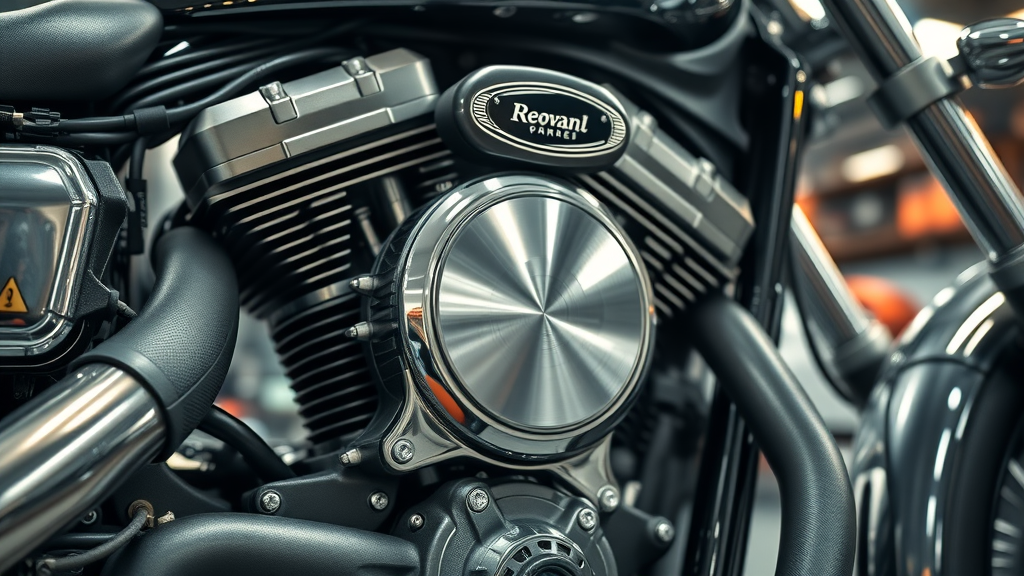
A Startling Secret: How Motorcycle Engines Drive Performance
When it comes to pure adrenaline, motorcycle engines are the ultimate source. Every twist of the throttle transforms a rider’s intentions into raw motion, and the hidden mechanics inside the engine determine just how far that power will take you. Whether you ride a classic dirt bike, a cutting-edge sport bike, or a touring machine, the type of engine under the tank shapes your speed, acceleration, and even your riding experience. This article peels back the layers of the engine type mysteries, delving into how subtle details can mean big differences on the road and track.
From the underappreciated efficiency of parallel twin and inline engine layouts to the raging high performance upgrades used by racing professionals, the secrets to maximum power are surprisingly accessible. By understanding the core principles of cycle engine design and what sets high performance engines apart, you’ll gain practical insights to transform your own bike for peak output and lasting reliability.
Did You Know? Surprising Facts About Cycle Engines and Power
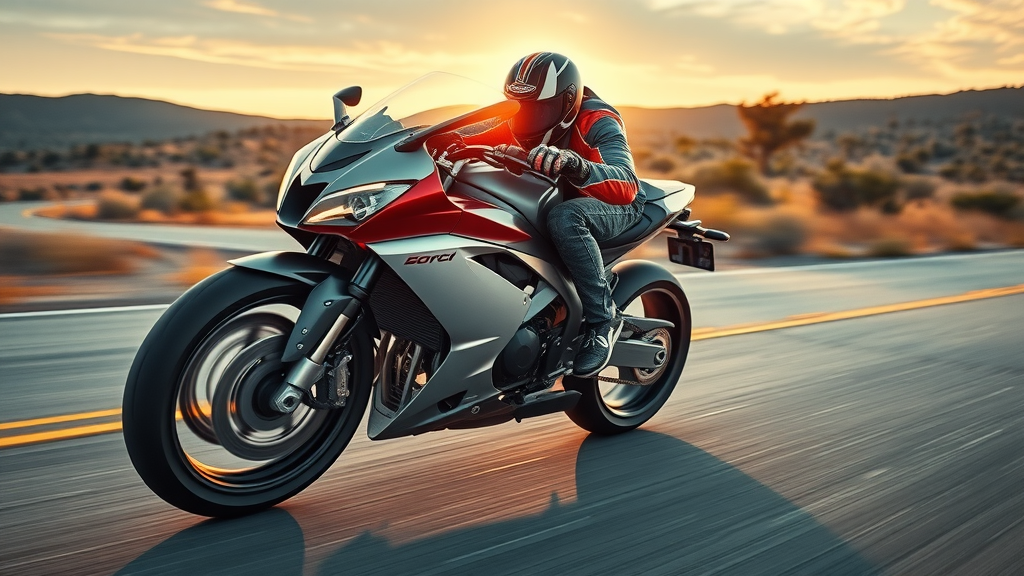
Many riders are shocked to learn that some motorcycle engines can rev up to 16,000 RPM, compared to a car’s average 6,000. Modern engine types have evolved from simple single-cylinder IC engine blueprints into complex multi-cylinder machines capable of high speed and lower maintenance. Each cycle engine, from dirt bikes to touring motorcycles, reflects a balance between power, efficiency, and unique riding dynamics. Even subtle differences—like a switch from air cool to liquid cooling system, or upgrading to a twin engine configuration—can profoundly change your riding experience, giving a smoother ride, more torque, or greater efficiency.
"The heart of every motorcycle is its engine—understand it, and you unlock unparalleled power."
What You'll Learn About Motorcycle Engines
- The fundamental cycle engine types and their differences
- How motorcycle engine type affects speed, power, and efficiency
- Secret methods to extract more power from motorcycle engines
- Choosing high-performance motorcycle engines for different needs
- Expert tips for maintaining and upgrading your motorcycle engine
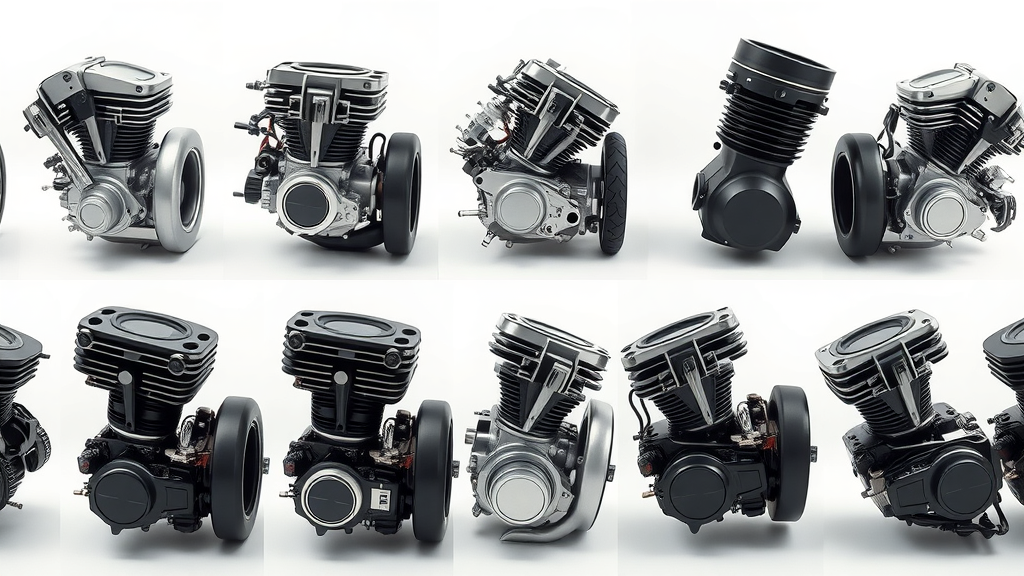
Understanding Motorcycle Engines: The Core of Performance
Motorcycle Engine Basics: How Cycle Engines Work
At their core, motorcycle engines operate using internal combustion: air and fuel mix in a small chamber, then ignite, creating a controlled explosion that pushes a piston. The piston turns the crankshaft, converting that force into rotational energy that powers the bike’s wheels. The number of pistons—referred to as cylinder engines—affects characteristics like horsepower, smoothness, and efficiency. In their simplest form, single-cylinder engines are lightweight and easy to maintain, making them common in dirt bikes and beginner cycles. However, they may lack the refined power delivery of twin engines or multi-cylinder setups. Modern ic engine designs embrace variable cam timing, fuel injection, and counterbalancers to maximize performance, minimize vibration, and extend longevity.
A bike’s engine type closely relates to how it delivers power. Smaller engines, such as those found in a dirt bike, are often optimized for low-end torque and quick acceleration on rough terrain, while larger, multi-cylinder engines in touring or sport bikes are tuned for high speed and smoother highway cruising. The interplay between engine types, fuel delivery, and exhaust systems is the first layer of the secret to maximizing your motorcycle’s power output.
Engine Types: From Single to Twin Engine and Beyond
There are several common engine types in the motorcycle world, each offering their own advantages. Single-cylinder engines are lightweight, affordable, and easy to repair, making them ideal for trail bikes and dirt bikes. Twin engine setups, such as the parallel twin and V-twin, balance power and smoothness, delivering a well-rounded riding experience for street motorcycles and cruisers. Inline engine configurations, most notably inline-four, promise top-end horsepower and silky delivery, central to modern sport bikes. The rotary engine, though rare, produces smooth, uninterrupted torque due to its unconventional internal design, while boxer engines—famous for their horizontally opposed cylinders—offer unique balance and a low center of gravity.
Each engine configuration is engineered for particular strengths, from the high-revving nature of inline engines to the gritty, instant torque of V-twin engines. Assessing the pros and cons of engine types helps riders choose their perfect motorcycle. For example, twin engines offer fewer moving parts compared to more complex multi-cylinder configurations, which can mean lower maintenance and easy to maintain for daily use, while the inline engine excels at high speed and highway performance.
| Engine Type | Main Features | Common Bikes | Pros | Cons |
|---|---|---|---|---|
| Single Cylinder | Lightweight, few moving parts, quick torque | Dirt bikes, entry motorcycles | Simple, easy to maintain, low cost | Vibrations, lower top speed |
| Parallel Twin | Two cylinders, compact, balanced | Sport, commuter, touring bikes | Good balance of power and handling | Less peak power vs. multi-cylinder |
| V-Twin | Cylinders at V-angle, low-end torque | Cruisers, custom bikes | Tons of torque, iconic sound | Heavier, can vibrate |
| Inline Four | Four cylinders, high revs, smooth | Sport bikes, superbikes | High speed, smooth ride | Heavier, more complex |
| Rotary Engine | Rotating disc, no pistons | Rare, collector bikes | Smooth power, fewer moving parts | Unique maintenance, less common |
| Boxer Engine | Horizontally opposed cylinders | Touring, adventure bikes | Low center of gravity, smooth | Wide engine block |
Cylinder Engines: Power and Efficiency Explained
The number and arrangement of cylinders in motorcycle engines has a huge effect on both performance and feel. A single-cylinder engine favors lightweight efficiency and instant torque, which is why dirt bikes largely depend on this simple design. Twin engines, like the parallel twin and V-twin, introduce smoother power delivery and often higher horsepower, catering to a smooth ride and long-distance touring comfort. Multi-cylinder engines, such as inline-fours, can achieve extremely high speeds and quick acceleration, thanks to rapid firing cycles and well-tuned engine layout.
Cylinder engines that use a well-designed engine layout not only maximize power, but they also shape the bike’s handling and balance. For example, the low, wide construction of a boxer engine ensures high-speed stability, while the narrow width of a parallel twin allows for nimble handling in urban settings. These choices reflect trade-offs in engine block size, moving parts, and in real-world efficiency, making your engine type a critical decision for any enthusiast who craves control over performance.
Two-Stroke vs Four-Stroke Engine: The Classic Debate
The age-old debate between two-stroke and four-stroke engines still sparks passion among motorcycle fans. Two-stroke engines are simple, lightweight, and pack remarkable punch for their size. With only two movements (up and down) to complete a power cycle, they deliver quick acceleration and are preferred in motorsports and dirt bike competitions. However, their design leads to less efficiency, more pollution, and they typically require more frequent maintenance.
In contrast, four-stroke engines—the standard in most modern motorcycles—offer a balance of power and economy. By splitting the combustion cycle into four steps, these engines produce cleaner emissions, lower fuel consumption, and are easier to control at lower speeds. Their complex construction, though, means more moving parts, a heavier engine, and sometimes a higher upfront cost. Choosing between these engine types comes down to the intended use, with two-strokes appealing to those seeking high performance bursts and four-strokes to riders who value reliability and everyday usability.
Exploring High Performance Motorcycle Engines
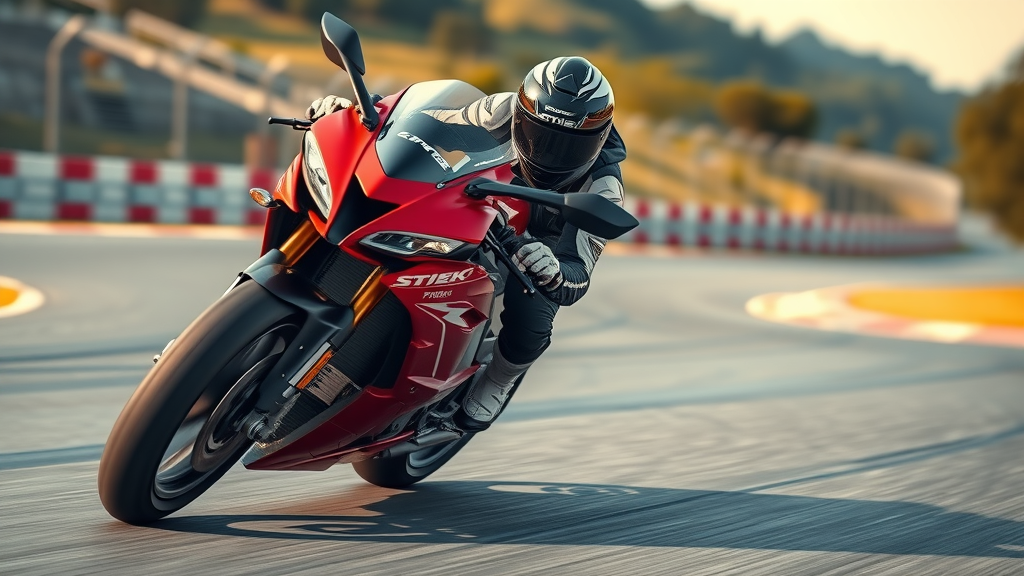
What Makes a High Performance Motorcycle Engine?
A high performance motorcycle engine isn’t just about raw size or cylinder count. It’s the result of precision engineering, high-quality materials, and innovative design that together raise efficiency, power, and responsiveness far above standard models. Advanced cooling systems, lightweight internals, and finely tuned ignition systems grant these engines unmatched output. Sport bikes often rely on inline four engines that can rev extremely high, while custom builds might use turbocharging or supercharging to extract more horsepower from a familiar engine block. A twin engine or parallel twin setup, when upgraded for racing, can also deliver high speed and rapid acceleration. Ultimately, engines produce power relative to their design, and features such as variable valve timing, forged pistons, and race-spec exhausts all contribute to the high performance allure.
Manufacturers of high performance motorcycle engines focus on reducing friction and weight, boosting airflow, and maximizing combustion efficiency. This constant pursuit of speed and smoothness distinguishes racing ic engine designs from everyday commuter cycle engines, ensuring that those bikes riding at the upper limit experience unmatched energy and thrill. The critical secret? Every detail, from the camshaft angle to the cylinder head polish, translates directly to the engine’s real-world capability.
High Performance Engine Upgrades: Must-Know Tips
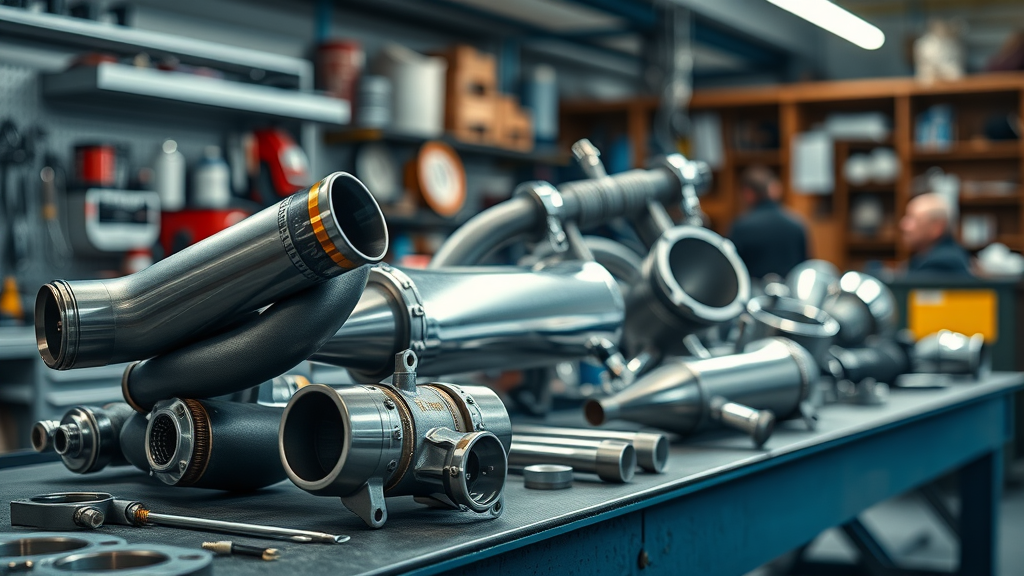
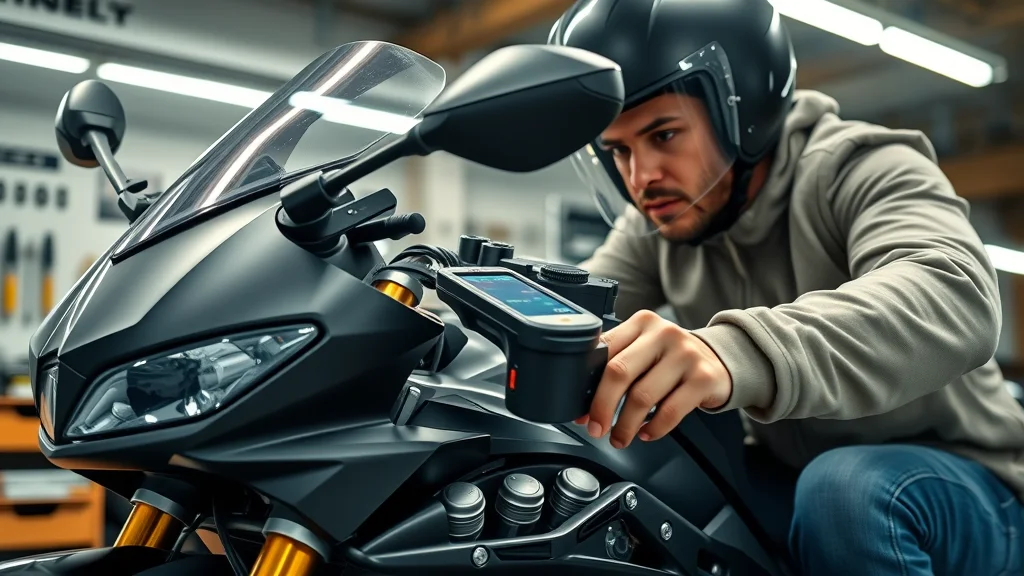
Pushing your motorcycle engine into the high performance category doesn’t always require an expensive overhaul—strategic upgrades often make the biggest difference. For instance, a premium exhaust and intake system can significantly improve airflow, boosting both horsepower and fuel efficiency. ECU remapping allows for personalized engine management, raising redlines, and adjusting fuel timing for optimized combustion. More ambitious riders can install high-compression pistons or even invest in turbocharging/supercharging kits to radically increase the engine’s output.
Upgrades such as performance air filters are cost-effective ways to ensure cleaner, more abundant airflow into the combustion chamber, which increases the efficiency of every power stroke. Combining these hardware modifications with careful tuning brings you close to professional racing standards, even on a standard street bike. Engine types that are easy to modify, such as inline engines and twin engines, are especially popular among enthusiasts seeking more from their machines.
- Exhaust and intake upgrades
- ECU remapping
- High-compression pistons
- Turbocharging and supercharging
- Performance air filters
Special Engines: Rotary, Inline, and Parallel Twin Engines
Rotary Engines: Unique Features and Applications
The rotary engine is a rare sight in today’s motorcycle world, but its unique internal design offers benefits rivaling traditional cycle engines. Unlike typical piston-driven engines, a rotary engine uses a triangular rotor spinning within a housing, producing ultra-smooth and uninterrupted power. With fewer moving parts, rotary engines offer lower maintenance, high-revving performance, and a distinct vibration-free ride. However, they’ve mostly been limited to collector motorcycles or concept models due to special maintenance requirements and less mainstream adoption.
Despite their niche status, rotary engines showcase how outside-the-box engine types can deliver both innovation and excitement. Their compact size, smooth operation, and distinctive sound continue to captivate enthusiasts, serving as a bold reminder that the evolution of motorcycle engines is far from over.
Inline Engines vs Parallel Twin Engines: Pros and Cons
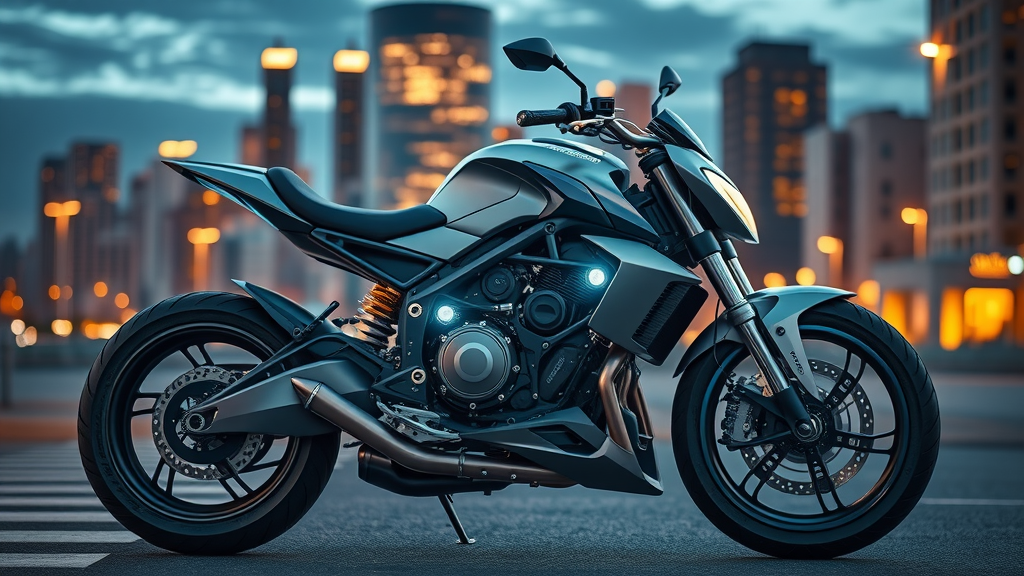
Choosing between inline engines and parallel twin engines often depends on what you seek in your riding experience. Inline engines (such as the popular inline-four) are built for high speed and maximum horsepower. Their balanced firing order and high-revving capacity create a smooth, almost electric feel, preferred by sport bikers and performance enthusiasts. These engines shine at high speeds and have rapid throttle response, but tend to be heavier and more complex compared to twin engine variants.
Parallel twin engines, on the other hand, are revered for their versatility and reliability. They feature two cylinders positioned side-by-side in the cylinder block, allowing for compact engine layout and balanced power delivery. These engines offer a harmonious mix of low-end torque and reasonable top-end speed, making them perfect for everyday commuting, touring, and even city riding. Their simplicity yields easier maintenance and fewer moving parts, but they may not reach the high RPMs or raw power output of a multi-cylinder inline engine.
Motorcycle Engine Cooling Systems and Layouts
Air Cool vs Liquid Cooling System: Which Is Best?
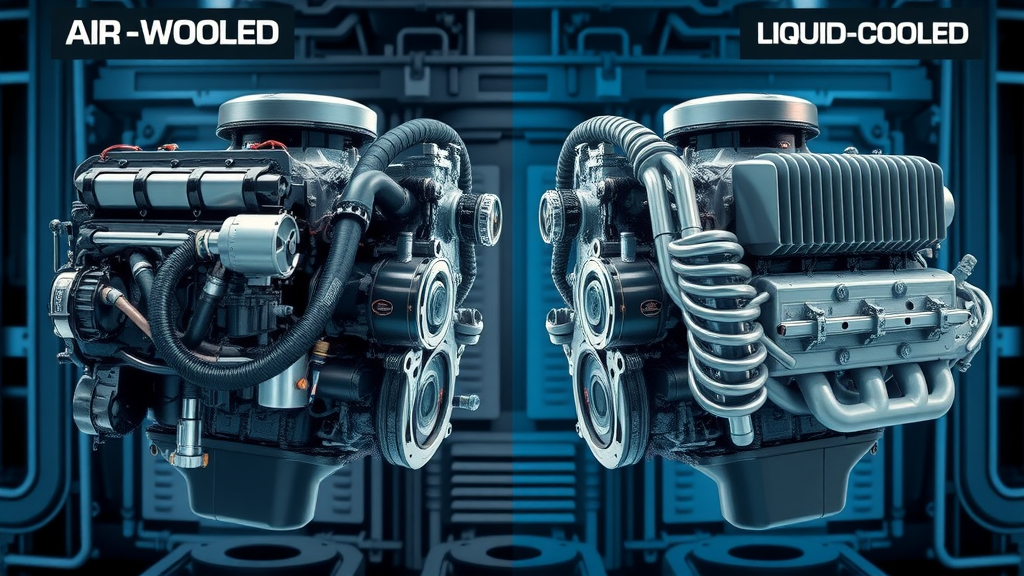
Every motorcycle engine needs to manage heat to work reliably and safely, which is where the cooling system comes in. Air cool systems rely on fins around the cylinder block to dissipate heat into the open air as the motorcycle moves. This method is lightweight, low maintenance, and traditional—perfect for classic bikes and some dirt bikes. However, high-performance engines or those running sustained high speed can quickly overheat with air cooling alone.
Liquid cooling systems, common in modern sport bikes and high performance motorcycles, circulate coolant through the engine and a radiator, efficiently absorbing, transferring, and dissipating excess heat. This method keeps temperatures stable even under extreme loads, allowing higher output and engine longevity. The trade-offs? Liquid-cooled engines add complexity, potential leaks, and a bit of extra weight. Ultimately, the best cooling system choice depends on your engine type, riding style, and how much high speed performance you expect.
Engine Layout: Maximizing Performance and Handling
The physical arrangement—or engine layout—of a motorcycle engine has a direct impact on the entire riding experience. A low, flat engine, such as a boxer, lowers the bike’s center of gravity, aiding stability during high speed cornering. A narrow inline or parallel twin engine improves agility, making city navigation and quick turns easier. The engine’s placement in the frame also affects weight distribution, crucial for traction and confidence on any riding surface.
For example, a rotary engine’s compact and centralized mass allows for unique frame shapes and handling characteristics. Cruiser bikes use the long, low V-twin engine to create both a visual and physical sense of balance, while sport bikes opt for inline layouts to minimize width and optimize aerodynamics. In every case, understanding how engine layout influences performance lets you pick or modify a machine perfectly suited to your skill and ambitions.
Dirt Bike Engines vs Street Cycle Engines: Key Distinctions
Dirt Bike Engine Type and Performance Considerations
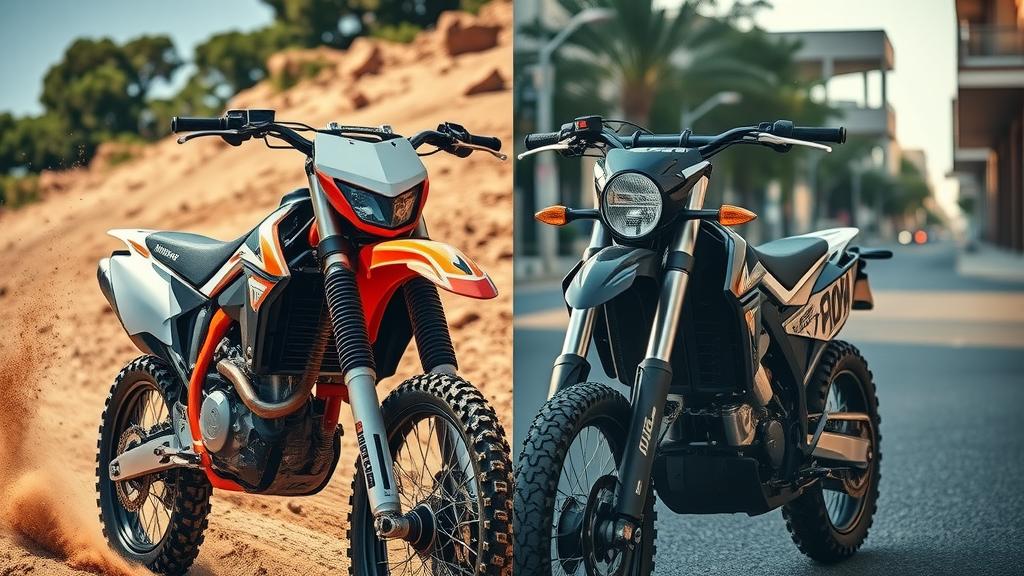
Dirt bikes and off-road cycles prioritize compact and lightweight engine types that excel in quick acceleration, low-end torque, and absolute mechanical simplicity. The single-cylinder, air cool ic engine is a favorite here—featuring fewer moving parts and lower maintenance. Such engines allow riders to tackle rugged trails, abrupt hills, and muddy obstacles with agility, even if top speed falls short of their street counterparts.
High performance off-road cycle engines are often tuned for responsive throttle, giving riders the explosive power needed to pop over jumps or navigate rocky terrain. Reliability and easy-to-maintain design are essential, so durability is prioritized over sheer output. For dirt bikes, the best engine layout combines ground clearance with power out of tight, technical turns.
Street Motorcycle Engine Upgrades For Maximum Power
Street bikes and sport motorcycles present more diverse engine types, from parallel twin to high-output inline and V-twin engines. The goal here is often a balance of speed, efficiency, and handling for both city riding and highway touring. When upgrading a street motorcycle for more power, focus on areas such as improved fuel delivery, bolt-on turbo or supercharger kits, and lighter, high-flow exhaust and intake systems. ECU tuning is popular, allowing fine-grained adjustment to engine performance across the RPM range.
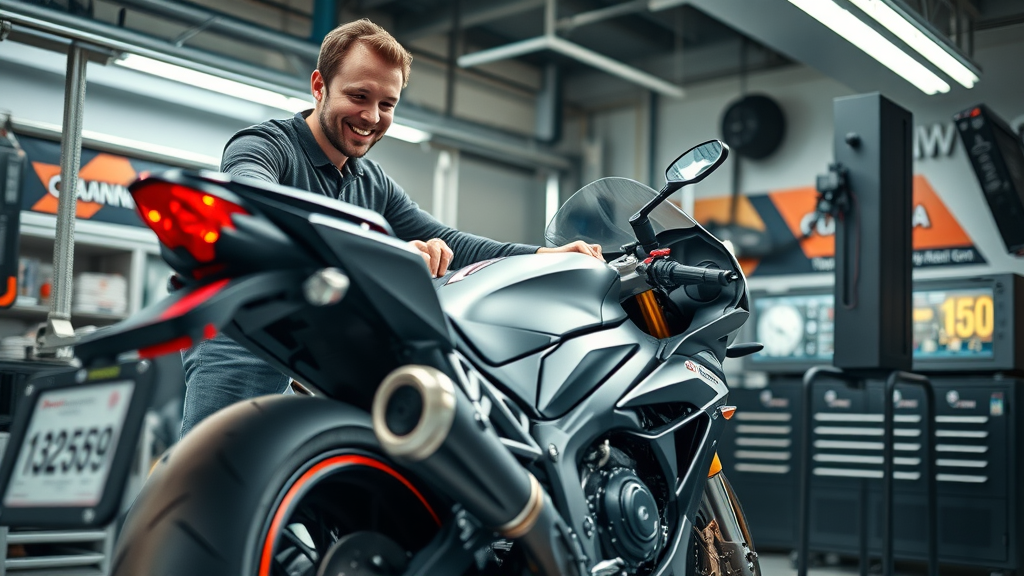
Modern street bikes with multi-cylinder engines can also benefit from suspension upgrades and improved braking systems, as increased power demands higher safety margins. Regular engine maintenance—oil changes, valve adjustments, and timing inspection—ensures lasting performance and lower maintenance in the long run. Ultimately, well-executed upgrades transform even a standard street bike into a high speed, adrenaline-fueled machine.
People Also Ask: Answers to Top Motorcycle Engine Questions
What kind of engines do motorcycles have?
Motorcycles utilize a broad range of engine types, including single-cylinder, parallel twin, V-twin, inline engine (like inline-four), rotary engine, and boxer engine. Most motorcycles use internal combustion (ic engine) powerplants, running on either two-stroke or four-stroke cycles. The specific engine type impacts the bike’s performance, weight, maintenance needs, and riding characteristics. Sport bikes favor high-revving inline engines, cruisers love V-twins, and dirt bikes typically use light, strong single-cylinders with air-cool designs.
How fast would a 1000 hp motorcycle go?
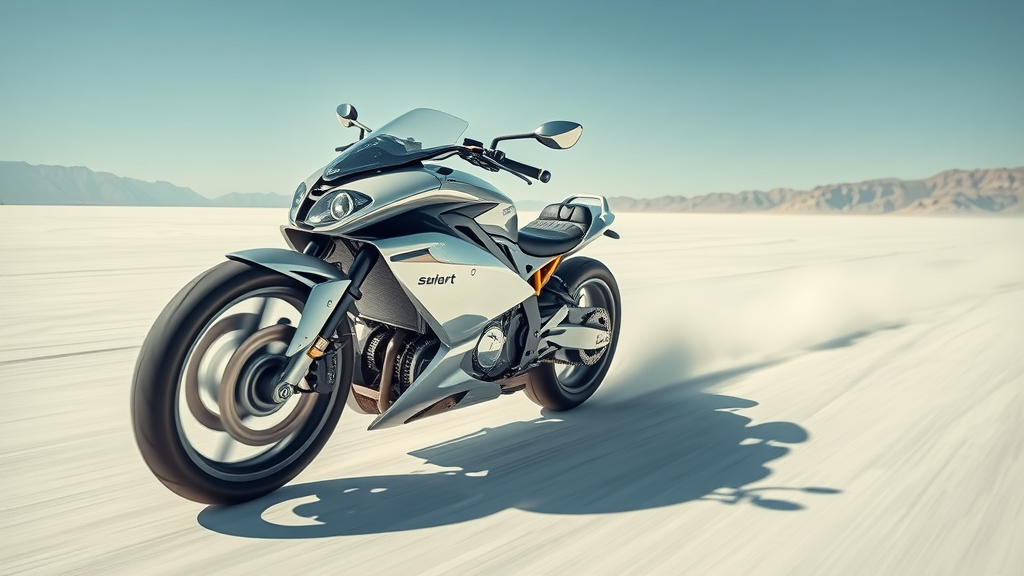
A 1000 hp motorcycle is a marvel of engineering, capable of speeds that easily exceed 250 mph, with theoretical top speeds approaching or passing 300 mph under perfect conditions. Real-world records on custom bikes and experimental runs (often on salt flats) push the limits even further, proving engines produce extreme output when tuned or forced to these extremes. However, real-world speed is affected by aerodynamics, gearing, tire limitations, and safety factors, so these figures represent the outer edge of possibility rather than something seen on the average sport bike.
What is the best engine for a motorbike?
The “best” engine depends on your goals. For day-to-day reliability and economy, a parallel twin or single-cylinder engine offers easy to maintain, efficient performance. Riders chasing high speed and ultimate power often prefer an inline-four or V-twin engine type, common in sport bikes and cruisers. Adventure and touring riders might choose a boxer engine for its stable engine layout and low center of gravity. Ultimately, the best engine is one aligned to your riding environment, performance expectations, and maintenance tolerance.
What motorcycle can go 400 mph?
No production motorcycle has broken the 400 mph barrier, but specialty projects like the Ack Attack streamliner, powered by highly modified multi-engine layouts, have officially exceeded 376 mph at Bonneville Salt Flats. These bikes feature custom cycle engines specifically designed for land speed records, and rely on advanced aerodynamics, forced induction, and reinforced frames to attempt such feats. For everyday riders, high speed records are more about engineering curiosity than something experienced on public roads.
Essential FAQs on Motorcycle Engines
-
What are the best motorcycle engines for beginners?
Single-cylinder or parallel twin engines are excellent for new riders. They're lightweight, manageable, and easy to maintain, giving a forgiving introduction to cycle engine performance. -
How often should I service my motorcycle engine?
It's best to refer to your owner's manual, but generally, oil changes every 3,000-5,000 miles, annual valve checks, and regular air filter changes keep motorcycle engines in peak form. -
Are rotary engines reliable for motorcycles?
Rotary engines have fewer moving parts and deliver smooth power, but specialized maintenance and limited parts availability mean they're less practical for everyday use compared to more common engine types. -
What are the signs of a high performance motorcycle engine?
Expect rapid throttle response, high-rev capability, advanced cooling system, race-tuned exhaust, and precision internals. These engines produce more power and sound distinctively aggressive at speed.
Key Takeaways: Motorcycle Engines and Power Boosts
- Understanding motorcycle engines is the first step to maximizing power and efficiency.
- Engine type, cooling systems, and layout determine engine performance.
- Upgrading to high performance components can substantially boost bike power.
- Maintenance and appropriate modifications ensure longevity and peak output.
Conclusion: Unlock Your Motorcycle's True Engine Potential
Supercharge Your Ride With Advanced Engine Knowledge
"Mastery of your motorcycle's engine is mastery of the machine itself."
Ready to Boost Your Motorcycle Engines?
Call Nasty Performance Motorcycle Shop Today: 847-458-4858

Write A Comment