cropper
update

Nasty Performance ~ 847-458-4858 

update
  • Blog Home
  • Categories
    • Motorcycle Maintenance
    • Riding Tips & Preps
    • Safety & Inspection
    • Customizations & Upgrades
    • DIY Motorcycle Repairs
    • Motocycle Audio Systems
    • Motocycle Seasonal Care & Storage
    • Engine, Electrical Performance
  • Bike Night
  • Nasty Performance Motorcycle Shop
September 26.2025
1 Minute Read

Unveil Custom Bike Parts That Transform Your Ride

Did you know? Over 70% of cyclists seek out custom bike parts to create a personalized bike fit, optimizing both style and performance. Whether you're eyeing your next big twin upgrade or planning a full custom bike build , this guide will show you how upgrading your bike parts isn't just a trend—it's a game-changing investment in your cycling journey. Keep reading to discover how the right custom part can turn any ride into an unforgettable experience, with actionable advice straight from pro bike builders.

Did You Know? Over 70% of Cyclists Upgrade to Custom Bike Parts for a Personalized Bike Fit

Cyclists everywhere, from mountain bikes enthusiasts to weekend cruiser bike riders, are embracing the rise of custom bike parts —and for good reason. With over 70% of riders aiming for a personalized bike fit , custom upgrades go far beyond mere aesthetics. They address issues like discomfort, chronic pain, and inefficient power transfer that come with generic, off-the-shelf parts for road bikes or cross bikes.

Swapping out standard components for quality custom options ensures you’re not just fitting the bike to your body but also to your unique riding style. Take wide handlebars for mountain bikes or custom-shaped saddles for long-distance road bikes: both are designed to minimize fatigue and maximize comfort. This focus on individual needs allows cyclists to push farther, ride longer, and enjoy a tailor-made biking experience that generic parts just can’t deliver.

Vibrant custom road bike in a pro workshop with custom bike parts and cyclist adjusting handlebars

Why Custom Bike Parts are Essential for Your Next Bike Build

  • Improved comfort with tailored bike fit

  • Enhanced bike look – stand out from the crowd

  • Optimized performance based on your riding style

  • Long-term durability from precise engineering

If you’re considering a new bike build , integrating custom parts isn’t just about adding a sense of flair to your cruiser bikes; it's an investment in lasting comfort and enduring quality. An accurate bike fit can mean the difference between loving every mile and suffering through aches and pains. Using tailored components, like a custom part crafted for your reach and preferred posture, enables control and confidence—vital for both mountain and road bikes. And with enhanced durability from precision engineering, these upgrades protect your investment for years of adventures on every trail and street.

Comprehensive Guide to Choosing Custom Bike Parts for Your Custom Bike

Exploring Bike Parts: What Makes a Bike Unique with Custom Parts

  • Frames: How custom frame geometry affects bike fit and ride quality

  • Handlebars and stems: Custom shapes for better aerodynamics and comfort

  • Saddles: The impact of personalized saddle shapes on long-distance rides

  • Wheels: Custom-built for speed, durability, and precise road feedback

Bikes are a sum of carefully selected components designed to work in harmony. When you choose custom bike parts for your next custom build , each element—from frame to wheelset—shapes not only performance but also the ride’s signature feel. Frames with custom geometry give you a ride precision that generic big twin alternatives can’t match, letting you conquer climbs and corners with newfound agility. The right handlebar width, drop, or rise boosts comfort, especially helpful for riders moving from a cookie-cutter setup to a dialed-in configuration fit for their body and goals.

Meanwhile, a properly chosen custom saddle —perhaps modeled after a twin evo rider’s posture or tailored to address numbness—means you can enjoy even century rides without discomfort. Custom-built wheels, incorporating premium materials, enhance speed and feedback so you feel every nuance of the road under your tires. For the bike builder , this attention to detail unlocks a ride that’s truly yours, whether on mountain bikes, road bikes, or a hybrid cross bike.
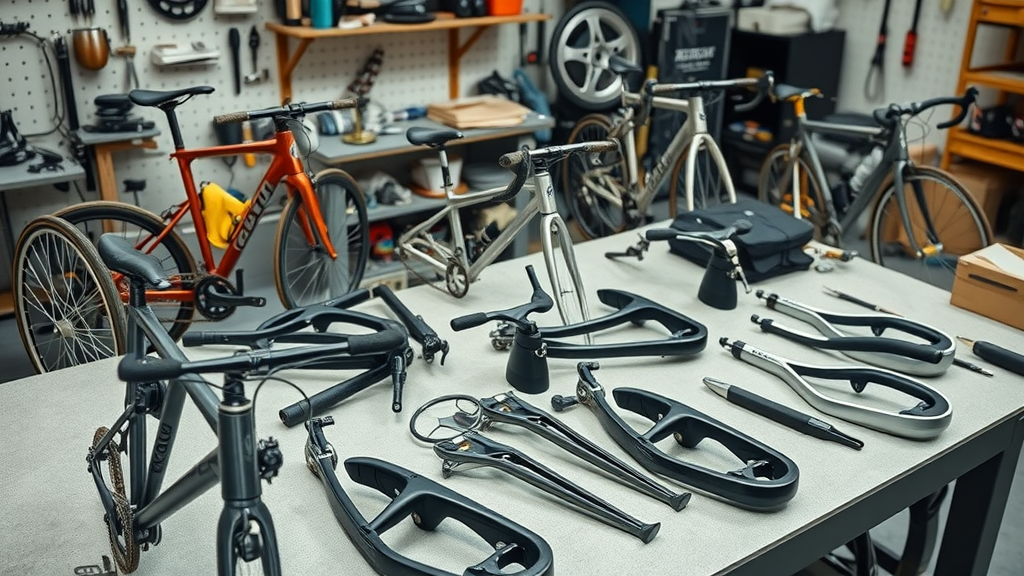
Lineup of custom bike parts including frames, wheels, saddles, and handlebars on a workshop table

Bike Builder’s Insights: Selecting the Right Custom Bike Parts

  • Top trends in custom bike builds

  • Key considerations for road, mountain, and gravel bikes

  • Advice from experienced bike builders and pro riders

Experienced bike builders emphasize understanding your needs before replacing a single bike part . Current trends in custom bike builds focus on integration, modularity, and technology—think electronic shifting, smart sensors, and a move toward lightweight materials like carbon and titanium. Whether you’re targeting steep trails with mountain bikes or smooth tarmac on road bikes, the first rule is always fit: select a frame, handlebar, and stem combination that matches both your body geometry and the riding style you love most.

Don’t overlook the importance of compatibility when choosing a custom part. Components must work seamlessly, whether you're piecing together a gravel grinder or a speed-focused road bike. Consult a seasoned bike builder—they can incorporate your preferences and guide you to the right blend of comfort, efficiency, and performance, blending insights from years of custom bike build experience.

Upgrading Your Experience: Top Custom Part Choices for a Full Custom Bike Build

Custom Bike Frames: Material Options and Their Impact on Performance

Material

Weight

Durability

Ride Feel

Carbon

Light

High

Stiff

Aluminum

Medium

Moderate

Responsive

Steel

Heavy

Very High

Comfortable

Titanium

Light

Very High

Smooth

The frame is the heart of your custom bike build . Choosing between carbon, aluminum, steel, and titanium isn’t just about weight—it’s about how the bike will feel beneath you. Carbon delivers unrivaled stiffness for racers, perfect for sprints and hill climbs, while steel frames suit those who value comfort over long distance and durability in their adventure rides. Aluminum keeps things versatile and responsive—ideal for both big twin city rides and days on the trail—while titanium blends lightness with a uniquely smooth ride that many pro riders cherish. Factoring in these choices will shape the performance of every other part you add to your custom build .

Discussing these material options with your bike builder is crucial, as they have expertise on how each frame material interacts with your personal preferences and riding terrain. A clear understanding sets the foundation for a rewarding and enduring custom bike that makes every pedal stroke count.

Custom Handlebars, Stems, and Components for Ultimate Bike Fit

Handlebars and stems are more than steering tools—they’re the connectors between rider and machine. Customizing these components is pivotal in getting the perfect bike fit . Wide handlebars offer control for mountain bikes, while low-drag carbon bars cater to road bikes and time trialists. A high-quality stem adjusts your reach for better posture and minimizes fatigue, essential for both long cross-country rides and spirited sprints in your next bike build.
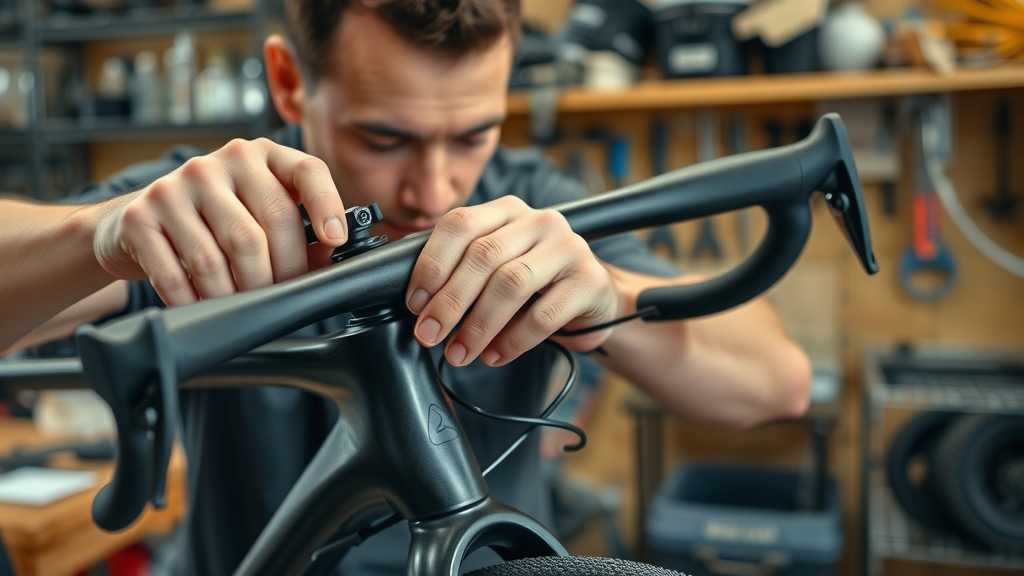
Bike builder fitting a custom carbon handlebar onto a high-end custom bike frame in a workshop

Don’t ignore other comfort-enhancing options, such as ergonomic grips, personalized shifters, and custom brake levers. These finishing touches deliver precision tailored to your biomechanics, reducing strain and making every journey—from a daily commute to a cross-country adventure—smooth, safe, and enjoyable. When you collaborate with a knowledgable builder, you can combine these elements for a custom bike fit you’ll instantly feel, making comfort and control part of every ride.

Innovative Custom Parts: Electronic Shifting, Smart Sensors, and Power Meters

The era of high-tech cycling is here! Integrating electronic shifting, smart sensors, and power meters into your custom bike allows you to track every watt and shift intuitively. Electronic shifting systems, such as Di2 or eTap, provide instantaneous gear changes even under load—ideal for both competitive riders and those seeking seamless mechanical reliability. Smart sensors monitor cadence, power output, and ride metrics in real time, taking the guesswork out of improvements and pacing.

Custom bike with electronic shifting, smart sensors, and power meter, rider reviewing data

A power meter is especially valued in performance-driven custom builds; it tracks your real progress and ensures every training session is maximized. With data-rich upgrades offering feedback directly into your cycling computer or phone, a modern custom part isn’t just about better materials—it’s about building a smarter, stronger ride. Together, these innovative upgrades move your bike builds into the future, offering advantages unimaginable with standard bike parts.

How Professional Bike Builders Execute a Custom Bike Build with Custom Bike Parts

The Custom Bike Building Process: From Concept to Completion

  • Step-by-step bike build explained

  • Fitting sessions for optimal bike fit

  • Hand selection of every custom part

  • Assembly and fine-tuning

A true custom bike build starts with an in-depth consultation and a professional bike fit session to understand your riding style, ergonomic needs, and desired aesthetic. Expert bike builders spend valuable time with their clients, measuring every aspect of body geometry and collecting insights into how and where the bike will be ridden, whether on a big twin evo, mountain bike, or urban cruiser.

Next comes careful hand-selection of every custom part , ensuring each element—frame, wheels, handlebars, drivetrain—is compatible, premium, and tailored to the rider’s preferences. Professional builders then assemble the bike with precision, followed by fine-tuning during test rides to achieve optimal comfort, performance, and safety. By the time your new ride is ready, you've invested in a process that guarantees your bike part choices support every area of your cycling experience.

Expert Quotes on the Impact of Custom Bike Parts

“A custom bike is not just a mode of transport—it’s a statement about who you are as a rider.” – Pro Bike Builder James L.

Custom Bike Parts Marketplace: Where to Buy and What to Look For

Comparing Bike Part Retailers and Custom Bike Shops

  • Online vs. local custom bike stores

  • Working with a dedicated bike builder

  • Evaluating guarantees, support, and service

Finding the right source for your custom bike parts is critical to the success of your build. Online marketplaces usually boast a wide range of inventory and competitive prices, but may lack personalized support, especially if you run into compatibility or fit issues. Local custom bike shops thrive on personal service, expert bike fit sessions, and hands-on help, ensuring you get the best parts for your specific bike build. Working with a dedicated bike builder makes every step—from selection to assembly—a collaborative, professional affair.
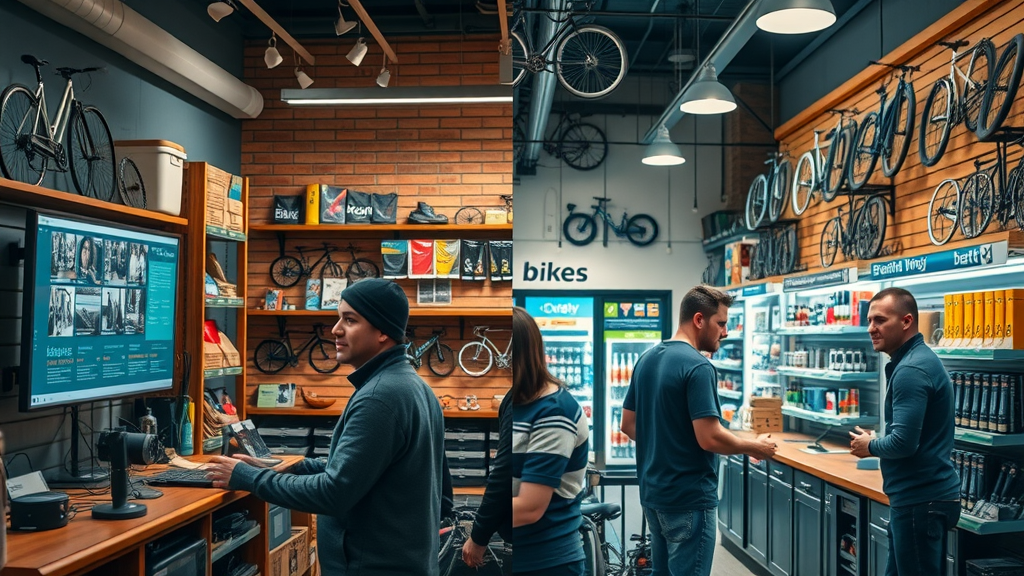
Comparison of online bike parts marketplace and local custom bike shop

When evaluating retailers, examine the guarantees, warranties, and aftercare on offer. A reputable shop will stand behind their parts, provide ongoing support, and offer flexible policies like a reasonable day return window, so you can buy with confidence whether you're shopping for a big twin upgrade or a full mountain bike overhaul.

Retailer Type

Selection

Custom Support

Pricing Range

Online Only

Large

Limited

Low-Mid

Local Specialist

Medium

Extensive

Mid-High

Direct Brand

Custom

High

High

Price Guide for Custom Parts – Budgeting for a Custom Bike Build

  • Frame: $500–$5000+

  • Wheels: $300–$3000+

  • Groupset: $400–$2500+

  • Accessories and finishing kit: $200–$2000

A comprehensive custom bike build isn’t a small investment. Frames alone may start around $500 for entry-level aluminum and can easily exceed $5000 for top-end carbon or titanium masterpieces. Wheel upgrades are central to performance, with prices varying based on material, aerodynamics, and intended use—cross bikes, cruiser bikes, and mountain bikes all have distinct needs. Groupsets with electronic or wireless shifting push the price higher, but unlock unparalleled convenience for serious riders, and finishing kits (saddles, bars, seatposts) top off your bike’s comfort and style.

As you budget, factor in expert assembly fees and routine aftercare—sometimes included as value-adds by specialist retailers. By partnering with an experienced bike builder , you’ll maximize every dollar, achieving a truly quality custom result that stands the test of time.

People Also Ask: Your Custom Bike Parts Questions Answered

What are the benefits of using custom bike parts in a bike build?

  • Improved comfort and ergonomics from custom bike fit

  • Enhanced performance through optimized, high-quality parts

  • Personalized style unique to your custom bike build

Leveraging custom bike parts is the fastest way to enhance both the comfort and performance of your ride. Precision-fitted components enable your body to work efficiently, reducing the risk of injury and fatigue—vital for enthusiasts and competitive cyclists alike. Additionally, replacing generic parts with high-quality custom alternatives ensures stylish personalization and delivers tangible gains in speed and responsiveness on the road.

How do I select the right custom part for my bike?

  • Assess your riding style and needs

  • Consult with a bike builder or bike fit expert

  • Prioritize comfort, performance, and compatibility

Identify what matters most in your riding—whether it’s conquering mountain trails, logging big twin city miles, or maximizing comfort on long road trips. Consulting a trusted bike builder or fit expert ensures your selected custom parts will support your goals. Always balance upgrades between comfort, performance, and seamless compatibility with your current frame and wheelset for results you’ll notice on every ride.

Can custom bike parts really improve my cycling performance?

  • Yes—better fit leads to more efficient power transfer

  • Custom parts can reduce discomfort and fatigue

  • Strategic upgrades enhance bike responsiveness and durability

The answer is a resounding yes. Riders who invest in custom parts experience a marked difference in how their bikes handle and how their bodies feel during and after rides. Each upgrade—from a tailored saddle to precision wheels—contributes to a lighter, stiffer, and more responsive bike that lets you ride faster and farther with less effort. Enhanced comfort means longer, more enjoyable sessions in the saddle, unlocking your full cycling potential.

Are custom bike parts more expensive than standard bike parts?

  • Generally, custom parts cost more due to precision, materials, and exclusivity

  • Higher upfront cost is offset by performance and longevity

Custom bike parts typically come with a higher price tag, primarily because of the craftsmanship, engineering, and premium materials involved. However, many riders find the investment pays off through extended product lifespan, improved performance, and unique aesthetics. Over time, fewer replacements and upgrades mean the initial cost is often balanced out, making custom the smart, long-term choice for serious cyclists.

Customer Reviews and Success Stories: Real Results with Custom Bike Parts

Group of cyclists riding scenic roads on custom bikes, showing various custom bike parts and accessories
  • Cyclist A: Noticed a 10% power increase after custom bike fit and parts upgrade

  • Cyclist B: Transformed their riding posture and eliminated knee pain with custom saddle

  • Cyclist C: Achieved faster lap times on a custom bike build built with aerodynamic components

Real riders, real transformation: After investing in a professional bike fit and updating to tailored custom parts , Cyclist A tracked a measurable gain in power and efficiency. Meanwhile, Cyclist B solved nagging knee pain by opting for a uniquely contoured saddle—enabling longer, pain-free rides. Cyclist C shaved minutes off personal lap records simply by equipping their custom bike with aerodynamically optimized wheels and cockpit. These stories underline how the right custom part delivers results far beyond standard upgrades!

Such success stories demonstrate that for many cyclists—whether riding a big twin, mountain, or road bikes—customization is more than a luxury; it’s a path to better health, speed, and pure riding joy.

Checklist: How to Get Started with a Custom Bike Build and Custom Bike Parts

  1. Define your performance and aesthetic goals

  2. Research custom bike part options and bike builders

  3. Book a professional bike fit session

  4. Select frame material and components

  5. Order all custom parts

  6. Assemble with a qualified bike builder

  7. Test and tune for perfect results

Embarking on a custom bike build journey? Start by clarifying your performance and visual goals—whether you’re aiming for a sleeker road look or a rugged off-road setup. Once your target is set, dive into research, exploring reputable bike builders and custom part suppliers. A professional bike fit session is your next essential step, guiding your part selection and ensuring a match to your unique body geometry.

Round out the process by sourcing and ordering your chosen parts, then enlisting a qualified builder to handle the assembly and critical fine-tuning. Testing and adjusting during initial rides guarantees the setup is perfect, marrying the comfort, style, and speed that only custom bike parts can provide.

Answers to Your Most Common FAQs About Custom Bike Parts

  • What should I look for in a reputable custom bike builder?

  • Choose experienced builders with a history of successful custom builds, transparent pricing, and positive customer reviews. Personal attention and post-assembly support are musts.

  • How long does a full custom bike build take with all custom parts?

  • Expect a timeframe from three weeks to several months, factoring in lead time for part orders, professional fitting, and thorough assembly.

  • Can I upgrade to custom bike parts in stages?

  • Absolutely. Many riders begin with custom cockpit upgrades (handlebars, stem, saddle) before tackling wheels or frames, spreading costs and experiencing benefits directly.

  • What warranty and aftercare should I expect on custom parts?

  • Top suppliers and builders offer manufacturer warranties, personal assembly guarantees, and responsive aftercare—providing peace of mind for both performance and investment.

Unlock Your Best Ride: Invest in Custom Bike Parts for the Ultimate Bike Build

Ready to Transform Your Cycling? Explore the Best Custom Bike Parts Now

Now is the perfect time to capitalize on the power of custom bike parts . With the right choices, you’ll enjoy a smoother, faster, and more personalized ride than ever, whether you’re building a new bike from scratch or upgrading key components.

Connect with Expert Bike Builders for a Personalized Custom Bike Fit and Consultation

Take the next step toward cycling excellence—reach out to a skilled bike builder today for a custom fit and consultation. Partnering with experts ensures every detail of your custom bike build is optimized for your ultimate performance and style.

Actionable Step: Define your dream ride, consult with a professional, and start selecting custom bike parts—your new level of cycling awaits.

Exploring the world of custom bike parts can significantly enhance your cycling experience by tailoring your ride to your specific needs and preferences. For instance, eMachineShop offers precision-manufactured bicycle components, including pedals, brackets, frames, and seats, allowing cyclists to create custom parts that optimize performance and appearance. ( emachineshop.com ) Additionally, Framework Bicycles specializes in made-to-measure custom bike frames and parts, utilizing advanced CAD/CAM systems to design and manufacture bespoke bicycles with unparalleled precision. ( frameworkbicycles.com ) If you’re serious about elevating your cycling performance and comfort, these resources provide the expertise and customization options to transform your ride.

Customizations & Upgrades

0 Comments

Write A Comment

*
*
Please complete the captcha to submit your comment.
Related Posts All Posts

Unlock the Benefits of Windscreen Replacements for Safer Riding

Did you know that a damaged windscreen can compromise your vehicle’s structural integrity by up to 30% in certain situations? When it comes to vehicle safety, most drivers focus on brakes or tires, but your windscreen plays an equally critical role. In this comprehensive guide, we’ll uncover the key benefits of windscreen replacements, from preserving your safety to improving your daily driving experience. Whether you’re facing a small crack or extensive windshield damage, understanding why timely glass repair is necessary can keep you, your passengers, and your vehicle protected. What You’ll Learn About the Benefits of Windscreen Replacements The top safety and performance advantages of windscreen replacements Differences between windscreen replacement vs. windshield repair How expert windshield and glass repair services safeguard your riding experience A Surprising Fact: The Critical Importance of Windscreen Replacements Did you know that a compromised windscreen can reduce your vehicle’s structural integrity by up to 30% in certain situations? Understanding the benefits of windscreen replacements is key to safer riding and optimal vehicle performance. Your windscreen does far more than provide clear visibility—it acts as a crucial shield that helps your vehicle remain structurally sound during collisions or rollovers. Neglecting a small chip or crack can escalate into a serious risk, reducing the protection for both the driver and passengers. Proactive auto glass repair, including professional windshield replacement, can be the difference between safe driving and potential disaster. Understanding the Benefits of Windscreen Replacements Safety-First: How Windscreen Replacement Enhances Structural Integrity Replacement ensures your windscreen offers crucial protection during collisions and rollover accidents, maintaining the vehicle’s structural integrity. When your vehicle suffers a damaged windshield, its ability to withstand impact is severely compromised. In the event of a crash, the windscreen supports the roof and helps prevent it from caving in. Even a small crack can drastically reduce this support, exposing vehicle occupants to greater harm. Professional expert windshield repair and auto glass replacement ensure that the structural strength of your vehicle remains at its peak, directly impacting your safety on the road. Not only does an intact windshield protect against physical injury, but it also helps airbags function correctly during collisions, providing another layer of defense for everyone inside the car. For riders interested in how these principles apply specifically to motorcycles, exploring the benefits of motorcycle windscreen replacements can offer additional insights into safety and performance enhancements tailored to two-wheeled vehicles. Optimal Clarity and Driving Experience New windscreens deliver superior optical clarity, reducing glare and distortions, and enhancing your overall driving experience, especially in challenging conditions. A pristine windscreen means fewer distractions and better reaction times, making safe driving second nature. As soon as a driver’s line of sight is compromised by cracks or chips, their driving experience can suffer—whether from light refracting through the damaged area, dirt entering the chip, or simply not being able to see clearly in poor weather. High-quality auto glass used in replacement provides optimal visibility, diminishing issues with glare and ensuring your vision of the road is as clear as possible. These improvements not only make for a more comfortable ride but also help prevent accidents and potential fines related to obstructed view. Why Choose Professional Windshield Repair and Glass Repair Expert windshield and glass repair technicians adhere to stringent industry standards for fit, finish, and materials. This is crucial, because a DIY kit or subpar installation may not restore the full safety function of your windscreen. Trained professionals have the tools and skills to detect hidden weaknesses in the glass, guarantee precise auto glass fitment, and ensure your vehicle remains safe to drive. By choosing certified technicians, you protect your investment and your peace of mind—knowing the benefits of windscreen replacements are maximized and that every precaution has been taken for your safety and the longevity of your vehicle. Windscreen Replacement vs. Windshield Repair: What Sets Them Apart Comparison of Windscreen Replacement and Windshield Repair Feature Windscreen Replacement Windshield Repair Level of Damage Handled Severe Minor chips/cracks Impact on Structural Integrity Restores original strength Partial reinforcement Cost Higher Lower Time 1-2 hours <1 hour When deciding between windscreen replacement and windshield repair, understanding the extent of the damage is key. A small chip or small crack can often be fixed with high-quality glass repair methods, restoring much of the original strength and prolonging the life of your current auto glass. However, if the damage intrudes into your line of sight, is spreading, or compromises structural integrity, opting for a full windscreen replacement is essential. This approach fully restores your vehicle’s structural strength and the integrity of your driving experience, ensuring your vehicle remains a safe and reliable mode of transportation. Expert Windshield Replacements: The Role of Certified Professionals The Benefits of Certified Auto Glass Services By choosing certified technicians for your windshield replacement, you benefit from expert knowledge, specialized equipment, and guaranteed materials—such as OEM (Original Equipment Manufacturer) or OEM-equivalent glass and adhesives. These are rigorously tested products, designed to match your vehicle’s original performance and appearance. Certified experts don't just install glass—they make precision calibrations and thorough inspections that ordinary glass repair or DIY kits often overlook. Investing in professional auto glass repair ensures your new windscreen matches or surpasses the original’s safety and clarity standards, in turn enhancing your driving experience. “The right expert windshield replacement can mean the difference between minor inconvenience and major safety risk.” Key Steps in the Windscreen Replacement Process Initial assessment for damage extent Removal of damaged glass Installation of new OEM or OEM-equivalent windscreen Calibration of advanced driver assistance systems (ADAS) if equipped Post-installation inspection and clean-up Benefits of Choosing High-Quality Glass Repair & Auto Glass Materials High-grade auto glass provides more than just a clear window to the road—it secures UV protection, superior fit, and long-lasting durability. Using quality materials is essential for every replacement or repair, as they are built to resist daily wear and unforeseen impacts. This ensures your windscreen replacement not only fits perfectly but also remains resilient to weather, debris, and future chips or cracks, making every ride safer and extending the lifespan of your auto glass investment. Impact on Longevity and Maintenance Superior auto glass, combined with expert installation, reduces the frequency of repairs and the likelihood of future damage. A high-quality windscreen is less prone to new chips or cracks and typically demands less upkeep over time. When your vehicle receives the best materials and craftsmanship, you enjoy greater peace of mind, knowing that your driving experience is reliable, free from distracting distortions, and that your vehicle remains attractive to potential buyers. Investing in proper glass repair ultimately pays off in lasting performance and lower lifetime maintenance. Enhancing Your Driving Experience with the Benefits of Windscreen Replacements Reduced interior noise: Modern windscreen materials and expert installation block out wind and road noise, making journeys more peaceful. Improved aesthetic and resale value: A clean, damage-free windscreen boosts your car’s look and makes it more attractive to potential buyers. Greater protection from debris and weather: New windshields offer robust defense against flying debris, rain, and harsh sunlight—preserving your safety and comfort. A detailed walkthrough demonstrating the windscreen replacement process and how it improves safety and driving comfort. Professional auto glass technician guiding through step-by-step windscreen replacement with expert commentary, highlighting safety, tools, and finished results. Visually clear, well-lit, and brand-neutral style. People Also Ask About the Benefits of Windscreen Replacements Is it worth going through insurance to replace a windshield? For many riders, insurance coverage can significantly lower the out-of-pocket expense of windscreen replacements, especially if you have comprehensive coverage. Before making a decision, check your policy details or call your customer support number to clarify what’s included and how the claims process works. Most reputable companies offer strong customer support to help guide vehicle owners through the process, ensuring thorough auto glass work and a smooth experience when restoring your safe driving conditions. How much will a windshield replacement raise my insurance? Most insurance providers will not raise your premium for filing a glass claim, but it’s best to verify with your individual policy. Many glass repair or replacement claims are considered “no-fault,” which means they do not penalize you as a driver. Every provider has unique terms, so always contact your customer support or review your documents if you have questions about filing a claim for your windshield repair or replacement. Is a replacement windscreen as good as the original? Quality replacements using OEM or equivalent glass maintain or exceed the original windscreen’s safety and performance standards. Certified auto glass technicians ensure a precise fit, proper sealing, and calibration, so your vehicle remains as safe and comfortable as when it left the factory. This means uninterrupted structural integrity, optimal driving experience, and long-lasting protection from both the elements and potential road hazards. What does $500 deductible with full glass mean? This means you pay the first $500, and insurance covers the remainder of the windscreen replacement’s cost, though some policies waive the deductible for glass claims. It’s important for the vehicle owner to confirm details with their provider—some plans specifically list glass repair or windshield replacement as a zero-deductible event, saving you even more when you need expert glass repair services. Common FAQs About the Benefits of Windscreen Replacements How do I know when I need a windscreen replacement? If you notice cracks that obstruct your line of sight, multiple chips, or damage affecting the edges of your windscreen, it’s likely time for a full replacement to maintain your safety and structural integrity. Can minor chips be repaired instead? Small chips or single minor cracks can often be repaired with certified glass repair techniques, but extensive damage or compromised structural support should always be addressed with a full windshield replacement. Will a replacement affect my vehicle’s resale value? Quite the opposite—investing in high-quality replacement or repair can boost your vehicle’s value by ensuring clear visibility, protecting from potential fines, and showing potential buyers that your car is well-maintained. Key Takeaways: Maximizing Safety With Windscreen Replacements Timely windscreen replacement is vital for safety and structural integrity Expert windshield and glass repair are essential for proper fit and function Invest in professional services for the best benefits of windscreen replacements If you’re eager to take your knowledge of windscreen safety even further, consider exploring how these replacement benefits translate to other types of vehicles and riding experiences. Delving into the key advantages of motorcycle windscreen replacements can reveal unique perspectives on protection, comfort, and performance for riders. Whether you drive on four wheels or two, understanding the nuances of quality glass and expert installation empowers you to make smarter decisions for every journey. Continue your learning journey and discover how the right windscreen upgrade can transform your ride—no matter what you drive. Ready for a Safer Ride? Call Nasty Performance Motorcycle Shop Today: 847-458-4858 for expert advice and professional windscreen replacements.

Discover the Hidden Power of Custom Paint Jobs to Transform Your Ride

Did you know that a vehicle with a professionally applied custom paint job can gain not only attention on the streets but also command a noticeably higher resale value? Custom paint jobs are more than just a splash of color—they represent a blend of artistry, advanced technology, and personal expression that can transform any plain ride into a truly head-turning masterpiece. This article dives deep into the world of custom paint jobs, breaking down their impact, the intricate process behind them, their long-term value, and how to make the smartest decision for your next automotive upgrade. Unveiling the Impact of Custom Paint Jobs: More Than Just Looks When it comes to custom paint jobs, the benefits go far beyond simple aesthetics. While the visual transformation is the most obvious, investing in a high-quality paint job can also dramatically increase your vehicle’s resale value and make every drive a source of pride. In fact, one of the main reasons car owners consider custom jobs is the sense of uniqueness it brings. Each color choice, finish, and design element distinguishes your car from the rest—and that’s a quality buyers notice too. "A distinctive custom paint job can elevate not only your vehicle's appearance but also its resale value and your sense of pride in ownership." A great paint job also plays a crucial role in protecting your car’s exterior. Today’s best paint jobs involve layers of premium materials that form a resilient barrier against the elements. This extra protection helps prevent small dents and unsightly scratches, ensuring the finish resists chipping and fading from UV rays or harsh weather. Plus, with expert auto body prep work and top-tier finishes, the transformation is both beautiful and long-lasting—making a custom paint job worth every dollar of your investment. For those interested in how custom paint jobs can make an immediate impact, especially on two wheels, exploring motorcycle paint jobs that turn heads instantly offers a closer look at the techniques and styles that set standout bikes apart from the crowd. What You’ll Learn About Custom Paint Jobs The extensive benefits of custom paint jobs Key features to look for in a custom paint job Step-by-step process of a professional custom paint job How to make an informed purchasing decision for custom paint jobs The Rise of Custom Paint Jobs in Automotive Culture Historical Perspective: Origins and Evolution of Custom Paint Jobs The tradition of creating standout rides with custom paint jobs can be traced back to the early days of hot-rodding. In the mid-20th century, car enthusiasts started experimenting with metallic and candy paints, pinstriping, and hand-applied graphics. These pioneers set a new standard for personalization, transforming basic surfaces into rolling works of art. The trend quickly caught on, inspiring generations of drivers to seek ways to express their individual style. Over time, advances in auto painting materials and technology made creative paint jobs more accessible and durable, fueling an entire industry dedicated to one-of-a-kind color and finish. As auto body skills improved and new paint job methods evolved, the demand for unique designs surged. Custom shops thrived, offering everything from flashy flames and pearls to sophisticated color-shift and matte finishes. Today, thanks to digital design tools and high-precision equipment, virtually any vision can become a reality on your vehicle—making modern custom paint jobs a true blend of tradition, innovation, and customer ambition. Modern Trends: Popular Styles and Demand for Custom Paint Jobs Modern custom paint jobs are defined by bold styles and advanced finishing techniques. Some of the most popular options today include color-shifting pearls, high-gloss or satin finishes, intricate airbrushing artwork, and carbon fiber effects. These styles allow vehicle owners to make statements that reflect their tastes and values. Custom metallics and vibrant color matches are especially in demand, with clients seeking unique hues that stand apart from factory versions. The impact of social media and car shows has made standing out more important than ever. Many customers now request paint jobs that not only capture attention in person but also photograph beautifully for sharing online. Thanks to growing interest and technological developments, professional shops can now offer faster turnaround times, richer colors, and more complex patterns with greater durability. This surge in demand means more technicians are honing their craft, raising the industry standard for finish quality and customer experience. Why Choose Custom Paint Jobs for Your Vehicle? Personalization for Unique Expression A custom paint job offers total creative control. Whether you want an eye-catching hue, personalized graphics, or a finish no one else has, customization makes your vehicle a direct reflection of your personality and taste. Increased Resale Value Vehicles adorned with quality custom paint jobs often fetch higher prices in the used market. Buyers are willing to pay a premium for uniqueness—especially when the finish is flawless and head-turning. Enhanced Durability with Quality Paints Modern custom jobs involve layers of high-performance paint and specialized primers. This approach boosts resistance against dents and unsightly scratches, meaning your investment stays fresher, longer. Protection Against Elements Professional auto body shops use clear coats and advanced finishes that shield against chips, sun, rain, and road debris. This protection is essential for keeping a consistent shine long after the job is done. Key Features to Evaluate in Custom Paint Jobs Type of Paint and Finish From glossy to matte, metallic to pearlescent, the specific paint and sheen you choose will impact color depth, reflection, and durability. Artistic Techniques and Effects The best shops offer advanced airbrushing, pinstriping, or layered effects. These require experience and a steady hand to achieve a smoothest finish and highest visual impact. Clear Coat Protection A thick, professionally applied clear coat is vital. It preserves color brilliance and helps keep a consistent shine for years, while protecting against scratches and fading. Professional Expertise Look for technicians with proven success, as the job deserves great attention to prep work, color match, and flawless application. The Step-by-Step Process of a Custom Paint Job Initial Consultation and Design The journey begins by meeting with an expert to discuss preferences, desired finishes, color match needs, and your inspiration. Shops may use digital design tools to create a preview, ensuring the final result aligns exactly with your vision. Surface Preparation Thorough prep work is essential. Technicians provide detailed surface repair, remove small dents and unsightly scratches, and use sanding to create an even base. This step prevents uneven color and gloss. Priming and Base Coating A premium primer is sprayed on, followed by the chosen base color. The accurate color match is vital here, as it forms the canvas for all custom work, ensuring a seamless and solid foundation. Custom Artwork and Detailing This phase brings artistry to life. Advanced airbrushing, taping, or freehand designs are applied, layer by layer, with meticulous attention to detail for a smooth finish. Protective Clear Coating Multiple clear layers are added to protect the entire painted surface. This not only enhances gloss and accurate color match but also resists chipping, weathering, and daily wear for a consistent shine long term. Final Quality Inspection A careful review ensures everything—from color uniformity to surface smoothness—meets the highest standards. A great paint job deserves a flawless inspection before delivery. Paint Shop Spotlight: What Makes a Great Custom Paint Job Provider? Experienced Technicians Seasoned professionals with a track record in auto painting deliver best results. Consistent training and skill ensure every painted surface meets expectations for gloss and accurate color. Portfolio of Previous Work A reputable shop will have a robust gallery of completed projects—showcasing range, creativity, and finish quality. Use of Industry-Leading Products Premier paint brands and modern equipment are non-negotiable for a lasting, high-gloss paint job that resists chipping. Customer Testimonials and Reviews Positive feedback highlights both the technical skill and customer service a company offers. Look for reviews mentioning accurate color match, prep work, and long-lasting finishes. Warranty and Satisfaction Guarantees Shops with confidence in their craft stand behind their work, offering robust warranties and satisfaction guarantees as part of their service offer. Maintenance and Care Tips for Custom Paint Jobs Regular Gentle Washing Use soft microfiber cloths, gentle soaps, and plenty of water to safely remove debris without scratching or dulling your paint job. Protective Waxing Waxing at regular intervals restores shine and creates a sacrificial layer that shields from contaminants and light scratches. Avoid Harsh Chemicals Avoid aggressive cleaners which can break down clear coat and impact the finish. Stick to pH-balanced products recommended by your paint provider. Store Indoors When Possible Garaging your vehicle or covering it when parked outdoors minimizes exposure to sun, rain, and pollutants, helping to maintain that consistent shine long term. How to Decide: Is a Custom Paint Job Right for You? Assessing Your Goals for Customization Are you seeking standout looks, increased car show appeal, or personal satisfaction? Define your goals before contacting a shop. Budgeting Considerations While a custom paint job is an investment, quality can be tailored to different needs—from subtle enhancements to full transformations. Reputable providers may offer financing options. Long-Term Plans for Your Vehicle Think about whether you plan to keep, sell, or show your vehicle. High-quality paint jobs can aid resale or collector value, making the expense worthwhile. People Also Ask: How much would a custom paint job on a car cost? Understanding the Cost Factors for Custom Paint Jobs Custom paint job costs can vary widely depending on the complexity of the design, the type of paint and finish used, the size and model of the vehicle, and the level of prep work involved—including repairs to small dents and unsightly scratches. In general, more intricate graphics, multi-layer effects, and superior materials will increase the price. Labor costs reflect the skill and experience of the technicians as well as the thoroughness of surface repair. It’s important to get a clear estimate from your provider, understand what’s included in the quoted price, and compare portfolios and reviews before making a decision. The best paint jobs balance artistry, protection, and cost for lasting results. Some shops even provide affordable price tiers and financing options to make the experience more accessible. People Also Ask: What's the average cost to paint a 2000 square foot house? Is There a Connection Between Home and Vehicle Custom Paint Jobs? While painting a house and a vehicle both require professional attention to color match, surface repair, and durability, the processes are actually quite different. Residential painting is usually focused on broad wall surfaces, while custom paint jobs for vehicles demand meticulous prep work, specialized equipment, and intricate detailing. The variety of paints, the need for flawless gloss, and the artistic skills required make auto body painting a specialized craft. Even though costs may seem similar on paper, the value you receive from a custom vehicle paint job is tied to the expertise of technicians and the ability to provide a truly unique, durable finish. This comparison highlights the importance of choosing providers skilled in your desired area—just as you’d find a location skilled in house painting for your home, make sure to choose an auto painting shop with a strong record and satisfied customers. People Also Ask: Is it cheaper to get a wrap or a paint job? Cost and Longevity: Comparing Custom Paint Jobs and Vehicle Wraps When considering a new look for your car, both custom paint jobs and professional vinyl wraps are popular options. Wraps can be less expensive upfront, with the added benefit of changing your vehicle’s appearance temporarily and offering protection to the underlying paint. However, they typically do not last as long as a high-quality custom paint job, which can retain a consistent shine and durability for many years. The decision ultimately depends on your goals: if you want something permanent, with deep color depth and a smooth, seamless finish, custom paint is the best investment. Vehicle wraps are a good fit for frequently changing styles or temporary uses. Regardless, only a professional shop can guarantee the best results, whether you choose a wrap or a traditional paint job. Feature Custom Paint Job Vinyl Wrap Longevity 5+ years with proper care 2-4 years, then may peel or fade Finish Quality Seamless, deep, consistent shine Limited by film, may show edges Repair Options Can repair and respray as needed Individual panels can be replaced Personalization Level Unlimited (any style, any finish) Patterns limited to wrap materials Resale Considerations Adds long-term value Temporary protection, less impact People Also Ask: How much do custom paint shops charge an hour? Hourly Rates and What They Include for Custom Paint Jobs Custom paint shop hourly rates typically reflect technician experience, facility standards, and job complexity. Most hourly quotes include prep work, surface repair, paint application, drying time, and finishing procedures. Premium shops may charge more but often deliver a higher level of detail, accurate color match, and consistent shine. When comparing rates, ask about what’s included—some shops might bundle basic service prep or detail work in their hourly charge, while others bill these separately. It’s important to remember that a great paint job is the result of both time and expertise. Always choose quality and proven results over the lowest price, as the entire painted surface will reflect the care and precision put into it. A shop committed to making clients happy provides clarity on costs, delivers smoothest finishes, and stands behind their work with solid guarantees. Frequently Asked Questions About Custom Paint Jobs How long does a custom paint job typically last? With proper care—including gentle washing and regular waxing—a high-quality custom paint job can last more than five years, keeping an accurate color match and consistent shine. Can you repaint over an existing custom paint job? Yes, skilled auto body professionals can repaint over an existing custom finish if the prep work and surface repair are handled thoroughly to remove defects and ensure good adhesion. Do custom paint jobs come with warranties? Many reputable shops offer warranties on their work, which may cover finish durability, color fade, and protection against unsightly scratches and dents. How do I find a reputable shop for custom paint jobs? Look for a provider with positive reviews, an extensive portfolio, skilled technicians, and clear satisfaction guarantees – in other words, a company that offers transparency and proven results. Key Takeaways: Making the Most Out of Your Custom Paint Jobs Custom paint jobs boost your vehicle’s style, protection, and value. Focus on proven expertise, proven materials, and diligent aftercare to enjoy a finish that stands out and stands the test of time. If you’re inspired by the possibilities of custom paint and want to explore even more ways to make your ride unforgettable, consider how specialized motorcycle paint jobs can instantly elevate your presence on the road. Delve into the artistry and innovation behind motorcycle paint jobs that turn heads instantly for a fresh perspective on color, technique, and creative expression. Whether you’re customizing a car or a bike, the right paint job is your ticket to standing out and making a lasting impression. Take the next step in your customization journey and discover how expert craftsmanship can transform any vehicle into a true work of art. Ready to Transform Your Ride? Call Nasty Performance Motorcycle Shop Today: 847-458-4858

Common Mistakes in Motorcycle Wheel Customizations to Avoid

Did you know? Nearly half of all avoidable motorcycle accidents related to custom builds can be traced back to mistakes made during wheel customizations—ranging from incompatible parts to improper installation. If you’re thinking about customizing your motorcycle wheels for the first time—or even if you’re a seasoned rider—understanding these common pitfalls can literally save your ride, your investment, and your safety. In this comprehensive guide, discover not just what to watch out for, but exactly how to avoid the most critical and costly errors in motorcycle wheel customization. Startling Facts: Why Motorcycle Wheel Customizations Go Wrong One of the most problematic issues in the world of motorcycle modification is the prevalence of common mistakes in motorcycle wheel customizations. A small oversight during the modification process can lead to serious safety risks, compromise your motorcycle’s suspension performance, and incur expensive repairs. While customizing your motorcycle wheels may seem straightforward, many riders fail to account for technical elements like alignment, compatible parts, and real-world performance. Even expert technicians in professional motorcycle shops occasionally encounter mistakes that impact both ride quality and motorcycle longevity. A frequent cause of error is riders attempting to mix and match aftermarket parts with their motorcycle’s existing components without verifying compatibility. The intricacies of different front wheel and rear wheel assemblies often result in incompatible parts, potentially putting strain on the swing arm, suspension geometry, and overall handling. In fact, improper modifications have not only compromised the aesthetics of custom motorcycle builds but also led to critical failures—turning long rides or high-speed journeys into a safety hazard. Being aware of why these mistakes happen empowers you to take a more informed, safety-first approach to motorcycle customization. What You'll Learn About Common Mistakes in Motorcycle Wheel Customizations The most frequent errors made during motorcycle modification How to identify compatibility issues with motorcycle wheels Tips for ensuring safe and effective motorcycle wheel upgrades The impact of improper motorcycle wheel choices on performance and safety Overview: Motorcycle Modification and Customizing Your Motorcycle Wheels Motorcycle modification offers enthusiasts the chance to personalize both the appearance and performance of their bikes. However, customizing your motorcycle—especially its wheels—requires a balanced blend of passion and technical know-how. Whether you’re swapping out spoked wheels for cast or forged ones, or fitting oversized tires for a unique look, the process is riddled with opportunities for error. With so many available aftermarket parts and model-specific requirements, getting a wheel upgrade at your local motorcycle shop isn’t as easy as just picking out the flashiest set of wheels. The smart rider focuses on compatibility, alignment, and real-world test rides to ensure no steps are skipped. The goal of this guide is to outline the most common mistakes in motorcycle wheel customizations and provide you with actionable, step-by-step advice to help prevent them. From misjudging the effect on your rear frame, swing arm, and electrical system to misunderstanding how a new set of wheels will interact with suspension geometry and exhaust system, we break down everything you need to know before your next custom build. For a deeper dive into specific errors and practical solutions, you may want to explore this detailed breakdown of mistakes to avoid in motorcycle wheel customizations, which offers additional real-world examples and troubleshooting tips to help you get the most out of your next upgrade. The Basics: Understanding Motorcycle Wheel Components Before diving into customization, it’s essential to grasp the fundamentals of motorcycle wheel composition. At its core, a motorcycle wheel includes several parts: the front wheel and rear wheel, hubs, rims, and tires. There are three primary wheel types found on motorcycles: spoked, cast, and forged. Spoked wheels offer flexibility and shock absorption—ideal for rough terrain and adventure bikes. Cast wheels, typically made from aluminum alloy, provide a good balance between weight and strength, making them popular for city and touring motorcycles. Forged wheels, on the other hand, are prized for their superior strength and lightweight construction, often chosen by those looking for top-end performance at high speeds. Keep in mind that each configuration interacts differently with your bike’s suspension geometry and overall handling characteristics. The choice between these wheel types is not just aesthetic; it dictates how your motorcycle responds during long rides, hard braking, or when loaded with gear. A solid understanding of these key parts allows you to avoid installing incompatible parts during your next motorcycle modification, ensuring a safer and smoother riding experience. Types of motorcycle wheels: spoked, cast, forged Key parts: front wheel, rear wheel, hubs, rims, tires List of Common Mistakes in Motorcycle Wheel Customizations Selecting incompatible parts for motorcycle wheels Ignoring motorcycle wheel alignment Overlooking tire type and size Neglecting the impact of aftermarket parts Mishandling the electrical system affecting ABS functions Improper handling of front wheel and rear wheel balance Incorrect installation techniques at a motorcycle shop Skipping the test ride after modification Ignoring specific needs of custom motorcycle models Mistake #1: Incompatible Parts in Motorcycle Modification Choosing incompatible parts is hands-down the leading cause of trouble in motorcycle wheel customizations. Riders often get swayed by the aesthetics or marketing claims of aftermarket wheels without confirming fitment details with the original manufacturer specifications. This can result in wheels that don’t properly align with brake pads, hubs, or the swing arm—introducing a significant safety risk. For instance, mounting a wheel designed for a different rear frame may compromise suspension performance and cause excessive wear on the drivetrain. To avoid this, always verify that both the front wheel and rear wheel assemblies match your motorcycle model’s requirements. Be cautious of variations in wheel width, hub machining, and attachment methods, especially when dealing with custom motorcycle builds. Before purchasing, consult manufacturers or a trusted motorcycle shop for support number references, compatibility matrices, and specific advice. This diligence can prevent serious handling issues and costly damage down the road. Common Incompatible Parts vs. Compatible Parts in Motorcycle Wheel Customizations Component Incompatible Parts Example Compatible Parts Example Front Wheel Hub Incorrect hub bore or width OEM-specified or direct aftermarket fit Rear Wheel/Rim Wrong diameter or bolt pattern Exact match for rear frame and swing arm mounts Brake Rotor Different attachment bolt size Direct fit with recommended brake pads ABS/Electrical System No ABS ring or incompatible sensor position ABS ring and sensor pre-installed for your bike Mistake #2: Improper Alignment of Motorcycle Wheels Wheel alignment—it’s more than just straightening things out. Even the best aftermarket parts can’t compensate for a misaligned motorcycle wheel. An improperly aligned front wheel or rear wheel affects suspension geometry and can accelerate tire wear, negatively impact handling, and put you at risk at high speeds. Alignment also influences the way stress is distributed across your swing arm, rear frame, and even the exhaust system, playing a key role in overall motorcycle safety. Ignoring accurate wheel alignment is a major safety hazard. It doesn’t just create a rough riding experience but can also put uneven load on your motorcycle’s brake system and suspension. An alignment check should always be part of the post-customization process, and enlisting a skilled technician at a reputable motorcycle shop ensures your wheels are perfectly aligned to manufacturer specifications—ultimately safeguarding you and your investment. A seasoned motorcycle modification expert says, "Even a small misalignment can dramatically impact your ride quality and safety." Mistake #3: Overlooking Tire and Wheel Sizing for Motorcycle Customization Wheel and tire sizing isn’t just about aesthetics or picking the largest tires that will fit your custom motorcycle. Using oversized tires or mismatched rim dimensions can throw off your suspension geometry, cause interference with the swing arm or rear frame, and compromise speedometer accuracy. For example, a rear wheel that’s too wide or a front wheel that rubs the fender creates both performance and safety concerns, especially on long rides or when navigating uneven roads. Tire pressure, load rating, and compatibility with braking and suspension are often forgotten in the excitement of customizing your motorcycle. This oversight not only shortens tire life but also increases your risk of blowouts or unexpected slips during high speeds. Always refer to your owner’s manual and manufacturer guidelines for the correct tire and wheel sizing, and consult with a motorcycle shop for professional input before making permanent changes. Mistake #4: Ignoring Aftermarket Parts Impact Aftermarket parts can provide a thrilling new look and performance edge, but not every part is created equal. Improperly chosen or installed aftermarket wheels can be incompatible with OEM setups, leading to problems ranging from ABS sensor errors to fitment issues with the exhaust system and lighting system. In some cases, these parts may void warranties or even present a direct safety risk during high-performance riding. If you’re set on integrating aftermarket parts into your motorcycle modifications, make sure each item is specifically designed for your bike’s make and model. Don’t rely solely on general “universal fit” claims. Instead, engage with a knowledgeable motorcycle shop and leverage customer support to vet your choices. Document every adjustment and retain all installation instructions to ensure warranty compliance and traceability in case issues arise. Mistake #5: Neglecting Electrical System and Compatibility with ABS In our tech-driven riding landscape, the intersection between your motorcycle wheel and the electrical system is more vital than ever. Upgrading to aftermarket wheels without considering ABS ring and sensor placement is a frequent blunder and a dangerous one. Even if the physical wheel fits perfectly, a missing or misaligned ABS ring can cause your anti-lock brake system to malfunction, increasing stopping distances and accident risk during emergency maneuvers. Every modern custom motorcycle is equipped with specialized electrical sensors for speed, traction, and ABS. If you alter your wheels, always check that these components relocate properly. Verify before and after modding that all dashboards, speedometers, and warning lights work as intended. Consulting your manufacturer’s customer support number for detailed compatibility guidance can help preserve both function and safety. Mistake #6: Mishandling Front Wheel and Rear Wheel Balance Wheel balance may seem like a small task in your motorcycle customization process, but it’s pivotal for safe, vibration-free riding. An unbalanced front wheel or rear wheel can result in “shimmying” at high speeds, premature wear on tires, increased fatigue during long rides, and even damage to brake pads and the suspension system. This is especially true for riders who push their custom motorcycle on twisty roads or at track events. Balance is achieved by equitably distributing weight across the rotating assembly. After mounting a new wheel or tire, ensure a certified technician uses digital balancing equipment to affix the correct wheel weights. Skipping this step or relying solely on a visual check could sabotage your entire motorcycle modification by introducing unnecessary safety risks and performance problems. Mistake #7: Flawed Installation Techniques at the Motorcycle Shop Even if you’ve chosen the perfect components, poor installation at a motorcycle shop can lead to disaster. Fasteners not torqued to spec, improper placement of spacers, and incorrect assembly of axles all put your investment and safety at risk. Sometimes, a busy mechanic overlooks small but essential details, compromising the installation of the rear wheel or alignment of the front wheel. Always insist on professional, experienced technicians for your motorcycle modifications. Ask about their installation process, request to see accreditation or certifications displayed in the shop, and don’t hesitate to double-check their work before riding off. A great motorcycle shop welcomes questions and takes pride in their attention to detail, ensuring every custom build reflects their expertise—and your expectations. Mistake #8: Skipping a Test Ride After Motorcycle Wheel Customization Finishing your custom motorcycle build is exciting—but skipping the essential test ride is a gamble you shouldn’t take. The test ride is when you identify missed compatibility issues, subtle imbalances, and new behaviors in handling or braking. Every motorcycle modification should be followed by a real-world test ride to ensure all systems, from the electrical system to the rear wheel and exhaust pipe, function flawlessly together. During the test ride, pay attention to vibrations, brake responsiveness, tire pressure monitoring, and any dashboard warnings. If you sense anything unusual—no matter how minor—return to the shop for a detailed inspection. This simple habit can save you from costly repairs and prevent a minor oversight from turning into a safety hazard under real riding conditions. Mistake #9: Overlooking Custom Motorcycle Model Requirements Every motorcycle model comes with its own unique requirements. Ignoring these and assuming a “one-size-fits-all” approach creates a cascade of issues, including suspension performance loss, incompatible wheel spacing, and even interference with the lighting system or exhaust system. Manufacturers provide detailed information on compatible parts—not just for the wheels but for all downstream systems affected by a wheel change. Before you start customizing your motorcycle, review your owner’s manual and reference model-specific customization guides. Many reputable motorcycle shops offer checklists tailored to specific models, reducing your risk of costly mistakes. If in doubt, consult with a custom motorcycle expert or use the customer support number provided by manufacturers for precise, actionable advice. Essential Tips for Safe and Effective Motorcycle Wheel Upgrades Consult manufacturers and experts before installation Double-check all compatibility factors, including electrical system Document every stage of the motorcycle modification process Follow test ride protocols Tables: Motorcycle Wheel Customization Checklist Step-by-Step Checklist for Common Mistakes in Motorcycle Wheel Customizations and How to Prevent Them Step Key Action Tip to Prevent Mistake 1 Choose Wheels Verify compatibility for your motorcycle model—avoid installing incompatible parts 2 Prepare for Installation Gather all OEM specs and torque requirements 3 Install Wheels Follow step-by-step guidelines or have a certified technician perform installation 4 Check Electrical/ABS Test sensors, ABS, and lighting system for proper function 5 Align Wheels Use professional alignment tools or services 6 Balance Wheels Balance both front and rear wheel using digital equipment 7 Conduct Test Ride Note handling, vibrations, and brake performance—return for adjustment if needed Expert Quotes: Insights on Motorcycle Wheel Modification "The smallest oversight, like installing incompatible aftermarket parts, can undo months of customization work." – Custom Motorcycle Specialist Watch as experts demonstrate the do’s and don’ts of motorcycle wheel customization, including visual alignment checks, compatibility tips, installation techniques, and safe test riding protocols—all shot in a modern motorcycle workshop and open road environment with clear, steady camera work. People Also Ask: Answering Your Motorcycle Wheel Customization Questions What is the 4 second rule on a motorcycle? The 4 second rule is a recommended safety guidelines for motorcyclists, ensuring there’s a safe distance between you and the vehicle ahead. To practice this, pick a stationary point on the road and count the seconds it takes for your motorcycle to reach that spot after the car in front passes it. If it takes less than four seconds, slow down and create more space. This helps prevent sudden collisions and is especially critical after any motorcycle modifications, as custom wheels and tires can alter your bike’s stopping distance and handling. What are common mistakes that cause wheel damage? Frequent mistakes leading to wheel damage include installing incompatible parts, neglecting wheel alignment, ignoring the type and size of tires, and failing to check tire pressure. Other issues like improper torque settings at the motorcycle shop, overlooking balance after new wheel installation, and ignoring the impact of aftermarket parts can all result in premature wear, bent rims, or even catastrophic failures at high speeds. Vigilant inspection and professional installation reduce these risks significantly. How to tell if motorcycle alignment isn't perfect? Signs of imperfect alignment include uneven tire wear, vibrations at certain speeds, your motorcycle pulling to one side, or the handlebars not being in line with the front wheel. After a wheel customization or any major motorcycle modification, always check for these indicators during your test ride. A misaligned motorcycle wheel can compromise safety and quickly damage the suspension or steering components. What size wheels give the smoothest ride? Wheel size impacts ride quality and handling. Generally, larger diameter wheels combined with properly matched tire profiles provide a smoother ride over rough surfaces, thanks to their improved ability to roll over bumps. However, the ideal size depends on your motorcycle’s intended use, suspension geometry, and manufacturer’s recommendations. Always consult your owner’s manual or a motorcycle shop to identify the optimal front wheel and rear wheel sizes for your custom build. This detailed walkthrough video covers everything from initial planning, part selection, and professional wheel installation to live alignment demonstrations and on-road test rides. See how experts avoid common mistakes in motorcycle wheel customizations step by step, ensuring safety, performance, and visual appeal. FAQs About Common Mistakes in Motorcycle Wheel Customizations Can I install any aftermarket wheel on my motorcycle? Not all aftermarket wheels fit all motorcycles. Always verify compatibility with your bike’s specs, including hub width, brake rotor attachment, and ABS sensor accommodation. Does wheel material impact the ride significantly? Yes, wheel material influences weight, strength, and handling. Forged wheels are stronger and lighter than cast or spoked wheels, affecting your motorcycle’s responsiveness, suspension performance, and comfort on long rides. How do I ensure aftermarket parts fit my motorcycle? Consult your owner’s manual, check manufacturer compatibility charts, and seek expert advice from a certified motorcycle shop before ordering or installing any parts. Should wheel balance be checked after every customization? Absolutely. Any time you change wheels or tires, have the balance checked and corrected with professional equipment before you ride. Are there legal restrictions for motorcycle wheel modifications? Many regions have regulations on wheel size, type, and the use of safety equipment like ABS. Always check your local laws and consult with your motorcycle shop for compliance. Key Takeaways: Preventing Common Mistakes in Motorcycle Wheel Customizations Always verify parts compatibility Prioritize professional installation and test rides Keep safety at the forefront during motorcycle modifications Final Thoughts on Safe Motorcycle Wheel Customizations Safe and successful motorcycle wheel customization is rooted in preparation, compatibility checks, and thorough test rides. Don’t cut corners—protect your ride and your safety. If you’re eager to take your motorcycle customization knowledge even further, consider exploring broader strategies and expert advice that go beyond just the wheels. By understanding the full spectrum of potential pitfalls and best practices, you’ll be better equipped to make informed decisions for every aspect of your build. For a comprehensive look at how to avoid the most common mistakes in motorcycle wheel customizations—and to gain actionable insights that can elevate your next project—visit Nasty Performance’s in-depth guide on avoiding wheel customization errors. Your next upgrade could be your safest and most rewarding yet. Contact a Trusted Motorcycle Shop for Safe Customizations Ready to upgrade your motorcycle wheels with confidence? Call Nasty Performance Motorcycle Shop Today: 847-458-4858

Terms of Service

Privacy Policy

Core Modal Title

Sorry, no results found

You Might Find These Articles Interesting

T
Please Check Your Email
We Will Be Following Up Shortly
*
*
*