
Did you know that a well-chosen performance exhaust system can increase horsepower by up to 10%—sometimes even more? That’s the difference between a car that blends in and a machine that commands attention on the road. Whether you want that head-turning rumble or a true edge in power, this guide to choosing performance exhaust systems will walk you through every vital decision, so your next upgrade is your best move yet.
What You'll Gain from This Guide to Choosing Performance Exhaust Systems
- How performance exhaust systems can transform your vehicle’s power and personality
- Every component explained: from exhaust manifolds to tips
- The differences between OEM and aftermarket systems—and when to upgrade
- How to match materials and design to your driving goals
- Tips for installation, testing, and maintenance for lasting performance
- Expert advice and answers to the most asked questions about performance exhaust upgrades
A Startling Fact: How Performance Exhaust Systems Transform Your Ride
Imagine turning the ignition of a standard car, and suddenly, your vehicle delivers not just power, but a symphony of sound and performance reminiscent of a race car. That’s what the right performance exhaust system can achieve. It’s not just about louder exhaust pipes or shinier tips—it’s about unlocking hidden horsepower and torque, optimizing exhaust gas flow, and minimizing back pressure, all while fine-tuning the exhaust note to your personal preference. This means a transformation in how your car breathes, sounds, and ultimately performs on the road. For muscle car enthusiasts and everyday drivers alike, upgrading your exhaust system isn’t just a cosmetic choice—it can be a game changer. Studies show that aftermarket exhaust systems can improve engine efficiency, deliver a more aggressive sound profile, and even enhance fuel economy when matched correctly to the engine. Whether you’re driving a daily commuter, a muscle car, or something in between, understanding the impact of performance exhaust systems is the first step in taking control of your ride’s future.

Why Every Enthusiast Should Understand Exhaust System Upgrades
If you’re passionate about cars or motorcycles, gaining a thorough understanding of exhaust system upgrades is essential. An upgraded performance exhaust isn’t only about seeking louder sounds or racing aesthetics—it’s a calculated upgrade that changes the relationship between your vehicle and its environment. Knowing how exhaust systems influence exhaust flow, back pressure, and sound quality gives you power as a consumer to make informed decisions that align with your driving goals.
Every part of an exhaust system—from the exhaust manifold and pipes to mufflers and exhaust tips—contributes to the car exhaust’s performance. By understanding the intricacies of exhaust systems, car owners and enthusiasts can maximize their vehicle’s output and longevity. Whether your goal is enhanced exhaust note, better fuel efficiency, or dominating on the track, a deep dive into performance exhaust systems is the best way forward.
As you explore the ins and outs of performance exhaust upgrades, it's important to remember that regular care and seasonal maintenance play a crucial role in preserving your system's longevity and effectiveness. For a comprehensive look at how to keep your ride in peak condition throughout the year, check out these seasonal bike care secrets every rider must know.
Understanding the Basics: Exhaust Systems and Their Purpose
To begin your journey with this guide to choosing performance exhaust systems, it’s crucial to grasp what an exhaust system does for your vehicle. In its simplest form, an exhaust system channels exhaust gases away from your engine, minimizes harmful emissions, and manages the sound produced during combustion. Its primary role is to ensure that your engine runs smoothly and efficiently while adhering to noise and emissions regulations needed for everyday driving.
At the heart of every muscle car, race car, or commuter, the exhaust system is an unsung hero. It consists of a series of exhaust components—like the exhaust manifold, catalytic converter, mufflers, resonators, and exhaust pipes—each with a job to optimize performance and keep your ride in top condition. By directing and controlling the exhaust gas flow, these systems prevent back pressure, increase overall efficiency, and inject a personality into your vehicle through its unique exhaust note.
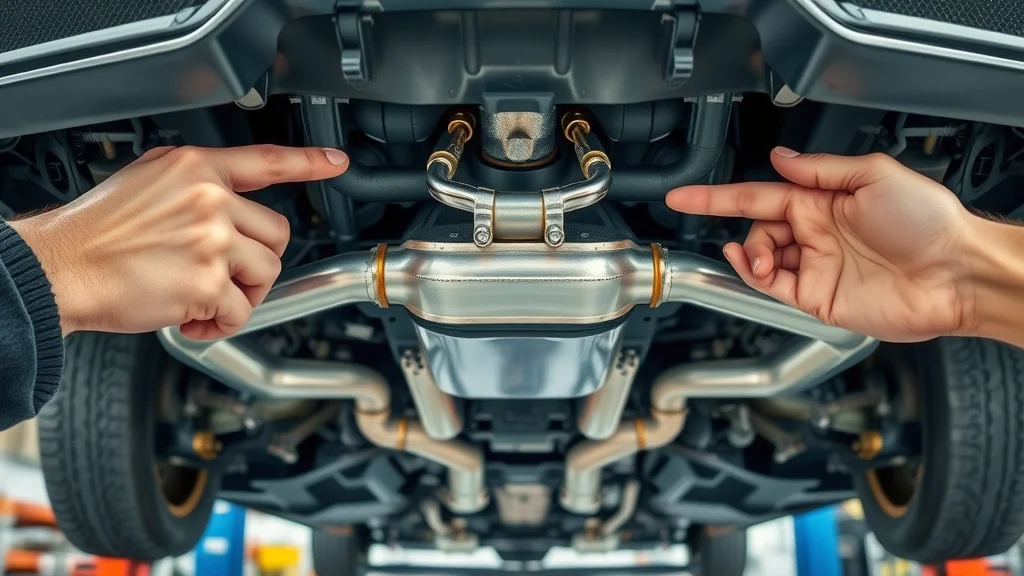
The Anatomy of an Exhaust System
The exhaust system might seem straightforward from the outside, but it’s a collection of precision-engineered parts working together. Starting at the exhaust manifold—where spent gases leave the engine cylinders—exhaust gases then travel through pipes to the catalytic converter, which reduces emissions by cleaning exhaust gas. From there, the gases continue to mufflers and resonators that tune sound quality and noise levels. The exhaust tip delivers the final exit for gases while adding a visual accent to your vehicle’s rear end.
Understanding these exhaust components is key when exploring types of exhaust system upgrades, whether you seek performance benefits or a particular back exhaust sound. With knowledge of each part’s purpose, you’re better equipped to select the right aftermarket exhaust that meets your aspirations for power, aesthetics, or both.
Types of Exhaust System Designs and Functions
There’s no one-size-fits-all solution in exhaust systems. Depending on your vehicle and goals, you’ll encounter different designs: single vs. dual exhaust, cat-back systems, axle-back systems, header-back systems, and more. Each is defined by how much of the original system is replaced and the unique path exhaust gases take—impacting both performance and sound quality. Cat-back and axle-back systems are popular for their balance of performance, cost, and ease of installation.
Additionally, aftermarket exhaust system designs vary in materials and layout to optimize for reduced back pressure or tuned exhaust note. Select a design with an understanding of how it changes the dynamics of your car exhaust—from increased horsepower and torque to that signature growl or purr you crave from a performance exhaust system.
What Makes Performance Exhaust Systems Stand Out?
So, what sets performance exhaust systems apart from the stock parts your car arrived with? The answer lies in engineering that’s driven by results. Performance systems are crafted to maximize the flow of exhaust gases while minimizing restrictions—unlocking better horsepower and a richer exhaust note than a stock or OEM system ever could. From larger diameter pipes to high-flow catalytic converters and meticulously designed mufflers, every detail is tailored to boost output and enrich your driving experience.
Aftermarket exhaust makers go above and beyond to offer systems that are lighter, more durable (thanks to stainless steel or even titanium), and much more expressive in terms of sound profile. The end result isn’t just cosmetic—performance systems offer the performance benefits, improved fuel efficiency (for specific engines), and that coveted exhaust note that sets your vehicle apart on any street.
Performance Benefits of Upgrading to Aftermarket Exhaust
Upgrading to a performance exhaust system isn’t just a “style” choice—it’s a proven way to unleash your vehicle’s true potential. By reducing restrictions and managing back pressure, these systems enhance exhaust flow, resulting in measurable gains in both horsepower and torque. Many enthusiasts notice livelier throttle response and improved top-end speed, giving their car or motorcycle a race car edge—even in daily driving scenarios.
Moreover, properly selected aftermarket exhaust systems can make your ride more fuel-efficient by allowing your engine to expel exhaust gases more freely. The blend of functionality, aesthetics, and signature exhaust note makes these upgrades an enduring favorite among drivers looking for genuine performance benefits and a dramatic improvement in driving engagement.
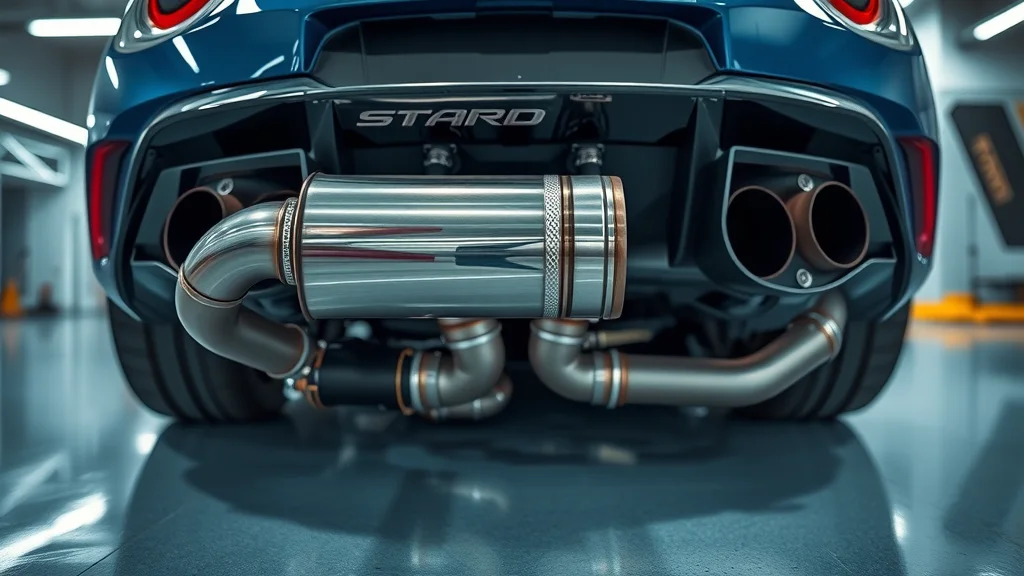
Performance and Sound: Finding the Right Balance
A core challenge with performance exhaust systems is striking the ideal balance between outright power gains and pleasing sound quality. For some, the ultimate goal is a thunderous, straight pipe race car roar, while others want a subtle, refined growl that suits a street-driven muscle car. The key is understanding how your choices—pipe diameter, muffler type, and back system design—influence both performance and sound characteristics.
Remember, personal preference matters just as much as the numbers. When selecting a back exhaust setup, match your goals for sound, performance, and appearance. There are options for every taste, from stealthy sleepers to head-turning show cars, ensuring your system doesn't just perform—it’s a reflection of your automotive identity.
Comparing OEM vs. Aftermarket Exhaust System Options
If you’re debating between sticking with your factory exhaust system (OEM) or choosing a performance aftermarket exhaust, it’s essential to weigh both sides. OEM exhaust systems prioritize emissions, cost, and acoustic compliance, offering a reliable but typically conservative driving experience. By contrast, aftermarket exhaust systems open up more choices—improved flow, richer sounds, higher grade materials, and custom back system configurations tailored to enthusiasts.
This section of the guide to choosing performance exhaust systems clarifies which path suits your driving habits, expectations, and legal/regulatory requirements. Upgrading can be transformative, but it pays to know what you’re getting—and what you might lose.
Why Choose Aftermarket Exhaust Systems? Advantages and Considerations
Choosing an aftermarket exhaust system usually comes down to wanting more—more power, improved looks, and a distinct sound. These systems often feature larger diameter exhaust pipes, high-flow mufflers, and reduced restrictions, all contributing to enhanced power and a more dramatic exhaust note. Materials such as stainless steel or titanium further boost durability, giving your vehicle a performance edge for years.
The real value, however, is in personalizing your driving experience. An aftermarket exhaust means you can select the type of system (like a cat-back or axle-back system) that best matches your needs, whether it’s aggressive performance, improved aesthetics, or the perfect exhaust note. The options are vast, empowering you to achieve a unique balance of sound quality and performance benefits.
Potential Drawbacks of Aftermarket Exhaust Upgrades
Despite their appeal, aftermarket exhaust systems bring some considerations you need to keep in mind. Not all upgrades are legal in every jurisdiction, since some states have strict emissions and noise laws. Poorly chosen or installed systems can also lead to engine warning lights, excessive cabin drone, or even a decrease in performance if back pressure is not optimized for your specific engine.
Another consideration is the impact on your car’s warranty. Examine the terms of your vehicle warranty and check with your manufacturer or dealer before you install a non-OEM performance exhaust system. For many, the benefits outweigh the drawbacks, but an educated approach ensures you don’t run into troubleshootable issues down the road.
Types of Performance Exhaust Systems: A Comprehensive List
Choosing among the many types of exhaust systems can feel overwhelming, but understanding each will make your decision simple and effective. From modest upgrades to full-scale performance transformations, each system is designed with different drivers in mind.
- Cat-back Systems: Replace the exhaust system from the catalytic converter to the exhaust tip, balancing sound and power.
- Axle-back Systems: Install from the rear axle to the exhaust tip, offering easy installation and sound tuning.
- Turbo-back Systems: Swap out everything from the turbocharger back, perfect for turbocharged engines chasing serious gains.
- Header-back Systems: Replace the entire system from exhaust headers to the tip; ideal for total performance overhauls.
- Mufflers: Available as stand-alone upgrades, adjust exhaust tone and volume.
- Resonators: Fine-tune exhaust drone and harmonics for a customizable sound experience.
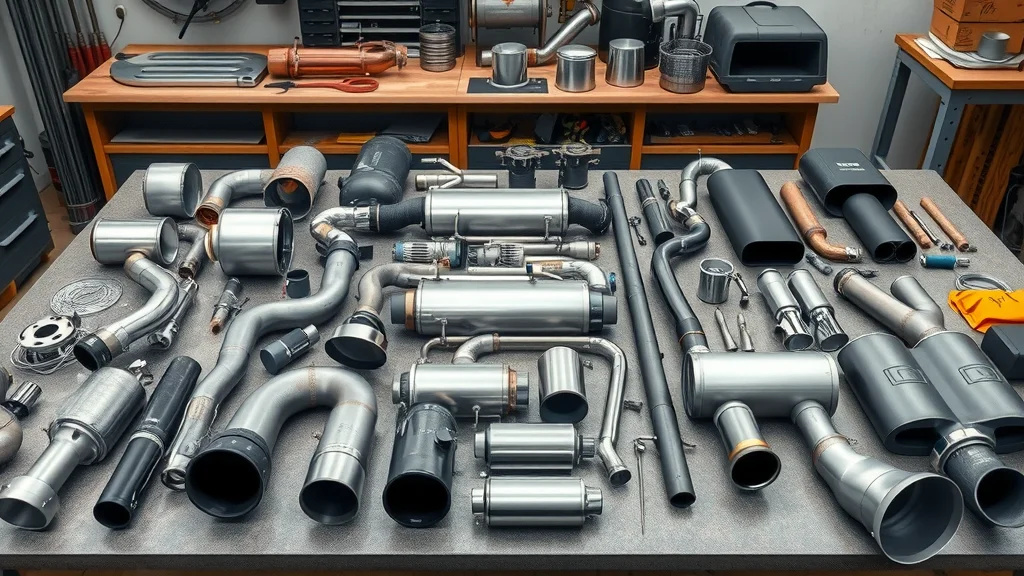
Which Type of Back Exhaust System Fits Your Vehicle's Needs?
The ideal back system for your vehicle really comes down to your expectations and requirements. For daily drivers aiming for a modest sound and moderate gains, an axle-back system is a cost-effective and reliable choice. For performance enthusiasts chasing every last bit of power, a turbo-back or header-back system is likely the best fit, optimizing exhaust flow from the engine to the tailpipe and maximizing power while delivering a commanding exhaust note.
Consider factors like installation complexity, legal compliance, sound quality, and future modifications when deciding on a back exhaust. Your guide to choosing performance exhaust systems recommends matching your selection with your usage patterns, from weekend track days to daily commutes, for results you’ll appreciate every time you drive.
Key Factors in Choosing the Right Performance Exhaust System
A successful upgrade starts with knowing what to look for in a performance exhaust system. The best guide to choosing performance exhaust systems takes you beyond just make and model—considering everything from material strengths to your aesthetic goals and sound preferences.
Materials, back pressure design, and even the look of the exhaust tip factor into both the system’s performance and how it fits with your vehicle’s personality. It's about more than just bolting on a new part; it’s about an informed decision that shapes your entire driving experience.
Material Choices: Steel, Stainless, Titanium, and More
Material is one of the most important choices when selecting an aftermarket exhaust. Mild steel systems are affordable but prone to rust—suitable for warm, dry climates or those on a tight budget. Stainless steel is a popular upgrade, offering resistance to corrosion, longevity, and a polished look that often outlasts the vehicle itself. At the top end, titanium provides a lightweight, high-performance alternative that combines strength, corrosion resistance, and a race-inspired appearance—making it a favorite among enthusiasts and professionals alike.
When reviewing types of exhaust system in your vehicle, consider the weight, longevity, and environmental conditions you’ll be driving in. The best material balances cost, function, and final sound quality—key elements in any guide to choosing performance exhaust systems.

Match Your Goals: Sound Quality, Power Gains, and Aesthetics
No two drivers want the same outcome from their performance exhaust system. For some, aesthetics are paramount—a set of polished dual exhaust tips or a color-shifting titanium finish can complete the look of a custom vehicle. For others, all that matters is the decibel of the exhaust note and the bump in horsepower and torque upon acceleration.
To find harmony among power gains, sound quality, and visual impact, define your goals before making a purchasing decision. Consult reviews and expert opinions to discover which exhaust systems deliver the performance benefits you want and fit your vision for your vehicle’s presence on the road.
Installation: What to Know Before Upgrading Your Exhaust System
When you’re ready to make the leap, installation is a critical aspect of your guide to choosing performance exhaust systems. The process can be straightforward or intensive, depending on the system type and your DIY experience.
While some axle-back or cat-back systems can be installed with basic garage tools and a jack, others (particularly header-back or turbo-back systems) may require welding, specialty tools, or advanced mechanical skills. Know your limits before tearing into your existing exhaust system and always prioritize safety—and legal compliance—during any upgrade.
DIY vs. Professional Installation: What Suits Your Situation?
When considering DIY vs. professional installation, take your tools, workspace, and technical know-how into account. The simplest exhaust upgrades, like axle-back or cat-back systems, often come with detailed instructions for enthusiasts eager for a weekend project. These bolt-on systems typically use factory mount points and minimize the need for specialized equipment, making at-home installation accessible to many.
For more complex upgrades—such as header-back systems involving the exhaust manifold, or systems that change critical exhaust component locations—it’s wise to turn to a professional. They’ll ensure optimal alignment, sealing, and welding for reliability and safety. This leaves you with peace of mind and factory-like fitment, especially when chasing maximum performance benefits or tackling ambitious aftermarket exhaust system projects.

Common Pitfalls When Installing Performance Exhaust Systems
Many upgrades stumble due to missed details: improper gaskets/fasteners, incorrect pipe alignment, or using the wrong parts for your car exhaust make and model. Leaks, annoying cabin drone, rattles, or loss of power often result when installation guides aren’t followed or shortcuts are taken.
Before beginning, review the bolt pattern, check clearances (especially around the exhaust manifold and pipes), and ensure you have every necessary tool. If you’re unsure—or want your exhaust system to deliver on both sound quality and performance—seek out a specialist known for aftermarket exhaust systems. It guarantees a result that looks, sounds, and performs exactly as you intend.
Performance and Sound Testing: Measuring Your Results
Once your system is installed, the real test is in the results—both in performance metrics and in your driving satisfaction. You’ll want to measure whether your performance exhaust delivers on its promises: improved horsepower, distinctive exhaust note, and perhaps even better fuel efficiency.
Take time to test drive under various conditions, listen for droning or unwanted resonance in the cabin, and look for any signs of leaks around welds or connections in the system. Professional dyno or decibel tests can give you concrete, scientific feedback on just how much your upgrade has changed your ride.
Sound Quality and Emission Considerations
While a deep, aggressive exhaust note is often the most noticeable benefit of system upgrades, legal sound limits remain a critical factor. Municipal and state regulations tightly control noise emissions, and going too loud can lead to fines or failed inspections. Many high-quality performance exhaust systems balance a throaty, muscular tone with street-legal sound levels, so do your research—especially if you’re using your vehicle on public roads.
Additionally, be sure your new aftermarket exhaust incorporates emissions-compliant exhaust components like catalytic converters. This keeps you on the right side of the law and ensures your car remains environmentally responsible.

Maintaining Your Aftermarket Exhaust System for Top Performance
Your investment in a performance exhaust system will serve you for years if you arm yourself with simple maintenance habits. Routinely check for rust, loose mounts, or signs of leaks. Stainless steel and titanium systems tend to offer superior longevity, but even they benefit from cleaning—especially in climates where road salt can accelerate corrosion.
Preventative maintenance goes beyond just the pipes. Keeping an eye on hangers, fasteners, and exhaust tips ensures every piece works together for lasting reliability. A maintained system also keeps your exhaust note crisp and your vehicle’s performance at its peak.
Routine Care Tips for Long-Lasting Exhaust Systems
Adopt a seasonal schedule: inspect before and after winter, and clean any grime, tar, or salt buildup as soon as possible. Use appropriate cleaners for stainless steel or titanium, and gently polish exhaust tips to maintain their shine. Address any odd rattling, excessive noise, or visible leaks immediately—often, small issues left unchecked can lead to more significant problems later.
Don’t forget to monitor the health of your catalytic converter and have your system checked by a pro yearly, especially if you notice changes in your exhaust sound, fuel efficiency, or visible rust. With proactive care, your aftermarket exhaust system will look and perform like new for years to come.

Expert Thoughts: In-Depth Quotes from Performance Exhaust Professionals
Selecting an exhaust system isn’t just about louder sound—it’s about optimizing airflow for better performance and longevity. – Industry Specialist
People Also Ask: Expert Answers to Common Performance Exhaust Questions
[[paa_question_1]]
Performance exhaust systems differ from stock options by maximizing exhaust flow and reducing back pressure. This results in more efficient engine operation, increased horsepower, and a more distinct exhaust note. Upgrading can significantly alter both your vehicle’s performance benefits and sound profile, delivering a driving experience tailored to your personal preference.
[[paa_question_2]]
While most aftermarket exhaust systems are designed for easy installation, choosing the correct system for your vehicle ensures the best results. Always match system type—such as cat-back or axle-back—to your make, model, and driving goals. Consulting a guide to choosing performance exhaust systems like this and professional installers ensures the upgrade meets your expectations for power and sound quality.
[[paa_question_3]]
Sound quality in a performance exhaust system is a balance between muffler design, pipe diameter, and overall system length. Some choose straight pipe setups for a race car-like roar, while others prefer resonator-equipped systems for a more refined sound. Your ideal exhaust note comes down to tuning the system that best matches your personal preference and legal requirements.
[[paa_question_4]]
Legalities around aftermarket exhaust upgrades depend on your state or country’s regulations. Many areas set maximum decibel levels or require emissions-compliant exhaust components like catalytic converters. Always research local rules before upgrading and opt for a street-legal exhaust system if your vehicle is used on public roads.
FAQs: Your Guide to Choosing Performance Exhaust Systems
-
How does a performance exhaust system increase power?
By streamlining exhaust flow and reducing restrictions, performance exhaust systems allow your engine to operate with less back pressure, translating into more available horsepower and torque. -
Is a performance exhaust system legal everywhere?
Not always; legality depends on local emissions and noise regulations. It’s vital to check your area’s requirements and ensure your upgrade includes any required emissions components. -
Do performance exhaust systems affect fuel economy?
Yes, they can—reduced back pressure and improved flow often result in better fuel efficiency, although results will vary by vehicle and driving style.
Tables: Comparing Popular Performance Exhaust Systems and Key Features
| System Type | Material | Weight | Performance Benchmark | Sound Profile | Ease of Installation |
|---|---|---|---|---|---|
| Cat-back System | Stainless Steel | Moderate | Balanced; noticeable power and sound boost | Moderate to aggressive | DIY-friendly |
| Axle-back System | Stainless Steel / Mild Steel | Light | Sound upgrade; minimal power gain | Customizable | Very easy |
| Header-back System | Titanium / Stainless Steel | Lightest | Max power and performance | Loud / race-inspired | Professional recommended |
| Muffler Upgrade | Stainless Steel / Aluminized Steel | Very light | Minimal performance; sound focused | Varies widely | DIY possible |
Key Takeaways: How to Succeed with Your Performance Exhaust Upgrade
- Understand your primary goals—power, sound, looks, or all three?
- Research system compatibility—ensure it fits your car’s make and model.
- Consider sound and legal restrictions—make sure your system meets local standards.
- Rely on professional guidance if needed—especially for complex or custom back systems.
Ready to Boost Performance? Call Nasty Performance Motorcycle Shop Today: 847-458-4858
For expert advice, professional installation, and a hand-picked selection of performance exhaust systems, contact Nasty Performance Motorcycle Shop at 847-458-4858—your trusted partner in unlocking your vehicle’s true potential.
Conclusion: Mastering Your Guide to Choosing Performance Exhaust Systems
With the knowledge and tips from this guide, you’re well equipped to choose, install, and maintain a performance exhaust system that delivers power, sound, and satisfaction. Upgrade with confidence—your next ride awaits!
If you’re eager to take your vehicle’s performance and reliability to the next level, don’t stop at just the exhaust system. Embracing a holistic approach to maintenance—especially as the seasons change—can make a world of difference in how your ride feels and performs. Discover expert strategies for year-round care and learn how proactive upkeep can extend the life of your upgrades by exploring seasonal bike care secrets every rider must know. This deeper dive will help you protect your investment and ensure every drive is as exhilarating as the first.




Write A Comment