
Did you know that upgrading to LED lighting can reduce your lighting energy costs by up to 75% over time? Yet, despite the clear promise of energy savings, many homeowners and small business owners pause at the cost of LED lighting upgrades. Is the "sticker shock" justified, or does the math make sense in the long run? In this comprehensive guide, we'll peel back the layers of lighting upgrades, examining the true costs—and the real returns—of making the switch to LEDs.
Shedding Light on the Cost of LED Lighting Upgrades
When it comes to lighting upgrade decisions, understanding the cost of LED lighting upgrades is essential. While the upfront price tag for LED bulbs and fixtures can initially seem high compared to traditional bulbs like incandescent or metal halide, the calculus shifts when you take a closer look at long-term savings. Not only do LED lights dramatically reduce ongoing energy costs, but their durability and efficiency can also mean far fewer bulb replacements and lower maintenance costs.
For small business owners and homeowners alike, the decision often centers on whether the initial investment is justified by sustained energy savings and improved lighting quality. This article unpacks the many practical sides of upgrading to LED lighting, from understanding the breakdown of costs to evaluating your potential return on investment with a lighting retrofit versus sticking with older lighting solutions.
Why the Cost of LED Lighting Upgrades Matters Today
The focus on sustainable buildings, rising energy prices, and the need to reduce energy cost for both environmental and financial reasons makes understanding the cost of LED lighting upgrades more relevant than ever. LEDs not only consume less power but also contribute to fewer maintenance headaches and longer operational lifespans. However, many decision-makers are still put off by the perceived initial expense, weighing it against competing priorities.
“Switching to LED lighting can result in significant long-term savings, but the initial investment is often what stalls decision-making for both homeowners and small businesses.”
What You’ll Learn About the Cost of LED Lighting Upgrades
- Understand every factor affecting the cost of LED lighting upgrades
- Compare LED lighting retrofit versus traditional lighting retrofit
- Identify potential return on investment for LED upgrades
- Review key considerations for LED installation and maintenance cost
- Gain clarity on the practical and financial benefits for your home or small business

Understanding the Cost of LED Lighting Upgrades
When evaluating the cost of LED lighting upgrades, it's imperative to look past just bulb prices. The total expenditure involves factors such as installation, fixtures, and the complexity of the space. Most notably, an LED retrofit can sometimes require new wiring or upgrades to existing lighting systems, especially if the previous setup used fixtures incompatible with modern LED lights.
However, the initial cost should always be compared with the reduced energy costs, fewer replacements, and less frequent maintenance that LED bulbs provide. Their average life is several times longer than traditional options, and improved design in LED fixtures means richer, more controllable lighting—ideal for both homes and small businesses.
If you're considering how to maximize the value of your upgrades, it's also worth exploring how seasonal changes can impact your maintenance routines and overall efficiency. For practical tips on keeping your equipment in top shape throughout the year, check out these essential seasonal care strategies for riders.
Key Elements That Influence the Cost of LED Lighting Upgrades
Understanding what affects the cost of LED lighting upgrades allows for smarter planning and budgeting. Each project is unique, but common elements can dramatically impact your investment and eventual savings.
- Type of LED lights and fixtures: Different brands, wattages, and fixture types vary widely in price and efficiency.
- Number of light bulbs required per space: Larger areas or businesses with more rooms naturally require more bulbs and fixtures.
- Complexity of the LED installation: Retrofitting old wiring, upgrading panels, or automating controls can add to labor costs.
- Existing infrastructure and requirement for a lighting retrofit: The age and compatibility of current fixtures dictate the scale and type of upgrade needed.
- Expected energy saving and energy savings potential: The greater your current usage, the more you’ll save with energy-efficient LED lighting.
By breaking the costs down and factoring in likely future savings, you can weigh your options and tailor your lighting upgrade to your unique home or small business needs.
LED Lighting Retrofit vs. Traditional Lighting Retrofit
Deciding between an LED lighting retrofit and a traditional solution may seem daunting, but the differences are substantial. A traditional lighting retrofit often uses less efficient bulbs (like incandescent bulbs or metal halide lamps) that last fewer hours and use significantly more electricity. In contrast, an LED lighting retrofit captures modern advances, delivering superior efficacy, reliability, and, crucially, reduced operational costs.
Let's put these differences into perspective by examining their real-world impact on costs, maintenance, and performance over time.
Comparing the Cost and Benefits of LED Lighting Retrofit
A direct comparison shows the short- and long-term trade-offs between these two retrofit strategies. LEDs win in almost every category except up-front cost. Still, the investment typically pays for itself within a few years through lower energy bills and fewer replacements.
| Feature | LED Lighting Retrofit | Traditional Lighting Retrofit |
|---|---|---|
| Initial Cost | Higher | Lower |
| Maintenance Cost | Low (rare bulb replacement, less labor) | High (frequent bulb changes, more labor) |
| Lifespan | Up to 25,000–50,000 hours (times longer than traditional) | 1,000–5,000 hours |
| Energy Saving | 50–75% savings possible | Minimal savings compared to LEDs |
| Return on Investment | High (payback in 1–3 years) | Low |
| Lighting Quality | Consistent, instant-on, multiple color temperatures | Often flickers, limited color quality |
Life Cycle of LED Lights: Long-Term Maintenance Costs
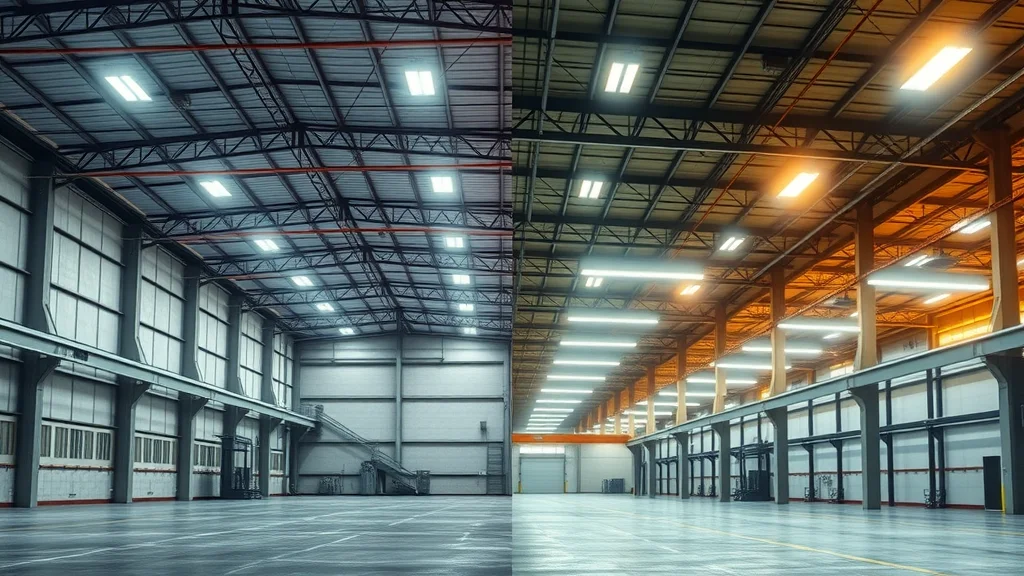
The value of LED lighting comes alive when you look at the full life cycle. LED bulbs typically last tens of thousands of hours—far outpacing the lifespan of incandescent bulbs, metal halide, or even compact fluorescents. This extended life means replacement and maintenance costs drop lower and lower over the years.
In a well-planned LED lighting retrofit, your maintenance team will spend less time on ladders and more time on other priorities. For building managers, these savings are especially pronounced in facilities where lighting access is difficult or downtime is expensive. The fewer the burned-out bulbs, the lower the labor bills and the less disruption to your home or business.
How the Cost of LED Lighting Upgrades Impacts Your Bottom Line
The ultimate measure of any lighting upgrade is its impact on your bottom line. After the initial outlay for LED installation, you’ll immediately see a drop in monthly energy costs and a sharp reduction in costly maintenance cycles. Businesses report hundreds, even thousands, in annual savings on energy and replacements when older bulbs are swapped for longer-lasting LED lights.
Evaluating Maintenance Cost and Maintenance Costs Over Time
When evaluating the cost of LED lighting upgrades, consider not just the price of a new LED bulb, but also the long-term maintenance costs associated with replacements and repairs. Since LED fixtures don’t need to be replaced as frequently as metal halide or incandescent, you’ll see a marked improvement in your maintenance budget.
"While LED bulbs can be more expensive upfront, their lower maintenance costs and extended lifespan contribute to considerable savings in the long run."
Return on Investment (ROI) from LED Lighting Upgrades
For most people considering a lighting retrofit, the pivotal question remains: What’s my return on investment? It’s important to look beyond the initial spend and track how quickly the energy savings recoup that investment and begin feeding back into your bottom line.
Calculating the Return on Investment for LED Lighting
Payback period—how long it takes for the energy cost savings to match your initial cost of LED lighting upgrades—is typically only 1–3 years for most homes and businesses. Simple calculations compare pre-upgrade electricity bills with post-upgrade costs, while factoring in reduced maintenance costs and any rebates. Ultimately, beyond the payback period, every month translates to pure savings.
Case Study: Small Business Savings with LED Lights
Consider a small business transitioning from energy-hungry metal halide lamps to modern LED fixtures. After an LED lighting retrofit, not only did they notice better lighting quality and improved employee comfort, but their annual lighting energy costs plummeted. Their maintenance staff also spent less time replacing bulbs—freeing resources for other operations. Over a few years, the investment paid for itself, and their energy bills were consistently lower every month.

LED Lighting for Small Business: Why Upgrade?
For any small business, lighting is both a cost center and a strategic asset. Upgrading to LED lighting doesn’t just bring down utility costs—it elevates workplace safety, ambiance, and employee productivity. Dimmable and color-tuned LED fixtures can be tailored to the specific needs of your business, whether it’s a bright retail space or a calm office environment.
Practical Benefits and Energy Saving for Small Businesses
Small businesses that invest in LED lighting upgrades enjoy clear, measurable benefits. Not only do these upgrades improve the workspace, but they also result in a competitive advantage through lowered operational costs.
- Improved energy efficiency with LED fixtures
- Decreased energy saving consumption
- Reduced maintenance costs and downtime
- Enhanced lighting quality and workplace comfort

Top Considerations Before Investing in LED Lighting Upgrade
Before you leap into a lighting upgrade, weigh a few essential factors. Careful planning ensures your LED lighting retrofit fits your needs, brings tangible energy savings, and avoids costly missteps.
Choosing LED Light Bulbs and Fixtures
Evaluate the lumens, color temperature, and compatibility of LED bulbs and LED fixtures. The right selection impacts both the quality of light and energy efficiency in your space. Not all LED lights are equal—look for products from reputable brands, suitable CRI (color rendering index) for your environment, and certifications for efficiency.
LED Installation Planning and Budgeting
Map out the requirements for LED installation. This includes evaluating your current infrastructure, calculating the number of fixtures, and getting estimates from a reliable electrical contractor. Don’t forget to budget for any upgrades required to existing wiring, controls, or lighting panels.
Potential Pitfalls in Lighting Retrofit Projects
Common mistakes with lighting retrofits include mismatching LED bulbs, overlooking fixture compatibility, or failing to account for future expansion needs. Work closely with lighting specialists to ensure your investment performs as expected and stands the test of time.
Addressing Common LED Lighting Upgrade Concerns
- Impact of LED lighting on migraines
- Potential influence on circadian rhythm
- Professional fees for LED installation
- Longevity and replacement schedules for LED lights
People Also Ask: Cost of LED Lighting Upgrades
Do LED lights trigger migraines?
Understanding the Health Effects of LED Lights
Most modern LED lights are engineered to minimize flicker and provide consistent illumination, reducing the risk of triggering migraines compared to older or lower-quality lighting solutions. That said, highly sensitive individuals may find rapid flickering or harsh blue-white tones unpleasant. Always choose high-quality, flicker-free LED lighting and look for warm color temperatures to enhance comfort at home or in the office.

Is it worth the cost replacing all my bulbs to LED?
Weighing the Cost of LED Lighting Upgrades for Your Home or Business
Upgrading every light bulb in your home or business to LED bulbs offers significant savings on energy costs and maintenance. Though the upfront cost of purchasing bulbs and installation is higher, these expenses are quickly offset by lower utility bills and fewer replacements. The investment is particularly compelling in spaces where lights are frequently used—think kitchens, offices, or commercial floors—making this upgrade one of the most impactful ways to save money and improve lighting quality.
Do LED lights affect circadian rhythm?
Scientific Insights on LED Lighting and Sleep Patterns
LED lights, like all artificial lighting, can influence your circadian rhythm if used improperly—especially at night. Exposure to high-intensity blue-rich LED lighting before bedtime may disrupt sleep for some people. To limit these effects, opt for LED fixtures with warm white color temperatures in bedrooms, and consider dimmable or adjustable lighting to mimic natural dawn and dusk cycles.
How much will an electrician charge to change a light fixture?
LED Installation Costs: What to Expect
The price charged by an electrical contractor to swap your old fixture for an LED light or panel can vary depending on the complexity of the job and location. While it often represents a small portion of the total cost of LED lighting upgrades, labor and safety are critical—professional installation guarantees longevity, correct wiring, and code compliance for your lighting upgrade.
Frequently Asked Questions about the Cost of LED Lighting Upgrades
-
What is a lighting retrofit and how does it impact costs?
A lighting retrofit involves updating old fixtures and bulbs to modern, efficient options like LED lighting. While initial investment may be higher, you benefit from lower energy costs, better lighting quality, and less maintenance over time. -
How do LED light bulbs compare to metal halide or other traditional bulbs?
LED bulbs offer longer lifespans, greater efficiency, and lower operation costs than metal halide or incandescent bulbs, which require frequent replacement and use more energy for the same illumination. -
What are the benefits of a complete LED lighting upgrade?
A complete upgrade provides enhanced lighting quality, increased safety, decreased downtime, reduced environmental impact, and significant long-term savings for both homes and small businesses.
Key Takeaways: Making an Informed Decision About the Cost of LED Lighting Upgrades
- LED lighting upgrades require upfront investment but offer significant energy savings and maintenance cost reductions.
- A successful lighting retrofit delivers better illumination and a strong return on investment.
- Careful planning ensures the cost of LED lighting upgrades pays off in the long run.
Ready to Upgrade? Explore Your LED Lighting Options
Call Nasty Performance Motorcycle Shop Today: 847-458-4858
Upgrade to smarter lighting and start saving today — your wallet and your workspace will thank you!
As you weigh the benefits of LED lighting upgrades, remember that optimizing your environment goes beyond just energy savings—it’s about creating a space that supports your lifestyle or business goals year-round. If you’re interested in taking a holistic approach to maintenance and performance, our guide on seasonal bike care secrets every rider must know offers valuable insights that can help you keep all your equipment running smoothly, no matter the season. Exploring these strategies can empower you to make smarter investments, not just in lighting, but in every aspect of your property or business. Take the next step toward efficiency and reliability—your future self will thank you for it.




Write A Comment