Nasty Performance ~ 847-458-4858 

  • Blog Home
  • Categories
    • Motorcycle Maintenance
    • Riding Tips & Preps
    • Safety & Inspection
    • Customizations & Upgrades
    • DIY Motorcycle Repairs
    • Motocycle Audio Systems
    • Motocycle Seasonal Care & Storage
    • Engine, Electrical Performance
  • Bike Night
  • Nasty Performance Motorcycle Shop
July 22.2025
1 Minute Read

Top Performance Motorcycle Mods to Maximize Power

Unlocking Motorcycle Potential: Surprising Facts About Performance Motorcycle Mods

"According to industry reports, simple performance motorcycle mods can increase horsepower by up to 20%–a dramatic improvement many riders overlook."
  • Discover how strategic aftermarket motorcycle mods transform power, control, and safety.

When it comes to performance motorcycle mods , most riders underestimate the potential for fast, dramatic power gains. Did you know that something as straightforward as replacing your air intake system or upgrading your exhaust system can significantly improve both horsepower and throttle response? Motorcycle modification isn't just about style—it's about optimizing the core dynamics of your machine.

Strategic aftermarket motorcycle mods can completely transform your riding experience, offering a wide range of benefits like enhanced acceleration, increased torque, and finely-tuned handling. Whether you're craving raw speed for the racetrack or simply want a safer, more responsive commute, motorcycle upgrades provide accessible avenues for every style and need.

A dynamic group of high-performance sport motorcycles expressing power and speed, accelerating down an open road with mountain scenery and dramatic clouds in the background. The image highlights the energy and power of motorcycles with dust trails and motion blur, perfect for a guide to performance motorcycle mods.

Maximizing Power with Performance Motorcycle Mods

  • Address why enthusiasts opt for performance motorcycle mods and give an overview of core modification goals.
  • Highlight practical examples: enhancing acceleration, torque, and handling using motorcycle mods and aftermarket motorcycle parts.

Motorcycling is a passion as much as it is a mode of transportation. For enthusiasts, the pursuit of performance is never-ending. That’s why performance motorcycle mods draw so much attention. The core goal for any mod is simple: maximize the machine’s inherent potential while keeping control and safety at the forefront. Riders often look to increase torque, improve throttle response, or ensure tighter handling–and even small changes can yield a big difference.

Let’s consider real-life examples: swapping a restrictive stock intake system for a high-flow aftermarket air intake can boost engine efficiency and offer noticeable horsepower gains. Upgrading the factory exhaust system for a lighter, freer-flowing exhaust unlocks more power and a satisfying growl. Even something as simple as fitting steel brake lines or LED lights can upgrade stopping power and night visibility, transforming both safety and confidence on the road. The common thread across all these motorcycle mods is a focus on measurable improvement—the kind you can feel every time you open the throttle or lean into a corner.

What Riders Will Gain from This Guide

  • Full understanding of how performance motorcycle mods boost horsepower and torque
  • Detailed breakdown of essential aftermarket motorcycle upgrades for every rider
  • Actionable insights for selecting and safely installing motorcycle mods
  • Expert advice guaranteed to deliver results on the street or track

This guide is your toolkit for the world of motorcycle modification . You’ll learn exactly how the right performance motorcycle mods can dramatically boost horsepower and torque, whether you ride a stock cruiser or a dedicated track machine. With detailed explanations of each key upgrade—from air filters to frame sliders—you’ll be equipped to select mods that fit your riding style and goals.

We’ll walk through practical installation advice, smart purchase tips, and safety considerations. Importantly, we'll also highlight which upgrades give you the most instant bang for your buck—so you can start with confidence and see real gains, on any journey.
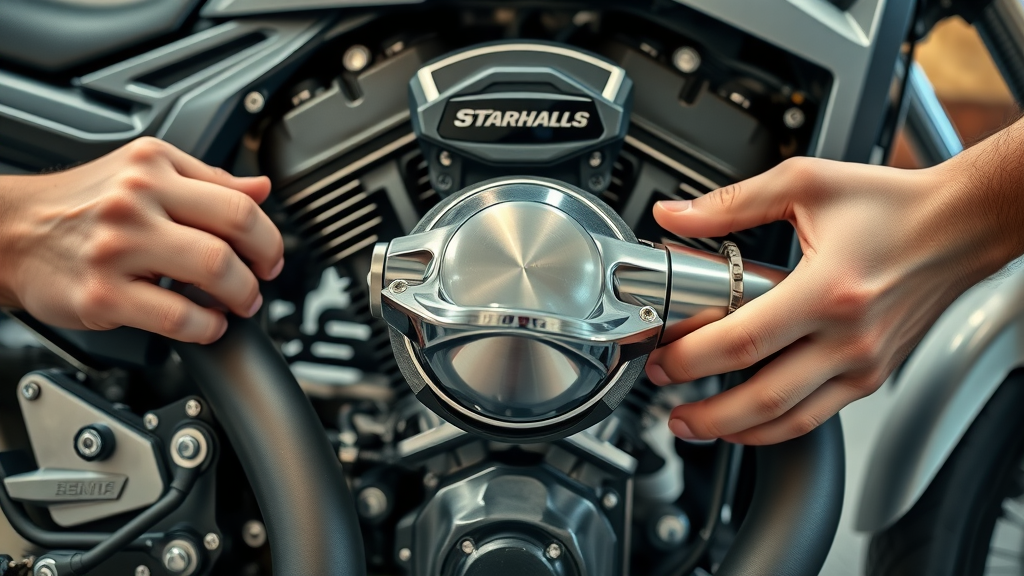
Close-up of a powerful motorcycle engine showing upgraded air intake and exhaust parts, with hands installing a shiny aftermarket part in a lifelike garage setting—a visual for understanding performance motorcycle mods.

Essential Performance Motorcycle Mods: The Top Upgrades

Upgrading the Air Intake System for Improved Power

  • How a new air intake or air filters increase efficiency
  • Best aftermarket air intake system options

The air intake system is the engine's gateway to power. Upgrading to a high-performance air intake or advanced air filters allows more oxygen-rich air to enter the engine, supporting better combustion and a clear performance boost. Aftermarket intake systems are designed to reduce flow restrictions, maximizing horsepower and fuel efficiency. You’ll immediately notice improved throttle response, smoother acceleration, and a crisper sound—all with a simple swap.

The market offers a wide range of air intake system and air filters designed for different bikes and riding styles. Top brands craft filters from premium cotton or foam, increasing surface area and airflow while ensuring filtration of harmful debris. Popular options like K&N, BMC, and DNA provide proven gains for both street and racing motorcycles. Whether you choose a complete intake kit or high-flow replacement air filters, this upgrade often delivers the biggest difference for the lowest investment.

Enhance Your Ride: Aftermarket Exhaust Systems

  • Exhaust system swaps and benefits for horsepower
  • Choosing the right exhaust for your needs

If you’re searching for an improvement that you can see, hear, and feel, switching out your bike’s stock exhaust for an aftermarket exhaust system is a must. Lighter, less restrictive pipes increase power by allowing exhaust gases to escape more efficiently. This change supports higher engine RPMs, giving you that iconic growl and a tangible performance boost.

When choosing an exhaust system , factor in your desired sound, local noise laws, and the fit for your specific make and model. Options range from slip-on mufflers to full systems crafted from stainless steel, carbon fiber, or titanium. Brands like Akrapovič, Yoshimura, and Two Brothers Racing offer a wide range of exhaust systems designed for varying performance levels and personal style preferences. Remember, tuning your motorcycle after upgrading the exhaust system is essential for optimal results.

The Role of Brake Lines in Performance Motorcycle Mods

  • How stainless steel brake lines improve response and safety

Performance isn’t just about acceleration. Upgrading your brake lines to stainless steel versions can revolutionize your stopping power. Rubber lines can expand under pressure, especially as they age, leading to a spongy lever feel and prolonged stops. In contrast, steel brake lines maintain their shape, offering a consistent, precise brake response.

For riders pushing the limits—whether on the street or the track—improved braking control is essential. Performance brake lines reduce fade during hard use and maximize confidence in emergency situations. This simple, affordable upgrade is a smart way to ensure safety and extract the most from your other motorcycle mods.

Optimizing Motorcycle Mods: LED Light and Electrical Upgrades

  • Importance of aftermarket LED light upgrades for visibility and energy efficiency

Upgrading your bike’s lighting with new LED lights delivers multiple benefits. Not only do LED light upgrades provide far superior visibility at night and in poor conditions, but they’re also dramatically more energy efficient than traditional halogen bulbs. That reduced power draw means your electrical system runs cooler and lasts longer—a win for longevity and reliability.

Available in a wide range of colors, shapes, and intensities, aftermarket LED light upgrades are plug-and-play for most modern motorcycles. Whether you ride daily or reserve your machine for spirited weekend trips, improved night vision and eye-catching style will enhance your riding experience and ensure you’re seen by others on the road.

Protecting Your Investment: Frame Sliders and Tank Pads

  • Why frame sliders and tank pads are crucial for performance motorcycles

Every performance motorcycle is a serious investment. That’s why protective frame sliders and tank pads are must-have mods. Frame sliders attach directly to the bike’s frame and are designed to take the brunt of any impact if your bike tips or slides, reducing the risk of expensive damage to bodywork, engine cases, and key mechanical parts.

Tank pads serve a dual purpose: they protect paintwork from scratches caused by zippers or riding gear, and they provide extra grip for your knees, helping to stabilize your riding position under hard braking or cornering. High-quality brands offer a wide range of shapes and materials, allowing you to match your personal style while safeguarding your motorcycle. Small investments here can save hundreds—if not thousands—on future repairs.
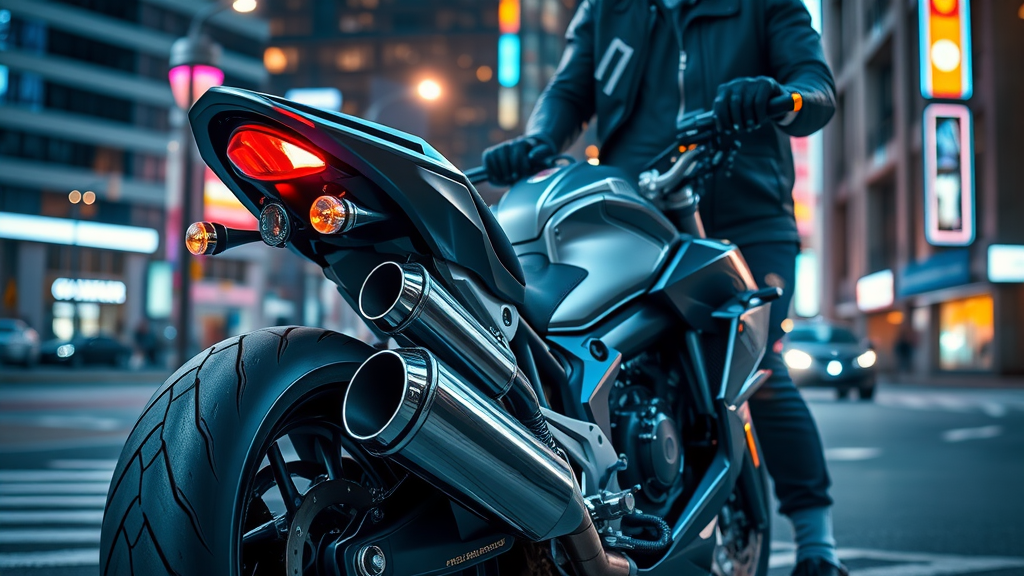
Sleek modern motorcycle emphasizing upgraded exhaust system and LED lighting, showcased in a futuristic urban night cityscape. The image highlights the importance of exhaust and LED mods for motorcycle performance and safety.

Comparing Top Performance Motorcycle Mods

Upgrade Typical Cost Installation Difficulty Immediate Power Gains Other Benefits
Air Intake/Air Filters $80–$350 Easy to Moderate 5–8% Boost Sharper throttle response, improved engine efficiency
Exhaust Systems $200–$1,200+ Moderate 3–10% Boost Lighter weight, enhanced sound, custom look
Stainless Steel Brake Lines $60–$200 Moderate N/A Consistent lever feel, increased safety
LED Lights $30–$200 Easy N/A Better visibility, energy efficiency
Frame Sliders/Tank Pads $25–$150 Easy N/A Crash protection, reduced cosmetic damage

Before you start your next motorcycle upgrade , weigh the costs, difficulty, and expected gains. Building a smart plan ensures every investment delivers performance, longevity, or added safety aligned with your riding goals.

Expert Recommendations for Selecting Aftermarket Motorcycle Mods

"The right combination of aftermarket motorcycle parts can deliver a custom riding experience tailored exactly to your needs," says a leading performance mechanic.
  • Brand and compatibility tips for choosing air intake system, exhaust systems, and frame sliders
  • Budgeting for essential and advanced motorcycle mods

Not all parts are created equal. For air intake systems or air filters , opt for reputable brands known for rigorous testing and compatibility with your make and model. An ill-fitted component can do more harm than good. For aftermarket exhaust systems , keep your bike’s current EFI or carburetor setup in mind—some upgrades require additional tuning for peak performance.

Likewise, budget mindfully. Prioritize core safety and performance mods like brake lines and frame sliders before tackling those geared solely towards style. Keep in mind that advanced performance motorcycle mods, such as engine internals or complete suspension overhauls, often require professional installation. By investing wisely and consulting with pros, you’ll ensure every mod delivers reliable, long-lasting benefits.

Step-by-Step: How to Install Popular Performance Motorcycle Mods

Installing an Air Intake or Air Filter on Your Motorcycle

Skilled mechanic carefully installing an upgraded air filter on a sport bike in a lifelike, organized workshop—highlighting how performance motorcycle mods are installed safely.

Most modern motorcycles allow easy access to the air intake or air filter by removing the seat and lifting the tank. With the air box exposed, unfasten the air cleaner, replace it with a high-flow unit, and re-secure all connections before reinstalling the tank. Take care to verify seal integrity—any leaks can harm engine efficiency.

If you’re swapping in a complete air intake system , review your user manual or manufacturer guide for fitment specifics. Take time to route hoses or sensors according to OEM specs, and reconnect the battery last.

Adding Aftermarket Exhaust Systems for Peak Performance

Begin by removing the old stock exhaust system, unbolting hangers and any heat shields. Align the new exhaust, tighten hardware securely, and check clearance at all angles. After installation, start the engine and listen for leaks or abnormal noise.

Many premium exhaust systems require a new tune to ensure fuel/air ratios support optimal combustion. Consult a professional or use a recommended tuner to maximize your performance motorcycle mods and avoid potential engine damage.

Simple Upgrades: Swapping in Stainless Steel Brake Lines

Always begin brake work by securing your motorcycle and cleaning the area around the brake lines. Carefully disconnect the stock rubber line and attach the new steel brake lines with fresh copper washers. Bleed the brakes according to your manual to remove all air bubbles, ensuring maximum stopping power.

Double-check all fastening points and pump the lever for solid pressure before riding. Periodically inspect fittings for leakage after your first ride and adjust as necessary.

Quick Visual Boost: Fitting LED Light Upgrades

Confident motorcycle rider inspecting LED light upgrade after installation, illuminated at dusk in a driveway—a dynamic representation of LED lighting as a performance motorcycle mod.

Most LED light upgrades follow a simple plug-and-play process. Remove your headlight or signal housing, swap in the new LED bulb, and test connections before reassembling. Some bikes may need an inline resistor to prevent hyper-flashing—check your model’s requirements.

Test the beam pattern at dusk or in a dark garage to confirm optimal adjustment. Properly fitted LED lights will maximize your visibility and energy efficiency while adding modern style to your ride.

Maintenance and Safety After Motorcycle Mods

  • Best practices to ensure performance motorcycle mods remain safe and durable
  • Signs of wear on aftermarket motorcycle parts and timely checks

To keep your performance motorcycle mods operating safely, routine maintenance is critical. Check the tightness of all aftermarket parts, especially after their first few rides. When using steel brake lines, inspect for leaks or fraying. For air intake systems and air filters, clean and re-oil them at intervals recommended by the manufacturer to sustain engine efficiency.

Watch for early signs of wear such as odd noises, unexpected vibration, or changes in throttle response. LED lights should remain bright and flicker-free—dimming may be a sign of electrical issues. Promptly replace or repair any damaged mods to ensure your motorcycle upgrades consistently improve power and control, not compromise them.

Video Guide: Before-and-After Performance Motorcycle Mods

  • Watch real-world dyno results and installation demos

See how top performance mods transform speed, handling, and everyday riding for a wide range of motorcycles—watch dyno runs, installation highlights, and street/track results all in one place.

Video Tutorial: Expert Tips on Upgrading Air Intake and Exhaust System

  • Step-by-step walk-through with visuals to simplify the process

Dive deeper with clear video instructions covering safe fitment and fine-tuning of air intake and exhaust system upgrades. These expert-led visuals remove the guesswork, helping you maximize every horsepower gain.

People Also Ask: Your Questions About Performance Motorcycle Mods

How to increase horsepower on a motorcycle?

  • Explore air intake, exhaust system upgrades, and tuning to increase horsepower using performance motorcycle mods.

To sustainably increase horsepower, focus on air intake system enhancements, high-efficiency air filters , and replacing restrictive stock exhausts with performance exhaust systems . Pair these changes with professional tuning for a big difference. Further gains can be made by lightening your wheels or updating your fuel management systems.

What is the 12 second rule on a motorcycle?

  • The 12 second rule is a safety protocol for scanning the road ahead, not directly a mod, but important for high-performance motorcycle riding.

The 12 second rule helps riders anticipate road hazards by always keeping enough distance to observe and react to the road conditions or obstacles that lie 12 seconds ahead. While not a physical motorcycle modification, following this safety principle is crucial, especially when your bike’s performance increases.

How to modify a motorcycle to be faster?

  • Focus on air intake system, aftermarket exhaust, lightweight wheels, and proper tuning for optimal speed gains.

To make your motorcycle faster, combine a free-flowing air intake with a high-quality exhaust system . Add lightweight wheels to reduce rotational mass and prioritize proper fuel and ignition tuning. Each incremental modification can significantly improve overall speed and acceleration.

What is a stage 4 motorcycle upgrade?

  • A stage 4 motorcycle upgrade involves comprehensive engine internals, air intake, and exhaust modifications for maximum power.

A stage 4 upgrade typically includes internal engine enhancements (like performance camshafts, pistons, and valves), advanced air intake system and exhaust system upgrades, plus full ECU remapping or tuning. This is the pinnacle for riders chasing the ultimate in power and custom performance.

Essential FAQs: Performance Motorcycle Mods

  • How often should aftermarket motorcycle parts be inspected?

It’s best to inspect critical performance parts, like brake lines and air filters, every 3,000–5,000 miles or with every oil change. Visual checks for signs of wear, leaking, or loosening keep your motorcycle mods in prime condition.

  • What’s the average cost range for key performance motorcycle mods?

Budget between $80 and $1,200+ depending on the part and brand. Major performance increases, like exhaust or intake upgrades, usually cost a few hundred dollars. Smaller mods like LED lights or tank pads are more affordable but offer significant value.

  • Can performance motorcycle mods affect warranty or insurance?

Yes. Most manufacturers only cover unmodified motorcycles under warranty. Insurance policies can also change after certain mods, especially those affecting power or lighting, so check with your provider before upgrading.

Top Takeaways About Performance Motorcycle Mods

  • Upgrading air intake and exhaust systems yields the most immediate gains
  • Not all motorcycle mods are about speed—brake lines and LED light provide vital safety benefits
  • Always prioritize quality aftermarket motorcycle parts for reliability and longer lifespan
Triumphant motorcyclist next to a customized, high-performance motorcycle, pointing at upgraded aftermarket mods in a sunlit racetrack pit lane—embodying the results of top performance motorcycle mods.

Choosing Reliable Aftermarket Motorcycle Mods for Power & Safety

  • Recap critical considerations before making your first or next upgrade
  • Actionable steps: Consult with pros, research compatibility, and invest wisely for peak performance

When planning your next performance motorcycle mod , focus on compatibility, brand reputation, and installation support. Before investing, talk to experts or trusted riding communities. Verify part fitment with your specific make and model, and allocate your budget so essential power- and safety-focused upgrades come first. Careful choices ensure your upgraded bike delivers power, safety, and lasting satisfaction ride after ride.

Enhancing your motorcycle’s performance can be achieved through several strategic modifications. Upgrading the exhaust system is a popular choice, as aftermarket options from brands like Akrapovič and Yoshimura can improve horsepower, torque, and throttle response by optimizing exhaust flow. ( topspeed.com ) Similarly, installing a high-performance air filter, such as those offered by K&N or BMC, allows for increased airflow into the engine, resulting in better combustion and enhanced power output. ( mycarmakesnoise.com ) For those seeking more advanced enhancements, ECU remapping or flash tuning can optimize fuel and ignition parameters, unlocking additional power and improving fuel efficiency. ( hiconsumption.com ) Additionally, upgrading suspension components with high-quality shocks and fork internals from manufacturers like Öhlins or Showa can significantly improve handling and ride quality. ( thehardtail.com ) By carefully selecting and installing these performance mods, riders can transform their motorcycles into more powerful and responsive machines.
Customizations & Upgrades

0 Comments

Write A Comment

*
*
Please complete the captcha to submit your comment.
Related Posts All Posts

Cost of Custom Motorcycle Seats: What You Should Expect to Pay

Did you know? A surprising 3 out of 5 riders say custom motorcycle seats are the most important comfort upgrade—yet few know what truly goes into the cost of custom motorcycle seats. Whether you're a weekend cruiser or a daily commuter, understanding the investment behind a custom motorcycle seat can save you pain in the saddle—and in your wallet. This comprehensive guide breaks down every key factor, from materials to modifications, so you can make an informed decision and ride in comfort and style. Breaking Down the Cost of Custom Motorcycle Seats The cost of custom motorcycle seats is shaped by a combination of art, science, and rider preference. Unlike stock seat options provided by manufacturers, or even aftermarket motorcycle seats designed for mass appeal, custom seats are tailored precisely to your motorcycle model and your body. From the comfort of an air gel seat cushion to unique seat pans designed for classic seat replicas or solo motorcycle styles, each variable influences the final price—and your riding experience. A custom seat is often regarded as the most impactful motorcycle seat upgrade. Riders consistently note the difference in support and alleviation of pressure points, especially on longer trips. While stock seats are often designed for average riders, a custom approach ensures a perfect fit, right down to your preferred materials, padding, and features such as gel inserts, seat pads, or stylish custom embroidery. It's no wonder that experienced riders consider the cost of custom motorcycle seats a worthwhile investment in both comfort and personal expression. "A surprising 3 out of 5 riders say custom motorcycle seats are the most important comfort upgrade—yet few know what truly goes into the cost of custom motorcycle seats." What You'll Learn About the Cost of Custom Motorcycle Seats The essential factors influencing the cost of custom motorcycle seats The differences between custom seat options, including materials and craftsmanship How the cost compares between solo motorcycle seats, passenger seats, and stock seats Expert insights on selecting the right motorcycle seat pan and features Key Factors Affecting the Cost of Custom Motorcycle Seats Material Choices for Custom Motorcycle Seats One of the most significant factors in the cost of custom motorcycle seats is the choice of materials. Premium leather covers are a classic favorite, offering durability, timeless aesthetic, and a comfortable seat profile. Synthetic options like marine-grade vinyl can lower the cost while still providing weather resistance and color variety. Underneath the seat cover, foam selection is vital: high-density memory foam or specialty air gel inserts provide ergonomic support and long-distance comfort. For riders with specific comfort needs, choosing a gel seat cushion or air gel seat is often well worth the additional charge, as these options distribute weight more evenly and minimize vibration. Notably, your seat's underlying structure—the seat pan—also matters. A custom-built seat pan crafted for your exact motorcycle model ensures every other component fits perfectly. Meanwhile, common alternatives, such as adapting a stock seat pan, can reduce costs but may limit styling flexibility or personalized fit. If you're interested in how seat upgrades fit into a broader maintenance routine, you might also appreciate the practical tips found in seasonal bike care guides for riders, which highlight how comfort and upkeep go hand in hand. Labor and Craftsmanship in Your Custom Seat The time, talent, and detail poured into each custom motorcycle seat are major drivers of cost. Skilled artisans spend hours shaping foam, stitching covers, and refining every contour to create a bespoke fit for both the bike and its rider. While stock and aftermarket seats are designed for mass appeal, custom seats demand meticulous handwork—right down to the finish on a seat pan or the tension on a seat cover's seams. Features like tailored support, custom embroidery, and advanced seat construction (think layered foams, gel seats, or replica seat styling) demand not only more labor hours but also specialized tools and expertise. For those prioritizing comfort, an expert craftsman can adjust seat height, angle, and even introduce elements like a sport seat shape or passenger seat expansion—all adding to a seat truly built for you. This attention to detail is essential to creating a seat that feels as good as it looks. Complexity: Solo Motorcycle Seat vs. Passenger Seat vs. Stock Seat The design and complexity of your order are central to custom motorcycle seat costs. A solo seat is typically quicker and less resource-intensive to produce compared to a two-up or passenger seat, which has to maintain structural integrity for multiple riders. Stock seats, especially those already fitted with mass-market seat pans, are the baseline—offering limited options for bespoke features or specialized materials. Choosing a custom solo seat may require less material and craftsmanship, making it a more budget-friendly option while still delivering a significant comfort upgrade. In contrast, investing in both a solo and passenger seat, or opting for advanced features like integrated seat pads and seat cushion upgrades, increases labor and resources—raising the price. Understanding these distinctions helps ensure your custom seat delivers the perfect balance of value and on-road enjoyment for your specific bike and riding style. Cost Comparison Table: Custom Motorcycle Seats vs. Stock and Aftermarket Options Seat Type Description Typical Cost Range Customization Level Stock Seat OEM seat supplied by the manufacturer Lowest None Aftermarket Motorcycle Seat Pre-made seat for various models Moderate Low to Moderate Custom Seat Bespoke seat tailored to rider and bike Highest Full Customization Types of Custom Motorcycle Seats and Their Costs Solo motorcycle seat Passenger seat Custom motorcycle seat with seat pan modification While the cost of custom motorcycle seats depends on material and labor, the type of seat also makes a difference. A classic solo seat typically incurs lower costs due to its smaller footprint and simpler contouring, while adding a passenger seat requires more support, elaborate stitching, and often reinforced seat pans. For truly specialized builds, customizing the seat pan is necessary—tailoring the foundation of the seat for unique motorcycle models or innovative shapes, as with certain gel seat or air gel configurations. Each option serves different riding needs and personal tastes, with corresponding impacts on comfort and price. Additional Charges You Should Know With Custom Motorcycle Seats Every rider should be aware of potential additional charges that can come with customizing a seat. Unique features—such as special memory foam, high-end leather covers, or classic seat cushion styling—add value and visual impact, but also contribute to the bottom line. For those looking to fully replicate vintage or brand sport seats, be aware that sourcing rare materials, leather dyes, or specific seat pan molds can increase both cost and wait times. Custom seat upgrades, including heated seat functions, integrated air gel cushions, or personalized embroidery, offer distinct comfort and flair. Being upfront about your desired specs can help eliminate surprises during the ordering process, as each addition involves time and expertise from skilled customer support. Seat Pan Modifications The seat pan forms the structural backbone of any motorcycle seat, and modifying it is often required to achieve specific design goals. Custom seat pan work may be necessary if your motorcycle model is unusual or if you're seeking radical alterations—like solo-to-dual conversion or unique mounting positions for a sport seat. Fabricating or adapting a seat pan takes time, precision, and specialized skills, all of which are reflected in the final quote. If your chosen artisan recommends a handmade or aftermarket seat pan, expect both improved fit and higher cost compared to simply recovering a stock seat with a new seat cushion or cover. Custom Embroidery, Logos, and Upgrades Personalizing your custom motorcycle seat doesn’t stop at material and fit; embroidery, unique logos, or colored stitching enhance the overall appearance as well as brand identity. For example, tailoring classic seat replicas to match original branding, or adding detailed custom logos, will usually require advanced equipment and extra time from the craftsman handling your seat. Ornamental features like contrast piping, jewel-tone thread, or intricate patterns often become signature elements—ideal for riders who want their motorcycle seat to be a true one-of-one. Choosing the Right Custom Motorcycle Seat for Your Model Fitting the perfect seat to your specific motorcycle model is key to maximizing comfort and performance. Custom seat craftsmen factor in your weight, height, riding style, and the unique structure of your motorcycle or seat pan to ensure an optimal fit. It's not just about physical measurements, either—custom fabrication allows for specialized shapes (like solo motorcycle seats for bobbers or classic seat cushions for vintage builds) and adjustments in foam density, seat height, or sloped angles to suit your long-distance or sport seat preferences. Consultation is essential: trusted suppliers or motorcycle shops will work closely with you, possibly requiring you to visit in person or supply measurements, photos, or even a support number associated with your original seat pan or motorcycle seat. This level of custom work means that your finished seat isn’t just stunning; it’s tailored for support, control, and lasting durability. Are Aftermarket Motorcycle Seats Worth the Cost? Aftermarket motorcycle seats offer a tempting middle ground between stock and full custom options. They come pre-made, often with upgraded padding or cooling gel seat options, and can provide an immediate comfort boost over standard seats. For many riders on a budget or those seeking a quick upgrade, a quality aftermarket seat is a worthwhile investment and frequently offers improved seat foam, cover materials, and seat cushion support. However, if you have unique ergonomic needs, ride long distances, or simply want a standout look, nothing beats the individualized fit and quality of a true custom seat. While the cost of custom motorcycle seats is higher, the satisfaction of having a motorcycle seat made for your exact riding style and model is hard to match. Riders valuing long-term support, creative expression, and optimal comfort will find custom to be well worth it—even when compared to the most advanced aftermarket seats. Expert Quotes: Custom Seat Craftsmen on What Really Impacts Price "A truly custom seat isn’t just about looks: it’s about fitting the exact contours of your ride and body. Materials, time, and artistry are what drive the price." Custom seat makers stress that price goes beyond materials. The process involves years of craftsmanship, a deep understanding of rider ergonomics, and total transparency with the customer. Design consultations, fabrication, and final fitting depend on partnership with you—ensuring that your custom seat isn’t just a statement piece, but also a pinnacle of comfort and personal engineering. People Also Ask About the Cost of Custom Motorcycle Seats How much does a custom motorcycle seat cost? The cost of a custom motorcycle seat varies depending on materials, seat style (solo motorcycle seat, passenger seat, or both), and level of customization. Typically, a basic custom seat costs more than a stock seat but includes higher quality foam, better seat cushion support, and premium covers. Advanced options such as gel seat pads, seat pan modifications, or intricate embroidery raise the price. Exact quotes are best obtained from specialist shops based on your specific needs. How much does it cost to get a motorcycle seat upholstery? Upholstering a motorcycle seat is generally less expensive than full custom seat fabrication. Basic seat cover replacements or padding upgrades can be relatively affordable and quickly enhance comfort, especially if your current seat pan is in good condition. However, major upholstery projects involving air gel seat cushions, custom solo configurations, or replica seat styling will cost more—especially when using top-tier materials or personalized design requests. Are aftermarket motorcycle seats worth it? Aftermarket motorcycle seats can be a smart choice if you want improved comfort over your stock seat without the wait time or investment of true custom work. They offer immediate rideability upgrades, often including upgraded foam or gel seat cushioning. Still, for riders with specific needs, unique motorcycles, or an eye for distinctive styling, custom motorcycle seats represent the ultimate in fit and function. Does Saddlemen make custom seats? Yes, Saddlemen is known for producing high-quality aftermarket and custom motorcycle seats. Their offerings include a broad range of foam types, covers, air gel seat pads, solo and passenger seat options—allowing for a degree of customization while benefiting from the reliability and experience of a major brand. Checking with Saddlemen or similar companies can help you explore both custom and pre-made solutions. Frequently Asked Questions on Custom Motorcycle Seat Costs How long does it take to create a custom seat? Most shops quote anywhere from several days to a few weeks, depending on complexity and current workload. Can I customize the seat pan for my model? Yes, seat pans can be tailored for unique motorcycle models, but expect an additional charge for design and fabrication. Will a custom motorcycle seat void my warranty? Generally, swapping seats does not impact your motorcycle's warranty, but check your manufacturer’s policy or consult a reputable shop for assurance. What is the typical lead time for custom seats? Lead times range based on order backlog, custom requests, and artisan availability—confirm with your chosen builder for precise timing. Key Takeaways When Considering the Cost of Custom Motorcycle Seats Quality of materials and artistry directly impact the cost Choosing the right seat pan ensures a tailored fit Solo and passenger seats are priced differently Additional charges may apply for advanced customization Ready to Upgrade? Your Next Step for Custom Motorcycle Seats Call Nasty Performance Motorcycle Shop Today: 847-458-4858 Our team is ready to consult on your custom motorcycle seat project—guiding you through material selection, seat pan options, and advanced features like gel seat cushions, leather covers, and personalized designs. Elevate your comfort and showcase your style with a seat built for you. A narrated walkthrough of the custom motorcycle seat fabrication process, including design, material selection, crafting, and final installation. Conclusion: Investing in a custom motorcycle seat means prioritizing your comfort, style, and riding performance. Assess your needs, consult the experts, and choose materials and features that match your unique journey. As you consider your next upgrade, remember that true riding satisfaction comes from a holistic approach—combining comfort, safety, and ongoing care. For those looking to extend the life of their investment and enjoy every season on the road, our seasonal bike care secrets offer expert strategies to keep your motorcycle—and your custom seat—in peak condition. Explore these essential tips to ensure every ride is as smooth and enjoyable as possible, no matter the time of year.

Choosing Motorcycle GPS Integration? Here’s What You Need to Know

Did you know that over 60% of riders who purchase a motorcycle GPS unit are unaware of essential features that could revolutionize their riding experience? With technology evolving faster than ever, the choices for a reliable motorcycle GPS unit or GPS tracker have become overwhelming. Whether you’re planning epic cross-country adventures or need a dependable companion for your daily commute, this guide to choosing motorcycle GPS integration will unlock everything you need to make a smart and confident decision. A Startling Look at Motorcycle GPS Integration Modern motorcycle riders demand more than ever before from their GPS units. The world of motorcycle GPS, GPS tracker, and GPS units isn’t just about getting from point A to B—it’s about connectivity, security, and enhancing the overall riding experience. As you consider integrating GPS tech into your ride, it's crucial to understand the difference between the wide range of available options and the distinct advantages each provides. Choosing the right motorcycle GPS integration can prevent navigation mishaps, safeguard against theft, and deeply enrich your journeys. From real-time GPS tracking capabilities to seamless integration with companion apps and bike technology, your choice can mean the difference between frustration and freedom on the open road. Why Most Riders Overlook Key Features in Motorcycle GPS Units "A surprising number of riders invest in GPS trackers without realizing they're missing out on vital functionalities." - Industry Expert Most riders shopping for a motorcycle GPS unit focus only on basic navigation—often overlooking features like offline maps, battery life, GPS tracking, or water resistance. As the motorcycle GPS market evolves, it's easy to miss out on new advancements that could significantly improve safety, comfort, and adventure planning. This is why a little research and comparison go a long way in picking a GPS tracker or unit that genuinely fits your needs. In this guide to choosing motorcycle GPS integration, you’ll discover how to avoid these common missteps. While exploring the best GPS integration for your motorcycle, it's also wise to consider how seasonal changes can impact your bike's performance and the reliability of your tech. For practical advice on keeping your ride in top shape year-round, check out these seasonal bike care secrets every rider must know—a resource that pairs well with your GPS planning. What You'll Learn in This Guide to Choosing Motorcycle GPS Integration Understand different types of motorcycle gps, gps tracker, and gps units Compare essential features like battery life, offline maps, and gps tracking Identify the best motorcycle gps tracker options for your needs Get tips for seamless gps integration in your motorcycle An Overview of Motorcycle GPS: Why Integration Matters Integrating a motorcycle GPS unit isn’t just about convenience. It’s about safety, efficiency, and unlocking smarter routes, better group ride coordination, and robust theft protection. GPS tech has advanced far beyond the standalone gps unit of the past—it now connects to smartphones, helmet intercoms, and offers advanced location tracking even in off-grid environments. This means your GPS tracker is not just a navigation tool—it's your co-pilot, security guard, and adventure planner all in one. Whether you're comparing features, assessing gps tracker accuracy, or evaluating how a mapping app fares against dedicated GPS units, understanding the integration process can save you future headaches and upgrade your riding experience exponentially. With proper integration, you’ll enjoy turn-by-turn directions, real-time ride tracking, and even adventurous routing through offline maps when cellular signal drops out. The Evolution of Motorcycle GPS Units and GPS Tech The journey from paper maps to today's cutting-edge GPS tech is nothing short of spectacular. Early motorcycle GPS units provided basic navigation, but recent advancements have ushered in a new era. Now, GPS trackers offer real time tracking, detailed satellite view, and integration with a wide range of mobile apps. Riders benefit from large, glove-friendly touchscreens, robust waterproof designs, and significant improvements in battery life. These changes have transformed a simple gps unit into a dynamic tool tailored for every aspect of motorcycle adventure—from city commutes to international touring. Moreover, the rise of motorcycle-specific mapping apps and GPS trackers means you no longer need to rely solely on bulky units. With the right setup, your GPS tech doubles as a ride tracking system, a theft recovery solution, and a digital travel companion all at once. The best motorcycle gps units also support ride-planning features such as points of interest, scenic routing, and group ride coordination, further enhancing the riding experience. Modern Motorcycle GPS Tracker Capabilities Today’s motorcycle GPS tracker models offer features that go far beyond basic navigation. Riders can now leverage features like geofencing (for theft protection), tracking device notifications, and advanced ride analytics that sync directly to smartphone mapping apps. Integration of GPS tracking with mobile companion apps allows for instant sharing of location data with friends or emergency services—providing riders and their loved ones peace of mind on every journey. Many motorcycle gps units and GPS trackers now record ride metrics such as speed, altitude, and route history, and some even offer group ride tracking for coordinated adventures. These capabilities enable detailed ride logs for later analysis or sharing, seamlessly blending security and adventure in a single device. Advantages Over Traditional GPS Units "Modern motorcycle GPS trackers are more than just navigation tools—they’re your ride’s ultimate tech companion." Compared to traditional GPS devices, modern motorcycle GPS units are designed with the rider in mind. They’re built for durability and weather resistance, feature high-contrast screens for sunlight readability, and support features like offline maps—so navigation won't fail even in remote locations. Unlike car GPS or standard navigation systems, these units are optimized for two-wheel travel, factoring in needs like glove use, vibration resistance, and quick mounting. Another major advantage is integration with other devices. Through Bluetooth or Wi-Fi, many GPS units sync directions, music, and calls with helmet intercom systems or send alerts to your phone if your motorcycle is moved without you. In short, a quality motorcycle GPS tracker is essential for security, navigation, and overall riding enjoyment. Comparison Table: Key Differences Between Motorcycle GPS, GPS Tracker, and General GPS Units Device Type Primary Function Key Features Best Use Motorcycle GPS Unit Navigation & Ride Planning Offline maps, glove-friendly, weatherproof, large display Touring, daily navigation GPS Tracker Security & Real-Time Tracking Geo-fencing, location alerts, compact, long battery life Theft prevention, ride logging General GPS Unit Basic Navigation Simple interface, limited weatherproofing, smaller screen Short rides, backup navigation How to Choose the Best Motorcycle GPS Integration Choosing the right motorcycle GPS unit or tracker depends on your riding habits, environment, and security needs. Start by assessing your top priorities—do you crave superior navigation with a mapping app and offline maps, or is security via real-time GPS tracking your main concern? Durable design, battery life, and seamless integration with your motorcycle's tech setup should also figure heavily in your decision-making process. As you explore the latest motorcycle GPS trackers, balance these factors against your budget and the complexity of installation. It's essential to compare brands and models, then dig deeper by reading reviews and assessing technical specs. Pay attention to practical factors like glove-friendly controls, sunlight-readable displays, weatherproof ratings, and battery backup solutions for long battery life. Integration with helmet intercoms and mobile devices can also play a critical role in maximizing your investment in GPS tech. Key Considerations for Selecting a Motorcycle GPS Battery life and long battery life GPS tracking and gps tracker accuracy Offline maps and navigation features Durability and weather resistance Ease of mounting and integration with motorcycle tech Battery life is a top priority—look for devices boasting long battery life to avoid getting stranded with dead navigation during long rides. Next, consider the accuracy and reliability of GPS tracking, especially for group rides or in case of theft. Offline map capability ensures reliable navigation even when cellular signals drop, while ruggedness guarantees your gps unit or tracker withstands rain, mud, and extreme temperatures. Finally, assess how easily you can mount and integrate the device with existing tech on your motorcycle—simplicity saves time and unnecessary hassle down the road. Step-by-Step Guide to Evaluating GPS Units and Trackers 1. Define your riding style and security needs: Are you an adventurer, commuter, or a weekend cruiser? Your needs will dictate the balance between navigation, offline map support, and security features. 2. Shortlist devices with proven gps tracking, robust connectivity, and demonstrably long battery life. Check battery specs—some models offer up to 20 hours or swappable batteries for extended trips. 3. Evaluate display size and user interface: Large, glove-friendly touchscreens can be a game-changer on the road. Don’t overlook ease of access to mapping app updates and offline map loading. 4. Compare mounting options—for some, handlebar mounts are best while others prefer discreet under-seat installation. Weatherproof and shockproof ratings maximize durability for year-round riding. 5. Seek out reviews and tutorials for each motorcycle gps unit or tracker, ensuring your preferred features and functions are present. Use comparison tables and checklists to guide your final choice of device. Popular Types of Motorcycle GPS Units and Trackers There is a wide range of GPS options available for motorcycles, each with unique strengths. The main categories you’ll encounter are dedicated motorcycle GPS units, smartphone GPS apps, and standalone GPS trackers. Understanding how these differ—and where they excel—will point you toward the ideal system for your riding routine. Dedicated motorcycle GPS units are purpose-built, with weatherproofing, anti-glare displays, and hardware robust enough for rough terrains. Smartphone GPS, on the other hand, draws on constantly updated apps and strong connectivity but may fall short in battery and durability. Standalone GPS trackers focus more on security and ride tracking, offering compact form factors and excellent long battery life—their main job is gps tracking and theft prevention. Dedicated Motorcycle GPS Units vs. Smartphone GPS Dedicated motorcycle GPS units offer reliability and ruggedness that most smartphones can’t match—especially under harsh riding conditions. They’re designed for visibility in direct sunlight, water resistance, and impact durability. However, smartphone GPS apps shine when it comes to regular updates, flexibility, and integration with favorite navigation or mapping apps, making them a popular secondary choice for tech-savvy riders. The best setup may include both—a dedicated GPS for primary use and a smartphone as a backup or for points of interest during group rides. Pros and Cons of Standalone GPS Trackers Standalone GPS trackers excel in their stealth, battery longevity, and direct focus on security and location tracking. Because these units don’t rely on constant screen or navigation use, they offer long battery life and low maintenance. On the downside, standalone GPS trackers may lack the detailed map interfaces of full-fledged motorcycle gps units, focusing more on transmitting real time location data for theft recovery or ride logs. Ultimately, their best use is as a security supplement to your main navigation device. Motorcycle GPS Tracker Models: What Sets Them Apart? "A reliable GPS tracking device can make the difference between a lost ride and a legendary journey." What separates the best motorcycle gps tracker models from the rest is a combination of advanced GPS tech, superior gps tracking precision, stealth form factor, and smart notifications. Top choices offer instant location alerts, robust geofencing, and real time data sync with companion apps, making them essential not just for theft prevention but for seamless ride tracking and analysis as well. The most reliable models have been field-tested for waterproofing, cold resistance, and the challenges unique to motorcycles. Choosing wisely means your GPS tracker will support you for countless rides to come. If you prefer a visual guide, check out the video resource below for expert instructions on mounting and configuring your GPS tracker to your motorcycle for the best results. Essential Features to Look for in Motorcycle GPS Integration The ultimate guide to choosing motorcycle GPS integration comes down to knowing which features make a real difference. Below, we break down what matters and why in your next gps unit or tracker purchase. Importance of Battery Life and Long Battery Life in GPS Tech Battery life affects both convenience and safety. Devices with long battery life ensure your GPS unit or gps tracker works throughout long trips or multi-day tours without constant recharging. Many modern motorcycle gps units now ship with power backup options, USB charging, or even replaceable batteries, ensuring your GPS continues tracking—critical for group ride coordination and ride tracking. Always cross-reference battery life claims with real rider reviews and usage conditions for best results. Offline Maps: The Ultimate GPS Unit Capability Offline maps empower your motorcycle GPS unit to function in cellular dead zones, deep forests, or foreign countries, helping you navigate confidently anywhere. Unlike standard mapping app services, which can fail when a signal drops, offline map functionality stores all key routes, points of interest, and landmarks right in your GPS. This feature is a must if you regularly explore remote areas or go on international motorcycle adventures, ensuring you never lose your route or waypoints regardless of connectivity. Real-Time GPS Tracking and Geofencing Real-time GPS tracking and geofencing are critical for security and group rides. This technology enables your device to send immediate alerts if your motorcycle moves unexpectedly (case of theft) or leaves a predefined area. Real time location sharing is also invaluable on cross-country trips, letting friends and family follow your progress or send help quickly in emergencies. Ensure your tracker includes these features and offers compatibility with a reliable companion app for peace of mind. Waterproofing and Ruggedness in Motorcycle GPS Units Exposure to rain, vibration, mud, and extreme weather is the norm for motorcycles. That’s why your gps unit or tracker should include robust waterproofing and shock resistance certifications. Look for models boasting IP ratings, scratchproof screens, and rugged housing to keep your device safe no matter the conditions. Regular maintenance of mounting points and seals also extends durability far beyond manufacturer's estimates. Connectivity: Integrating Your Motorcycle GPS with Other Devices Bluetooth and helmet intercom compatibility Smartphone integration and mobile apps Modern motorcycle GPS tech thrives on seamless integration. Through Bluetooth, you can route directions directly to your helmet intercom or pair with your smartphone for calls, music, and real-time updates via a mobile app. These high-tech features boost convenience and situational awareness, making every ride safer and smarter. Consider units that pair easily with your devices for hands-free operation and minimal distractions on the road. Feature Checklist: Must-Have Functions in Motorcycle GPS Tracker and GPS Units Feature Why It Matters Applicable to Offline Maps Ensures navigation even without cell service GPS Unit & Tracker Long Battery Life Supports full-day rides and theft alerts GPS Unit & Tracker Waterproof & Rugged Withstands rain, mud, and vibration GPS Unit & Tracker Geofencing Thief alerts and personalized security zones GPS Tracker Bluetooth Integration Connects to helmet and phone for updates GPS Unit Motorcycle GPS Integration: Installation and Setup Tips Proper installation is crucial for your GPS unit or tracker to perform at its best. The right mounting method ensures clear screen visibility, optimal satellite connection, and full access to waterproof and shockproof features. Start by choosing a sturdy mounting point—preferably on the handlebars for GPS units or under the seat for discreet trackers. Secure the device using vibration-resistant hardware provided by the manufacturer and double-check wiring connections for powered units. Before finalizing the installation, power on the device and test the satellite lock, route calculation speeds, and all essential functions, including Bluetooth and mapping app integration. Never force-fit a unit; improper mounting may damage both the GPS unit and your motorcycle’s surfaces. DIY Installation Guide for GPS Trackers Installing a motorcycle GPS tracker is often a simple DIY project. Begin by planning the optimal tracker location for protection and reliable GPS signal. Most trackers can be fitted under the seat, inside a side panel, or within the fairing. Use the included adhesive or tie mounts for stability, then connect to the motorcycle’s power source if needed (or insert batteries for standalone models). Always check device startup, GPS signal, and test real-time location tracking with your companion app before hitting the road. Follow the device manual closely for wire routing and ensure no cables interfere with moving parts for a seamless, neat finish. Professional Installation: When to Seek Expert Help If your motorcycle GPS integration involves complex wiring, permanent dashboard modifications, or you’re uncomfortable working on your bike’s electrical system, professional installation is recommended. Certified technicians have experience mounting GPS units for maximum durability and visibility, integrating with security systems, and configuring software for real-time tracking and geofencing. They’ll also handle firmware updates and final network verification, saving you time and potentially costly mistakes. Common Mistakes in Motorcycle GPS Unit Mounting Common pitfalls include choosing a mounting area exposed to water or excessive heat, using weak adhesives that loosen under vibration, or stretching wiring too tightly during installation. Some riders unintentionally block the GPS antenna’s view of the sky, limiting satellite connectivity. To avoid these issues, follow your device's instructions, select solid mounting locations, and periodically inspect your gps unit’s installation for wear or slippage, especially after rides in harsh weather or terrain. Watch our expert video for an in-depth look at the most frequent install errors and how to make sure your GPS tracker or gps unit performs flawlessly from day one. Maintaining Your Motorcycle GPS Tracker and GPS Units Like any advanced technology, your motorcycle GPS needs care for peak performance. Regular maintenance extends device lifespan, preserves navigation accuracy, and guarantees reliable tracking in case of theft or emergencies. Begin with monthly checks for mounting stability, cable wear, and waterproof seals. Periodically clean the display and buttons, especially after rides in dusty or wet conditions, and consult your device’s manual for specific firmware or map update intervals. Battery health is also vital—replace or recharge as needed to ensure your GPS unit or tracker delivers long battery life on every ride. Regularly sync your device with companion apps or software to keep features and security updated. Routine Checks for GPS Unit Performance Conducting routine performance assessments ensures your GPS unit or gps tracker delivers accurate and uninterrupted service. Set a schedule for booting up the device and confirming fast satellite lock-in, clear screen visibility, and working GPS tracking or ride logging features. If you notice battery drain, lagging route calculations, or lost signal, troubleshoot immediately or contact support. For GPS units with lifetime map updates, make use of regular downloads to stay current on routing and points of interest data. Ensuring Long Battery Life for Consistent GPS Tracking To optimize long battery life, power off the device when not in use and monitor for firmware updates—these often bring improvements to energy management. Swap out rechargeable batteries at regular intervals for standalone trackers, and carry a power bank for USB-chargeable GPS units during extra-long journeys. Avoid exposing your device to extreme temperatures that can degrade battery performance over time. Updating Offline Maps and Firmware Offline map updates are critical for reliable navigation. Most devices prompt for updates when connected to Wi-Fi or companion apps; follow on-screen instructions and ensure ample memory space before initiating the update. Firmware updates deliver fixes, new features, and improved GPS tracking accuracy—never skip them. Regularly check the manufacturer’s website for the latest software to keep your gps tech ahead of the curve. Troubleshooting Connectivity or Accuracy Issues Should you encounter issues with GPS tracking or connectivity, begin by restarting your device and checking satellite view. Weak reception can result from obstructions, incorrect placement, or outdated firmware. If problems persist, consult your user manual or troubleshoot with customer support. In rare cases, replacement of the gps unit or resetting device settings may be required for full restoration of mapping and tracking functionality. Checklist for monthly maintenance tasks When to replace your motorcycle gps unit Top Benefits of Motorcycle GPS Integration Integrating a quality motorcycle gps unit or tracker delivers immediate and long-term advantages for both everyday commuters and dedicated adventurers. Let’s spotlight the main benefits: Improved Security through GPS Trackers With theft on the rise in urban and rural locations alike, GPS trackers provide invaluable security. They deliver real time alerts if your bike is moved, fast location recovery in case of theft, and can even deter crooks altogether. Many insurance providers even recommend or require GPS tracking devices for high-value motorcycles. Safer Navigation with Real-Time GPS Tracking Real-time GPS tracking not only helps you find your way but also enables live route sharing with friends and family. In the event you get off track or need help, your location data can be pinpointed in seconds, ensuring safer group rides and quick emergency response. Access to Advanced Routing via Offline Maps Offline maps unlock adventurous routing options, scenic detours, and the ability to tackle remote trails where regular mapping apps may fail. This makes your GPS unit much more than a simple navigator; it’s a key to endless exploration. Enhanced Ride Experience with Modern GPS Tech "A good motorcycle GPS integration isn’t just about maps; it’s about smarter journeys and peace of mind." Modern gps tech brings digital convenience to every aspect of riding—seamless music, group ride coordination, real-time traffic alerts, and smooth integration with your helmet or wearable gear. It brings peace of mind and turns every trip into a smarter, more enjoyable journey. Lists: Best Practices for Choosing Motorcycle GPS Unit or GPS Tracker Always check for waterproof and dustproof ratings Consider user interface and visibility in sunlight Compare motorcycle gps tracker models for battery life Test installation compatibility with your motorcycle Research offline map options for your region Video Resource: Real-World Testing of Motorcycle GPS Units & Trackers See how popular motorcycle GPS units and standalone trackers perform in real-life riding conditions. Our expert video reviews compare durability, battery life, mapping accuracy, and gps tracking to help you decide with confidence. People Also Ask: Common Questions About Motorcycle GPS Integration What is the difference between a motorcycle GPS tracker and a standard GPS unit? A standard motorcycle GPS unit focuses primarily on navigation, guiding you from one location to another using maps and turn-by-turn directions. A motorcycle GPS tracker, however, adds security and real-time GPS tracking functions, often enabling location reporting, theft alerts, and valuable geofencing features. While both may provide routing, trackers prioritize constant location monitoring and can alert you in case of theft or unauthorized movement, offering peace of mind in addition to navigation capabilities. Are offline maps necessary for a motorcycle GPS tracker? Offline maps are not always required for a GPS tracker focused only on security; however, they are vital for a motorcycle GPS unit used for navigation in areas with unreliable or no cellular coverage. Offline map capability ensures you never lose your route during mountain passes, forests, or foreign excursions, providing continuous guidance and points of interest even when the network drops. How do you ensure long battery life in your motorcycle GPS unit? To maximize long battery life, turn off unused features like Wi-Fi and Bluetooth when not in use, avoid unnecessary backlight brightness, and keep firmware up to date. For powered units, use engine-off power settings to prevent battery drain. For standalone trackers, replace or recharge batteries regularly, and switch to power-saving tracking modes if available, ensuring reliable performance on extended journeys. Can a gps tracker help recover a stolen motorcycle? Yes, a GPS tracker is a powerful tool to help recover a stolen motorcycle. By transmitting real-time location data, a good tracker enables you (and law enforcement) to quickly pinpoint your bike’s whereabouts, increasing the chances of a swift recovery. Advanced models send alerts as soon as unauthorized movement is detected or if the bike leaves a preset geofence, greatly enhancing your security response in a motorcycle in case of theft. How does motorcycle gps integration affect riding experience? Motorcycle GPS integration significantly improves the riding experience by providing reliable navigation, reducing the stress of getting lost, and keeping riders focused on the road. Integration also enhances safety, group ride coordination, and opens up a world of adventurous routing possibilities. With modern GPS units and trackers, you gain instant access to mapping updates, emergency support, and digital ride logs, all of which make rides both smarter and more enjoyable. Is GPS tracking legal for motorcycle owners? Yes, GPS tracking is legal for motorcycle owners in most regions when installed on your own vehicle. Be aware of local privacy laws if tracking shared or borrowed bikes and always inform any third-party riders if a device is in use. Law enforcement encourages the use of GPS trackers to support theft recovery and deter criminal activity. FAQs: Guide to Choosing Motorcycle GPS Integration How to update an offline map on my motorcycle gps unit? Most motorcycle GPS units with offline maps can be updated by connecting the device to Wi-Fi or a computer. Access the settings or map management section in the menu, select “update offline maps,” and follow on-screen instructions. Some units allow map updates through Bluetooth pairing with a companion app as well. Regular updates ensure you always have the latest routes and points of interest. What battery life should I expect from modern gps units? Modern motorcycle GPS units typically feature battery life ranging from several hours to over 20 hours on a single charge, depending on screen brightness settings and usage patterns. Standalone GPS trackers can last from several days to several weeks or months, particularly on low-power settings. Always verify actual performance with real user reviews and consider carrying a portable charger for longer trips. Can I use my smartphone as a motorcycle gps tracker? Yes, many smartphones can serve as a basic GPS tracker or gps unit when paired with dedicated tracking or mapping apps. However, battery life, durability, and weatherproofing may be limited compared to purpose-built motorcycle GPS units and trackers. For maximum reliability, consider a robust tracker or GPS device alongside smartphone navigation as a backup. Are there gps tech upgrades coming for motorcycle gps integration? GPS tech is constantly evolving. Expect ongoing updates such as improved satellite connectivity, AI-powered route planning, better offline map integration, and more seamless connections between motorcycle GPS units, trackers, and companion apps. New security features, expanded battery options, and real-time ride analytics are also on the horizon, keeping motorcycle GPS integration at the forefront of riding technology. How do gps trackers differ from tracking devices used in cars? Motorcycle GPS trackers share core technology with car GPS, but are designed with durability, compactness, and mounting versatility in mind. They’re built for exposure to harsh weather, vibration, and are often stealthier due to limited mounting options. While car gps units are generally installed in protected interiors, motorcycle trackers must endure much harsher conditions, making water and shock resistance critical. Key Takeaways for Your Motorcycle GPS Integration Journey Prioritize durability, battery life, and offline map features Choose a motorcycle gps tracker with proven gps tech Check compatibility with your existing motorcycle setup Regular maintenance extends the life of your gps unit Final Thoughts: Making the Right Choice in Motorcycle GPS Integration Investing time in carefully choosing and integrating your motorcycle GPS ensures safe, smooth, and adventurous rides for years to come. Stay informed, stay connected, and ride smarter with advanced GPS tech. If you’re ready to take your motorcycle experience to the next level, remember that GPS integration is just one piece of the puzzle. Proactive care and seasonal maintenance are equally vital for keeping your bike—and your technology—performing at their best. For a deeper dive into expert strategies that go beyond navigation, explore our guide on seasonal bike care secrets every rider must know. Discover how a holistic approach to maintenance and tech upgrades can help you ride with confidence, no matter the season or destination. Ready to Upgrade? Call Nasty Performance Motorcycle Shop Today: 847-458-4858

What’s the Cost of Custom Fender Designs? Find Out Now

Did you know? Some custom Fender guitars have auctioned for over six figures due to their rare craftsmanship and unique features! But what does it really cost to order your own dream custom Fender design? From avid collectors to gigging musicians, the allure of a custom shop guitar is undeniably strong—but so are the surprises in their pricing. If you're shopping for your next electric guitar, understanding what goes into that price tag will help you make a smart and satisfying decision. Discovering the Real Cost of Custom Fender Designs “While most people think standard models are affordable, custom fender designs can have price tags that surprise even the most seasoned guitar enthusiasts.” The cost of custom Fender designs isn’t just about picking a color or adding a few personalized touches—it's about entering a world where rare materials, exceptional craftsmanship, and bespoke features drive prices far beyond standard shop guitar models. Unlike mass-produced electric guitars, custom shop guitars are often the pinnacle of artistry, precision, and player satisfaction. The price point you encounter at a typical music store for a standard Fender is just the starting line. Once you step into the custom shop world, factors like wood selection, hand-finishing, unique electronics, and limited edition features begin to quickly add up. Whether you’re drawn in by the possibility of a unique sound, superior fit and finish, or simply the bragging rights of owning a one-of-a-kind instrument, it’s crucial to understand what drives these costs. We’ll break down each aspect, compare custom shop models to standard options, and highlight expert insights so you can confidently decide if investing in a custom Fender is right for your playing style—or your collection. An Intriguing Fact About Custom Fender Designs While a budget line Fender Stratocaster might be available off the rack for relatively modest price points, some custom shop guitar creations have fetched record-breaking auction prices. The value of a custom design can lie in rare woods, historic replicas, or even a unique finish commissioned by a famous artist—features you won't find in standard shop models or even in high-end electric guitar lines at your local music store. The result? A custom Fender could be both an ideal instrument and a long-term investment with serious collector appeal. Custom Fender designs can involve rare materials and skilled craftsmanship, which notably raises their value above mass-produced models. What You'll Learn About the Cost of Custom Fender Designs Key pricing factors for custom shop and custom shop guitar options Comparison between custom and mass-produced electric guitar options Insight into limited edition and top categories in custom Fender designs Fast facts about building your own guitar Expert tips for buyers Understanding the Main Factors Influencing the Cost of Custom Fender Designs Material Selection and Quality in Custom Shop Models The choice of materials is one of the central drivers behind the cost of custom Fender designs. Custom shop models offer premium selections such as rare or exotic woods for the body and neck, which can dramatically alter the instrument’s tone and resonance. While mass-produced electric guitars often utilize standardized tonewoods, the custom shop guitar process lets you pick from select aged maple, mahogany, or even one-of-a-kind wood species, each with different grain patterns and sound characteristics. The hardware and pickups are similarly elevated—boutique, hand-wound pickups, gold-plated or custom-machined bridges, and high-end electronics can easily increase the price tag. Every piece is chosen with great care for optimal sound quality and performance. The fit and finish of these components create an instrument that not only looks stunning but produces a specific tone tailored to the owner’s playing style. Countless hours are spent matching woods for their acoustic properties and visual appeal, ensuring that your custom shop guitar stands out at any music store or on stage. This high standard of selection means you’re investing in an ideal instrument—both for performance and for long-term ownership. For those interested in how premium materials and expert maintenance can extend the life and value of your prized possessions, you might also appreciate the practical advice found in seasonal bike care secrets every rider must know. While focused on motorcycles, the principles of attentive care and preservation apply just as well to custom guitars and other high-value gear. Craftsmanship from Custom Shop Guitar Artisans The artisans behind custom Fender designs are master luthiers who bring decades of experience—and a deep respect for tradition and innovation—to every build. Unlike assembly-line electric guitars, each custom shop model gets individual attention at every stage, from shaping the body and neck to meticulously hand-sanding and finishing. This level of craftsmanship is labor-intensive, with some guitars requiring weeks or even months to reach completion. Artisans often use both vintage tools and modern technology to achieve a balance of old-world technique and advanced precision. Because each detail is addressed by hand, the fit and finish—from fretwork to the perfect alignment of the bridge and electronics—often surpass even high-end standard models. The final result is a playable work of art: responsive, visually striking, and unique in tone. This dedication to quality is a significant reason why the cost of custom Fender designs is so much higher than that of off-the-shelf instruments. It’s also why many players see custom shop guitars not only as instruments but as heirlooms worth collecting, preserving, or passing down. Unique Features and Personalizations in Electric Guitar Builds With custom shop designs, the realm of personalization is virtually limitless. Options go far beyond simple color or finish, extending to unique inlays, neck profiles, hardware finishes, and even the aging or “relic” process to simulate the look and feel of a well-loved vintage instrument. A buyer working with a custom shop guitar builder can specify neck dimensions to fit their personal hand shape, choose a particular weight or resonance for the body, and select electronics wired specifically for their preferred tone or genre. These choices—down to the number of frets, body and neck carving, or type of pickguard—are not available in standard electric guitar models. Adding unique features and extensive customization inevitably drives up the price point, but it also guarantees a dream custom guitar that's truly one of a kind. For serious musicians and collectors, this level of individualization justifies the investment, often resulting in stunning, playable art pieces that reflect the owner's unique personality and playing style. Limited Edition Custom Fender Designs: Rarity and Value Limited edition custom shop models sit at the apex of desirability—often commanding the highest prices in both retail and auction settings. These electric guitars might be based on famous historical models, artist signature series, or offer a special run of unique finishes or features. Their rarity ensures that they remain in high demand, making them appealing not only as instruments but as genuine collector items. The combination of exclusive materials, masterful execution, and historical connection often makes limited edition custom Fender designs the “holy grail” for players and collectors alike. While a regular shop guitar might satisfy casual needs, these rare models represent the ultimate ideal instrument—curated for those who want to own a unique piece of music history. As a result, their price points soar well above average, yet they often appreciate in value over time, further solidifying their status as worthy investments in the eyes of music enthusiasts. Cost Comparison: Standard vs. Custom Fender Designs Standard Fender Models vs. Custom Shop Fender Designs: Features and Costs Comparison Category Standard Fender Models Custom Shop Fender Designs Materials Factory-grade woods, standard hardware Premium/exotic woods, boutique hardware Craftsmanship Mass-production assembly Hand-built by master luthiers Customization Limited (color, pickguard only) Fully customizable (wood, neck, electronics, finish, relic, inlays) Fit and Finish Standardized qualityMinor variations Exceptional precisionIndividually inspected Price Points Budget line to mid/high High to premium(can reach collectible status) Investment Value Maintains use value Holds or appreciates in value(especially limited edition) Personal Experience Generalized Tailored to individual playing style & preferences As you can see from the comparison above, custom shop Fender guitars dramatically outshine standard models when it comes to individuality, quality, and long-term value. While budget line models offer an easier entry point, their fit and finish, as well as materials and customization options, can’t rival the bespoke experience of a true custom shop guitar. Breaking Down the Custom Fender Design Process and Associated Costs Design Consultation – Setting Preferences and Expectations The journey to owning a custom Fender guitar begins with an in-depth design consultation. Here, you and a luthier discuss preferences such as playing style, specific tone, and visual aesthetics. This collaborative stage helps outline everything from neck dimensions to finish types, hardware options, and electronics. The fit and finish you envision at this stage sets the whole project’s direction and can influence the price point dramatically, especially if rare materials or special features are specified. Experienced luthiers help guide buyers through available options—demonstrating woods, showing past examples and helping you decide on upgrades or artistic touches versus standard hardware found in budget line or shop guitars. This process ensures your dream custom guitar doesn’t just look spectacular—it feels and sounds exactly as you imagine. Component Choices: Pickups, Woods, and Hardware Selecting high-end components is central to the elevated cost of custom shop guitars. Custom-wound pickups designed for a specific tone, premium bridges and tuners, and exotic body woods all amplify not just the sound, but the price point. Instead of the “standard package” found in most music stores, you get the opportunity to blend components for optimal tonal performance, durability, and aesthetics. Sometimes, even the smallest decisions—such as opting for a unique neck inlay, selecting push-pull wiring for expanded tonal control, or using custom-finished hardware—add up. These minutiae make the custom shop model more expensive but worth it for demanding musicians. Ultimately, each part is chosen and sometimes even built specifically for your ideal instrument, resulting in a finished product that’s light years ahead of mass-market electric guitars in both performance and value. Shop Guitar Assembly and Setup Considerations Once your specifications and parts are chosen, the assembly and setup phase begins. Here’s where the painstaking handwork truly sets custom shop models apart from the budget line. Luthiers meticulously shape the body and neck, install electronics, and perform fretwork to ensure perfect playability. Advanced shop guitar setups may include adjusting action, intonation, nut height, and pickup heights for your playing style, all of which maximize tone and comfort. While a typical music store guitar might undergo a quick quality check, custom shop guitars receive hours of setup and testing, sometimes even multiple rounds, to meet the highest standard. The result: an electric guitar that is ready for professional performance and built to withstand years of intense use without compromise. Final Tuning, Delivery, and Warranty Options The last step in the custom design journey is final tuning, inspection, and delivery. This includes not only a final check on sound, electronics, and finish but often the delivery of the guitar in a premium hard case—sometimes with certificates of authenticity or even artist-signed case candy. Most shops offer generous warranty options, reflecting their confidence in the instrument’s longevity and craftsmanship. Free shipping or VIP delivery may also be available at certain price points, giving further peace of mind when you make this significant purchase. Overall, the attention to post-build details underscores the value you receive when investing in custom shop guitars. Not only are you paying for a superior product, but you’re also securing after-care support and protection for your investment—factors that shouldn’t be overlooked when considering the total cost of custom Fender designs. Expert Insights: What Custom Shop Luthiers Say About the Cost of Custom Fender Designs “Our custom shop focuses on marrying tradition with innovation, which brings both artistry and higher costs to each piece.” – Custom Shop Luthier Speaking with expert builders reveals one clear truth: crafting a custom shop guitar involves much more than assembling parts. These professionals emphasize that every unique request—from relicing and wiring to special finishes—requires additional time and rare skills. As a result, the price points across top categories in custom Fenders reflect not only the material costs but also the expertise and innovation poured into every order. Luthiers also highlight the long-term value of limited edition models, which may appreciate over time or become collector’s items. The insights gathered from their workshops reveal that these guitars are not just tools for music but artful creations—worthy of display in both homes and music stores around the world. Top Categories: Popular Options for Custom Fender Designs Vintage-inspired electric guitar replicas Modern-themed custom shop guitar models Artist signature and limited edition series When it comes to top categories in custom Fender designs, buyers often choose from the following: vintage-inspired replicas (for those dreaming of the iconic sounds of earlier decades), modern custom shop guitar models with cutting-edge hardware and electronics, and exclusive artist signature series. Each category appeals to different playing styles and collecting interests, but all prioritize the custom shop’s legacy of quality and individualization. Limited edition releases, in particular, draw the attention of enthusiasts worldwide, often becoming the centerpiece of a serious collection or a performer’s main stage guitar. People Also Ask: Custom Fender Design Costs How much does a Fender Custom Shop cost? Exploring price ranges and why the cost of custom fender designs can vary greatly between models. The cost of a Fender Custom Shop guitar can vary widely, typically starting well above standard music store electric guitars and reaching much higher price points for limited edition or highly personalized builds. Factors such as material upgrades, advanced finishes, specialized pickups, and renowned luthier involvement play significant roles in the price tag. Ultimately, you pay for artistry, rarity, and a level of fit and finish that’s hard to find anywhere else, ensuring your investment fits your dream custom specifications. Is it cheaper to build your own Stratocaster? Comparison of DIY electric guitar costs versus commissioning a professional custom shop build. Building your own Stratocaster from parts can sometimes save money, especially if you opt for budget line components or pre-assembled kits. However, when factoring in high-quality woods, premium pickups, and the time required for expert assembly and setup, the costs can approach (or even surpass) entry-level custom shop guitars. DIY builds also lack guarantees on fit and finish, and seldom hold the investment value or performance consistency of a professionally crafted shop guitar. What is the holy grail of Fender guitars? Insights into sought-after and limited edition electric guitars from custom shops and their impact on cost. The so-called "holy grail" of Fender guitars are those rare, limited edition custom shop models—often reissues of historic instruments or signature series built for legendary artists. These guitars combine premium materials, extraordinary craftsmanship, and provenance, pushing their value sky-high on both the retail and collector markets. Owning one represents not just access to a specific tone or look, but the acquisition of a piece of music history, justifying their reputation and elevated price points. How much does it cost to have a custom guitar made? Examination of typical expenses for a shop guitar build from scratch, including materials and labor. Commissioning a custom guitar from scratch involves multiple cost layers: choice of body and neck woods, electronics, labor, design consultation, and final setup. The total outlay can range considerably depending on the builder’s reputation, the rarity of materials (like exotic woods or limited hardware), and the extent of custom features requested. However, these expenses are an investment in craftsmanship and individualized performance, far exceeding what’s possible with off-the-shelf electric guitars and shop models. FAQs About the Cost of Custom Fender Designs What factors influence the cost of custom fender designs? Material quality, craftsmanship, unique features, and degree of personalization are all major influences. Do limited edition models always cost more? Not always, but rarity and special features usually command a higher price, especially in collector circles. Are custom shop guitars considered investments? Yes—especially rare or artist-endorsed models, which can appreciate in value over time and become valuable collector’s pieces. Key Takeaways: Making an Informed Decision on Custom Fender Designs Custom features influence the cost of custom fender designs significantly. Custom shop expertise and limited edition features add value and exclusivity. Compare shop guitar vs. electric guitar standard options before purchasing. Ready to Invest in a Custom Fender Design? “For a truly unique electric guitar experience, a custom shop guitar is unmatched in style and sound.” Call Nasty Performance Motorcycle Shop Today: 847-458-4858 Conclusion: Why the Cost of Custom Fender Designs Reflects Their Unique Value The cost of custom Fender designs is a reflection of artistry, rare materials, and expert hands working to fulfill each player’s dream. With the right choices and guidance, investing in a custom shop guitar can be one of the most rewarding experiences for any musician or collector. If you’re inspired by the dedication and detail that go into custom Fender guitars, consider how similar principles of care and customization can elevate your experience with other prized machines. Our guide on seasonal bike care secrets reveals how proactive maintenance and expert attention can keep your motorcycle—or any cherished equipment—performing at its best year-round. Dive deeper to discover advanced strategies for protecting your investments and ensuring every ride, strum, or performance is as exceptional as the gear you choose.

© 2025 Nasty Performance All Rights Reserved. 2035 S. Eastwood Dr., Woodstock, IL 60098 . Contact Us . Terms of Service . Privacy Policy

eyJjb21wYW55IjoiTmFzdHkgUGVyZm9ybWFuY2UiLCJhZGRyZXNzIjoiMjAzNSBTLiBFYXN0d29vZCBEci4iLCJjaXR5IjoiV29vZHN0b2NrIiwic3RhdGUiOiJJTCIsInppcCI6IjYwMDk4IiwiZW1haWwiOiJuYXRlQG5hc3R5cGVyZm9ybWFuY2UuY29tIiwidG9zIjoiUEhBK1BITjBjbTl1Wno0OFpXMCtWMmhsYmlCNWIzVWdjMmxuYmkxcGJpQjNhWFJvSUhWekxDQjViM1VnWVhKbElHZHBkbWx1WnladVluTndPeUI1YjNWeUlIQmxjbTFwYzNOcGIyNGdZVzVrSUdOdmJuTmxiblFnZEc4Z2MyVnVaQ0I1YjNVZ1pXMWhhV3dnWVc1a0wyOXlJRk5OVXlCMFpYaDBJRzFsYzNOaFoyVnpMaUJDZVNCamFHVmphMmx1WnlCMGFHVWdWR1Z5YlhNZ1lXNWtJRU52Ym1ScGRHbHZibk1nWW05NElHRnVaQ0JpZVNCemFXZHVhVzVuSUdsdUlIbHZkU0JoZFhSdmJXRjBhV05oYkd4NUlHTnZibVpwY20wZ2RHaGhkQ0I1YjNVZ1lXTmpaWEIwSUdGc2JDQjBaWEp0Y3lCcGJpQjBhR2x6SUdGbmNtVmxiV1Z1ZEM0OEwyVnRQand2YzNSeWIyNW5Qand2Y0Q0S0NqeHdQanhoSUdoeVpXWTlJbWgwZEhBNkx5OTNkM2N1WjI5dloyeGxMbU52YlNJK2FIUjBjRG92TDNkM2R5NW5iMjluYkdVdVkyOXRQQzloUGp3dmNENEtDanh3UGladVluTndPend2Y0Q0S0NqeHdQanh6ZEhKdmJtYytVMFZTVmtsRFJUd3ZjM1J5YjI1blBqd3ZjRDRLQ2p4d1BsZGxJSEJ5YjNacFpHVWdZU0J6WlhKMmFXTmxJSFJvWVhRZ1kzVnljbVZ1ZEd4NUlHRnNiRzkzY3lCNWIzVWdkRzhnY21WalpXbDJaU0J5WlhGMVpYTjBjeUJtYjNJZ1ptVmxaR0poWTJzc0lHTnZiWEJoYm5rZ2FXNW1iM0p0WVhScGIyNHNJSEJ5YjIxdmRHbHZibUZzSUdsdVptOXliV0YwYVc5dUxDQmpiMjF3WVc1NUlHRnNaWEowY3l3Z1kyOTFjRzl1Y3l3Z1pHbHpZMjkxYm5SeklHRnVaQ0J2ZEdobGNpQnViM1JwWm1sallYUnBiMjV6SUhSdklIbHZkWElnWlcxaGFXd2dZV1JrY21WemN5QmhibVF2YjNJZ1kyVnNiSFZzWVhJZ2NHaHZibVVnYjNJZ1pHVjJhV05sTGlCWmIzVWdkVzVrWlhKemRHRnVaQ0JoYm1RZ1lXZHlaV1VnZEdoaGRDQjBhR1VnVTJWeWRtbGpaU0JwY3lCd2NtOTJhV1JsWkNBbWNYVnZkRHRCVXkxSlV5WnhkVzkwT3lCaGJtUWdkR2hoZENCM1pTQmhjM04xYldVZ2JtOGdjbVZ6Y0c5dWMybGlhV3hwZEhrZ1ptOXlJSFJvWlNCMGFXMWxiR2x1WlhOekxDQmtaV3hsZEdsdmJpd2diV2x6TFdSbGJHbDJaWEo1SUc5eUlHWmhhV3gxY21VZ2RHOGdjM1J2Y21VZ1lXNTVJSFZ6WlhJZ1kyOXRiWFZ1YVdOaGRHbHZibk1nYjNJZ2NHVnljMjl1WVd4cGVtRjBhVzl1SUhObGRIUnBibWR6TGp3dmNENEtDanh3UGxsdmRTQmhjbVVnY21WemNHOXVjMmxpYkdVZ1ptOXlJRzlpZEdGcGJtbHVaeUJoWTJObGMzTWdkRzhnZEdobElGTmxjblpwWTJVZ1lXNWtJSFJvWVhRZ1lXTmpaWE56SUcxaGVTQnBiblp2YkhabElIUm9hWEprSUhCaGNuUjVJR1psWlhNZ0tITjFZMmdnWVhNZ1UwMVRJSFJsZUhRZ2JXVnpjMkZuWlhNc0lFbHVkR1Z5Ym1WMElITmxjblpwWTJVZ2NISnZkbWxrWlhJZ2IzSWdZMlZzYkhWc1lYSWdZV2x5ZEdsdFpTQmphR0Z5WjJWektTNGdXVzkxSUdGeVpTQnlaWE53YjI1emFXSnNaU0JtYjNJZ2RHaHZjMlVnWm1WbGN5d2dhVzVqYkhWa2FXNW5JSFJvYjNObElHWmxaWE1nWVhOemIyTnBZWFJsWkNCM2FYUm9JSFJvWlNCa2FYTndiR0Y1SUc5eUlHUmxiR2wyWlhKNUlHOW1JR1ZoWTJnZ1UwMVRJSFJsZUhRZ2JXVnpjMkZuWlNCelpXNTBJSFJ2SUhsdmRTQmllU0IxY3k0Z1NXNGdZV1JrYVhScGIyNHNJSGx2ZFNCdGRYTjBJSEJ5YjNacFpHVWdZVzVrSUdGeVpTQnlaWE53YjI1emFXSnNaU0JtYjNJZ1lXeHNJR1Z4ZFdsd2JXVnVkQ0J1WldObGMzTmhjbmtnZEc4Z1lXTmpaWE56SUhSb1pTQlRaWEoyYVdObElHRnVaQ0J5WldObGFYWmxJSFJvWlNCVFRWTWdkR1Y0ZENCdFpYTnpZV2RsY3k0Z1YyVWdaRzhnYm05MElHTm9ZWEpuWlNCaGJua2dabVZsY3lCbWIzSWdaR1ZzYVhabGNua2diMllnWlcxaGFXd2diM0lnVTAxVExpQlVhR2x6SUdseklHRWdabkpsWlNCelpYSjJhV05sSUhCeWIzWnBaR1ZrSUdKNUlIVnpMaUJJYjNkbGRtVnlMQ0J3YkdWaGMyVWdZMmhsWTJzZ2QybDBhQ0I1YjNWeUlHbHVkR1Z5Ym1WMElITmxjblpwWTJVZ2NISnZkbWxrWlhJZ1lXNWtJR05sYkd4MWJHRnlJR05oY25KcFpYSWdabTl5SUdGdWVTQmphR0Z5WjJWeklIUm9ZWFFnYldGNUlHbHVZM1Z5SUdGeklHRWdjbVZ6ZFd4MElHWnliMjBnY21WalpXbDJhVzVuSUdWdFlXbHNJR0Z1WkNCVFRWTWdkR1Y0ZENCdFpYTnpZV2RsY3lCMGFHRjBJSGRsSUdSbGJHbDJaWElnZFhCdmJpQjViM1Z5SUc5d2RDMXBiaUJoYm1RZ2NtVm5hWE4wY21GMGFXOXVJSGRwZEdnZ2IzVnlJR1Z0WVdsc0lHRnVaQ0JUVFZNZ2MyVnlkbWxqWlhNdUlGbHZkU0JqWVc0Z1kyRnVZMlZzSUdGMElHRnVlU0IwYVcxbExpQktkWE4wSUhSbGVIUWdKbkYxYjNRN1UxUlBVQ1p4ZFc5ME95QjBieVp1WW5Od096eG9hV2RvYkdsbmFIUWdZMnhoYzNNOUltTnZiWEJoYm5sVFRWTlFhRzl1WlZWd1pHRjBaU0krYm5Wc2JEd3ZhR2xuYUd4cFoyaDBQaTRnUVdaMFpYSWdlVzkxSUhObGJtUWdkR2hsSUZOTlV5QnRaWE56WVdkbElDWnhkVzkwTzFOVVQxQW1jWFZ2ZERzZ2RHOGdkWE1zSUhkbElIZHBiR3dnYzJWdVpDQjViM1VnWVc0Z1UwMVRJRzFsYzNOaFoyVWdkRzhnWTI5dVptbHliU0IwYUdGMElIbHZkU0JvWVhabElHSmxaVzRnZFc1emRXSnpZM0pwWW1Wa0xpQkJablJsY2lCMGFHbHpMQ0I1YjNVZ2QybHNiQ0J1YnlCc2IyNW5aWElnY21WalpXbDJaU0JUVFZNZ2JXVnpjMkZuWlhNZ1puSnZiU0IxY3k0OEwzQStDZ284Y0Q0OGMzUnliMjVuUGxsUFZWSWdVa1ZIU1ZOVVVrRlVTVTlPSUU5Q1RFbEhRVlJKVDA1VFBDOXpkSEp2Ym1jK1BDOXdQZ29LUEhBK1NXNGdZMjl1YzJsa1pYSmhkR2x2YmlCdlppQjViM1Z5SUhWelpTQnZaaUIwYUdVZ1UyVnlkbWxqWlN3Z2VXOTFJR0ZuY21WbElIUnZPand2Y0Q0S0NqeHZiRDRLQ1R4c2FUNXdjbTkyYVdSbElIUnlkV1VzSUdGalkzVnlZWFJsTENCamRYSnlaVzUwSUdGdVpDQmpiMjF3YkdWMFpTQnBibVp2Y20xaGRHbHZiaUJoWW05MWRDQjViM1Z5YzJWc1ppQmhjeUJ3Y205dGNIUmxaQ0JpZVNCMGFHVWdVMlZ5ZG1salpTWWpNems3Y3lCeVpXZHBjM1J5WVhScGIyNGdabTl5YlNBb2MzVmphQ0JwYm1admNtMWhkR2x2YmlCaVpXbHVaeUIwYUdVZ0puRjFiM1E3VW1WbmFYTjBjbUYwYVc5dUlFUmhkR0VtY1hWdmREc3BJR0Z1WkR3dmJHaytDZ2s4YkdrK2JXRnBiblJoYVc0Z1lXNWtJSEJ5YjIxd2RHeDVJSFZ3WkdGMFpTQjBhR1VnVW1WbmFYTjBjbUYwYVc5dUlFUmhkR0VnZEc4Z2EyVmxjQ0JwZENCMGNuVmxMQ0JoWTJOMWNtRjBaU3dnWTNWeWNtVnVkQ0JoYm1RZ1kyOXRjR3hsZEdVdUlFbG1JSGx2ZFNCd2NtOTJhV1JsSUdGdWVTQnBibVp2Y20xaGRHbHZiaUIwYUdGMElHbHpJSFZ1ZEhKMVpTd2dhVzVoWTJOMWNtRjBaU3dnYm05MElHTjFjbkpsYm5RZ2IzSWdhVzVqYjIxd2JHVjBaU3dnYjNJZ2QyVWdhR0YyWlNCeVpXRnpiMjVoWW14bElHZHliM1Z1WkhNZ2RHOGdjM1Z6Y0dWamRDQjBhR0YwSUhOMVkyZ2dhVzVtYjNKdFlYUnBiMjRnYVhNZ2RXNTBjblZsTENCcGJtRmpZM1Z5WVhSbExDQnViM1FnWTNWeWNtVnVkQ0J2Y2lCcGJtTnZiWEJzWlhSbExDQjNaU0JvWVhabElIUm9aU0J5YVdkb2RDQjBieUJ6ZFhOd1pXNWtJRzl5SUR4emRISnZibWMrUEhOd1lXNGdjM1I1YkdVOUltTnZiRzl5T2lOR1JqQXdNREE3SWo1MFpYSnRhVzVoZEdVZ2VXOTFjaUJoWTJOdmRXNTBMM0J5YjJacGJHVWdZVzVrSUhKbFpuVnpaU0JoYm5rZ1lXNWtJR0ZzYkNCamRYSnlaVzUwSUc5eUlHWjFkSFZ5WlNCMWMyVWdiMllnZEdobElGTmxjblpwWTJVZ0tHOXlJR0Z1ZVNCd2IzSjBhVzl1SUhSb1pYSmxiMllwTGp3dmMzQmhiajQ4TDNOMGNtOXVaejQ4TDJ4cFBnbzhMMjlzUGdvS1BIQStKbTVpYzNBN1BDOXdQZ284YUdsbmFHeHBaMmgwSUdOc1lYTnpQU0pqYjIxd1lXNTVUbUZ0WlZWd1pHRjBaU0krVG1GemRIa2dVR1Z5Wm05eWJXRnVZMlU4TDJocFoyaHNhV2RvZEQ0OFluSWdMejRLUEdocFoyaHNhV2RvZENCamJHRnpjejBpWTI5dGNHRnVlVUZrWkhKbGMzTlZjR1JoZEdVaVBqSXdNelVnVXk0Z1JXRnpkSGR2YjJRZ1JISXVMQ0JYYjI5a2MzUnZZMnNzSUVsTUlEWXdNRGs0UEM5b2FXZG9iR2xuYUhRK1BHSnlJQzgrQ2p4b2FXZG9iR2xuYUhRZ1kyeGhjM005SW1OdmJYQmhibmxRYUc5dVpWVndaR0YwWlNJK0tEZzBOeWtnTkRVNExUUTROVGc4TDJocFoyaHNhV2RvZEQ0OFluSWdMejRLUEdocFoyaHNhV2RvZENCamJHRnpjejBpWTI5dGNHRnVlVVZ0WVdsc1ZYQmtZWFJsSWo1dVlYUmxRRzVoYzNSNWNHVnlabTl5YldGdVkyVXVZMjl0UEM5b2FXZG9iR2xuYUhRKyIsInByaXZhY3kiOiJQSEErUEhOMGNtOXVaejVRVWtsV1FVTlpQQzl6ZEhKdmJtYytQQzl3UGdvS1BIQStQSE4wY205dVp6NVVhR1VnYVc1bWIzSnRZWFJwYjI0Z2NISnZkbWxrWldRZ1pIVnlhVzVuSUhSb2FYTWdjbVZuYVhOMGNtRjBhVzl1SUdseklHdGxjSFFnY0hKcGRtRjBaU0JoYm1RZ1kyOXVabWxrWlc1MGFXRnNMQ0JoYm1RZ2QybHNiQ0J1WlhabGNpQmlaU0JrYVhOMGNtbGlkWFJsWkN3Z1kyOXdhV1ZrTENCemIyeGtMQ0IwY21Ga1pXUWdiM0lnY0c5emRHVmtJR2x1SUdGdWVTQjNZWGtzSUhOb1lYQmxJRzl5SUdadmNtMHVJRlJvYVhNZ2FYTWdiM1Z5SUdkMVlYSmhiblJsWlM0OEwzTjBjbTl1Wno0OEwzQStDZ284Y0Q0OGMzUnliMjVuUGtsT1JFVk5Ua2xVV1R3dmMzUnliMjVuUGp3dmNENEtDanh3UGp4bGJUNVpiM1VnWVdkeVpXVWdkRzhnYVc1a1pXMXVhV1o1SUdGdVpDQm9iMnhrSUhWekxDQmhibVFnYVhSeklITjFZbk5wWkdsaGNtbGxjeXdnWVdabWFXeHBZWFJsY3l3Z2IyWm1hV05sY25Nc0lHRm5aVzUwY3l3Z1kyOHRZbkpoYm1SbGNuTWdiM0lnYjNSb1pYSWdjR0Z5ZEc1bGNuTXNJR0Z1WkNCbGJYQnNiM2xsWlhNc0lHaGhjbTFzWlhOeklHWnliMjBnWVc1NUlHTnNZV2x0SUc5eUlHUmxiV0Z1WkN3Z2FXNWpiSFZrYVc1bklISmxZWE52Ym1GaWJHVWdZWFIwYjNKdVpYbHpKaU16T1RzZ1ptVmxjeXdnYldGa1pTQmllU0JoYm5rZ2RHaHBjbVFnY0dGeWRIa2daSFZsSUhSdklHOXlJR0Z5YVhOcGJtY2diM1YwSUc5bUlFTnZiblJsYm5RZ2VXOTFJSEpsWTJWcGRtVXNJSE4xWW0xcGRDd2djbVZ3Ykhrc0lIQnZjM1FzSUhSeVlXNXpiV2wwSUc5eUlHMWhhMlVnWVhaaGFXeGhZbXhsSUhSb2NtOTFaMmdnZEdobElGTmxjblpwWTJVc0lIbHZkWElnZFhObElHOW1JSFJvWlNCVFpYSjJhV05sTENCNWIzVnlJR052Ym01bFkzUnBiMjRnZEc4Z2RHaGxJRk5sY25acFkyVXNJSGx2ZFhJZ2RtbHZiR0YwYVc5dUlHOW1JSFJvWlNCVVQxTXNJRzl5SUhsdmRYSWdkbWx2YkdGMGFXOXVJRzltSUdGdWVTQnlhV2RvZEhNZ2IyWWdZVzV2ZEdobGNpNDhMMlZ0UGp3dmNENEtDanh3UGp4emRISnZibWMrUkVsVFEweEJTVTFGVWlCUFJpQlhRVkpTUVU1VVNVVlRQQzl6ZEhKdmJtYytQQzl3UGdvS1BIQStQSE4wY205dVp6NVpUMVVnUlZoUVVrVlRVMHhaSUZWT1JFVlNVMVJCVGtRZ1FVNUVJRUZIVWtWRklGUklRVlE2UEM5emRISnZibWMrUEM5d1Bnb0tQRzlzUGdvSlBHeHBQbGxQVlZJZ1ZWTkZJRTlHSUZSSVJTQlRSVkpXU1VORklFbFRJRUZVSUZsUFZWSWdVMDlNUlNCU1NWTkxMaUJVU0VVZ1UwVlNWa2xEUlNCSlV5QlFVazlXU1VSRlJDQlBUaUJCVGlBbWNYVnZkRHRCVXlCSlV5WnhkVzkwT3lCQlRrUWdKbkYxYjNRN1FWTWdRVlpCU1V4QlFreEZKbkYxYjNRN0lFSkJVMGxUTGlBc0xpQkJUa1FnVlZNc0lFbFVKaU16T1R0VElFTlZVMVJQVFVWU1V5d2dSVmhRVWtWVFUweFpJRVJKVTBOTVFVbE5VeUJCVEV3Z1YwRlNVa0ZPVkVsRlV5QlBSaUJCVGxrZ1MwbE9SQ3dnVjBoRlZFaEZVaUJGV0ZCU1JWTlRJRTlTSUVsTlVFeEpSVVFzSUVsT1EweFZSRWxPUnl3Z1FsVlVJRTVQVkNCTVNVMUpWRVZFSUZSUElGUklSU0JKVFZCTVNVVkVJRmRCVWxKQlRsUkpSVk1nVDBZZ1RVVlNRMGhCVGxSQlFrbE1TVlJaTENCR1NWUk9SVk5USUVaUFVpQkJJRkJCVWxSSlExVk1RVklnVUZWU1VFOVRSU0JCVGtRZ1RrOU9MVWxPUmxKSlRrZEZUVVZPVkM0OEwyeHBQZ29KUEd4cFBrMUJTMFZUSUU1UElGZEJVbEpCVGxSWklGUklRVlFnS0drcElGUklSU0JUUlZKV1NVTkZJRmRKVEV3Z1RVVkZWQ0JaVDFWU0lGSkZVVlZKVWtWTlJVNVVVeXdnS0dscEtTQlVTRVVnVTBWU1ZrbERSU0JYU1V4TUlFSkZJRlZPU1U1VVJWSlNWVkJVUlVRc0lGUkpUVVZNV1N3Z1UwVkRWVkpGTENCUFVpQkZVbEpQVWkxR1VrVkZMQ0FvYVdscEtTQlVTRVVnVWtWVFZVeFVVeUJVU0VGVUlFMUJXU0JDUlNCUFFsUkJTVTVGUkNCR1VrOU5JRlJJUlNCVlUwVWdUMFlnVkVoRklGTkZVbFpKUTBVZ1YwbE1UQ0JDUlNCQlEwTlZVa0ZVUlNCUFVpQlNSVXhKUVVKTVJTd2dRVTVFSUNocGRpa2dRVTVaSUVWU1VrOVNVeUJKVGlCVVNFVWdVMDlHVkZkQlVrVWdWMGxNVENCQ1JTQkRUMUpTUlVOVVJVUXVQQzlzYVQ0S0NUeHNhVDVCVGxrZ1RVRlVSVkpKUVV3Z1JFOVhUa3hQUVVSRlJDQlBVaUJQVkVoRlVsZEpVMFVnVDBKVVFVbE9SVVFnVkVoU1QxVkhTQ0JVU0VVZ1ZWTkZJRTlHSUZSSVJTQlRSVkpXU1VORklFbFRJRVJQVGtVZ1FWUWdXVTlWVWlCUFYwNGdSRWxUUTFKRlZFbFBUaUJCVGtRZ1VrbFRTeUJCVGtRZ1ZFaEJWQ0JaVDFVZ1YwbE1UQ0JDUlNCVFQweEZURmtnVWtWVFVFOU9VMGxDVEVVZ1JrOVNJRUZPV1NCRVFVMUJSMFVnVkU4Z1dVOVZVaUJEVDAxUVZWUkZVaUJUV1ZOVVJVMGdUMUlnVEU5VFV5QlBSaUJFUVZSQklGUklRVlFnVWtWVFZVeFVVeUJHVWs5TklGUklSU0JFVDFkT1RFOUJSQ0JQUmlCQlRsa2dVMVZEU0NCTlFWUkZVa2xCVEM0OEwyeHBQZ29KUEd4cFBrNVBJRUZFVmtsRFJTQlBVaUJKVGtaUFVrMUJWRWxQVGl3Z1YwaEZWRWhGVWlCUFVrRk1JRTlTSUZkU1NWUlVSVTRzSUU5Q1ZFRkpUa1ZFSUVKWklGbFBWU0JHVWs5TklFOVNJRlJJVWs5VlIwZ2dUMUlnUmxKUFRTQlVTRVVnVTBWU1ZrbERSU0JUU0VGTVRDQkRVa1ZCVkVVZ1FVNVpJRmRCVWxKQlRsUlpJRTVQVkNCRldGQlNSVk5UVEZrZ1UxUkJWRVZFSUVsT0lGUklSU0JVVDFNdVBDOXNhVDRLUEM5dmJENEtDanh3UGp4emRISnZibWMrVEVsTlNWUkJWRWxQVGlCUFJpQk1TVUZDU1V4SlZGazhMM04wY205dVp6NDhMM0ErQ2dvOGNENVpUMVVnUlZoUVVrVlRVMHhaSUZWT1JFVlNVMVJCVGtRZ1FVNUVJRUZIVWtWRklGUklRVlFnUVU1RUlGTklRVXhNSUU1UFZDQkNSU0JNU1VGQ1RFVWdSazlTSUVGT1dTQkVTVkpGUTFRc0lFbE9SRWxTUlVOVUxDQkpUa05KUkVWT1ZFRk1MQ0JUVUVWRFNVRk1MQ0JEVDA1VFJWRlZSVTVVU1VGTUlFOVNJRVZZUlUxUVRFRlNXU0JFUVUxQlIwVlRMQ0JKVGtOTVZVUkpUa2NnUWxWVUlFNVBWQ0JNU1UxSlZFVkVJRlJQTENCRVFVMUJSMFZUSUVaUFVpQk1UMU5USUU5R0lGQlNUMFpKVkZNc0lFZFBUMFJYU1V4TUxDQlZVMFVzSUVSQlZFRWdUMUlnVDFSSVJWSWdTVTVVUVU1SFNVSk1SU0JNVDFOVFJWTWdLRVZXUlU0Z1NVWWdTRUZUSUVKRlJVNGdRVVJXU1ZORlJDQlBSaUJVU0VVZ1VFOVRVMGxDU1V4SlZGa2dUMFlnVTFWRFNDQkVRVTFCUjBWVEtTd2dVa1ZUVlV4VVNVNUhJRVpTVDAwNlBDOXdQZ29LUEc5c1Bnb0pQR3hwUGxSSVJTQlZVMFVnVDFJZ1ZFaEZJRWxPUVVKSlRFbFVXU0JVVHlCVlUwVWdWRWhGSUZORlVsWkpRMFU3UEM5c2FUNEtDVHhzYVQ1VVNFVWdRMDlUVkNCUFJpQlFVazlEVlZKRlRVVk9WQ0JQUmlCVFZVSlRWRWxVVlZSRklFZFBUMFJUSUVGT1JDQlRSVkpXU1VORlV5QlNSVk5WVEZSSlRrY2dSbEpQVFNCQlRsa2dSMDlQUkZNc0lFUkJWRUVzSUVsT1JrOVNUVUZVU1U5T0lFOVNJRk5GVWxaSlEwVlRJRkJWVWtOSVFWTkZSQ0JQVWlCUFFsUkJTVTVGUkNCUFVpQk5SVk5UUVVkRlV5QlNSVU5GU1ZaRlJDQlBVaUJVVWtGT1UwRkRWRWxQVGxNZ1JVNVVSVkpGUkNCSlRsUlBJRlJJVWs5VlIwZ2dUMUlnUmxKUFRTQlVTRVVnVTBWU1ZrbERSVHM4TDJ4cFBnb0pQR3hwUGxWT1FWVlVTRTlTU1ZwRlJDQkJRME5GVTFNZ1ZFOGdUMUlnUVV4VVJWSkJWRWxQVGlCUFJpQlpUMVZTSUZSU1FVNVRUVWxUVTBsUFRsTWdUMUlnUkVGVVFUczhMMnhwUGdvSlBHeHBQbE5VUVZSRlRVVk9WRk1nVDFJZ1EwOU9SRlZEVkNCUFJpQkJUbGtnVkVoSlVrUWdVRUZTVkZrZ1QwNGdWRWhGSUZORlVsWkpRMFU3SUU5U1BDOXNhVDRLQ1R4c2FUNUJUbGtnVDFSSVJWSWdUVUZVVkVWU0lGSkZURUZVU1U1SElGUlBJRlJJUlNCVFJWSldTVU5GTGp3dmJHaytDand2YjJ3K0NnbzhjRDQ4ZFQ1Q2VTQnlaV2RwYzNSbGNtbHVaeUJoYm1RZ2MzVmljMk55YVdKcGJtY2dkRzhnYjNWeUlHVnRZV2xzSUdGdVpDQlRUVk1nYzJWeWRtbGpaU3dnWW5rZ2IzQjBMV2x1TENCdmJteHBibVVnY21WbmFYTjBjbUYwYVc5dUlHOXlJR0o1SUdacGJHeHBibWNnYjNWMElHRWdZMkZ5WkN3Z0puRjFiM1E3ZVc5MUlHRm5jbVZsSUhSdklIUm9aWE5sSUZSRlVrMVRJRTlHSUZORlVsWkpRMFVtY1hWdmREc2dZVzVrSUhsdmRTQmhZMnR1YjNkc1pXUm5aU0JoYm1RZ2RXNWtaWEp6ZEdGdVpDQjBhR1VnWVdKdmRtVWdkR1Z5YlhNZ2IyWWdjMlZ5ZG1salpTQnZkWFJzYVc1bFpDQmhibVFnWkdWMFlXbHNaV1FnWm05eUlIbHZkU0IwYjJSaGVTNDhMM1UrUEM5d1Bnb0tQSEErSm01aWMzQTdQQzl3UGdvOGFHbG5hR3hwWjJoMElHTnNZWE56UFNKamIyMXdZVzU1VG1GdFpWVndaR0YwWlNJK1RtRnpkSGtnVUdWeVptOXliV0Z1WTJVOEwyaHBaMmhzYVdkb2RENDhZbklnTHo0S1BHaHBaMmhzYVdkb2RDQmpiR0Z6Y3owaVkyOXRjR0Z1ZVVGa1pISmxjM05WY0dSaGRHVWlQakl3TXpVZ1V5NGdSV0Z6ZEhkdmIyUWdSSEl1TENCWGIyOWtjM1J2WTJzc0lFbE1JRFl3TURrNFBDOW9hV2RvYkdsbmFIUStQR0p5SUM4K0NqeG9hV2RvYkdsbmFIUWdZMnhoYzNNOUltTnZiWEJoYm5sUWFHOXVaVlZ3WkdGMFpTSStLRGcwTnlrZ05EVTRMVFE0TlRnOEwyaHBaMmhzYVdkb2RENDhZbklnTHo0S1BHaHBaMmhzYVdkb2RDQmpiR0Z6Y3owaVkyOXRjR0Z1ZVVWdFlXbHNWWEJrWVhSbElqNXVZWFJsUUc1aGMzUjVjR1Z5Wm05eWJXRnVZMlV1WTI5dFBDOW9hV2RvYkdsbmFIUSsifQ==

Terms of Service

Privacy Policy

Core Modal Title

Sorry, no results found

You Might Find These Articles Interesting

T
Please Check Your Email
We Will Be Following Up Shortly
*
*
*