
Did you know that up to 60% of motorcycle degradation cases in northern regions are traced to improper winter storage? That means more than half of costly springtime repairs could be avoided with the right storage routine. Whether you park your ride in a cozy garage or under a cover outdoors, how you store your motorcycle for winter will shape its performance, appearance, and reliability come next season. In this guide, we break down proven strategies, key maintenance steps, and common mistakes—so you’ll never have to wonder if your motorcycle is ready for winter storage again.
Surprising Facts: Why Properly Store Motorcycle for Winter Matters
"Up to 60% of motorcycle degradation cases in northern regions are traced to improper winter storage."
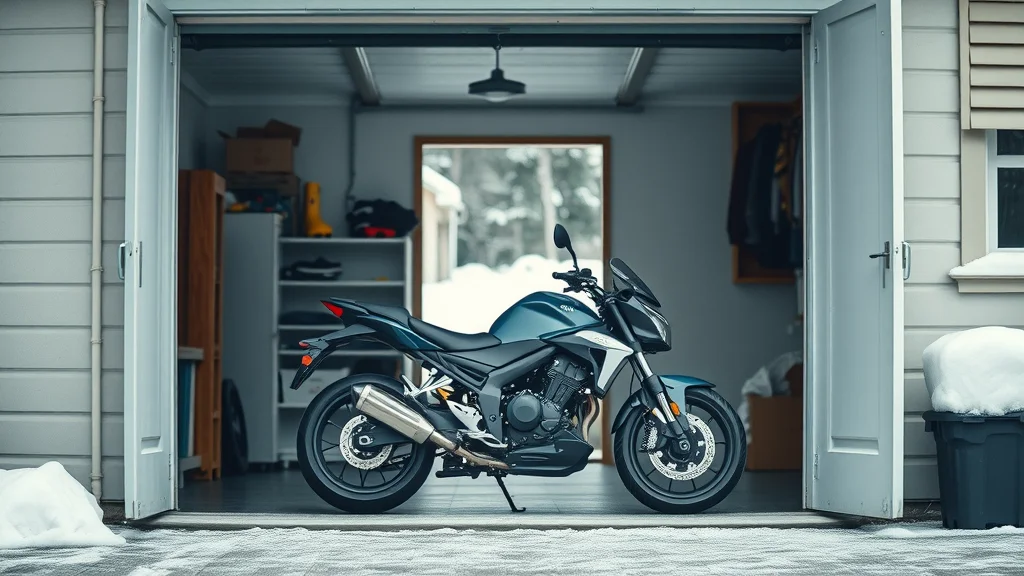
Most motorcycle owners know winter brings unique storage challenges, but many underestimate how quickly damage can occur. Moisture, freezing temperatures, untreated fuel, and battery neglect can wreak havoc on your bike’s engine, electrical system, and vital components—even in just a few winter months. Motorcycle storage isn’t just about covering your ride; it’s about protecting thousands of dollars in investments, memories, and future adventure.
What You'll Learn: Mastering How to Store Motorcycle for Winter
Key steps to store motorcycle for winter without damage
The best motorcycle storage options (garage vs storage unit)
Maintenance checks before and after winter storage
Answers to top winter storage questions for your motorcycle
Understanding the Importance of Store Motorcycle for Winter
Why Store Your Bike for Winter?
The main keyword when it comes to winter and motorcycles is prevention. A motorcycle is more vulnerable than most vehicles due to exposed metal, sensitive electronics, and complex fuel and lubrication systems. During winter months, leaving ur motorcycle idle without proper preparation can accelerate corrosion, ruin rubber components, and drain electrical systems. By choosing to store your motorcycle for winter using a structured approach, you save yourself time, money, and headaches when riding season returns. Riders across all regions agree: there’s no better feeling than pulling your clean, flawless bike out for the first ride of spring.
Consequences of Neglecting Winter Storage for Motorcycles
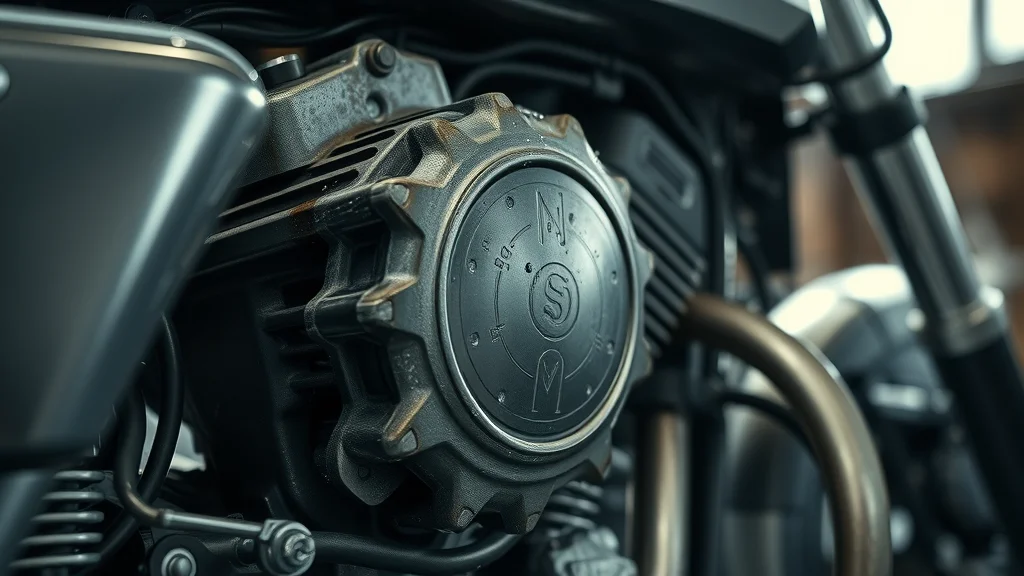
Neglecting to store a motorcycle correctly can cause a host of avoidable problems. Unstable fuel may clog air intake and injectors, leading to expensive repairs. Batteries left in cold temps may die outright or fail to hold a charge, so using a battery tender is critical. Tires that sit undisturbed can develop flat spots or dry rot, while untreated fluids can break down seals and gaskets. Not only can improper winter storage lead to mechanical issues, but it can also diminish your motorcycle’s resale value. Taking simple preventative steps now means avoiding costly restoration projects later and ensures ur motorcycle runs reliably when you’re ready to ride again.
If you’re considering a storage unit for your motorcycle this winter, it’s important to weigh the pros and cons of different storage environments. For a detailed comparison of storage options and what to look for in a facility, visit our comprehensive guide to motorcycle storage solutions.
Pre-Winter Preparation: How to Store a Motorcycle for Maximum Longevity
Store Motorcycle for Winter: Cleaning and Inspection Essentials
Washing and drying your bike
Inspecting for pre-existing damage
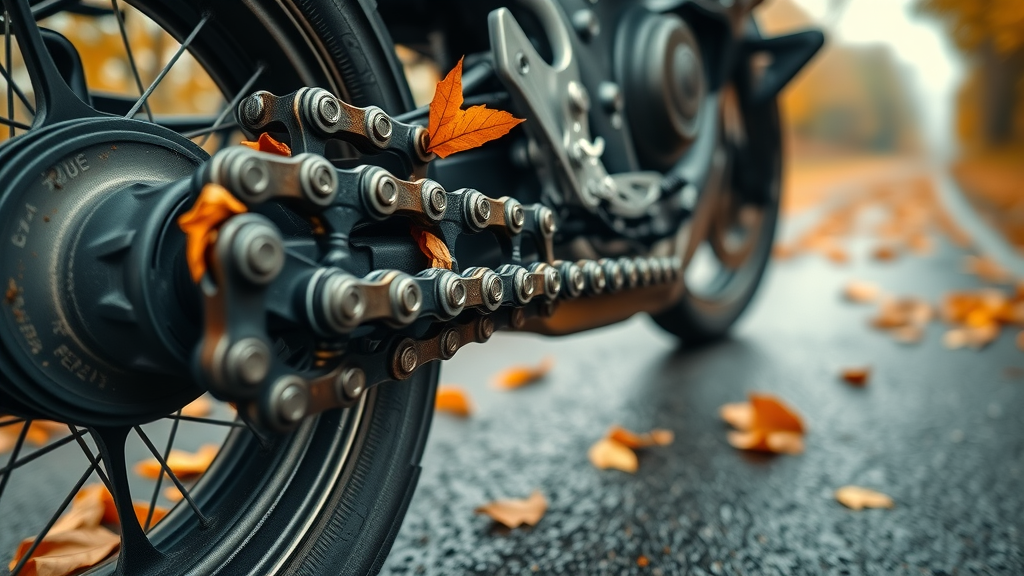
Lubricating the drive chain
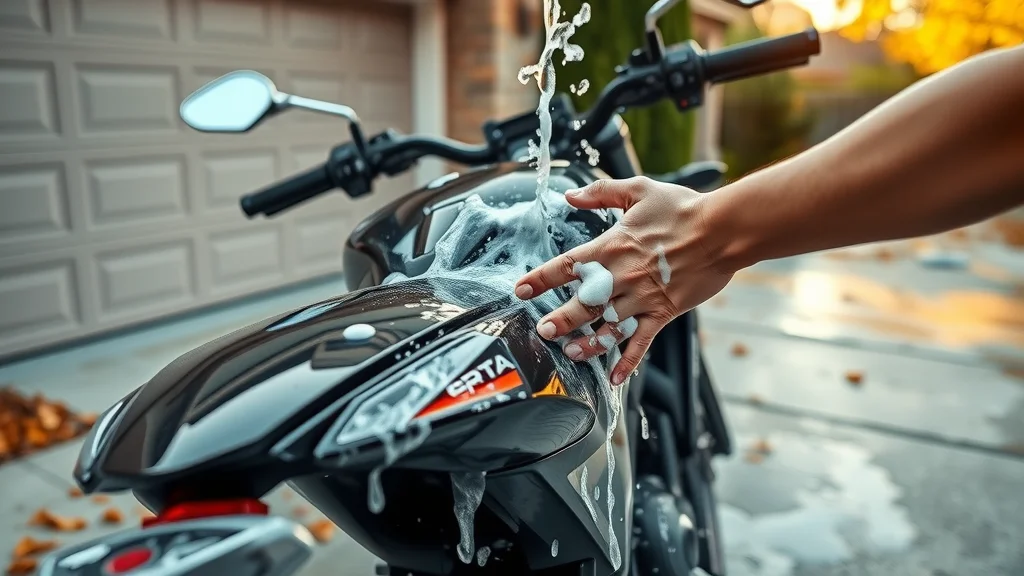
Start your winter storage process with a good wash and wax, removing dirt, bugs, and road salts that can corrode metal over the winter. Wash and dry every surface, including hidden crevices that might trap moisture. Inspect for pre-existing damage—such as scratches, leaks, or loose bolts—as these can worsen during months of inactivity. Lubricate the chain and moving parts to prevent rust, especially if your bike will sit unused for long stretches. This extra care not only preserves the look of your ride but also helps spot maintenance issues before they become problems when you store motorcycle for winter.
Battery Care When You Store Motorcycle for Winter
Disconnecting or removing the battery
Using battery tenders for motorcycle storage
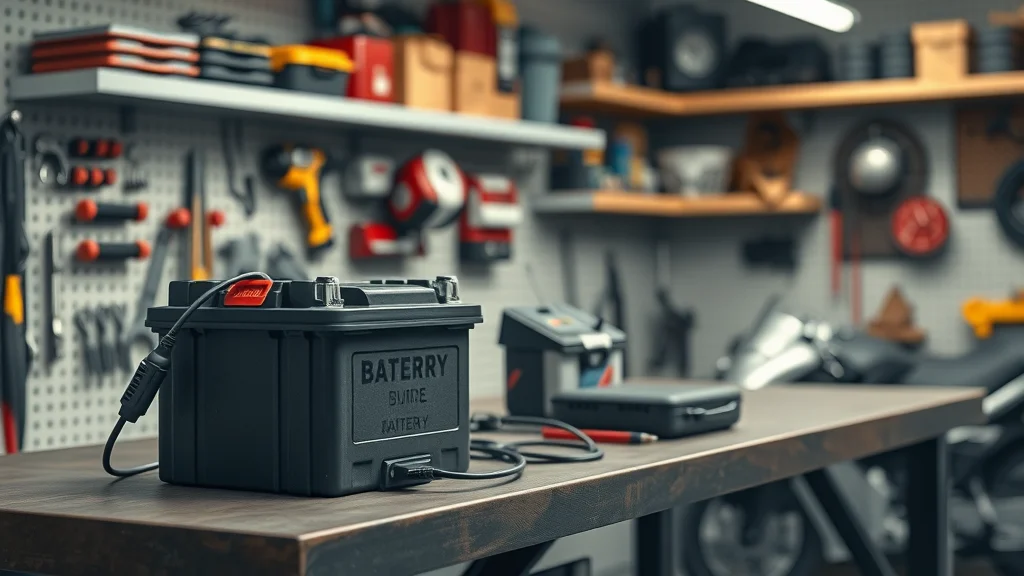
Cold weather can drain even the healthiest battery. If possible, remove the battery and bring it indoors, storing it in a cool, dry location. Attach a battery tender or trickle charger to keep it topped off—just make sure it’s compatible with your battery type. This step is especially important if your bike will be in a storage unit or in an unheated garage for the winter months. For some, disconnecting the negative terminal suffices; for others, removing the battery entirely is the best way to ensure your ride starts easily in spring. Taking care of your battery while you store your motorcycle for winter extends its life and helps avoid unexpected expenses.
Store Motorcycle for Winter: Fluid Management and Fuel Tips
Adding fuel stabilizer
Oil and coolant replacement
Draining vs. topping off the gas tank
Before you store motorcycle for winter, address your bike’s fluids. Add a fuel stabilizer to a full tank, then run the engine until it reaches operating temperature to circulate stabilized fuel through the entire system. This prevents varnish formation and protects injectors or carburetors. Some riders swear by draining the gas tank for winter, but schools of thought suggest a full tank with stabilizer better prevents moisture buildup and rust. Change the oil and, if needed, the coolant to ensure contaminants or worn-out fluids don’t corrode internal parts. Don’t forget to top off or replace brake fluid as well—fresh fluids offer peace of mind when you’re ready to ride your motorcycle in the spring.
Choosing the Right Motorcycle Storage Option for Winter
Garage vs. Outdoor Motorcycle Storage for Winter
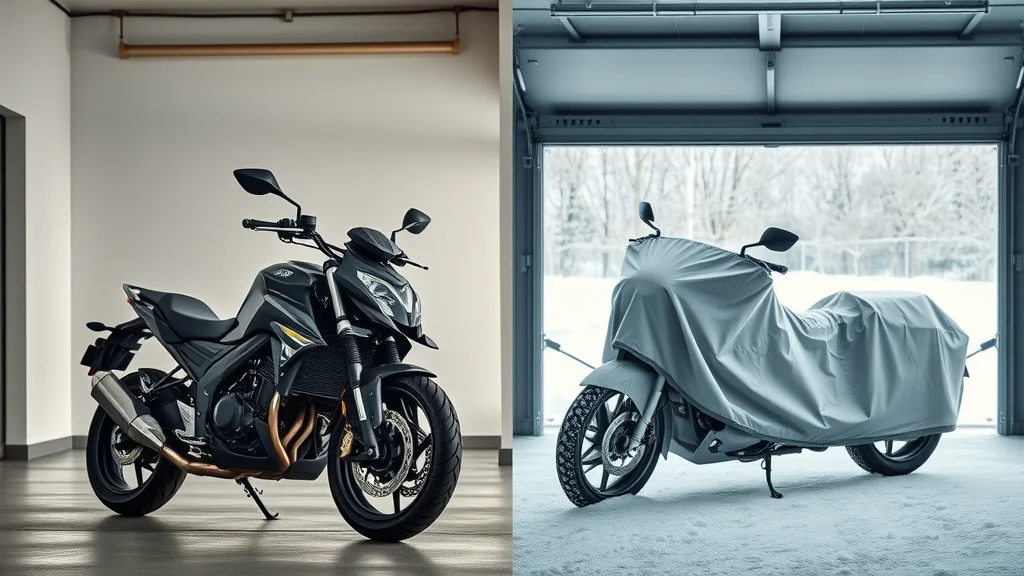
A heated garage is ideal for motorcycle storage, but not everyone has that option. Storing your bike indoors protects it from temperature swings, condensation, and rodents. If an indoor spot isn’t available, be sure to use a top-quality, breathable motorcycle cover to shield it outdoors from snow, ice, and road salts. Always avoid parking directly on bare concrete, as this can transmit moisture to your tires and frame. Protect your motorcycle further by placing plywood or a rubber mat under the tires. Regardless of where you store motorcycle for winter, prepping both the location and the bike ensures the best results.
Considerations for a Storage Unit for Your Motorcycle
Renting a storage unit is a good idea for those lacking safe indoor space. Look for climate-controlled options to limit temperature fluctuations and condensation. Evaluate storage fee structures—some facilities offer winter storage discounts. Confirm security measures and access hours, especially if you may need to check on your ride during the winter months. Some insurers may also require proof of a secure storage unit to maintain coverage. For best results, prep your motorcycle as if you were storing it at home: clean, cover, and elevate as needed to avoid flat spots or tire degradation. A little research ensures the storage unit you pick meets all your protection needs.
Long-Term Motorcycle Storage: Environmental Factors
Humidity and temperature changes are crucial to consider for long-term motorcycle storage. Fluctuations can result in condensation inside the gas tank or engine, potentially causing corrosion. Use desiccant packs or rust inhibitors in enclosed areas to combat excess moisture, particularly in a storage unit. Even if you store motorcycle for winter in the best place possible, watch for rodent access points and block them to avoid chewed wiring or insulation. Understanding these environmental factors helps you avoid flat tires, corrosion, and costly surprises in the spring.
Step-by-Step Guide: Store Motorcycle for Winter Like a Pro
Clean and inspect your motorcycle
Stabilize fuel and change fluids
Remove or maintain the battery
Check tires and add insulation
Cover your motorcycle properly
Choose an appropriate storage location
Document storage conditions
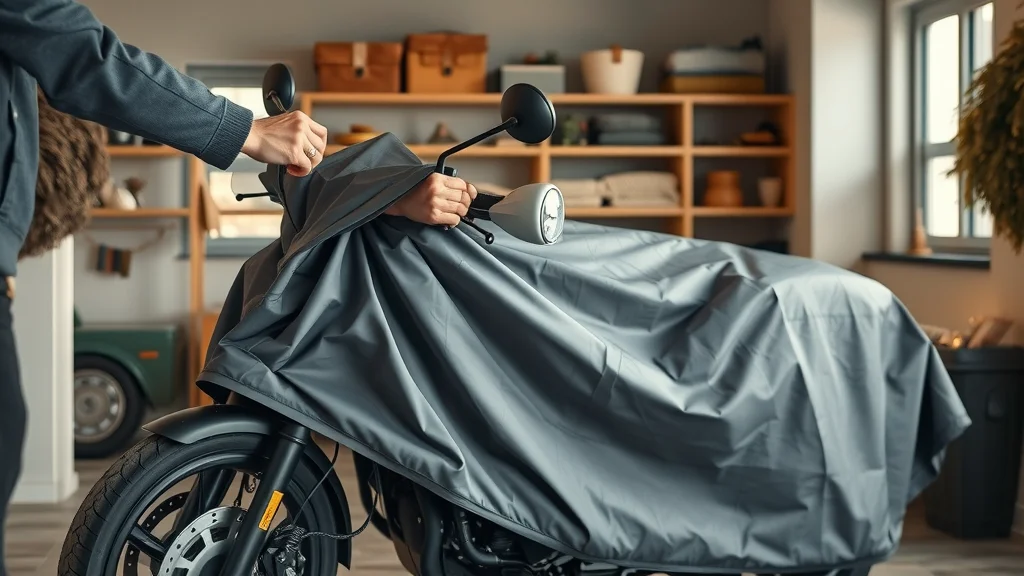
Follow this checklist each season to store motorcycle for winter with confidence. Start by washing and drying your ride, examining for any needed repairs. Stabilize fuel in the gas tank or empty it if preferred, then ensure oil, coolant, and brake fluid are all fresh. Remove the battery and hook it to a battery tender, or disconnect it if leaving the bike in place. Check the tire pressure and use stands or insulation to reduce the risk of flat spots. Cover the motorcycle with a breathable, waterproof cover, only after it’s completely dry. And finally, keep a log or photo record of your winter storage setup—ideal for insurance or maintenance review down the line.
Motorcycle Storage Accessories to Maximize Winter Protection
Motorcycle covers (breathable, waterproof)
Bike stands and tire supports
Battery maintainers
Desiccant packs and rust inhibitors
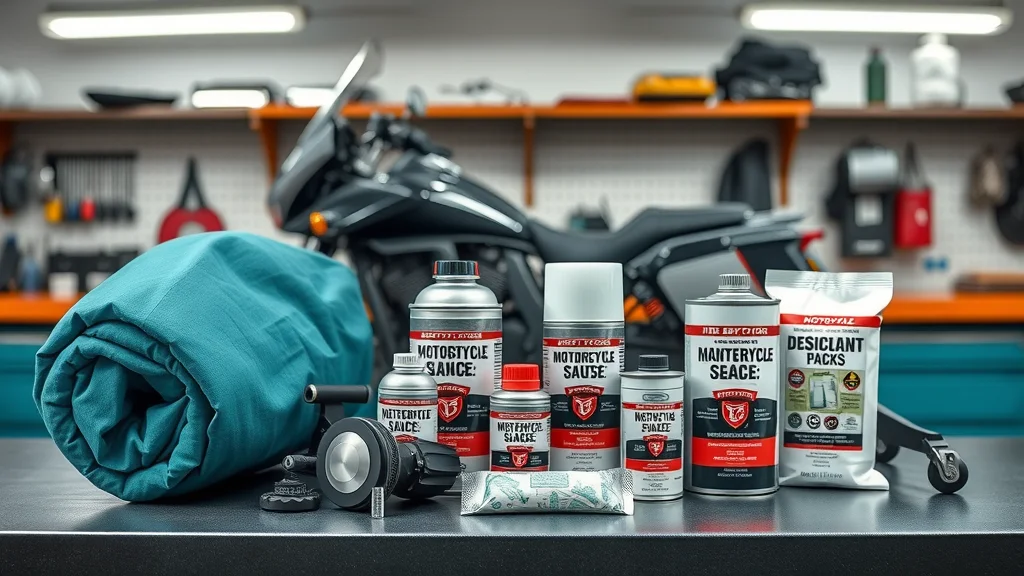
Besides the basics, several accessories make winter storage safer and simpler. A high-quality motorcycle cover shields from dust, moisture, and UV rays. Tire stands keep weight off the rubber, helping to avoid flat spots and extend tire life. Battery maintainers ensure your electrical system is ready at a moment’s notice, and desiccant packs see to it that your bike doesn’t develop hidden corrosion inside confined spaces. Rust inhibitors sprayed on susceptible metal surfaces add a further layer of defense. Premium gear isn’t just about convenience; it can save hundreds in repairs and preserve ur motorcycle’s value season after season.
Comparison of Motorcycle Storage Options for Winter
Storage Option |
Protection Level |
Average Cost |
Ideal For |
Drawbacks |
|---|---|---|---|---|
Heated Garage |
Excellent |
Low (included in home) |
Homeowners, full protection |
Space required, possible rodent issues |
Unheated Garage |
Good |
Low |
Most riders |
Temperature swings, humidity |
Storage Unit (Climate-Controlled) |
Excellent |
Medium–High |
No garage, secure access |
Ongoing cost, limited access |
Outdoor, Covered |
Moderate |
Minimal |
Budget-conscious |
Weather exposure, higher risk |
Outdoor, Uncovered |
Poor |
None |
Short-term/emergency |
High damage risk |
Common Mistakes to Avoid When You Store Motorcycle for Winter
Leaving fuel untreated
Ignoring battery health
Parking on bare concrete
Neglecting tire care
Many riders forget to treat or stabilize the gas tank, resulting in problems like clogs and rust. Others overlook battery health, leading to replacements or electrical issues. Parking on bare concrete without protection can cause tires to lose pressure or develop flat spots, especially over several months. Skipping tire pressure checks, or failing to avoid flat spots with stands or insulation, may also shorten tire life. Choosing to store your bike properly means proactively addressing these specific risks before saying goodbye for the season.
Expert Quotes: Why Store Your Motorcycle Properly for Winter?
"A simple hour of prep can prevent hundreds in repair come spring." — Expert Mechanic
"Storing your bike right preserves riding enjoyment for years." — Motorcycle Storage Specialist
People Also Ask: Store Motorcycle for Winter FAQs
Do I need to run my motorcycle periodically when stored for winter?
It’s a good idea to not run your motorcycle periodically during winter unless you can bring it to full operating temperature for 15–20 minutes. Short starts may cause condensation within the exhaust and air intake, potentially leading to moisture damage. A better approach is to prepare ur motorcycle thoroughly for winter storage and let it remain undisturbed until you’re ready for spring maintenance and the first ride of the new season.
Should I empty my motorcycle gas tank for winter?
There are two main schools of thought about fuel storage. Many experts recommend filling the gas tank completely and adding a quality fuel stabilizer, then running the engine briefly to distribute stabilized fuel. If your motorcycle uses carburetors, draining the tank and lines may be preferred to prevent varnish or gum deposits. Whichever method you choose, avoid leaving an empty tank exposed, as this can lead to internal rust and corrosion over the winter months.
How long can a motorcycle sit without being driven?
A motorcycle can safely sit unused for up to 3–4 months if it’s been properly prepared for winter storage. For periods longer than that, you should pay extra attention to fuel, battery care, and tire maintenance to avoid flat spots or component deterioration. Ensuring stabilized fuel, charged battery, and covered storage helps keep your motorcycle in prime condition even after a long offseason.
Can a motorcycle be left outside in winter?
While it’s possible, leaving a motorcycle outside in winter makes it much more susceptible to rust, electrical issues, and cosmetic damage. If you must store your bike outdoors, always use a high-quality motorcycle cover and raise the tires off the ground as much as possible. Location, weather, and security risks also need to be considered; outdoor storage is best viewed as a last resort if no garage or storage unit is available.
Comprehensive Answers to Your Store Motorcycle for Winter Questions
For every storage option, the core principles remain the same: address fuel and fluids, protect your battery, avoid exposure to the elements, and check tire pressure. Remember, proper winter storage saves more than just money—it maintains reliability, appearance, and your passion for riding season after season.
Maintenance Checks After Winter Storage for Your Motorcycle
Inspect battery and fluid levels
Check tires and brakes
Look for corrosion or rodent damage
Test lights and signals
When riding season returns, take time for a complete inspection before your first journey. Charge the battery or reinstall it, then check all fluid levels—oil, coolant, brake fluid—and top off as needed. Inspect tire pressure and look for any signs of flat spots or sidewall cracks. Examine the frame and engine for corrosion or evidence of rodents, such as chewed wires or insulation. Test lights, signals, and horn to ensure full functionality before hitting the road. A thorough review ensures your motorcycle storage efforts are rewarded with a safe, smooth ride.

Key Takeaways: Store Motorcycle for Winter with Confidence
Proper winter storage prevents damage
Both indoor and outdoor options require preparation
Routine maintenance saves money long-term
Store Motorcycle for Winter: Expert Video Guide
This real-time demonstration gives you step-by-step guidance for preparing and storing your motorcycle for winter, highlighting the small details that make a difference between flawless and failed storage. See firsthand how expert mechanics protect customer bikes in demanding climates.
Top FAQs on How to Store Motorcycle for Winter
How much does a motorcycle storage unit cost for winter?
What are the essential steps for motorcycle storage?
Can winter storage void your warranty?
Best time to store motorcycle for winter?
Motorcycle storage costs can vary widely, but expect $50–$150 per month for a quality climate-controlled storage unit. Essential steps include cleaning, stabilizing fuel, battery care, tire protection, and purposeful location choice. Always check with your manufacturer or dealer, as improper storage can possibly affect warranty—especially if maintenance recommendations aren’t followed. The best time to prepare for winter storage is before the first sustained cold snap or before snow is in the forecast.
Conclusion: Protect and Store Motorcycle for Winter Like a Pro
Winter doesn’t have to spell trouble for your ride—store motorcycle for winter the right way, and enjoy peace of mind all season.
As you prepare your motorcycle for winter, remember that the right storage strategy is just one part of a broader approach to year-round bike care. If you’re interested in exploring more advanced maintenance tips, seasonal upgrades, or want to stay ahead with the latest in motorcycle protection, our resource hub offers in-depth articles and expert advice to help you get the most out of every ride. Take your motorcycle knowledge to the next level and ensure your investment stays in peak condition, no matter the season. Your next adventure starts with the choices you make today—discover more ways to protect and enhance your ride.


Write A Comment