
Did you know? In states updating their lane filtering and helmet laws, motorcycle crashes have been reported to drop by up to 30% when riders follow new state guidelines. With more sweeping changes coming next year, riders can no longer afford to ignore how the law is evolving. Buckle up—this article unpacks the unconventional truths about the new motorcycle laws set to change the road in 2025 and beyond.

A Surprising Shift: The Unconventional Truth About New Motorcycle Laws
The landscape of motorcycle riding is rapidly transforming, and 2025 promises to be a defining year for every enthusiast and daily commuter. New motorcycle laws are shaking up established norms—not just imposing new restrictions, but in some cases expanding riders’ rights to move through traffic more safely and efficiently. Whether you’re riding a motorcycle in bustling city traffic or cruising scenic highways, your legal rights and responsibilities are changing. These reforms—which include state-by-state changes to lane splitting, helmet rules, and licensing—require careful attention if you want to stay compliant and stay safe.
Many riders are surprised to find that laws now differ widely across the United States. For example, Minnesota’s groundbreaking lane filtering legislation makes it one of the few states to embrace this technique for reducing traffic jams and improving motorcycle safety. Meanwhile, Colorado’s new helmet exemptions and Virginia’s stricter licensing requirements highlight an ongoing tension between increased safety center recommendations and individual freedom. Understanding these changes isn't just optional—it's essential if you want to avoid penalties, protect your personal injury rights, and maximize your riding experience under the new legal landscape.
What You'll Learn About New Motorcycle Laws and Safety
- The core changes in new motorcycle laws, and how they differ by state
- The impact of lane filtering, lane splitting, and helmet requirements
- How motorcycle law updates affect your rights and responsibilities on the road
- Expert opinions on motorcycle safety and enforcement trends
Overview: Why New Motorcycle Laws Demand Your Attention
If you think motorcycle law reforms are just bureaucratic red tape, think again. These new rules are rooted in years of data collected by state Departments of Public Safety, safety centers, and even injury law experts. Each year, public safety officials and researchers assess motorcycle accident trends, traffic conditions, and personal injury claims to refine how cities and states treat motorcyclists. Riding a motorcycle is becoming safer in some regions, thanks to innovative approaches such as lane filtering and detailed safety center guidelines.
However, the rules aren’t uniform. The differentiation between lane filtering, lane splitting, and helmet laws means your rights and risks could change the moment you cross a state line. Ignoring these updates could cost you—literally, in fines, or legally, if you’re injured in a motorcycle accident. Insurance companies and injury law groups now consider your legal status when evaluating crash claims. Informed riders get better protection, both on the road and in the courtroom, by staying up to date on department of public safety alerts and revised motorcycle laws.
Staying current with legal changes is just one part of responsible riding—regular maintenance and seasonal care are equally crucial for safety and compliance. For practical tips on keeping your bike in top condition throughout the year, check out these essential seasonal bike care strategies every rider should know.
Motorcycle Law Reforms: Setting the Stage for Safer Roads
Experts agree: Motorcycle safety is as much about informed riding as it is about responsible lawmaking. Departments of Public Safety work closely with lawmakers, motorcycle shops, and legal advocates to create a framework where both motorists and motorcyclists benefit. Recent accidents involving distracted drivers, unsafe lane changes, and improper helmet use have all contributed to landmark reforms this upcoming year. The joint mission is not only to reduce personal injury but also to clarify every rider’s legal rights and duties.
Despite some debates—especially around the risks and rewards of lane splitting—most states now aim for more transparency and fairness. Updated motorcycle law reforms cover everything from minimum helmet standards to clearer licensing processes and safe riding education. By following these guidelines, you don't just avoid penalties; you contribute to safer roads, fewer crashes, and stronger protection under personal injury law, whether you’re in Minnesota, Colorado, Virginia, or beyond.

Breaking Down the Biggest New Motorcycle Laws by State
| State | Key New Motorcycle Laws | Effective Date |
|---|---|---|
| Minnesota | Department of public safety guidelines for lane filtering | 2025 |
| Colorado | New helmet exemption rules | 2025 |
| Virginia | Revised licensing requirements from safety center | 2025 |
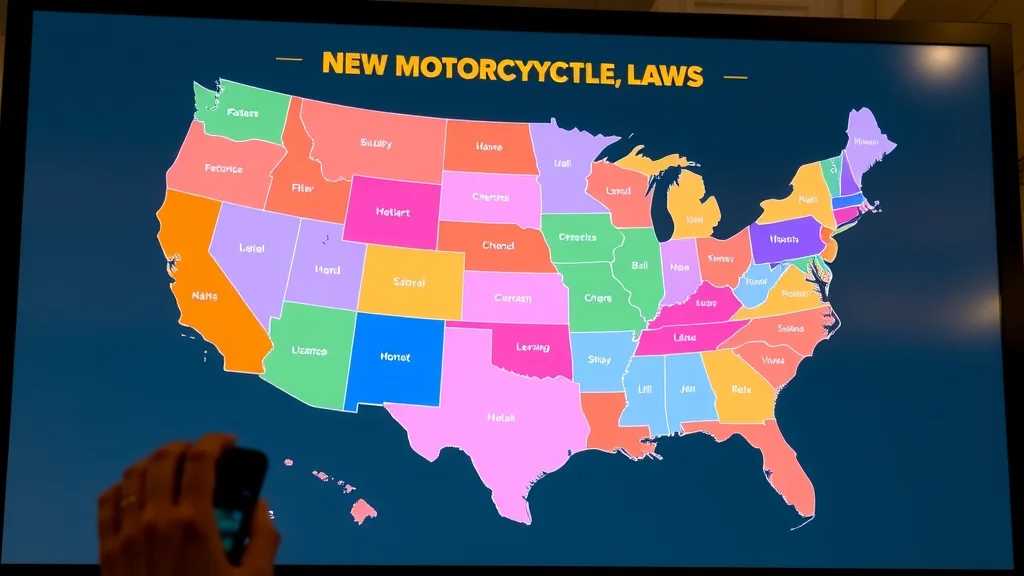
With broadly different laws state by state, there’s never been a more important time to know exactly what’s legal where you ride. In Minnesota, lane filtering guidelines are designed to help motorcyclists move through stopped traffic safely, especially during traffic jams. Colorado has taken a bold step, relaxing helmet laws for certain adult riders, while Virginia has enacted tighter licensing standards based on recommendations from safety centers. Each of these reforms reflects unique responses to rising motorcycle accident statistics, debates over public safety, and changing demands from the motorcycling community.
These legal shifts matter for more than just compliance—they change how insurance companies process claims, how personal injury cases are tried, and even how police enforce traffic laws. Before your next ride, check your state’s updated motorcycle law website or contact your local department of public safety for the latest rules. Understanding the differences between states can be the difference between safe passage and hefty fines—or worse, legal pitfalls after a crash.
Lane Splitting, Lane Filtering, and Lane Split: What's Legal & What's New?
One of the most talked-about—and misunderstood—aspects of new motorcycle laws centers on lane splitting and lane filtering. These practices, once lumped together or outright banned in most jurisdictions, are now receiving nuanced treatment. Lane splitting allows a motorcyclist to ride between lanes of stopped or slow-moving traffic on a divided highway; lane filtering refers more specifically to moving between cars in urban traffic jams. Both are meant to ease congestion and improve motorcycle safety, but each comes with unique risks and legal boundaries.
For 2025, Minnesota stands out as a pioneer, officially permitting lane filtering under clear safety guidelines drafted by the Department of Public Safety and endorsed by the Minnesota Department leadership. Other states are following closely—though restrictions and precise definitions still vary greatly. It’s vital to distinguish between lane filtering (usually in stopped traffic) and a lane split on the move. Incorrect use could not only result in fines but also impact your personal injury rights if you’re involved in a motorcycle accident.
Exploring Lane Filtering Innovations Under Updated Motorcycle Laws
Lane filtering, now sanctioned in select states, is more than just a shortcut through traffic jams—done responsibly, it may even lower the risk of a motorcycle crash by reducing the time riders spend exposed to rear-end collisions. In fact, safety center advocates argue that when lane filtering is properly regulated, there’s a measurable decrease in both crashes and injury law claims involving motorcycles.
By 2025, states such as Minnesota will require motorcyclists to adhere to strict speed limits and only lane filter in clearly marked urban zones during stopped traffic. These new provisions were crafted with direct input from public safety officials, motorcycle law experts, and accident investigators, aiming to balance rider convenience with clear protection for all motorists. If your state is part of this movement, staying up to date is essential: outdated knowledge could put both your safety and your legal rights at risk—not to mention your standing with your insurance company in the event of a motorcycle accident.

- Differences between lane split and lane filtering
- States allowing lane filtering in 2025
- Motorcycle law implications for riders and public safety
Helmet Laws, Licensing Changes, and Motorcycle Safety Upgrades
Many riders don’t realize just how much helmet laws will evolve in the upcoming year. Colorado, for instance, now allows qualified adult motorcyclists an exemption from previously strict helmet mandates, a move that’s sparked intense debate among motorcycle safety experts and personal injury attorneys. While some advocates argue that helmet use should be personal choice, departments of public safety and safety centers continue to recommend at least DOT-approved protection—especially for younger or new riders.
Virginia’s focus is different: here, licensing reforms now require more comprehensive safety education and passing advanced tests. The result? Fewer unlicensed riders and more awareness of traffic conditions, distracted drivers, and legal lane operations. Both safety center recommendations and updated motorcycle laws aim to reduce the frequency of motorcycle accidents while making it easier for insurance companies to process honest claims in compliance with injury law.
How the Department of Public Safety Influences the Latest Motorcycle Laws
The influence of Departments of Public Safety cannot be overstated. These agencies harness crash statistics, injury law findings, and public input to shape modern motorcycle law. They’re the driving force behind Minnesota’s lane filtering pilot program, Colorado’s nuanced helmet exemption, and Virginia’s improved licensing regime. By consulting safety centers and industry experts, these departments seek a delicate balance between freedom, safety, and legal clarity.
Remember: your local Department of Public Safety is often the first source for accurate, up-to-date details on new motorcycle law, accident rates, and licensing requirements. They frequently partner with insurance companies and legal groups to ensure that any rider injured in a motorcycle crash understands their rights and obligations. Regularly reviewing their updates—either online or by seeking a free consultation—can spare riders confusion, fines, or unnecessary risk on the road.

"Motorcycle safety is not just about compliance; it's about creating a culture of responsibility on the road." — Road Safety Expert
The Impact of New Motorcycle Laws on Accident Rates and Injury Law
A central question on every rider’s mind: do new motorcycle laws really make a difference in accident and injury rates? Historical data confirms a connection. States where lane filtering is permitted and properly regulated have seen measurable reductions in rear-end motorcycle crashes, especially during high-traffic conditions. Conversely, areas with little enforcement or unclear legal language often report spikes in motorcycle accident claims and costly personal injury law cases.
Departments of Public Safety and safety centers now actively measure the effects of every new law implemented. Their focus stretches beyond simple compliance—they examine trends in accident severity, insurance claim outcomes, and even the willingness of riders to seek out free consultation after a motorcycle crash. These insights are shaping new roadside enforcement tactics, insurance company assessments, and ultimately, personal injury law reforms designed for the unique needs of motorcyclists.
Motorcycle Accident Trends and Public Safety in a Changing Legal Landscape
Trends indicate that with clearer laws on lane splitting, helmet usage, and licensing, both accident rates and fatality statistics show improvement. In some cases, robust public awareness campaigns run by departments of public safety are responsible for not just fewer accidents but also lower medical and personal injury payout costs. When motorcyclists, insurance companies, and legal experts have confidence in these laws, everyone benefits from fairer resolutions—whether it’s sorting out a liability claim after a motorcycle accident or ensuring a rider gets the care they need.
However, it’s essential to recognize that not all new rules are perfect from the start. Some legal lane provisions may need to be adjusted after review of their real-world effects. As a rider, keeping informed on evolving motorcycle laws ensures you have the best chance of safely enjoying the open road without compromising your legal rights, your insurance standing, or your personal safety.

Case Studies: How the Minnesota Department of Public Safety and Other Agencies Respond
The Minnesota Department of Public Safety is a standout case for successful implementation of new motorcycle law. By partnering with safety centers and insurance companies, they rolled out comprehensive guidelines on lane filtering and provided outreach to help riders navigate the unfamiliar. Early results point to lower accident severity and increased reporting of unsafe lane behaviors, empowering law enforcement to focus on education rather than punitive measures.
Other states—like Virginia and Colorado—have studied Minnesota’s outcomes and adapted safety center recommendations in their own way. Enforcement actions now rely on accurate accident statistics, while licensing programs stress accident prevention and understanding of new helmet and lane split laws. This coordinated approach is credited with fostering greater cooperation between motorists and motorcyclists, making the roads safer for everyone’s benefit.
- Key safety center recommendations by state
- Enforcement actions and accident statistics
People Also Ask: The New Motorcycle Laws Answered
What is the new law for motorcycles in Minnesota?
In 2025, Minnesota’s new motorcycle law officially allows lane filtering in specified scenarios—primarily during stopped or slow-moving traffic. Riders must obey posted speed limits and only perform lane filtering where road markings and traffic conditions make it safe. The law is a result of department of public safety recommendations and is designed to improve both personal safety and overall traffic flow. Ensure you review the latest safety center and department guidelines, as improper lane splitting remains illegal in other situations.
What states are lane filtering legal in 2025?
For 2025, lane filtering is explicitly permitted in Minnesota and is being considered in a growing number of states, with pilot programs or clear guidelines under review in California, Utah, and Arizona. Each state sets distinct rules for lane split and lane filtering—often limiting the practice to urban streets, stopped traffic, or under speeds of 25 mph. Always check your specific state’s department of public safety or traffic laws for up-to-date information before attempting lane filtering to maintain both legal rights and personal safety.
What is the new law for motorcycles in Colorado?
Colorado’s most notable motorcycle law change for 2025 is its relaxed helmet requirement for qualified adult riders. Riders over 21, with a full motorcycle endorsement and insurance, may now ride without a helmet, provided they meet all other safety center and department of public safety rules. This adjustment was shaped after injury law analysis and debates regarding personal freedom and public safety. However, helmet usage is still strongly encouraged, especially given potential impacts on personal injury claims and insurance coverage after a motorcycle accident.
What is required to ride a motorcycle in Virginia?
To ride a motorcycle in Virginia in 2025, you must hold a valid motorcycle license, complete all newly updated safety center courses (which include advanced skills testing and education on traffic conditions), and wear a DOT-approved helmet at all times. Virginia’s revised department of public safety regulations focus on comprehensive rider education, improved accident prevention, and consistent enforcement actions, building a robust legal and safety framework for all riders.
Watch this quick explainer covering the latest lane filtering rules, changes in helmet law, and how state-by-state updates could affect your next ride.
Key Takeaways: What Every Rider Should Remember About New Motorcycle Laws
- Always check your state’s latest motorcycle laws before riding
- Stay informed on lane splitting and filtering regulations
- Follow all department of public safety directives
FAQs on New Motorcycle Laws
-
How will new helmet laws affect insurance?
Insurance companies may alter coverage or claim approval based on compliance with helmet laws. Riding without a helmet where it is required can reduce compensation in case of a personal injury claim after a motorcycle accident—even if you were not at fault. Always review your state’s requirements and your policy details before deciding to ride without a helmet. -
What are the penalties for violating lane splitting restrictions?
Penalties for illegal lane splitting or filtering vary by state but can include steep fines, points on your license, and increased insurance premiums. In the case of an accident, violating lane split or traffic laws may impact your legal rights to compensation under injury law or personal injury law. Check with your local department of public safety or a legal expert for specifics or a free consultation. -
Where can I get free consultation on motorcycle law changes?
Many local legal aid groups, personal injury attorneys, and even your state’s Department of Public Safety offer free consultation sessions to help you navigate new motorcycle laws. Nasty Performance Motorcycle Shop also offers guidance—call 847-458-4858—or request information from your state safety center or insurance agency directly.
Conclusion: Navigating the Road Ahead with Changing Motorcycle Laws
Stay informed, ride responsibly, and always prioritize both your legal rights and personal safety. The road ahead is changing—make sure you’re ready.
As you adapt to the evolving legal landscape, remember that true motorcycle mastery goes beyond just following the rules—it’s about embracing a holistic approach to riding. If you’re looking to elevate your experience and protect your investment, consider exploring advanced maintenance routines and seasonal care strategies that keep your bike performing at its best. Our guide on seasonal bike care secrets offers valuable insights for riders who want to stay ahead of the curve, no matter the weather or the law. Take the next step in your riding journey by combining legal awareness with expert care, ensuring every mile is as safe and enjoyable as possible.




Write A Comment