
Did you know that up to 70% of seasonal motorcycle damage is caused by improper winter storage? That’s a startling statistic for any bike owner who wants their machine to stay in top shape all year long. Winter storage isn’t just about covering your bike and forgetting it—it’s a science that can save you time, money, and a fair share of headaches come spring. In this comprehensive guide, you’ll learn motorcycle storage tips proven to defend your ride from rust, flat spots, and the silent killers lurking in the winter months. If you want your bike ready for road trips and not for repairs, read on to take action before snow and freezing temperatures set in.
Why Motorcycle Storage Tips Matter: Surprising Facts About Winter Storage
-
Discover how improper winter storage can cause up to 70% of seasonal motorcycle damage and learn why motorcycle storage tips are crucial for protection.
During the harsh winter months, motorcycles that aren’t stored properly suffer from issues like rust, battery drainage, and irreversible fluid breakdown. In fact, studies show that up to 70% of all off-season motorcycle damage can be directly traced to neglect during storage . Problems such as corroded exhaust pipes, flat spots on tires, and weakened rubber parts often result from leaving your bike exposed to humidity, cold, and dust. Applying proactive motorcycle storage tips isn't just for dedicated riders but anyone who values their investment and seeks peace of mind all season long.
Improper winter storage can mean a world of trouble come spring. Fuel system gunk, dead batteries, and hidden moisture cause headaches that are costly to fix. That’s why investing a little time now with motorcycle winter preparation leads to a much smoother start when riding season opens. With the right storage strategy, your bike will emerge in good condition , avoiding the fate of riders who overlook preventive care for even a short period of time. Don’t risk expensive surprises; set yourself up for a seamless spring with these storage essentials.

What You'll Gain From These Motorcycle Storage Tips
-
Understand the risks of improper storage
-
Step-by-step winter storage process
-
Choosing the right motorcycle storage unit
-
Best practices to prevent rust, battery drain, and fluid damage
-
Pro-level tips for motorcycle winter care
This article provides a step-by-step guide to safeguarding your motorcycle during winter storage. You’ll understand how to prevent rust and flat spots, care for your battery, and select the ideal storage unit for optimal protection. From selecting the right motorcycle cover to the importance of fuel stabilizer and battery tenders, each section delivers insights accepted by professionals and supported by real-world experience. Whether you ride a classic bike or a modern sports machine, these motorcycle storage tips will help you avoid the pitfalls that ruin many rides during the off-season.
By the end, you’ll know how to store your motorcycle correctly, retain its value, and minimize the repair bills that come from improper winter storage. Let’s break down what it takes to keep your motorcycle protected, accessible, and ready for any adventure after winter passes.
Motorcycle Storage Tips: Preparing Your Motorcycle for Winter Storage
Proper preparation is the key to wintering your ride safely. The process involves much more than putting away your motorcycle for the winter months. By following these motorcycle storage tips closely, you’ll ensure your pride and joy remains in good condition without any nasty surprises when the snow thaws. Let’s start by cleaning the machine, dealing with fluids, and giving special attention to your battery.
The following steps will address common threats such as corrosion, drained batteries, and problematic fuel system clogging. By carefully completing each recommendation, your motorcycle winter experience will become seamless and stress-free. Whether you’re storing your motorcycle for a few months or a longer period of time, these actions form the cornerstone of winter storage excellence.
Clean Thoroughly Before Motorcycle Winter Storage
-
Wash and dry your motorcycle to prevent corrosion
-
Wax surfaces for protection
Before you even think about storing your motorcycle, it’s vital to give it a complete wash. Dirt, road salt, and grime can trigger rust and eat away at finishes during months in storage. Use gentle soap and a soft sponge to reach every surface. Rinse thoroughly, being careful around the exhaust pipe and electrical systems to prevent water intrusion. Once dry, buff your machine with good-quality wax for a defensive shine and to shield sensitive paint and metal from moisture.
This washing isn’t just cosmetic—it’s a defensive maneuver against corrosion that targets all exposed metal parts. Focus especially around the wheel rims, chain, and hard-to-reach spaces that may collect road debris. By properly cleaning and waxing, you’re applying a simple but highly effective layer of protection that will pay back dividends come spring.

Check and Replace Essential Fluids Before Storing Your Motorcycle
-
Change engine oil and coolant
-
Add fuel stabilizer to the tank
-
Ensure brake and clutch fluids are topped up
Fresh fluids prevent the internal build-up of contaminants that can gum up the works after a long winter. Begin by changing your engine oil—old oil collects acids and debris that can harm internal parts. Swap out coolant to protect against freezing temperatures (especially critical if you live where the thermometer drops below zero). Next, top up your tank and stir in a quality fuel stabilizer; this keeps the fuel system from varnishing or gumming up while your bike sits idle.
Don’t forget the brake and clutch reservoirs. These hydraulic systems draw moisture and need to be kept full to ward off corrosion in the lines. Give the entire motorcycle a quick walkaround to inspect for leaks. Taking the time to manage fluids—along with maintaining rubber parts—means your engine, fuel system, and brakes will be ready and reliable when spring beckons.
Battery Care: How to Store a Motorcycle Battery Over Winter
-
Remove or disconnect the battery
-
Use a battery maintainer or trickle charger
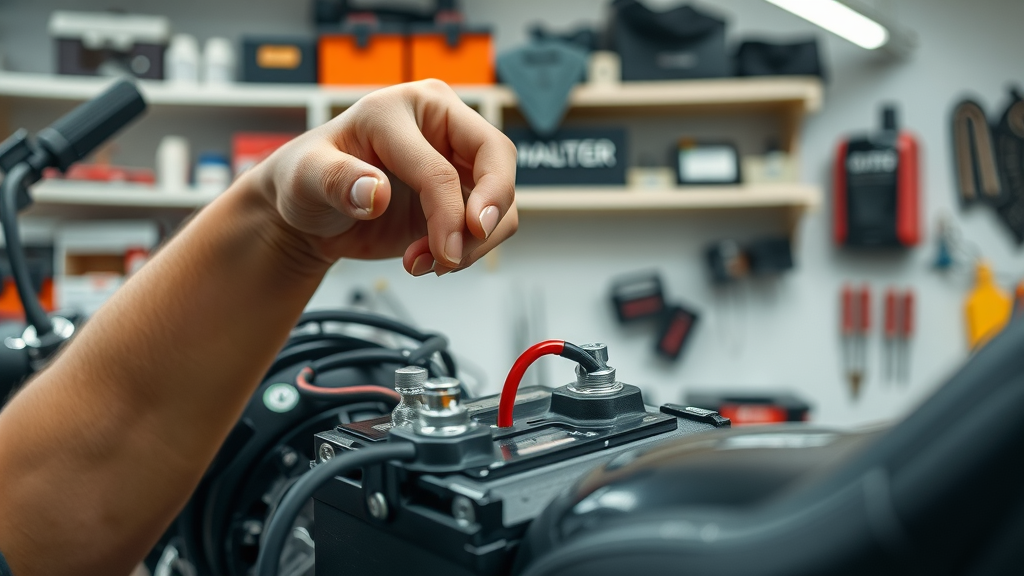
Storing your motorcycle for winter without addressing the battery is a surefire way to end up with frustrating electrical issues. Cold temperatures are brutal on batteries, causing rapid discharge and sulfation, which shortens battery life. Always remove or disconnect the battery before long-term storage. Once removed, use a trickle charge or battery tender device to maintain a full charge for the entire period of time your bike is out of action.
Keep the battery in a cool, dry place away from freezing temps and moisture. For ultimate convenience during the winter riding hiatus, label wires for easy reinstallation. Regular use of a battery tender not only prevents deep discharge but also helps you avoid the hassle and expense of buying a replacement each season. Batteries connected to maintainers enjoy a far longer lifespan, ensuring your motorcycle roars to life at the first sign of spring.
Choosing the Best Motorcycle Storage Option: Garage, Outdoor, or Storage Unit?
Where you store your motorcycle makes a tremendous difference in the effectiveness of your winter storage tips. The best option depends on your home, climate, and security needs. Let’s take a closer look at garage storage, outdoor storage, and storage units to protect your ride during the winter months.
The table below compares key factors for each option, providing clarity on the pros and cons, so you can select the optimal location for storing your motorcycle for an extended period. Consider elements like moisture exposure, security, and temperature swings—each of which impacts your motorcycle’s condition and longevity.
|
|
|
|
|
Comparison Table: Garage vs. Outdoor vs. Storage Unit for Storing Your Motorcycle |
|
Storage Method |
Weather Protection |
Security |
Accessibility |
Recommended For: |
|---|---|---|---|---|
|
Home Garage |
Good (if insulated) |
Moderate (home security) |
Very High |
Daily access, mild winters |
|
Outdoor (with Cover) |
Poor to Moderate |
Low |
High |
Limited options, short term |
|
Storage Unit |
Excellent (climate controlled) |
High (facility security) |
Medium (restricted hours) |
Long-term, harsh climates, high-value bikes |
Why a Storage Unit is Ideal for Motorcycle Winter Storage
-
Climate control
-
Enhanced security
-
Easy access during off season
Opting for a storage unit gives you peace of mind that’s unrivaled during the winter storage season. These units provide climate control, which shields your motorcycle from moisture and freezing temperatures —a vital factor to prevent rust, preserve the fuel system, and protect rubber parts. Enhanced security measures such as coded gates, video surveillance, and robust locks ensure your bike is safe from theft or tampering for an extended period of time.
With a storage unit, you also enjoy flexibility. Many facilities offer easy access in case you need to check on your bike or perform occasional maintenance. This environment is ideal for high-value machines or when winter riding is off the agenda. If you want to store your motorcycle with maximum protection—and avoid mechanical worries next season—a well-chosen storage unit is hard to beat.

Protective Essentials: Using a Quality Motorcycle Cover
-
Choosing waterproof covers
-
UV protection and dust mitigation
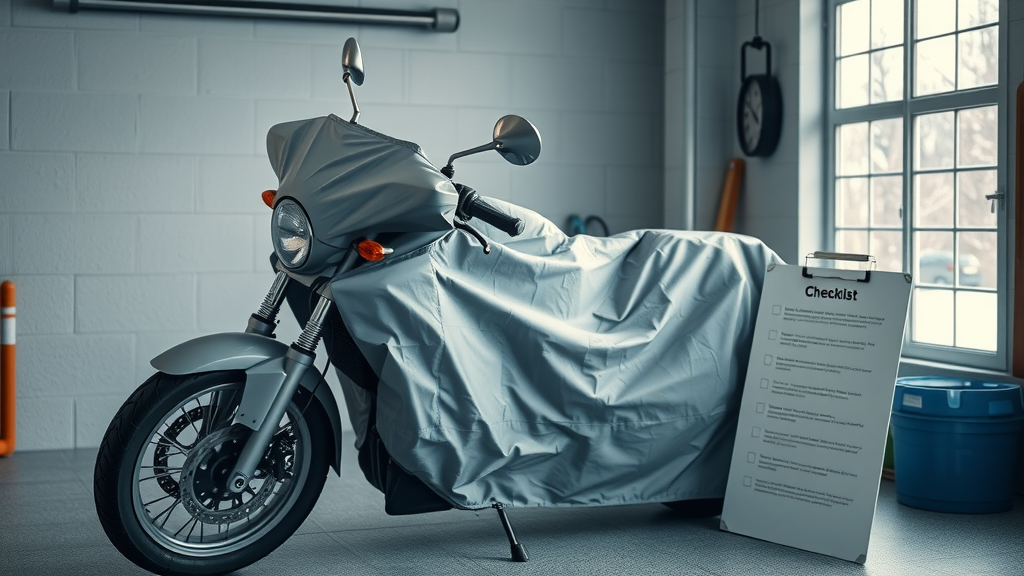
No matter where you store your motorcycle, a premium motorcycle cover is crucial. Look for waterproof covers with breathable materials—this prevents condensation and mold, targets dust, and blocks damaging UV rays that can fade paint and plastic. Whether you’re using a garage, outdoor space, or a storage unit, a cover guards the bike’s surfaces, mechanical parts, and delicate finishes.
Covers also discourage pests from nesting, while reinforcing your overall protection strategy. Fit the cover snugly, ensuring no parts are exposed to moisture or critters. For ultimate safety when you store your bike in a storage unit or garage, add an extra layer like a soft flannel sheet under the main cover. This little touch goes a long way in keeping paintwork and chrome in top shape.
Advanced Motorcycle Storage Tips: Preventing Rust, Flat Tires, and Mechanical Issues
For riders who want expert-level defense against the most common winter woes, these advanced motorcycle storage tips are must-follow advice for an extended period. It’s the difference between pulling out a ride in good condition and discovering corrosion, broken seals, or a flat tire after winter. Let’s address the main threats in-depth.
Following these strategies will protect your bike from both obvious and hidden dangers. Each tip is designed for longevity, mechanical reliability, and maintaining resale value, whether you store your motorcycle for one winter or an extended period of time.
How to Prevent Rust During Winter Storage
-
Apply anti-corrosion sprays
-
Lubricate chain and moving parts
Rust forms rapidly in humid, unventilated environments, particularly on exposed bolts, chain links, and the exhaust pipe. Apply an anti-corrosion spray to all susceptible areas—this includes undercarriage, nuts, bolts, chrome, and any untreated metal. For the chain and drive components, use a quality lubricant formulated for motorcycles—this coats the surfaces and helps prevent rust , even if the bike isn’t moved for a long period.
Don’t forget inside the exhaust pipe and fastenings. Wipe down thoroughly, then coat lightly with rust-preventive oil, paying attention to exhaust pipes, axle bolts, and anywhere water could collect. These proactive steps guarantee your machine stays corrosion-free—ready for flawless performance in spring.
Proper Tire Care When You Store Your Motorcycle
-
Inflate tires to recommended PSI
-
Store on motorcycle stands to avoid flat spots
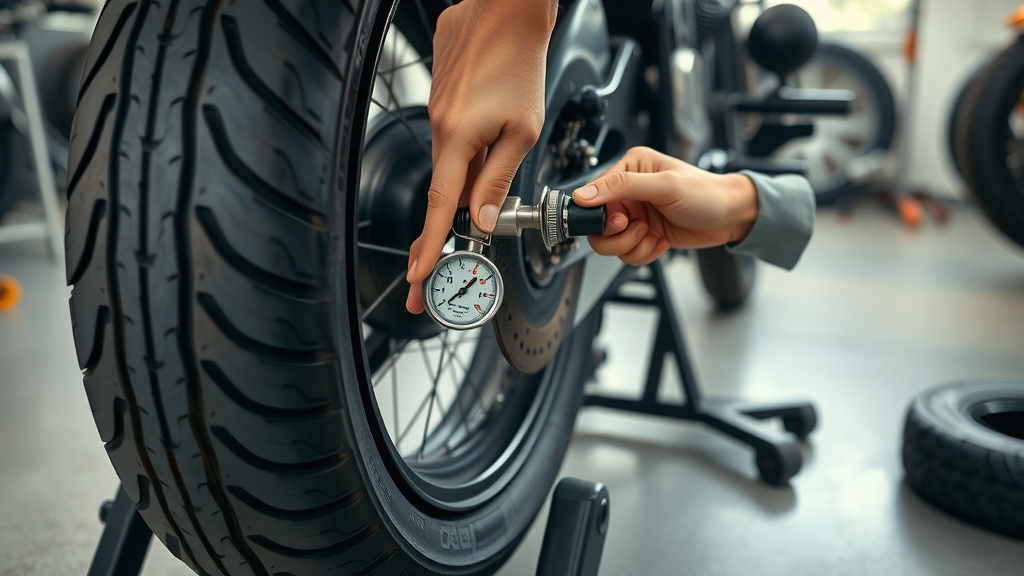
Flat spots on your tires are one of the most common problems when storing your motorcycle on a concrete floor for an extended period of time. Inflate each tire to the upper recommended PSI before storage, as air seeps out slowly in cold weather. Use paddock or center stands to lift both wheels clear off the ground; this takes pressure off the rubber and prevents deformation.
If stands aren’t available, roll your bike monthly to distribute the load and prevent one spot from flattening. Consider using tire savers or blocks if space is tight. Paying attention to tire health ensures you avoid the expense and hassle of replacing rubber when it’s time to ride again.
Protecting the Exhaust Pipe and Air Intakes During Storage
-
Cover openings to prevent rodent entry
-
Check and seal all intakes
Rodents and pests are notorious for treating parked bikes as a winter hideout, particularly in unheated garages, barns, or sheds. To keep your motorcycle’s exhaust pipe and air intakes safe, cover them securely with a plastic bag or old rag and fasten it with a rubber band. This simple step prevents surprises like nests, chewed wiring, or blocked passages when the snow melts.
Before covering, check for debris and moisture. Seal all open intakes, being careful not to block any necessary venting. These precautions will keep your fuel system and internal parts free from contamination and trouble during an extended period of storage.
Motorcycle Storage Tips Before, During, and After Winter
A proper motorcycle winter storage routine includes actions before, during, and after the season. Consistency in each stage ensures your bike returns to the road in good condition. Use the following checklist and ongoing tips to avoid costly mistakes common to storing your motorcycle.
These easy-to-follow stages also make it easier to spot issues before they become major repairs. Committing to a seasonal schedule—and sticking with it—is the true sign of a dedicated rider who values their investment.
Checklist: Actions Before Storing Your Motorcycle for Winter
-
Clean and dry your motorcycle
-
Top off all fluids
-
Address the battery
-
Check and inflate tires
-
Cover all vulnerable parts
Each of these actions—when performed as a routine—delivers long-term dividends. Begin with a thorough clean and dry. Follow by topping off every fluid and addressing the battery using a tender or trickle charger. Tire PSI is crucial, so don’t skip inflation, and wrap up by fitting a high-quality motorcycle cover. Preparation is a rider’s best defense against the threats of winter storage.
Maintaining Your Motorcycle in Storage Throughout Winter
-
Start the engine occasionally
-
Inspect for moisture and pests
Don’t just park and forget your bike. During storage, plan monthly checks to start the engine and allow fluids to circulate—even if only running for five minutes. This prevents seals from drying and keeps fuel stable. While you’re at it, check for condensation, leaks, and any sign pests have found their way inside. Addressing small issues now keeps them from becoming major headaches when you crave that first spring ride.
How to Make Sure Your Motorcycle is Ready After Storage
-
Remove motorcycle cover; inspect for dust or damage
-
Reconnect or reinstall the battery
-
Check tire pressure and fluids
-
Examine for rust or wear
When warmer weather arrives, don’t rush the process. Remove the cover and perform a visual inspection before you reconnect the battery. Check all fluids and tire pressure before attempting to ride—this ensures immediate safety and reliability. Look for evidence of rust or wear and fix anything concerning right away. This careful post-winter check ensures your motorcycle is in top shape for all rides ahead.
Video Walkthrough: Motorcycle Winter Storage Tips Step-by-Step
Prefer seeing the process in real time? Watch our expert walkthrough video that demonstrates each step—from cleaning and waxing to battery removal and proper tire protection. Perfect for visual learners, this easy-to-follow guide will give you confidence that your motorcycle is properly stored for winter, with actionable tips for every stage.
"Investing a little time in proper motorcycle winter storage goes a long way to protect your ride and save costly repairs in the spring." — Nasty Performance Motorcycle Shop
People Also Ask About Motorcycle Storage Tips
How long can a motorcycle sit in storage?
-
Most motorcycles can safely sit in storage for up to 6 months if properly prepared with the correct motorcycle storage tips. Long-term storage beyond 1 year requires more in-depth servicing and precautions.
What is the 70 30 rule on a motorcycle?
-
The 70/30 rule suggests that 70% of braking effort is handled by the front brake and 30% by the rear—crucial to remember before placing your motorcycle in storage, as part failures are more likely if brakes are not checked and maintained.
How to properly store a motorcycle?
-
Properly store your motorcycle by cleaning it, topping off and stabilizing fluids, maintaining the battery, protecting from moisture and pests, and using an appropriate motorcycle cover or storage unit.
How to store a motorcycle when not in use?
-
When not in use, store your motorcycle in a dry, secure area, use a cover, keep the battery charged, and check tire pressure regularly—key motorcycle storage tips for longevity.
Frequently Asked Questions About Motorcycle Storage Tips
-
Can I store my motorcycle outside in winter?
-
Should I drain all fuel before winter storage?
-
How often should I check on my motorcycle in winter storage?
-
Is it necessary to remove the battery for storage?
-
What’s the best way to keep pests away from a stored motorcycle?
If you have a particular question about storing your motorcycle or want more advanced tips, don’t hesitate to contact a qualified expert or ask your local motorcycle shop. There’s no substitute for actionable advice from those who know your bike inside and out.
Key Takeaways for Motorcycle Winter Storage
-
Early preparation ensures motorcycle longevity
-
Choosing the right storage method protects your ride
-
Applying these motorcycle storage tips helps avoid costly spring repairs
Get Expert Help With Motorcycle Storage Tips: Protect Your Investment Today
-
Don’t leave your ride to chance this winter—call Nasty Performance Motorcycle Shop today at 847-458-4858 for expert motorcycle storage tips, winter prep, and maintenance services.
Whether you prefer DIY or want professional help, there’s always someone ready to answer your motorcycle storage questions.
Call Nasty Performance Motorcycle Shop Today: 847-458-4858
Video Guide: Expert Demonstration of Motorcycle Storage Tips and Best Practices
For further learning, our expert video guide offers another deep dive into best practices—watch it to ensure your bike receives the winter storage treatment it deserves.
Motorcycle Storage Tips Recap and Essential Winter Storage Checklist
-
Wash and wax your motorcycle
-
Change fluids and use fuel stabilizer
-
Disconnect battery and use a maintainer
-
Protect tires and exhaust
-
Choose correct storage method
-
Cover your motorcycle properly
-
Regularly check on your stored motorcycle for maximum protection
Take action now—prepare, protect, and ensure your motorcycle is ready for another season of adventure!
To further enhance your understanding of motorcycle winter storage, consider exploring these authoritative resources:
-
Motorcycle Winter Storage Tips
This guide offers comprehensive advice on preparing your motorcycle for winter, including steps like changing the oil, checking coolant levels, and maintaining the battery. ( foremost.com )
-
Motorcycle Winterization Storage Tips
This resource provides a detailed checklist for winterizing your motorcycle, covering aspects such as oil changes, coolant checks, tire maintenance, and battery care. ( oreillyauto.com )
By consulting these resources, you’ll gain additional insights and best practices to ensure your motorcycle remains in optimal condition throughout the winter months.
Call Nasty Performance Motorcycle Shop Today: 847-458-4858



Write A Comment