Add Row
Add Element
cropper
update

Nasty Performance ~ 847-458-4858 

update
Add Element
  • Blog Home
  • Categories
    • Motorcycle Maintenance
    • Riding Tips & Preps
    • Safety & Inspection
    • Customizations & Upgrades
    • DIY Motorcycle Repairs
    • Motocycle Audio Systems
    • Motocycle Seasonal Care & Storage
    • Engine, Electrical Performance
  • Bike Night
  • Nasty Performance Motorcycle Shop
December 05.2025
1 Minute Read

Motorcycle Laws You Might Be Breaking Without Knowing It

Did you know that over 60% of motorcyclists admit to breaking at least one traffic law each year, often without even realizing it? Even the most seasoned riders can unknowingly run afoul of motorcycle traffic laws thanks to confusing differences between states, evolving safety regulations, and myths that get passed around like urban legend. Knowing the rules of the road isn’t just about avoiding tickets—it’s about protecting yourself and those you share the road with. In this guide, we’re revealing the most common motorcycle laws you might be breaking unintentionally, why they matter, and how you can avoid costly, sometimes dangerous, mistakes.

What You'll Learn About Motorcycle Laws You Might Be Breaking

  • Discover surprising motorcycle traffic laws and traffic law infractions you may unknowingly commit
  • Learn key motorcycle safety rules to safeguard your riding
  • Understand local, state, and federal motorcycle laws that could impact your ride
  • Get insights on penalties and best practices related to motorcycle traffic laws
"Did you know even experienced riders are often unaware of some motorcycle traffic laws? This list might just save you from a costly mistake."
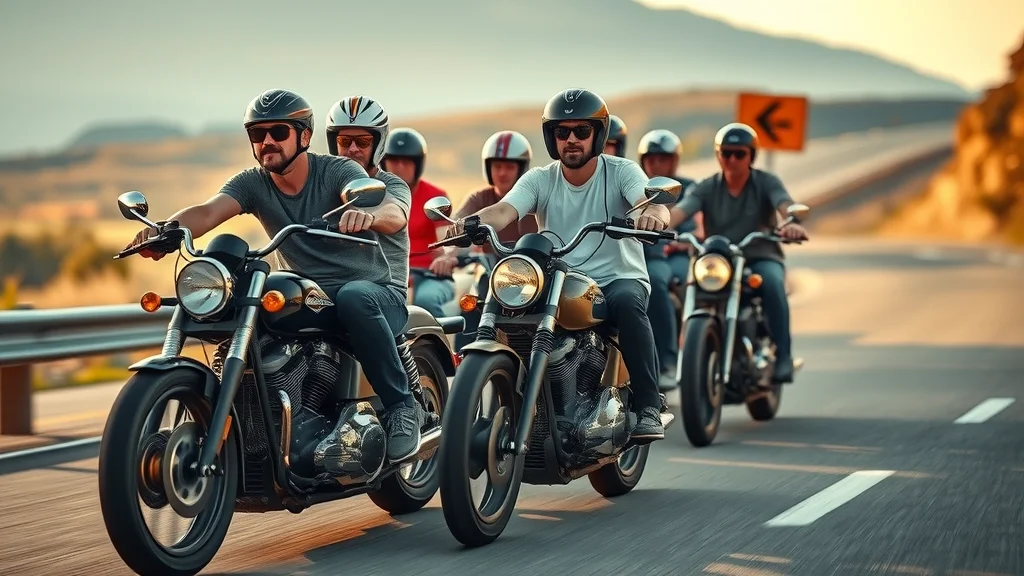
Group of motorcyclists riding on open road following motorcycle traffic laws

Startling Motorcycle Law Statistics: Are You Unknowingly Breaking the Law?

  • Fact: According to recent studies, over 60% of motorcyclists admitted to breaking at least one motorcycle law annually. Traffic law changes vary by state, increasing accidental offenses.

The number of traffic law violations by motorcycle riders is much higher than most people expect. Not only do riders deal with state-to-state variations, but new rules are frequently introduced, leaving gaps in awareness even among informed enthusiasts. While many think they know the key regulations—such as basic motorcycle safety procedures or posted speed limits—hidden dangers lurk in lesser-known provisions about things like lane splitting, helmet types, signaling protocols, and even how you wait at a red light. Traffic law violations don’t just result in fines: they can void your insurance or contribute to motorcycle accidents that could have been prevented. With the landscape of motorcycle laws constantly evolving, it’s no wonder so many committed riders may inadvertently break traffic laws or misunderstand critical requirements about riding between lanes or waiting at a light sensor.

Staying compliant with motorcycle laws is only part of the equation—regular maintenance and seasonal care are equally vital for safe riding. For practical tips on keeping your bike in top condition throughout the year, check out these seasonal bike care secrets every rider should know.

1. Ignoring State-Specific Lane Splitting Laws

Lane Splitting: What Every Rider Should Know

  • Definition: Lane splitting refers to riding a motorcycle between lanes of stopped or slow-moving traffic—a common practice in dense cities or during traffic congestion.
  • Legal Status: Only some states, like California, explicitly allow lane splitting. In others, it’s either banned or sits in a legal gray area where rules can shift rapidly.
  • Common Myths: Many believe that lane splitting universally improves motorcycle safety by getting riders out of traffic’s way. However, reports show that improper or illegal lane splitting is a leading contributor to motorcycle traffic law violations and even motorcycle accidents. Safety outcomes heavily depend on speed limits and local regulations.
  • Penalties: Lane splitting in states where it’s illegal can result in hefty fines, points on your license, or legal trouble—especially if a law violation leads to a collision. Even in jurisdictions where splitting is legal, improper technique or breaking posted speed limits can bring penalties.

Motorcycle traffic laws regarding lane splitting vary dramatically not just by state, but by city. California remains the only state where lane splitting is clearly legal statewide, though pilot programs are launching in places like Utah and select metro areas. In most states, however, lane splitting can easily be confused with the similarly named “lane sharing,” which only allows two motorcycles to ride side by side in a single lane. Be aware: misunderstanding this law can quickly lead to a costly traffic law violation—and if a crash occurs while lane splitting, your insurance may not cover the damages. To remain compliant and safe, always check the current law before splitting lanes, and be mindful of the actual posted speed limits and behaviors permitted by your local jurisdiction.
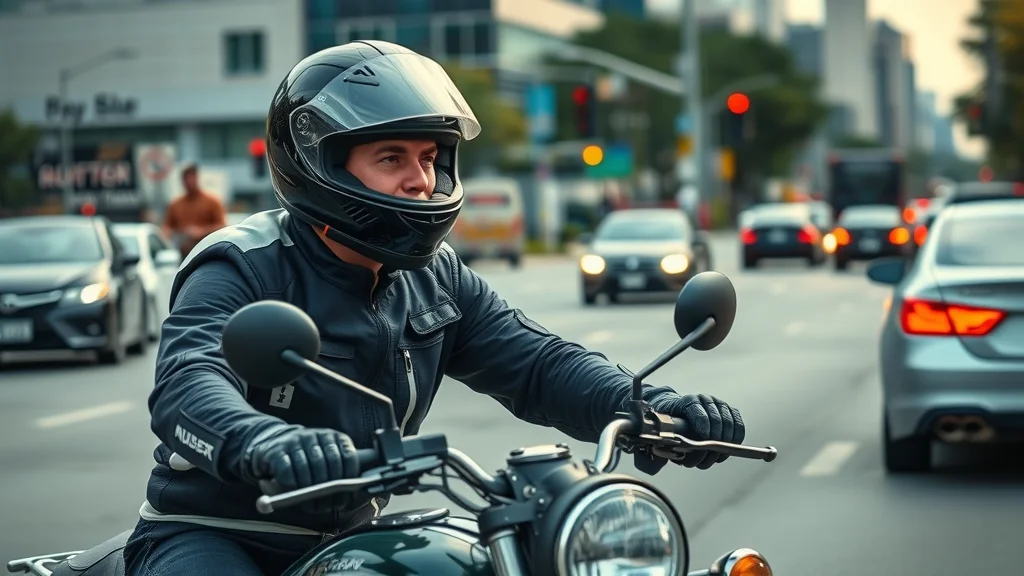
Motorcycle rider lane splitting in city traffic, traffic law compliance in action

2. Overlooking Motorcycle Red Light Laws

How Red Light Laws Differ for Motorcycles vs. Cars

  • Light Sensors: Many modern traffic lights are triggered by sensors embedded in the road (a light sensor or traffic light sensor) that detect the weight or presence of vehicles. Unfortunately, smaller motorcycles often don’t trigger these sensors, causing frustrating—and potentially unsafe—waits at a red light.
  • 'Dead Red' Laws: In response, some states have enacted “Dead Red” laws that allow motorcycles to proceed through a red light after waiting a reasonable period. However, these laws are state-specific and can be misunderstood, leading to unintended motorcycle traffic law violations.
  • Real-World Consequences: Riders have reported receiving tickets for safely proceeding through an unresponsive red light in states where such actions are not legally protected. The fines and risk of a law violation stack up, especially if local law enforcement interprets your actions as running a standard traffic light or stop sign.

Understanding how red light laws apply to motorcycles can be the difference between a lawful commute and a costly stop at the courthouse. While cars reliably trigger light sensors, motorcycles often don’t, which has led to the creation of “Dead Red” statutes in select states. These allow a motorcycle rider waiting at a traffic light or electronic stop sign to cautiously proceed if the light fails to change after a stipulated period (commonly 120 or 180 seconds). However, motorcycle traffic laws on this issue are inconsistent—where some states explicitly codify the rule, others treat any noncompliance as a serious traffic law violation. If you ride across state lines, review state-specific laws about traffic light sensors, and always proceed with caution to avoid being one of the many riders caught in this legal gray area.

3. Helmet and Protective Gear: More Than Just Motorcycle Safety

Helmet Requirements: State By State Breakdown
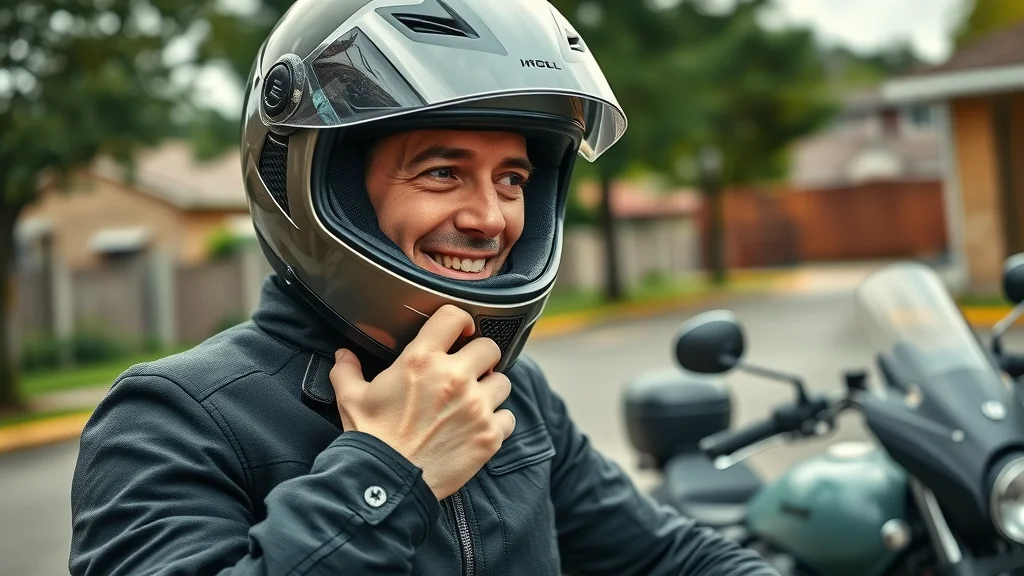
Motorcycle rider adjusting helmet, complying with motorcycle safety and traffic laws
  • Mandatory Helmet Laws: States differ dramatically in their helmet requirements. While some require all riders, regardless of age or experience, to wear a DOT-approved helmet, others only mandate helmets for riders under a certain age, typically 18 or 21.
  • Additional Gear: Besides helmets, some states have motorcycle traffic laws demanding the use of eye protection, gloves, sturdy footwear, and even reflective jackets, especially at night or during poor visibility conditions. The list of safety requirements can be surprisingly extensive and easy to overlook.
  • Legal Consequences: Failure to comply with helmet and gear laws is more than a traffic law violation—it can result in denied insurance claims after a motorcycle accident, increased liability in lawsuits, and bigger out-of-pocket expenses for medical care and fines. Don’t underestimate the financial risks of not meeting the state’s motorcycle safety laws.

The idea that “it’s just a short ride, I don’t need my helmet” is a common yet dangerous misconception. Helmet and gear requirements are enshrined in state, and sometimes federal, motorcycle traffic laws for a reason. Data consistently links increased motorcycle safety and reduced fatality rates with compliance to these rules. It’s not just about surviving a potential accident—breaking these traffic laws can cost you thousands in penalties or legal fees.

4. Turn Signals, Lighting, and Equipment You Might Miss

Common Equipment Law Oversights in Motorcycle Traffic

  • Lighting & Turn Signals: Motorcycle traffic laws require functioning front and rear lights, brake lights, and turn signals. Some states have strict rules about when and how these signals must be used, with major penalties for neglect.
  • Penalties for Malfunction: Riding with a burnt-out light, a broken turn signal, or a covered license plate can be enough for a traffic stop and a law violation, even if all other motorcycle safety rules are followed. Fines and citations for equipment can pile up quickly.
  • Lesser-Known Rules: States may also regulate exhaust noise, require a minimum number of mirrors, and enforce specific license plate mounting angles or visibility. Overlooking one of these small details can bring unexpected penalties.

When we think of a traffic law violation, many imagine reckless riding, speeding, or running a stop sign. But more motorcycle traffic laws are broken each year due to simple equipment failures or oversights. Whether it’s a malfunctioning indicator, a faded light, or a non-compliant exhaust, these seemingly minor issues can escalate into tickets—and in some cases, even impoundment. To keep your ride legal and avoid being one of the many motorcycle riders cited for small-by-neglect law violations, do a quick walk-around before every journey and fix equipment issues promptly.
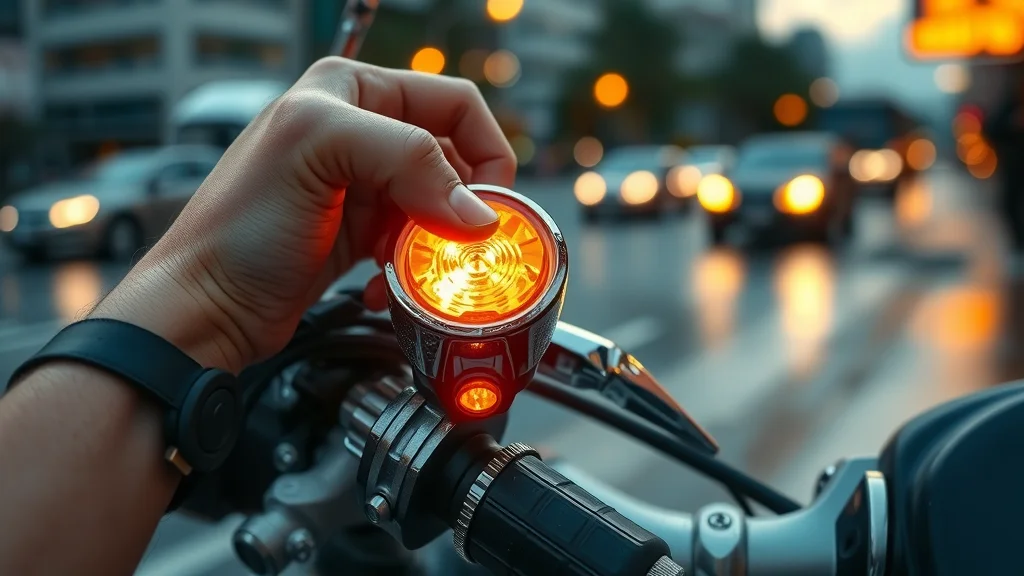
Close-up of motorcycle turn signal highlighting compliance with motorcycle laws

5. Passenger and Age Restrictions

Rules for Riding With a Passenger: What Motorcycle Laws Say

  • Minimum Passenger Age: Motorcycle laws often set a minimum age for riders and passengers—sometimes as high as 16 or requiring the passenger’s feet to touch designated foot pegs to ride legally.
  • Safety Equipment: Many states require passengers to wear the same level of protective equipment as the operator, including helmets and eye protection, to comply with motorcycle safety standards.
  • Special Rules: There are usually strict motorcycle traffic laws about not carrying more than one passenger unless the motorcycle is built for it, and additional requirements for carrying children (such as seatbacks, harnesses, or prohibitions entirely).

Carrying a passenger seems simple, but traffic laws spell out everything from minimum age to mandatory double foot pegs. States like Texas, California, and Florida each have unique requirements. Some make it illegal to carry a passenger under 8 years old; others specify seat size, helmet compliance, or even prohibit passengers during specific times or on highways. Breaking these motorcycle laws doesn’t just endanger your riding—the consequences can be serious for your passenger, especially if there’s an accident or insurance claim. If you ever ride with a passenger, be sure both of you meet the requirements for motorcycle safety and traffic law compliance before hitting the open road.
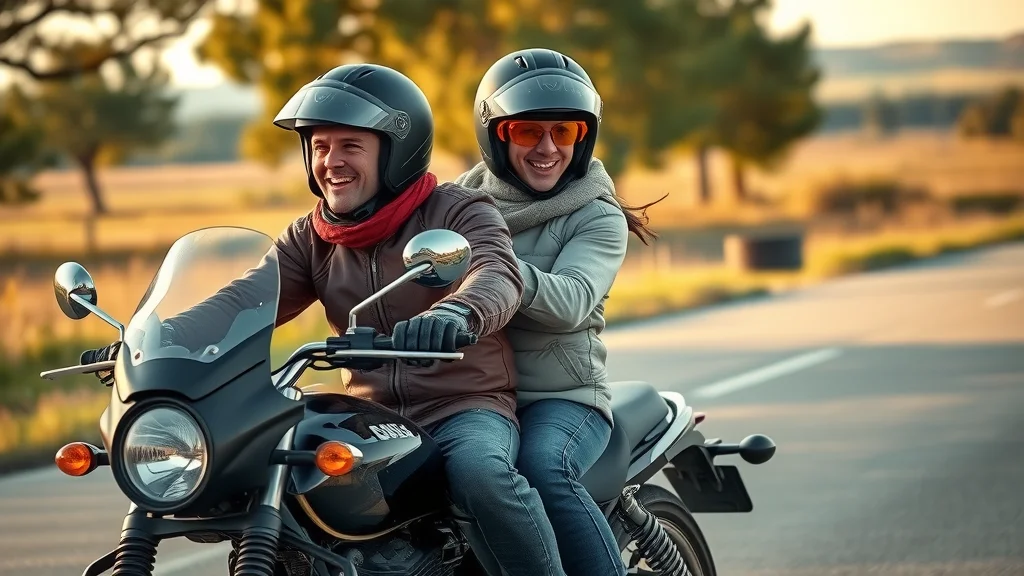
Motorcycle rider with passenger, both in full gear, following traffic laws

Comparison Table: Motorcycle Traffic Laws by State

State Lane Splitting Allowed Red Light Exception Helmet Required Min. Passenger Age
California Yes Varies by city Under 18 No state minimum
Texas No Yes Under 21 or no insurance 5 years
Florida No No Under 21 No state minimum
New York No No All ages No state minimum
Illinois No (illegal) Yes Any age (if insurance applies) 8 years
Utah Pilot program No Under 21 No state minimum

People Also Ask About Motorcycle Laws You Might Be Breaking

What is rule number 5 for motorcycles?

  • Rule number 5 often refers to maintaining awareness and staying visible on the road as part of motorcycle safety best practices. Riders must always watch for hazards, signal intentions, and wear bright or reflective gear to maximize visibility.

What does 2 fingers down mean to bikers?

  • The two-fingers-down gesture is a sign of respect, camaraderie, and motorcycle traffic safety among riders. It symbolizes a mutual wish for a safe journey and acknowledges the challenges of sharing the open road while adhering to motorcycle laws.
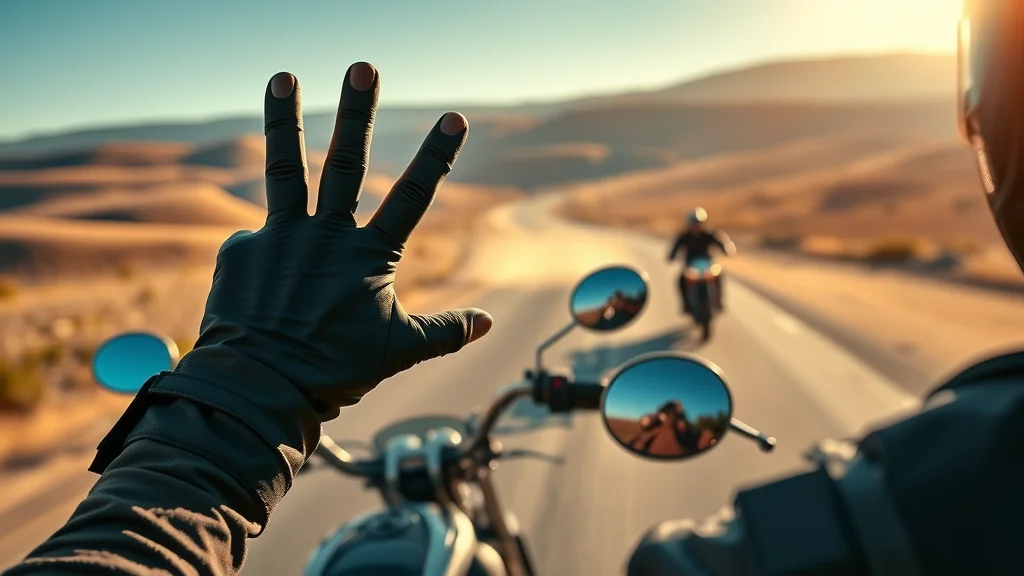
Motorcyclist signaling 2 fingers down, open road, motorcycle safety and camaraderie

What is the 4 second rule for motorcycles?

  • The 4-second rule in motorcycle traffic laws means maintaining a four-second following distance from the vehicle ahead. This increases reaction time and enhances motorcycle safety, decreasing the likelihood of a motorcycle accident caused by sudden stops or unexpected road hazards.

Is lane splitting on a motorcycle legal anywhere?

  • Yes, lane splitting is legal in California and under pilot programs in select jurisdictions. Laws change often, so always check current motorcycle traffic laws before riding between lanes or during traffic congestion to avoid a law violation.

Expert Insights: Following Motorcycle Traffic Laws and Motorcycle Safety Best Practices

"Understanding and following motorcycle laws not only prevents fines but saves lives. Always stay informed about traffic law updates in your state." – Nasty Performance Motorcycle Shop

Seasoned motorcycle riders emphasize that the difference between a safe ride and an accident is knowledge—not just skill. With state motorcycle traffic laws evolving each year, it’s crucial to regularly check official bulletins, talk to experts, and join rider forums so you don’t unwittingly break traffic laws. Compliance isn’t just about dodging tickets: it’s about protecting yourself, your bike, your passengers, and everyone else on the road. Commitment to motorcycle safety and correct traffic law interpretation forms the backbone of the world’s safest riders—and is exactly why having a reliable motorcycle shop in your corner pays off.

FAQs on Motorcycle Laws You Might Be Breaking

  • Do motorcycle laws differ by vehicle class?
    Yes, motorcycle traffic laws and safety requirements can change based on vehicle class (e.g., mopeds, scooters, larger touring motorcycles). Each class may have its own laws regarding helmet use, equipment, speed limits, and where you can legally ride.
  • What are the consequences of repeated motorcycle traffic law violations?
    Repeated law violations can lead to increased fines, higher insurance premiums, and suspension of your motorcycle license. In severe cases, habitual offenders may even face impoundment of their motorcycles and mandatory safety courses.
  • How often should I check for updates to motorcycle traffic laws?
    It is wise to review motorcycle traffic laws annually and whenever you travel to a new state. Join state DMV mailing lists and keep in touch with trusted motorcycle shops like Nasty Performance Motorcycle Shop for timely updates and best practices.

Key Takeaways on Motorcycle Laws You Might Be Breaking

  • Stay updated on local and national motorcycle traffic laws
  • Small oversights can have major legal and safety consequences
  • When in doubt, consult a motorcycle law expert or legal resource

Stay Safe, Stay Legal: Contact the Experts

  • Call Nasty Performance Motorcycle Shop Today: 847-458-4858 to discuss motorcycle laws you might be breaking, get compliance tips, and ensure your ride is road legal.

Stay alert, stay informed, and always ride responsibly. Your safety—and your wallet—depend on knowing the motorcycle laws you might be breaking without even realizing it.

Mastering the legal side of motorcycling is just one piece of the puzzle—true safety and performance come from a holistic approach to riding. If you’re ready to take your skills and bike care to the next level, explore our expert guide on seasonal bike care secrets every rider must know. Discover how proactive maintenance and seasonal adjustments can extend your motorcycle’s life, boost reliability, and keep you confidently on the road all year long. Whether you’re a daily commuter or a weekend adventurer, these insights will help you ride smarter and safer—no matter what the season brings.

Riding Tips & Preps

Write A Comment

*
*
Related Posts All Posts

Why Quality Motorcycle Gear Matters More Than You Think

Ever wondered what stands between you and the ground while riding your motorcycle at 60 miles per hour? It’s not just your bike’s engineering or your reflexes—it’s the quality motorcycle gear you choose to wear. While most riders understand the basics of helmets and gloves, few realize just how much investing in top-tier riding gear can transform your experience and safety on the road. Let's challenge what you think you know about motorcycle clothing and reveal why it truly matters more than you might believe.Opening Inquiry: Have You Ever Wondered Why Quality Motorcycle Gear Matters?Why do some riders never gear up, while others won’t roll a wheel without full protective armor? If you’ve asked yourself “why quality motorcycle gear matters,” you’re not alone. Many riders underestimate the impact that specialized riding gear can have during every ride. This isn’t just about looking cool or following regulations—it’s about making decisions that can save your skin, literally, and allow you to ride safe, wherever the road leads. The evidence is clear: statistically, those who prioritize motorcycle safety by investing in quality motorcycle gear face fewer, less severe injuries in the event of an accident. Riders often regret not gearing up only after an incident, but you don’t have to be among them.What You'll Learn About Why Quality Motorcycle Gear MattersThe importance of motorcycle gear and riding gear in rider safetyHow quality motorcycle gear outperforms standard optionsFeatures to look for when shopping for high-end motorcycle jackets, motorcycle jeans, and motorcycle clothingExpert opinions and surprising facts about motorcycle gearOpinion: Why Quality Motorcycle Gear Matters for Every RiderMotorcycle Gear: More Than Just ApparelThink motorcycle gear is just another outfit? Think again. For riders, your riding gear is your first line of defense, your comfort zone, and your statement of intent to ride safe. The need for protective gear is much more than a fad or a fleeting trend—it’s about prioritizing safety with every mile. Unlike casual jackets or regular jeans, quality motorcycle gear is designed to protect the most vulnerable areas of your body, offering abrasion resistance that can be many times stronger than steel. Every zipper, seam, and base layer is part of a system built to keep you protected from road rash, harsh weather, or the unpredictable on the road. When you invest in high-end motorcycle clothing, you’re not paying for a brand—you’re actively reducing risk and showing respect for yourself, your loved ones, and fellow riders.While choosing the right gear is essential for safety, it's also important to consider how your equipment and apparel adapt to changing conditions throughout the year. For practical tips on keeping your motorcycle and gear in top shape as the seasons shift, check out these seasonal bike care secrets every rider should know.Defining Quality Motorcycle Gear vs. Standard Motorcycle ClothingThe difference between quality motorcycle gear and regular motorcycle clothing goes far beyond the price tag. True performance riding gear features advanced textiles like Kevlar, Dyneema, or heavy-duty leather—materials times stronger than steel—which deliver superior abrasion resistance. In contrast, standard motorcycle clothing may look similar but can leave you dangerously exposed in the event of an accident. A quality motorcycle jacket will have armor inserts at shoulders, elbows, and back, while high-end motorcycle pants or motorcycle jeans incorporate robust padding and reinforced seams. Base layers provide temperature and moisture management, enhancing comfort on long rides. Motorcycle safety is about stacking these protective features: the more layers of defense, the greater your chances of avoiding injury, no matter how short the ride. Premium brands ensure ongoing innovation, so your next set of motorcycle gear might feel good, look sharp, and be ready for anything the road throws your way.Key Elements of Riding Gear: What Sets Quality Motorcycle Gear Apart?Abrasion resistance: Strong materials—often synthetic fibers that are times stronger than steel—offer far more protection than denim or cotton, reducing your risk of severe road rash.Impact protection: Advanced motorcycle jacket armor and motorcycle pants padding absorb shocks, protecting key joints and body parts in the event of an accident.Comfort and fit: A quality base layer keeps you cool or warm as needed, while ergonomic design in motorcycle jeans ensures a natural fit without restricting movement.Weather protection: Premium motorcycle clothing is engineered for specific climates, with waterproof membranes, breathable panels, and windproof features to keep you dry and focused year-round.Motorcycle Jacket and Motorcycle Pants: Where Quality Truly CountsNot all riding gear is created equal, and nowhere is that difference clearer than in your motorcycle jacket and pants. These core pieces cover the largest parts of your body and take the brunt in the event of an accident or slide. High-quality materials like reinforced leather, aramid fibers, and innovative textiles offer levels of abrasion resistance that basic gear simply can’t match. Look for products with CE-rated armor inserts placed at high-impact zones—such as shoulders, elbows, hips, and knees. When you choose well-engineered motorcycle pants or motorcycle jeans, the thoughtful placement of these pads ensures mobility and comfort while maximizing safety. It’s not just about surviving a crash; it’s about minimizing injuries so that you can get back in the saddle sooner. Jackets and pants that integrate protective features with ergonomic design will inspire confidence, making every ride as comfortable as it is secure. Remember, the best gear makes you forget you’re even wearing it—until you need it most."Wearing quality motorcycle gear is not just a preference—it’s your second skin on the road."How Quality Motorcycle Gear Impacts Rider Safety and LongevityThe right riding gear does more than just shield you from scrapes; it is engineered to save lives. According to crash data, riders who consistently wear full protective gear—including a sturdy motorcycle jacket, motorcycle pants, and safe base layers—significantly reduce their risk of traumatic injury during an accident. Quality motorcycle gear integrates impact-absorbing armor and exceptionally strong textile fibers, capable of withstanding high-speed slides, thus guarding against skin-deep wounds and lasting trauma. Further, protective features like waterproofing and temperature regulation mean you ride in comfort, reducing fatigue that contributes to accidents. Prioritizing safety isn’t about paranoia—it’s about being prepared, lowering your risk, and increasing every ride’s longevity. In a world where every second counts, and each crash is unique, what you wear can make all the difference between a story to tell and a reason for regret.Comparison of Standard vs. Quality Motorcycle GearFeatureStandard Motorcycle GearQuality Motorcycle GearAbrasion ResistanceBasic textiles; low resistance, may fail easilyAdvanced materials stronger than steel; high slide protectionImpact ProtectionMinimal or no armor; vulnerable areas exposedCE-rated armor inserts at all critical zonesComfort & FitGeneric fit; lacks ergonomic base layersTailored design; integrated, moisture-wicking base layersWeatherproofingPoor with water and wind; uncomfortable in elementsWaterproof, breathable membranes; full weather controlWhy Motorcycle Gear Brands Like Pando Moto Lead the WayInnovative brands such as Pando Moto have revolutionized what riders can expect from their gear. Blending state-of-the-art design, high-utility materials, and rigorous safety testing, these brands exemplify why quality matters. Pando Moto is renowned for its use of advanced fabrics—like moisture-wicking base layers and abrasion-proof panels in its motorcycle jeans and jackets—that outperform traditional gear on every front. Their relentless pursuit of improvement delivers riding gear that doesn’t just look good, but actually feels good and makes riders want to gear up wisely every time. What sets these leaders apart is their commitment to a wide range of styles and fits, making it easier for every rider to find gear that suits both their riding style and safety needs. As motorcycle safety gear becomes more accessible and high-tech, it’s easier than ever to invest in riders’ well-being by choosing proven, quality motorcycle gear.Innovations in Base Layers, Motorcycle Jackets, and Motorcycle JeansThe technology powering today’s motorcycle apparel goes way beyond thick leather and heavy pads. Modern base layers leverage temperature-regulating fibers to keep you cool or warm no matter the ride—a game-changer for comfort over long distances. Motorcycle jackets now feature ergonomic armor positioning, reflective panels for visibility, and tailored fits that don’t hinder movement. Meanwhile, motorcycle jeans pack heavy-duty reinforcements and armor into everyday styles, so versatile you can go from the street to the saddle without missing a beat. Pando Moto excels in integrating all these advances, ensuring their gear not only meets but exceeds industry standards. For anyone still asking why quality motorcycle gear matters, the answer is clear: innovation breeds protection, and that translates directly to greater confidence every time you ride.Common Myths That Undermine Why Quality Motorcycle Gear MattersMyth: High price doesn’t always mean high quality — While not all expensive gear is equal, established brands prioritize safety, and proven materials cost more for good reasons.Myth: Motorcycle gear is uncomfortable — Modern riding gear utilizes ergonomic design and moisture-controlling base layers to ensure long-lasting comfort.Myth: All motorcycle clothing offers the same protection — Only gear built with impact-tested armor and abrasion-resistant textiles meets safety standards.Myth: You only need riding gear for long trips — Most accidents happen close to home; even a short ride demands proper protective gear for safety’s sake.People Also Ask: What is the 12 Second Rule on a Motorcycle?Understanding Safe Following Distances with the 12 Second RuleThe 12 second rule is critical for riders who value safety. It emphasizes scanning the road ahead by 12 seconds—roughly a block in city traffic or a quarter mile on the highway—so you can anticipate hazards, adjust speed, and react to changing conditions in time. This strategy aligns perfectly with the philosophy behind why quality motorcycle gear matters: both prepare you for unpredictable events. Being alert allows for proper braking, swerving, or stopping if necessary, reducing your risk of a crash. Pairing this proactive riding style with proper riding gear, including a sturdy helmet, quality motorcycle jacket, and protective motorcycle pants, ensures you’re ready for any situation, no matter how quickly it develops. Remember, safe distances and quality gear work hand in hand to keep you riding confidently and securely.People Also Ask: What to Look for When Buying Motorcycle Gear?Expert Recommendations for Choosing Quality Motorcycle GearWhen buying motorcycle gear, prioritize function over appearance—and never compromise on safety. Look for jackets and pants made from abrasion-resistant materials like leather, Kevlar, or high-grade synthetics that are times stronger than steel. Ensure all critical impact zones feature CE-rated armor, especially at the elbows, shoulders, knees, and back. Comfort matters: select base layers that wick moisture and regulate body temperature, and choose motorcycle clothing that fits snugly without restricting movement. Reputable brands such as Pando Moto offer confidence with industry certifications and customer reviews. Don’t hesitate to try gear in-store to ensure a natural range of motion and confirm you can reach your controls easily. Investing in high-quality gear is a small price compared to the long-term benefits of riding safe and feeling good every time you hit the road.People Also Ask: Is 600D Polyester Good for Motorcycle Riding?The Truth About 600D Polyester in Motorcycle Jackets and Motorcycle Pants600D polyester is often used in entry-level motorcycle clothing due to its durability and resistance to tearing. However, while it offers some level of abrasion resistance, it can fall short compared to advanced materials used in quality motorcycle gear. Premium jackets and pants rely on stronger synthetic fibers and layered construction for protection that’s stronger than steel. For short commutes or casual riding, 600D polyester may suffice, but for serious riders prioritizing safety, gear constructed from reinforced composites or modern aramids, coupled with armor inserts, provides a far safer option. Remember, the true value of any motorcycle jacket or pants lies in their certified safety features—not just the outer shell material. For ultimate peace of mind, seek gear that meets or exceeds CE safety standards and prioritizes impact protection in all vulnerable areas.People Also Ask: Where Do 70% of Motorcycle Accidents Occur?Why Quality Motorcycle Gear Matters Most in High-Risk EnvironmentsShockingly, nearly 70% of motorcycle accidents occur in urban areas—within a few miles of a rider’s home, not just on highways or remote backroads. Traffic signals, intersections, and unpredictable drivers make city riding especially hazardous. This fact underscores why prioritizing safety isn’t just for highway cruising; city dwellers and weekend warriors alike must appreciate why quality motorcycle gear matters. Effective riding gear should include armor-reinforced jackets, robust motorcycle pants, and even base layers for comfort and protection everywhere you ride. Reliable protective gear is not about preparing for rare, distant risks—it’s about the everyday commutes and spontaneous rides where accidents are statistically most likely. Ride safe every mile with gear designed to stand up to whatever the road, or city street, throws your way. (Dynamic footage of riders in quality gear navigating city streets and highways, highlighting accident-prone environments and real-world gear performance, with expert commentary overlays.)FAQ: Your Top Questions About Why Quality Motorcycle Gear MattersDo I really need quality riding gear for short rides?Absolutely. Most accidents happen close to home, often when riders are least prepared. Even for short distances, wearing proper riding gear ensures you’re protected from minor spills and major incidents alike, reinforcing why quality motorcycle gear matters no matter the trip’s length.How do I know if my motorcycle clothing is actually protective?Look for CE-certified armor, abrasion resistance ratings, and double or triple-stitched seams in your jacket and pants. Trusted brands list safety features clearly, and reputable motorcycle shops can confirm the real performance of your gear so you can ride safe every time.Are certain motorcycle gear brands safer than others?Yes, established brands such as Pando Moto are well-regarded for exceeding safety standards and continuous innovation. Don’t just look at the logo—review certifications, customer reviews, and material specifications before you buy.What is the role of base layers in quality motorcycle gear?Base layers wick away sweat, maintain optimal body temperature, and add comfort for long or challenging rides. They’re a vital, often overlooked part of your protective gear setup, keeping you focused and reducing distractions over every mile.Key Takeaways: Why Quality Motorcycle Gear MattersTop reasons to invest in quality motorcycle gear: Advanced protection, better comfort, and longer gear lifespan.Hidden safety benefits of high-end riding gear: Enhanced visibility, smarter armor placement, and weatherproofing.Innovative brands changing motorcycle clothing: Pando Moto, and others, are redefining what it means to gear up wisely.Summary: The Irreplaceable Value of Quality Motorcycle GearFrom abrasion resistance to all-day comfort, why quality motorcycle gear matters can’t be overstated. The best riding experiences—and outcomes—start with investing in the right gear before hitting the road.If you’re committed to elevating your safety and riding experience, remember that quality gear is just one part of the equation. Proactive maintenance and seasonal care are equally vital for keeping your bike—and your gear—performing at their best. For a deeper dive into expert strategies that go beyond apparel, explore our guide on seasonal bike care secrets every rider must know. Discover how a holistic approach to motorcycle ownership can help you ride with confidence, maximize your investment, and enjoy every mile, no matter the season.Ready to Ride Safer? Call Nasty Performance Motorcycle Shop Today: 847-458-4858

Motorcycle Brands Compared: Which One Fits Your Style?

Did you know? Over 60 million motorcycles are produced worldwide every year, powering a global passion that fuels an ever-expanding universe of motorcycle brands and unique styles. Whether you’re a first-time rider or a devoted enthusiast, picking the right motorcycle brand can shape every mile of your journey. In this comprehensive guide, you’ll discover what sets each top brand apart—and learn how to choose the perfect match for your riding style. A Surprising Statistic: Motorcycle Brands Drive Global Passion Did you know that over 60 million motorcycles are produced annually worldwide, fueling countless motorcycle brands and styles tailored to every rider's unique taste? What You'll Learn: Which Motorcycle Brand Is Right for You Explore the defining features, reputation, and style focus of major motorcycle brands. Understand the differences between iconic motorcycle manufacturers. Get practical tips for selecting a bike that matches your personal riding goals and lifestyle. How We Ranked the Top Motorcycle Brands Criteria: Brand history, style, performance, market reputation, innovation, and customer feedback form the backbone of our comparison. By evaluating these aspects, we ensure that our rankings reflect a balance between legacy, current offerings, and real-world satisfaction. 1. Harley-Davidson: The American Classic Motorcycle Brand Legacy and Cultural Impact: Few names evoke the spirit of the open road like Harley-Davidson. Founded in 1903, this iconic motorcycle brand has shaped the cruiser and touring segments with its rugged designs and a reputation for freedom and rebellion. Key Features: Harley’s signature V-twin engines, low-slung frames, and unmistakable exhaust notes solidify its unique presence. Models such as the Road Glide and Sportster combine power and showstopping looks with build quality that’s both revered and distinctive among motorcycle enthusiasts. Best For: If you dream of long stretches of highway and a legendary American riding experience, Harley-Davidson consistently ranks high for cruisers and touring bike fans. "Harley-Davidson isn’t just a motorcycle brand—it’s a symbol of freedom on two wheels." 2. Honda: The Versatile and Reliable Motorcycle Manufacturer Tech Innovations and Dependability: Honda has earned its reputation as a motorcycle manufacturer known for reliability and technological leadership. From efficient commuter bikes to gold-standard tourers, its product line shows a remarkable ability to adapt to just about any riding style. Popular Models: The Gold Wing is a renowned touring bike, while the CB series—including the classic Honda CB—delivers everyday performance with accessible power and comfort. Best For: Honda is ideal for all-around performance seekers and beginners. Maintenance costs remain reasonable, and the price tag is approachable, making Honda an accessible first choice for new bikers. 3. Yamaha: Performance-Driven Motorcycle Brand Racing Pedigree and Sport Heritage: Yamaha stands out among motorcycle manufacturers for its focus on high-revving engines and race-bred design. The company’s lineage includes MotoGP success, which directly trickles down to its street and naked bike lineup. Notable Models: Yamaha’s YZF and MT series—especially the revered MT-07 and YZF-R1—combine agility and muscular design, perfect for the rider who wants both city performance and weekend thrills. Best For: Yamaha is the go-to motorcycle brand for sports bike fans, commuters, or anyone who values a balance of power, technology, and style. 4. Kawasaki: Powerhouse among Japanese Motorcycle Brands Speed and Aggressive Styling: Kawasaki is synonymous with power and edge, thanks to its Ninja series—one of the most popular names in the sports bikes world. This motorcycle brand delivers bold aesthetics and raw speed, appealing to adrenaline seekers. Legendary Models: The Ninja line (e.g., ZX-6R, ZX-10R) brings supercharged performance to both street and track. Kawasaki’s aggressive product line is prized by riders who want their bikes to stand out in a crowd. Best For: Kawasaki is a top pick for sportbike fans and daring commuters who crave speed, cutting-edge design, and the thrill of a responsive ride. 5. Suzuki: Agile and Affordable Motorcycle Brand Balance Between Performance and Value: Suzuki has mastered the sweet spot between affordability and fun-to-ride performance. Known for reliable build quality and approachable power, Suzuki’s lineup caters to the everyday rider as much as the track enthusiast. GSX-R and V-Strom Series: The GSX-R brings race-inspired performance to the street, while V-Strom adventure bikes offer long-distance comfort. Suzuki’s price point is competitive, and maintenance costs remain reasonable. Best For: If you’re an urban commuter or a new rider conscious of your budget, Suzuki offers some of the best value among all motorcycle brands. 6. BMW Motorrad: Luxury and Innovation in Motorcycle Manufacturers Cutting-Edge Tech, High Craftsmanship: BMW Motorrad is renowned for setting benchmarks in comfort, safety features, and high-tech engineering. From ABS to dynamic traction control, every model is packed with tech-forward solutions for optimal riding experience. Flagship Models: The R 1250 GS adventure bike and S 1000 RR superbike offer a taste of German luxury, combining powerful engines with premium finishes. Best For: BMW bikes appeal to touring and tech-focused riders who value innovation and lasting quality. Although the price tag can be premium, you’re investing in a brand that consistently ranks high for innovation and safety. 7. Ducati: The Epitome of Italian Motorcycle Brands Sleek Style and Powerful Engineering: Ducati is famous for Italian design and performance. With sculpted bodywork and signature red paint, every Ducati exudes confidence—on city streets, winding roads, or racetrack. Flagship Models: The Panigale, Monster, and Multistrada lines highlight Ducati’s prowess in sports bikes and adventure bikes. Expect a thrilling ride and a head-turning presence. Best For: Ducati is built for riders who appreciate unique design and crave performance, blending style with exhilarating speed—at a price point that reflects its premium appeal. 8. Triumph: British Excellence – Speed Twin and More Classic Designs and Modern Engineering: Triumph motorcycles strike a perfect balance between heritage and innovation. The brand is world-renowned for its retro-inspired looks, punctuated by modern reliability and performance. Speed Twin & Bonneville Series: The Speed Twin stands as a modern classic naked bike, while the Bonneville lineup channels the spirit of Britain’s golden era with a contemporary twist. Best For: Riders who love vintage character but won’t sacrifice performance consistently rank Triumph high among their choices. This motorcycle brand is a favorite among retro enthusiasts and daily commuters alike. 9. Indian Motorcycle: Reviving a Legendary Motorcycle Manufacturer Vintage Roots, Contemporary Strength: Indian Motorcycle has a storied past and, since its revival, now mixes heritage with present-day engineering. The Scout and Chief series exemplify vintage design enhanced by modern performance. Unique Traits: Indian’s bikes are admired for their muscular presentation, comfortable cruiser ergonomics, and a responsive ride that honors tradition while meeting today’s expectations for safety and style. Best For: Riders searching for a blend of history, American flair, and up-to-date features will feel at home on an Indian. These motorcycles spotlight heritage with a forward-looking approach. 10. Moto Guzzi: Icon of Italian Motorcycle Brands Unique Transverse V-Twin Engines: Moto Guzzi stands out for its unconventional engine layout and classic lines. As one of the world’s oldest motorcycle brands, it delivers a ride as distinctive as its transverse twin’s rumble. Lineup Highlights: The V7 and V85 TT blend retro charm with the latest tech, offering refined performance with a unique Italian aesthetic. Moto Guzzi’s approach appeals to riders who prioritize both style and substance. Best For: If you desire classic looks packed with advanced features, including modern safety and connectivity, Moto Guzzi should be on your shortlist for leading motorcycle brands in quality and performance. 11. Royal Enfield: Timeless Motorcycle Brand with Modern Capabilities Affordable, Simple, Highly Customizable: Royal Enfield offers simplicity, affordability, and a rich heritage. As one of the longest-running motorcycle manufacturers, its bikes are famous for retro appeal and easy maintenance, making them a strong entry point into motorcycling. Popular Models: The Interceptor and Himalayan exemplify Royal Enfield’s knack for producing versatile, sturdy motorcycles fit for daily commuting or adventure trips. Best For: Entry-level riders, retro fans, and DIY customizers will find Royal Enfield an accessible and rewarding choice among today’s motorcycle brands. Comparison Table: Motorcycle Brands at a Glance Brand Origin Signature Model Best For Price Range Notable Feature Harley-Davidson USA Road Glide Cruising, Touring High Iconic V-twin engines Honda Japan Gold Wing, Honda CB All-around, Beginners Mid Reliability, Tech Innovation Yamaha Japan MT-07, YZF-R1 Sports, Commuters Mid Racing Pedigree, Versatility Kawasaki Japan Ninja ZX-Series Sports, Thrill Seekers Mid–High Performance, Aggressive Styling Suzuki Japan GSX-R, V-Strom Urban, Budget Low–Mid Affordability and Agility BMW Motorrad Germany R 1250 GS Touring, Tech Lovers High Luxury, Tech Features Ducati Italy Panigale, Monster Style, Speed High Engineering, Italian Design Triumph UK Speed Twin, Bonneville Retro, Performance Mid–High Classic Meets Modern Indian Motorcycle USA Scout, Chief Heritage, Comfort High Vintage Roots, Modern Power Moto Guzzi Italy V7, V85 TT Classic, Advanced Tech Mid–High Transverse V-twin, Style Royal Enfield India/UK Interceptor, Himalayan Entry-level, Retro Fans Low Customizability, Simplicity People Also Ask About Motorcycle Brands What is the best motorcycle brand? The best motorcycle brand for you depends on your riding style and priorities. If you cherish cross-country cruising and cultural legend, Harley-Davidson consistently ranks high. Prefer all-around versatility? Honda delivers solid build quality and dependable performance. For those chasing track-ready sports bikes, Kawasaki and Yamaha offer race-inspired engineering that is hard to beat. What is the Big 4 of motorcycles? The Big 4 refers to the leading Japanese motorcycle manufacturers: Honda, Yamaha, Kawasaki, and Suzuki. Together, they set global standards for reliability, technology, and volume. Their contributions range from entry-level commuters to world-class adventure bikes and performance machines. What is the top 10 bike? The “top 10” frequently includes models from Kawasaki (Ninja series), Yamaha (R series), Honda (CBR series), Ducati (Panigale), BMW Motorrad (GS series), Harley-Davidson, Indian Motorcycle, Triumph, Suzuki, and Moto Guzzi. Each offers distinct advantages, catering to different riding goals across the globe. What is the USA's famous motorcycle? The most famous motorcycle brand in the United States is Harley-Davidson, emblematic of American riding culture and history. Indian Motorcycle also enjoys deep American roots, making both household names for US motorcycle fans. Expert Insights: What the Motorcycle Manufacturers Say "Innovation, heritage, and connection to riders define the identity of every leading motorcycle brand on this list." Brand comparison reel: Watch a quick montage video highlighting distinctive motorcycles from Harley-Davidson, Honda, Yamaha, Ducati, BMW, Indian, Moto Guzzi, and Triumph in action on various terrains, demonstrating their unique styles. Key Takeaways: Finding Your Ideal Motorcycle Brand Identify your riding style: Are you into cruising, touring, sport, or adventure bikes? This choice narrows the field to brands that best fit your needs. Focus on model reputation: Safety, reliability, and maintenance costs should factor into your decision-making process, as they impact long-term satisfaction. Budget and long-term value: Weigh the price tag against resale value, maintenance costs, and after-sales support. Sometimes a higher initial price point is justified by years of quality service. Test ride before you decide: Always experience the riding dynamics firsthand to see how a bike aligns with your comfort and style goals. FAQs: Choosing the Best Motorcycle Brand How do I choose between two top motorcycle brands? Start by clarifying your riding priorities (e.g., performance, comfort, price point, maintenance costs). Compare test ride impressions and factor in reliability, warranty, and resell value. Reviews from other riders often offer practical, firsthand insights. Which motorcycle manufacturer offers the best warranty? Warranties vary by brand and region, but Honda, BMW Motorrad, and Harley-Davidson are consistently praised for robust warranties and excellent customer service. Always research the specifics for your intended model and location. Can I customize my motorcycle with official accessories? Yes, most top motorcycle brands offer official accessory catalogs to let you personalize your machine. Harley-Davidson and Royal Enfield, for example, lead in customization, but nearly every manufacturer now provides options to match your unique ride. Conclusion: Your Next Motorcycle Brand Awaits With so many outstanding motorcycle brands and manufacturers, finding the perfect match is just a test ride away. Ready to Choose? Call Nasty Performance Motorcycle Shop Today: 847-458-4858

Motorcycle Laws for Group Riding: What’s Legal and What’s Not?

Ever rolled up to a line of motorcycles and wondered who sets the rules—or what laws actually apply—when riding in a group? The freedom of the open road is better when shared, but group motorcycle rides are bound by a complex patchwork of state laws and safety practices. If you’re curious whether staggered formation is always required, what hand signals are legally recognized, or how red lights impact group flow, this guide covers every crucial detail. Here, you’ll find clarity on motorcycle laws for group riding, practical strategies for safety, and expert answers to the most-asked questions about staying legal and united on every group motorcycle ride. Have You Ever Wondered About Motorcycle Laws for Group Riding? Many motorcycle enthusiasts find camaraderie and thrill in group riding, but legal rules can be confusing. Motorcycle laws for group riding vary across the United States, often confusing even seasoned riders. It’s not just a good idea to know these laws—it’s a necessity to avoid fines, accidents, or legal complications. Understanding the difference between common practices and what’s codified in the law can mean the difference between a safe adventure and a costly mistake. This article is designed to shine a light on these laws, blending state-specific regulations with best practices to ensure your next group ride is both exhilarating and lawful. Whether you’re a beginner or an experienced rider organizing the next group motorcycle ride, you’ll gain valuable, actionable insights to help keep your crew safe and within the bounds of the law. What You'll Learn About Motorcycle Laws for Group Riding Key legal requirements for group motorcycle rides Essential hand signals and formations Tips for staying compliant and safe Common mistakes and how to avoid them Understanding Motorcycle Laws for Group Riding: The Basics Definition of group riding and motorcycle group: A motorcycle group refers to two or more motorcyclists riding together in a coordinated fashion, sharing common destinations or purposes such as events, charity rides, or scenic tours. Legal considerations unique to group motorcycle settings: Laws dictate how closely riders can travel, which formations are allowed, proper signaling, equipment requirements, and what’s expected of both the lead rider and the rest of the group. Why group riding laws exist: These regulations promote road safety, visibility, and coordination to prevent confusion among motorists and reduce the risk of motorcycle accidents. "Each state sets unique regulations for motorcycle laws in group riding, making rider awareness essential for every group ride." Legal Requirements for Motorcycle Group Rides Licensing, Registration, and Insurance in Group Motorcycle Rides No matter the size of your motorcycle group, each individual motorcycle rider must possess a valid motorcycle license, properly registered vehicle, and up-to-date insurance. Group riding does not exempt any rider from these requirements, even if the convoy appears organized or official. Failure to maintain current documents may result in traffic stops, fines, or citations for the entire group. Always check that every motorcycle in your group ride is compliant before departure. In some jurisdictions, authorities conduct random stops especially during large group rides, emphasizing the importance of legal documentation. Additionally, most states require that insurance policies meet minimum coverage for liability and personal injury. Riding without insurance—or with incomplete documents—risks not only your record but the safety and legality of the rest of the group. It’s a good idea to run a quick checklist at the start of every group ride: license, registration, and insurance should travel with you, safely stowed and easily accessible. Motorcycle Equipment and Safety Gear Laws Each participant in a group motorcycle ride is obligated to follow state-specific laws on motorcycle safety gear and equipment. Most states require DOT-approved helmets, reflective jackets, and protective gear such as gloves, boots, and eye protection. Some states demand additional items like full-face helmets or armored clothing, particularly for less experienced riders. Vehicles themselves must meet legal standards for lights, turn signals, mirrors, and mufflers. Riding in a group does not allow anyone to bypass safety equipment laws, regardless of skill level or ride duration. Before any group motorcycle ride, ensure every motorcycle is in good working order: check headlights, brake lights, turn signals, tires, and brakes. Experienced riders often double-check equipment for others, ensuring the entire motorcycle group is ready for the journey. Remember, fitting gear isn’t just the law—it’s a line of defense against avoidable harm. Staggered Formation and Lane Positioning Laws Staggered formation is widely recognized both by traffic safety authorities and motorcycle organizations as the safest formation for group riding. The law in many states requires that motorcycle riders travel in either a staggered or single file arrangement, never side-by-side in the same lane. Each motorcycle must have its own “space cushion”—the area around the bike free from other vehicles—to ensure quick escape paths in emergencies. Riding side-by-side is generally discouraged and in some states outright illegal. Each state applies slightly different rules about how many motorcycles can occupy a single lane, so check local regulations before organizing your next group ride. The lead rider should communicate expected formations and any changes before setting off, keeping the group safe and compliant. While understanding formations and legal requirements is crucial, it's equally important to keep your motorcycle in top condition throughout the year. For practical advice on maintaining your bike in every season, explore these seasonal bike care secrets every rider should know to ensure safety and reliability on every group ride. State Legal Lane Position for Motorcycle Group Rides Side-by-side Permitted? California Staggered or single file No Texas Staggered or single file No Florida Staggered or single file No Illinois Staggered only No New York Staggered or single file No Required Hand Signals for Group Motorcycle Rides Legal Standards for Hand Signals During Group Rides Hand signals are the universal language of motorcycle group riding. Most US states require use of specific hand signals when motorcycles travel in groups, especially if electronic turn or brake signals are absent or obstructed. Commonly required hand signals include left turn, right turn, stop, and slow down. Beyond legality, hand signals enhance safety by allowing every motorcycle rider—not just those in front—to understand the group’s intentions. For larger groups, hand signals should be passed down from the front to the back, ensuring all participants are in sync. Prior to each group ride, leaders should review hand sign protocols with all riders, including any new or less experienced motorcycle riders. Clear, legible hand signals not only satisfy the law; they prevent confusion and maintain the integrity of the group motorcycle formation, particularly during lane changes or sudden stops. Hand Sign vs. Electronic Signals: What’s Preferred? While modern motorcycles come equipped with advanced lighting and electronic turn signals, hand signals are still widely favored during group rides—especially when traveling in close formation or when road visibility is compromised. Hand signals offer several key advantages: they are easily seen by riders behind you (even if electronic signals are missed), they work if your electronics fail, and they bridge communication gaps in a diverse group. In some states, the law requires use of hand signals if a motorcycle’s electronic signals malfunction. Even where electronic signals suffice legally, it’s usually a good idea to supplement them with a hand sign—especially in group settings—to minimize the risk of miscommunication or sudden movement. Both hand and electronic signals should be clear, deliberate, and practiced before hitting the road. Prioritizing communication is a hallmark of safe, successful group riding. "Effective communication through hand signals is not only tradition, but in many cases, a legal requirement for group motorcycle safety." The Staggered Formation: Is It the Only Legal Option for Group Riding? Staggered Formation Explained The staggered formation is the hallmark of safe, legal group riding in the United States. In this setup, the lead rider occupies the left third of the lane, the second rider follows one second behind in the right third, the third returns to the left, and so on. This pattern maximizes space cushion, giving each motorcycle adequate time and room to react to obstacles. The formation helps maintain visibility, prevents collisions, and allows a smooth transition when navigating curves, changing speeds, or responding to road hazards. Many states recommend or require this formation for group motorcycle rides, and it’s endorsed by most safety organizations. The only time a group should break staggered formation is when road or traffic conditions require single file—such as on narrow bridges, in construction zones, or during hazardous weather. Group riding in a proper formation ensures everyone arrives together, safely and legally. Alternatives to Staggered Formation While staggered formation is the most recommended, there are other options for group motorcycle arrangements. Single file is often used on winding, narrow, or congested roads and is legally required in certain environments. Some advanced or competitive groups experiment with other formations, but these may conflict with state regulations and should be approached with caution. Side-by-side riding, though visually dramatic, is typically illegal and dangerous in most states due to the lack of maneuvering space. When navigating obstacles, rough terrain, or city traffic, single file gives each motorcycle the flexibility needed to navigate safely. It’s crucial for the lead rider and sweep rider to signal any needed formation changes and ensure the entire group adjusts accordingly. Always know the allowed formations in your state, and don’t be afraid to err on the side of caution—legal requirements are designed to save lives. Formation Pros Cons Staggered Maximizes visibility, best for safety, legal in most states Must break for obstacles or narrow roads Single File Best for tight turns, construction, or adverse weather Reduces group cohesion, harder for cars to notice group Side-by-side Visually impressive, sometimes used in parades Illegal and unsafe in most states, no room to maneuver Obeying Red Lights and Traffic Laws During Group Motorcycle Rides How Red Light Laws Apply to Group Motorcycles One of the most common questions for group motorcycle rides is how to approach red lights. Some riders mistakenly believe group rides are allowed to pass through red lights together, but this is illegal in nearly every state. Instead, traffic laws require each motorcycle—regardless of group status—to obey all traffic devices, including red lights and stop signs. The lead rider must stop when the light turns red, with the rest of the group waiting patiently to regroup once traffic resumes. Passing through a red light as a group may result in traffic citations or even more serious consequences if an accident occurs. The best practice is to plan fuel stops, rest breaks, and regrouping points along the route, especially if the motorcycle group is large enough that traffic controls may separate riders. By adhering strictly to all traffic laws, you not only keep the group safe but avoid hefty fines and negative interactions with law enforcement. Common Traffic Violations in Group Rides Group rides can attract friendly attention, but they can also draw scrutiny from local police if basic laws are ignored. Common violations include running red lights as a group, blocking intersections to keep the motorcycle group together, illegal lane splitting, and exceeding the speed limit. Using a cell phone while riding, failing to signal, or not wearing helmets are other typical infractions. Another pitfall is side-by-side riding, which is illegal and hazardous almost everywhere in the United States. These violations not only put the motorcycle rider and group at risk but also foster negative public perception of motorcycle groups as reckless. The safest and most respectful motorcycle groups assign experienced riders as lead and sweep to keep everyone accountable, informed, and law-abiding throughout the journey. Leadership Roles in a Motorcycle Group Ride: Lead and Sweep Responsibilities Formation and Responsibilities of Lead and Sweep Riders Successful group rides start with clear leadership. The lead rider is responsible for route navigation, pace setting, and communicating signals and formation changes. The sweep rider takes the final position, keeping an eye on the rest of the group and assisting with emergencies, break-downs, or stragglers. Both positions require experienced riders with deep knowledge of group riding etiquette and motorcycle laws for group riding. Lead and sweep riders often coordinate their plans before the motorcycle ride, deciding on hand signals, regroup points, and communication strategies. Useful items include radios, high-visibility gear, and detailed route maps. These leadership roles are crucial for managing a large group, handling unexpected events, and making real-time adjustments to keep the motorcycle group safe and coordinated. The sweep rider, in particular, may carry tools, a cell phone for emergencies, or first-aid kits—being prepared is the key to group ride success. Selecting Safe Leaders for Group Motorcycle Rides When organizing an upcoming group motorcycle ride, it’s important to select your lead and sweep riders with care. Both must be calm under pressure, have a thorough understanding of motorcycle laws for group riding, and possess excellent situational awareness. Good communication, respect from the rest of the group, and experience in varying road conditions are essential. Before the ride, the lead rider should set clear expectations about hand signals, space cushions, riding order, and emergency procedures. The sweep rider’s role is just as vital—they must be ready to manage any issues in the back of the pack and ensure no rider is left behind. If your group is new, it may be a good idea to rotate these roles among experienced riders to build everyone’s confidence and skill. Ultimately, well-chosen leaders make group rides safer, more enjoyable, and fully compliant with the law. Importance of leadership roles in group motorcycle safety Handling emergencies and keeping the group together Motorcycle Laws for Group Riding: Good Ideas vs. Legal Requirements Best Practices That Go Beyond the Law Good group riding is about more than just following the rules—it’s about fostering a culture of safety, respect, and camaraderie. Many best practices are not written into law but are recognized by experienced riders as essential. These include pre-ride meetings, using check-ins at every fuel stop, maintaining a skill-appropriate pace, avoiding aggressive maneuvers, and checking in on each member’s wellbeing. It’s a good idea to appoint a ride captain to handle logistics and answer questions. Practicing group formation, reviewing hand signals, and designating rest or regrouping points are additional best practices. While compliance with motorcycle laws for group riding is mandatory, going beyond the bare minimum makes every group ride safer and more enjoyable. Legal vs. Unwritten Biker Rules Some of the most respected traditions in motorcycle group riding aren’t required by law—like waving to passing bikers, assisting other riders, or never leaving a member behind. These unwritten rules build trust and mutual respect within the community, even though not a single one appears in a statute. Legally, group riding hinges on compliance with traffic laws, equipment standards, and signaling protocols. In contrast, the unwritten rules focus on group harmony—helping with flat tires, supplying a space cushion in crowded traffic, and supporting new or nervous riders. Upholding both the legal and social codes ensures every member of the motorcycle group enjoys the ride and stays out of trouble with the law. "Not all group ride etiquette is spelled out in the legal code—some rules protect camaraderie, not just compliance." Staying Safe and Legal on a Motorcycle Group Ride Motorcycle Safety Tips for Group Riding Stay visible at all times: Wear bright, reflective gear and keep headlamps on to ensure other motorists see your motorcycle group. Use appropriate hand signals: Communicate every turn, lane change, or stop to keep the group ride coordinated and safe. Maintain proper following distance: Leave enough space cushion between motorcycles to avoid pile-ups and provide ample reaction time. Continuously scan and anticipate hazards: Watch for debris, cars, and changing road conditions; pass hazard alerts to the rest of the group. How to Prepare Legally for Group Motorcycle Rides Review local motorcycle laws for group riding—these can change county by county or state by state. Perform thorough bike inspections, checking brakes, tires, lights, and signals to prevent mechanical issues during the group ride. Prepare required legal documentation: license, registration, proof of insurance, and emergency contacts. Discuss roles, hand signals, and protocols with your group before the engine starts, especially if riders are new or the route is complex. People Also Ask: Group Motorcycle Riding Laws How should motorcycles ride in a group? Motorcycles should ride in a staggered formation, keeping a safe following distance and using clear hand signals. The lead and sweep riders manage the pace and cohesion of the group. Riders should never block intersections, break traffic laws, or ride side-by-side unless permitted for events. Every group motorcycle ride should prioritize safety, communication, and compliance with local regulations—they’re the foundation of enjoyable, incident-free rides. Is 3 people on a motorcycle illegal? Most states in the United States prohibit carrying more than two people on a standard motorcycle—one driver and one passenger. Some states allow a third passenger only if the motorcycle is specifically designed for multiple passengers and has appropriate seating and footrests. Riding three people on a standard motorcycle is generally unsafe and may incur fines or penalties. Always check your state or local motorcycle laws before attempting a nonstandard ride configuration. What is rule number 5 for motorcycles? Rule number 5 varies by source, but in motorcycle riding circles, it’s often summarized as: “Always assume others don’t see you.” Riders should operate every group ride on the assumption that cars and other vehicles may not spot motorcycles or predict their movements. Active scanning, reflective gear, and assertive hand signals are critical for safety when riding in a group or solo. What is the unwritten biker rule? The most revered “unwritten” biker rule is: Never leave a fellow rider behind. Whether a group member encounters mechanical trouble, a personal issue, or an accident, the group ensures everyone is accounted for and supported until help arrives. This tradition builds unity, trust, and the strong bonds that give the motorcycle community its enduring spirit. Frequently Asked Questions About Motorcycle Laws for Group Riding Can a group of motorcycles travel side-by-side legally? In most states, motorcycles must ride in staggered or single file. Side-by-side riding is typically illegal except during parades with special permits. Do all states require motorcycle riders to use hand signals? While the specifics vary, most states require hand signals if electronic turn indicators are absent or malfunctioning. What documents should every motorcycle rider carry during a group ride? All riders should have a valid license, registration, insurance proof, and emergency contacts. Some states also require a medical card. How does lane splitting affect motorcycle laws for group riding? Lane splitting is legal only in a few states (such as California) and is usually not recommended during group rides due to increased risk and confusion. Key Takeaways: Mastering Motorcycle Laws for Group Riding Group riding offers camaraderie but requires strict legal compliance Hand signals and formation rules vary by state and situation Leadership roles enhance group safety and order Always check state-specific motorcycle laws for group riding before organizing a ride Watch: Safe & Legal Group Motorcycle Riding (Video Guide 1) Watch: Real-Life Group Motorcycle Rides and What the Law Says (Video Guide 2) Conclusion: Stay Legal, Stay United Knowledge is your group’s best protection—follow every law, check local rules, and foster unity each time you ride. If you’re ready to take your group riding experience to the next level, consider how year-round bike maintenance can further enhance your safety and enjoyment. Proactive care not only keeps your motorcycle compliant with legal standards but also ensures peak performance in every season. Discover expert strategies for protecting your ride from weather extremes and maximizing longevity by visiting our comprehensive guide on seasonal motorcycle care. By combining legal know-how with smart maintenance, you’ll be prepared for every adventure the road has to offer. Call Nasty Performance Motorcycle Shop Today: 847-458-4858

Terms of Service

Privacy Policy

Core Modal Title

Sorry, no results found

You Might Find These Articles Interesting

T
Please Check Your Email
We Will Be Following Up Shortly
*
*
*