
Ever rolled up to a line of motorcycles and wondered who sets the rules—or what laws actually apply—when riding in a group? The freedom of the open road is better when shared, but group motorcycle rides are bound by a complex patchwork of state laws and safety practices. If you’re curious whether staggered formation is always required, what hand signals are legally recognized, or how red lights impact group flow, this guide covers every crucial detail. Here, you’ll find clarity on motorcycle laws for group riding, practical strategies for safety, and expert answers to the most-asked questions about staying legal and united on every group motorcycle ride.
Have You Ever Wondered About Motorcycle Laws for Group Riding?
Many motorcycle enthusiasts find camaraderie and thrill in group riding, but legal rules can be confusing. Motorcycle laws for group riding vary across the United States, often confusing even seasoned riders. It’s not just a good idea to know these laws—it’s a necessity to avoid fines, accidents, or legal complications. Understanding the difference between common practices and what’s codified in the law can mean the difference between a safe adventure and a costly mistake. This article is designed to shine a light on these laws, blending state-specific regulations with best practices to ensure your next group ride is both exhilarating and lawful. Whether you’re a beginner or an experienced rider organizing the next group motorcycle ride, you’ll gain valuable, actionable insights to help keep your crew safe and within the bounds of the law.
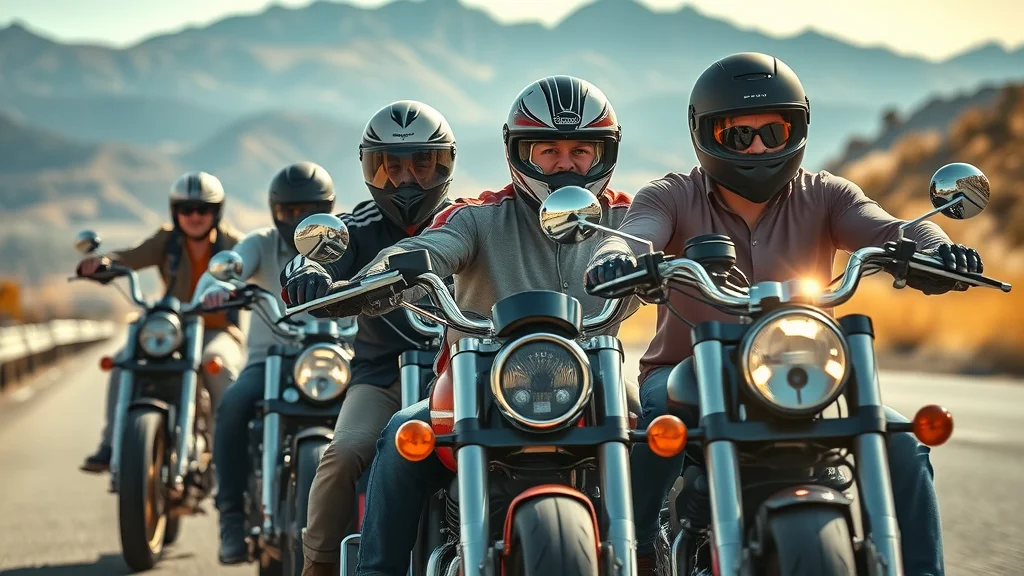
What You'll Learn About Motorcycle Laws for Group Riding
- Key legal requirements for group motorcycle rides
- Essential hand signals and formations
- Tips for staying compliant and safe
- Common mistakes and how to avoid them
Understanding Motorcycle Laws for Group Riding: The Basics
- Definition of group riding and motorcycle group: A motorcycle group refers to two or more motorcyclists riding together in a coordinated fashion, sharing common destinations or purposes such as events, charity rides, or scenic tours.
- Legal considerations unique to group motorcycle settings: Laws dictate how closely riders can travel, which formations are allowed, proper signaling, equipment requirements, and what’s expected of both the lead rider and the rest of the group.
- Why group riding laws exist: These regulations promote road safety, visibility, and coordination to prevent confusion among motorists and reduce the risk of motorcycle accidents.
"Each state sets unique regulations for motorcycle laws in group riding, making rider awareness essential for every group ride."
Legal Requirements for Motorcycle Group Rides
Licensing, Registration, and Insurance in Group Motorcycle Rides
No matter the size of your motorcycle group, each individual motorcycle rider must possess a valid motorcycle license, properly registered vehicle, and up-to-date insurance. Group riding does not exempt any rider from these requirements, even if the convoy appears organized or official. Failure to maintain current documents may result in traffic stops, fines, or citations for the entire group. Always check that every motorcycle in your group ride is compliant before departure. In some jurisdictions, authorities conduct random stops especially during large group rides, emphasizing the importance of legal documentation. Additionally, most states require that insurance policies meet minimum coverage for liability and personal injury. Riding without insurance—or with incomplete documents—risks not only your record but the safety and legality of the rest of the group. It’s a good idea to run a quick checklist at the start of every group ride: license, registration, and insurance should travel with you, safely stowed and easily accessible.
Motorcycle Equipment and Safety Gear Laws
Each participant in a group motorcycle ride is obligated to follow state-specific laws on motorcycle safety gear and equipment. Most states require DOT-approved helmets, reflective jackets, and protective gear such as gloves, boots, and eye protection. Some states demand additional items like full-face helmets or armored clothing, particularly for less experienced riders. Vehicles themselves must meet legal standards for lights, turn signals, mirrors, and mufflers. Riding in a group does not allow anyone to bypass safety equipment laws, regardless of skill level or ride duration. Before any group motorcycle ride, ensure every motorcycle is in good working order: check headlights, brake lights, turn signals, tires, and brakes. Experienced riders often double-check equipment for others, ensuring the entire motorcycle group is ready for the journey. Remember, fitting gear isn’t just the law—it’s a line of defense against avoidable harm.

Staggered Formation and Lane Positioning Laws
Staggered formation is widely recognized both by traffic safety authorities and motorcycle organizations as the safest formation for group riding. The law in many states requires that motorcycle riders travel in either a staggered or single file arrangement, never side-by-side in the same lane. Each motorcycle must have its own “space cushion”—the area around the bike free from other vehicles—to ensure quick escape paths in emergencies. Riding side-by-side is generally discouraged and in some states outright illegal. Each state applies slightly different rules about how many motorcycles can occupy a single lane, so check local regulations before organizing your next group ride. The lead rider should communicate expected formations and any changes before setting off, keeping the group safe and compliant.
While understanding formations and legal requirements is crucial, it's equally important to keep your motorcycle in top condition throughout the year. For practical advice on maintaining your bike in every season, explore these seasonal bike care secrets every rider should know to ensure safety and reliability on every group ride.
| State | Legal Lane Position for Motorcycle Group Rides | Side-by-side Permitted? |
|---|---|---|
| California | Staggered or single file | No |
| Texas | Staggered or single file | No |
| Florida | Staggered or single file | No |
| Illinois | Staggered only | No |
| New York | Staggered or single file | No |
Required Hand Signals for Group Motorcycle Rides
Legal Standards for Hand Signals During Group Rides
Hand signals are the universal language of motorcycle group riding. Most US states require use of specific hand signals when motorcycles travel in groups, especially if electronic turn or brake signals are absent or obstructed. Commonly required hand signals include left turn, right turn, stop, and slow down. Beyond legality, hand signals enhance safety by allowing every motorcycle rider—not just those in front—to understand the group’s intentions. For larger groups, hand signals should be passed down from the front to the back, ensuring all participants are in sync. Prior to each group ride, leaders should review hand sign protocols with all riders, including any new or less experienced motorcycle riders. Clear, legible hand signals not only satisfy the law; they prevent confusion and maintain the integrity of the group motorcycle formation, particularly during lane changes or sudden stops.

Hand Sign vs. Electronic Signals: What’s Preferred?
While modern motorcycles come equipped with advanced lighting and electronic turn signals, hand signals are still widely favored during group rides—especially when traveling in close formation or when road visibility is compromised. Hand signals offer several key advantages: they are easily seen by riders behind you (even if electronic signals are missed), they work if your electronics fail, and they bridge communication gaps in a diverse group. In some states, the law requires use of hand signals if a motorcycle’s electronic signals malfunction. Even where electronic signals suffice legally, it’s usually a good idea to supplement them with a hand sign—especially in group settings—to minimize the risk of miscommunication or sudden movement. Both hand and electronic signals should be clear, deliberate, and practiced before hitting the road. Prioritizing communication is a hallmark of safe, successful group riding.
"Effective communication through hand signals is not only tradition, but in many cases, a legal requirement for group motorcycle safety."
The Staggered Formation: Is It the Only Legal Option for Group Riding?
Staggered Formation Explained
The staggered formation is the hallmark of safe, legal group riding in the United States. In this setup, the lead rider occupies the left third of the lane, the second rider follows one second behind in the right third, the third returns to the left, and so on. This pattern maximizes space cushion, giving each motorcycle adequate time and room to react to obstacles. The formation helps maintain visibility, prevents collisions, and allows a smooth transition when navigating curves, changing speeds, or responding to road hazards. Many states recommend or require this formation for group motorcycle rides, and it’s endorsed by most safety organizations. The only time a group should break staggered formation is when road or traffic conditions require single file—such as on narrow bridges, in construction zones, or during hazardous weather. Group riding in a proper formation ensures everyone arrives together, safely and legally.

Alternatives to Staggered Formation
While staggered formation is the most recommended, there are other options for group motorcycle arrangements. Single file is often used on winding, narrow, or congested roads and is legally required in certain environments. Some advanced or competitive groups experiment with other formations, but these may conflict with state regulations and should be approached with caution. Side-by-side riding, though visually dramatic, is typically illegal and dangerous in most states due to the lack of maneuvering space. When navigating obstacles, rough terrain, or city traffic, single file gives each motorcycle the flexibility needed to navigate safely. It’s crucial for the lead rider and sweep rider to signal any needed formation changes and ensure the entire group adjusts accordingly. Always know the allowed formations in your state, and don’t be afraid to err on the side of caution—legal requirements are designed to save lives.
| Formation | Pros | Cons |
|---|---|---|
| Staggered | Maximizes visibility, best for safety, legal in most states | Must break for obstacles or narrow roads |
| Single File | Best for tight turns, construction, or adverse weather | Reduces group cohesion, harder for cars to notice group |
| Side-by-side | Visually impressive, sometimes used in parades | Illegal and unsafe in most states, no room to maneuver |
Obeying Red Lights and Traffic Laws During Group Motorcycle Rides
How Red Light Laws Apply to Group Motorcycles
One of the most common questions for group motorcycle rides is how to approach red lights. Some riders mistakenly believe group rides are allowed to pass through red lights together, but this is illegal in nearly every state. Instead, traffic laws require each motorcycle—regardless of group status—to obey all traffic devices, including red lights and stop signs. The lead rider must stop when the light turns red, with the rest of the group waiting patiently to regroup once traffic resumes. Passing through a red light as a group may result in traffic citations or even more serious consequences if an accident occurs. The best practice is to plan fuel stops, rest breaks, and regrouping points along the route, especially if the motorcycle group is large enough that traffic controls may separate riders. By adhering strictly to all traffic laws, you not only keep the group safe but avoid hefty fines and negative interactions with law enforcement.
Common Traffic Violations in Group Rides
Group rides can attract friendly attention, but they can also draw scrutiny from local police if basic laws are ignored. Common violations include running red lights as a group, blocking intersections to keep the motorcycle group together, illegal lane splitting, and exceeding the speed limit. Using a cell phone while riding, failing to signal, or not wearing helmets are other typical infractions. Another pitfall is side-by-side riding, which is illegal and hazardous almost everywhere in the United States. These violations not only put the motorcycle rider and group at risk but also foster negative public perception of motorcycle groups as reckless. The safest and most respectful motorcycle groups assign experienced riders as lead and sweep to keep everyone accountable, informed, and law-abiding throughout the journey.

Leadership Roles in a Motorcycle Group Ride: Lead and Sweep Responsibilities
Formation and Responsibilities of Lead and Sweep Riders
Successful group rides start with clear leadership. The lead rider is responsible for route navigation, pace setting, and communicating signals and formation changes. The sweep rider takes the final position, keeping an eye on the rest of the group and assisting with emergencies, break-downs, or stragglers. Both positions require experienced riders with deep knowledge of group riding etiquette and motorcycle laws for group riding. Lead and sweep riders often coordinate their plans before the motorcycle ride, deciding on hand signals, regroup points, and communication strategies. Useful items include radios, high-visibility gear, and detailed route maps. These leadership roles are crucial for managing a large group, handling unexpected events, and making real-time adjustments to keep the motorcycle group safe and coordinated. The sweep rider, in particular, may carry tools, a cell phone for emergencies, or first-aid kits—being prepared is the key to group ride success.
Selecting Safe Leaders for Group Motorcycle Rides
When organizing an upcoming group motorcycle ride, it’s important to select your lead and sweep riders with care. Both must be calm under pressure, have a thorough understanding of motorcycle laws for group riding, and possess excellent situational awareness. Good communication, respect from the rest of the group, and experience in varying road conditions are essential. Before the ride, the lead rider should set clear expectations about hand signals, space cushions, riding order, and emergency procedures. The sweep rider’s role is just as vital—they must be ready to manage any issues in the back of the pack and ensure no rider is left behind. If your group is new, it may be a good idea to rotate these roles among experienced riders to build everyone’s confidence and skill. Ultimately, well-chosen leaders make group rides safer, more enjoyable, and fully compliant with the law.
- Importance of leadership roles in group motorcycle safety
- Handling emergencies and keeping the group together
Motorcycle Laws for Group Riding: Good Ideas vs. Legal Requirements
Best Practices That Go Beyond the Law
Good group riding is about more than just following the rules—it’s about fostering a culture of safety, respect, and camaraderie. Many best practices are not written into law but are recognized by experienced riders as essential. These include pre-ride meetings, using check-ins at every fuel stop, maintaining a skill-appropriate pace, avoiding aggressive maneuvers, and checking in on each member’s wellbeing. It’s a good idea to appoint a ride captain to handle logistics and answer questions. Practicing group formation, reviewing hand signals, and designating rest or regrouping points are additional best practices. While compliance with motorcycle laws for group riding is mandatory, going beyond the bare minimum makes every group ride safer and more enjoyable.
Legal vs. Unwritten Biker Rules
Some of the most respected traditions in motorcycle group riding aren’t required by law—like waving to passing bikers, assisting other riders, or never leaving a member behind. These unwritten rules build trust and mutual respect within the community, even though not a single one appears in a statute. Legally, group riding hinges on compliance with traffic laws, equipment standards, and signaling protocols. In contrast, the unwritten rules focus on group harmony—helping with flat tires, supplying a space cushion in crowded traffic, and supporting new or nervous riders. Upholding both the legal and social codes ensures every member of the motorcycle group enjoys the ride and stays out of trouble with the law.
"Not all group ride etiquette is spelled out in the legal code—some rules protect camaraderie, not just compliance."
Staying Safe and Legal on a Motorcycle Group Ride
Motorcycle Safety Tips for Group Riding
- Stay visible at all times: Wear bright, reflective gear and keep headlamps on to ensure other motorists see your motorcycle group.
- Use appropriate hand signals: Communicate every turn, lane change, or stop to keep the group ride coordinated and safe.
- Maintain proper following distance: Leave enough space cushion between motorcycles to avoid pile-ups and provide ample reaction time.
- Continuously scan and anticipate hazards: Watch for debris, cars, and changing road conditions; pass hazard alerts to the rest of the group.
How to Prepare Legally for Group Motorcycle Rides
- Review local motorcycle laws for group riding—these can change county by county or state by state.
- Perform thorough bike inspections, checking brakes, tires, lights, and signals to prevent mechanical issues during the group ride.
- Prepare required legal documentation: license, registration, proof of insurance, and emergency contacts.
- Discuss roles, hand signals, and protocols with your group before the engine starts, especially if riders are new or the route is complex.
People Also Ask: Group Motorcycle Riding Laws
How should motorcycles ride in a group?
Motorcycles should ride in a staggered formation, keeping a safe following distance and using clear hand signals. The lead and sweep riders manage the pace and cohesion of the group. Riders should never block intersections, break traffic laws, or ride side-by-side unless permitted for events. Every group motorcycle ride should prioritize safety, communication, and compliance with local regulations—they’re the foundation of enjoyable, incident-free rides.
Is 3 people on a motorcycle illegal?
Most states in the United States prohibit carrying more than two people on a standard motorcycle—one driver and one passenger. Some states allow a third passenger only if the motorcycle is specifically designed for multiple passengers and has appropriate seating and footrests. Riding three people on a standard motorcycle is generally unsafe and may incur fines or penalties. Always check your state or local motorcycle laws before attempting a nonstandard ride configuration.
What is rule number 5 for motorcycles?
Rule number 5 varies by source, but in motorcycle riding circles, it’s often summarized as: “Always assume others don’t see you.” Riders should operate every group ride on the assumption that cars and other vehicles may not spot motorcycles or predict their movements. Active scanning, reflective gear, and assertive hand signals are critical for safety when riding in a group or solo.
What is the unwritten biker rule?
The most revered “unwritten” biker rule is: Never leave a fellow rider behind. Whether a group member encounters mechanical trouble, a personal issue, or an accident, the group ensures everyone is accounted for and supported until help arrives. This tradition builds unity, trust, and the strong bonds that give the motorcycle community its enduring spirit.

Frequently Asked Questions About Motorcycle Laws for Group Riding
-
Can a group of motorcycles travel side-by-side legally?
In most states, motorcycles must ride in staggered or single file. Side-by-side riding is typically illegal except during parades with special permits. -
Do all states require motorcycle riders to use hand signals?
While the specifics vary, most states require hand signals if electronic turn indicators are absent or malfunctioning. -
What documents should every motorcycle rider carry during a group ride?
All riders should have a valid license, registration, insurance proof, and emergency contacts. Some states also require a medical card. -
How does lane splitting affect motorcycle laws for group riding?
Lane splitting is legal only in a few states (such as California) and is usually not recommended during group rides due to increased risk and confusion.
Key Takeaways: Mastering Motorcycle Laws for Group Riding
- Group riding offers camaraderie but requires strict legal compliance
- Hand signals and formation rules vary by state and situation
- Leadership roles enhance group safety and order
- Always check state-specific motorcycle laws for group riding before organizing a ride
Watch: Safe & Legal Group Motorcycle Riding (Video Guide 1)
Watch: Real-Life Group Motorcycle Rides and What the Law Says (Video Guide 2)
Conclusion: Stay Legal, Stay United
Knowledge is your group’s best protection—follow every law, check local rules, and foster unity each time you ride.
If you’re ready to take your group riding experience to the next level, consider how year-round bike maintenance can further enhance your safety and enjoyment. Proactive care not only keeps your motorcycle compliant with legal standards but also ensures peak performance in every season. Discover expert strategies for protecting your ride from weather extremes and maximizing longevity by visiting our comprehensive guide on seasonal motorcycle care. By combining legal know-how with smart maintenance, you’ll be prepared for every adventure the road has to offer.



Write A Comment