
Did you know? According to the National Safety Council, new motorcycle riders are up to four times more likely to suffer serious injuries in their first year than seasoned bikers. Equipping yourself with the right motorcycle gear can dramatically change those odds, turning an unexpected fall from a catastrophe into a learning experience. This ultimate guide delivers a motorcycle gear checklist for new riders built on proven safety practices — because every ride should start (and finish) safely.
Start Your Journey: The Critical Importance of a Motorcycle Gear Checklist for New Riders
For every beginner rider, assembling a dedicated motorcycle gear checklist for new riders isn’t just smart—it’s essential. Far beyond looks, each piece of protective gear has a critical purpose, reducing the risk of road rash, fractures, or worse. Even on short rides or in seemingly benign weather conditions, a lapse in protection can have lifelong consequences. Studies show that motorcycle gear with certified impact protection reduces severe injuries substantially.
As you start your riding experience, it’s crucial to reject the myth that familiarity with your bike is enough. Protective equipment, tailored to your journey, not only increases comfort during long rides but also boosts confidence and mental focus by mitigating the risk factor. Most importantly, following a purpose-built beginner motorcycle gear checklist means you’re always prepared—no matter the destination or the unexpected. Let’s dive in to see what should top your list for ultimate riding safety.
“The right motorcycle gear doesn’t just offer comfort — it can be the difference between a minor spill and a major injury.” – Motorcycle Safety Foundation
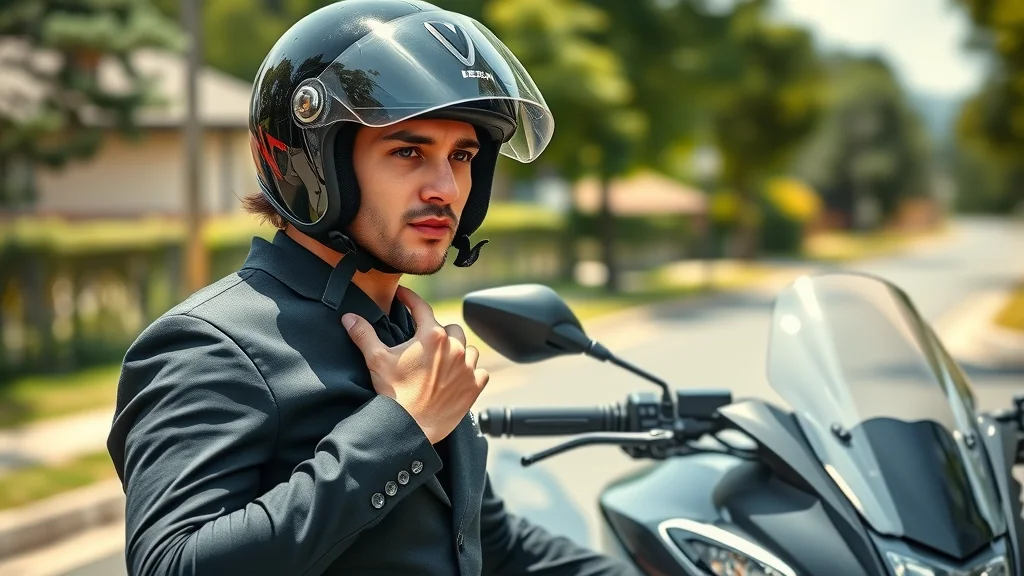
What You'll Learn: Crafting the Best Motorcycle Gear Checklist for New Riders
- Key components of motorcycle gear for beginners
- Essential checklist for every beginner motorcycle rider
- How to select the best motorcycle jacket, helmet, boots, gloves, and riding gear
- Tips on maintaining and caring for your riding gear
- Expert advice on customizing your motorcycle gear checklist to your needs
Understanding Motorcycle Gear for Beginners: A Quick Overview
As a beginner, it’s common to feel overwhelmed by the sheer variety of motorcycle gear on the market. Each item, from helmets to riding boots, is tailored for a unique purpose and offers various levels of protection. A basic understanding of motorcycle gear for beginners sets you on the right track. Essential protective gear isn’t about over-dressing—it’s about combining technology, materials, and design to shield your body from the hazards of motorcycle riding.
Beginner motorcycle gear includes everything from riding jackets and motorcycle gloves to chest protectors and tool kits. Each category targets specific vulnerabilities—like abrasion resistance for the skin, impact protection for bones and joints, and weatherproofing against the elements. Understanding the unique function of each gear piece will allow you to build a motorcycle gear checklist that prioritizes comfort, flexibility, and, above all, safety for every ride.
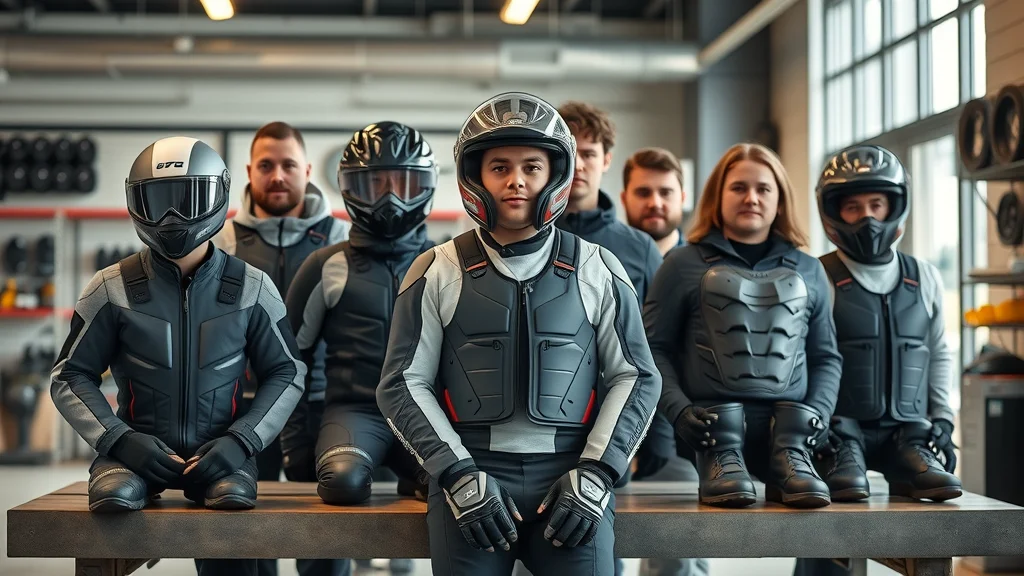
Must-Haves: The Essential Motorcycle Gear Checklist for New Riders
Newcomers often focus only on the helmet, but a true motorcycle gear checklist for new riders encompasses much more. Here's the essential gear every beginner should check off before rolling out:
- Motorcycle helmet
- Motorcycle jacket
- Riding pants
- Motorcycle gloves
- Motorcycle boots
- Chest protector
- Tool kit
This list covers every zone of vulnerability from head to toe. Each item’s role is to mitigate injury, enhance riding enjoyment, and provide resilience against unpredictable weather or road conditions. Developing an instinctive habit to check these every time transforms safety from an afterthought into a daily ritual.
As you build your essential gear collection, it's also wise to consider how seasonal changes can impact both your equipment and your riding experience. For practical advice on keeping your bike and gear in top shape throughout the year, explore these seasonal bike care secrets every rider should know.
Motorcycle Helmets: The Most Crucial Item on Every Motorcycle Gear Checklist for New Riders
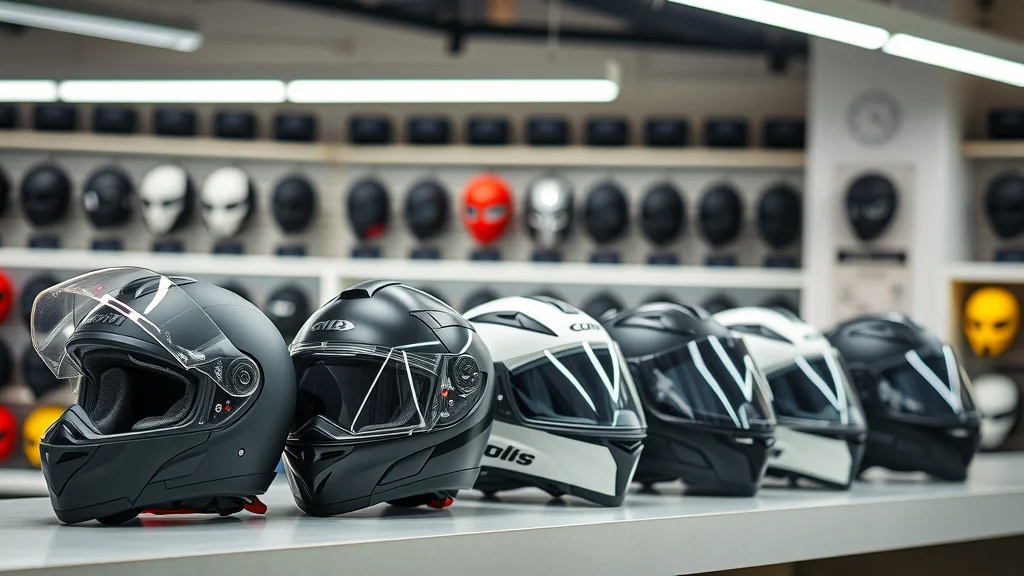
The helmet stands as the most important item on your motorcycle gear checklist for new riders. A proper motorcycle helmet shields your head against impact and can be the single biggest difference between a minor scare and a traumatic brain injury. Today, beginner riders can choose from a range of helmet designs, each with unique pros and cons to match your needs and preferences.
| Helmet Style | Protection Level | Comfort | Suitable For |
|---|---|---|---|
| Full-face Helmets | Maximum (covers head, face, chin) | Excellent (all-weather) | Urban, highway, touring |
| Modular Helmets | High (flip-up convenience) | Good (flexible use) | Commuting, touring |
| Open-face Helmets | Moderate (no chin protection) | Very Good (more ventilation) | Short trips, city rides |
| Half-Helmets | Lowest (limited coverage) | High (very lightweight) | Cruising, casual rides |
- Full-face helmets
- Modular helmets
- Open-face helmets
- Half-helmets
The safest option for a beginner rider is almost always the full-face helmet, thanks to its superior impact protection and coverage. Choosing a helmet with proper certification (DOT, ECE, or Snell) guarantees it meets essential safety standards. Don't forget: replacing a helmet every five years or after any hard impact is crucial for ongoing safety!
Motorcycle Jackets: Selecting the Right Protection for Beginner Motorcycle Gear
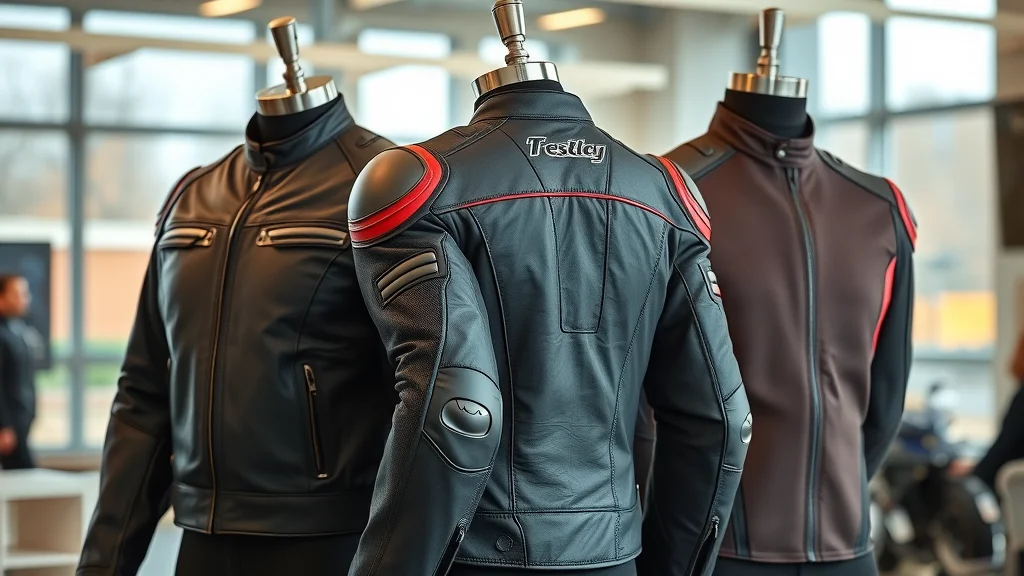
Whether you’re eyeing a sleek leather jacket, a weatherproof textile option, or a breezy mesh jacket for hot weather, your motorcycle jacket serves as your second skin out on the road. The primary job of a quality riding jacket is to protect against road rash, provide armor for high-risk impact zones (shoulders, elbows, back), and regulate body temperature through ventilation.
- Leather vs textile vs mesh motorcycle jackets
- Armor and protection ratings
- Seasonal considerations
Leather jackets offer the best abrasion resistance, making them ideal for highway or sport riding, but they may not be as breathable for hot weather. Textile jacket options excel in versatility and are often equipped with waterproof liners and more ventilation. Mesh motorcycle jackets are king for warm climates, providing airflow while incorporating armor at key points. Always look for CE-rated armor and consider the presence of back protectors or upgrade options for enhanced impact protection.
"A well-chosen motorcycle jacket merges function with style — and could save your skin." – Dr. Alicia Trenton, Trauma Surgeon
Riding Pants: Don’t Skimp on the Lower Half of Your Motorcycle Gear Checklist for New Riders
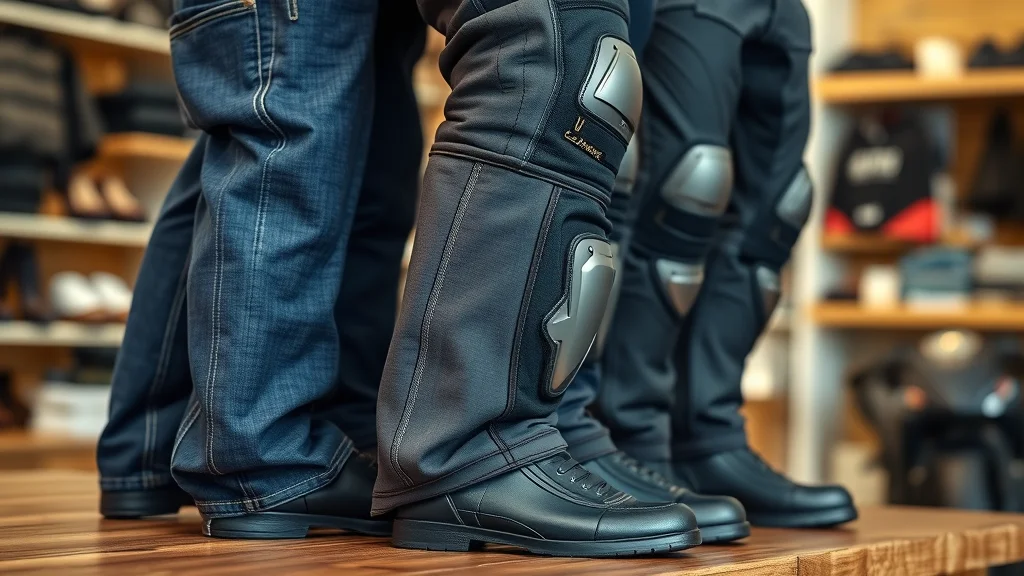
While jeans might seem adequate, motorcycle-specific riding pants are built to resist abrasion and absorb impact—two areas regular pants fail. Reinforced jeans, textile, and armored options each offer protection without sacrificing comfort or range of motion. Key features include reinforced stitching, knee and hip padding, and in some designs, built-in weatherproofing or vent panels for breathability.
Armored pants shield bones and joints in a slide, preventing common injuries in beginner motorcycle falls. Whether you choose a classic denim look with aramid fiber lining or technical textile trousers with flexible armor, always ensure they fit snugly but allow you to easily operate your bike. Remember, the right motorcycle gear for beginners covers every inch, not just up top.
Motorcycle Gloves: Grip, Safety, and Weather Protection for Beginner Riders
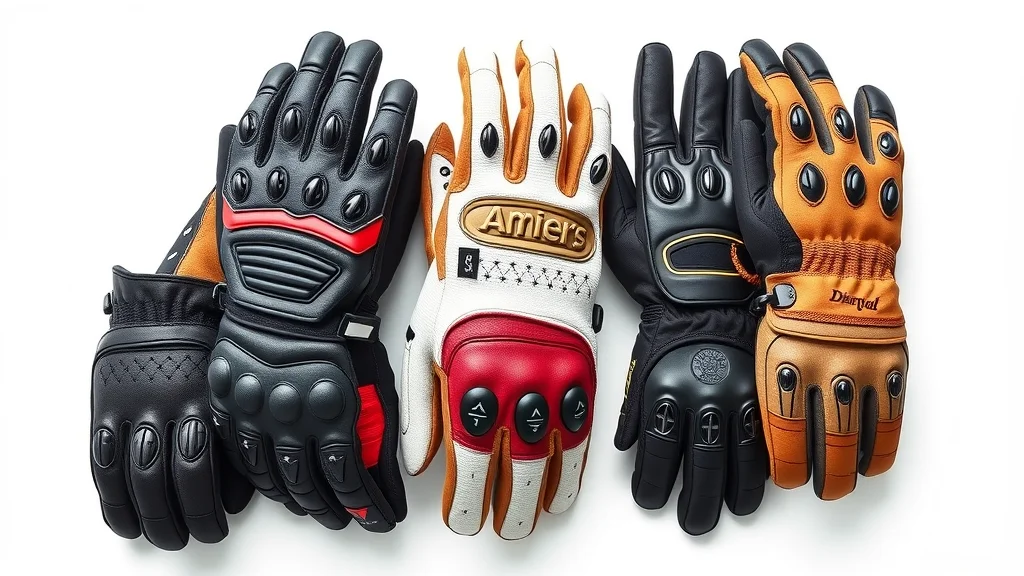
For many new riders, gloves may seem optional, but experienced motorcycle riders know better. Motorcycle gloves help prevent road rash, improve grip, and protect hands from vibrations, flying debris, or cold. A quality pair of gloves can mean the difference between minor bruising and severe injury after a spill.
| Type | Key Features | Best For |
|---|---|---|
| Summer | Ventilation, lightweight, minimal insulation | Hot weather, city commuting |
| Winter | Thermal lining, waterproofing, reinforced knuckles | Cold weather, touring |
| All-Weather | Waterproof membrane, flexible insulation, impact protection | All-season, varied climates |
Seek out gloves with reinforced palms, knuckle armor, and adjustable wrist closures. Well-chosen motorcycle gloves not only keep your hands protected but also ensure steady throttle control, especially in poor weather conditions that can impact your riding experience.
Motorcycle Boots: Why Solid Footwear Is Non-Negotiable in Riding Gear For Beginners
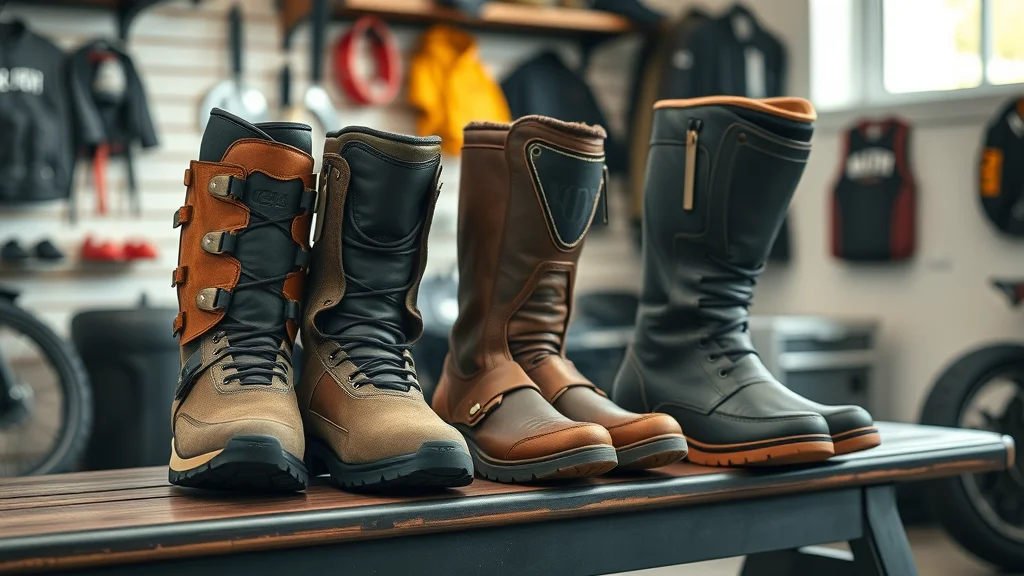
Just as your hands need armor, so do your feet and ankles. Motorcycle boots are built to withstand abrasion, absorb impacts, and prevent torsional injuries. Options include ankle boots for city rides, mid-calf boots for mixed routes, and full-length motorcycle boots for maximum protection and support. Avoid sneakers or non-specific footwear that can easily slip or disintegrate in crashes.
- Ankle boots
- Mid-calf boots
- Full-length motorcycle boots
Features to prioritize include thick soles for grip, reinforced toe and heel boxes, and weatherproofing for comfort in all road conditions. Committing to sturdy, certified motorcycle boots isn’t about style—it’s about keeping you riding, walking, and running long after your journey ends.
"Consistent ankle and shin protection can dramatically decrease long-term injuries for motorcycle riders." – NHTSA Annual Report
Chest Protectors and Armour: Added Security for the Motorcycle Rider
Helmets and jackets get the spotlight, but chest protectors and body armor provide a crucial third line of defense, especially for a beginner motorcycle rider. Modern lightweight designs fit comfortably under or over your jacket and absorb shocks from collisions or falls. They’re particularly vital for sport, adventure, and off-road riding where risks escalate.
Look for integrated or standalone armor with CE ratings, designed to cover the chest, ribs, and often the back protector area too. For new riders, these gear pieces can prevent fractured ribs, soft tissue injuries, and minimize the risk of organ damage. Customizing your motorcycle gear checklist with the right armor ensures robust, unobtrusive protection for every route.
Riding Accessories: Tools, Rain Gear, and High-Visibility Additions
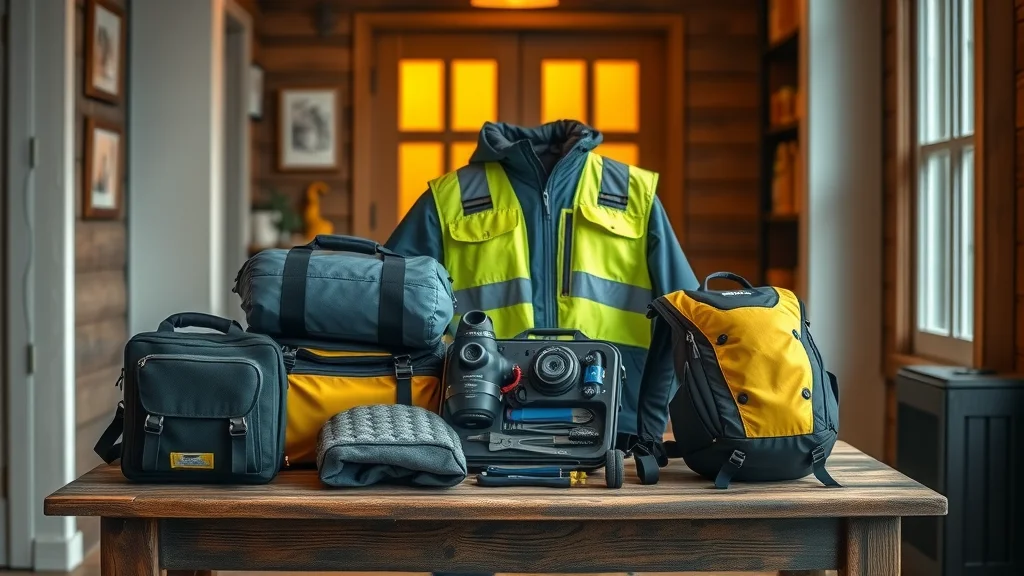
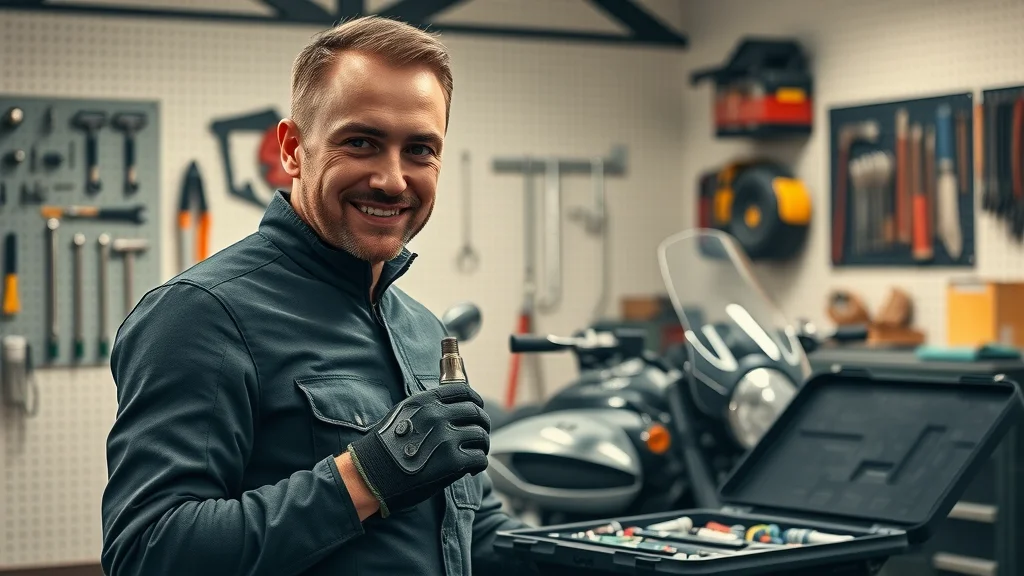
Investing in smart accessories takes your gear for beginners up a notch. A compact tool kit is invaluable for quick roadside fixes, sparing you the stress and expense of being stranded. Essential tools often include screwdrivers, wrenches, tire repair kits, and a pressure gauge.
- Tool kit must-haves
- Rain gear and weather protection
- Reflective and high-visibility riding gear
Weather can change in seconds—pack rain gear to stay dry and maintain focus on riding. Reflective vests, high-visibility jackets, and helmet decals increase your visibility to other drivers, especially in low-light conditions. Don’t overlook hydration packs for longer journeys and storage for first-aid essentials. Each addition to your motorcycle gear checklist amplifies your readiness and resilience.
Creating Your Personalized Motorcycle Gear Checklist for New Riders
A “one-size-fits-all” gear approach rarely works in the real world. Instead, tailor your motorcycle gear checklist based on riding style, climate, and route specifics. Review and update this checklist every season to ensure nothing is overlooked.
| Gear Item | Description | Priority | Status |
|---|---|---|---|
| Full-face Helmet | DOT/ECE/Snell certified, snug fit | Essential | [] |
| Motorcycle Jacket | Leather/Textile/Mesh with armor | Essential | [] |
| Riding Pants | Reinforced or armored | Important | [] |
| Motorcycle Gloves | Weather-suitable, impact protection | Essential | [] |
| Motorcycle Boots | Above ankle, strong sole | Essential | [] |
| Chest Protector | CE-rated, fits under/over jacket | Recommended | [] |
| Tool Kit | Essential roadside tools | Recommended | [] |
| Rain Gear | Jacket & pants or suit, waterproof | Optional | [] |
| High-Vis Accessories | Vests, decals, arm/ankle straps | Optional | [] |
Use this as a base, modifying as needed by your skills, goals, and riding environment. Staying ready is the hallmark of a smart motorcycle rider.
How to Choose Quality Beginner Motorcycle Gear (Helmet, Jacket, Boots, Gloves, and More)
- Establish your riding environment (weather, urban, highway, off-road)
- Match features to your regular routes
- Budget prioritization: where to invest most
- Try before you buy — the importance of fit
Focus initial investments on your helmet and boots, where quality pays the greatest return in safety. For each item, prioritize certified “CE” armor and solid abrasion resistance. Consider advanced features like removable liners and vent systems to increase comfort and utility through all weather conditions, especially important for gear for beginners.
Sizing and fit are non-negotiable—ill-fitting gear can compromise protection. Try on several options or consult with professionals at a reputable shop to ensure gear hugs the body without restricting movement. Remember, comfort directly impacts your concentration and safety on the road.
Inspecting, Maintaining, and Storing Motorcycle Gear for New Riders
Ongoing care extends the life and reliability of your riding gear. Inspect for frayed stitching, helmet liner wear, cracked armor, and lost fasteners. Clean motorcycle jackets and pants with mild soapy water; never use harsh chemicals that break down abrasion resistance.
Store your motorcycle helmet, boots, and gloves away from direct sunlight and moisture to prevent degradation. If gear is damaged in a fall, replace immediately—compromised items can’t offer you full protection on future rides. Regular upkeep ensures your motorcycle gear checklist for new riders stays battle-ready.
Expert Tips for First-Time Motorcycle Riders: Gear Fit, Comfort & Longevity
- Why fit matters more than price
- Signs to replace old or damaged gear
- Protecting against weather extremes
Never sacrifice fit for cost—a well-fitting textile or leather jacket trumps an expensive but loose one. Watch for cracks, thinning, or deformed armor in key gear like back protectors and boots. Invest in gear with removable liners or thermal inserts for hot weather or cold snaps, keeping you comfortable and focused on the road year-round. Rotate and dry your riding boots and gloves after rain to prevent mildew and keep them fresh.
Checking your motorcycle gear checklist often helps you spot issues early, ensuring you stay secure and confident as your riding skills advance.
Video Guide: Walking Through the Motorcycle Gear Checklist for New Riders
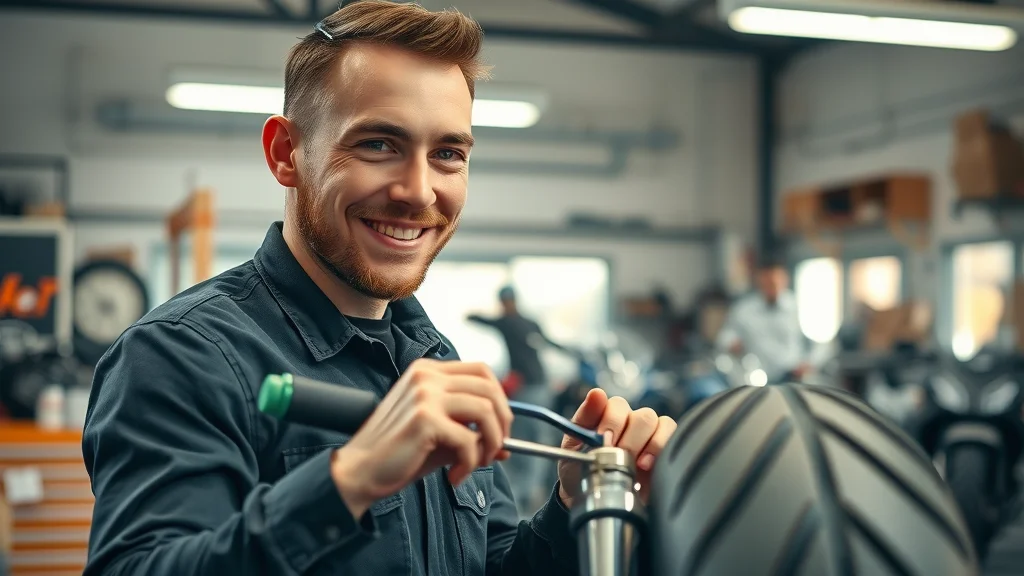
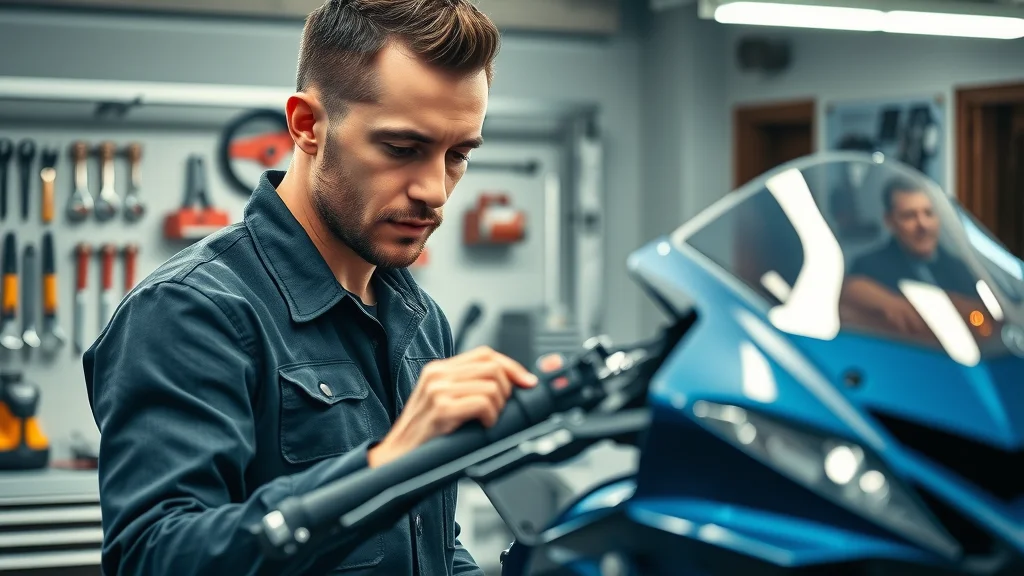
Video demonstration: A motorcycle instructor walking a new rider through each item on the gear checklist in a professional garage setting. The instructor helps the rider try on gear, explaining fit, certification, and the adjustment of helmet, jacket, gloves, and boots. The video features close-ups of hands, fastenings, and the protective features of each item, focusing on instructional clarity and real human interactions.
Key Takeaways: Motorcycle Gear Checklist for New Riders
- Proper motorcycle gear massively improves safety for beginner riders
- Prioritize fit and certification when building your checklist
- Don’t overlook maintenance, inspection, and comfort
FAQs: Motorcycle Gear Checklist for New Riders
-
How often should new riders replace their motorcycle gear?
Most manufacturers recommend replacing your motorcycle helmet every five years, or immediately after any impact. Jackets, gloves, and boots should be replaced if they show significant wear, visible damage, or compromised protective armor. Regular inspections will help you catch aging or damage early. -
Is it safe to buy used motorcycle helmets or jackets?
Used helmets are generally not safe, as past impacts or UV exposure may have weakened structural integrity. Used jackets or gloves may be okay if they show no signs of crash damage or worn armor, but exercise caution—hidden flaws could mean reduced protection. -
What is the most important gear for beginner motorcycle riders?
The full-face helmet is the single most critical item, protecting your head from fatal and serious injuries. However, no rider should neglect the rest of the essential gear—each piece plays a unique, life-saving role. -
Do I need different motorcycle gear for different weather conditions?
Absolutely. Hot weather riding calls for ventilated or mesh jackets and gloves, while cold or rainy conditions require waterproof, insulated options. Choosing year-round gear or layering smartly ensures protection and comfort at all times.
People Also Ask: Motorcycle Gear Checklist for New Riders
[Insert People Also Ask Question 1 Here]
A comprehensive motorcycle gear checklist for new riders ensures you cover every base: helmet, jacket, pants, gloves, boots, chest protector, and a basic tool kit. Regularly update your checklist as you gain experience and adapt to new riding conditions.
[Insert People Also Ask Question 2 Here]
When selecting beginner motorcycle gear, always verify fit, certification (CE, DOT, ECE, or Snell), and the reputation of the brand or vendor. Trying the gear on in-store and consulting with knowledgeable staff can help prevent costly mistakes.
[Insert People Also Ask Question 3 Here]
Weather adaptation is vital: hot conditions require mesh or ventilated jackets, while cool or rainy settings demand layered and waterproof gear. Your motorcycle gear checklist should grow with your experiences, always keeping safety top-of-mind.
Conclusion: Ride Prepared with a Comprehensive Motorcycle Gear Checklist for New Riders
Empower your journey—gear up with knowledge and the right equipment to ride safer, longer, and with total confidence.
As you continue to refine your approach to motorcycle safety, remember that your gear is just one part of a holistic riding strategy. Staying proactive with seasonal maintenance and understanding how environmental factors affect both your bike and your equipment can make every ride smoother and safer. For a deeper dive into expert strategies that go beyond gear—like prepping your motorcycle for changing weather and maximizing performance year-round—be sure to check out these essential seasonal bike care tips. Elevate your riding experience by combining smart gear choices with advanced maintenance know-how, and set yourself up for success on every journey.
Ready to Gear Up?
Call Nasty Performance Motorcycle Shop Today: 847-458-4858

Write A Comment