
Did you know that up to 60% of motorcycle battery failures happen during or right after winter months? This shockingly high statistic proves that the cold season is the ultimate test for your battery—and neglect could leave you stranded when spring arrives. Motorcycle battery care in winter isn’t just a chore; it’s crucial for your safety, your bike’s health, and for those first exhilarating rides of the new season. In this comprehensive guide, you’ll unlock the latest science, step-by-step action plans, and professional tips to make sure your motorcycle battery stays charged, resilient, and ready, no matter how low the temperature drops.
Startling Facts About Motorcycle Battery Care in Winter
It’s easy to underestimate how winter can sap the life out of your motorcycle battery. Freezing temperatures and inactivity combine to put tremendous stress on both lithium and acid battery types, dramatically increasing the risk of failure. Industry data reveals that around 60% of battery failures for motorcycles occur during or immediately following the cold season. This isn’t just bad luck—it’s a direct result of overlooked care and the unavoidable reality that batteries lose charge much more rapidly in low temperatures. Battery charge slows as temperatures dip, making it harder for your bike’s electrical system to keep the battery topped up, especially if you don’t regularly start or ride your bike during winter months.
"Did you know that up to 60% of motorcycle battery failures happen during or right after winter months?"
Most modern motorcycle batteries—including both lead-acid and lithium batteries—are designed for reliability, but no system is immune to the effects of cold. If you want your machine to fire up instantly when you’re ready to hit the road, proactive winter care is essential. Simple steps today can prevent the dreaded “battery died” scenario tomorrow and ensure your battery stays in top condition all year round.

What You'll Learn About Motorcycle Battery Care in Winter
The science behind winter battery drain
Step-by-step motorcycle battery care in winter procedures
How to use a battery tender for winter storage
Best practices for lithium batteries and lead-acid models
Expert advice for maximizing motorcycle battery lifespan
Why Motorcycle Battery Care in Winter Matters
A well-maintained motorcycle battery ensures you won’t be left with a dead engine when the first rays of spring sunshine tempt you to ride your bike. As temperatures fall, batteries face increased internal resistance, making it harder for the charging system to replenish lost power. The combination of cold and inactivity—when your motorcycle sits for weeks or months without running—can lead to parasitic drain and irreversible battery damage. Addressing motorcycle battery care in winter is about more than just maintaining a charge; it’s about safeguarding the battery’s chemistry, extending its overall battery life, and protecting your investment in your ride.
"Taking time for motorcycle battery care in winter not only protects your battery but guarantees a stress-free start come spring." – Nasty Performance Technician
Ignoring proper care often leads to shortened battery lifespan, unwanted replacement costs, and missed rides at the start of the riding season. Winterizing your bike the right way—by disconnecting, cleaning, and charging the battery—means fewer headaches and more time on the road. It’s one of the easiest maintenance routines you can perform, and it pays off every time you start your motorcycle after winter storage. Make winter the season your battery stays in top condition for years to come.
Essential Motorcycle Battery Care in Winter: Step-by-Step Guide
Proactive maintenance is your best defense against winter battery woes. Here’s a detailed process that ensures your motorcycle battery is protected all season and ready to deliver when it’s time to ride. Whether using lead-acid batteries or the newer lithium battery models, these steps will help maintain your battery charge and prolong your battery’s useful life.
Check battery voltage regularly
Use a quality battery tender for maintenance
Clean terminals and connections
Store battery in a dry, temperate location
Inspect for corrosion and leakage
Start by disconnecting the battery and inspecting for corrosion or residue on the terminals—use a dedicated terminal cleaner if buildup is present. Check your battery voltage using a digital multimeter; for a healthy charge, most batteries should read between 12.4V (for lead-acid) and 13.0V (for lithium). If the battery charge drops below recommended levels, use a trickle charger or smart battery tender to gently top it up. Always handle batteries with care, using gloves and protective eyewear, and double check your charger’s compatibility—never use a car charger on motorcycle lithium batteries! Aim to store the battery in a temperate, dry environment (50–70°F) away from direct cold. These practices go a long way to ensure your battery remains healthy throughout the winter months and is ready to support all your electronics and starter demands in the new riding season.
For those interested in even more hands-on advice, our step-by-step motorcycle maintenance resources offer additional guidance on keeping your bike in peak condition throughout the year.
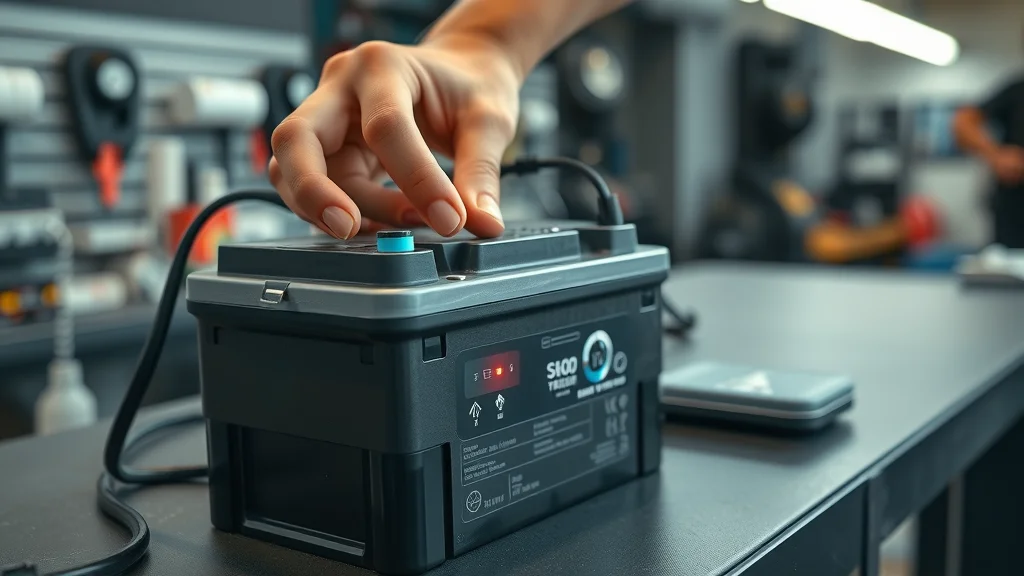
Using a Battery Tender: Best Practices
A battery tender is a must-have for winter battery care—it’s a smart charger that keeps batteries topped up without overcharging. Begin by selecting a charger compatible with your battery type: traditional acid batteries and newer lithium batteries often require different charging profiles. Connect the tender’s clamps to the battery terminals, ensuring the positive (red) and negative (black) are matched correctly. Place the charger on a stable surface and switch it on; modern smart chargers will monitor voltage, automatically shifting to maintenance or “float” mode once the battery is full, thus preventing overcharge and avoiding battery damage.
Leave the battery tender connected throughout the winter months, especially if your motorcycle sits unused. A quality battery charger will adjust to minor discharges from clocks or alarms (parasitic drain) and maintain steady battery charge. For lithium batteries, always double-check that your charger model is listed as compatible—using the wrong charger can permanently damage your battery. This approach safeguards your investment and greatly increases the chances of your battery surviving winter storage without issue.
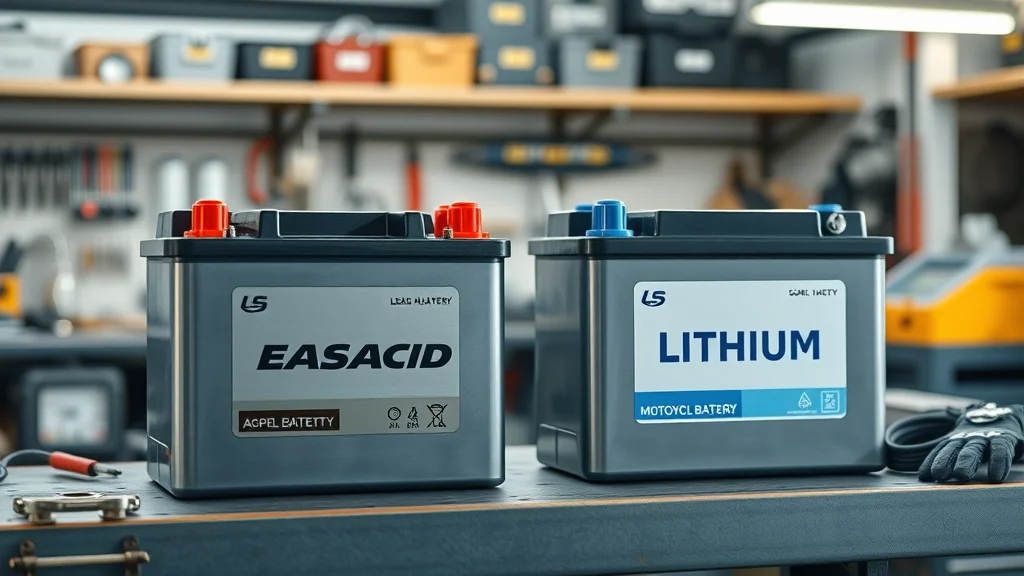
Comparing Battery Types: Lead-Acid vs. Lithium Batteries Performance in Winter
Choosing the right battery is an important decision for winter resilience. Lead-acid, AGM, and lithium batteries all have distinct pros and cons when it comes to cold-weather performance and winter storage. Lead-acid batteries are the standard for most riders due to their reliable power delivery and cost-effectiveness, but they generally require regular trickle charge maintenance and are susceptible to sulfation if stored discharged or in cold, damp environments. Lithium batteries, by contrast, boast longer lifespan and lighter weight, but their internal chemistry can struggle at low temperatures, making them harder to charge and susceptible to rapid voltage drop if improperly maintained.
Feature |
Lead-Acid Battery |
Lithium Battery |
|---|---|---|
Cold Weather Performance |
Moderate |
Challenging |
Recommended Winter Maintenance |
Regular Trickle Charge |
Specialized Chargers |
Longevity |
2-5 Years |
Up to 10 Years |
Weight |
Heavier |
Lightweight |
When deciding between battery types, consider your storage options and charger availability. If you use a battery tender throughout the off-season, either type can reliably last through the winter as long as manufacturer guidelines are followed. Consult your owner’s manual and consider investing in a high-quality smart charger designed specifically for your battery type.
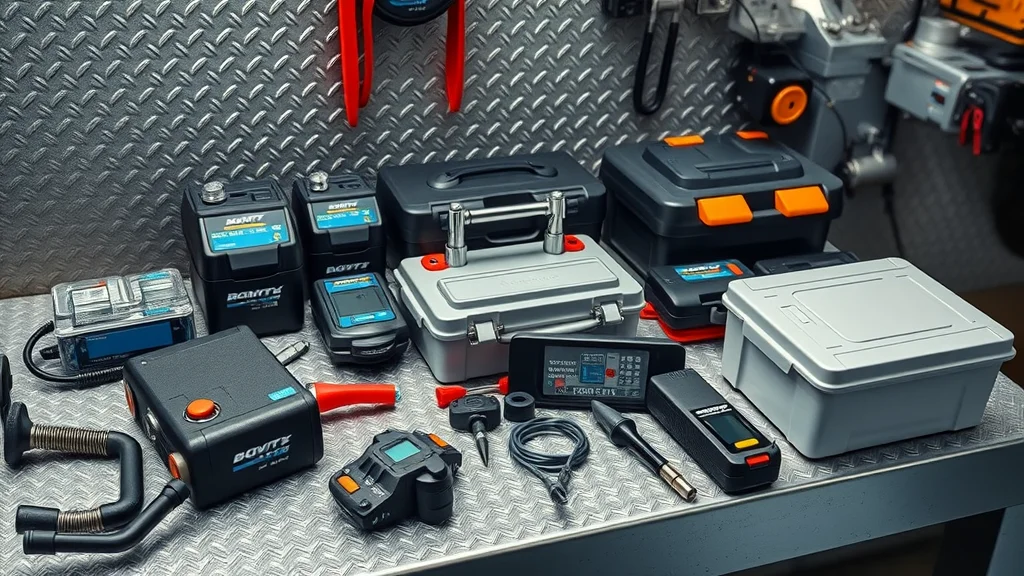
Top Tools and Accessories for Effective Motorcycle Battery Care in Winter
Equipping your home garage with the right battery maintenance tools not only saves money but can extend your motorcycle’s battery life through many riding seasons. The essential tools include more than just a basic battery charger; in today’s technology-rich environment, dedicated smart battery chargers, charge monitors, and insulated storage options are key to foolproof winter storage. When batteries are maintained using purpose-built accessories, you’ll reduce risk of corrosion, overcharging, and deep discharges that shorten the lifespan of both lead-acid and lithium batteries.
Battery tender and smart chargers
Battery charge monitors
Terminal cleaners
Insulated battery storage containers
Even the best batteries need help to weather a harsh winter. Battery charge monitors keep track of voltage at a glance, while terminal cleaners prevent parasitic drain by ensuring clean, ultra-low-resistance connections. Insulated storage boxes guard against condensation, extreme cold, and accidental impacts, keeping your free batteries for life—because a protected battery is a battery with full power in spring. Don’t forget to keep tools well-labeled and stored for next season!
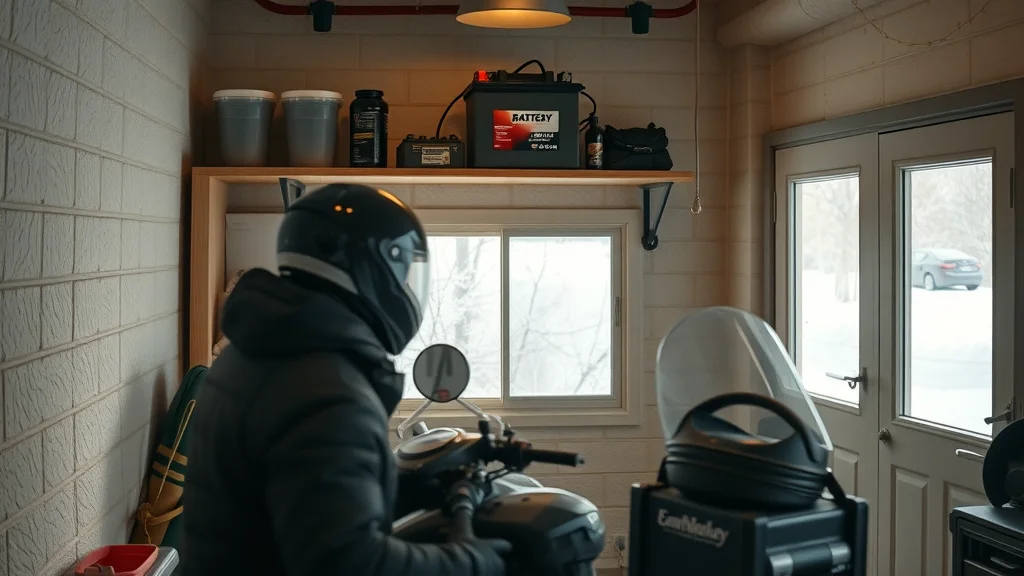
Storing Your Motorcycle Battery in Winter: Best Locations and Conditions
Where—and how—you store your motorcycle battery during the winter months can make the difference between years of reliable starts and a premature “battery died” episode. The ideal storage spot is dry, above freezing, and protected from direct cold drafts or humidity. Good air flow is important, but so is keeping the area dust-free to prevent terminal corrosion. If possible, avoid placing batteries directly on concrete, which can sap heat and speed up charge loss.
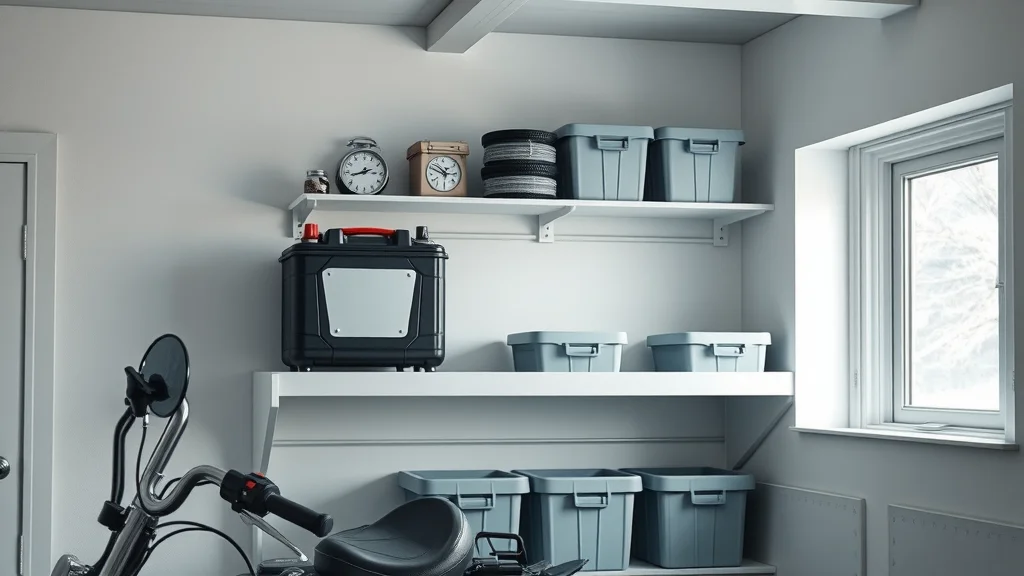
For many motorcycle owners, a climate-controlled garage, insulated shelf, or utility room serves well for both lead-acid and lithium battery types. Store the battery off the ground and away from excessive temperature fluctuations. Use a stable container or dedicated battery box and attach a maintenance charger as needed. Always label batteries clearly and keep them out of reach of children and pets. With these steps, you ensure your battery remains in top condition all winter, rewarding you with free batteries for life (well, almost!) and effortless rides once winter recedes.
People Also Ask: Motorcycle Battery Care in Winter
How to maintain a motorcycle battery during winter?
Maintain your motorcycle battery in winter by disconnecting it from the bike, cleaning the terminals, and storing it in a temperate, dry area. Check your battery’s voltage every 2-4 weeks and recharge the battery if voltage drops below manufacturer specs. Use a smart battery tender to automatically top off the charge and prevent overcharging. Lithium batteries require chargers specifically designed for their chemistry. With these measures, your bike’s battery charge stays stable throughout the winter months.
How often should I charge my motorcycle battery over winter?
For most motorcycle batteries, you should check and recharge them every 2-4 weeks during winter storage. If you’re using a trickle charger or battery tender, the device will keep the battery topped off automatically. Manual charging is best performed before the voltage dips below 12.5V for lead-acid or 13.0V for lithium batteries. Regular checks not only prevent sulfation in acid batteries but also help ensure your battery remains ready when it’s time to hit the road after months of inactivity.
Should I take my battery out of my motorcycle in the winter?
Removing your battery during winter is a recommended practice, especially if your storage area is unheated or uninsulated. Disconnecting and storing the battery indoors protects it from extreme temperature swings and moisture, reducing the risk of self-discharge and corrosion. This is true for both traditional acid batteries and modern lithium batteries. If you have a secure, temperature-controlled garage, using a smart battery tender in-situ is acceptable, but removing the battery generally ensures longer life and performance come spring.
Where to store a motorcycle battery in winter?
The best place to store your motorcycle battery in winter is a dry, insulated area away from freezing temps—such as a climate-controlled garage, utility room, or even a home workshop. Avoid storing batteries on bare concrete or in locations prone to condensation, as both can accelerate charge loss and terminal corrosion. Use a shelf or insulated storage box to keep the battery off cold surfaces and consider attaching a smart battery charger if you plan for long winter storage.
Watch our hands-on video demonstration showing exactly how to connect, monitor, and maintain your motorcycle battery with a smart charger during winter. Learn to identify correct terminals, recognize charging lights, and discover safe long-term storage tips from the pros—all in under five minutes.
Learn from experts as they explain the specific needs of lithium motorcycle batteries during the off-season. Understand which charger profiles to use, how to avoid damaging low-voltage situations, and why temperature consistency matters most for keeping your lithium battery in peak health for next riding season.
Expert Advice: Common Mistakes in Motorcycle Battery Care in Winter
Ignoring regular voltage checks
Using incompatible chargers (especially with lithium batteries)
Leaving batteries connected to inactive motorcycles
Neglecting to clean terminals before storage
These frequent missteps can reduce your battery’s lifespan, requiring early replacements and disrupting your first rides of spring. Avoid them by creating a winter care checklist and following manufacturer guidelines specific to your battery type. This small investment of time pays big dividends in reliable starts and extended battery life.
Motorcycle Battery Care in Winter: FAQ
Is battery charge affected more by cold or by inactivity in winter?
Both cold and inactivity contribute significantly to battery drain. Cold weather increases internal resistance, slowing the charging system, while long periods of inactivity enable parasitic drain from electrical accessories. Proper winter storage, regular maintenance, and using a battery tender help mitigate both problems.What is the ideal charge level for storing motorcycle batteries over winter?
For lead-acid batteries, aim for at least 12.6V before storage, and for lithium batteries, store at or slightly above 13.0V. Recharge if the voltage drops below these values during winter. Smart chargers can automate this process to keep your battery at optimal charge.Can I use a regular car battery tender on my motorcycle battery?
It’s important to use a battery tender designed for motorcycles, especially with lithium batteries. Car chargers may provide too high a current, risking permanent battery damage. Always confirm the charger’s compatibility with your motorcycle’s battery type before connecting.
Key Takeaways for Motorcycle Battery Care in Winter
Routine care is essential for battery longevity during cold months.
Use a quality battery tender to maintain optimal charge.
Store batteries in moderate climates for best results.
Follow specific guidelines for lithium and traditional lead-acid models.
Protect Your Ride: Next Steps for Motorcycle Battery Care in Winter
Don’t risk a dead battery next spring—take action now! Keep your motorcycle battery charged, stored right, and regularly monitored for a hassle-free season ahead.
Call Nasty Performance Motorcycle Shop Today: 847-458-4858
If you’re ready to take your motorcycle maintenance to the next level, there’s a wealth of broader strategies and expert insights waiting for you. Explore our comprehensive motorcycle care guides to discover advanced tips for year-round performance, storage solutions, and upgrades that go beyond battery care. Whether you’re a seasoned rider or just starting out, these resources can help you maximize your bike’s reliability and longevity. Dive deeper and empower your next riding season with knowledge that keeps you ahead of the curve.




Write A Comment