
Did you know? Recent studies reveal that motorcycle fatalities increased by 11% following the repeal of certain helmet laws in several states. This striking statistic not only challenges long-held beliefs about freedom and personal choice on the road, but it also raises urgent questions for motorcycle riders, lawmakers, and communities nationwide. As the debate over motorcycle helmet laws and other regulations intensifies, riders and policy makers must weigh personal liberty against the realities of traffic safety. In this in-depth analysis, we’ll unpack the evolving landscape of motorcycle laws impacting riders nationwide, highlighting key trends, state differences, and what these changes mean for everyone who shares the road.
Startling Facts: Motorcycle Laws Impacting Riders Nationwide
Across the United States, changes to motorcycle laws are creating ripples in communities and on the highways. The debate, particularly over helmet law and other safety measures, is far from settled. In fact, the National Highway Traffic Safety Administration (NHTSA) has consistently linked the repeal of universal helmet laws with an immediate uptick in motorcycle fatalities and injuries. While some motorcycle riders cherish the sense of freedom provided by relaxed helmet regulations, others worry about the statistics: after key helmet law reforms, some states have seen fatality rates climb by over 10%. As these numbers rocket, conversations around motorcycle safety and public policy are drawing new and diverse voices into the debate on how best to protect riders.
Recent studies reveal that motorcycle fatalities increased by 11% following the repeal of certain helmet laws in several states.
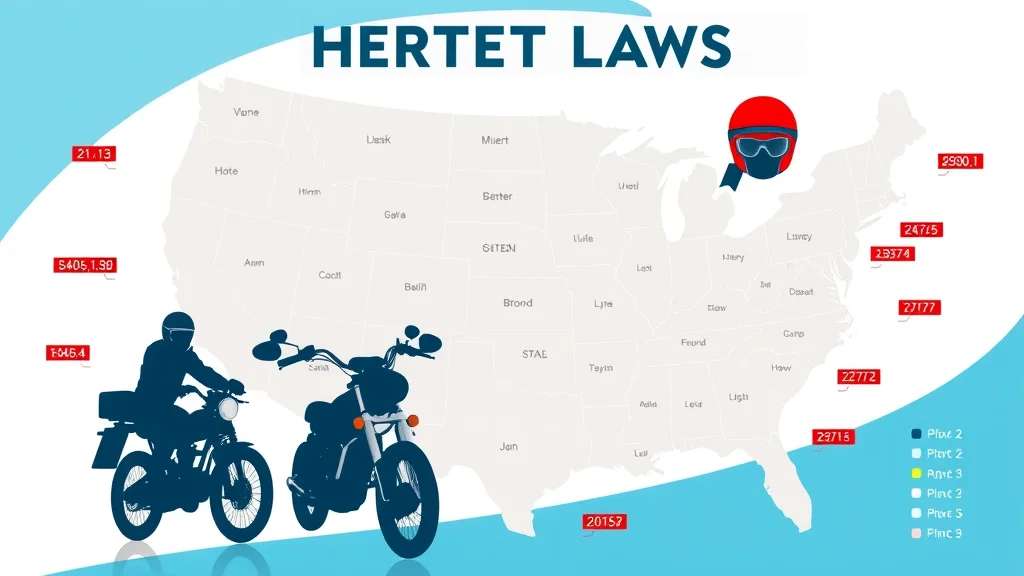
Understanding the Scope of Motorcycle Laws Impacting Riders Nationwide
Understanding the full breadth of motorcycle laws impacting riders nationwide requires a closer look at the evolution of regulations. Over the past two decades, fast-moving legislative changes have affected universal helmet laws, lane splitting permissions, insurance mandatories, and age restrictions for motorcycle riders. While some reforms aim to boost traffic safety and reduce motorcycle crash fatalities, others prioritize rider autonomy. Navigating these laws is complicated by a patchwork of state rules, which often vary dramatically—sometimes even within a single region. These ongoing changes greatly impact how motorcycle riders prepare for and experience the open road.
What makes the current period so dynamic is not just the shifting laws but the ongoing discussions they trigger among safety advocates, rider groups, and policymakers. The focus has shifted from a one-size-fits-all approach to a more nuanced understanding of what motorcycle safety means in different contexts. Whether it's considering the drawbacks of relaxing helmet laws, the new norms around lane splitting, or the impact on vehicle insurance, the implications reach far beyond the motorcycle community, touching on core aspects of public health and civic responsibility.
As riders adapt to these evolving regulations, it's also important to consider how seasonal factors and routine maintenance can influence both safety and compliance. For practical tips on keeping your bike in top condition throughout the year, explore these seasonal bike care secrets every rider should know to ensure your motorcycle is ready for any legal or environmental challenge.
What You’ll Learn About Motorcycle Laws Impacting Riders Nationwide
- The types of motorcycle laws being revised
- How motorcycle helmet law changes are affecting rider safety
- Legal variations from state to state
- The opinions and experiences of diverse motorcycle riders
- Future trends in traffic safety regulations
The Evolution of Motorcycle Laws Impacting Riders Nationwide

A Brief History: Helmet Laws, Universal Motorcycle Helmet Laws, and Their Effect on Motorcycle Riders
Helmet law began gaining traction in the United States during the late 1960s, anchored by mounting evidence that mandatory helmet use could curb motorcycle fatalities and minimize serious injuries. The federal government’s introduction of the Highway Safety Act nudged states towards creating universal helmet laws by linking compliance to highway funding. By the mid-1970s, nearly every state had some form of universal motorcycle helmet law, greatly improving overall motorcycle safety and lowering fatality rates. However, by the late 1970s and through the following decades, individual states began repealing or relaxing these laws, often in response to advocacy by motorcycle rider groups championing personal choice, or due to political shifts emphasizing deregulation.
This history is crucial to understanding patterns we see today regarding motorcycle fatal and injury statistics. Studies by the National Highway Traffic Safety Administration and Highway Traffic Safety Administration repeatedly demonstrate that states with universal helmet laws report significantly lower fatality rates compared to those with partial or no helmet law. Despite this, the push and pull between public health and personal liberty remains firmly entrenched in ongoing legislative changes, as motorcycle riders nationwide continue to voice diverse opinions about mandatory helmet use and other safety requirements.
The Shifting Landscape: Recent Changes in Helmet Laws and Motorcycle Safety Policies
In the past decade, a number of states have shifted away from universal helmet laws, either adopting age-based requirements or, in some cases, removing helmet mandates entirely for adult riders. Examples—including the well-publicized changes in Michigan and Missouri—highlight the growing momentum for rider autonomy. However, studies immediately following these reforms commonly observe a swift increase in fatality rates and motorcycle crash statistics. Recent legislative trends also include heightened debate over lane splitting, stricter insurance requirements, and differentiated standards for riders based on age and experience.
The shifting landscape of motorcycle helmet law is not isolated; it influences related policies and shapes public discourse on traffic safety. Importantly, while advances in motorcycle equipment and technologies are helping improve outcomes, the core question remains: do current laws best serve motorcycle safety, or do they prioritize rider choice at too great a societal cost? This ongoing debate ensures that helmet laws and motorcycle legislation remain hotly contested concerns, with advocates and critics alike closely monitoring the impact on injury rates, healthcare spending, and traffic crashes nationwide.
Major Types of Motorcycle Laws Impacting Riders Nationwide
- Helmet Law and Motorcycle Helmet Regulations
- Lane Splitting Legislation
- Motorcycle Rider Age Restrictions
- Insurance Requirements
- Lighting and Equipment Standards

Comparing State Approaches to Motorcycle Laws Impacting Riders Nationwide
| State | Universal Helmet Law | Lane Splitting Legal | Minimum Age | Notable Statute |
|---|---|---|---|---|
| California | No | Yes | 21 | CVC 27803 |
| Florida | Partial | No | 16 | FL Stat 316.211 |
| New York | Yes | No | 16 | VTL 381 |
| Texas | Partial | No | 15 | TEX Transp Code 661 |
Case Study: Motorcycle Helmet Law Reform in the United States
The impact of motorcycle helmet law reform on public safety is clearly illustrated in states like Michigan, where the 2012 relaxation of universal helmet laws led to increased motorcycle fatalities and a surge in preventable traumatic brain injuries. According to the National Highway Traffic Safety Administration, motorcycle crash deaths that involved riders not wearing helmets increased markedly following these legislative changes. In contrast, New York’s universal helmet law, in place since 1967, continues to correlate with a lower fatality rate and fewer serious injuries after motorcycle crashes. This striking contrast underscores how state-by-state approaches produce dramatically different outcomes for motorcycle riders, emergency services, and the wider healthcare system.
Experts and traffic safety advocates continue to analyze these cases for broader legislative lessons. The debate between public health and personal autonomy as it relates to universal helmet laws serves as a litmus test for future traffic safety policy. As other states contemplate their own reforms, the ongoing experience in Michigan, New York, and beyond will likely guide lawmakers’ decisions, while motorcycle riders monitor changes that affect both their liberty and their long-term well-being.
Expert Perspectives on Motorcycle Laws Impacting Riders Nationwide
"Helmet laws remain the most debated topic among motorcycle riders and politicians alike—balancing personal freedom and public health isn’t easy." – Traffic safety advocate
Motorcycle Rider Advocacy Groups Respond to Changing Motorcycle Helmet Laws
Advocacy groups like the American Motorcyclist Association and local Rider Rights organizations are at the forefront of discussions regarding motorcycle helmet law and motorcycle helmet laws in general. These groups often argue that while helmet use is crucial for motorcycle safety, mandating helmet laws infringes on personal freedom. They support public education initiatives encouraging riders to wear helmets voluntarily while resisting legislation they feel limits choice. On the other side, national traffic safety administration agencies and safety advocates point to consistent empirical evidence demonstrating that helmet mandates save lives and substantially lower fatality rates in motorcycle crashes.
This debate isn’t just academic. Policy decisions affect real people every day, shaping the legal responsibilities of both motorcycle riders and other drivers. Rider input, advocacy campaigns, and testimony before state legislatures are instrumental in influencing whether universal helmet laws are maintained or repealed—ensuring the voices of those most affected remain central to the conversation on motorcycle law.
Motorcycle Laws Impacting Riders Nationwide: Helmet Laws and Traffic Safety Data

Helmet Law Changes and Their Effect on Motorcycle Fatalities
Examining the data, helmet law reforms are closely tied to the number and severity of motorcycle fatalities. States that weakened universal helmet laws—allowing motorcycle riders over a certain age to ride without a helmet—invariably saw increases in deaths and traumatic injuries. According to the national highway traffic safety administration, over 40% of motorcycle rider fatalities in non-universal helmet law states involved unhelmeted riders, compared to less than 15% in states enforcing universal helmet laws. These sobering statistics reinforce the argument that mandatory helmet use is one of the most effective traffic safety measures for reducing preventable loss of life and economic burden arising from motorcycle crashes.
Choosing whether to wear a helmet can mean the difference between life and death in a motorcycle crash. The link between helmet laws and fatality rate is not just a matter for scholarly debate—it resonates in every emergency room, every insurance office, and every rider’s family. The battle over universal motorcycle helmet law thus remains a central, and deeply emotional, facet of the motorcycle legislative landscape.
Trends in Motorcycle Crashes and Motorcycle Fatalities Since Recent Reforms
Data gathered since major reforms in states like Texas, Missouri, and Michigan show a clear trend: easing helmet laws leads to a steady increase in motorcycle crashes with fatal outcomes. National Highway Traffic Safety Administration research notes that states with universal helmet law consistently record fewer motorcycle fatalities and lower hospital costs compared to those with partial or no requirements. Conversely, those repealing or relaxing helmet laws find themselves wrestling with tragic and expensive consequences, both in terms of lives lost and resources spent on critical care.
Other factors, such as distracted driving, increases in vehicle traffic, and variable road conditions, complicate efforts to reduce motorcycle crash fatalities through legislation alone. But as the focus sharpens on measurable outcomes, helmet laws and universal motorcycle safety standards continue to be among the most significant tools at a policymaker’s disposal to drive down fatality rates and reduce the burden on local healthcare systems.
How Motorcycle Laws Impacting Riders Nationwide Affect Insurance and Liability

Insurance Premiums for Motorcycle Riders: The Motorcycle Law Factor
Motorcycle laws impacting riders nationwide are not only a matter of safety; they play a direct role in how insurance companies assess risk and set premiums. In states where helmet use is optional or lane splitting is newly legalized, insurance providers may factor higher risk into policy costs. A patchwork of state laws means that policies differ widely. For instance, an insurer in a state with universal helmet law is likely to offer lower premiums, recognizing a statistically lower risk of motorcycle fatalities and severe injuries in traffic crashes. Conversely, insurance rates are often elevated in jurisdictions with relaxed helmet law, reflecting increased claims related to severe accidents and long-term care costs.
Understanding these nuances is vital for every motorcycle rider, particularly those who travel across state lines. The motorcycle rider who values both affordability and comprehensive coverage must keep an eye on local legislative trends, as well as broader national shifts in motorcycle law. With more data linking insurance costs directly to helmet legislation, it’s clear that the ongoing debate surrounding motorcycle helmet laws will continue to shape the economic realities of riding for years to come.
Legal Responsibility in Motorcycle Crash Incidents
Legal responsibility in motorcycle crash cases often hinges on whether the motorcycle rider adhered to local helmet laws, equipment standards, and other traffic regulations. In many states, failing to comply with helmet law may limit a rider’s ability to recover damages after a crash. This is especially pertinent in lawsuits involving comparative negligence, where courts may reduce compensation if the injured party violated the law. As a result, both plaintiff and defense attorneys scrutinize the specifics of local motorcycle laws impacting riders nationwide to argue liability and financial responsibility.
Ultimately, the complex legal landscape makes it critical for motorcycle riders to understand the unique requirements in their state—and any state they ride through. Consulting with attorneys who are experts on helmet law and advocating through proper channels helps ensure that all riders are equipped to defend their rights and make informed decisions about their safety and legal standing.
Culture, Personal Choice, and Motorcycle Laws Impacting Riders Nationwide

Freedom versus Safety: The Universal Helmet Law Debate Among Motorcycle Riders
The debate over universal helmet law is at the heart of the culture of riding. For many, riding a motorcycle is synonymous with freedom, independence, and personal expression. The question of whether or not to wear helmets—especially for experienced motorcycle rider enthusiasts—is about more than just safety, it’s a deeply personal statement about individual rights. Yet, as the statistics around motorcycle fatalities and motorcycle crashes make clear, the consequences of these choices can have a ripple effect through families, communities, and healthcare systems. Advocacy groups and lawmakers walk a fine line, seeking common ground between empowering personal choice and mandating safety for the collective good.
National surveys reveal that attitudes toward helmet laws are sharply divided. Riders in states with universal helmet laws tend to support them, citing improved traffic safety and shared responsibility. Meanwhile, many in states with relaxed helmet requirements view them as an overreach of government authority. This tension fuels ongoing, passionate discussions about what it means to be a responsible motorcycle rider, and who should have the final say in that definition.
Regional Attitudes Toward Motorcycle Helmet Laws
Regional variation in the acceptance and enforcement of motorcycle helmet law reflects broader cultural and political differences across the United States. In the West and Northeast, for example, states have maintained or enacted more rigorous helmet laws, with broad public support for traffic safety as a top concern. Conversely, many states in the Midwest and South have moved to relax helmet requirements, responding to motorcycle rider advocacy groups who prize personal liberty. These regional differences are mirrored in enforcement patterns, insurance costs, and even public discourse following serious motorcycle crash events.
For riders traveling nationally, staying abreast of this shifting patchwork is crucial. Failure to comply with local helmet law while riding out-of-state can result not only in fines but also in legal complications following traffic crashes. Understanding the interplay between local regulations, insurance practices, and cultural attitudes is essential for anyone hoping to navigate the diverse legal and social landscape of motorcycle laws impacting riders nationwide.
Profiles: Real Motorcycle Riders Affected by Helmet Laws and Safety Legislation
- An experienced motorcycle rider in a state with strict helmet laws
- A young motorcyclist from a lane-splitting-friendly state
- A safety advocate pushing for universal helmet laws

Recent Developments: Lane Splitting and Traffic Safety in Motorcycle Laws Impacting Riders Nationwide
- States legalizing lane splitting
- Data on traffic crashes and traffic safety post-implementation
- Motorcycle rider tips for safety in lane splitting jurisdictions
Explaining Lane Splitting Safety and Regional Laws
The legalization of lane splitting—riding between lanes of slow-moving traffic—has become one of the newest frontiers in motorcycle law. California was the first to officially sanction this practice, citing studies that showed a neutral or even positive impact on overall traffic safety, provided riders follow precise guidelines. Other states, including Utah and Arizona, have joined in experimenting with versions of lane splitting, accompanied by strict regulations on speed and road type. While still controversial, lane splitting is now recognized as a potential way to reduce traffic congestion and prevent rear-end motorcycle crashes in stop-and-go traffic settings.
As with helmet law, the long-term impact of lane splitting will depend on careful data collection, robust education for motorcycle riders, and clear communication between policymakers and advocacy groups. Early data does indicate that when well-regulated, lane splitting does not significantly increase motorcycle fatalities—and may even protect motorcycle riders from certain types of traffic crashes.
Frequently Cited Arguments For and Against Motorcycle Laws Impacting Riders Nationwide
- Personal liberty vs. mandated safety
- Impact on motorcycle fatalities and injury rates
- Economic impact on healthcare and insurance
"Motorcycle laws should prioritize evidence-based traffic safety, not just political compromise." – Motorcycle safety academic
The primary arguments for stronger motorcycle laws focus on the demonstrated reduction in traffic fatalities and injury rates. Proponents cite public health costs—arguing that society at large absorbs the expenses when unhelmeted motorcycle riders are severely injured in traffic crashes. On the flip side, opponents maintain that personal liberty and the right to choose (including whether to wear helmet) are fundamental aspects of the motorcycling lifestyle. They argue for education over regulation and question whether restrictive laws truly foster greater safety, or simply create resentment among experienced motorcycle riders. This dynamic ensures that legislative reform will always remain contentious and highly visible.
Economic analyses also play a role, especially as insurers and state healthcare systems look to reduce costs associated with motorcycle crash trauma. Each side of the debate uses these figures to press their respective cases—heightening the stakes of every discussion on helmet law and broader motorcycle legislation. Ultimately, the ongoing dialogue between traffic safety advocates, policymakers, and the motorcycle community will determine the next chapter in this national story.
People Also Ask: Motorcycle Laws Impacting Riders Nationwide

What state has the strictest motorcycle laws?
Answer
New York is widely regarded as having the strictest motorcycle laws in the United States. The state enforces a universal helmet law, requiring every motorcycle rider and passenger—regardless of age—to wear helmets that meet DOT standards. Additional regulations mandate protective eyewear and a variety of safety equipment for all motorcycle riders, coupled with strict licensing requirements and frequent traffic safety checks. New York’s approach has contributed to lower motorcycle fatality rates compared to many states with more relaxed laws.
What does 2 fingers down mean to bikers?
Answer
The “2 fingers down” gesture, commonly flashed by motorcycle riders on the road, is a sign of respect, unity, and a wish for safety among fellow bikers. It’s a way of saying “keep both wheels on the ground,” wishing each other safe travels. The wave is an important part of motorcycle rider culture and transcends differences in motorcycle laws or geographic region, symbolizing the collective spirit of riders nationwide.
What is rule 5 motorcycle?
Answer
“Rule 5” in motorcycle riding circles is an informal saying, derived from cycling culture, meaning “just ride” or “don’t make excuses.” For motorcycle riders, it’s a reminder to embrace the freedom and responsibility that comes with being on two wheels, regardless of challenges or current legislation. While not a formal law, it embodies the personal ethos adopted by many motorcycle riders navigating the evolving landscape of motorcycle laws impacting riders nationwide.
In what states is lane splitting legal in 2025?
Answer
As of 2025, California remains the most prominent state where lane splitting is fully legal and clearly regulated. Utah and Arizona have followed suit with their own versions of lane filtering or modified lane splitting under specific conditions. Riders should stay updated on the latest traffic safety administration notices, as more states consider similar legislation and pilot programs to assess the safety impact on motorcycle crashes and fatalities.
Top 5 Questions on Motorcycle Laws Explained
FAQ: Motorcycle Laws Impacting Riders Nationwide
-
How do changing motorcycle helmet laws impact motorcycle safety?
As helmet laws are relaxed, data consistently shows an increase in motorcycle fatalities and head injuries. Universal helmet laws provide the greatest protection by setting consistent expectations for all motorcycle riders, greatly enhancing traffic safety outcomes. -
Are motorcycle helmet laws consistent nationwide?
No, helmet law varies significantly by state. Some enforce universal helmet law, while others have partial or age-based requirements, leading to confusion for riders traveling across state lines and inconsistent safety outcomes. -
What role do motorcycle rider advocacy groups play in legislation?
Motorcycle rider advocacy groups are instrumental in both supporting and opposing legislative changes. They lobby, educate, and organize to ensure the voices of motorcycle riders are considered in any debate over helmet law, lane splitting, or other regulations affecting motorcycle safety.
Key Takeaways on Motorcycle Laws Impacting Riders Nationwide
- Motorcycle helmet law reforms have measurable effects on motorcycle fatalities and injuries
- State-by-state differences create confusion for motorcycle riders traveling nationwide
- The ongoing balance between individual rights and traffic safety continues to shape future motorcycle laws impacting riders nationwide
Final Thoughts: The Ongoing Impact of Motorcycle Laws Impacting Riders Nationwide
Looking Ahead: What’s Next for Motorcycle Riders and Motorcycle Legislation
"Every new law can feel like a crossroads—for lawmakers and the motorcycle community alike."
The debate about how motorcycle laws impact riders nationwide is far from over. In the coming years, innovations in safety technology, advocacy efforts, and legislative shifts will continue to shape the terrain. For motorcycle riders and policymakers alike, staying informed and engaged is the key to safer—and freer—roads for all.
If you’re passionate about staying ahead of the curve as a responsible rider, there’s always more to learn beyond the legal landscape. Delving into expert advice on year-round bike maintenance can help you maximize both safety and performance, no matter what new laws come your way. Discover how proactive care and seasonal adjustments can make a real difference in your riding experience by checking out essential seasonal bike care strategies. By combining legal awareness with smart maintenance, you’ll be better equipped to enjoy the open road—safely and confidently—through every season and every legislative change.
Connect with Experts on Motorcycle Laws Impacting Riders Nationwide
- Ready to talk with industry specialists? Call Nasty Performance Motorcycle Shop Today: 847-458-4858




Write A Comment