
Did you know? Nearly half of all avoidable motorcycle accidents related to custom builds can be traced back to mistakes made during wheel customizations—ranging from incompatible parts to improper installation. If you’re thinking about customizing your motorcycle wheels for the first time—or even if you’re a seasoned rider—understanding these common pitfalls can literally save your ride, your investment, and your safety. In this comprehensive guide, discover not just what to watch out for, but exactly how to avoid the most critical and costly errors in motorcycle wheel customization.
Startling Facts: Why Motorcycle Wheel Customizations Go Wrong
One of the most problematic issues in the world of motorcycle modification is the prevalence of common mistakes in motorcycle wheel customizations. A small oversight during the modification process can lead to serious safety risks, compromise your motorcycle’s suspension performance, and incur expensive repairs. While customizing your motorcycle wheels may seem straightforward, many riders fail to account for technical elements like alignment, compatible parts, and real-world performance. Even expert technicians in professional motorcycle shops occasionally encounter mistakes that impact both ride quality and motorcycle longevity.
A frequent cause of error is riders attempting to mix and match aftermarket parts with their motorcycle’s existing components without verifying compatibility. The intricacies of different front wheel and rear wheel assemblies often result in incompatible parts, potentially putting strain on the swing arm, suspension geometry, and overall handling. In fact, improper modifications have not only compromised the aesthetics of custom motorcycle builds but also led to critical failures—turning long rides or high-speed journeys into a safety hazard. Being aware of why these mistakes happen empowers you to take a more informed, safety-first approach to motorcycle customization.
What You'll Learn About Common Mistakes in Motorcycle Wheel Customizations
- The most frequent errors made during motorcycle modification
- How to identify compatibility issues with motorcycle wheels
- Tips for ensuring safe and effective motorcycle wheel upgrades
- The impact of improper motorcycle wheel choices on performance and safety
Overview: Motorcycle Modification and Customizing Your Motorcycle Wheels
Motorcycle modification offers enthusiasts the chance to personalize both the appearance and performance of their bikes. However, customizing your motorcycle—especially its wheels—requires a balanced blend of passion and technical know-how. Whether you’re swapping out spoked wheels for cast or forged ones, or fitting oversized tires for a unique look, the process is riddled with opportunities for error. With so many available aftermarket parts and model-specific requirements, getting a wheel upgrade at your local motorcycle shop isn’t as easy as just picking out the flashiest set of wheels. The smart rider focuses on compatibility, alignment, and real-world test rides to ensure no steps are skipped.
The goal of this guide is to outline the most common mistakes in motorcycle wheel customizations and provide you with actionable, step-by-step advice to help prevent them. From misjudging the effect on your rear frame, swing arm, and electrical system to misunderstanding how a new set of wheels will interact with suspension geometry and exhaust system, we break down everything you need to know before your next custom build.
For a deeper dive into specific errors and practical solutions, you may want to explore this detailed breakdown of mistakes to avoid in motorcycle wheel customizations, which offers additional real-world examples and troubleshooting tips to help you get the most out of your next upgrade.
The Basics: Understanding Motorcycle Wheel Components
Before diving into customization, it’s essential to grasp the fundamentals of motorcycle wheel composition. At its core, a motorcycle wheel includes several parts: the front wheel and rear wheel, hubs, rims, and tires. There are three primary wheel types found on motorcycles: spoked, cast, and forged. Spoked wheels offer flexibility and shock absorption—ideal for rough terrain and adventure bikes. Cast wheels, typically made from aluminum alloy, provide a good balance between weight and strength, making them popular for city and touring motorcycles. Forged wheels, on the other hand, are prized for their superior strength and lightweight construction, often chosen by those looking for top-end performance at high speeds.
Keep in mind that each configuration interacts differently with your bike’s suspension geometry and overall handling characteristics. The choice between these wheel types is not just aesthetic; it dictates how your motorcycle responds during long rides, hard braking, or when loaded with gear. A solid understanding of these key parts allows you to avoid installing incompatible parts during your next motorcycle modification, ensuring a safer and smoother riding experience.
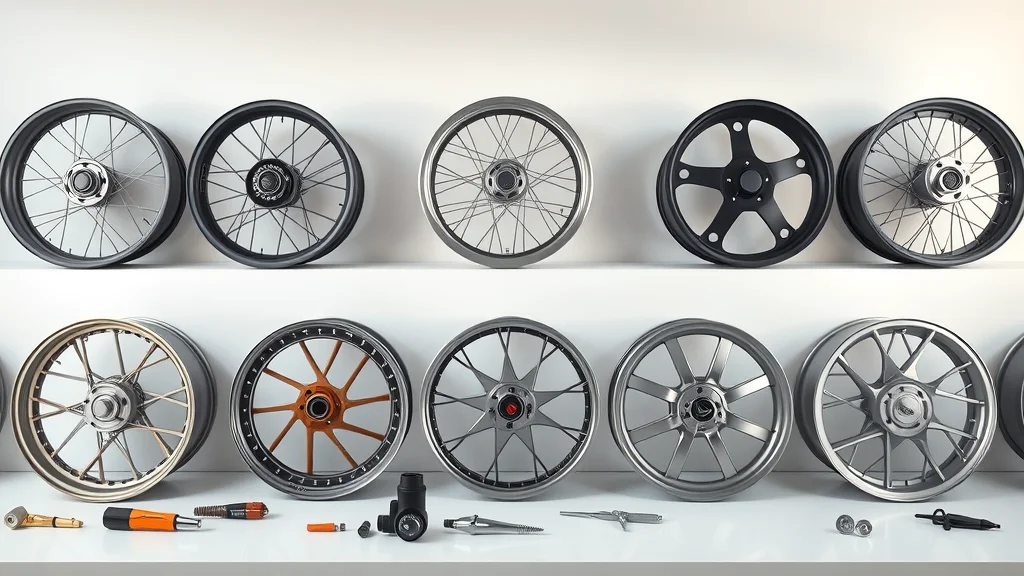
- Types of motorcycle wheels: spoked, cast, forged
- Key parts: front wheel, rear wheel, hubs, rims, tires
List of Common Mistakes in Motorcycle Wheel Customizations
- Selecting incompatible parts for motorcycle wheels
- Ignoring motorcycle wheel alignment
- Overlooking tire type and size
- Neglecting the impact of aftermarket parts
- Mishandling the electrical system affecting ABS functions
- Improper handling of front wheel and rear wheel balance
- Incorrect installation techniques at a motorcycle shop
- Skipping the test ride after modification
- Ignoring specific needs of custom motorcycle models
Mistake #1: Incompatible Parts in Motorcycle Modification
Choosing incompatible parts is hands-down the leading cause of trouble in motorcycle wheel customizations. Riders often get swayed by the aesthetics or marketing claims of aftermarket wheels without confirming fitment details with the original manufacturer specifications. This can result in wheels that don’t properly align with brake pads, hubs, or the swing arm—introducing a significant safety risk. For instance, mounting a wheel designed for a different rear frame may compromise suspension performance and cause excessive wear on the drivetrain.
To avoid this, always verify that both the front wheel and rear wheel assemblies match your motorcycle model’s requirements. Be cautious of variations in wheel width, hub machining, and attachment methods, especially when dealing with custom motorcycle builds. Before purchasing, consult manufacturers or a trusted motorcycle shop for support number references, compatibility matrices, and specific advice. This diligence can prevent serious handling issues and costly damage down the road.
| Component | Incompatible Parts Example | Compatible Parts Example |
|---|---|---|
| Front Wheel Hub | Incorrect hub bore or width | OEM-specified or direct aftermarket fit |
| Rear Wheel/Rim | Wrong diameter or bolt pattern | Exact match for rear frame and swing arm mounts |
| Brake Rotor | Different attachment bolt size | Direct fit with recommended brake pads |
| ABS/Electrical System | No ABS ring or incompatible sensor position | ABS ring and sensor pre-installed for your bike |
Mistake #2: Improper Alignment of Motorcycle Wheels
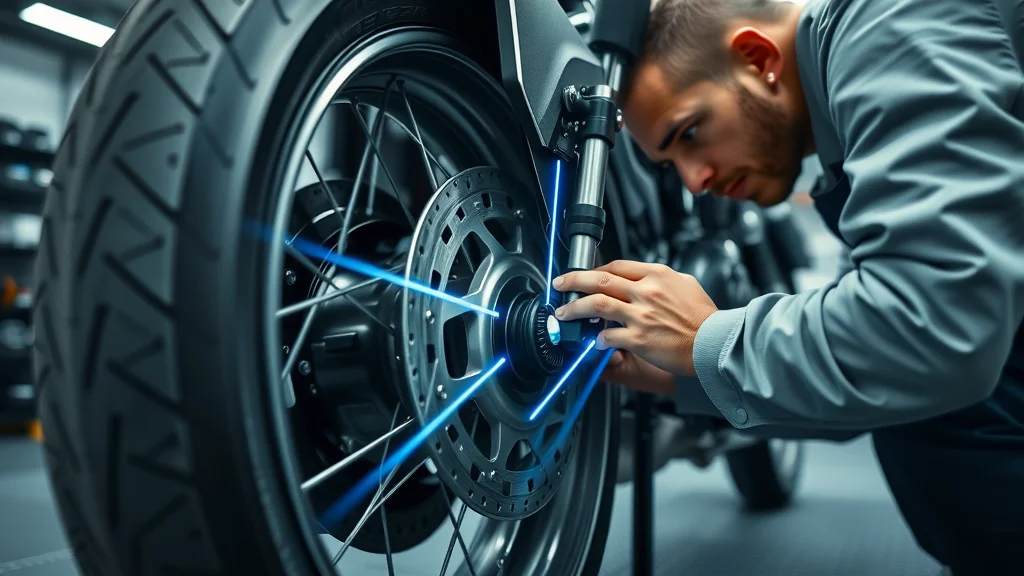
Wheel alignment—it’s more than just straightening things out. Even the best aftermarket parts can’t compensate for a misaligned motorcycle wheel. An improperly aligned front wheel or rear wheel affects suspension geometry and can accelerate tire wear, negatively impact handling, and put you at risk at high speeds. Alignment also influences the way stress is distributed across your swing arm, rear frame, and even the exhaust system, playing a key role in overall motorcycle safety.
Ignoring accurate wheel alignment is a major safety hazard. It doesn’t just create a rough riding experience but can also put uneven load on your motorcycle’s brake system and suspension. An alignment check should always be part of the post-customization process, and enlisting a skilled technician at a reputable motorcycle shop ensures your wheels are perfectly aligned to manufacturer specifications—ultimately safeguarding you and your investment.
A seasoned motorcycle modification expert says, "Even a small misalignment can dramatically impact your ride quality and safety."
Mistake #3: Overlooking Tire and Wheel Sizing for Motorcycle Customization
Wheel and tire sizing isn’t just about aesthetics or picking the largest tires that will fit your custom motorcycle. Using oversized tires or mismatched rim dimensions can throw off your suspension geometry, cause interference with the swing arm or rear frame, and compromise speedometer accuracy. For example, a rear wheel that’s too wide or a front wheel that rubs the fender creates both performance and safety concerns, especially on long rides or when navigating uneven roads.
Tire pressure, load rating, and compatibility with braking and suspension are often forgotten in the excitement of customizing your motorcycle. This oversight not only shortens tire life but also increases your risk of blowouts or unexpected slips during high speeds. Always refer to your owner’s manual and manufacturer guidelines for the correct tire and wheel sizing, and consult with a motorcycle shop for professional input before making permanent changes.
Mistake #4: Ignoring Aftermarket Parts Impact
Aftermarket parts can provide a thrilling new look and performance edge, but not every part is created equal. Improperly chosen or installed aftermarket wheels can be incompatible with OEM setups, leading to problems ranging from ABS sensor errors to fitment issues with the exhaust system and lighting system. In some cases, these parts may void warranties or even present a direct safety risk during high-performance riding.
If you’re set on integrating aftermarket parts into your motorcycle modifications, make sure each item is specifically designed for your bike’s make and model. Don’t rely solely on general “universal fit” claims. Instead, engage with a knowledgeable motorcycle shop and leverage customer support to vet your choices. Document every adjustment and retain all installation instructions to ensure warranty compliance and traceability in case issues arise.
Mistake #5: Neglecting Electrical System and Compatibility with ABS
In our tech-driven riding landscape, the intersection between your motorcycle wheel and the electrical system is more vital than ever. Upgrading to aftermarket wheels without considering ABS ring and sensor placement is a frequent blunder and a dangerous one. Even if the physical wheel fits perfectly, a missing or misaligned ABS ring can cause your anti-lock brake system to malfunction, increasing stopping distances and accident risk during emergency maneuvers.
Every modern custom motorcycle is equipped with specialized electrical sensors for speed, traction, and ABS. If you alter your wheels, always check that these components relocate properly. Verify before and after modding that all dashboards, speedometers, and warning lights work as intended. Consulting your manufacturer’s customer support number for detailed compatibility guidance can help preserve both function and safety.
Mistake #6: Mishandling Front Wheel and Rear Wheel Balance
Wheel balance may seem like a small task in your motorcycle customization process, but it’s pivotal for safe, vibration-free riding. An unbalanced front wheel or rear wheel can result in “shimmying” at high speeds, premature wear on tires, increased fatigue during long rides, and even damage to brake pads and the suspension system. This is especially true for riders who push their custom motorcycle on twisty roads or at track events.
Balance is achieved by equitably distributing weight across the rotating assembly. After mounting a new wheel or tire, ensure a certified technician uses digital balancing equipment to affix the correct wheel weights. Skipping this step or relying solely on a visual check could sabotage your entire motorcycle modification by introducing unnecessary safety risks and performance problems.
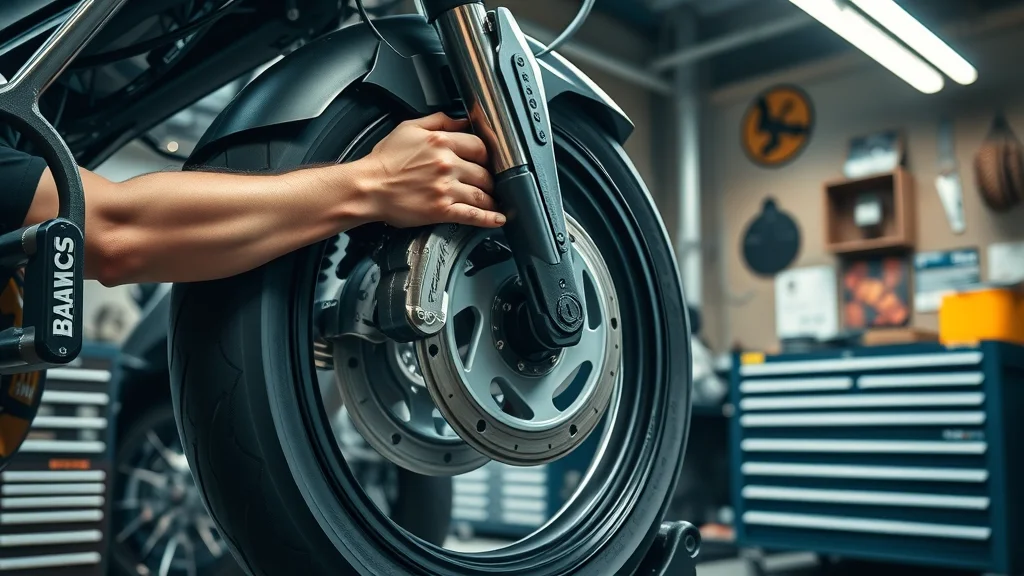
Mistake #7: Flawed Installation Techniques at the Motorcycle Shop
Even if you’ve chosen the perfect components, poor installation at a motorcycle shop can lead to disaster. Fasteners not torqued to spec, improper placement of spacers, and incorrect assembly of axles all put your investment and safety at risk. Sometimes, a busy mechanic overlooks small but essential details, compromising the installation of the rear wheel or alignment of the front wheel.
Always insist on professional, experienced technicians for your motorcycle modifications. Ask about their installation process, request to see accreditation or certifications displayed in the shop, and don’t hesitate to double-check their work before riding off. A great motorcycle shop welcomes questions and takes pride in their attention to detail, ensuring every custom build reflects their expertise—and your expectations.
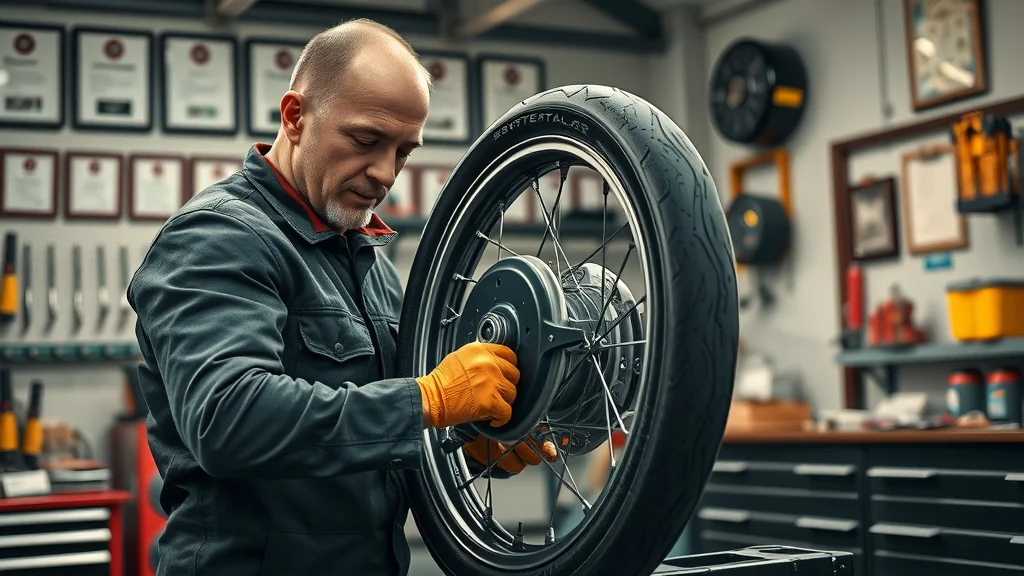
Mistake #8: Skipping a Test Ride After Motorcycle Wheel Customization
Finishing your custom motorcycle build is exciting—but skipping the essential test ride is a gamble you shouldn’t take. The test ride is when you identify missed compatibility issues, subtle imbalances, and new behaviors in handling or braking. Every motorcycle modification should be followed by a real-world test ride to ensure all systems, from the electrical system to the rear wheel and exhaust pipe, function flawlessly together.
During the test ride, pay attention to vibrations, brake responsiveness, tire pressure monitoring, and any dashboard warnings. If you sense anything unusual—no matter how minor—return to the shop for a detailed inspection. This simple habit can save you from costly repairs and prevent a minor oversight from turning into a safety hazard under real riding conditions.

Mistake #9: Overlooking Custom Motorcycle Model Requirements
Every motorcycle model comes with its own unique requirements. Ignoring these and assuming a “one-size-fits-all” approach creates a cascade of issues, including suspension performance loss, incompatible wheel spacing, and even interference with the lighting system or exhaust system. Manufacturers provide detailed information on compatible parts—not just for the wheels but for all downstream systems affected by a wheel change.
Before you start customizing your motorcycle, review your owner’s manual and reference model-specific customization guides. Many reputable motorcycle shops offer checklists tailored to specific models, reducing your risk of costly mistakes. If in doubt, consult with a custom motorcycle expert or use the customer support number provided by manufacturers for precise, actionable advice.
Essential Tips for Safe and Effective Motorcycle Wheel Upgrades
- Consult manufacturers and experts before installation
- Double-check all compatibility factors, including electrical system
- Document every stage of the motorcycle modification process
- Follow test ride protocols
Tables: Motorcycle Wheel Customization Checklist
| Step | Key Action | Tip to Prevent Mistake |
|---|---|---|
| 1 | Choose Wheels | Verify compatibility for your motorcycle model—avoid installing incompatible parts |
| 2 | Prepare for Installation | Gather all OEM specs and torque requirements |
| 3 | Install Wheels | Follow step-by-step guidelines or have a certified technician perform installation |
| 4 | Check Electrical/ABS | Test sensors, ABS, and lighting system for proper function |
| 5 | Align Wheels | Use professional alignment tools or services |
| 6 | Balance Wheels | Balance both front and rear wheel using digital equipment |
| 7 | Conduct Test Ride | Note handling, vibrations, and brake performance—return for adjustment if needed |
Expert Quotes: Insights on Motorcycle Wheel Modification
"The smallest oversight, like installing incompatible aftermarket parts, can undo months of customization work." – Custom Motorcycle Specialist
Watch as experts demonstrate the do’s and don’ts of motorcycle wheel customization, including visual alignment checks, compatibility tips, installation techniques, and safe test riding protocols—all shot in a modern motorcycle workshop and open road environment with clear, steady camera work.
People Also Ask: Answering Your Motorcycle Wheel Customization Questions
What is the 4 second rule on a motorcycle?
The 4 second rule is a recommended safety guidelines for motorcyclists, ensuring there’s a safe distance between you and the vehicle ahead. To practice this, pick a stationary point on the road and count the seconds it takes for your motorcycle to reach that spot after the car in front passes it. If it takes less than four seconds, slow down and create more space. This helps prevent sudden collisions and is especially critical after any motorcycle modifications, as custom wheels and tires can alter your bike’s stopping distance and handling.
What are common mistakes that cause wheel damage?
Frequent mistakes leading to wheel damage include installing incompatible parts, neglecting wheel alignment, ignoring the type and size of tires, and failing to check tire pressure. Other issues like improper torque settings at the motorcycle shop, overlooking balance after new wheel installation, and ignoring the impact of aftermarket parts can all result in premature wear, bent rims, or even catastrophic failures at high speeds. Vigilant inspection and professional installation reduce these risks significantly.
How to tell if motorcycle alignment isn't perfect?
Signs of imperfect alignment include uneven tire wear, vibrations at certain speeds, your motorcycle pulling to one side, or the handlebars not being in line with the front wheel. After a wheel customization or any major motorcycle modification, always check for these indicators during your test ride. A misaligned motorcycle wheel can compromise safety and quickly damage the suspension or steering components.
What size wheels give the smoothest ride?
Wheel size impacts ride quality and handling. Generally, larger diameter wheels combined with properly matched tire profiles provide a smoother ride over rough surfaces, thanks to their improved ability to roll over bumps. However, the ideal size depends on your motorcycle’s intended use, suspension geometry, and manufacturer’s recommendations. Always consult your owner’s manual or a motorcycle shop to identify the optimal front wheel and rear wheel sizes for your custom build.
This detailed walkthrough video covers everything from initial planning, part selection, and professional wheel installation to live alignment demonstrations and on-road test rides. See how experts avoid common mistakes in motorcycle wheel customizations step by step, ensuring safety, performance, and visual appeal.
FAQs About Common Mistakes in Motorcycle Wheel Customizations
-
Can I install any aftermarket wheel on my motorcycle?
Not all aftermarket wheels fit all motorcycles. Always verify compatibility with your bike’s specs, including hub width, brake rotor attachment, and ABS sensor accommodation. -
Does wheel material impact the ride significantly?
Yes, wheel material influences weight, strength, and handling. Forged wheels are stronger and lighter than cast or spoked wheels, affecting your motorcycle’s responsiveness, suspension performance, and comfort on long rides. -
How do I ensure aftermarket parts fit my motorcycle?
Consult your owner’s manual, check manufacturer compatibility charts, and seek expert advice from a certified motorcycle shop before ordering or installing any parts. -
Should wheel balance be checked after every customization?
Absolutely. Any time you change wheels or tires, have the balance checked and corrected with professional equipment before you ride. -
Are there legal restrictions for motorcycle wheel modifications?
Many regions have regulations on wheel size, type, and the use of safety equipment like ABS. Always check your local laws and consult with your motorcycle shop for compliance.
Key Takeaways: Preventing Common Mistakes in Motorcycle Wheel Customizations
- Always verify parts compatibility
- Prioritize professional installation and test rides
- Keep safety at the forefront during motorcycle modifications
Final Thoughts on Safe Motorcycle Wheel Customizations
Safe and successful motorcycle wheel customization is rooted in preparation, compatibility checks, and thorough test rides. Don’t cut corners—protect your ride and your safety.
If you’re eager to take your motorcycle customization knowledge even further, consider exploring broader strategies and expert advice that go beyond just the wheels. By understanding the full spectrum of potential pitfalls and best practices, you’ll be better equipped to make informed decisions for every aspect of your build. For a comprehensive look at how to avoid the most common mistakes in motorcycle wheel customizations—and to gain actionable insights that can elevate your next project—visit Nasty Performance’s in-depth guide on avoiding wheel customization errors. Your next upgrade could be your safest and most rewarding yet.
Contact a Trusted Motorcycle Shop for Safe Customizations
Ready to upgrade your motorcycle wheels with confidence? Call Nasty Performance Motorcycle Shop Today: 847-458-4858



Write A Comment