
cropper
update

Nasty Performance ~ 847-458-4858 

update
  • Blog Home
  • Categories
    • Motorcycle Maintenance
    • Riding Tips & Preps
    • Safety & Inspection
    • Customizations & Upgrades
    • DIY Motorcycle Repairs
    • Motocycle Audio Systems
    • Motocycle Seasonal Care & Storage
    • Engine, Electrical Performance
  • Bike Night
  • Nasty Performance Motorcycle Shop
May 01.2026
1 Minute Read

Exhaust Upgrades for Classic Motorcycles: Sound, Style, and Performance

Did you know that over 60% of classic motorcycles owners report greater satisfaction after upgrading their exhaust systems? This surprising fact underscores a growing trend: for enthusiasts of classic motorcycles and modern classics alike, an exhaust upgrade isn’t just about looks—it’s about immersing yourself in that unforgettable blend of sound, heritage, and performance. Whether you marvel at a deep, throaty rumble, crave attention-grabbing chrome, or demand enhanced ride quality, upgrading your exhaust can redefine what it means to own and ride a classic motorcycle.

Classic Motorcycles: Why Exhaust Upgrades Make a Difference

  • Startling fact: Over 60% of classic motorcycles owners report improved satisfaction after upgrading their exhaust systems.

  • How sound, style, and performance define the modern classic motorcycle experience

For classic motorcycles enthusiasts, upgrading the exhaust is often a pivotal moment in the ownership journey. Not only does an improved system deliver a more robust and satisfying engine note, but it also boosts style, with gleaming metals and distinctive lines that complement your bike’s vintage character. From Triumph Bonnevilles to custom Hondas and BMWs, riders are discovering that the right exhaust upgrade can dramatically impact the riding experience. This isn’t just about louder pipes—today’s modern classics benefit from advanced exhaust technology that optimizes torque and horsepower while letting you fine-tune sound levels for every preference. More than ever, your choice of exhaust showcases your individuality and connection to the timeless world of classic motorcycles.
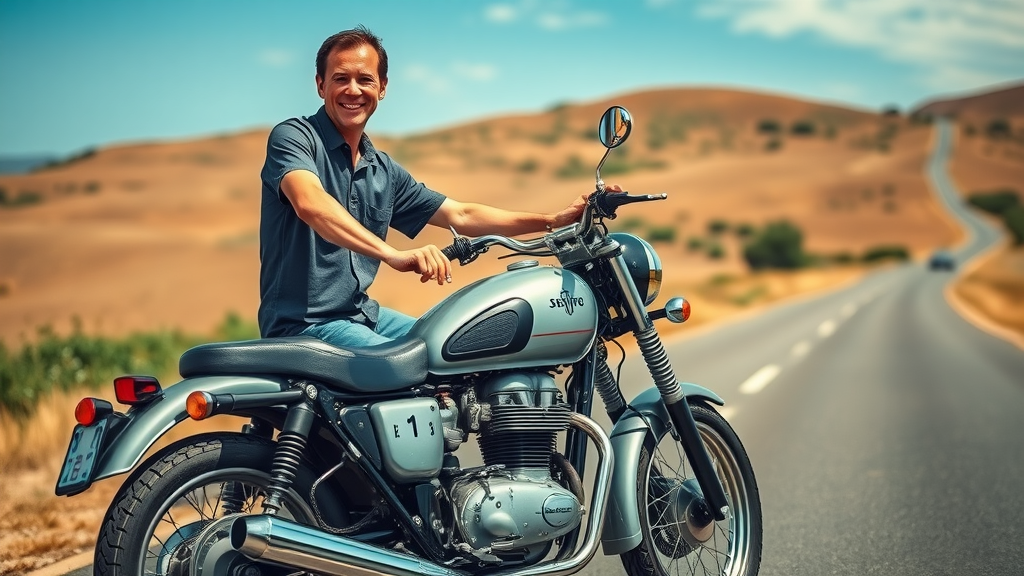
vintage classic motorcycle on a scenic countryside road, owner showcases new chrome exhaust on classic motorcycles

What You’ll Learn About Classic Motorcycles and Exhaust Upgrades

  • Key performance benefits of exhaust upgrades for classic motorcycles

  • How to match sound and style to your motorcycle’s vintage spirit

  • Top product features, price points, and consumer reviews

By the end of this guide, you’ll understand exactly why so many modern classics and vintage motorbikes riders are investing in exhaust upgrades. We explore the technical and aesthetic benefits, share expert and rider opinions, break down costs, and help you make the right, data-driven choice. Expect practical advice grounded in real-world reviews, plus insights into the latest exhaust technology advancements for classic motorcycles.

Understanding Classic Motorcycles: A Blend of Heritage and Modern Performance

  • Defining modern classic motorcycles

  • Historical context and relevance in today's market

  • Integration of location data for regional models and trends

Classic motorcycles represent more than machines—they're living embodiments of motoring history. Modern classics, like the Royal Enfield Interceptor or Ducati Scrambler, blend vintage design cues with contemporary engineering, delivering reliability and comfort without sacrificing character. These models often use advanced technologies—parallel twin engines, improved fuel injection, and digital components—while honoring iconic forms and finishes. Interest in vintage bikes continues to grow, fueled by their uniqueness and the experience they provide on the open road.

Market trends reveal shifting regional preferences, driven by location data and riding culture. In urban areas, lightweight and agile modern classics enjoy popularity, while rural and coastal communities often lean toward larger, touring-capable models. Location data is also invaluable when choosing compatible exhaust upgrades, as parts availability and emissions regulations can vary by locality. Understanding your region’s models and trends ensures your exhaust investment suits your local riding scene and legal environment.

iconic lineup of modern and vintage classic motorcycles side by side, enthusiasts observe the bikes in a retro garage setting

Comparing Modern Classics and Exhaust Technology

  • Modern classics vs. vintage models: Design evolution

  • Technology incorporated in new exhaust systems

  • Ensuring privacy choices and regulation compliance

Design and engineering advancements separate modern classics from their vintage counterparts. While earlier classic motorcycles relied on rudimentary exhaust systems—often steel or mild iron pipes that aged quickly—modern upgrades use lightweight stainless steel, titanium, and aluminum alloys for increased durability and performance. New systems incorporate catalytic convertors, advanced baffles, and tunable inserts, giving you control over both sound and emissions.

In today's digital marketplace, privacy choices and compliance with local regulations have become crucial considerations. Many aftermarket suppliers gather location data and device characteristics as part of your browsing and interaction data to offer tailored product recommendations, ensure regulatory compliance (such as noise and emissions limits), and respect user privacy preferences. Always review a supplier’s privacy policy before purchasing, as device identifiers or forms of storage, including cookies, can affect your online interactions and order processing efficiency.

Key Features to Consider in Classic Motorcycles Exhaust Upgrades

Materials, Build, and Longevity

The best exhaust upgrades for classic motorcycles are crafted with premium materials like stainless steel, titanium, and polished chrome. These materials aren’t just about aesthetics; they resist corrosion, offer improved heat management, and stand up to years of regular use. Whether you’re upgrading a modern classic or a true vintage bike, pay attention to build quality—seamless welds, reinforced brackets, and precise fittings ensure long-term durability. Brands known for quality include Akrapovič, Vance & Hines, and Yoshimura. Your choice of finish, from stealthy matte black to gleaming chrome, accentuates your motorcycle’s unique personality and period-correct style.

Choosing a well-built exhaust can make the difference between thousands of trouble-free miles and a system plagued by leaks or rattles. User reviews and expert input often highlight the relationship between premium materials and the total cost of ownership, supporting your decision beyond just initial price tags. Remember, while initial investment might be higher for top-tier materials, legendary brands back their exhaust systems with extended warranties, reaffirming their commitment to quality—a key selling point in the modern classic market.

Compatibility with Classic Motorcycle Models

When evaluating exhaust options, compatibility is crucial. Not every modern classic or vintage motorcycle will accept every upgrade—variations in engine configuration (such as cc parallel twin or single-cylinder), frame structure, and mounting points can limit choices. Choosing an exhaust that’s specifically engineered for your make, model, and year not only ensures proper fit and finish, but it also guards against unwanted side effects like misaligned headers or compromised ground clearance.

Some aftermarket manufacturers excel in producing bolt-on upgrades tailored to iconic models like the Triumph Bonneville, Honda CB series, or BMW R-series. Look for exhausts that include necessary adapters, gaskets, and installation hardware to streamline the upgrade process. A careful study of fitment charts, customer interaction data, and user feedback helps identify the right option for your classic motorcycles, minimizing installation headaches and guaranteeing a factory-quality result.

Influence of Location Data on Product Selection

Location data plays an increasingly significant role when selecting the best exhaust upgrade for your classic motorcycle. Regional emissions laws, noise regulations, and part availability can all be influenced by your ip address and device identifiers during online searches. Some markets, such as California, impose strict legal requirements for exhaust noise levels and emissions, necessitating systems with integrated catalytic converters or certified sound-dampening features.

Suppliers often use precise location data and browsing and interaction data to filter and recommend products that meet your exact legal and personal needs. This ensures compliance, especially for riders in areas with rigid control over after-market upgrades. Reviewing privacy choices and consent policies when submitting forms or setting cookie duration on a shopping website helps protect your personal aspects while ensuring that the support of the purposes for which data is collected and processed remains clear and transparent.
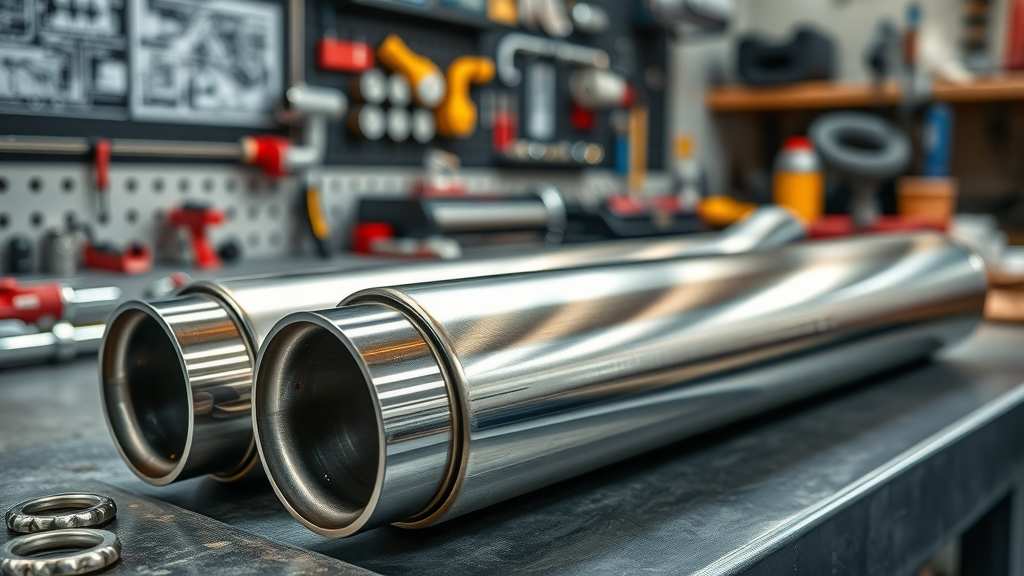
close-up of brushed stainless steel, polished chrome, titanium motorcycle exhausts on workbench for classic motorcycles

Benefits of Upgrading the Exhaust on Classic Motorcycles

  • Performance improvements: torque, horsepower, and efficiency

  • Enhanced sound quality and tuning options

  • Style and aesthetic upgrades for modern classic appeal

Upgrading the exhaust on a classic motorcycle brings immediate and tangible benefits. Quality aftermarket systems can increase horsepower and torque by optimizing the flow of exhaust gases—crucial for modern classic engines, like the 865cc parallel twin or performance-tuned singles. An improved exhaust setup also sharpens throttle response and can deliver more efficiency through weight reduction and advanced engineering. Riders report not just better acceleration, but smoother operation and cleaner engine idling.

Sound is another major draw. Custom or slip-on exhausts offer a wide spectrum of tones, from subtle and refined to deep and aggressive. The right system can echo the golden age of classic motorcycles or provide a modern twist that sets your bike apart at every traffic light. Aesthetic upgrades should not be underestimated—polished chrome, brushed steel, or matte finishes bring out your motorcycle’s lines, harmonizing period styling with today’s expectations. Ultimately, an exhaust upgrade serves as a functional work of art, boosting ride enjoyment and resale value alike.

Different Types of Exhaust Systems for Classic Motorcycles

  • Slip-on exhausts

  • Full system exhausts

  • Custom and bespoke exhaust options

There are several exhaust systems to consider, each serving distinct needs for owners of classic motorcycles and modern classics. Slip-on exhausts are the simplest upgrade, replacing only the muffler section and offering better sound and subtle performance gains without major modifications. They’re ideal for riders seeking a budget-friendly, reversible option that usually retains compliance with street-legal standards.
Full system exhausts replace the entire exhaust tract—from headers to silencer—for maximum performance and customization. These upgrades deliver the most substantial horsepower and torque improvements for popular moto models or cc parallel twin engines, but typically come at a higher price and may necessitate ECU remapping or air/fuel adjustments.
Custom or bespoke exhausts cater to specialists and enthusiasts who crave a unique solution. Whether you’re restoring a 1950s legend or personalizing a present-day modern classic, experienced fabricators can tailor exhaust systems to your precise requirements, blending handmade artistry with desired performance and sound.
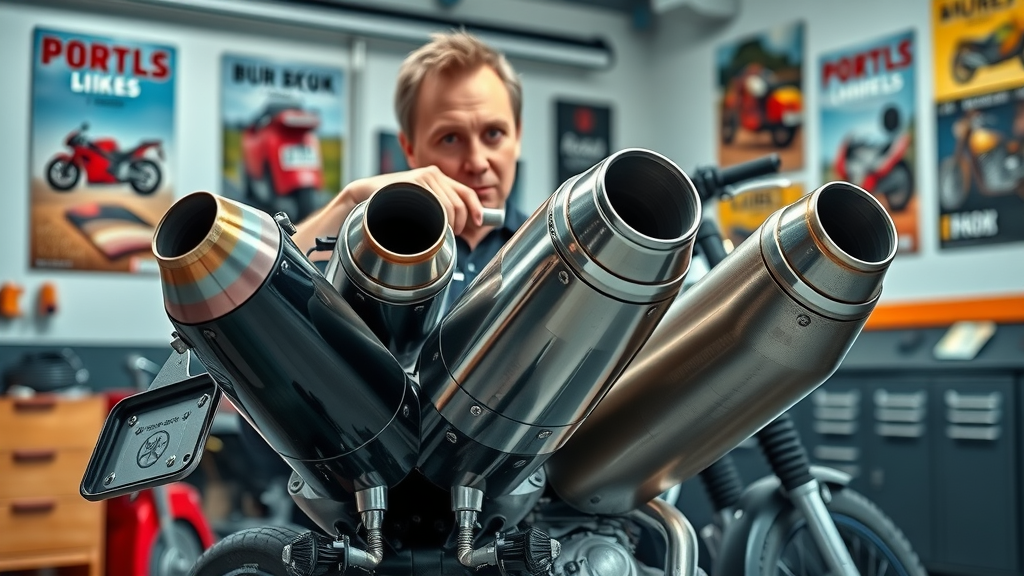
distinct slip-on, full system, and custom exhausts fitted to modern classic motorcycle in a clean workshop

How to Choose the Right Exhaust for Your Classic Motorcycle

  1. Assess your motorcycle’s make and model: Use official compatibility charts and online databases. Inputting your bike’s info ensures the exhaust fits perfectly and avoids issues with mounting or legality.

  2. Analyze location data for parts availability: Region-specific factors—such as noise/emissions laws (EU, US, CA) and market supply—must influence your choice. Use your ip address or location settings on manufacturer sites for targeted recommendations.

  3. Review privacy choices for personalized recommendations: Understand how your browsing and interaction data is collected and processed so you remain in control of your device characteristics, forms of storage, and consent preferences during the shopping process.

  4. Balance your style preferences with practical needs: Factor in finish, era-correct styling, performance improvement, installation complexity, and price. Always read customer reviews for insights into real-world appearance and reliability.

Classic Motorcycles Exhaust Upgrade Cost Comparison

Brand

System Type

Material

Fits Modern Classics

Avg. Cost (USD)

Typical Installation Fees

Akrapovič

Full System

Titanium/SS

Triumph, BMW

$1,200–$1,800

$150–$300

Vance & Hines

Slip-on

Stainless Steel

Harley, Triumph

$500–$850

$75–$200

Yoshimura

Full System

Stainless Steel

Honda, Kawasaki

$900–$1,400

$150–$250

British Customs

Slip-on

Chrome/SS

Triumph, Norton

$400–$700

$65–$180

Custom/Bespoke

Custom

Varies

Any (Spec-built)

$1,800–$3,500+

$300–$500

Expert Insights: Quotes on Upgrading Classic Motorcycle Exhausts

"Upgrading your classic motorcycle’s exhaust is the single best way to unlock style and performance without sacrificing authenticity." – Vintage Motorcycle Expert

"Modern classic exhaust upgrades seamlessly fuse tradition and innovation." – Custom Bike Builder
vintage motorcycle expert gestures toward disassembled classic exhaust in retro garage

Customer Reviews: Real Experiences with Classic Motorcycles Upgrades

  • Feedback on sound and performance: Riders highlight a throaty, classic rumble and noticeable improvement in both mid-range torque and peak horsepower, especially on cc parallel twin models.

  • Style and installation insights: Owners rave about polished finishes and period-correct designs. Many report that professional installation ensures perfect fit and finish, while DIYers recommend reading the instructions closely for forms of storage and device characteristics relevant to each setup.

  • Location data: Reviews indicate that certain upgrades are especially popular in regions where riding season is long, and local laws support aftermarket customization. European riders praise brands like Akrapovič for strict emissions compliance, while US customers favor Vance & Hines for deep American sound.

Installation Process: Step-by-Step Guide for Classic Motorcycles

  1. Required tools and safety precautions: Gather essentials (sockets, wrenches, torque wrench, gloves, goggles), disconnect battery, and ensure motorcycle is secure on a lift or center stand.

  2. Removing the old exhaust system: Spray mounting bolts with penetrating oil; carefully loosen and remove hardware. Watch out for gaskets and heat shields, which should be replaced if worn.

  3. Fitting and securing the new exhaust upgrade: Position new exhaust using supplied hardware, loosely installing bolts first. Make adjustments for clearances, then torque to manufacturer specs.

  4. Testing and tuning for optimal results: Reconnect the battery, start the engine, and check for leaks. Verify all fastenings, then take a test ride and retorque after initial heat cycles. Optional: tune air/fuel mixture or update ECU for best results, especially on modern classic bikes.

Lists of Most Popular Classic Motorcycles and Exhaust Upgrades

  • Top modern classic motorcycle models for exhaust upgrades:

    • Triumph Bonneville T100/T120 (parallel twin)

    • Royal Enfield Interceptor 650

    • Honda CB750

    • BMW R nineT and R75/5

    • Yamaha XSR700/XSR900

  • Best brands and aftermarket suppliers for classic motorcycles:

    • Akrapovič

    • Vance & Hines

    • Yoshimura

    • British Customs

    • Thor Exhausts

dynamic action shot of most popular modern classic motorcycles on winding countryside road, vibrant colors and confident riders

People Also Ask About Classic Motorcycles

What is the best classic motorbike to buy?

  • Answer: The best classic motorbike to buy depends on your budget, intended use, and collector value. Triumph Bonneville, Honda CB750, and BMW R75/5 are top choices known for reliability and resale value in the classic motorcycles market.

What is the 1% rule on motorcycles?

  • Answer: The 1% rule refers to the idea that only 1% of motorcyclists are part of outlaw motorcycle clubs. The vast majority of classic motorcycles riders enjoy the hobby lawfully and respectfully.

What motorcycle is called the widowmaker?

  • Answer: The Kawasaki H2 Mach IV (made in the 1970s) is commonly known as the "widowmaker" due to its extreme power and challenging handling compared to other classic motorcycles of its era.

What is the most valuable vintage motorcycle?

  • Answer: The 1951 Vincent Black Lightning currently holds the record as the most valuable vintage motorcycle ever sold at auction, emphasizing the investment potential of rare classic motorcycles.

FAQs about Classic Motorcycles Exhaust Upgrades

  • Are upgraded exhausts street legal for classic motorcycles?
    Not all exhaust upgrades are street legal—this depends on your location and local noise/emissions regulations. Always check with both manufacturer and local laws before installing.

  • How do exhaust upgrades affect classic motorcycle insurance?
    Some insurers view exhaust upgrades as a modification, which could affect premiums or policy terms. Notify your provider to ensure you have proper coverage.

  • Will an exhaust upgrade void warranties on modern classic bikes?
    Upgrading to aftermarket exhausts may affect the manufacturer’s warranty, especially related to emissions. Check your motorcycle’s warranty documentation before proceeding.

Key Takeaways: Boosting Your Classic Motorcycles Experience with Exhaust Upgrades

  • Classic motorcycles exhaust upgrades improve sound, style, and performance

  • Research compatibility and legal considerations before purchasing

  • Seek expert advice to tailor upgrades to your modern classic

Conclusion: Classic Motorcycles Exhaust Upgrades – Where Heritage Meets Innovation

  • Revitalize your riding experience by choosing the right exhaust upgrade for your classic motorcycle. Respect the heritage, embrace the performance.

Ready to Enhance Your Classic Motorcycles Ride?

  • Call Nasty Performance Motorcycle Shop Today: 847-458-4858

Customizations & Upgrades

0 Comments

Write A Comment

*
*
Please complete the captcha to submit your comment.
Related Posts All Posts

Guide to Choosing Custom Turn Signals for a Stylish Ride

Did you know that upgrading from stock motorcycle turn signals to custom turn signals can dramatically boost your visibility—making your ride not just safer, but a reflection of your unique style? In today’s world of aftermarket motorcycle customization, your turn signals are much more than just a legal requirement; they’re an expression of your identity and an essential upgrade for both form and function. This comprehensive guide will help you navigate the world of custom turn signals, whether you crave a cutting-edge look with motorcycle LED turn signals or want to restore a classic bike with retro indicators. Get ready to discover what really matters when choosing the right turn signals for your motorcycle, so you can steer every journey with style and safety. Discover Why Custom Turn Signals Matter for Your Motorcycle Startling fact: Upgrading to custom turn signals or motorcycle LED turn signals can increase your motorcycle's visibility on the road, significantly enhancing safety and showcasing personal style. Modern riders are swapping out their stock motorcycle turn signals for sleek led turn signals, whether it’s for improved function, catching more attention, or creating a truly personalized look. The clumsy stock motorcycle indicators of the past—with their boring and clunky style—are increasingly replaced by slim, bright, and energy-efficient alternatives that set your bike apart on the street. Choosing the right custom turn signals isn’t just about looking good—visibility is a game-changer. A well-chosen pair of LED turn signals not only broadcasts your intention to other vehicles on the road, but also distinguishes your bike from the rest of the pack. Motorcycle LED turn signals are leading the charge, thanks to their advanced brightness and long lifespan. Even classic bikes and big twin motorcycle owners are discovering how a tasteful lighting upgrade can elevate safety and style. If you’re ready to replace those made out of cheap materials stock motorcycle turn signals, you’re in the right place—read on to find your perfect match. When considering a turn signal upgrade, it's also smart to think about how your lighting choices fit into your overall bike maintenance routine. For a step-by-step approach to keeping your motorcycle in top shape throughout the year, check out these seasonal bike care secrets every rider should know—they’ll help you protect your investment and ensure your customizations last. What You'll Learn About Custom Turn Signals How custom turn signals stand apart from factory and aftermarket motorcycle turn signals—so you can spot quality and true customization at a glance. The key pros and cons of LED turn signal technology versus traditional bulbs—helping you pick the right light for your riding needs. Which features should you prioritize? We’ll explore what matters most for style, safety, fit, and compatibility—ensuring you get high-performing and lasting value from your signal upgrade. Custom Turn Signal Features: What Sets Them Apart? Material and Durability in Custom Motorcycle Turn Signals Should you opt for lightweight aluminum, classic steel, or cost-effective plastics in your motorcycle’s turn signals? Reliability, finish, and ruggedness matter whether you're riding a big twin or hitting the city streets daily. Table: Material Comparison for Custom Turn Signals Material Weight Durability Finish Aluminum Lightweight Excellent (corrosion-resistant) Polished, Anodized, or Brushed Steel Moderate High (heavier, very tough) Chrome, Painted, or Powder-coated Plastic Very light Variable (can be brittle in cold/weathered over time) Clear, Tinted, or Black Matte Choosing the right material impacts both style and longevity. For instance, an aluminum-bodied custom turn signal is prized for being lightweight and corrosion-resistant—making it ideal for sportbikes and daily commuters. Steel turn signals are perfect for classic motorcycles or cruisers that need a rugged, vintage feel. Plastics are cost-effective and come in a vast array of shapes and colors, but may not outlast metal, especially on harsh rides. So whether you ride a lovely bike that gets pampered or a big twin motorcycle that braves the weather, picking the right material is a worthy thing for both durability and eye-catching style. LED Turn Signal Technology Explained Upgrading to motorcycle LED turn signals offers substantial benefits: they’re ultra-bright, last much longer, and draw less power than standard bulb turn signals—ideal for both modern motorcycles and vintage bikes needing a stylish revamp. Traditional bulbs—also known as filament bulbs—are found in most stock motorcycle turn signal assemblies. While they get the job done, they often fail early and can make your signals look dated or boring and clunky. In contrast, LED turn signals emit a much brighter and sharper light. The energy efficiency of LEDs means less stress on your battery and electrical system. Custom LED turn signals also come with extended lifespans, providing tens of thousands of hours of reliable operation. When you replace your stock motorcycle turn signal the first time for LEDs, you’ll instantly notice the “pop” of color and clarity, especially at dusk or in foggy conditions. Style and Design Options for Motorcycle Turn Signal Upgrades Whether you ride a big twin or a performance sportbike, design matters. Choose from minimalist mini turn signals, flush mount indicators, or integrated turn signals that blend lighting into mirrors or fairings. Each style gives you a different profile—mini signals keep things sleek, flush mounts reduce wind drag, and integrated types offer all-in-one functionality for the ultimate streamlined appearance. “Custom turn signals are one of the first things riders upgrade—bright, well-designed LED turn signals can improve both visibility to other drivers and your bike’s curb appeal. Remember, changing your signals is a simple, high-impact modification that influences how you’re seen and how your bike stands out. ” — Mark Reyes, Custom Motorcycle Specialist, Shift Garage Styling isn’t just about appearance. The design of your motorcycle turn signals can signal intention to other vehicles more clearly, protecting you from close calls while letting your personality shine through. Regardless of whether you own a sporty modern model or a vintage motorcycle, picking the right lights can instantly upgrade your ride’s overall image. How to Choose the Right Custom Turn Signals for Your Ride Assessing Compatibility With Your Motorcycle Model Compatibility is essential. When shopping for custom turn signals, check mounting styles and wiring needs specific to your bike’s make and model. Classic motorcycles may need brackets or adapters, while sportbikes often use direct-fit kits to match their factory wiring. Cruisers—including popular big twin motorcycle models—frequently require custom-length wires or bullet connectors for seamless integration. Many aftermarket motorcycle turn signal sets claim universal fit, but it’s always a good idea to double-check measurements, stock mounting points, and whether additional hardware will be needed. Pay attention to bulb sockets and flasher relay compatibility, which can allow for “plug and play” installations—or not. For example, motorcycle LED turn signals may require a resistor pack to prevent hyper-flashing, while some bikes like the big twin motorcycle models might need upgrades to both front and rear to ensure synchronized operation. Proper fit guarantees a professional look, reliable function, and easy to install upgrade. Understanding Legal Requirements for Turn Signals Just because a set of custom turn signals looks fantastic doesn’t mean it’s legal. U.S. motorcycles must meet Department of Transportation (DOT) standards for brightness, color, and positioning. Some states have additional regulations about signal spacing and proper mounting height. Ensure your new motorcycle LED turn signals are clearly visible from a distance. LED turn signals are often brighter and easier to spot, which can help with compliance, but running super slim mini signals or smoked lens upgrades can sometimes reduce visibility below DOT thresholds. Check your state’s requirements, and always place your signals in a location that’s clearly visible to other drivers. This way, you not only meet legal standards, but you also ensure your intention to other vehicles is seen—maximizing your safety every ride. Installation Tips for Custom Turn Signals Step-by-Step Installation Guide: Remove your stock motorcycle turn signal using the appropriate wrench. Match up the mounting hardware of your new custom turn signals. Connect the wiring: for LED turn signals, remember polarity (+/–) matters. Install resistors or load equalizers if upgrading from filament to LEDs (to avoid rapid flashing). Secure all connections with waterproof connectors and test the lights. Mount and tighten signal bodies; ensure all wiring is neatly tucked or zip-tied away from moving parts. Test each turn signal, front and back, to confirm operation before your first ride. Popular Types of Custom Turn Signals Reviewed Best Performing LED Turn Signal and Motorcycle LED Options Top Designs: Smoked sequential LED strips, compact bullet-shaped indicators, and integrated tail light-turn signals are fan favorites. Customers rave about their ease of installation, robust waterproofing, and unbeatable brightness. When reading customer reviews, many report that swapping from stock motorcycle turn signals to LED turn signals transformed their bike’s look and made it much easier for cars to spot them—especially in low-light or stormy weather. The consensus is clear: premium motorcycle LED turn signals are among the most worthy things you can add for both looks and safety, whether you ride a big twin, sportbike, or lovely bike you use to cruise up north Idaho roads. Retro and Vintage Style Turn Signals for a Classic Look Classic turn signals with chrome or brushed metal housings bring nostalgic charm to vintage motorcycles and restoration projects. These are especially popular for cafe racers and classic cruisers, letting you keep an authentic appearance while improving reliability with updated internals—often swapping in LED bulbs for that period-correct look without sacrificing modern performance. Popular retro models mimic the design of stock motorcycle turn signals from decades past, but offer far better weather resistance and often far outlast made out of cheap materials original units. They’re ideal for restoring older bikes, preserving value, or just adding a bit of timeless class to any ride. Must-Consider Custom Turn Signals by Motorcycle Type: Sport: Mini LED flush mount signals, integrated mirror signals Cruiser: Bullet-shaped LEDs, retro metal-body turn signals Touring: Sequential LED strips, high-visibility large-format signals Retro/Vintage: Chrome body signals, bullet and teardrop designs Adventure: Waterproof, ruggedized LED pods or stalk-mounted signals People Also Ask About Custom Turn Signals How do I install custom turn signals on my motorcycle? Answer: Begin by removing your old signals and disconnecting the wiring. Position the new custom turn signals or LED turn signals, matching the terminal colors and ensuring correct polarity (+/–). Use crimp connectors or soldered joints covered by heat shrink for weather resistance. Install any required resistors for LEDs, then secure everything to the frame or fairing. Double-check operation before riding. Are LED turn signals better than traditional bulbs? Answer: Yes. LED turn signals are typically much brighter, last far longer, and are more energy efficient than filament bulbs. For modern motorcycles and safety-conscious riders, LED technology is the premium choice for turn signal upgrades, reducing the need for frequent replacements and drawing less power from your electrical system. Do custom turn signals fit all motorcycle types? Answer: Not every set of custom turn signals is universal. Always check your motorcycle’s make and model for compatibility, including mounting style, wiring requirements, and space around the mounting area. Custom signals are available for virtually all models, but some adaptation may be needed for classic or highly customized bikes. Key Takeaways for Selecting the Best Custom Turn Signals Prioritize safety and compliance to ensure visibility and legality on every ride. Choose a design that fits your motorcycle’s unique style—mini, integrated, or vintage style. Opt for LED technology whenever possible for maximum brightness and reliability. Always verify compatibility before purchasing—no two bikes are truly identical! Frequently Asked Questions About Custom Turn Signals Should I upgrade to LED turn signals for my motorcycle? LED signals provide clear advantages in brightness, energy efficiency, and longevity. They’re an ideal upgrade for nearly all motorcycles, improving both style and safety. How long do custom LED turn signals last? High-quality motorcycle LED turn signals can last up to tens of thousands of hours—often outlasting your bike’s ownership—thanks to their durable, solid-state construction. Are there any legal concerns with custom turn signals? Yes. Always make sure your chosen signals meet DOT and state requirements for visibility, color, and placement. Proper fitment ensures your motorcycle remains street legal. Can I install custom turn signals myself or should I visit a professional? Many riders can perform a DIY installation with basic tools and wiring kits. For complex wiring or integrated signals, or if you’re unsure, professional installation by a trusted shop is recommended. Ready to Customize Your Ride? Elevate your motorcycle’s style and safety—Call Nasty Performance Motorcycle Shop Today: 847-458-4858 Conclusion: Selecting the right custom turn signals means balancing safety, compliance, style, and fit. Upgrade your ride with quality motorcycle LED turn signals for the ultimate combination of form and function—because your next adventure deserves both visibility and flair. If you’re passionate about keeping your motorcycle in peak condition, your journey doesn’t end with custom lighting. Explore our expert guide on seasonal bike care secrets to discover how proactive maintenance can extend the life of your upgrades and keep your ride looking sharp year-round. From prepping for winter storage to getting your bike ready for spring adventures, these tips will help you ride with confidence in any season. Take your motorcycle ownership to the next level by combining smart customization with essential care—because a truly stylish ride is one that performs as good as it looks.
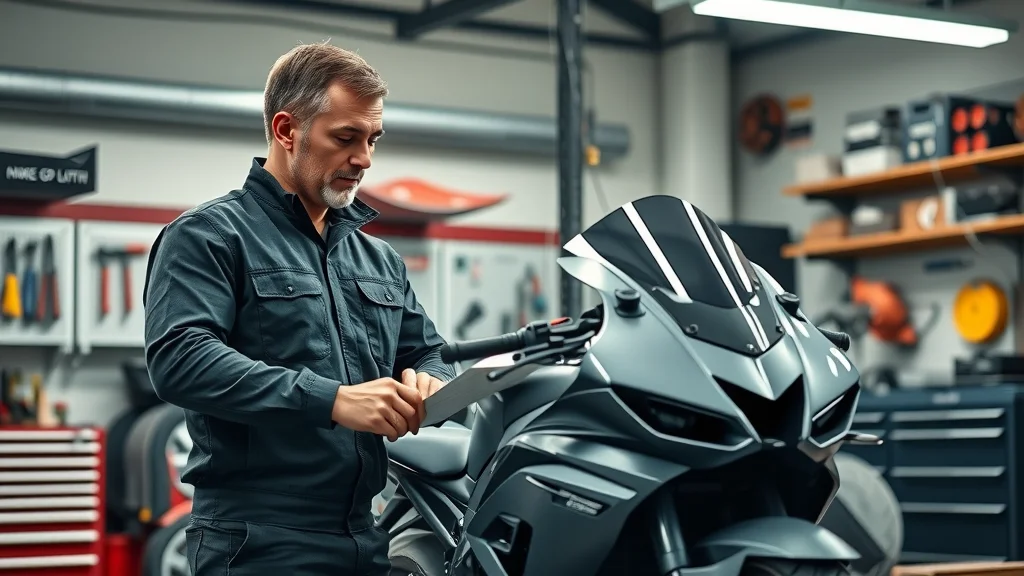
Experience Comfort: Benefits of Custom Motorcycle Seats Revealed

Did you know that more than 70% of riders report discomfort from their factory motorcycle seats within the first hour of riding? This eye-opening fact is just the tip of the iceberg when it comes to understanding why more riders are making the switch to custom motorcycle seats. If you’ve ever felt numb or sore after a long journey, you’re not alone. Today, let’s uncover the benefits of custom motorcycle seats—the upgrade that can make a significant difference in comfort, endurance, and the style of every ride. Unlocking the Benefits of Custom Motorcycle Seats Instantly noticeable from your very first ride, a custom motorcycle seat transforms your experience on the open road. While stock seats aim to fit the “average” rider, their one-size-fits-all approach often doesn’t account for the diversity in body types, riding styles, or individual comfort preferences. Riders soon discover that upgrading from the current seat to a tailored solution results in an unmistakable boost in comfort and support. The true benefits of custom motorcycle seats go beyond just making your bike look appealing. From extra padding to ergonomic shaping, these seats offer adjustable seat height, better foam density, and options like gel inserts—all crafted to minimize pain, fatigue, and hot spots during long rides. Custom seats adapt to your personal riding style and use high-grade seat cover materials that withstand both weather and regular wear. By investing in a custom motorcycle seat, riders enjoy not only a smoother ride but a lasting improvement in their riding experience. Startling Fact: Most Factory Motorcycle Seats Are Not Designed for Long-Term Comfort Factory-installed motorcycle seats serve their purpose for short, city commutes but fall short on longer journeys. These OEM covers and basic foam constructions often lead to discomfort, forcing riders to constantly shift their riding position or take breaks more frequently. As you push past the initial miles, numbness, and sore spots become familiar frustrations. The reality is: mass-produced seats are not engineered for the personalized support needed by the majority of motorcyclists who spend hours in the saddle. What You'll Learn About the Benefits of Custom Motorcycle Seats Key takeaways on motorcycle seat upgrades Why a custom seat cover and custom motorcycle seat can transform your riding style Expert tips for choosing among custom motorcycle seats, seat covers, and accessories How to optimize your seat for both short and long rides Understanding the Benefits of Custom Motorcycle Seats vs. Stock Motorcycle Seats There’s a stark contrast between a custom motorcycle seat and a stock alternative when it comes to both comfort and durability. Standard bike seats use generic foam and an OEM cover—adequate for the occasional trip but lacking the long-lasting resilience needed for frequent riders. On the other hand, custom motorcycle seats are tailored to specific needs, with upgraded foam density, gel pads for pressure relief, and premium coverings that outperform regular seat covers. The practical advantages of choosing a custom seat extend beyond preventing soreness. Riders gain an improved ergonomic fit, whether it's adjusting the seat height for better leg reach or enhancing back support for upright posture. The durability of advanced materials ensures resistance to sun, rain, and years of use—whereas generic seats may crack, fade, or compress over time. For anyone who cherishes long rides or seeks a personal touch for their motorbike seat, the investment in custom motorcycle seats pays off in both comfort and appearance. Comparing custom motorcycle seat designs to standard motorcycle seat options Practical improvement in comfort and durability over generic seat covers How Custom Motorcycle Seats Enhance Riding Style Your riding style shouldn’t be limited by an uncomfortable seat. Custom motorcycle seats, including unique designs and custom seat covers, enable riders to tailor the seat’s height, padding, and contour for optimum ergonomics. This flexibility ensures that sport, touring, and cruiser bike enthusiasts alike achieve the perfect fit that aligns with their posture, leg reach, and riding habits. A thoughtful custom build can elevate both the aesthetics and the practical enjoyment of your bike. The role of seat height, shape, and padding cannot be overstated. Taller riders may benefit from extra height to extend their legs comfortably, while shorter individuals might need a lower pad profile for better ground reach. Firm yet responsive foam, possibly layered with gel inserts, provides day-long support for those who crave distance rides. In essence, upgrading from a basic stock seat to a custom one can truly make a significant difference in every ride, smoothing out bumps and optimizing the riding experience. For a deeper dive into the specific advantages and features that set custom motorcycle seats apart, you can explore a comprehensive overview in this detailed guide on the benefits of custom motorcycle seats. It covers practical insights and expert recommendations to help you make the most informed choice for your next upgrade. Long Rides: Increasing Endurance with Custom Seats and Gel Inserts If you enjoy pushing the mileage or love adventure touring, you know that long rides (distance rides) demand a seat that supports both comfort and endurance. Custom motorcycle seats with advanced gel insert technology help eliminate hotspots and distribute weight, dramatically reducing fatigue during extended journeys. The difference in comfort becomes apparent after a few hours: no more numbness, burning, or shifting to relieve pressure. High-quality gel pads and specialized foam compositions uniquely mold to your contours, creating a healthier alignment for your spine and hips. By addressing these pressure points, custom seats transform what was once a challenge into a genuinely enjoyable experience, promoting a smoother ride and the ability to go further without discomfort. This is why so many riders who have opted for custom seating solutions agree that nothing matches the comfort of a personalized, gel-enhanced seat for the open road. Long rides made easier with high-quality gel insert options Reducing fatigue and hot spots with custom gel seat designs Materials Matter: Foam, Gel Inserts, and Seat Covers When selecting a seat, material choices are critical for comfort, durability, and weather resistance. Modern motorcycle seats use various compositions: traditional foam, advanced memory foam, and gel inserts—each with its pros and cons. Traditional foam offers basic cushioning, while memory foam adapts to your shape and returns to its original form after every ride. Gel pads help with weight distribution and heat dissipation, averting hotspots that plague many standard bike seat covers. An often overlooked aspect is the seat cover. High-quality custom seat covers crafted from weather-resistant materials, like marine-grade vinyl or treated leather, ensure longevity and year-round usability. Riders who brave all seasons appreciate this layer of protection, which shields the underlying foam and gel against moisture, UV rays, and grime. By investing in both durable materials and expert craftsmanship, you guarantee your custom motorcycle seat will maintain its comfort and look for years to come. Comparing foam, gel insert, and memory foam options for motorcycle seats Choosing the right seat cover and custom seat cover for all-weather riding Durability and Maintenance of Custom Motorcycle Seats Custom seats stand out not just for their comfort, but their remarkable durability. Premium seat covers and thoughtfully selected foams are more resistant to the effects of heat, rain, and daily use than generic ones. Custom seat covers use double-stitched seams, reinforced edges, and top-tier materials, ensuring your investment holds up under tough conditions. Riders can enjoy both city commutes and cross-state expeditions without worrying about their seat deteriorating over time. Maintenance is also easier than you might think. Regular cleaning with mild soap, periodic conditioning of leather covers, and visual inspections for wear or water ingress will keep your motorcycle seat in peak condition. With best practices—using protective sprays or covers in harsh weather—custom motorcycle seats can easily outlast standard options. Ultimately, proper care extends both the lifespan and the comfort benefits of your upgrade. How custom seat covers and seat materials resist the elements Best practices for maintaining custom motorcycle seats over time Aesthetic Upgrades: Custom Motorcycle Seat and Custom Seat Cover Design A custom motorcycle seat isn’t just about comfort—it’s a powerful way to express your style. Riders looking to personalize their bikes can choose from a vast array of seat cover materials, colors, and patterns, creating a look that matches their unique tastes or the vibe of their custom motorcycle. Whether you favor supple leather, bold stitching, or vibrant suede, your seat becomes a visual focal point. Unique seat cover combinations also allow you to coordinate your seat with other motorcycle parts, creating harmonious aesthetics. Custom builds often incorporate embossed details, colored piping, or special patterns, setting your bike apart from the rest. In short, a custom seat cover makes your ride unforgettable, showcasing both craftsmanship and personality. Personalizing your custom motorcycle and motorcycle seats to match your unique preferences Unique seat cover materials and patterns for a standout look Fitting and Adjustability: Optimizing Seat Height and Ergonomics One of the most critical advantages of a custom motorcycle seat is personalized fitting. Riders come in all sizes and styles—achieving an optimal fit ensures safety, better control, and reduced fatigue. Adjusting seat height, foam density, and seat contour allows for a tailored solution. Working with a skilled builder can provide an exact match to your posture and riding requirements. Whether you prioritize an upright touring stance or aggressive sport lean, custom motorcycle seats can be designed to match your style. Adaptability in custom builds even accommodates various body types, so everyone from petite to tall riders is supported. This bespoke approach means your bike’s ergonomics contribute to a comfortable ride, longer endurance, and better performance in every situation. Working with seat height, foam density, and design for perfect fit Adapting custom seats for various body types and riding styles The Installation Process: From Stock to Custom Motorcycle Seat Swapping out your current seat for a custom motorcycle seat is an upgrade most riders can undertake with basic mechanical skills. Most seats attach with a few bolts and require just a wrench or socket set, making installation accessible. However, professional shops offer precise fitting, custom foam shaping, and even personalized upholstery—perfect for complex builds or riders seeking a showroom finish. Deciding between DIY and professional install depends on your comfort level and attention to detail. While doing it yourself can be rewarding, pros can match your seat to your bike’s lines, fit it to your riding style, and ensure all motorcycle parts remain aligned. Either way, making the leap to custom seating guarantees that your riding experience will be smoother, more comfortable, and eye-catching with every mile. Essentials of replacing your current seat with custom motorcycle seats Professional installation vs. DIY options for custom motorcycle seat upgrades Rider Testimonials: Real-World Experiences With Custom Seats “Switching to a custom motorcycle seat changed my experience on long rides—no more numbness or pain!” — Jake P. “Custom seat covers improved both the look of my bike and my comfort.” — Linda C. List: Top 5 Features to Consider in Custom Motorcycle Seats Seat height for riding style versatility Gel insert and padding options Quality of seat cover materials Design to match custom motorcycle aesthetics Weather resistance and maintenance Table: Quick Comparison — Stock vs. Custom Motorcycle Seats Feature Stock Motorcycle Seat Custom Motorcycle Seat Comfort Basic foam Advanced foam, gel insert Seat cover Generic High-quality, custom seat cover Fit Standard Tailored ergonomics Durability Moderate Enhanced materials Aesthetics Factory-style Personalized look People Also Ask: Custom Motorcycle Seats Are aftermarket motorcycle seats worth it? Answer Absolutely. Aftermarket and custom motorcycle seats offer tailored comfort, improved materials, and can transform the look and feel of your bike. They support your specific riding position and needs—something a stock motorcycle seat often can’t do. The investment pays off in long-term comfort, safety, and an enhanced overall riding experience. What is the 4 second rule on a motorcycle? Answer The 4 second rule is a safety guideline for motorcyclists. It means you should stay at least four seconds behind the vehicle in front of you. This extra distance gives you enough time to react and safely stop or avoid obstacles, ensuring a safer ride, especially important when adjusting your riding style with new seat ergonomics. Which bike is most liked by girls? Answer There isn’t a single bike that’s universally preferred, but many female riders appreciate motorcycles with comfortable seat height, lightweight frames, and easy handling. Popular choices include bikes like the Honda Rebel, Kawasaki Ninja 400, and Yamaha MT series. Custom motorcycle seats can further enhance both comfort and personal style, making any bike more appealing. What bike was called the widowmaker? Answer The “Widowmaker” nickname most famously refers to the Kawasaki H2 Mach IV, a legendary two-stroke motorcycle from the 1970s. Its raw power and challenging handling made it both exciting and dangerous. Modern bikes, especially when fitted with a custom seat and adjustable ergonomics, offer greater stability and comfort for all riders. Instructional video on proper cleaning and care techniques to maintain your custom motorcycle seat’s longevity and appearance. FAQs About the Benefits of Custom Motorcycle Seats What makes a custom motorcycle seat more comfortable for long rides? Custom seats use specialized foam, gel pads, and ergonomic shaping to distribute weight evenly and minimize pressure points. This reduces fatigue and soreness, making long rides incredibly comfortable. Do custom seat covers fit all motorcycle models? Custom seat covers are often made-to-order or tailored to fit specific motorcycle seats, ensuring a snug, secure fit and durability for virtually any bike. How often should I replace my motorcycle seat or seat cover? Replacement depends on usage, but quality custom seats with regular care can last for years. Change your seat or cover if you notice wear, tears, a decrease in comfort, or compromised waterproofing. Key Takeaways: Why Riders Upgrade to Custom Motorcycle Seats Enhanced comfort and support from custom seating Ergonomic improvements tailored to rider needs and riding styles Visual upgrades with personalized seat covers Lasting quality and value for both city and long rides Conclusion: Transform Your Ride With the Benefits of Custom Motorcycle Seats A custom motorcycle seat isn’t just an upgrade—it’s a game-changer. Prioritize your comfort, style, and performance to unlock a superior riding experience every time you hit the road. If you’re ready to take your comfort and riding experience to the next level, there’s even more to discover about how custom motorcycle seats can transform your journeys. For a broader perspective on the latest innovations, expert tips, and the full spectrum of benefits, check out the in-depth resource at Discover Benefits of Custom Motorcycle Seats Today. Whether you’re a daily commuter or a weekend adventurer, exploring advanced seat options and customization strategies can help you unlock new levels of performance and enjoyment on every ride. Dive deeper and see how the right seat can truly redefine your connection with the road. Call Nasty Performance Motorcycle Shop Today: 847-458-4858

How to Install Upgraded Brake Systems and Boost Your Safety

Did you know most vehicles' factory brake kits weren’t engineered for aggressive driving or sudden emergencies? This critical oversight puts countless drivers at risk, especially when performance and safety matter most. If you’ve ever wondered how to install upgraded brake systems, you’re tapping into one of the most important steps any car owner can take to ensure confident braking, whether on city streets, mountain passes, or racetracks. This comprehensive guide will walk you through why brake system upgrades matter, exactly how to install them, and key safety and troubleshooting tips—because when it comes to stopping, compromise isn’t an option. Understanding the Importance of Upgraded Brake Systems Startling fact: Most vehicles’ original brake kits are not designed for high-performance demands, increasing risk under severe conditions. Why knowing how to install upgraded brake systems is vital for modern drivers: With the popularity of turbocharged engines and heavier vehicles, original equipment just can't keep up with the increased input force and heat. This leads to brake fade, increased pedal travel, and less predictable stopping distances—which could mean disaster in critical moments. By learning how to install a big brake kit or improved brake kit, you take direct control of your vehicle’s stopping power, adapting your system for enhanced clamp force, brake torque, and thermal mass. Big brake kit vs. brake kit: Understanding system upgrades for safety and performance— Not all upgrades are created equal. A big brake kit features larger front rotors and stronger caliper brackets, compared to standard brake kits, providing increased system gain, better thermal mass management, and superior pedal feel. Whether you're focused on sporty driving or safety during daily commutes, knowing the difference helps you make informed decisions about what’s best for your vehicle. What You’ll Learn in This Guide to How to Install Upgraded Brake Systems Overview of steps required to install upgraded brake systems Key components: Big brake kit, master cylinder, caliper bracket, brake pad, and more Safety considerations: Tips when handling brake fluid, drilled rotors, and lug nuts Troubleshooting: Common installation challenges and solutions Performance boost: How an upgraded big brake or brake kit achieves safer, shorter stopping Table: Types of Brake Kits – Standard, Big Brake Kit, and Upgraded Options Type Front Rotors Caliper Bracket Brake Pad Drilled Rotors Master Cylinder Upgrade Performance & Safety Benefits Standard Brake Kit OEM Size, Solid OEM Cast / Stamped Organic Material No Not Required Designed for regular use; limited fade resistance; basic pedal feel Big Brake Kit Oversized, Vented Heavy-Duty, CNC Machined Performance, Ceramic/Semi-Metallic Available/Optional Recommended Drastically improved clamp force, brake torque, and thermal mass Upgraded Options (Drilled/Slotted) Either Size, Drilled/Slotted Upgraded Matched Friction Material Yes As Needed Best for heat dissipation, consistent pedal force, and reduced fade Essential Tools and Parts Checklist for How to Install Upgraded Brake Systems Big brake kit components: Drilled rotors, caliper bracket, front rotors, brake pads Supporting parts: master cylinder, proportioning valve, lug nuts Necessary hand and power tools: Ratchets, torque wrenches (important for proper lug nut and caliper bracket tightening sequence), socket set, impact wrench, brake caliper tool, and C-clamp Recommended safety gear: Gloves rated for chemical resistance (to handle brake fluid safely without skin contact), safety goggles, and protective workwear “An upgraded brake system is the single best modification for boosting driver safety and trackworthiness.” — Nasty Performance Expert While upgrading your brake system is a crucial step for safety and performance, it's equally important to maintain your vehicle throughout the year. For practical advice on keeping your ride in peak condition across all seasons, check out these seasonal bike care secrets every rider should know. Step-by-Step: How to Install Upgraded Brake Systems Preparation: Ensuring Safety Before Beginning the Brake Kit or Big Brake Kit Install Lift and secure the vehicle: Start by parking on a level surface and engaging the parking brake. Use a hydraulic lift or jack stands to raise your car securely, ensuring stability throughout the process—your safety is paramount. Never work beneath a vehicle supported solely by a jack. Only begin when you have full lighting and the work area is free from clutter. Remove wheel lug nuts safely: Use a torque wrench or impact wrench to loosen (not remove) the lug nuts while the wheel is still touching the ground. Once lifted and supported, fully remove the lug nuts and set the wheels aside, noting the tightening sequence for later reinstallation. This prevents overtightening or cross-threading, which could compromise clamp force and create hazardous pedal travel conditions. Check brake fluid reservoir and protect surfaces: Before removing any brake components, verify the brake fluid level and prepare absorbent towels to cover painted surfaces. Brake fluid is corrosive and spills can damage both paint and metal finishes, so each step here protects your vehicle’s integrity as well as your skin and eyes. Removing Old Brake Components Take off caliper bracket, brake pads, and front rotors: Begin with the outer caliper bolts—use proper-sized hand tools to prevent slipping. Slide off the caliper and suspend it with a wire to avoid excess brake hose strain. Remove the caliper bracket using a breaker bar if necessary, then slide off the old front rotors. Inspect all removed parts for uneven wear or damage, which could indicate underlying system gain or piston area issues in the brake system. Drain old brake fluid with caution: Open the brake fluid reservoir and, using a proper extraction tool, carefully remove old brake fluid. Dispose of used fluid per local regulations. Take care not to let the fluid level drop too low, as this introduces air into the system—a major cause of spongy brake pedal feel after reassembly. Inspect master cylinder and proportioning valve condition: Now is the time to examine the master cylinder for wear or leaks. Look for any brake fluid seepage, pitting, or damage in the master cylinder body or lines. Next, assess the proportioning valve: an incorrect or worn valve could create poor balance between your big front and rear brake systems, leading to uneven stop distances and reduced control. Fitting the Big Brake Kit: Upgrading Front Rotors and Caliper Brackets Install new big front drilled rotors: Clean new drilled rotors with brake cleaner to remove factory coatings. Align the rotor on the hub, ensuring proper seating for maximum concentricity and reduced pedal vibration. This upgrade increases the thermal mass, aiding in reduced fade and consistent brake torque during repeated hard stops. Attach upgraded caliper bracket: Use new hardware where provided, tightening to specified torque in a crisscross sequence to maximize even clamp force. A securely mounted caliper bracket guarantees the upgraded system will harness input force efficiently and safely, minimizing unwanted pedal travel and maximizing cylinder and piston area effectiveness. Fit new brake pads: Clean all pad contact points on the caliper bracket and apply high-temp grease to limit noise. Properly installed brake pads—and compatible friction materials—are essential for translating pedal force and system gain into smooth, reliable stopping. Verify all hardware and lug nuts for proper torque: Double-check the tightness of lug nuts (but don’t final-torque until wheels are back on the ground) and caliper bracket bolts, as proper clamp force and sequence are critical to big brake kit safety and consistent brake system performance. “Precision when installing every big brake kit part ensures consistent, fade-resistant stopping power.” Integrating and Adjusting the Master Cylinder and Proportioning Valve Assess need to upgrade master cylinder for big brake performance: Big brake kits often require a larger bore master cylinder to match increased caliper piston area and maintain the correct pedal travel and firmness. Before proceeding, ensure compatibility—if in doubt, consult your kit’s documentation or your mechanic for recommendations. Incorrect master cylinder sizing can lead not only to mushy pedal response but also to reduced system gain and safety risks. Install or recalibrate proportioning valve: The proportioning valve is responsible for balancing brake force between the big front and rear brake assemblies. Installing an adjustable model allows fine-tuning for optimal control, especially if you’ve installed larger rotors and calipers up front. Secure correct alignment and tightness to avoid fluid leaks or mismatched brake bias. Double-check fitment for all new big brake and brake kit elements: Go through each installed part—front rotors, caliper bracket, brake pads, and new brake hoses—confirming every bolt and fitting is torqued to specifications and that fluid from the master flows uninterrupted through the system. Finishing Up: Bleeding the Brakes and Final Safety Checks Use fresh brake fluid (compatibility with upgraded brake kit advised): With upgraded calipers and larger rotors often comes the need for higher-temp brake fluid. Always use fluid recommended with your big brake or brake kit. Fill reservoir to the correct fluid level before and during bleeding. Bleed all brake lines to remove air and ensure proper pedal feel: Bleeding is best accomplished with two people: one applying pedal force, the other opening bleeder valves at each wheel in the specified order (often right rear, left rear, right front, left front). This step ensures your big brake system achieves ideal clamp force, minimizing pedal travel and maximizing system gain. Inspect complete big brake kit assembly, all lug nuts, caliper brackets, and installed drilled rotors: Visually confirm each hardware piece. Spin the wheels by hand to check for pad and rotor clearance; listen for unusual friction or scraping (which could indicate misaligned caliper brackets or pad material issues). Test in a safe area for initial bedding of brake pads and rotors: Take your vehicle to an open space. Carefully perform a bedding procedure with repeated moderate stops to properly mate the new pad and rotor surfaces, optimizing brake torque and ensuring long-term performance. Video Tutorial: How to Install Upgraded Brake Systems – Visual Walkthrough Prefer to follow along visually? Watch our video tutorial for a step-by-step walkthrough of how to install upgraded brake systems, including big brake kit mounting, bleeding, torque sequence, and safe bedding techniques. See OEM vs. big brake kit installation for real-world tips. Expert Tips and Common Mistakes When Installing Big Brake or Brake Kits Double-check correct torque on all lug nuts and caliper bracket bolts to prevent loosening under high clamp force and pedal force. Match brake fluid to your upgraded master cylinder for best results in system gain and consistent brake pedal feel. When fitting drilled rotors on big brake kits, avoid using pads with incompatible friction material, as this can cause noise and reduce brake torque. To spot issues with brake pad seating or proportioning valve mismatch, monitor pedal travel and braking balance during your first few test stops; uneven stopping suggests further adjustment is needed. People Also Ask About How to Install Upgraded Brake Systems What is the 30 30 30 rule for brakes? The 30-30-30 rule describes the bedding process after installing new brake pads or a big brake kit: perform 30 moderate stops from 30 mph, spaced at 30-second intervals. This allows pad and rotor surfaces to mate perfectly, improving long-term performance and achieving optimal material transfer for consistent clamp force and brake torque. What is the 70 30 brake rule? The 70/30 rule states that approximately 70% of braking force comes from the front brake kit or big front brakes, while only 30% is from the rear brake assembly. That’s why most performance upgrades focus on front rotors and caliper brackets—to maximize system gain, maintain safe pedal travel, and ensure balanced control during hard stops. Do upgraded brakes make a difference? Absolutely. Upgraded brake systems—especially those employing a big brake kit with drilled rotors—deliver more braking power, better heat dissipation, and much less fade than standard setups. For spirited or emergency driving, these improvements mean shorter stopping distances and a confident brake pedal at all times. What step are you supposed to do after installing new brakes? After you install upgraded brake systems, it’s essential to bleed the lines thoroughly, verify all hardware, and bed the brake pads with a safe, progressive break-in. Always test in a low-traffic area before returning to full-speed driving. This ensures reliable clamp force, optimal pedal force, and consistent performance from your big brake kit or upgraded brake kit. FAQs About How to Install Upgraded Brake Systems Do I need to change my master cylinder for a big brake kit? Often yes. To properly supply increased fluid volume and match the caliper piston area in most big brake kits, upgrading the master cylinder is recommended for optimal pedal feel and complete system gain. What are signs I need upgraded brakes? If you notice increased pedal travel, spongy brake pedal response, frequent fade during hard stops, or longer stopping distances, it’s time to consider a big brake or upgraded brake kit for improved safety and control. Can any vehicle use drilled rotors or big brake kits? Not always. Ensure your vehicle’s hub, suspension, and proportioning valve systems can accommodate larger front rotors, caliper brackets, and other upgraded brake components before installation. How often should brake fluid be checked when using upgraded systems? Regularly check the brake fluid level in the reservoir—at least once every month or before any track or spirited driving session, as upgraded brake systems generate higher temperatures that can degrade brake fluid faster. How to know if my proportioning valve is compatible with a new brake kit? Consult your kit’s documentation or a brake expert. If the balance of your brake system feels off after installation—such as early rear lockup or front fade—you may need an adjustable or upgraded proportioning valve for safest results. Key Takeaways on How to Install Upgraded Brake Systems Safety and control improve significantly with a properly installed big brake kit or upgraded brake kit Critical installation steps: Secure fitment of caliper bracket, master cylinder compatibility, and bleeding brake fluid Regular inspection of brake pads, lug nuts, front rotors, and proportioning valve keeps your system optimal Next Steps: Consult Professional Help for Upgraded Brake System Installation For precision and peace of mind, call Nasty Performance Motorcycle Shop Today: 847-458-4858. Conclusion: Upgrading your brake system is one of the smartest ways to make your vehicle safer and more responsive. Take these steps carefully, and enjoy total control wherever the road takes you! If you’re committed to maximizing your vehicle’s safety and performance, don’t stop at just the brakes—comprehensive care is key to long-term reliability. Explore our expert guide on seasonal bike care strategies to keep your ride in top shape through every climate and condition. By combining advanced upgrades with smart maintenance, you’ll ensure your investment delivers peak results year-round. Ready to take your knowledge further? Discover how proactive care can make every drive smoother, safer, and more enjoyable.

Terms of Service

Privacy Policy

Core Modal Title

Sorry, no results found

You Might Find These Articles Interesting

T
Please Check Your Email
We Will Be Following Up Shortly
*
*
*