
Add Row
Add Element
cropper
update

Nasty Performance ~ 847-458-4858 

update
Add Element
  • Blog Home
  • Categories
    • Motorcycle Maintenance
    • Riding Tips & Preps
    • Safety & Inspection
    • Customizations & Upgrades
    • DIY Motorcycle Repairs
    • Motocycle Audio Systems
    • Motocycle Seasonal Care & Storage
    • Engine, Electrical Performance
  • Bike Night
  • Nasty Performance Motorcycle Shop
November 28.2025
1 Minute Read

Best Way to Store Your Motorcycle for Winter: Expert Advice

Did you know up to 25% of motorcycle damage claims are linked to improper winter storage? For countless riders, the arrival of winter means it’s time to think about how best to protect your prized machine from harsh temperatures, rust, and mechanical problems. The good news? With expert insights and a proven strategy, you can safeguard your bike, avoid costly repairs, and ensure it fires up on the first warm day of spring. If you want peace of mind and a hassle-free riding season ahead, read on for the best way to store your motorcycle for winter—straight from the experts.

Shocking Facts: Why Proper Winter Storage Matters for Every Rider

Winter’s icy grip can be more destructive to motorcycles than many riders realize. When motorcycle winter storage best practices are ignored, critical components become vulnerable to freezing temperatures, condensation, and corrosion. The result? Not just superficial damage—but potential issues with the motorcycle battery, electrical system, fuel lines, and more. Storing your motorcycle incorrectly can mean expensive repairs, a shortened lifespan for your bike’s moving parts, and frustration instead of joy when spring arrives and it’s time to ride again. Addressing storage needs with intention is not just a good idea, it’s necessary for every motorcycle rider who values their investment.

"Up to 25% of motorcycle damage claims are linked to improper winter storage." – Insurance Institute for Highway Safety

From flat spots on tires to corrosion inside the gas tank, winter can be relentless. Without proper winterization, cold temperatures will sap battery life, thicken fluids, and erode seals and gaskets. The consequences go beyond aesthetic blemishes or minor tune-ups: they often require professional intervention and hit your wallet hard. For those ready to avoid these troubles, let’s break down exactly what you’ll learn, so you can approach motorcycle winter storage the right way, every time.

As you consider the best practices for winterizing your motorcycle, it's also helpful to explore additional resources that address specific storage challenges and solutions. For more in-depth guidance on optimizing your storage setup and protecting your bike, check out our comprehensive advice on motorcycle storage strategies to ensure your ride stays in peak condition all season long.

What You'll Learn About the Best Way to Store Motorcycle for Winter

  • Step-by-step process for motorcycle winter storage
  • Expert tips to store a motorcycle both indoors and without a garage
  • Must-have equipment, including motorcycle stand and motorcycle cover
  • Advice on battery care, protection from the elements, fuel stabilizer, and more
  • Critical mistakes to avoid during motorcycle winterization

Understanding Why Winter Storage Is Crucial: Protect Your Motorcycle for Winter

When it comes to the best way to store motorcycle for winter, knowledge truly is protection. Storing your motorcycle correctly is about more than convenience; it guards against avoidable and sometimes irreversible damage. Cold temperatures, fluctuating humidity, and lack of use unleash a host of risks: not only to your bike’s finish, but to its internal components and long-term dependability. Whether your ride waits out the winter in a drafty shed or a state-of-the-art storage unit, making informed choices now means fewer headaches and a more reliable motorcycle when riding season rolls back in.

Improper motorcycle winter storage can result in condensation forming inside the gas tank and fuel lines, leading to rust and contamination. Meanwhile, neglected fluid levels become dangerously thick, seals can crack, and tires can develop flat spots from remaining stationary on hard, cold concrete. Understanding the science behind winter’s impacts empowers you to take action, preventing expensive repairs and maintaining that cherished feeling of a smooth, trouble-free first ride.

Impacts of Freezing Temperatures on Motorcycle Winter Storage

When temperatures plunge, motorcycles are vulnerable in more ways than one. Freezing can cause critical fluids—like oil and coolant—to thicken and lose effectiveness, putting internal engine components at risk when started cold. Water vapor trapped in fuel tanks, lines, or the exhaust pipe also freezes, then melts, leading to unwanted corrosion inside the engine and fuel system. It’s not just about being cold; it’s about prolonged exposure leading to cumulative, hidden damage. Even the battery—your motorcycle’s lifeline—will discharge much faster, struggling to hold a charge and potentially dying altogether before spring arrives. Investing a few hours in winterization will save you days, dollars, and heartache come riding season.
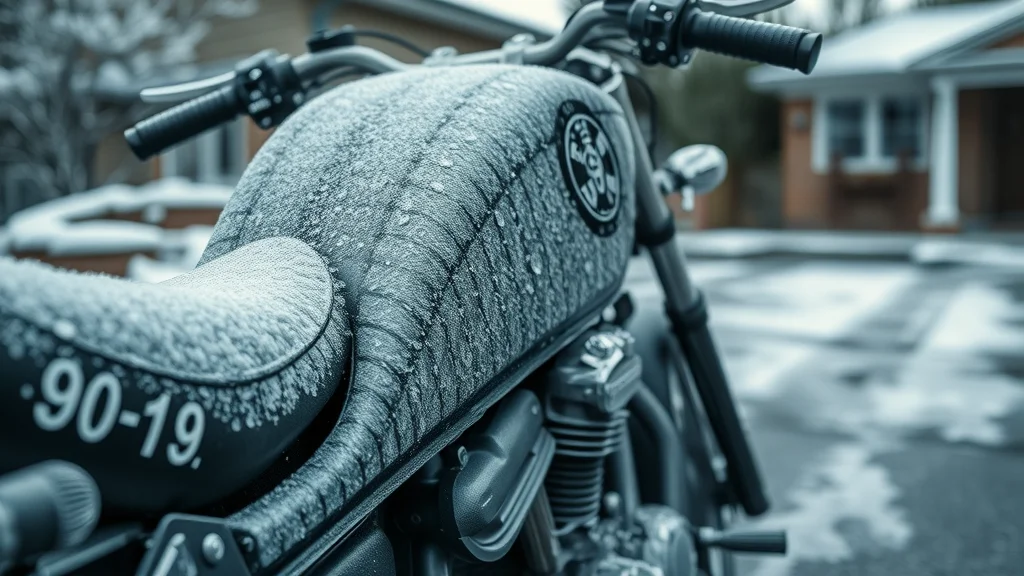
Moody photorealistic close-up of a frost-covered motorcycle parked outdoors, best way to store motorcycle for winter

Corrosion, Flat Spots, and Other Risks When You Store Your Bike Improperly

Tires resting in one place all winter are prone to developing flat spots, affecting grip, safety, and ride comfort. Similarly, condensation inside your exhaust pipe or tank encourages rust that quietly eats away at your investment. Unmanaged moisture and untreated metal surfaces—frame, chain drive, or engine cases—can pit and corrode, requiring costly repairs. Even a “good idea” like tossing a simple tarp over your bike can backfire, trapping moisture and promoting mildew or rust. Avoid these mistakes by following the expert-approved steps for motorcycle winter storage and rest assured that your motorcycle is protected from the elements and ready for action when spring returns.

Preparing Your Motorcycle: The First Step in the Best Way to Store Motorcycle for Winter

Before you store your motorcycle for the season, a focused preparation is crucial. Taking a systematic approach—often called motorcycle winterization—ensures every component is ready for a long rest. This preparation isn’t just about cleaning off dirt or parking your ride in a quiet corner; it’s a step-by-step process that reduces the risk of corrosion, fading, and mechanical problems. Careful attention now means your motorcycle will be fresher, safer, and more reliable when it’s time for your next motorcycle ride.

Whether you keep your bike in a storage unit, under a motorcycle cover outdoors, or inside your garage, the preparation process is much the same. You’ll clean and inspect your motorcycle, lubricate essential parts like the chain drive and cables, and assess all critical fluids. Not only does this allow you to catch small issues early, but a meticulous winterization process also helps maintain value and guarantees your bike remains a source of pride year after year.

Essential Motorcycle Winterization Checklist

  • Cleaning and inspection of body and vital motorcycle parts
  • Lubricating chains and cables
  • Why you should check fluid levels when performing motorcycle winter storage

Start with a deep clean—removing dirt, grime, and road salts that can contribute to corrosion. Carefully inspect for loose bolts, worn cables, or cracked rubber. Lubricate the chain drive and all exposed cables to block out moisture and prevent rust. Next, check and top up your fluids: oil, coolant, brake fluid, and especially fuel. Old or dirty oil is full of contaminants that can cause internal corrosion, so consider changing the oil before winter. The same goes for brake and clutch fluids. Addressing these items means when you store your bike for winter, you eliminate most sources of potential damage before your motorcycle even enters hibernation.
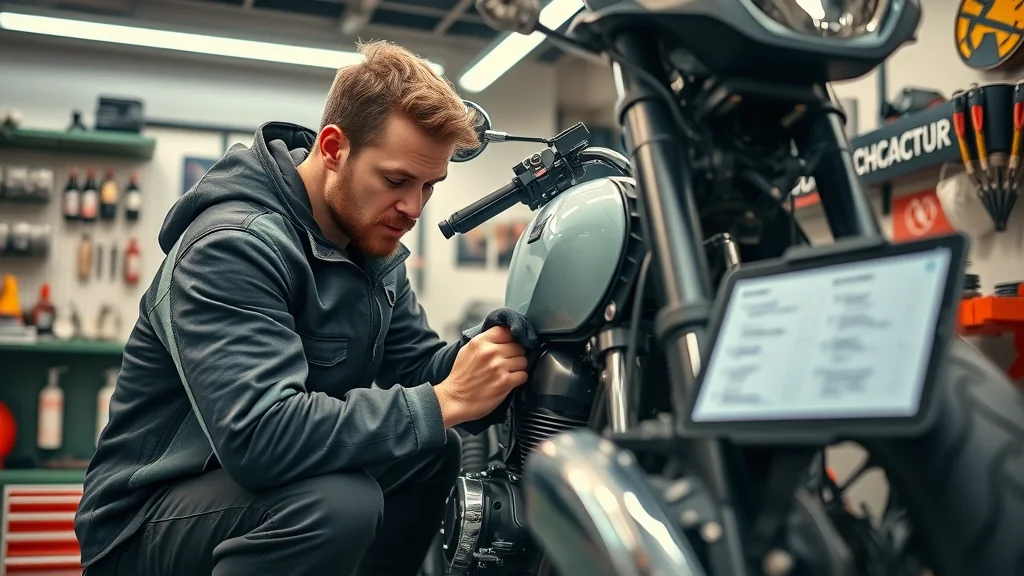
Motorcyclist cleaning and inspecting their motorcycle in a garage before winter storage, best way to store motorcycle for winter

Selecting the Right Location for Motorcycle Winter Storage

The location you choose for motorcycle winter storage makes all the difference. While indoor storage (such as a clean garage or professional storage unit) offers the best defense, not everyone has that luxury. Avoiding moisture, temperature swings, and direct exposure to the elements is your primary goal. Think about airflow, protection from the elements, and access for periodic checks over the winter. Whether you park indoors or out, choosing your spot wisely can make or break your winterization effort and save you from unexpected problems in the spring.

Whichever method you choose, always protect your bike with a breathable motorcycle cover, and consider placing it on a motorcycle stand. These tools work together to minimize the risk of corrosion, flat spots on tires, and damage from condensation or shifting weather. For riders without a garage, don’t worry—storage can be just as safe outdoors when you apply a little extra preparation and the right products.

Storing Your Motorcycle Indoors vs. Outdoors: Pros and Cons

Indoor storage is the gold standard for motorcycle winterization. It shields your motorcycle from snow, rain, ice, and sun, keeps thieves and wildlife at bay, and allows more stable temperatures. If you have the option, a clean, dry garage or dedicated storage unit helps maintain electrical system health and stops the growth of corrosion on the bike’s metal surfaces. However, sometimes it’s not possible—and that’s where outdoor options come in. Storing your motorcycle outdoors requires vigilance: use a weatherproof, ventilated motorcycle cover when storing your motorcycle, and choose a firm, level surface away from direct precipitation and icy drips. Also, tightly secure the motorcycle cover so winter winds don’t whip it away or chafe your paint.

Remember, while indoor storage reduces the possibility of cold-related mechanical issues and discourages pests, outdoor storage demands more frequent checkups and an investment in protective gear. With the right motorcycle stand and cover, and careful planning, you can still store your bike safely outside. For best results, avoid plastic tarps and never allow direct contact between metal parts and the ground, as this accelerates rusting.

How to Store a Motorcycle for Winter Without a Garage

If you don’t have access to a garage or indoor storage unit, you can still store your motorcycle securely outdoors. Start by placing your motorcycle on a level surface and, ideally, a hard pad to protect from ground moisture. Invest in a high-quality, weatherproof motorcycle cover that’s specifically designed for outdoor storage—it should fit snugly to prevent wind from lifting it and allow moisture to escape, avoiding condensation build-up. Use a motorcycle stand if possible to relieve pressure on the tires and protect from flat spots. Lock your bike securely and regularly brush off snow or ice buildup. If your location allows, consider a small pop-up motorcycle storage tent as another layer of defense.

"Storing your motorcycle outdoors adds additional steps, but it can be done safely with the right motorcycle cover and preparation." – Winter Storage Specialist

Don’t forget about the details: block your exhaust pipe with a breathable plug to prevent small animals from seeking shelter, and occasionally lift the cover to inspect for condensation or pests. Maintain battery health with a portable battery tender and service your chain drive before winter hits. Even without a garage, these extra steps ensure you’re still applying the best way to store motorcycle for winter strategy for safety and longevity.

Motorcycle Stand and Storage Unit: Improving Motorcycle Winter Protection

A well-chosen motorcycle stand can make all the difference during winter storage. By lifting both wheels off the ground, it reduces pressure on tires—helping to prevent flat spots—and keeps your entire motorcycle stable, especially for longer storage periods. This small investment pays big dividends by supporting both the wheels and suspension during inactivity, especially in fluctuating cold temperatures and humid conditions. Meanwhile, a professional-quality storage unit offers additional benefits, particularly if your home doesn’t have sufficient indoor space or you own multiple bikes.

Not only does a motorcycle stand support the health of your tires, but it also makes maintenance tasks—like periodic chain lubrication and inspections—significantly easier during winter storage. For those storing their motorcycles long-term or in areas with high humidity or temperature swings, opting for a climate-controlled storage unit adds another layer of protection from the elements, dramatically reducing the risk of corrosion, mildew, and rodent damage.

Why a Motorcycle Stand Is Essential for Winter Storage

Sitting on its tires for months can leave your bike with flat spots, damaging your ride comfort and tire safety. Using a motorcycle stand relieves the pressure on tires and ensures the bike is stable, upright, and safe from accidental tip-overs. Stands also facilitate better air circulation underneath, reducing the risk of moisture and rust on metal parts closest to the ground. For chain drive motorcycles, a rear stand makes it much simpler to lubricate the chain periodically, a key part of effective motorcycle winterization. Invest in a stand before storage and give your bike maximum structural and mechanical protection over the winter months.
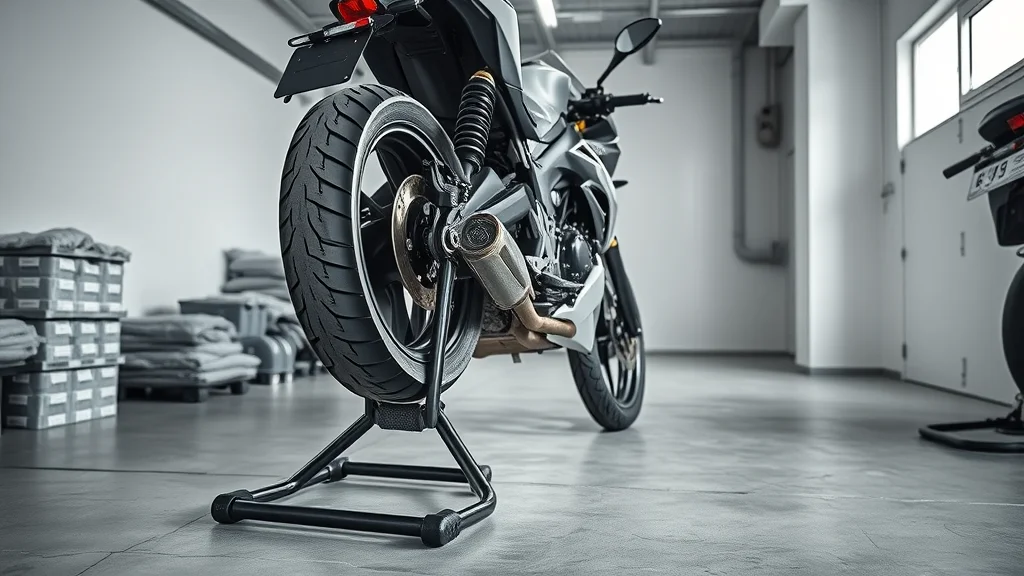
Modern depiction of a motorcycle on a stand indoors for winter storage, motorcycle stand, winter storage

When to Consider a Storage Unit for Motorcycle Winter Storage

Not all riders have access to a home garage. If you’re storing a motorcycle in a neighborhood with limited space, or are concerned about theft, vandalism, or extreme cold temperatures, a storage unit becomes an excellent investment. Professional storage units offer secure, well-regulated conditions—some are climate-controlled to maintain optimal humidity levels, further protecting your vehicle’s internal and external components from winter damage. Storage units also enable easy check-ins during the colder months, making it straightforward to rotate tires, check battery status, and spot issues early.

If you own several bikes, a storage unit is often the safest, most convenient solution for long-term motorcycle winter storage. Choosing a storage unit designed for motorcycles ensures easy access, robust security features, and sometimes even offer power outlets for battery tenders. Just be sure to check on your motorcycle periodically and follow all recommended prep steps before moving your bike in for the winter.

Maximize Protection: Using Motorcycle Covers and Battling the Elements

Nothing defends your motorcycle from winter’s worst quite like a well-made motorcycle cover. Proper covers do more than block snow, rain, and sun—they’re engineered to repel moisture while encouraging ventilation, so condensation doesn’t become trapped against your bike’s finish. Even indoors, a cover shields your motorcycle from dust, accidental bumps, and prying eyes. Selecting the right cover and knowing how to deploy it are key to keeping your ride fresh and ready for action once the cold breaks.

Covers come in many forms—avoid cheap plastic tarps that can trap moisture and stick to your paintwork. Instead, look for weatherproof, breathable fabrics designed for motorcycle storage. Features like elastic hems, lockable grommets, and built-in vents pay off by keeping your bike tightly protected and discouraging the formation of rust, mildew, or unwanted pests under the cover.

Choosing a Quality Motorcycle Cover: Features That Matter

The best motorcycle covers for winter storage are built from heavy-duty, weatherproof material with multiple layers for added defense. Seek out covers with taped seams, reinforced grommets for locking, and mesh panels or vents to enhance airflow. A snug fit is crucial—loose covers flap in the wind, while overly tight ones can scratch paint or chrome. Look for UV-blocking treatment to protect from winter sun, and water-resistant coatings to stop precipitation from seeping through. Breathable yet waterproof covers are essential to guard against condensation which fuels corrosion on your motorcycle’s metal and electrical components.

It’s a good idea to buy a cover specifically tailored to your bike’s make and model for the best fit. Avoid common mistakes like using a non-ventilated, ill-fitting tarpaulin, which traps moisture and limits protection from the elements. Cover your motorcycle before the first snow, and secure all fastening points to prevent wind from pulling it loose. This is especially important if you’re storing your motorcycle outdoors without a garage.

Achieving Full Protection from the Elements During Motorcycle Winter

Effective use of a motorcycle cover is more than just draping it over your bike—it’s about layering your protection strategies. Ensure your motorcycle is dried off before covering, as locking in moisture is a recipe for rust. If you’re storing outdoors, pair your cover with a stand and keep your motorcycle off grass or dirt: these surfaces can breed condensation and rot. Use security cables to anchor both the motorcycle and the cover, adding peace of mind during winter storms. For urban dwellers, parking next to structures like fences or walls can further buffer against high winds and snow drifts.
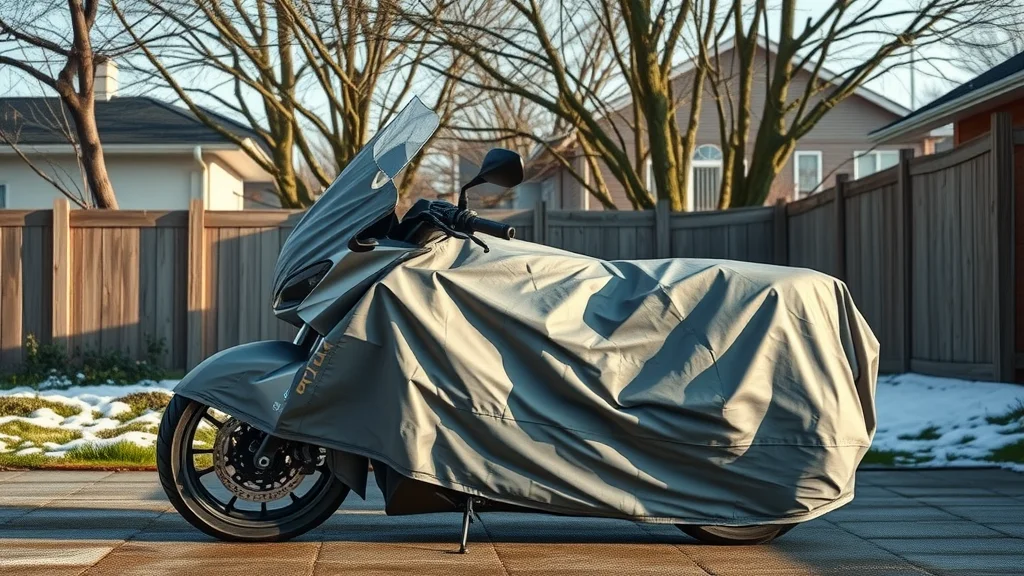
Outdoor motorcycle storage with high-quality motorcycle cover, protection from the elements, best way to store motorcycle for winter

Motorcycle Battery, Fuel, and Mechanical Essentials for Winter Storage

Two of the most critical components to focus on during winter storage are your bike’s motorcycle battery and fuel system. Batteries can quickly lose charge during long periods of inactivity, especially in cold weather. Fuel left untreated may break down, attract water, or gum up carburetors and injectors. Preparing these core systems ensures your first start in spring is as smooth as your last motorcycle ride of the fall.

Besides battery and fuel, always check your coolant (if liquid-cooled), change oil and filter before storage, and thoroughly inspect rubber parts—old, cracked hoses or gaskets are prime entry points for cold air and condensation. Paying extra attention to these components during your motorcycle winterization process pays off in reliable, fuss-free operation when the seasons change.

The Best Way to Store a Motorcycle Battery for Winter

Remove the motorcycle battery if your storage location isn’t climate controlled. Store it in a cool, dry place—never on bare concrete—and connect it to a reputable battery tender or maintainer. Battery tenders apply a smart trickle charge, preventing the cell voltage from dropping without overcharging, thus maximizing battery lifespan and performance. For riders who can’t remove the battery, at least disconnect the negative terminal to reduce drain. Check each month for signs of charge depletion or corrosion, and clean terminals with an approved brush if needed.
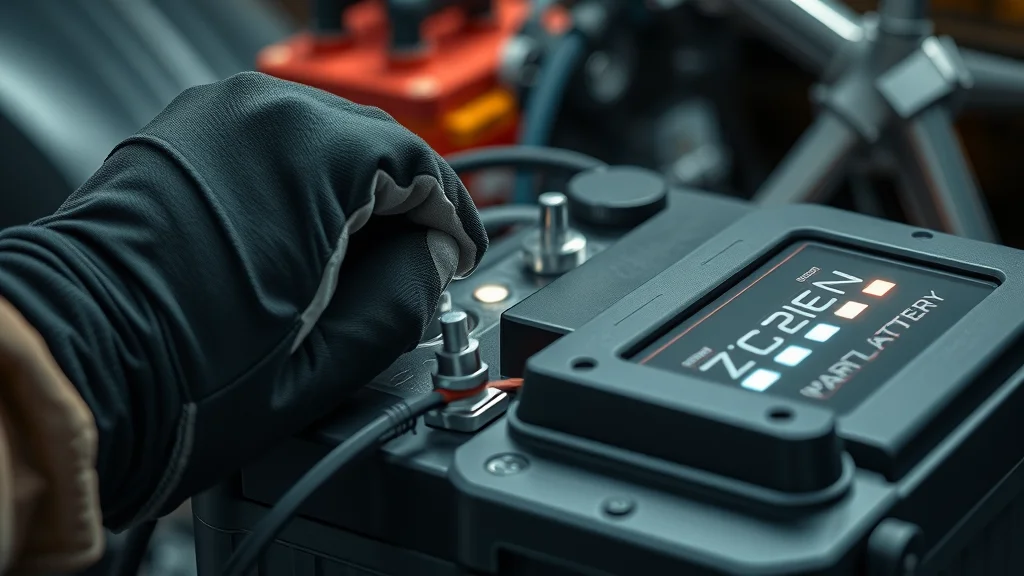
Close-up of a motorcycle battery connected to a battery tender, motorcycle battery storage, winter storage

Managing Fuel: Fuel Stabilizer and Tank Tips for Storing Your Motorcycle

Before winter storage, fill your gas tank to reduce air space and add a quality fuel stabilizer specifically formulated for motorcycles. After adding the stabilizer, run your motorcycle engine for several minutes so treated fuel circulates throughout the entire system—carburetors, fuel injectors, and lines included. This critical step prevents varnish build-up and protects sensitive internal surfaces from gum, rust, or clogs. Never leave your motorcycle with an empty or near-empty tank, as this encourages condensation and internal rusting. Old, untreated fuel presents starting problems and can mean fuel system cleaning when spring arrives. For peace of mind, always follow this proven sequence: fill the tank, add stabilizer, and run the engine to operating temperature before storing your motorcycle.

Checking the Exhaust Pipe and Preventing Moisture or Rust

The exhaust pipe is often overlooked during motorcycle winter storage. If left open, moisture or even small critters can enter and cause obstructions, rust, or foul-smelling build-up. Block the opening with a purpose-made plug or a clean, dry cloth (clearly marked for removal in spring) to keep unwanted debris out. For extra precaution, periodically check the pipe throughout storage to ensure condensation hasn’t pooled inside, which can lead to internal pitting or corrosion. Wiping down chrome exhaust tips and treating them with a corrosion inhibitor adds another layer of defense, keeping your bike’s finish looking spotless and ensuring safe operation when you’re ready to get back on the road.

Watch a professional demonstrate how to prepare your motorcycle for winter storage—covering cleaning, fluid checks, battery care, and outdoor versus indoor strategies. With footage from both a bright indoor garage and a crisp outdoor setting, you’ll see real-life, hands-on best practices for keeping your ride safe all winter long.

Winter Storage Maintenance: Inspections and Quick Checks

  • Monthly battery charge and tire pressure checks
  • Signs to look for that your motorcycle needs attention during winter storage

Even after you’ve finished your motorcycle winterization, plan to check your bike at least once a month. Ensure the battery is holding a charge—top up with a battery tender if voltage drops. Inspect tire pressure and rotate your motorcycle on the stand if possible, or roll it slightly to avoid flat spots if it’s on the ground. Look for flaking paint, condensation under the cover, or signs of critters nesting in or around your ride. Early detection means issues are minor and easy to fix, and your investment stays in top condition until warm weather returns.

Reversing Motorcycle Winterization: De-Winterizing Your Motorcycle

As warmer weather returns and spring arrives, the best way to get back on the road is to “de-winterize” your motorcycle methodically. This process essentially reverses every step you took when storing your motorcycle for winter—ensuring a safe, reliable start and protecting all systems on the first ride of the season.

Preparation Steps for a Safe Spring Start After Motorcycle Winter Storage

Remove the motorcycle cover and carefully inspect the entire bike for moisture, rodents, or corrosion. Reconnect (or reinstall) the battery and check its voltage before starting. Inspect tires for flat spots or cracks, inflate to manufacturer specs, and make sure your brakes engage smoothly. If you blocked the exhaust pipe, remove the plug and check for obstructions. Change the oil and filter again if you didn’t do so before storage—fresh fluids reduce wear as the engine comes up to operating temperature. Finally, check your lights, controls, fluid levels, and chain drive. Once everything is set, fire up your motorcycle and let it idle to operating temperature before heading out for your long-awaited first motorcycle ride.

Motorcyclist removing a winter cover in early spring, de-winterizing motorcycle after storage

Common Mistakes to Avoid When You Store a Motorcycle for Winter

  1. Skipping fuel stabilization
  2. Neglecting the battery
  3. Leaving tires with low pressure (risk of flat spots)
  4. Using unventilated covers
  5. Storing with old or dirty oil

These common errors can turn easy storage into a maintenance headache. Each step of the best way to store motorcycle for winter is designed to avoid these pitfalls and keep your ride—and your wallet—protected. Take the time to properly winterize and enjoy flawless starts and smooth rides all season long.

Motorcycle Winter Storage at a Glance: Quick Reference Table

Step Key Tools/Products Best Practice
Cleaning & Prep Waterless cleaner, microfiber cloths Always clean before storage
Location Garage, storage unit, outdoors with protection Indoors preferred
Stabilizing Fuel Fuel stabilizer, full tank Run engine after adding stabilizer
Battery Care Battery tender/maintainer Disconnect or trickle charge
Tire Protection Motorcycle stand, inflation Keep tires off ground if possible
Covering Breathable motorcycle cover Avoid plastic tarps

Video Tutorial: The Best Way to Store Motorcycle for Winter

A professionally filmed step-by-step tutorial showing an expert preparing a motorcycle for winter storage indoors and outdoors. The video features real-time demonstrations of cleaning, lubricating, checking fluids, using a battery keeper, applying a motorcycle stand and cover, and offers clear narrated best practices. Footage includes both close-ups of hands performing tasks and wide shots showing each stage of the process.

FAQs About the Best Way to Store Motorcycle for Winter

What is the 2 4 12 second rule on a motorcycle?

The 2-4-12 second rule helps motorcycle riders maintain safe following distances and anticipate road hazards. It means you should watch the area 2 seconds ahead for immediate issues, observe the path 4 seconds ahead to spot changes in traffic, and scan as far as 12 seconds ahead to identify long-term risks. This defensive riding practice is important not just for winter riding, but any time you’re on the road.

How to store a motorcycle for winter without a garage?

If you don’t have a garage, store your motorcycle outdoors with extra care. Use a level pad or hard surface, apply a weatherproof motorcycle cover, and set your bike on a stand to avoid flat spots. Stabilize the fuel, maintain your battery with a tender, and check regularly for condensation or critters. With these steps, you can safely store your bike for winter even without indoor space.

Is it better to store a motorcycle with a full or empty tank?

Always store your motorcycle with a full tank of gas and a quality fuel stabilizer. A full tank prevents condensation from forming and rusting the tank’s interior, while stabilizer keeps fuel fresh and stops gums and varnish from forming. After adding stabilizer, run your engine to ensure all lines are protected—this method keeps your fuel system in peak condition until spring arrives.

Should I leave gas in my motorcycle over the winter?

Yes, but the gas should be treated with a fuel stabilizer and the tank should be filled to the top. Untreated or old fuel breaks down, causing engine problems and internal rust. By filling the tank and treating with stabilizer, you protect your fuel system, make spring startups seamless, and avoid costly repairs or cleaning down the line.

Key Takeaways: The Best Way to Store Motorcycle for Winter

  • Clean, stabilize fuel, tend the battery, and use a cover for optimal motorcycle winter storage
  • Avoid storing your motorcycle outdoors if possible—if you must, invest in a weatherproof motorcycle cover
  • Check periodically through the winter to keep your bike in peak condition

Proper winter storage is just one part of a comprehensive motorcycle care routine. If you’re looking to elevate your maintenance strategy and keep your bike performing at its best year-round, consider exploring broader topics like advanced performance upgrades, seasonal maintenance schedules, and expert tuning tips. Our resource hub at Nasty Performance is continually expanding with new insights and actionable advice to help you get the most out of every ride. Take the next step in your motorcycle journey and discover how a proactive approach can transform both your bike’s longevity and your riding experience.

Store Your Motorcycle the Right Way This Winter—Call Nasty Performance Motorcycle Shop Today: 847-458-4858

Motocycle Seasonal Care & Storage

Write A Comment

*
*
Related Posts All Posts

Winter Motorcycle Maintenance Checklist: Don’t Miss a Step

Did you know? According to the Motorcycle Industry Council, over 50% of preventable breakdowns in spring are due to winter neglect. That means skipping just one crucial maintenance step while your bike sits through the winter can easily sabotage your next riding season. Whether you ride a sport, cruiser, or custom motorcycle, following an effective winter motorcycle maintenance checklist is your first line of defense against costly spring surprises.Startling Facts: Why Every Rider Needs a Winter Motorcycle Maintenance Checklist"According to the Motorcycle Industry Council, over 50% of preventable breakdowns in spring are due to winter neglect."When it comes to motorcycle winterization, many riders underestimate the harsh effects that winter storage and cold temperatures can have on their bikes. Without a comprehensive winter motorcycle maintenance checklist, even well-maintained motorcycles are at risk of trouble come spring. Engine oil thickens in freezing temperatures, condensation inside the gas tank can degrade fuel quality, and battery tenders are often overlooked—yet they’re essential for preserving battery life over winter.Pro tip: Riders who perform detailed motorcycle maintenance before and during the winter minimize unpleasant surprises, save money, and ensure a smooth start to the new riding season. The best practices for motorcycle winter storage include specific steps for modern and custom motorcycles alike, so every rider, regardless of experience, benefits from a thorough checklist.What You'll Learn in This Winter Motorcycle Maintenance ChecklistComprehensive winter motorcycle maintenance stepsBest practices for motorcycle winter storageEssential tools and supplies, including fuel stabilizer and battery tenderProven techniques for motorcycle winterizationExpert advice for custom motorcycle care in cold temperaturesUnderstanding Winter Motorcycle Maintenance: The Ultimate ChecklistWhy Winter Motorcycle Maintenance is CrucialMotorcycle winterization is not just reserved for die-hard riders—it's a vital part of preserving your investment and maximizing the lifespan of any motorcycle. During the winter, motorcycles are particularly vulnerable to issues like corrosion, battery discharge, flat spots on tires, and internal condensation. Without intervention, even a short period of winter neglect can trigger chain rust, clogged fuel systems, or degraded engine components by spring.Adopting a rigorous winter motorcycle maintenance checklist ensures you mitigate these risks. For example, using a fuel stabilizer prevents fuel breakdown, while regular tire inflation maintains shape and avoids flat spots. Paying careful attention to oil and filter changes, brake fluid top-ups, and battery tender connections allows both standard and custom motorcycles to weather winter’s worst, giving you peace of mind and a head start when the riding season returns.For riders looking to go beyond the basics, understanding the nuances of seasonal care can make a significant difference. You can discover additional strategies for keeping your bike in peak condition year-round by exploring these essential seasonal bike care secrets every rider should know.How Motorcycle Winter Storage Prevents Spring ProblemsSmart motorcycle winter storage isn't just about keeping your bike out of the snow—it's about preventing the most frequent causes of springtime breakdowns. A well-chosen storage location paired with a comprehensive maintenance checklist can help you avoid fuel system blockages from untreated fuel, battery failure from deep discharge, and engine damage due to old or contaminated oil. Keeping your bike on a motorcycle stand with the right tire pressure avoids flat spots, while a breathable motorcycle cover and sealed exhaust pipe deter moisture build.Riders who routinely invest in proper storage and follow a seasonal checklist find that their spring startup is hassle-free. From connecting a battery tender to applying fuel stabilizer, every step serves to protect vital systems so that you spend less time repairing—and more time enjoying—your motorcycle once the temperatures climb.Key Components of a Winter Motorcycle Maintenance ChecklistAn effective winter motorcycle maintenance checklist includes:Applying fuel stabilizer to the fuel systemUsing a battery tender or safely removing the batteryPerforming an oil and filter changeInflating tires and elevating the bike to prevent flat spotsProtecting the exhaust pipe from moisture build-upLubricating moving parts, including the chain and pivotsCleaning and waxing all surfaces to guard against corrosionSecuring with a quality cover and lock for optimal winter storageEach item targets unique winter threats, ensuring your custom motorcycle or daily rider is ready for the new season.Preparing for Motorcycle Winter Storage: Step-by-Step GuideMotorcycle Winterization: Planning AheadMotorcycle winterization starts long before the first frost falls. The first step is scheduling your maintenance, ideally as the riding season winds down to ensure parts are readily available and you’re not caught off-guard by a sudden cold snap. Review your motorcycle manufacturer’s guidelines for any custom winter recommendations. Stock up on winter-specific supplies like fuel stabilizer, battery tender, clean oil and filter, and a reliable motorcycle cover.Planning ahead allows you to address small issues—such as a weak battery or low brake fluid level—before they become big spring headaches. Remember: Good motorcycle winterization is about consistency, not just a one-time task list.Custom Motorcycle Needs in the WinterIf you’re storing a custom motorcycle, winter brings additional considerations. Unique components, specialty electronics, and non-standard finishes often demand special attention during seasonal downtime. For instance, custom exhaust pipes or intricate paintwork should be protected with moisture-resistant wraps and appropriate waxes to prevent corrosion and weathering.Upgraded batteries, high-performance fuel systems, or unique electrical systems are also more susceptible to cold temperatures. A custom motorcycle may need more frequent inspections, especially if it features after-market electronics or rare materials. Always consult your builder or specialist for winterization tips specific to your custom setup.Protecting Your Investment with Motorcycle MaintenanceYour motorcycle is a significant investment. By following a dedicated winter motorcycle maintenance checklist, you’re not just protecting its value—you’re ensuring years of reliable performance. Simple steps like routine cleaning, anti-corrosive spray applications, and secure storage help preserve both the functional and cosmetic aspects of your bike.This commitment extends the lifespan of your engine, reduces long-term repair costs, and protects custom finishes that can be costly to restore. Protect your investment, and your motorcycle will return the favor every spring.Fuel System: Using a Fuel Stabilizer for Motorcycle Winter StorageHow to Apply Fuel Stabilizer CorrectlyOne of the most critical steps in a winter motorcycle maintenance checklist is adding fuel stabilizer before winter storage. First, fill the gasoline tank with high-quality fuel—this minimizes the air inside and reduces condensation. Add the recommended dose of fuel stabilizer directly to the tank, then run the engine for five to ten minutes. This ensures that stabilized fuel moves throughout the fuel system, protecting everything from the injectors to the carburetor.Pro tip: Make it a habit to label the tank as containing treated fuel before storing. This practice is especially important if you use different stabilizers for various motorcycles in your stable.Inspecting the Fuel System Before WinterPrior to applying stabilizer, thoroughly inspect your fuel system for leaks, degraded hoses, or signs of contamination. Moisture or debris can cause improper burning and may damage injectors or carburetor jets over an extended period. For custom motorcycles with unique setups, extra diligence is required: corrosion or build-up in the lines or tank can set your bike back just when the riding season starts.If you find cloudy fuel or sediment, drain and replace before introducing stabilizer and refilling. Keeping a clean, sealed gas tank is your best insurance against springtime frustration.Cleaning the Fuel Tank & ComponentsBefore long-term winter storage, remove any lingering residue in the tank and the surrounding area. Use a recommended tank cleaning solution and rinse thoroughly. If equipped, clean or replace the in-line fuel filter and inspect the petcock for debris.Custom bikes often benefit from attention to decorative fuel caps and tank accent hardware, which can pit or discolor if moisture is trapped. Cleaning these parts and applying a light coat of anti-corrosive spray can keep even the smallest details looking and functioning their best.Battery Tender and Electrical System Checklist for Motorcycle WinterWhy Use a Battery Tender for Winter Motorcycle Maintenance?Cold weather causes motorcycle batteries to lose charge much faster than during riding season. Connecting a battery tender to your battery ensures a steady, safe charge is maintained throughout the winter—preventing deep discharge and potential battery failure. Trickle chargers provide a constant, low current charge but can overcharge if left unchecked. Battery tenders, on the other hand, sense battery levels and deliver charge only when needed.The best practice is to remove the battery from your motorcycle, if accessible, and store it indoors attached to a battery tender. This approach works especially well for both standard and custom motorcycles with high-performance batteries.Trickle Charge vs. Battery Tender: What's Best?Both trickle chargers and battery tenders play a role in motorcycle winter storage, but understanding their differences is key. A trickle charger supplies a continuous low-level charge—ideal for short-term needs or when you can keep an eye on the charge level. A battery tender, however, offers the added safety of automatic shut-off and monitoring, designed specifically for the extended period of winter storage.For most riders, especially those with modern or custom motorcycles, a battery tender is the superior choice for peace of mind—and for ensuring your bike fires up effortlessly once winter thaws.How to Remove the Battery SafelyTo safely remove the battery for winter storage, first switch off the ignition and disconnect the negative (-) cable, followed by the positive (+). Carefully lift the battery straight up, avoiding tilting or dropping it. Store it in a cool, dry place away from open flames and connect it to a battery tender.This step is especially crucial for custom motorcycles with sensitive electronics or lithium batteries, which can be more susceptible to cold damage and require special charging equipment.Oil and Filter Change: Essential Motorcycle Winterization StepWhen to Perform an Oil and Filter ChangePerforming a fresh oil and filter change just before winter storage is one of the easiest and most important steps on your winter motorcycle maintenance checklist. Old oil can contain moisture, contaminants, and acids that promote internal corrosion during extended periods of inactivity. Changing your engine oil not only ensures clean lubrication but also slows the buildup of damaging deposits.Ideally, change the oil after your final autumn ride, while the bike is still warm. This helps the oil drain thoroughly and removes the maximum amount of debris from the engine.Choosing the Right Oil for Custom MotorcyclesNot all motorcycles are created equal—especially when it comes to custom motorcycles. High-performance engines often demand special oils for cold temperatures, improved flow, or compatibility with unique engine components. Consult your builder or owner's manual, and use oil that meets or exceeds recommended viscosity and specification.Using the right oil ensures that even custom components—like lightweight pistons or special camshafts—remain fully protected throughout the winter, so you’re ready to enjoy worry-free riding in spring.Exhaust Pipe, Tires, and Additional Aspects of Motorcycle MaintenancePreventing Moisture Build-Up in the Exhaust PipeMoisture inside the exhaust pipe is one of the top causes of rust during winter storage. After your last ride and before storage, cover the exhaust opening with a plastic bag or purpose-designed exhaust plug, gently secured with a rubber band or tape. This prevents a stream of cold air and humid winter air from entering—and keeps out small critters, too.After storage, remember to remove any covers or plugs before starting your engine to avoid accidental blockages.Inflating Tires and Preventing Flat Spots During Motorcycle Winter StorageProper tire pressure is crucial for preventing flat spots during winter storage. Inflate both front and rear tires to the recommended maximum PSI listed by your motorcycle manufacturer. Whenever possible, elevate your bike using a motorcycle stand to take weight off the tires entirely.If elevation isn't possible, roll your motorcycle a quarter-turn every few weeks. This simple act helps distribute pressure and minimizes uneven wear.Lubricating and Protecting Moving PartsWinter can accelerate rust and corrosion on moving parts. Lubricate all pivot points, cables, the drive chain, and levers. Apply a high-quality motorcycle chain lube and run the controls through their full range of motion. For custom motorcycles with exposed parts or specialty hardware, don’t forget to wax and polish as needed, or use anti-corrosive sprays on chrome and alloy bits.This simple maintenance step will help keep your controls feeling crisp and reduce the odds of seizing, especially in cold, damp weather.Winter Storage Solutions: Where and How to Store Your MotorcycleIndoor vs. Outdoor Motorcycle Winter StorageWhenever possible, store your motorcycle indoors—garages and sheds offer the best protection from weather conditions and temperature fluctuations. If indoor storage isn’t an option, choose a level, sheltered outdoor area and use a high-quality weatherproof motorcycle cover.For outdoor storage, be mindful of ground moisture and potential freezing temperatures, which can further damage sensitive mechanical parts. Placing your motorcycle on plywood or a rubber mat can help insulate it from the cold ground and reduce corrosion.Best Covers and Security Tips for Custom MotorcyclesNot all covers are created equal. Invest in a breathable, durable cover that resists moisture build-up but still allows humidity to escape. For custom motorcycles, opt for covers that won’t scratch specialty paint or trap condensation inside. Add a heavy-duty lock or security chain for added peace of mind during the off-season.Place dehumidifying packs underneath the cover if your storage area is prone to dampness. For extra-sensitive custom finishes, consider soft flannel inserts or additional padding layers.Comparison Table: Essential Supplies for Winter Motorcycle Maintenance ChecklistItemPurposePro TipFuel StabilizerPrevents fuel degradation in tank and fuel systemAdd before storage, run engine to circulateBattery TenderKeeps battery charged safely over winterUse smart tender for automatic monitoringFresh Engine Oil & FilterProtects engine internals from corrosionChange after final autumn rideMotorcycle StandElevates tires, prevents flat spotsStore on center stand if possibleBreathable CoverGuards against moisture & dustChoose UV-resistant for custom paintExhaust PlugBlocks moisture/rodents in exhaust pipeRemember to remove before startingDehumidifying PacksReduces condensation inside coverEspecially helpful in humid climatesPeople Also Ask: Winter Motorcycle Maintenance Checklist AdviceHow to maintain a motorcycle during winter?Answer: A thorough winter motorcycle maintenance checklist includes cleaning, lubricating, proper fuel stabilizer use, battery tender connection or removal, oil change, tire inflation, exhaust pipe protection, and secure storage.What is the 12 second rule for motorcycles?Answer: The 12 second rule advises riders to scan the road as far as they will travel in 12 seconds, ensuring adequate time to react—a key concept in both riding and motorcycle maintenance checks for road safety.What to check on a motorcycle after winter?Answer: After winter storage, inspect battery charge, tire pressure, fluid levels, chains, brakes, and all connections in line with your winter motorcycle maintenance checklist.What is rule number 5 for motorcycles?Answer: Rule number 5 often refers to 'Show no mercy,' but for maintenance, it means strict adherence to safety protocols and the winter motorcycle maintenance checklist.Watch a professional motorcycle technician walk through each step of winter motorcycle maintenance—from adding fuel stabilizer, connecting a battery tender, and doing an oil and filter change, to inflating tires and securely storing the bike under cover in a neatly organized garage. This visual guide ensures you never miss a step for your motorcycle winterization.Expert Quotes: Trusted Insights on Motorcycle Winter Storage"Forgetting even one key step in your motorcycle winterization can lead to costly repairs come spring." – John Smith, Certified Motorcycle TechnicianKey Takeaways: The Winter Motorcycle Maintenance Checklist EssentialsNever skip a step—thorough winter motorcycle maintenance boosts longevity.Proper motorcycle winter storage is as vital as routine checks.Fuel stabilizer, battery tender, and regular inspections are your best tools.Custom motorcycles require extra attention during winter.Follow this checklist for a trouble-free riding season.Frequently Asked Questions about Winter Motorcycle MaintenanceWhy is fuel stabilizer important for motorcycle winter storage?Fuel stabilizer prevents gasoline from deteriorating and forming varnish or gum in the fuel system during long periods of inactivity. By adding the stabilizer and running the bike briefly, you protect the entire system from corrosion and tough-to-clean deposits, ensuring a quick start when spring arrives.Can skipping oil and filter changes harm my motorcycle over winter?Yes. Old oil contains contaminants and moisture that, left unchecked, may corrode internal parts during storage. Chilling temperatures can accelerate these processes. A fresh oil and filter change before storage provides a protective barrier and keeps your engine healthy all winter long.Is it safe to store my custom motorcycle outdoors during winter?While indoor storage is always preferable, outdoor storage can be made safer with a high-quality, breathable cover, a durable lock, and extra insulation under the tires. Custom paint, chrome, or electronics may be more susceptible to weather damage, so check regularly and use additional moisture barriers whenever possible.How often should I check my battery during winter storage?If connected to a battery tender, monthly inspections are usually sufficient. If you choose to trickle charge or disconnect the battery, test voltage every three to four weeks and recharge as needed. Cold temperatures accelerate battery drain, particularly in custom or high-performance motorcycles.Discover the five must-know winterization strategies every rider should use—direct from expert mechanics and veteran motorcycle owners. Watch as each tip is demonstrated in real time to guarantee you get your winter motorcycle maintenance checklist right the first time.Conclusion: Winter Motorcycle Maintenance Checklist for a Trouble-Free SpringA little preparation now saves a ton of time—and money—later. Follow this winter motorcycle maintenance checklist to protect your ride and power into spring with confidence!As you wrap up your winter motorcycle maintenance, remember that true bike longevity comes from consistent care throughout every season. If you’re eager to elevate your maintenance routine and unlock even more expert-backed tips, don’t miss the opportunity to dive into a broader perspective on year-round motorcycle upkeep. The insights shared in Seasonal Bike Care Secrets Every Rider Must Know will help you anticipate seasonal challenges, adapt your approach, and keep your motorcycle performing at its best—no matter what the weather brings. Take your next step toward becoming a truly prepared and knowledgeable rider.Ready to Winterize? Call Nasty Performance Motorcycle Shop Today: 847-458-4858Need help with your motorcycle winterization or a custom maintenance plan? Contact the experts at Nasty Performance Motorcycle Shop at 847-458-4858—your bike deserves the best!

Motorcycle Winter Storage: Avoid Damage This Season

Did you know that improper motorcycle winter storage can reduce your bike’s lifespan by up to 30%? If you’re not preparing your motorcycle for winter correctly, rust, battery failure, and costly repairs could be waiting for you when spring arrives. This comprehensive guide reveals the best strategies and expert tips to ensure your motorcycle stays in top shape throughout winter and is ready to ride when warmer days return.Startling Facts About Motorcycle Winter Storage"Studies show that improper motorcycle winter storage can reduce your bike’s lifespan by up to 30%."Understanding the Real Risks of Motorcycle Winter StorageMotorcycle winter storage is not just about keeping your bike out of sight during the colder months— it’s about actively preventing rust, corrosion, and component failure. Exposing your motorcycle to cold temperatures, moisture, and road salt without following winterization best practices can lead to significant mechanical issues. Damage to the gas tank, chain drive, battery, and exhaust pipe can add up quickly, leaving you with maintenance headaches and unexpected costs.Neglecting proper winter storage can affect your full operating temperature systems, fuel efficiency, and even critical safety features. A winterized motorcycle is not only protected from the elements but is less likely to suffer from corroded connections, flat batteries, and seized brakes. Using a robust motorcycle cover, fuel stabilizer, and following a proven winter storage checklist can extend its life and reduce seasonal maintenance expenses. Let’s dive into the vital steps to successful motorcycle winterization.What You'll Learn About Motorcycle Winter StorageHow to properly prepare your bike using proven motorcycle winterization techniquesStep-by-step checklists for storing a motorcycle inside or outside in winterImportant maintenance actions you shouldn’t overlookExpert tips to avoid costly motorcycle storage mistakesWhy Motorcycle Winter Storage Is CriticalThe decision to prepare your motorcycle for winter storage is vital for every responsible rider. When you proactively winterize your motorcycle, you’re not just defending against cosmetic damages or minor annoyances. You’re safeguarding the engine, battery, tire pressure, and moving parts against the harsh effects of cold, condensation, and inactivity. Modern bikes—with complex electronics and performance engines—are especially vulnerable to severe winter weather.Proper motorcycle winterization prevents costly breakdowns, premature parts replacement, and can even optimize your motorcycle’s performance lifespan. Without appropriate care, storing your motorcycle for the winter could mean springtime issues like a dead battery, fuel system clogs, or corrosion inside the exhaust pipe and chain drive. In short, thoughtful winter storage keeps your ride safe and ready for action.The Dangers of Improper Motorcycle Winter Storage"Leaving your motorcycle exposed can lead to rust, battery damage, and engine issues by spring," says technician Mike Rogers.Many owners overlook important details when storing a motorcycle, such as using a battery tender or adding a fuel stabilizer to a full gas tank. If you skip winter storage steps, even minor oversights can result in significant headaches. For instance, condensation in the fuel tank or exhaust pipe encourages rust, while unlubricated chain drives and neglecting battery care can result in costly replacements. Furthermore, exposed wiring and connectors are susceptible to corrosion and animal damage when winterized incompletely.It’s a good idea to follow a proven motorcycle winterization checklist and understand why each step matters. The following sections guide you through the most comprehensive strategies for protecting your motorcycle during an extended period of winter inactivity, ensuring you can avoid the most common and expensive pitfalls.For riders seeking even more detailed advice on winterizing their motorcycles, our in-depth resources at Nasty Performance offer additional checklists and expert recommendations to help you avoid the most common storage mistakes.Comprehensive Checklist for Motorcycle Winter StorageWash and dry your bikeInspect and lubricate the chainFill your gas tank and add fuel stabilizerChange the oil and filterRemove and maintain the batteryCheck tire pressure and prevent flat spotsCover the exhaust pipe openingsStore on a stand if possibleUse a high-quality motorcycle coverPrepping Your Bike: Motorcycle Winterization TipsEffective motorcycle winterization is not just for enthusiasts—every rider should know the key steps to prepare a motorcycle for winter. A little proactive care now avoids disappointment when you’re eager to be ready to ride in spring. This section provides you with all the vital steps for full operating temperature protection, from battery care to lubricating your chain drive and using the proper motorcycle cover.Start with a thorough wash, removing salt, bugs, and road grime from every surface. Once dry, focus on maintenance: change the oil and filter to prevent corrosive deposits, and fill your gas tank with fuel stabilizer to stop ethanol breakdown. Lubricate the chain or shaft drive, check fluid levels, and maintain optimal tire pressure. Depending on your bike, covering the exhaust pipe and airbox prevents critters from taking residence. With these motorcycle winterization techniques, you extend its life and ensure you don’t face expensive repairs next season.Step-by-Step Guide to Winterize Your Motorcycle1. Clean Your Bike: Remove dirt, debris, and old grease to prevent rust and corrosion.2. Lubricate Moving Parts: Pay close attention to the chain drive, cables, and control levers.3. Gas Tank & Fuel Stabilizer: Fill your gas tank to the top and add the recommended fuel stabilizer; run the engine long enough to cycle stabilized fuel through the system.4. Engine Oil & Filter: Changing the oil and filter prevents acidic buildup.5. Battery Maintenance: Remove the motorcycle battery, store it indoors, and attach a smart battery tender to maintain health when not in use.6. Tire Care: Inflate tires to the correct tire pressure and use stands to prevent flat spots.7. Exhaust Pipe & Intake Protection: Use covers or steel wool to block the exhaust pipe and airbox—from rodents and moisture.8. Storage Cover: Use a weather-resistant motorcycle cover to keep dust, moisture, and UV rays at bay.Essential Supplies for Best Motorcycle Winter StorageTo execute the best winter motorcycle storage strategy, you’ll want to stock up on the following:High-quality motorcycle coverFuel stabilizer suitable for your bike’s gas tankSmart battery tender, for ongoing battery maintenanceAppropriate chain lubricant and cleaning suppliesOil and filter changer kitTire gauge and inflatorExhaust pipe covers or steel wool plugsInvesting in these essential supplies means you’re set for a stress-free spring startup. These items support not only a preserved motorcycle battery and gas tank but protect against critter nests and environmental damage in indoor and outdoor environments alike.Where to Store a Motorcycle During WinterThe location you choose for motorcycle winter storage makes a significant difference. Storing your motorcycle indoors offers maximum protection from freezing temperatures, wind, snow, and humidity. If you lack a garage, covered parking, storage units, or even a weatherproof shed can suffice with extra precautions. Storing your motorcycle outside in winter is possible, but you must invest in a premium motorcycle cover and perform checks throughout the season.Think ahead: Indoor storage may also impact your insurance rates and reduce theft risk. Always secure your bike and document its pre-winter condition before long-term storage.How to Store a Motorcycle Over the WinterAnswer: Inside is best, but alternatives exist if you lack a garage—see outdoor storage section below.Storing a motorcycle indoors for the winter is the gold standard. If possible, keep your bike in a dry, climate-controlled garage, basement, or dedicated storage unit. This protects vital systems from condensation, fluctuating temperatures, and corrosion. For homes without garage access, consider renting a small storage unit—monthly storage fees can pale in comparison to potential repair bills.Outdoor winter storage calls for added vigilance. Use a weatherproof motorcycle cover, park on concrete or wood to avoid ground moisture, and shield the exhaust pipe and airbox. Check your motorcycle periodically for ice formation and animal intrusion. Always weigh the pros and cons of each storage option based on your budget, location, and risk tolerance.Ideal Locations for Motorcycle StorageBest options for motorcycle winter storage:Garage or basement: Consistent temperature, security, and protection from precipitationRented unit: Many facilities offer monthly agreements, keeping storage fees reasonableEnclosed shed: Keeps away wind and moisture, works well with a quality motorcycle coverUnder porch/awning: When paired with a proper motorcycle cover, these can substitute in milder climatesAlways lock your motorcycle and consider additional antitheft or alarm options during storage.Storing a Motorcycle Without a Garage During WinterAnswer: Use weatherproof motorcycle covers, seek covered porches, or consider rental storage units.No garage? You can still successfully store a motorcycle outside in winter. Use a thick, waterproof motorcycle cover designed for freezing conditions. Waterproof isn’t enough—look for covers that also allow ventilation to prevent trapped moisture which can damage the paint and battery.If available, relocate your motorcycle to a carport, under-deck, or outdoor structure that offers some respite from precipitation and wind. For affordable, longer-term storage, look into self-storage units—storage fees may be a good idea to avoid thousands in possible damage. Routinely inspect for condensation, rodent nests, and check the chain drive condition. Always disconnect and maintain the battery as part of your motorcycle winterization routine.Can You Store a Motorcycle Outside in Winter?The pros, cons, and best practices if indoor storage is not an option.It’s absolutely possible to store your motorcycle outside in winter when indoor solutions are unavailable, but you must face increased risks. Outdoor storage exposes your bike to condensation, corrosion, ice, and theft. The right weatherproof motorcycle cover and a location shielded from snow drifts and puddles help mitigate damage. If riding is off the table for months, elevate your motorcycle on a stand for improved airflow and tire longevity.Best practices include: routinely clearing snow from covers, using rodent deterrents near the exhaust pipe and seat, and storing your battery indoors connected to a battery tender. While not as ideal as indoor storage, consistent attention helps reduce seasonal wear and tear. Remember, thorough motorcycle winterization and frequent checkups are the keys to readying your bike for spring.Advanced Motorcycle Winter Storage: Maintenance TricksMaintaining your motorcycle’s key systems during winter maximizes lifespan and reliability. Don’t just park and forget—give special attention to your battery, exhaust pipe, and tires with the following expert winter storage tricks.These maintenance tips ensure that the battery holds its charge, the exhaust pipe remains rust-free, and tires maintain their integrity during an extended period off the road. A small investment in supplies (like a smart battery tender and exhaust covers) pays major dividends when you’re ready to ride.How to Protect Your Battery and Electrical SystemMost motorcycle batteries lose charge in cold temperatures. Remove the motorcycle battery for the winter, clean the terminals, and store it in a warmer, indoor space. Attaching a smart battery tender (“trickle charger”) keeps the charge at optimal levels, preventing sulfation and loss of battery capacity over time. For modern bikes, disconnecting the battery also helps protect the electronic modules from small electrical leaks or shorts during storage.If your electrical system includes alarms or trackers, check if they draw power even when the motorcycle is off. For longer winter storage, recheck the battery’s voltage monthly, ensuring it’s in full operating condition by spring. Replace old or weak batteries before winter for total peace of mind.Treating the Exhaust Pipe and AirboxRust and critter infestations commonly start in the exhaust pipe and airbox during long storage periods. Block each exhaust pipe opening with a rag or steel wool (removing it before you ride, of course). This simple act prevents condensation and rodents from causing costly damage inside the exhaust system. Similarly, tape over or stuff the airbox intake if accessible. Combined with a thorough cleaning, this measure preserves the delicate internals from corrosion and contamination throughout winter.After winter storage, double-check these areas for blockages before running the bike again. Keeping your fuel system and exhaust pipe clean ensures quick startup and prevents unpleasant surprises when you’re eager to get back on the road.Why Tire Care Matters During Motorcycle Winter StorageMotorcycle tires can develop flat spots and dry rot if left underinflated or under load for an extended period. To prevent this, inflate your tires to the manufacturer’s recommended tire pressure before storing. If possible, raise your motorcycle on a center or paddock stand to relieve pressure and keep the rubber from developing memory spots. If floor stands aren’t available, roll your motorcycle slightly every few weeks, and check for signs of cracking or low pressure.Cold weather reduces air pressure in tires, so periodic checks with a gauge during winter storage are a good idea. Taking these extra tire precautions means your ride will feel smooth and safe on your first outing in spring.Motorcycle Covers and Additional Protection for Winter StorageA robust motorcycle cover is your first line of defense against the elements during winter storage—indoors or out. Not all covers are created equal; look for multi-layer construction, breathability, and secure ties to keep out moisture while preventing mold and mildew. Covers with reinforced panels protect from minor dings, while UV protection keeps paint vibrant and plastics from cracking.Additional protection may include chock blocks for tire safety, desiccant packs to control humidity, and rodent deterrent sachets placed around your storage area. These added steps help ensure your motorcycle emerges from winter in full operating condition.Choosing the Right Motorcycle CoverWhen selecting a motorcycle cover for winter storage, choose quality over price. Covers should be waterproof yet breathable, with elastic hems that seal tightly at the bottom. Models with heat-resistant panels prevent damage if you cover a slightly warm engine.Investing in a reputable motorcycle cover designed specifically for your bike’s size and shape can greatly reduce weather-related and environmental damage. If you store your motorcycle outside in winter, opt for extra tie-downs and lockable grommets for both security and practical weather protection. Remember: a well-chosen cover protects your effort and your finances.Extra Steps for Storing a Motorcycle Long-TermIf your motorcycle will remain unused for several months, step up your winterization with sector-leading strategies. Fully empty any carburetor bowls by running the bike and then draining the float, especially for older models—this prevents gumming of the fuel system. Spray fogging oil into the spark plug holes and turn the engine a few times for extended storage protection.Document your storage process and keep a printed motorcycle winterization checklist for easy reference. Label and bag up fasteners or accessories you remove for safekeeping. When spring returns, this diligence will make your motorcycle ready to ride with minimal fuss and maximum reliability.Popular Questions: Motorcycle Winter Storage (People Also Ask)How to store a motorcycle over the winter?Answer: Clean your motorcycle, fill the tank, add stabilizer, change the oil, disconnect and maintain the battery, inflate the tires, cover exhaust and air intakes, and store in a cool, dry location with a motorcycle cover.How to store a motorcycle without a garage during winter?Answer: Use a weatherproof motorcycle cover, park in a sheltered spot or consider renting a self-storage unit, lubricate all moving parts, and routinely check for moisture or critter activity.What is the 12 second rule on a motorcycle?Answer: The 12 second rule refers to looking 12 seconds ahead while riding to spot hazards early, a vital safety tip in all seasons, especially important before returning to riding post-winter.Should I fill my gas tank for winter storage?Answer: Yes, a full tank—treated with fuel stabilizer—prevents moisture build-up and fuel system corrosion during motorcycle winter storage.Comparison Table: Indoor vs. Outdoor Motorcycle Winter StorageFeatureIndoor StorageOutdoor StorageProtection from ElementsHighLow-ModerateTheft RiskLowerHigherMoisture/Rust PreventionExcellentModerateBattery LongevityBetterVariableMaintenance AccessEasyDifficultEssential FAQs on Motorcycle Winter StorageHow do I prevent rodents during motorcycle winter storage?Seal exhaust pipe openings and airboxes, use rodent deterrent sachets around your storage area, and occasionally check for nests or chewing damage.Can I start my motorcycle occasionally during winter?It’s better not to unless you can run it to full operating temperature each time; otherwise, condensation may increase the risk of rust and electrical issues.Is it bad to store a motorcycle on its tires all season?Long-term storage directly on tires can cause flat spots and premature wear. Use center or paddock stands if possible; otherwise, keep tires fully inflated and rotate the bike occasionally.How soon after winter storage can I ride my motorcycle?Once you’ve checked tire pressure, removed intake/exhaust covers, reconnected the battery, and performed basic safety checks, your motorcycle should be ready to ride.Key Takeaways: Protect Your Motorcycle with Proper Winter StorageProper motorcycle winter storage prevents costly repairs and extends your bike’s lifespanIndoor storage and regular maintenance are crucialDon’t forget to maintain battery health and cover exhaust pipesA quality motorcycle cover is essential whether inside or outExpert Video Guide: Motorcycle Winter Storage TutorialWatch: Step-By-Step Process to Winterize Your MotorcycleProfessional video tutorial featuring a certified motorcycle technician demonstrating a detailed motorcycle winterization process in a well-lit workshop. Close-up and wide shots of cleaning, maintenance, and cover application, with voiceover explanations and easy-to-follow steps, designed for beginner and experienced riders alike.Conclusion: Maximize the Benefits of Proper Motorcycle Winter Storage"Winter is tough on motorcycles, but smart storage makes spring rides trouble-free."Take a proactive approach to motorcycle winter storage and your bike will reward you with peak performance and minimal springtime headaches.As you master the essentials of motorcycle winter storage, remember that ongoing learning and expert support can make all the difference in your riding experience. For those interested in advanced maintenance strategies, seasonal upgrades, or personalized advice, the team at Nasty Performance is continually developing new resources to help you get the most from your machine year-round. Stay tuned for future updates and in-depth guides that will empower you to protect, maintain, and enhance your motorcycle—no matter the season. Your next level of motorcycle care is just a step away.Ready to Protect Your Bike?Call Nasty Performance Motorcycle Shop Today: 847-458-4858

Pre-Winter Motorcycle Inspection: Don’t Ride Into Trouble

Startling Fact: Did you know that neglecting a pre-winter motorcycle inspection puts more than 30% of bikes at risk for preventable winter breakdowns and expensive repairs? Don't let preventable problems strand you on the side of the road—learn what it takes to keep your bike ready for action, even after a long winter. Before winter weather sets in, smart riders focus on safety, protection, and preparation. This guide equips you with all the knowledge and steps required for a comprehensive pre-winter motorcycle inspection . Whether you ride occasionally or daily, following these insights will ensure your bike is ready for winter storage and the open road when spring returns. What You’ll Learn: This article covers the crucial checks, common mistakes, expert recommendations, key differences between inspection types, and actionable steps for professional and DIY winter readiness. Dive in to safeguard your motorcycle—and your riding experience—this winter. Why a Pre-Winter Motorcycle Inspection is Non-Negotiable A successful riding season doesn't end when the temperature drops. Instead, it marks the beginning of a different responsibility: ensuring your motorcycle safety and performance through a pre-winter motorcycle inspection . Riders often underestimate how moisture, salt, and cold can damage vital components while a bike is sitting in storage. Without proactive care, you'll be left repairing your bike and risking safety as soon as winter ends. Routine winter storage is only half the battle—the other half is preparation. Keeping your bike in top shape means addressing minor issues before they worsen. A thorough pre-winter inspection isn't just about preserving your investment; it’s about reducing expensive post-winter repairs, ensuring a smooth spring startup, and ultimately protecting yourself on every ride, all winter and beyond. Startling Stats: The Risks of Skipping a Pre-Winter Motorcycle Inspection Winter brings an unforgiving mix of cold, moisture, and road chemicals. According to the National Highway Traffic Safety Administration , over 30% of winter motorcycle incidents are preventable with proper pre-winter motorcycle inspection and maintenance . Skipping these essential checks leads to issues such as fouled spark plugs, corroded brake pads and lines, failing batteries, and degraded engine oil—all of which jeopardize your safety and wallet. Preemptive action is not just advised, it's critical. "According to the National Highway Traffic Safety Administration, over 30% of winter motorcycle incidents are preventable with proper pre-winter motorcycle inspection and maintenance." Comprehensive Pre-Winter Motorcycle Inspection: What Every Rider Should Know Every rider, whether a weekend adventurer or daily commuter, must treat a pre-winter motorcycle inspection as non-optional. Here’s how you cover all the essentials, prevent breakdowns, and reduce risks before winter storage: Step-by-step process for thorough inspection: Start with a safety check—test brake lights, turn signals, and horn. Inspect tire pressure and tread for embedded objects. Test battery voltage using a multimeter or trickle charger, clean terminals, and secure connections. Clean and lubricate chains, check for signs of wear on cables and controls, then examine the engine oil and transmission fluid for proper levels and contamination. Benefits of consistent inspection: Riders enjoying the open road in spring find that regular pre-winter checks save money, avoid post-storage repairs, enable faster startups, and nearly eliminate early-season mishaps stemming from overlooked issues. Most overlooked areas: Spark plugs (often neglected, causing rough starts), old brake fluid that absorbs moisture, worn brake pads, and failing batteries. Overlooking these not only shortens your bike’s life but can lead to dangerous lapses in the braking system and overall motorcycle safety. Winter Storage Preparation: Protect Your Motorcycle for the Season Winter storage is not merely parking your motorcycle until the weather improves. It’s a structured process that ensures your bike is ready to roll when spring arrives. Effective storage preparation starts with a diligent pre-winter motorcycle inspection. This seamless transition protects your motorcycle tires, prevents rust on brake pads and calipers, averts battery drain, and maintains essential fluids in working order. By integrating inspection with storage readiness, riders prevent problems caused by sitting in storage, such as degraded engine oil or unsafe brake fluid, ensuring a safer and smoother start come spring. Choosing the right storage location is also critical. Garages, professional winter storage units, or other dry, climate-stable environments prevent condensation and corrosion affecting the brake system, spark plugs, and electrical components. Covering your motorcycle keeps dust, moisture, and contaminants at bay. Checklist: How Proper Winter Storage Relates to Pre-Winter Motorcycle Inspection Cleaning your motorcycle before storage removes salt or road grime that can cause corrosion and damage, especially on brake pads and mechanical joints. Covering the bike isn’t just for aesthetics—moisture and dust can reach sensitive engine oil seals, electrical connectors, and spark plug caps. Stabilizing fuel and topping off all fluids is crucial. Sitting in storage can degrade fuel, leading to tough startups, clogged injectors or carburetors, and potential costly engine repairs—all preventable with this critical step. Winter Storage Preparation Task Why it Matters Pre-Winter Motorcycle Inspection Impact Clean & cover motorcycle Prevent corrosion Reduces post-winter repair costs Fill gas tank, add stabilizer Prevents fuel breakdown Ensures smooth spring startup Spark Plug and Spark Plugs: Critical Checks in Pre-Winter Motorcycle Inspection Spark plugs are the heart of consistent engine starts and performance. Incomplete combustion, hard starting, or rough idling can be traced back to overlooked spark plug maintenance. As part of your pre-winter motorcycle inspection , examine and replace spark plugs if needed—worn or fouled plugs produce weak sparks and compromise engine oil efficiency. Checking spark plugs also gives clues about potential air/fuel mixture problems or oil leaks, allowing preventive action before you experience major issues in winter or spring. Most riders forget to include spark plug cleaning, testing, and replacement within their safety check. Your bike's health depends on reliable ignition. A fresh set of spark plugs can be the difference between a rewarding open road adventure and the frustration of a stranded cold start after sitting in storage. Always inspect not just one, but all spark plugs, to make sure your bike is ready for safe winter riding or hibernation. How to Inspect, Clean and Replace Spark Plug(s) Begin by removing the spark plug cap and using the correct socket to extract each spark plug. Examine electrode color: tan or light gray means healthy combustion, while dark or oily deposits signal engine problems or poor air-fuel mixture. Clean gently with a wire brush and plug cleaner as needed. If there are worn or eroded electrodes, replace with the manufacturer-recommended spark plug model. Apply a dab of dielectric grease to the inside of the plug boot to prevent moisture intrusion during winter storage. Always check gap settings before installation to ensure proper ignition when spring returns. Test spark plug resistance using a multimeter for internal faults. Reinstall the spark plugs with correct torque to avoid thread damage. After everything is secure, reconnect the plug caps, then run your engine briefly to ensure all cylinders fire properly. Don’t forget to record spark plug inspection details on your checklist for reference—this habit simplifies troubleshooting and seasonal maintenance significantly. "A single faulty spark plug can compromise your bike’s performance throughout the winter. Always include spark plugs in your pre-winter motorcycle inspection." The Importance of Fuel Stabilizer in Pre-Winter Motorcycle Inspection Leaving untreated fuel in your tank during winter storage is unsafe for your engine. Unstabilized gasoline oxidizes and forms varnish in carburetors, injectors, and lines, leading to hard or impossible starts and potential engine leaks in spring. Integrating fuel stabilizer as part of your pre-winter motorcycle inspection is a proven step for ensuring your motorcycle is always ready—even after months of sitting in storage. Fuel stabilizers prevent gasoline from degrading and breaking down, keeping injectors and spark plugs free of carbon buildup. Using the right product extends your engine’s life and preserves smooth performance when you're ready to hit the open road once more. Selecting and Using Fuel Stabilizer to Prevent Fuel System Damage Signs your fuel needs stabilizer: If you plan to let your motorcycle sit for 30 days or longer, or you notice inconsistent starting, hesitation, or the smell of varnished fuel in the spring, stabilizer is non-negotiable. Step-by-step instructions: Fill the gas tank nearly full (leaving space for expansion). Add the recommended amount of fuel stabilizer, then run the engine for five minutes to distribute treated fuel throughout the system, including the carburetor, injectors, and lines. This last action is essential to protect your fuel system during the entire winter storage period. Check the Brake System: Safety First in Pre-Winter Motorcycle Inspection Your braking system is your bike’s main safety net. Before the cold sets in, a pre-winter motorcycle inspection requires you to evaluate both brake pads and fluid. Moisture can enter brake lines over time, and rubber seals may dry out or corrode. Testing front and rear levers, checking for consistent lever feel, and examining pads for minimum thickness ensures you have functional, reliable stopping power on those chilly late-season rides and first trips after winter storage. Neglected brake systems can lead to unsafe performance, costly repairs, and dangerous conditions. Riders should also examine the brake light operation, ensuring it activates with light lever or pedal pressure. Consistent inspection both before and after winter guarantees motorcycle safety and minimizes the risk of emergency repairs or failures during crucial moments. How to Examine Brake Pads, Fluid, and Functionality Before Winter Start by visually checking both front and rear brake pads for wear. Replace if the friction material is at or below the minimum thickness recommended by the manufacturer. Inspect for uneven wear, cracks, or embedded objects. Next, check brake fluid: the fluid should be clear, not dark or murky. If it’s been more than two years, or you detect contamination, a full flush and refill is crucial. Top off fluid with the correct DOT-spec recommended for your model. Squeeze brake levers firmly and hold; the lever should feel solid and not spongy (a sign of air or moisture in the line). Confirm that your brake light activates with any lever or pedal movement. Don’t forget the emergency or parking brake if equipped. Record findings and fluid change dates in your inspection log. This comprehensive approach to brakes protects you, your investment, and keeps your bike ready for the road at any time. Why You Should Change Your Oil as Part of Pre-Winter Motorcycle Inspection Old oil contains combustion byproducts and contaminants that, left unchecked during winter storage, can cause internal corrosion and degrade engine seals. As you wrap up your pre-winter motorcycle inspection , always include an oil change. Fresh engine oil protects moving parts, maintains viscosity, and eases engine startups that will otherwise tax an engine after months in cold storage. Some riders mistakenly think “the oil just sits” during storage, but acids continue to break down components inside the engine. This step is not just a best practice—it's endorsed by major manufacturers, the Motorcycle Safety Foundation, and seasoned riding communities worldwide. Guidelines for Oil Change: Protecting Your Engine All Winter Use the manufacturer-recommended engine oil type and capacity. Warm up the engine to help contaminants suspend before draining, ensuring a full flush. Replace the oil filter to stop trapped dirt from circulating back into your fresh oil. Check for leaks after filling and run the engine for two minutes to coat internal parts in clean oil. Record the type and date of the change in your maintenance log. This process guarantees your motorcycle safety is not compromised and your engine is preserved for smooth running after sitting in storage. For extra protection, consider using premium oil filters and add a fuel stabilizer for comprehensive winter readiness. This holistic approach shields your investment, ensures proper lubrication, and sets the foundation for a long, trouble-free riding season come spring. Essential Pre-Winter Motorcycle Inspection Checklist Inspect tire tread and air pressure with a precise pressure gauge Test battery strength and clean battery terminals Change your oil and oil filter Check the brake system—pads, fluid, levers, light Clean and inspect spark plug(s) Top off fuel and add fuel stabilizer Examine all cables and controls for signs of wear Lubricate all moving parts Secure your chosen winter storage location Record all inspection findings for quick spring reference Watch: Step-by-Step Pre-Winter Motorcycle Inspection Tutorial Common Mistakes to Avoid in Pre-Winter Motorcycle Inspection Forgetting spark plug maintenance—leading to poor ignitions and rough starts Neglecting battery checks or forgetting to install a trickle charger—resulting in a dead battery come spring Skipping fuel stabilizer—leads to fuel breakdown and costly injector or carburetor issues Overlooking brake system inspection—compromising safety and leading to expensive repairs Missing oil change deadlines—risking internal corrosion while the bike is sitting in storage Expert Recommendations: Pre-Winter Motorcycle Inspection Best Practices Following best practices makes all the difference for motorcycle safety and performance all year round. Experts and organizations, including the Motorcycle Safety Foundation, urge riders to conduct a full inspection using a repeatable checklist. Keep all maintenance records, service your bike at recommended intervals, and never overlook basics like air pressure, brake fluid levels, or spark plug condition. Store your motorcycle in a stable, moisture-free environment, use high-quality lubricants and stabilizers, and make a habit of visually checking your motorcycle at least every other week during storage. Consistency and attention to detail extend your bike’s lifespan, preserve its value, and keep your ride enjoyable winter after winter. "Consistent pre-winter motorcycle inspection can extend the lifespan of your bike and ensure your safety year-round." How to Prepare Your Motorcycle for Winter? Detailed Steps for Complete Winter Prep Begin by washing and fully drying the motorcycle; even small moisture pockets can corrode brake pads, bolts, or engine components during prolonged storage. Clean and lubricate the chain or shaft drive, then apply protectant spray to exposed metal surfaces. Check and top off all essential fluids—engine oil, brake fluid, coolant, and windshield washer fluid where applicable. Inflate tires to the recommended air pressure and consider elevating the frame or using paddock stands to prevent flat spots. Remove the battery if storing in unheated garages—keep it on a trickle charger indoors. Cover the bike with a breathable, fitted cover; never use plastic tarps. Most importantly, finish with a comprehensive checklist, ensuring no step is overlooked. Secure your storage area, and your bike is ready for winter—protected against the elements and sitting in storage safely. What is a Motorcycle Pre-Trip Inspection? Differences Between Pre-Trip and Pre-Winter Motorcycle Inspection A motorcycle pre-trip inspection focuses on immediate ride-readiness: checking tire pressure, brakes, lights, and controls before each ride. In contrast, a pre-winter motorcycle inspection is comprehensive, preparing a bike for extended inactivity. It prioritizes fuel system protection with stabilizer, changing oil and filters, examining and replacing spark plugs as needed, and preparing for winter storage conditions. While both inspections cover vital safety systems, they differ in detail and seasonal purpose. The pre-trip check is short and ride-centric; the pre-winter check is thorough, preventive, and designed to minimize damage during sitting in storage. Complete both inspections routinely for best motorcycle safety outcomes. What to Check on a Motorcycle After Winter? Post-Winter Safety Inspection Checklist After winter storage, a full safety check is essential before hitting the open road. Start with tires—look for flat spots, cracks, or embedded debris, and check tire pressure. Test the battery’s voltage and ensure it holds a charge; reinstall it if removed. Verify brake pads and fluid levels, test levers for firmness, and confirm lights and turn signals function. Change the oil if you missed it pre-storage, or check for leaks under the bike. Inspect spark plugs for fouling, and run the engine slowly at first to circulate fluids evenly. Examine all cables and controls for free operation, lubricate as needed, and conduct a brief test ride in a safe environment to ensure everything is working order. Document findings and address any concerns before long-distance trips. Does California Require a Motorcycle Inspection? State-Specific Motorcycle Inspection Laws In California, there is currently no annual motorcycle inspection program similar to those found in some eastern states. However, the state does enforce emission standards and safety mandates for motorcycles, especially for those changing ownership or registering from out of state. Riders are still responsible for maintaining their motorcycles in safe working order: functioning brake lights, correct tire pressure, visible turn signals, clear brake fluid, and up-to-date safety equipment. Always check local DMV requirements if selling, buying, or moving with a motorcycle in California. While pre-winter motorcycle inspection isn’t mandated, it’s considered a best practice for rider safety and compliance. Frequently Asked Questions (FAQs) How often should a pre-winter motorcycle inspection be performed? Perform a thorough inspection every year before your bike is sitting in storage for winter. If riding during winter, check essentials after every major temperature change. What are the most important components to check? Always assess brakes, oil, spark plugs, tires, battery, and ensure fluid levels and controls are in working order. Is pre-winter motorcycle inspection necessary if using indoor storage? Yes—indoor storage reduces weather risk, but fuel, oil, and spark plugs are still at risk for degradation. Inspection preserves your bike regardless of storage location. Can I do a pre-winter motorcycle inspection myself or should I hire a professional? Most riders can perform basic checks with guidance, but professionals ensure that nothing critical is missed, especially with newer technology or if unsure about your mechanical skills. Summary of Pre-Winter Motorcycle Inspection: Key Takeaways for Riders Never skip a thorough pre-winter motorcycle inspection each season Prioritize brake, oil, spark plugs, and fuel stabilizer checks for optimal performance Proper winter storage preparation is integral for long-lasting motorcycle health Maintaining a comprehensive checklist makes future inspections faster and easier Watch: Customer Testimonial: Positive Experiences with Pre-Winter Motorcycle Inspection Contact Professionals for Pre-Winter Motorcycle Inspection Assistance If you want peace of mind and expert coverage for your pre-winter motorcycle inspection , call your local certified shop. Seasoned professionals can spot issues that even experienced riders often miss and guarantee that your bike is ready for safe riding, reliable winter storage, and prompt spring revival. "Prepared riders are safe riders: Don’t risk winter riding mishaps by skipping a pre-winter motorcycle inspection. Book your service before the first storm." Call Nasty Performance Motorcycle Shop Today: 847-458-4858 Actionable Step: Make the call or book your inspection before winter hits. Professional care today means no nasty surprises tomorrow. To enhance your understanding of pre-winter motorcycle inspections, consider exploring the following resources: “Motorcycle Inspection: How to Get Your Bike Ready for Spring” by Nationwide provides a comprehensive guide on post-winter motorcycle inspections, detailing essential checks and maintenance tasks to ensure your bike is road-ready after storage. ( blog.nationwide.com ) “Motorcycle Pre-Ride Checklist” by RevZilla offers a detailed pre-ride inspection checklist, emphasizing the importance of regular maintenance and safety checks before each ride. ( revzilla.com ) These articles offer valuable insights into maintaining your motorcycle’s performance and safety through thorough inspections and maintenance routines. Call Nasty Performance Motorcycle Shop Today: 847-458-4858

Terms of Service

Privacy Policy

Core Modal Title

Sorry, no results found

You Might Find These Articles Interesting

T
Please Check Your Email
We Will Be Following Up Shortly
*
*
*