
Did you know that in the United States, motorcyclists are nearly 28 times more likely to die in a crash than car occupants, according to the latest data from the NHTSA? For beginners, these statistics highlight the urgent need for understanding and using effective safety tips whenever you ride. But with the right habits, equipment, and training, you can shift gears toward a much safer riding experience. If you're new to motorcycle riding, this guide unveils the best practices for motorcycle safety for beginners—so you can enjoy the open road with confidence and control.
Startling Facts About Motorcycle Safety All Beginners Should Know
- The highest number of traffic fatalities among vehicle types involves motorcycles, making up a disproportionate share of crashes compared to cars and trucks.
- Wearing a helmet that meets safety standards can reduce the risk of head injury by nearly 70% and fatally by over 40%.
- Most motorcycle accidents involving beginners are caused by avoidable mistakes—like improper turns, failing to execute escape routes, or ignoring pre-ride safety checks.
- Keeping your motorcycle lights on during the day makes you more visible and can significantly reduce the risk of a motorcycle accident.
Expert insight: “A single smart safety tip—like double-checking your escape route at every intersection—can literally save your life as a new motorcycle rider.” – Raul S., Certified Motorcycle Safety Instructor
What You'll Learn About Best Practices for Motorcycle Safety for Beginners
- How to identify crucial motorcycle safety tips as a beginner
- Core skills for riding a motorcycle safely at any skill level
- Common mistakes beginners should avoid to prevent a motorcycle accident

Understanding the Basics: Why Best Practices for Motorcycle Safety for Beginners Matter
Getting started with motorcycle riding is exciting—but also presents unique risks that make safety knowledge essential, especially for beginners. New riders have higher accident rates due to unfamiliarity with how motorcycles respond, environmental awareness, and skills like quick braking or smooth cornering. Embracing best practices for motorcycle safety for beginners isn't just about ticking boxes; it's the difference between routine rides and catastrophic events. Every core safety tip you adopt, from consistently wearing protective gear to developing an escape route mentality, builds the foundation of a safer riding journey.
Rider education, understanding your own skill level, and keeping your motorcycle in top condition are non-negotiable elements of motorcycle safety. By taking formal safety courses and seeking out experienced mentors, you gain proven strategies for avoiding a motorcycle accident. These best practices empower you to make quick, smart decisions on the road, helping you prevent the number of motorcyclists killed in tragic crashes. As you master these elements, you'll be able to confidently share the road, adapt to changing traffic conditions, and protect yourself from both common and unexpected hazards.
While mastering safety fundamentals is crucial, beginners should also pay close attention to how seasonal changes can impact both riding conditions and motorcycle maintenance. For a deeper dive into keeping your bike in optimal shape throughout the year, check out these seasonal bike care secrets every rider must know—a practical resource for ensuring your motorcycle is always ready and safe, no matter the weather.
Motorcycle Safety Tips for New Riders
Every beginner must focus on foundational motorcycle safety tips that reduce risk and build lifelong habits. Start by strictly adhering to all safety tip guidelines from certified training programs and advisory councils. Consistently wear a helmet that meets federal safety standards, as even a low-speed collision can result in severe head injuries. Adopt a habit of checking your tire pressure, brakes, lights, and controls before every ride, as mechanical issues contribute to a significant portion of accidents involving new riders. Use brightly colored jackets and reflective vests to make you more visible, particularly at night or in low-visibility conditions.
Another essential motorcycle safety tip: never ride above your skill level. It’s tempting for beginners to push limits, but respecting your own learning curve is critical to avoiding a motorcycle accident. Allow extra time and space when changing lanes, practice gradual braking on different surfaces, and always know your escape route. With these fundamental habits, you'll be well on your way to enjoying riding a motorcycle safely, no matter the road or weather conditions.
How Skill Level Affects Safety Tip Implementation
Rider skill level determines how and which motorcycle safety tips you can confidently apply. Even if you grasp the fundamentals in theory, practical experience is vital for developing reflexes and judgment under pressure. Beginners should focus on one safety tip at a time during each ride—perhaps practicing smooth gear shifts on a quiet road, then working up to quick stops or evasive maneuvers in a safe area. As your skill level increases, incorporate advanced safety tips like scanning traffic for escape routes and anticipating other drivers’ moves before they become critical.
More experienced riders may adapt and refine these safety procedures, but the underlying best practices for motorcycle safety for beginners remain essential—pre-ride inspections, gear checks, and defensive riding never go out of style. The ultimate goal is to automatically apply foundational safety tips, even when you’re focused on enjoying the ride or dealing with unexpected hazards. By consciously matching your skill level to new safety tips and gradually challenging yourself, you'll avoid potential dangers that often catch beginners off guard.
Avoiding a Motorcycle Accident: The Foundational Safety Tip
If you learn only one thing as a beginner, let it be this: Assume you’re invisible to other drivers and plan your escape route at every intersection and lane change. Many motorcycle accidents involving new riders occur because car drivers simply don’t see motorcycles, especially in busy intersections or while merging. By adopting a defensive mindset and anticipating potential threats, you become an active participant in your own safety on the road.
Establishing foundational habits—like situational awareness, keeping a safe distance, and always having an exit strategy—greatly limits your exposure to hazards. These core strategies are common across all rider advisory council tips, underlining their critical role in reducing the number of motorcyclists killed each year. Invest time into practicing scanning for escape routes and reacting calmly to sudden moves by cars; it’s the motorcycle safety tip that will pay off every time you ride.
Comprehensive Best Practices for Motorcycle Safety for Beginners
Wearing Proper Gear: Essential Safety Tips for Every Ride
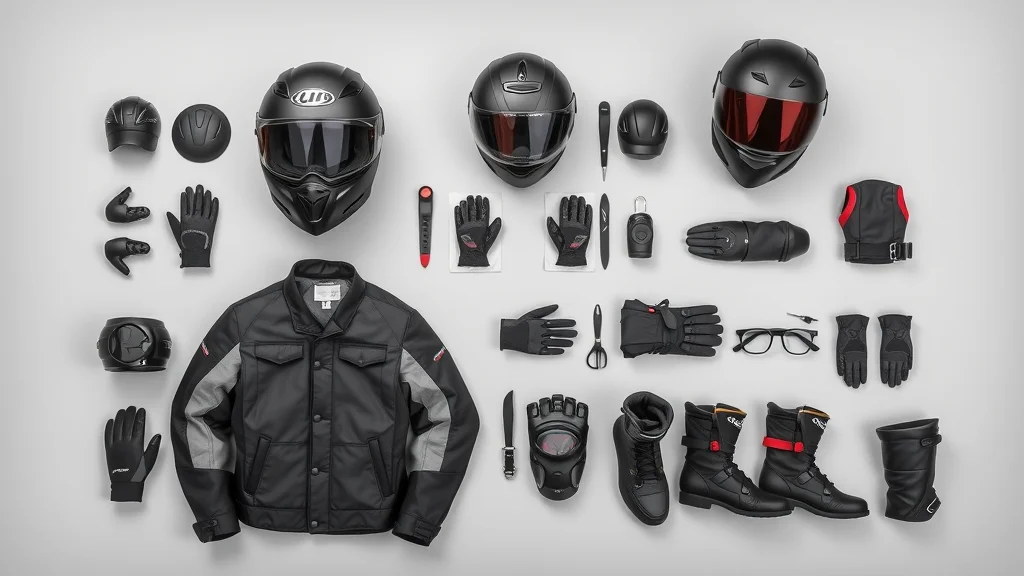
- Helmet standards and fit: Always wear a helmet that meets DOT or other recognized safety standards. A proper fit means your helmet doesn’t shift or obstruct vision; it should feel snug but not tight, offering full coverage for maximum protection.
- Jackets, gloves, and foot protection: Choose armored jackets and gloves made from abrasion-resistant materials. Wear sturdy boots that protect the ankles and have non-slip soles—these can prevent foot injuries during unexpected stops or falls.
Beyond basic protection, high-visibility gear can make you more visible to motorists who might otherwise overlook you. Regularly inspect all safety gear for wear and tear, and replace items that no longer meet safety standards. Studies show that consistent use of proper gear can save your life or minimize injury in the event of a motorcycle accident. Remember: quality equipment is an investment in your safety, not an accessory.

Pre-Ride Inspection: Motorcycle Safety Tip to Prevent Tragedy
A thorough pre-ride inspection is a non-negotiable motorcycle safety tip that can save your life. Check tire pressure, tread, and look for any signs of damage or low inflation—which can easily lead to loss of control or increased stopping distance. Examine brakes, lights, signals, and mirrors for function, as even a small electrical issue or misalignment can be disastrous in traffic.
Look out for leaking fluids, loose parts, or chain problems. Keeping your motorcycle in good condition is a foundational part of riding a motorcycle safely and confidently. As a beginner, develop a simple checklist so you internalize this safety procedure as part of your routine. Over time, you’ll spot potential hazards before they become emergency situations—drastically reducing the risk of a motorcycle accident and helping you enjoy longer rides with peace of mind.
Visibility: Safety Tips for Being Seen on the Road
Beginner riders are particularly vulnerable at intersections, during poor weather, and when sharing the road with distracted drivers. Modern motorcycle safety tips stress the importance of maximizing your visibility at all times. This means wearing reflective jackets or vests, using bright gear, and actively using your headlight—even during the day—to alert others to your presence.
Position yourself where drivers can see you in their mirrors, and always turn on your signal lights well before any lane change. Avoid riding in vehicle blind spots and actively scan for escape routes when surrounded by larger vehicles. These habits are especially critical in areas with the highest number of traffic fatalities. Ultimately, visibility is one of the best safety tips for new riders as it directly reduces accident risk and increases peace of mind.

Understanding and Creating an Escape Route
A key difference between novice and experienced riders is the ability to identify and use escape routes. On any given ride, conditions can shift—from a sudden lane-blocking car to debris or slick spots on the road. By training your mind to scan the environment and plan an escape route, you gain valuable extra seconds to avoid potential accidents. Begin by looking ahead 12 seconds, scanning left and right for space you could use if an emergency arises, such as a car merging unexpectedly or a pedestrian stepping off the curb.
Practicing escape route planning helps ensure your reaction to risks is proactive rather than panicked. This skill also builds confidence in challenging situations like heavy highway traffic or unfamiliar urban areas. As you refine your awareness and quick decision-making, you’ll be able to shift gears smoothly and keep focused on what matters—your safety and the well-being of everyone on the open road.
Best Practices for Motorcycle Safety for Beginners on the Road
Defensive Riding: Key Motorcycle Safety Tips to Avoid a Motorcycle Accident
Defensive riding is one of the most crucial best practices for motorcycle safety for beginners. Always predict that other drivers might not see you or may break traffic rules. This means watching for subtle movements of car tires at intersections, leaving plenty of following distance, and preparing for abrupt stops or changes in traffic flow. Assume every driver is a potential hazard and plan accordingly. A core safety tip: never trust turn signals until you confirm the driver’s intention, and don’t ride in another vehicle’s blind spot.
Active defensive riding also involves adjusting your position for maximum visibility and constantly scanning side streets for vehicles about to enter your path. By committing to these safety procedures every time you ride, you greatly reduce the risk of being involved in a motorcycle accident and become a far safer, more respected motorcycle rider on the road.

The 2-4-12 Second Rule Explained for Riding a Motorcycle
The 2-4-12 second rule is a vital defensive technique to help maintain safe distances and anticipate hazards. Here’s how it works: At any speed, maintain a minimum two-second gap behind the vehicle ahead for reaction time. Four seconds is ideal on wet or slippery surfaces, ensuring you have space to brake or take action if something goes wrong. Finally, always look 12 seconds ahead—anticipating traffic patterns, upcoming intersections, and potential obstacles. This layered approach enables you to avoid potential dangers before they develop, a must-know best practice for motorcycle safety for beginners.
Consistently applying this rule builds muscle memory for spatial awareness, making it easier to spot escape routes or react calmly when other vehicles behave unpredictably. As your skill level increases, you’ll automatically judge proper distances and adjust for varying speeds or busy roads, giving you one more safety tip edge over hazards on your journey.
Mastering Cornering and Braking: Best Safety Tip Techniques
Cornering and braking are two of the most frequent challenges for new riders, and mastering them is one of the best safety tips you can adopt. Enter corners at safe speeds, using both brakes to slow steadily before the turn. Remember, sudden or hard braking in a curve often leads to loss of control, especially on unfamiliar or slick surfaces.
Keep your eyes ahead, look through the turn, and shift your body weight naturally to help the motorcycle follow your intended line. Smooth, progressive braking reduces risks and improves confidence in all conditions, while maintaining awareness of tire pressure and grip. By learning to master these fundaments, you not only avoid potential motorcycle accidents but also set the tone for a lifetime of safe, enjoyable rides.
Experienced rider's tip: “My number one motorcycle safety tip? Always enter corners a little slower than you think you need to. You can always speed up later, but you can’t recover from going in too hot." – Jamie L., Motorcycle Safety Foundation Graduate
- Maintaining safe following distances
- Understanding road surfaces
- Escape route planning
List: Top 8 Motorcycle Safety Tips All Beginners Should Practice
- Always wear a DOT-approved helmet
- Perform a safety inspection before every ride
- Stay visible through gear and lights
- Use defensive riding strategies
- Know and use your escape route
- Respect your skill level – never ride above it
- Remain focused and never ride distracted
- Take an official motorcycle safety course
Expert Advisory Council: Guidance on Law, Regulations, and Skill Development
Advisory council perspective: “Ongoing safety education and strictly following these motorcycle safety tips are crucial for new riders—laws, skill levels, and risks change, but vigilance should never waiver.” – Mark Collins, Motorcycle Safety Advisory Council Member
- Community resources for new riders: Many areas have local rider education programs, peer support groups, and online advisory councils to answer questions and provide guidance tailored to all skill levels.
- Role of a law firm in supporting crash victims: Experienced law firms don’t just represent accident victims in court—they advocate for improved safety regulations, support rider education initiatives, and help crash survivors navigate insurance and medical claims.

People Also Ask About Best Practices for Motorcycle Safety for Beginners
What is the 1% rule in motorcycles?
- The “1% rule” originated as a way to describe outlaw biker gangs considered outside mainstream riding culture; it is not relevant or recommended for beginner motorcycle safety. For new riders, focus on proven safety tips—like pre-ride checks, defensive riding, and gear—rather than any subculture myths or risky behaviors.
What are the 5 safety tips for motorcycle riders?
- Wear a helmet and protective gear
- Check tire pressure and your motorcycle’s mechanical condition
- Use defensive riding strategies and safe following distances
- Be visible—use lights and reflective gear
- Never ride above your skill level
What is the 2 4 12 second rule on a motorcycle?
- The 2-4-12 rule means maintaining a two-second following distance in ideal conditions, four seconds in adverse conditions, and looking 12 seconds ahead for hazards. This safety tip helps you react calmly and avoid many common motorcycle accidents, especially for beginners.
What does 2 fingers down mean to bikers?
- The “two fingers down” gesture is a friendly greeting among riders, symbolizing respect (“keep both wheels down”) and wishing safe riding. It’s a tradition that celebrates the community and camaraderie of motorcycle riding, but beginners should always prioritize safe riding habits above all.
Table: Comparing Motorcycle Safety Gear Options for Beginners
| Gear | Safety Rating | Pros | Cons |
|---|---|---|---|
| Helmet (Full Face) | DOT/ECE Certified | Best protection, weather-resistant, covers entire face | Heavier, may feel warm in summer |
| Motorcycle Jacket | CE Armored | Abrasion resistance, impact protection, some have reflective panels | Bulkier, premium material costs more |
| Riding Gloves | CE Armored/Leather | Improved grip, weather protection, shields knuckles | Thicker gloves can reduce sensitivity |
| Riding Boots | Motorcycle-specific | Protects ankles, non-slip sole, prevents foot injuries | Less breathable, takes getting used to |
FAQs on Best Practices for Motorcycle Safety for Beginners
- Should I take a motorcycle safety course as a beginner? Absolutely. Rider education courses teach foundational skills, safety tips, and emergency maneuvers crucial for all skill levels. Many insurance companies offer discounts for course completion and states mandate training for new riders.
- How can a law firm help after a motorcycle accident? A law firm guides injured riders through legal claims, negotiates with insurance, and fights to protect your rights. Many experienced firms also advocate for improved safety procedures and support education for the motorcycle community.
- Does motorcycle insurance affect safety practices? Yes, insurance policies often require safe riding records and may offer incentives for taking safety courses or using protective gear, encouraging good safety habits for beginners and experienced riders alike.
- What is an escape route in motorcycle riding? An escape route is a pre-planned path you can use to avoid potential hazards, such as swerving into a safe space or brake lane to avoid a collision. Every rider should look for escape routes in all traffic conditions.
- How does weather impact best practices for motorcycle safety for beginners? Weather changes road surfaces, visibility, and traction. Beginners should avoid riding in severe weather and always review specific safety tips such as reducing speed, increasing following distances, and wearing weather-appropriate gear.
Key Takeaways: Best Practices for Motorcycle Safety for Beginners
- Consistent use of gear and defensive riding greatly reduces accident risk
- Beginner riders benefit from formal training and understanding escape routes
- Safety is an ongoing commitment requiring regular review and improvement
- Watch this demonstration of a beginner motorcyclist following safety best practices, including gear inspection, head checks, and defensive maneuvers in simulated traffic.
Conclusion: Taking the Next Step in Motorcycle Safety
- By adopting these best practices for motorcycle safety for beginners, you dramatically increase your odds of enjoying every ride safely. Embrace lifelong learning and make smart riding habits your daily routine.
If you’re ready to take your motorcycle journey to the next level, remember that safety is just one part of the equation—ongoing care and maintenance are equally vital for every rider. Exploring advanced topics like seasonal bike care can help you anticipate challenges before they arise and keep your motorcycle performing at its best. For a comprehensive look at how to protect your investment and ride with confidence year-round, discover the essential seasonal bike care secrets trusted by experienced riders. By combining smart safety habits with proactive maintenance, you’ll be well-equipped for a lifetime of safe, enjoyable adventures on two wheels.
Contact Experienced Professionals for Motorcycle Safety Guidance
- Call Nasty Performance Motorcycle Shop Today: 847-458-4858



Write A Comment