Add Row
Add Element
cropper
update

Nasty Performance ~ 847-458-4858 

update
Add Element
  • Blog Home
  • Categories
    • Motorcycle Maintenance
    • Riding Tips & Preps
    • Safety & Inspection
    • Customizations & Upgrades
    • DIY Motorcycle Repairs
    • Motocycle Audio Systems
    • Motocycle Seasonal Care & Storage
    • Engine, Electrical Performance
  • Bike Night
  • Nasty Performance Motorcycle Shop
March 20.2026
1 Minute Read

Best Motorcycle Mechanic in the Chicago Northwest Suburbers: Top Picks

Imagine the thrill of the open road, the hum of your engine, and the simple comfort of knowing your motorcycle is in the best hands possible. Whether you’re gearing up for a new riding season or facing an urgent engine repair, trusting someone with your bike isn’t just about finding a repair shop — it’s about choosing a partner in your journey. In the bustling Chicago Northwest Suburbers, selecting the best motorcycle mechanic is more than a transaction; it’s a commitment to safety, enjoyment, and the long life of your favorite ride. Ready to discover where expertise meets trust? This guide will help you navigate the top picks for motorcycle repair, ensuring every mile is backed by passion and professionalism.

Welcoming motorcycle shop exterior with mechanic greeting customer in the Chicago Northwest Suburbers, best motorcycle mechanic in the chicago northwest suburbers

Your Search for the Best Motorcycle Mechanic in the Chicago Northwest Suburbers: Where Expertise Meets Trust

Finding the best motorcycle mechanic in the Chicago Northwest Suburbers means more than just locating a nearby shop. It’s about uncovering skilled professionals who offer transparent pricing, a full suite of repair services, and genuine customer service. In areas stretching from Arlington Heights to Schaumburg, riders depend on top repair shops like EPM Motorsports, Nasty Performance Motorcycle Shop, and Cycle Tech for everything from routine maintenance to complex engine repairs. These trusted mechanics combine years of experience, advanced diagnostic technologies, and a passion for powersports repair that keeps your motorcycle running smoothly even after countless rides.

Begin your search by considering not only the convenience of location but also the range of services provided, the professionalism of the staff, and real customer reviews. The best motorcycle mechanic stands out by offering a repair center that’s clean, organized, and equipped with modern tools and diagnostic technologies. Whether you ride a classic Royal Enfield, a high-powered sport bike, or a reliable small engine scooter, the right motorcycle repair shop offers everything you need to keep your ride in top condition, ensuring your adventures continue safely and reliably.

As you evaluate local repair shops, it’s also wise to consider how seasonal changes can impact your motorcycle’s performance and maintenance needs. For practical advice on keeping your bike in peak condition throughout the year, check out these essential seasonal bike care secrets every rider should know.

    What You'll Learn
  • How to identify the best motorcycle mechanic in the Chicago Northwest Suburbers
  • Key features and benefits of reputable motorcycle repair services
  • Average prices and service inclusions from local repair shops
  • Essential factors to compare before choosing a motorcycle mechanic
  • Top-rated options and what real customers are saying

Understanding Motorcycle Repair: Why a Top Motorcycle Mechanic Matters

Proper care for your motorcycle cannot be underestimated, especially in areas like the Chicago Northwest Suburbers, where riding conditions and seasonal shifts demand consistent attention. Choosing the best motorcycle mechanic in the Chicago Northwest Suburbers is critical in protecting your bike from costly repairs and extending its lifetime. A top-rated mechanic provides comprehensive repair service, from small engine tune-ups to full engine repair, leveraging both experience and the latest diagnostic technologies to deliver reliable and efficient results every time. For riders, peace of mind comes from knowing their motorcycle mechanic is not only qualified but invested in keeping their bike running at peak performance — whether it’s for a joyride down local highways or daily commuting.

Unlike a generic repair shop, dedicated motorcycle mechanics in this region understand the nuanced needs of powersports, routine maintenance schedules, and the importance of properly maintained brakes, chains, and electronic systems. From regular oil and filter changes to intricate engine repairs, their expertise prevents breakdowns during the riding season and ensures your motorcycle is set for every adventure. Investing in a trusted repair center is the difference between frequent, unexpected visits and smooth, worry-free riding.

What Sets the Best Motorcycle Mechanic in the Chicago Northwest Suburbers Apart?
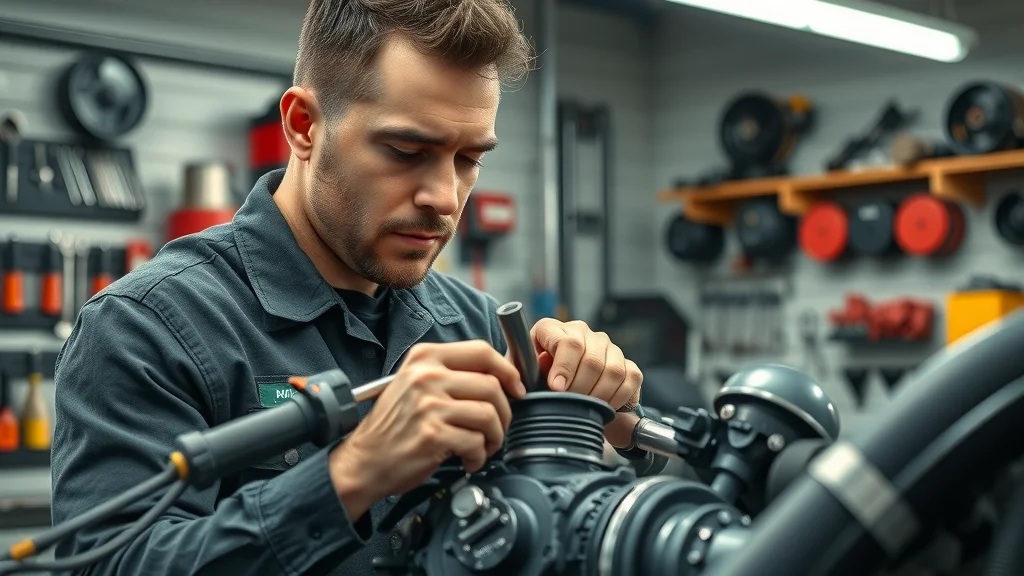
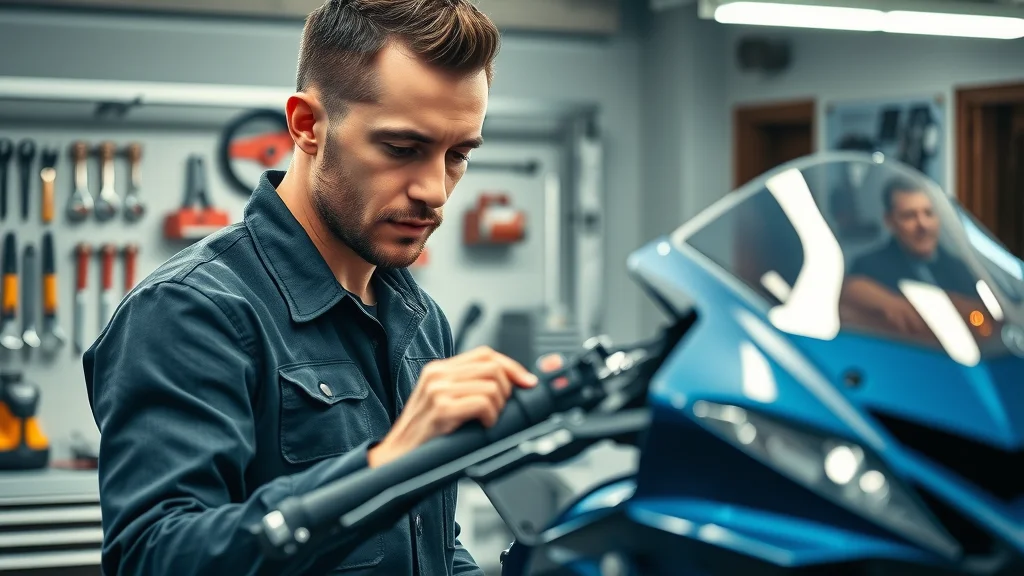
Skilled motorcycle mechanic performing engine repair using professional tools in Chicago Northwest Suburbers, motorcycle repair

An exceptional motorcycle mechanic goes far beyond simple repairs — they act as caretakers for your bike’s wellbeing. In the Chicago Northwest Suburbers, the standouts are those who offer not just technical skill, but also transparency in every interaction. Whether performing a routine check, diagnosing small engine issues, or handling complex engine repair, the best mechanics prioritize clear communication and provide detailed explanations of every step. They specialize in both powersports repair and everyday maintenance service, so you can rest assured that your machine is ready for every twist and turn on the road.

What truly distinguishes a top mechanic is their dedication to staying updated on the latest industry advancements, investing in hands-on training, and obtaining relevant certifications. Their shops are usually well-organized, featuring diagnostic tools and equipment that set them apart from average service centers. Advanced motorcycles require more than basic care; routine maintenance combined with specialized expertise is key to ensuring safety, high performance, and value for every rider in the Chicago Northwest Suburbers.

"A reliable motorcycle mechanic is the heartbeat of a rider’s journey—precision, transparency, and passion are essential qualities."

Top Picks: The Best Motorcycle Mechanic in the Chicago Northwest Suburbers

The Chicago Northwest Suburbers are home to several renowned repair shops, each offering unique strengths. The most popular choices among riders — EPM Motorsports, Nasty Performance Motorcycle Shop, and Cycle Tech — consistently earn praise for their integrity, skill, and passion for powersports. These motorcycle shops provide comprehensive maintenance services, from oil and filter changes to intricate engine repairs. Each repair center features a team of highly trained mechanics, many of whom are certified in both motorcycle and small engine repair. If you’re seeking quality repair service, these top picks provide reliability, transparency, and decades of hands-on experience.

From quick tune-ups to the most complex repairs, these shops operate with the rider’s needs at the forefront. They offer flexible scheduling, affordable pricing, and a level of customer service that makes each visit straightforward and stress-free. Rider safety, satisfaction, and long-term bike health are always top priorities, reflected in their glowing customer testimonials and consistently high ratings.

Reviews of Leading Motorcycle Repair Shops and Mechanics

Diverse motorcycles under maintenance by mechanics at top motorcycle shop in Chicago Northwest Suburbers, cycle tech, epm motorsports
  • EPM Motorsports: Known for advanced engine repair and routine maintenance on a broad range of bikes, EPM Motorsports is a trusted motorcycle shop and repair service destination in the Chicago Northwest Suburbers. Customers appreciate their transparent estimates, friendly staff, and emphasis on using original parts to ensure peak performance.
  • Nasty Performance Motorcycle Shop: Specializing in performance upgrades, engine diagnostics, and regular maintenance service, the technicians here are praised for speedy turnaround, honesty, and precise workmanship. Many riders report their bikes running better than new after a visit.
  • Cycle Tech: Riders choose Cycle Tech for small engine and powersports repair as well as expert advice on proper care throughout the riding season. Their master mechanics handle both modern and classic bikes, keeping every motorcycle in top condition with a focus on customer care.
  • Other reputable motorcycle shops in the area feature similarly high standards, earning loyalty with years of experience and commitment to rider satisfaction.

Key Features of Top Motorcycle Repair Shops

  • Specialization in engine repair and powersports repair
  • Comprehensive maintenance service including routine maintenance and seasonal tune-ups
  • Experience with small engine and diverse bike types — from Royal Enfield classics to the latest sport models
  • Certified and insured repair service teams using advanced tools and diagnostic technologies

Comparison Table: Motorcycle Repair, Features, and Pricing in the Chicago Northwest Suburbers

Repair Shop Key Services Brands Serviced Hourly Rate Certifications Warranty
EPM Motorsports Engine repair, small engine tune-ups, routine maintenance, powersports repair Harley-Davidson, Royal Enfield, Yamaha, Honda $85 - $120 ASE, OEM, Factory-trained 12 months/12,000 miles
Nasty Performance Motorcycle Shop Inspection, engine repairs, diagnostic testing, performance upgrades, oil and filter, seasonal services Most makes/models, focus on performance bikes $80 - $110 OEM, Powersports Certified 6-12 months depending on service
Cycle Tech General motorcycle repair, small engine service, custom projects All motorcycle brands; small engine & ATV $70 - $100 Certified Technicians 6 months labor

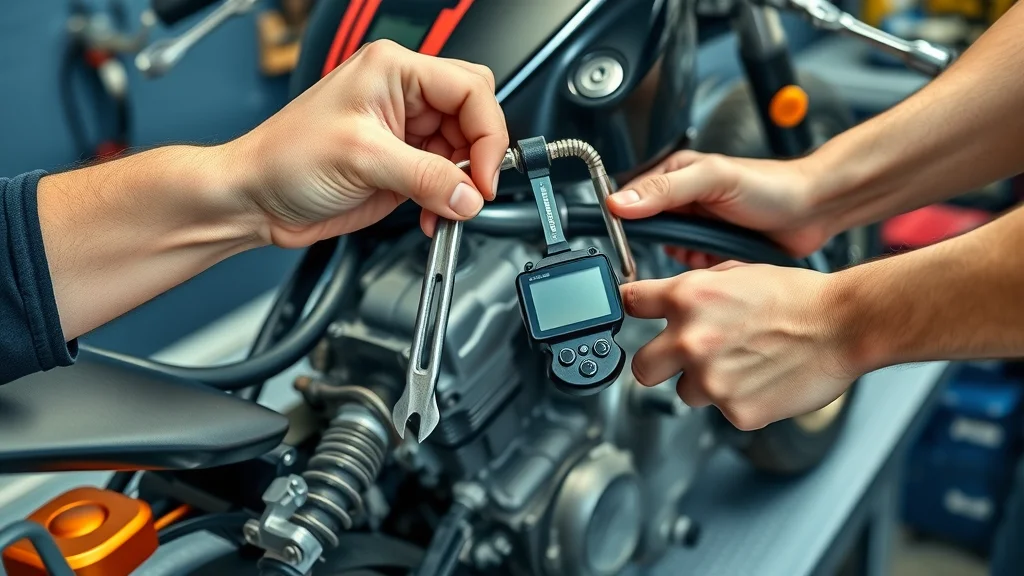
Modern repair tools and diagnostics for motorcycle engine repair, best motorcycle mechanic chicago northwest suburbers

Choosing a Motorcycle Mechanic: What to Look for and Common Mistakes to Avoid

Before entrusting your motorcycle to a repair shop, take time to assess their credentials, staff expertise, and reputation. The best motorcycle mechanic in the Chicago Northwest Suburbers will be upfront about qualifications, service details, and costs. Look for a service center that’s staffed with master mechanics trained in handling a wide array of engine repairs, from routine maintenance to more complex issues involving small engine systems or diagnostic technologies. Avoid choosing shops solely based on the lowest price; focus instead on quality, transparency, and long-term value so you can avoid recurring costly repairs down the line.

One common pitfall is overlooking customer reviews — they can reveal a lot about reliability, communication, and follow-up. Similarly, be wary of repair centers that are vague about their process or reluctant to offer a warranty on their work. A reputable motorcycle shop will explain each step, ensure you understand the maintenance schedule, and only use original or OEM parts for repairs. Your goal is a smooth experience and a motorcycle that’s always ready for the next adventure.

Repair Shop Credentials: Licenses, Training, and Reviews

Gaining peace of mind means choosing a repair shop with documented credentials: check for certifications like ASE or OEM, and make sure the shop is fully insured. Years of experience count for a lot — seasoned mechanics are less likely to make errors and can handle both regular maintenance and tricky engine repair jobs. Reviews are also invaluable; satisfied customers are a sign of consistent service quality and honest interactions. Don’t hesitate to ask questions about the staff’s expertise and the shop’s track record with your specific motorcycle brand.

Many of the best shops, such as EPM Motorsports and Cycle Tech, build a lasting reputation not only through technical ability, but also through strong communication and an attentive customer service approach. This reputation for excellence draws repeat customers even for minor routine maintenance, demonstrating trust and consistent value.

Questions to Ask Your Motorcycle Mechanic

  • What motorcycle brands do you work with?
  • Do you offer any guarantee or warranty for your repair service?
  • How do you approach routine maintenance and engine repair projects?

Being proactive with these questions ensures you select a repair center that understands your needs, values transparency, and provides the level of attention your motorcycle deserves. Don’t be afraid to ask for references or to inspect the facility firsthand before booking your service.

People Also Ask: Best Motorcycle Mechanic in the Chicago Northwest Suburbers

How to find a good motorcycle mechanic?

Answer: Look for a motorcycle repair shop with strong customer reviews, industry certifications, and transparent pricing. Recommendations from other riders and a visit to the shop can also help assess cleanliness, organization, and professionalism.

Take a virtual tour of a top-rated motorcycle repair shop in the Chicago Northwest Suburbers — from customer arrivals to skilled mechanics working, you’ll glimpse every step in the maintenance and repair journey, finishing with the satisfaction of a freshly serviced bike and a happy customer.

How much does a motorcycle mechanic charge per hour?

Answer: In the Chicago Northwest Suburbers, motorcycle mechanic rates typically range from $70 to $120 per hour, depending on the complexity of the repair service and the mechanic’s expertise.

Is a motorcycle mechanic easier than a car mechanic?

Answer: While both professions require technical skill, motorcycle mechanics often work with smaller, more intricate engine repair challenges. Motorcycle repair demands keen attention to detail and specialized training.
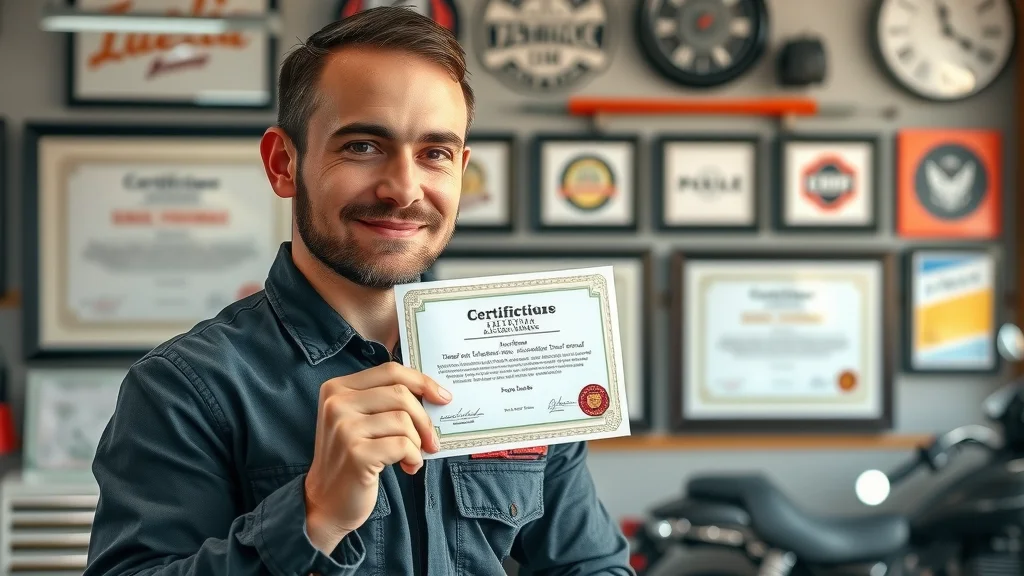
Motorcycle mechanic displaying certifications in Chicago Northwest Suburbers repair shop, motorcycle mechanic

What makes a good motorcycle mechanic?

Answer: The best motorcycle mechanic in the Chicago Northwest Suburbers combines experience, genuine passion, transparent communication, and problem-solving skills, backed by positive customer feedback and routine maintenance expertise.

FAQs: Best Motorcycle Mechanic in the Chicago Northwest Suburbers

  • How soon can I get my motorcycle repaired at EPM Motorsports or similar shops?
    Most top motorcycle repair shops offer flexible scheduling and can accommodate urgent repair service within a few days, especially when you book ahead during the riding season.
  • Do motorcycle mechanics handle both repair and regular maintenance service?
    Yes, reputable shops in the Chicago Northwest Suburbers provide both repair and full maintenance service, from routine checks to small engine tune-ups and complex engine repairs.
  • What is the process for booking a repair shop appointment in the Chicago Northwest Suburbers?
    Simply call your chosen motorcycle mechanic, discuss your needs, and set an appointment. Many shops now offer online booking for added convenience.
  • Are original parts used for engine repair and small engine service?
    Leading shops like EPM Motorsports and Nasty Performance prioritize using only original or OEM parts to ensure your motorcycle remains in top condition.
  • How do top motorcycle shops ensure rider safety after powersports repair?
    By conducting comprehensive inspections, test rides, and double-checking all safety systems, trusted repair centers guarantee that every bike leaves running smoothly and safely.

Key Takeaways: Best Motorcycle Mechanic in the Chicago Northwest Suburbers

  • Always compare local motorcycle repair shops for credentials and reviews.
  • Routine maintenance and specialized engine repair are hallmarks of the best mechanic services.
  • Transparency and passion are what set top-rated motorcycle mechanics apart in the Chicago Northwest Suburbers.

Customer Testimonials: What Riders Are Saying About Motorcycle Repair Service

"Nasty Performance Motorcycle Shop got my bike back on the road fast. Honest prices and friendly staff—I won't go anywhere else in the Chicago Northwest Suburbers!"

Happy customer and best motorcycle mechanic in the Chicago Northwest Suburbers after repair service, Nasty Performance Motorcycle Shop

Conclusion: Making the Best Choice for Your Motorcycle Mechanic in the Chicago Northwest Suburbers

Why investing in a trusted motorcycle repair shop pays off for every rider

Choosing the best motorcycle mechanic in the Chicago Northwest Suburbers means investing in safety, performance, and peace of mind. Compare top shops, prioritize expertise and transparency, and keep your motorcycle adventures worry-free—mile after mile.

As you continue your journey to find the right mechanic, remember that expert service is just one part of a truly rewarding riding experience. Expanding your knowledge about seasonal maintenance and proactive care can help you avoid unexpected issues and maximize your bike’s longevity. For deeper insights and advanced tips that go beyond the basics, explore our comprehensive guide on seasonal bike care strategies every rider should master. Empower yourself with the know-how to keep your motorcycle performing at its best, no matter what the road—or the weather—brings.

Call Nasty Performance Motorcycle Shop Today: 847-458-4858

Motorcycle Maintenance

0 Comments

Write A Comment

*
*
Please complete the captcha to submit your comment.
Related Posts All Posts

Find Affordable Motorcycle Repair Near Me – Save Big Today

Ever wondered if you could get quality motorcycle repair without emptying your wallet? With rising costs, many riders assume expert motorcycle mechanic services are a luxury or involve hidden fees. But what if the best kept secret was right around the corner? This guide will show you how affordable motorcycle repair near me is not only possible, but smarter—and how you can access great mechanics, guaranteed service, and savings that keep you back on the road faster. Searching for Affordable Motorcycle Repair Near Me: Your Ultimate Guide Locating affordable motorcycle repair near me isn’t just about saving a few dollars—it's about getting peace of mind, protecting your ride, and ensuring every journey is safe. By focusing on trusted local motorcycle mechanics, you benefit from personalized attention, genuine parts, and transparent pricing. The process of searching effectively starts with understanding why staying local is your best move. Why choosing 'affordable motorcycle repair near me' saves you time and money: Local specialists often offer competitive rates compared to large chains, reduce travel time, and provide faster repairs, meaning less downtime for your dirt bike or classic motorcycle. The importance of working with a trusted motorcycle mechanic for repairs: Certified technicians add reliability and offer warranties, so you’re backed if anything goes wrong—especially important for high-value repairs like engine or brake work. How to recognize top-quality motorcycle repair services nearby: Look for reviewed motorcycle feedback, ID verified badges, and transparent price quotes. Shops with visible credentials and a steady stream of latest reviews generally deliver great service. What You'll Learn on Affordable Motorcycle Repair Near Me Key strategies to locate affordable motorcycle repair near me Insider tips on evaluating motorcycle mechanics and services How to interpret reviews and price comparisons for local motorcycle repair By the end, you will know how to confidently choose a motorcycle mechanic, separate top shops from the rest, and lock in budget-friendly deals that don’t compromise on quality. Opening Inquiry: How Much Can You Really Save with Affordable Motorcycle Repair Near Me? “Is it possible to enjoy professional motorcycle mechanic service without breaking the bank? Discover how local deals could slash your repair costs today.” The reality is, finding affordable motorcycle repair near me could help you reduce repair bills by up to 30%, compared to national dealership pricing. Local mechanics often work with a range of makes and models—whether you ride a cc moped, sport bike, or classic motorcycle. Saving on labor costs, sourcing parts at lower price points, and benefiting from reviewed motorcycle repair feedback means you can get your spark plugs replaced, brakes repaired, or diagnostic check done at wallet-friendly rates. Motorcycle Mechanic vs. Motorcycle Repair Shops: Choosing the Best Option Near You Differences between an individual motorcycle mechanic and full-service motorcycle repair shops: Personal motorcycle mechanics offer one-on-one attention, often at your location (mobile mechanic), while repair shops have teams and advanced tools. Each can be ID and mobile verified for your peace of mind. Cost breakdowns and service comparisons: Personal mechanics may have lower hourly rates and flexible scheduling, while shops offer full diagnostic check equipment and generally handle more complex repairs, though at higher prices. Signs of a reputable motorcycle mechanic service: Look for certifications, insurance, and the latest review or verified badges. Competence in chain tensioner adjustments, cc moped repairs, or engine diagnostics is a must. Weighing these options allows you to find the most cost-effective yet reliable solution for motorcycle repair or maintenance in your surrounding area, whether in Palatine IL, Long Beach, Silver Spring or even bustling cities like Los Angeles CA and Las Vegas. If you're interested in learning more about the specific maintenance tasks that can help you avoid costly repairs, check out these seasonal bike care secrets every rider should know. Proactive care can make a significant difference in both performance and repair costs. Top Qualities of Affordable Motorcycle Repair Near Me Certification and experience of motorcycle mechanics: Look for ASE or manufacturer-specific certification and years of hands-on work with dirt bikes and motorcycles. Certified mechanics follow best practices, ensuring durability and safety for every repair. Specialized services such as diagnostic check and chain tensioner adjustments: A top shop goes beyond basics, offering electronic diagnostic checks, expertly performed chain tensioner adjustments, and specialized work for cc mopeds and high-performance bikes. Customer service and transparency in mechanic service pricing: The best motorcycle mechanic service is upfront about costs, doesn’t tack on hidden fees, and keeps you updated through every step of the repair process, as proven by great service reviews. Reliable motorcycle repair shops consistently invest in training and modern equipment, which is why reviewed motorcycle shops in the United States and especially highly-rated locations like Los Angeles and Long Beach continue to get positive feedback and repeat business. Comparing Motorcycle Mechanics: How to Find the Right Fit Searching for motorcycle mechanic service with the best reputation: Use online directories, search for “affordable motorcycle repair near me,” and filter for highest-rated results in your area. Pay attention to professionals with mobile verified and ID verified credentials for confidence. How to evaluate reviewed motorcycle repair shops: Read reviews involving the make and model of your bike, noting how mechanics handled chain tensioners, tire repair, or spark plug changes. Consistency in latest review testimonials (“great work,” “super helpful”) signals a trustworthy provider. Questions to ask about motorcycle repair before booking: It's smart to ask about parts warranties, estimate breakdowns, diagnostic check fees, turnaround time, and the details of their mechanic service process—especially for urgent bike repair or moped firing issues. The more prepared you are when discussing needs with a potential motorcycle mechanic, the better chance you'll secure both high-caliber and cost-effective service for your ride. How to Spot Red Flags When Searching for Affordable Motorcycle Repair Near Me Warning signs of unqualified or overpriced motorcycle mechanic services: Unusually low quotes, reluctance to provide certifications, or lack of ID and mobile verified proof often indicates risk. Shops that can’t answer questions about chain tensioners, spark plugs, or diagnostic check specifics should be avoided. Protecting yourself from hidden fees in motorcycle repair: Always get written quotes and verify what's included. Some mechanics may advertise cheap rates but introduce additional labor or disposal fees later in the process. Importance of verified reviewed motorcycle repair services: Genuine, recent reviews and verified badges provide assurance that your motorcycle mechanic service is legitimate and will deliver as promised. Protect your investment by using these checks, so your journey to affordable motorcycle repair is smooth from your first search online all the way to picking up your fully repaired bike. Popular Repairs Offered by Motorcycle Mechanics Near You Diagnostic check and troubleshooting: Technicians employ modern electronic diagnostic tools to quickly identify issues—even for complex cc moped and dirt bike problems—giving fast, reliable results. Chain tensioner adjustments and replacement: Proper chain tension is key to a smooth ride; experienced motorcycle mechanics will inspect and adjust chain tensioners or replace parts as needed. Engine, cc moped, and brake repairs: Comprehensive services often include engine tuning, cc moped firing fixes, spark plug replacements, brake repairs, and even tire repair for classic and modern motorcycles alike. Local specialists ensure that regardless of ride—sport, cc moped, dirt bike, or classic motorcycle—stone-strong repairs and preventative maintenance keep you riding safer, longer. Table: Price Comparison – Affordable Motorcycle Repair Near Me Options Service Type Average Local Cost Turnaround Time Warranty Included Diagnostic Check $30–$60 Same Day Yes Chain Tensioner $40–$100 1–2 Days Yes Brake Replacement $80–$200 1 Day Yes CC Moped Repair $50–$180 1–3 Days Optional Note: Prices can vary by location, complexity, and make and model of your motorcycle or moped. How Local Reviews Guide You to Affordable Motorcycle Mechanic Service "Online reviews are your compass—don’t commit to a motorcycle repair shop near me without reading what others have to say about their mechanic service experience." How to read between the lines of reviewed motorcycle repair feedback: Look for details on service quality, turnaround time, and how the mechanic handled obstacles like moped firing or tricky chain tensioner adjustments. Excessive complaints or generic feedback are red flags. Benefits of choosing highly-rated motorcycle mechanics: Shops or mechanics with plenty of recent great work reviews, verified badges, and satisfied customer stories are far more likely to deliver reliable, affordable repairs and superior mechanic service. This strategy turns each latest review into valuable insight, helping you find a trusted expert in your city, whether searching from Silver Spring, Angeles CA, or other parts of the United States. Frequently Needed Mechanic Services for Motorcycles and Mopeds Routine maintenance and diagnostic checks: Consistent check-ups keep your ride's engine, chain, and spark plugs in top shape, minimizing breakdown risks and extending lifespan. Emergency motorcycle repair needs: Fast, reliable fixes for unexpected breakdowns, such as sudden loss of power, tire punctures, or engine stall-outs, get you back on the road promptly. Specialized repairs for cc mopeds: Mechanics with cc moped expertise can tackle unique issues—like moped firing or specialized spark plug upgrades—not commonly handled by general auto shops. Instant Benefits of Booking Affordable Motorcycle Repair Near Me Faster turnaround times with a local motorcycle mechanic: Local shops or mobile mechanics can prioritize your job, often starting work within hours and completing basic services like diagnostic check or tire repair quickly. Competitive pricing on all motorcycle repair and mechanic services: By focusing on affordable motorcycle repair near me, you avoid inflated dealer rates and ensure honest, transparent pricing on everything from chain tensioner work to major engine repair. Peace of mind with convenient, personalized service: Local experts understand your riding style and local road conditions, providing tailored solutions with the support of reviewed motorcycle and mechanic service feedback. Choosing nearby, certified motorcycle mechanics means less hassle, reduced costs, and more confidence every time you get on the road. Watch how a certified technician expertly uses electronic diagnostic check tools on a modern sport motorcycle. This step-by-step demonstration highlights safety checks, interpretation of diagnostic screens, and troubleshooting common issues—all performed inside a well-lit, professional workshop environment. Learn from local motorcycle mechanics as they walk through the correct way to inspect and adjust a chain tensioner, ensuring maximum ride performance and safety. Get practical tips for DIY maintenance in a real shop environment. People Also Ask: What is the 12 Second Rule on a Motorcycle? The 12 second rule is a key safety principle for riders: always scan the road ahead for a distance your motorcycle will cover in 12 seconds. This gives you enough reaction time to avoid hazards and safely stop, dramatically reducing risk of accidents and increasing the average lifespan of your bike. Local mechanic service shops often emphasize the rule when educating riders, as it extends the value of every repair—keeping riders safer, longer. People Also Ask: What's the Hourly Rate for a Motorcycle Mechanic? Hourly rates for motorcycle mechanics near you typically range from $60 to $100 depending on location, experience, and shop overhead. By using “affordable motorcycle repair near me,” you gain access to competitive pricing—sometimes as much as 20% less than corporate dealerships, especially for routine repairs like spark plugs, tire repair, or diagnostic check. People Also Ask: What Is the Average Lifespan of a Motorcycle? The average motorcycle lifespan ranges from 50,000 to over 100,000 miles, depending on make and model, riding habits, and maintenance frequency. Regular mechanic service through affordable motorcycle repair near me, including chain tensioner checks and engine diagnostics, significantly increases your bike's longevity. People Also Ask: How to Find a Good Motorcycle Mechanic? The best way to find a reliable and affordable motorcycle mechanic is by checking certifications (ASE or manufacturer-endorsed), years of experience, and reading the latest reviewed motorcycle feedback. Ask friends for referrals—especially if they ride a make and model similar to yours. Only select shops with transparent pricing and positive reviews, plus verified badges for added safety. Step-by-Step Guide: Booking Affordable Motorcycle Repair Near Me Search 'affordable motorcycle repair near me' and shortlist certified shops in your surrounding area. Read reviewed motorcycle repair feedback and compare pricing to identify those with great service, verified badges, and no hidden fees. Contact top-rated motorcycle mechanics for a detailed quote tailored to your make and model. Ensure all mechanic service costs are transparent and clearly outlined in writing. Book your appointment for expert motorcycle repair—enjoy fast turnaround and peace of mind. FAQs About Affordable Motorcycle Repair Near Me Is same-day motorcycle repair available at affordable rates? Yes, many local motorcycle mechanics offer express mechanic service for common repairs such as diagnostic check, minor engine work, or chain tensioner adjustments—often at rates below big city shop prices. Can you get warranty on affordable motorcycle mechanic service? Absolutely! Top-rated shops and mechanics provide warranty coverage for parts and labor, ensuring you get lasting value from every repair. What should I bring for my first mechanic service visit? Bring your motorcycle registration, any warranty documents, and a written list of issues. If your bike is a rare make and model or a cc moped, note down specific part numbers where possible. How do I verify a motorcycle mechanic’s certification? Ask to see current credentials (ASE or factory training), check for reviewed motorcycle feedback, and look for visible certifications displayed in the shop—especially on websites or review platforms. Key Takeaways for Affordable Motorcycle Repair Near Me Act quickly to secure the best rates on local motorcycle repair Always check reviewed motorcycle mechanic service feedback Certified mechanics offer reliable, cost-effective solutions Ready to Save Big? Secure Your Spot with an Affordable Motorcycle Mechanic Near Me Call Nasty Performance Motorcycle Shop Today: 847-458-4858 Conclusion: Get Quality Results with Affordable Motorcycle Repair Near Me Affordable motorcycle repair near me is your fast track to top-quality service, trustworthy mechanics, and wallet-friendly rates. Make the smart move today and keep your ride ready for the road. For riders who want to go beyond just repairs and truly maximize the value and longevity of their motorcycles, exploring advanced maintenance strategies is the next step. Discover how to protect your bike year-round, boost performance, and avoid seasonal pitfalls by diving into essential seasonal bike care secrets. These expert insights will help you ride with confidence, save money in the long run, and ensure your motorcycle is always ready for your next adventure.

Motorcycle Maintenance Essentials Before Your Next Road Trip

Did you know that over 60% of motorcycle breakdowns during long trips are caused by overlooked basic maintenance tasks? Neglecting essential pre-trip checks can turn your dream ride into an unexpected roadside stay. In this comprehensive guide, you’ll discover the exact motorcycle maintenance essentials that ensure your bike is safe, reliable, and ready for adventure—giving you peace of mind and more time on the open road.A Startling Truth: Why Motorcycle Maintenance Essentials Can't Be OverlookedEvery year, thousands of riders set off on road trips confident in their machines, yet many overlook crucial motorcycle maintenance essentials—resulting in preventable accidents and costly repairs. The truth is, failing to perform even basic motorcycle maintenance before a journey can mean the difference between a smooth adventure and a dangerous emergency on unfamiliar roads. Comprehensive pre-trip preparation doesn’t just protect your investment; it directly impacts your safety and the performance of your motorcycle. Studies reveal that riders who follow a structured maintenance checklist reduce their risk of mechanical failure by over 70%.Addressing both reliability and road safety, proper motorcycle maintenance ensures you’re not just ready for the road but also adaptable to sudden changes in weather or terrain. Reliable maintenance tasks like checking the air filter, inspecting brake pads, and monitoring tire pressure are foundational to every ride. By investing a small amount of time in these basic steps, you can avoid major disruptions, hefty repair bills, and dangerous situations—and focus on what matters: enjoying your journey.While these pre-trip checks are essential, it’s equally important to adapt your maintenance routine as the seasons change. For a deeper dive into how weather and temperature shifts can impact your bike’s health, explore these seasonal bike care secrets every rider should know to keep your motorcycle performing at its best year-round.Motorcycle Maintenance: The Impact on Road Safety and ReliabilityReliable motorcycle maintenance directly ties to both your safety and riding experience. Regular attention to vital systems such as brakes, tires, and the chain and sprocket keeps your machine functioning in top condition while preventing the most common causes of breakdowns on the road. High-quality maintenance also means better fuel efficiency, reduced emissions, and fewer mechanical surprises. Riders who prioritize basic motorcycle maintenance are statistically less likely to be stranded and more likely to complete their trips safely. Remember that maintenance isn’t just about prolonging the life of your bike—it’s your first line of defense in every ride's unpredictable journey.If you’re preparing for a long ride, keep in mind that emergencies often arise when maintenance is neglected, especially in critical components like the air intake system, tire tread depth, and brake fluid. By diligently performing simple but comprehensive inspections, you create an invisible safety net that not only keeps your trip on track but can also save lives.Pre-trip inspection: Systematic checks are the backbone of motorcycle maintenance essentials."Regular motorcycle maintenance drastically reduces the likelihood of breakdowns and accidents on long trips." – Expert MechanicWhat You'll Learn in This Motorcycle Maintenance Essentials GuideKey motorcycle maintenance essentials before travelingBasic motorcycle maintenance steps for ridersComprehensive motorcycle maintenance checklistCrucial maintenance tasks and actionable tipsMotorcycle Maintenance Checklist: Essential Pre-Trip StepsStaying proactive is your best bet for a hassle-free journey, which is why a motorcycle maintenance checklist should be your go-to tool before every road trip. By setting a routine that includes checking tire pressure, inspecting the air filter, and ensuring the oil change is current, you’ll maximize your bike's reliability and your own confidence. Each maintenance task, whether as simple as testing lights or as crucial as checking brake pads, forms an important layer of safety. Neglect any, and you risk setbacks—potentially jeopardizing your entire adventure.Here’s a breakdown of the most critical maintenance tasks and their recommended frequency, empowering you to keep your motorcycle in top condition and travel-ready. Think of these essentials not as chores, but as investments in uninterrupted, smooth rides.Motorcycle Maintenance ChecklistTaskFrequencyImportanceCheck tire pressure & tread depthBefore every ride / WeeklyCritical for safety, grip, and handlingInspect brakes (pads & fluid)Every 1,000 miles / MonthlyEssential for stopping powerTest all lights, signals, hornBefore every rideVital for visibilityCheck & clean/replace air filterEvery 3,000 miles / As neededMaintains engine performanceLubricate & adjust chain and sprocketEvery 500-700 miles / After rainReduces wear, improves efficiencyOil change and filterEvery 3,000-5,000 miles / Before major tripsEnsures engine longevityInspect coolant levelMonthly / Before tripsPrevents overheatingBasic Motorcycle Maintenance: A Step-by-Step ProcessSuccessfully preparing your bike for the open road comes down to following a systematic maintenance process. Start with a visual safety inspection, then move through each maintenance checklist item, ensuring every aspect is attended to. Begin by checking tire pressure and tread depth; worn or underinflated tires can compromise your ride and pose safety risks. Next, examine both front and rear brake pads for wear, and check brake fluid levels to maintain effective stopping power. Move to lights, signals, and your horn—functional electrical systems are your best friends in unpredictable traffic and low-visibility conditions. Inspect and clean or replace your air filter, as a clogged air intake can reduce engine efficiency and increase fuel consumption.Don’t forget to give special attention to your chain and sprocket—lubricate and adjust for both longevity and smooth operation. These maintenance tasks are straightforward but have a substantial impact on your bike’s performance. As a final step, look over the entire motorcycle for loose bolts, check for leaks, and confirm that all controls move smoothly and freely. With diligent attention and the right basic tool kit, performing simple pre-trip checks becomes an easy habit that drastically increases your riding confidence.Check tire pressure and inspect for wearExamine brakes and fluid levelsTest lights, signals, and hornInspect air filter and replace if neededLubricate and adjust the chain and sprocketChecking tire pressure: A crucial step for any motorcycle maintenance checklist.Inspection Checklist for Motorcycle Maintenance EssentialsA detailed inspection checklist is your roadmap for verifying every critical system before heading out. Start by walking around your motorcycle and visually scanning for damage or leaks. Move on to test the brakes and clutch levers for proper tension and smoothness—these factors ensure immediate response in high-pressure moments. Confirm that both headlights and brake lights are visible from a distance, and check that all indicator lights respond correctly. Feel the tire surfaces for embedded objects, unusual bulges, or signs of uneven wear that might affect safety or handling. Finally, review all fluid levels, including oil, brake fluid, and coolant, to make sure your engine’s protected against stress and heat.If you ride in adverse weather, go a step further: examine the chain and sprocket for tightness and excessive corrosion, and verify that the air filter is clean enough for optimum air intake. Keeping a printed version of your motorcycle maintenance checklist in your toolkit ensures you don’t overlook critical steps, setting a routine that keeps your ride in top condition over the long haul.Tire Pressure and Condition: How to Inspect and Why It MattersYour tires are your primary connection to the road, and proper tire pressure and tread depth are vital for safe, confident riding. Use a reliable tire gauge before every trip to ensure you’re within the manufacturer’s recommended PSI for both front and rear tires. Fluctuating tire pressure impacts handling, braking, and fuel efficiency, while worn tread increases the risk of slips and punctures. Inspect for embedded nails, cracks, and bulges—these signs indicate replacement is necessary. As part of your basic motorcycle maintenance, prioritize regular tire inspections to maintain smooth operation and maximize control on any road surface.Don’t underestimate the significance of tread depth. Adequate grooves channel water away on wet roads, preventing dangerous hydroplaning. Measure tread depth at multiple points on each tire and replace tires when they reach the wear indicator or minimum legal limit. A steadfast tire inspection routine not only keeps you ready for the road but also prevents expensive mid-trip failures.Oil Change and Lubrication: Keeping Your Motorcycle Running SmoothlyThe lifeblood of your engine is its oil, and adhering to a consistent oil change routine is critical. Dirty or old oil leads to increased friction, overheating, reduced power, and potentially costly engine damage. Always check your owner’s manual for the correct oil and filter change intervals – usually every 3,000 to 5,000 miles, depending on your riding conditions. Before a long trip, change your oil and filter to guarantee your engine receives optimal lubrication and cooling. Inspect the oil color and level; dark, gritty oil needs to be replaced immediately.Besides oil changes, don’t forget other essential lubrication points: apply chain lube to your chain and sprocket, use special grease on pivots, and check for any stiffness in the control cables. Regular lubrication prevents corrosion and ensures smooth operation of your motorcycle’s moving components. By making these checks part of your maintenance schedule, you dramatically extend the lifespan of your bike and improve roadside reliability.Performing an oil change: Key for engine longevity and smooth operation.Air Filter: When to Clean or ReplaceThe air filter is often the unsung hero of your bike’s health. Positioned between the outside world and your engine’s delicate internals, it keeps dust, dirt, and debris out of your air intake—preserving both performance and efficiency. Depending on riding conditions, the air filter should be inspected every few thousand miles and cleaned or replaced as needed. A clogged or dirty filter restricts airflow, lowers power output, and increases fuel consumption. For riders frequently on dusty or rural routes, more frequent attention is required to prevent long-term engine damage.If you notice decreased throttle response or visible dirt on the filter, it’s time to clean or replace the filter according to your manufacturer’s instructions. Modern motorcycles often use easy-to-access air boxes, making this maintenance task simple and quick for even beginner riders. Incorporating regular air filter checks and replacements into your motorcycle maintenance checklist ensures you avoid subtle but costly performance problems.Maintenance Tasks for Ultimate ReliabilityFor those seeking peak dependability, it’s essential to go beyond basic maintenance tasks. Focus on the systems that impact safety and steady performance the most. Brakes, lights, and your drivetrain deserve extra care, especially before extended rides. While routine checks go a long way, thoroughly inspecting these components guarantees your motorcycle remains ready for the road, regardless of weather or route changes.Integrate these advanced checks into your monthly schedule or prior to every major journey. Not only will you spot emerging problems before they become hazards, but you’ll also develop a deeper connection with your machine—catching subtle warning signs of wear or malfunction that could compromise your ride’s reliability.Brake System Check: Pads, Fluids, and FunctionalityThe entire braking system is paramount for motorcycle safety. Start with a close inspection of brake pads—replace them if the friction material is less than a quarter-inch thick or if you hear grinding. Worn brake pads reduce stopping power and can damage the rotors. Additionally, check your brake fluid; it should be clear and within the designated level on the reservoir. Low or dirty brake fluid can cause sponginess, loss of brake force, and even total brake failure. Always use the brake fluid type specified in your manual, and replace it as recommended—usually every one to two years.Make sure to examine both front and rear calipers for leaks, unusual noises, or uneven response. Test-ride slowly in a safe area, feeling for smooth application and prompt return of the brake levers. By thoroughly checking the brake system, you safeguard yourself and all others sharing the road.Lights and Electricals: Ensuring Maximum VisibilityVisibility is crucial, especially in poor weather or at night. Before every ride, test your headlight (low and high beam), brake light, all turn signals, and the horn. Dim or flickering lights indicate electrical issues or a failing battery—immediate attention is required to prevent a blackout on the road. Check that dash indicators are working, as they provide important feedback about your oil, engine, and charging system.Look for exposed wires or loose connectors, and ensure the battery terminals are clean and tight. Modern bikes may also feature LED lights, which last longer but must still be inspected regularly. Inadequate lighting is a leading contributor to accidents; keeping your motorcycle’s electricals in top condition is non-negotiable for a safe journey.Testing all lights and dashboard indicators: A vital step in every inspection checklist.Chain and Sprocket Care: Safety and Performance TipsYour motorcycle’s chain and sprocket endure tremendous stress, especially on long journeys. A dry, stiff, or overly tight chain can lead to premature wear or even cause the chain to snap during high-speed travel. Inspect the chain for correct tension (check slack in the middle span) and look for kinks, rust, or heavy grime. Clean the chain using a proper solvent and brush, then lubricate it thoroughly. A properly maintained chain provides smooth operation, conserves power, and prevents corrosion.Check the sprockets for worn or broken teeth; excessive wear here means the chain is not meshing correctly, creating risk of slippage and uneven acceleration. If either component appears significantly worn, replace both at the same time to maintain reliability. Performing this maintenance task after riding in rain or mud is especially important, as abrasive particles accelerate wear.Basic Motorcycle Maintenance: Tools and Products Every Rider Should HaveNo maintenance routine is complete without the right equipment. Every rider should assemble a basic tool kit designed for the specific needs of their motorcycle. This kit should include tire pressure gauges, chain brushes and lubricants, the correct quality engine oil and filter, standard wrench and socket sets, and brake fluid. With these essentials on hand, most basic motorcycle maintenance can be performed at home or even on-the-go, minimizing the need for emergency repairs or professional interventions.Some tasks, like oil change or cleaning the air filter, require you to keep consumables in stock. Even if you don’t intend to do all your own work, understanding the use of these tools increases your confidence, ensures emergencies don’t catch you off-guard, and helps you identify when a professional mechanic’s help is needed. Preparedness translates into fewer surprises and greater peace of mind on your adventure.Tire gauge and inflatorChain lube and brushQuality engine oil and oil filterWrenches and socket setsBrake fluid and cleanerBe prepared: The right maintenance toolkit makes all the difference.People Also Ask: Key Motorcycle Maintenance Essentials Questions AnsweredWhat maintenance needs to be done on a motorcycle?Comprehensive review of routine motorcycle maintenance essentials, including oil changes, air filter checks, chain lubrication, brake inspection, and tire pressure monitoring.Routine motorcycle maintenance essentials involve checking and adjusting tire pressure, changing the oil and filter, inspecting and cleaning or replacing the air filter, lubricating the chain and sprocket, and checking brake pads and brake fluid regularly. Don’t forget to inspect all lights, indicators, and fluid levels, as well as keeping an eye on tread depth and coolant level. Regularly following this maintenance checklist prevents unexpected accidents, preserves smooth operation, and keeps your bike ready for the road at a moment’s notice.What is the 2 4 12 second rule on a motorcycle?An explanation of the 2, 4, and 12 second rule for following distances and scanning ahead for increased motorcycle ride safety.The 2-4-12 second rule is a crucial safety principle for motorcyclists. It means you should allow at least a 2-second following distance behind the vehicle in front of you, increase to 4 seconds in adverse conditions, and scan the road ahead for at least 12 seconds (about a city block) to anticipate hazards. This habit buys valuable reaction time, helping you avoid sudden stops and giving you time to navigate safely—especially on unfamiliar or busy roads.What does every motorcycle rider need?Every rider needs the right gear—and the right knowledge.List of essential gear, tools, and knowledge that every rider should possess for both safety and basic motorcycle maintenance.Every rider requires more than just a bike—they need a DOT-approved helmet, sturdy gloves, a protective jacket and pants, and over-the-ankle boots. Equip yourself with a basic toolkit, a tire pressure gauge, chain lube, and a first-aid kit. Knowledge of basic motorcycle maintenance, such as oil change, air filter checks, and understanding your maintenance schedule, ensures you stay road-ready at all times. When equipped with the right gear and skills, you increase both your safety and enjoyment on every ride.What is rule number 5 for motorcycles?Clarification of the common 'rule number 5' within motorcycle communities, focusing on preparedness and resilience on the road.“Rule number 5” in motorcycle circles is an informal motto: “Always be prepared.” It underlines the importance of resilience, readiness, and self-reliance on the open road. Whether it’s carrying the right tool, maintaining your bike, or having the mental grit to handle setbacks, this rule reminds riders to expect the unexpected—ensuring every journey, no matter how well planned, ends safely.Motorcycle Maintenance Essentials: Frequently Asked Questions (FAQs)How often should I perform basic motorcycle maintenance?For most bikes, perform basic checks—tire pressure, lights, chain lube, brake pads—before every ride, with complete maintenance (oil change, air filter, fluids) at least every 3,000 to 5,000 miles or as recommended in your manual.What are the signs I need immediate maintenance?Watch for hard starts, unusual noises, poor acceleration, dim lights, spongy brakes, low fluid levels, or visible leaks. Any of these call for immediate attention to avoid breakdowns or safety risks.Can I handle motorcycle maintenance myself or should I visit a professional?Most basic motorcycle maintenance tasks can be done at home with the proper tools and knowledge. For advanced issues—engine trouble, electrical faults, or performance drops—visit a professional mechanic for thorough diagnostics.What’s included in a full motorcycle maintenance checklist?A full checklist covers tire inspection and pressure, oil change and filter, brake pad/fluid check, coolant and fuel filter, air filter clean or replace, lights and signals, chain and sprocket, and a general safety inspection of bolts, frame, and controls.How do I lengthen the lifespan of my motorcycle?Consistent preventative maintenance, keeping components clean or replaced as needed, addressing wear and tear promptly, and storing your bike in a dry, sheltered spot all contribute to lasting value and performance.Key Takeaways on Motorcycle Maintenance EssentialsConsistent motorcycle maintenance minimizes risk and keeps your ride smoothAlways follow a motorcycle maintenance checklist before a tripAddress wear and tear immediately to avoid costly repairsBe proactive: inspect, clean or replace, and adjust as neededFinal Thoughts: The Non-Negotiable Value of Motorcycle Maintenance EssentialsStaying Road-Ready with Motorcycle Maintenance EssentialsPrioritizing motorcycle maintenance essentials is the surest way to stay safe, confident, and fully enjoy every mile you travel. Preparedness means freedom—transforming every journey into the adventure you intended."Preparedness is the key to both performance and safety on the open road."If you’re committed to keeping your motorcycle in peak condition, don’t stop at the basics—expand your knowledge with expert strategies for year-round care. Discover how to protect your bike from seasonal hazards, optimize performance in changing climates, and extend the life of every component by reading Seasonal Bike Care Secrets Every Rider Must Know. This resource is packed with advanced tips and actionable insights that go beyond routine maintenance, empowering you to ride with confidence no matter what the forecast brings. Take the next step in your motorcycle care journey and unlock the secrets to true all-season reliability.Looking for Expert Service?Call Nasty Performance Motorcycle Shop Today: 847-458-4858

Motorcycle Maintenance Explained: Fluids, Filters, and Fine-Tuning

Did you know that nearly 40% of motorcycle breakdowns are caused by overlooked routine maintenance? Even the most modern motorcycle can suffer catastrophic failures if regular upkeep is ignored. Whether you’re a daily commuter or a weekend road warrior, understanding motorcycle maintenance explained is the first step toward a safer, smoother, and more enjoyable ride. This guide brings you all you need to know—practical advice, essential service intervals, step-by-step tasks, and expert-backed insights—to help you master the art of motorcycle maintenance and keep your bike performing in top condition.Shocking Statistics: Why Motorcycle Maintenance Explained Matters More Than Ever"Neglecting routine maintenance leads to nearly 40% of breakdowns—underscoring the importance of understanding motorcycle maintenance schedules and key maintenance tasks." – Industry ExpertThe numbers don’t lie: failing to follow a maintenance schedule is one of the leading causes of sudden, and often expensive, motorcycle problems. As technology evolves, motorcycles become more sophisticated—but their need for consistent, thorough care increases. From brake pads to tire pressure, even small oversights can have big consequences for safety, efficiency, and reliability. Knowing the basics of motorcycle maintenance explained helps you avoid these pitfalls and enjoy a longer, safer riding life. With modern motorcycles offering advanced features, taking shortcuts on oil changes or neglecting air filters doesn’t just hurt performance—it can lead to permanent engine or brake system damage. A well-structured maintenance routine is your ticket to peace of mind, on both scenic routes and high-stress commutes.What You'll Learn in This Guide to Motorcycle Maintenance ExplainedFoundational principles of motorcycle maintenance explainedCritical fluids, filters, and their service intervalsPractical step-by-step maintenance tasksSeasonal and advanced care tips for longevityUnderstanding Motorcycle Maintenance Explained: The EssentialsWhat is motorcycle maintenance explained: Key definitions and scopeMotorcycle maintenance explained covers all the essential checks, service tasks, and proactive measures needed to keep your bike in prime condition. This includes regular oil changes, brake system checks, chain and sprocket adjustments, and air filter maintenance. Think of it as an ongoing process—everything you do to ensure every part, from battery terminals to the valve clearance, stays within manufacturer specs and delivers reliable, safe performance. A good routine isn’t just for serious riders on track days but for every owner who wants confidence in handling, power delivery, and fuel efficiency. Motorcycle maintenance explained isn’t complicated when broken down into manageable tasks, but neglecting these basics can quickly lead to bigger problems and unwanted repair bills.Why motorcycle maintenance explained is essential for safety and performanceSafety isn’t optional. Following a consistent maintenance schedule helps avoid unexpected breakdowns, brake system failures, or dangerous issues with tire pressure and tread depth. Regular inspections and services—like changing the oil, checking brake fluid, or replacing the air filter—directly improve the way your motorcycle responds, runs, and protects you on the road. Good maintenance also means your motorcycle is more fuel-efficient, operates smoothly even on long touring rides or after a cold winter storage, and holds higher resale value. By making motorcycle maintenance explained a priority, you’re investing in reliability, performance, and—most importantly—your safety.Overview of motorcycle maintenance schedule and standard service intervalsEvery motorcycle comes with a recommended maintenance schedule laid out by the manufacturer. These guidelines highlight service intervals for vital checks—like oil change, brake system assessments, tire pressure, and chain and sprocket adjustments—ensuring each part is in good condition. Adhering to these intervals keeps your ride reliable, extends the lifespan of major components, and helps prevent corrosion and undue wear. Here’s a snapshot of the most important service tasks and how often they should be performed:Maintenance TaskService IntervalKey BenefitsOil ChangeEvery 3,000-6,000 milesEngine longevityTire PressureEvery rideSafety & efficiencyAir FilterEvery 6,000 milesEngine performanceBrake SystemEvery 4,000 milesStopping powerChain and SprocketEvery 500 milesSmooth transmissionAs you develop your own maintenance plan, it’s helpful to see how these intervals and tasks fit into a real-world routine. For a practical breakdown of how to tailor your checklist and keep your bike running smoothly, check out our guide on seasonal bike care secrets every rider must know, which covers essential steps for year-round reliability.Motorcycle Maintenance Schedule: How to Build a Custom Maintenance PlanUnderstanding manufacturer’s maintenance schedule recommendationsYour first step in mastering motorcycle maintenance explained is understanding your bike’s manufacturer guidelines. These recommendations are tailored to the design and engineering of your specific model—covering everything from valve clearance adjustments to recommended intervals for motor oil changes or brake pad inspections. Sticking to these intervals—often listed right in your owner’s manual—ensures that every system gets the attention it requires for safe, consistent operation. For modern motorcycles, these schedules address innovations like electronic fuel injection and smart electronics, which may need dealer-level diagnostics. Using this manual as your baseline ensures that you never skip essential checks, especially on critical systems like the brake system or electrical system components.Adapting service intervals for your riding style and environmentWhile manufacturer service intervals are a crucial starting point, motorcycle maintenance explained means personalizing your plan to match how and where you ride. Are you tackling rough commutes, enjoying high-speed track days, or navigating rain and off-road conditions? Intense use and harsh weather demand tighter schedules—think more frequent oil and air filter changes or chain lubrication. Short trips or extended winter storage can create unique challenges, like moisture in the engine oil or risk of battery drain. Understanding your habits helps you adapt intervals, catch problems before they start, and keep your brake system, chain and sprockets, and other vital parts in good condition all year round.Motorcycle maintenance tasks: Creating a checklist for consistencyConsistency is key to effective motorcycle maintenance explained. Developing a maintenance checklist and sticking to it helps you keep track of both routine and seasonal tasks. Monthly oil inspections, quarterly brake system checks, and a regular chain and sprocket lubrication routine form the backbone of smart upkeep. By breaking down maintenance into manageable chunks, you minimize room for error and lengthen your motorcycle’s lifespan—plus, you’re less likely to skip critical steps before a big ride or after a period of winter storage. Below is a sample checklist for reference:Monthly engine oil inspectionQuarterly brake system checkChain lubrication scheduleFluids in Focus: Motorcycle Maintenance Explained for Oil, Coolant & Brake FluidOil change: Types, tools, and motorcycle oil change intervalsOne of the cornerstones of motorcycle maintenance explained is understanding oil changes. Engine oil keeps internal parts lubricated and prevents premature wear, especially after hard use or track days. Choosing the right motor oil (synthetic vs. conventional) depends on your motorcycle type and how aggressively you ride. Basic tools include a wrench, oil drain pan, and a fresh oil filter. Most bikes require an oil change every 3,000 to 6,000 miles—but riding in extreme weather or heavy traffic may call for shorter intervals. Regularly changing the oil maintains engine performance, prevents overheating, and removes contaminants that can harm precision parts.Checking, topping, and replacing coolant as part of routine motorcycle maintenanceCoolant prevents engine overheating and damage from temperature extremes—a crucial but often overlooked part of motorcycle maintenance explained. Checking coolant levels is easy: inspect the reservoir and look for signs of leaks or low volume. Top up with the correct coolant mix if needed, and flush and replace it per your manufacturer’s recommended service interval. Neglecting this fluid can cause overheating, head gasket failures, or even warped cylinders. Motorcycles that experience frequent stop-and-go traffic, hot climates, or pre-track day tune-ups need more vigilant coolant checks for optimal reliability.Brake system inspection: Fluid levels, quality, and service intervalsYour brake system is only as good as its maintenance. Checking brake fluid levels and clarity should be a standard part of your routine. Low or dirty brake fluid not only reduces braking power but can damage brake lines and brake pads. Most bikes require a full brake fluid replacement every 4,000 miles or at least once a year. Don’t forget to monitor brake pads for wear and check the brake system hoses for cracks, leaks, or other failures. Strong brakes are vital for safe stops and keeping your bike street-legal and track day ready."Regularly checking all fluids isn't just good practice—it’s the lifeblood of an optimized motorcycle maintenance schedule."Filters Explained: Motorcycle Air Filter, Oil Filter & Their MaintenanceMotorcycle air filter explained: Types, maintenance, and replacement intervalsThe air filter is crucial in keeping dirt, dust, and debris out of your engine. There are different types—paper, foam, or cotton—each with unique cleaning and replacement rules. If you ride in dusty conditions, check your air filter more often than the typical 6,000-mile service interval. Routine inspection ensures clean airflow and optimum fuel efficiency. Removing a dirty filter and either cleaning or replacing it is fast and affordable—and pays off in extended engine life and reliable throttle response. Poor air filter maintenance can lead to costly repairs, lower fuel economy, and reduced performance, especially on high-compression or modern motorcycles.Oil filter basics and how to coordinate with your oil change scheduleThe oil filter removes contaminants from the engine oil, protecting bearings, and gears. Changing the oil filter should always go hand-in-hand with an oil change—never reuse an old filter when adding fresh oil. Most oil filters are inexpensive, and installing a new one is a simple process with the right filter wrench. Skipping this step puts clean oil at risk of contamination from residual grit and metal particles, which can accelerate engine wear. Always follow the manufacturer’s oil filter and oil change schedule for your motorcycle’s model, and track when each service is done for best long-term engine health.When and how to inspect, clean, or replace filters (step-by-step list)Filters are the unsung heroes of motorcycle maintenance explained, and should be inspected regularly—even between full service intervals. Here’s a quick process to ensure your air and oil filters are always in good condition:Locate the filterAssess conditionClean or replace as neededMake inspection part of your monthly visual inspection routine—especially before a long ride, after winter storage, or any time you notice reduced performance. Clean filters as instructed in your manual, and always use recommended products and methods.Fine-Tuning Basics: Motorcycle Maintenance Explained in PracticeEssential motorcycle maintenance tasks: Adjusting chain and sprocket for performanceKeeping your chain and sprocket in top shape is key for a smooth, efficient ride—especially if you want consistent power delivery and minimum wear. Regular chain lubrication and adjustment prevent skipping, abnormal noises, and undue stress on the rear shock or transmission. Checking and adjusting chain slack should be done every 500 miles or as recommended in your maintenance schedule. Inspect the chain and sprockets for visible wear, rust, or stiff links, and replace if you see significant damage. A properly adjusted drive chain also helps prevent corrosion, extends component life, and improves safety by reducing the likelihood of chain failure on the road.Inspecting electrical system for reliability and consistent power deliveryThe electrical system of modern motorcycles includes the battery, starter, lighting, and various electronic controls. Regular inspections are vital to avoid midsummer breakdowns or cold-weather no-starts. Clean battery terminals, check wiring for corrosion or looseness, and test lighting frequently. If warning lights appear on the dashboard, don’t ignore them—the electrical system is complex and directly impacts starting, engine performance, and even electronic safety aids. Keep your system in good condition to support all components, from simple bulbs to advanced rider aids.Tire pressure: How, when, and why to check for safety and lifespanProper tire pressure impacts everything—from handling to fuel efficiency and tread depth wear. Always check tire pressure before every ride, using a reliable gauge. Tires that are over- or under-inflated affect braking, cornering, and may shorten tire lifespan significantly. Keeping an eye on tread depth ensures your tires offer maximum grip, especially during wet weather or emergency stops. Include tire inspection in your pre-ride checklist and be proactive about replacements. Don’t forget to check for embedded debris or cracks in the sidewall as part of your overall motorcycle maintenance explained routine.Seasonal Motorcycle Maintenance Explained: Preparing for Winter Storage & MorePre-storage maintenance essentials for winter storagePrepping your motorcycle for winter storage is among the most important seasonal maintenance tasks. Start by changing the oil and top off the fuel with a stabilizer to prevent corrosion. If possible, remove and keep the battery on a timer-based tender. Lubricate all moving parts to prevent rust and moisture damage, and make sure the bike is covered with a soft, breathable fabric. This comprehensive care keeps your motorcycle in good condition, prevents damage from condensation or freezing temperatures, and ensures a reliable start when riding season returns.Off-season service intervals: Preventing long-term damageDuring storage or off-season periods, certain service intervals should still be observed to avoid costly damage. Rotate the tires periodically, check and maintain tire pressure, and periodically inspect the chain and sprockets for corrosion. It’s wise to start and idle the engine occasionally—if recommended by your manufacturer—to circulate oil and keep seals lubricated. Off-season attention to the brake system, electrical system, and key fluids makes for a trouble-free spring awakening and helps extend both the safety and life span of your ride.Checklist: Key maintenance tasks before and after storageStabilize fuelBattery tender hookupLubricate moving partsCover motorcycle properlyUse this checklist before storing your motorcycle for winter, and again before rolling it back out for the new season. Attention to these details minimizes post-storage surprises and ensures the riding season starts smoothly.Advanced Motorcycle Maintenance Explained: Diagnosing & Fixing Common IssuesInterpreting warning lights & electrical system faultsAdvanced motorcycle maintenance explained includes knowing how to interpret warning lights and diagnose electrical faults. Most modern motorcycles feature error codes or illuminated warnings for specific issues—ranging from low brake fluid to ABS or traction control problems. When a light appears, consult your owner’s manual for recommended action. Simple solutions could include topping up fluids or tightening battery terminals, but persistent issues may require diagnostics from a service pro. Never ignore persistent dashboard lights; prompt attention can prevent major repairs and keep your ride safe and roadworthy.Troubleshooting abnormal sounds and ride feelYour senses are powerful tools in motorcycle maintenance explained. Unusual noises—clicks, rattles, or grinding—may point to problems with the chain, worn brake pads, wheel bearings, or rear shock issues. Rough handling could signal low tire pressure, loose steering head bearings, or problems with your suspension setup. Whenever you notice something off about your motorcycle’s feel, conduct a visual inspection right away. Early troubleshooting can prevent small issues from growing into major breakdowns, save you on costly repairs, and extend the lifespan of every component.Knowing when to consult professional service for your motorcycle maintenance scheduleWhile many routine tasks can be handled at home, some issues—like complex electrical system diagnostics, valve clearance adjustments, or tracking down persistent leaks—are best left to professionals. Adhering to your maintenance schedule means recognizing your limits and seeking help when tasks exceed your skill or toolset. A quality motorcycle shop can handle advanced repairs, provide professional inspections before long trips or track days, and offer seasonal care advice. When in doubt, ask an expert to preserve safety and maintain your bike’s value.People Also Ask: Motorcycle Maintenance ExplainedWhat is basic maintenance on a motorcycle?Answer: Basic maintenance on a motorcycle includes regular oil changes, tire pressure checks, chain lubrication, brake inspection, and air filter cleaning. Following a maintenance schedule ensures safe and reliable performance.What is the 12 second rule on a motorcycle?Answer: The 12 second rule is a safety guideline in motorcycle maintenance explained, teaching riders to look 12 seconds ahead to anticipate hazards and adjustments, improving safety on the road.What does 2 fingers up mean on a motorcycle?Answer: The '2 fingers up' gesture is a sign of camaraderie among motorcyclists, symbolizing 'keep both wheels on the ground.' It’s about respect and prudent motorcycle maintenance explained through safe riding.What is rule number 5 for motorcycles?Answer: Rule number 5 typically refers to 'ride your own ride,' which encourages riders to maintain their own pace, prioritize safety, and stick to personalized motorcycle maintenance schedules.Motorcycle Maintenance Explained: Summary Table for Key Service IntervalsSystem/PartWhat to CheckRecommended Service IntervalEngine OilLevel, quality3,000–6,000 milesAir FilterCleanliness6,000 milesBrake FluidLevel, clarity4,000 milesTire PressurePSIBefore every rideChain & SprocketTension, lubrication500 milesVideo ResourceWatch: A step-by-step cinematic video tutorial of a professional mechanic performing a motorcycle oil change in a clean, modern workshop. This video demonstrates oil drain, filter replacement, fluid top-up, and proper safety gear usage, filmed with smooth camera movements, crisp focus, and natural light.Key Takeaways: Motorcycle Maintenance Explained at a GlanceRegularly following a proper motorcycle maintenance schedule maximizes safety and lifespanFluids and filters must be checked at recommended service intervalsSeasonal care, such as winter storage, is essential for bike longevityAdapting maintenance tasks to your riding habits ensures reliabilityFrequently Asked Questions: Motorcycle Maintenance ExplainedHow often should I perform routine motorcycle maintenance explained tasks?What are the risks of ignoring the maintenance schedule?Which fluids and filters are most critical for my model?Why is tire pressure monitoring emphasized in motorcycle maintenance explained?How can I improve my personal service intervals?Ready to Ride with Confidence? Call Nasty Performance Motorcycle Shop Today: 847-458-4858Conclusion: A solid motorcycle maintenance routine is your best investment in safety, reliability, and riding enjoyment—start today for a worry-free tomorrow!If you’re ready to take your motorcycle care to the next level, don’t stop here. Explore our in-depth article on seasonal bike care secrets every rider must know for expert strategies on protecting your ride through every climate and riding season. You’ll discover advanced tips for winterizing, prepping for spring, and maintaining peak performance year-round. Whether you’re a new rider or a seasoned enthusiast, these insights will help you build a maintenance routine that adapts to your lifestyle and keeps your motorcycle in top shape, no matter what the road—or weather—throws your way.

Terms of Service

Privacy Policy

Core Modal Title

Sorry, no results found

You Might Find These Articles Interesting

T
Please Check Your Email
We Will Be Following Up Shortly
*
*
*