Nasty Performance ~ 847-458-4858 

  • Blog Home
  • Categories
    • Motorcycle Maintenance
    • Riding Tips & Preps
    • Safety & Inspection
    • Customizations & Upgrades
    • DIY Motorcycle Repairs
    • Motocycle Audio Systems
    • Motocycle Seasonal Care & Storage
    • Engine, Electrical Performance
  • Bike Night
  • Nasty Performance Motorcycle Shop
July 25.2025
9 Minutes Read

Benefits of Motorcycle Windscreen Replacements You Can’t Miss

“Up to 34% of automobile accidents involve windscreen impairment—an often overlooked risk you can easily prevent.”

Did you know that your journey could be compromised by a subtle crack or chip in your bike windshield? Ot just having a low-quality windscreen can end up being a safety hazard. Ignoring glass issues not only impacts visibility but can also put your safety at risk and potentially lead to steep repair costs down the line. This article unpacks the benefits of windscreen replacements, helping you make informed decisions to safeguard your family and investment in your motorcycle.

Unlocking the True Benefits of Motorcycle Windscreen Replacements for Every Driver

Whether you’re a seasoned rider or new to the road, one upgrade you shouldn’t overlook is your motorcycle windscreen. While it might seem like a small component, replacing your windscreen can drastically improve your riding experience in terms of comfort, performance, and safety. Don't overlook the key benefits of motorcycle windscreen replacements and why they should be part of your regular maintenance and upgrade considerations.

  • Discover the main benefits of windscreen replacements

  • Learn when to choose repair and replacement

  • Compare costs

  • Ensure safety for your motorcycle windshield

Whether you're dealing with a small chip, a cracked windshield, or wondering if you can put off repairs, understanding the benefits of windscreen replacements puts you in the driver’s seat. While windshield repair may suit minor imperfections, serious damage poses a risk to passenger safety and undermines the bike's safety features.

Deciding when to repair or replace your motorcycle windshield comes down to size, location, and type of the damage. Sometimes, what seems like a harmless crack can quickly spread, weakening the windshield’s ability to protect you. Throughout this article, we’ll guide you through the pros and cons, helping you choose the safest and most cost-effective solution. Let’s take a side-by-side look at how repair stacks up against replacement.

Comparison of Windscreen Repair vs. Windscreen Replacement: Cost, Safety, and Longevity

Aspect

Windscreen Repair

Windscreen Replacement

Average Cost

Low ($50–$150)

Moderate to High ($250–$600+)

Safety Features Restored

Limited (suitable for minor damage)

Full (restores original integrity)

Longevity

Temporary (future cracks possible)

Permanent solution

Impact on Airbag Deployment

May be compromised if repair fails

Optimal performance guaranteed

Insurance Coverage

Commonly covered, low deductible

Often covered, may have higher deductible

A detailed view of a blue Royal Enfield motorcycle with headlight and windshield outdoors.

Safety First: Motorcycle Windscreen Safety Benefits

The benefits of windscreen replacements resonate strongest when it comes to driver and passenger safety. Your motorcycle windshield is more than clear glass—it’s a critical safety feature.

Your windscreen isn’t just about comfort—it’s a key safety component. A clear, undamaged screen improves visibility and shields you from road debris, bugs, and harsh weather. In poor conditions, a good windscreen helps deflect rain and wind, keeping your eyes focused on the road.

Replacing scratched, yellowed, or cracked windscreens can eliminate visual distortions that lead to distractions or misjudged distances. Investing in a new windscreen can be the difference between a safe ride and a dangerous one.

The next time you spot damage, remember—the cost of a new motorcycle windshield isn’t just about money; it’s about protecting you and your passenger. Let’s explore how this protection unfolds in detail.

Improve Wind Protection and Comfort with a High Quality Properly Installed Motorcycle Windshield

A properly installed windscreen isn’t just transparent plastic—it acts like a shield for the entire bike. Overlooking timely windscreen replacement or relying on repeated glass repair might save money today but could leave you vulnerable tomorrow.

Investing in motorcycle windshield replacement ultimately equates to improved wind protection and comfort.

A high-quality windscreen replacement can significantly reduce wind fatigue on long rides. By redirecting airflow over and around the rider, a well-fitted windscreen minimizes the direct impact of wind pressure. This helps you maintain better posture, reduces muscle strain, and makes for a much more comfortable ride, especially at highway speeds.

Custom windscreen designs also allow you to fine-tune airflow depending on your height and riding position, ensuring a smoother, quieter ride.

Front view of Ducati motorbike displayed in a modern showroom.

Impact of Windshield Repair and Replacement on Better Aerodynamics and Fuel Efficiency

One of the more overlooked benefits of windscreen upgrades is improved aerodynamics. A properly shaped windscreen reduces drag and turbulence, which can translate to better fuel economy.

For sport riders and tourers alike, this can mean more miles per tank and a smoother, more responsive ride. It also reduces helmet buffeting, which is not only uncomfortable but can also be distracting.

Insurance companies and safety experts both recommend that any compromise to your windshield, no matter how minor, should encourage inspection and timely replacement.

Restore Clear Visibility: How Windscreen Replacement Improves Driving Experience

clear visibility car windshield replacement pristine auto glass, driver enjoying open highway view

Clear visibility is non-negotiable for safe driving. Minor scratches, chips, or fogging can deform your line of sight, especially when hit by sunlight, headlights, or rain. Over time, even advanced windshield repairs may leave slight distortions or blur, making it harder to judge speed, distance, or react to emergencies. A brand-new windscreen, on the other hand, restores optical clarity—allowing your eyes to work without distraction so you stay focused on the road.

When you opt for a new bike windshield or certified windscreen replacement services, you’re investing in optimal vision and extra layers of safety for everyone on the road.

If you notice persistent streaks, glare, or pitting even after repairs, it’s a sign that a full replacement is often the smarter choice. The benefits extend to less eye fatigue, more confident nighttime driving, and greater resilience to future chips and scratches.

Why Clear Visibility Matters on the Road

Studies show that poor windshield clarity increases reaction times and elevates accident risks. Even a small crack can refract light, creating visual obstacles that compromise your ability to respond to sudden changes. Crystal-clear visibility is more than an aesthetic perk—it's an essential safety feature integrated into the motircycle’s design.

When glass repair can’t fully restore your line of sight, a complete windscreen replacement acts as a reset, reducing stress and keeping your focus where it belongs. Don’t gamble with vision—transform your driving experience and reduce liability by choosing professional replacement over makeshift fixes.

Ultimately, your windshield is your constant companion against wind, debris, and weather—proving that clear vision is a foundation for every safe journey.

Auto Glass Innovations for Optimal Driver Vision

Recent innovations in windshield glass manufacturing have made windscreen replacements even more valuable. Many modern windshields come with built-in UV filters, hydrophobic coatings, and integrated sensors.

As technology advances, so do the requirements for precise windshield installation. A reputable glass service will ensure new windshields are calibrated for rain sensors, heads-up displays, and other smart features found in today’s vehicles. This is impossible to achieve with patch repairs, making replacement the best choice for keeping up with modern motorcycle standards.

Ask your auto glass professional about custom coatings or features tailored to your climate and driving style—maximizing clarity, comfort, and safety for every trip.

Prevent Further Damage: Benefits of Windscreen Replacements Over Windshield Repair

When Windshield Repairs Are Not Enough

While windshield repairs are excellent for stopping small chips and cracks from spreading, they can only do so much. If the damage exceeds an inch or two, intrudes into the driver’s line of sight, or reaches the edge of the windshield, the risks escalate. Deteriorating repairs might offer temporary relief, but may succumb in severe weather, sudden temperature changes, or even minor bumps—leading to sudden, dangerous failures mid-drive.

The benefits of windscreen replacements become especially apparent when your glass has multiple chips, long cracks, or shows signs of delamination (discoloration and separation). Replacement stops the cycle of patchwork fixes, restoring original strength and protecting you from unpredicted blowouts. In fact, replacing a damaged windshield is the only sure way to meet legal safety requirements in many regions.

Not sure if you need a replacement? Professional repair services can assess damage levels and suggest timelines—don’t wait until a small issue balloons into an emergency.
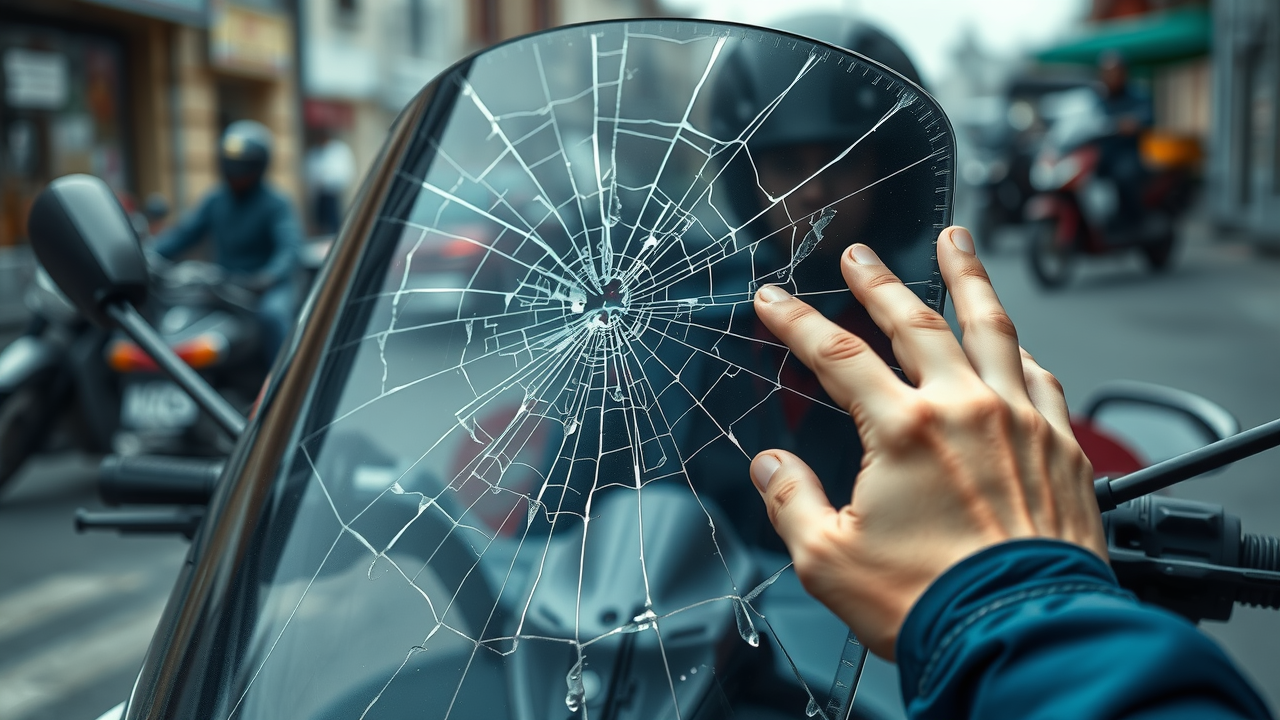
close-up cracked windscreen, technician assessing damage need for windshield replacement

Early Signs You Need to Replace Your Windshield

Recognizing the early red flags can spare you future expensive or dangerous scenarios. Watch out for spiderweb cracks, chips spreading out of initial repair sites, or audible creaks. If your motorcycle windshield vibrates at high speed or you notice persistent fogging/buildup, it’s time for a professional evaluation.

Some telltale signs of irreparable damage include distortion in the primary viewing area, edge cracks, and major chips that go deeper than the top glass surface. Repeated windshield repairs may leave structural weaknesses, so opting for timely replacement ensures a fully sealed and bondable surface—critical for strong airbag deployment and maintaining the bike’s crash safety ratings.

The bottom line: Don’t risk it. Replacing your windshield at the right time guarantees maximum safety and shields you from hidden liabilities down the road.

Cost-Effectiveness of Windscreen Replacement: Long-Term Value vs. Glass Repair

Hidden Costs of Delayed Windscreen Replacement

While patching a windshield chip seems like the budget-friendly option, repeated attempts can add up. Delaying replacement exposes your motorcycle to escalating risks—future repairs often cost 2–3 times more if the initial fix fails. Worse, unresolved damage can lead to failed inspections, reduced resale value, and insurance issues.

Insurance companies may deny claims stemming from accidents caused by pre-existing windshield damage, and you could face legal penalties for driving with unsafe glass. In contrast, quick windshield replacement restores your bike’s insurability and resale appeal, allowing you to realize 100% of your motorcycle’s designed value.

Factor in the peace of mind, and it’s clear that replacement isn’t just a fix—it's a smart investment in your safety and wallet.

Custom Motorcycle Windscreens - Style and Personalization

Replacing your windscreen gives you the opportunity to personalize your bike. With a wide range of colors, tints, shapes, and sizes available, riders can choose a style that matches their personality and the bike’s aesthetic.

Whether you’re going for a sleek racing look or a rugged touring setup, custom windscreens are a simple upgrade that makes a big visual impact.

cost-effective windscreen replacement, family safety through new car windshield

Motorcycle Windscreen Upgrades, Accessories and Mounts

Modern replacement windscreens often come with compatibility features for GPS mounts, action cameras, phone holders, and other accessories. Some designs also improve the effectiveness of helmet communicators by reducing wind noise. Upgrades like windscreen replacements can boost the perceived value of your motorcycle. When a potential buyer sees a clean, upgraded windscreen, it signals that the bike has been well cared for.

Many modern windscreen replacements are designed for easy DIY installation. They often come with pre-drilled mounting holes and detailed instructions, making it a hassle-free upgrade for most riders. Plus, newer materials like polycarbonate and acrylic are easier to clean and more resistant to scratching than older models, reducing long-term maintenance needs.

Along with improved aesthetics, practical enhancements like reduced wind noise and added comfort appeal to a wide range of buyers. If you’re running a tech-enhanced setup on your bike, a windscreen upgrade might be the key to making everything work seamlessly.

Best Motorcycle Windscreen for Cold & Hot Weather

If you ride year-round, a windscreen replacement tailored to seasonal conditions can dramatically change your experience. Taller or wider windscreens offer better cold weather protection by shielding more of your upper body.

During summer months, tinted or vented windscreens can reduce sun glare and improve airflow, keeping you cooler on hot rides.

A ffordable Motorcycle Performance Upgrades that Increase Resale Value

Compared to engine mods or suspension overhauls, a windscreen replacement is a cost-effective way to improve performance. You get better comfort, handling, and efficiency without the high price tag. For budget-conscious riders, it’s one of the best bang-for-your-buck upgrades available.

Also, upgrades like windscreen replacements can boost the perceived value of your motorcycle. When a potential buyer sees a clean, upgraded windscreen, it signals that the bike has been well cared for. Along with improved aesthetics, practical enhancements like reduced wind noise and added comfort appeal to a wide range of buyers.

FAQs About the Benefits of Windscreen Replacements

How to Choose the Right New Windscreen?

When shopping for a new windscreen, consider your bike type, riding style, and height. Touring bikes benefit from tall, wide screens; sport bikes often use lower-profile designs for aerodynamics. Make sure the material is durable and scratch-resistant, and check compatibility with your bike’s mounting system.

Don’t forget to factor in aesthetics—tints and shapes can dramatically affect your bike’s look while still delivering function.

Is Windshield Replacement Worth It?

Yes—especially when compared to the risks of compromised safety, failed repairs, and potential legal issues. The investment pays off by safeguarding driver safety, enhancing bike performance, and often lowering future repair costs. Think of it as a preventative measure that also boosts vehicle resale value.

What are the benefits of windscreen coating?

Specialized coatings can increase scratch resistance, repel water, and make cleaning easier. This translates to better visibility in rain or harsh conditions and extends the lifespan of your new windshield.

Is a replacement windscreen as good as the original?

When installed by a certified glass repair service, a replacement windscreen matches factory standards—sometimes even exceeding them with modern innovations and built-in safety enhancements.

trusted auto glass repair service center professional windshield replacement

Final Thoughts on Motorcycle Windscreen Replacement

Motorcycle windscreen replacements are more than a cosmetic upgrade. They improve safety, comfort, performance, and even resale value. Whether you’re battling wind fatigue, looking to personalize your ride, have a crack in your windshield or simply want better road visibility, a quality windscreen replacement is an upgrade you can’t afford to miss.

Your next ride could be smoother, safer, and more enjoyable—all from one simple change.
Customizations & Upgrades

0 Comments

Write A Comment

*
*
Please complete the captcha to submit your comment.
Related Posts All Posts

Guide to Choosing Custom Turn Signals for Better Visibility

Did you know? Research shows that many accidents happen simply because a turn signal went unnoticed. Upgrading your vehicle’s turn signals is not just about style—it’s a crucial step in preventing accidents and making sure you are seen by others on the road. This guide to choosing custom turn signals will equip you with everything you need to know to drive safer, brighter, and with greater peace of mind. Startling Trends: Why Custom Turn Signals Matter for Safe Driving It’s easy to overlook the impact that something as small as a turn signal can have on your daily drive. However, recent data highlights that inadequate signal lights contribute to a significant portion of collisions, especially in low-light or heavy-traffic conditions. By investing in custom turn signals, you’re making a proactive choice to safeguard yourself, your passengers, and others sharing the road. Improved visibility is at the heart of accident prevention. Standard signal bulbs often fade over time or fail to stand out, particularly during daylight or inclement weather. Modern LED turn signal lights and upgraded signal bulbs utilize advanced technology, emitting brighter, clearer signals that get noticed—even from greater distances and in poor visibility. In high-density traffic, where split-second decisions can prevent costly and dangerous incidents, custom signal lights serve as your most reliable communicator, letting everyone know your intentions well in advance. What You'll Learn in This Guide to Choosing Custom Turn Signals Key factors for selecting the right turn signal light Differences between LED turn signal lights and traditional bulbs Installation process and maintenance tips Enhancing both safety and style via custom turn signals Understanding the Basics: What Are Turn Signals and Signal Lights? Functions of Turn Signal Lights and Signal Bulbs Turn signals—sometimes called signal lights or signal bulbs—are essential tools for communicating your next move on the road. By flashing left, right, or warning with your hazard signals, you’re broadcasting your intentions to everyone around you—drivers, cyclists, and pedestrians alike. In busy intersections and highway merges, the timely use of a turn signal can literally save lives. A high-quality turn signal bulb ensures that each flicker of your indicator stands out, cutting through fog, rain, or bright sunlight with ease. Whether you’re driving a car, motorcycle, or truck, these simple yet critical components are your first line of defense against miscommunications and surprise maneuvers. When choosing a custom turn signal light, you elevate not only functionality but the sense of security that comes with being distinctly seen. Reliable signal bulbs and advanced LED turn signal lights further enhance this communication, lowering the risk of dangerous misunderstandings on the road. While upgrading your turn signals is a significant step toward safer driving, it's equally important to maintain your entire bike or vehicle throughout the year. For practical advice on keeping your ride in top condition across all seasons, check out these seasonal bike care secrets every rider should know. Types of Custom Turn Signals: From LED Turn Signals to Signal Bulbs Comparing LED Turn Signal Lights and Traditional Bulbs Choosing between LED turn signal lights and traditional turn signal bulbs is one of the first decisions you’ll face when customizing your vehicle’s signal system. LED turn signals have become increasingly popular for drivers seeking improved brightness, faster illumination, and higher energy efficiency. Unlike standard incandescent or halogen bulbs, LEDs emit a crisp, vibrant light that is much more noticeable in all lighting conditions. Traditional turn signal bulbs, which rely on a heated filament, tend to offer a warm, familiar glow but are less energy-efficient and may dim or fail quicker with extended use. Custom LED turn signal lights outlast their halogen and incandescent counterparts, requiring fewer replacements and offering a more consistent performance. For anyone aiming to balance cost, reliability, and technological advancement, LEDs are widely regarded as a smart investment in both safety and style. However, it’s important to verify compatibility with your vehicle’s electrical system, as some LED upgrades require additional resistors or relays to function properly. Comparison of LED Turn Signal Lights vs. Standard Signal Bulbs Feature LED Turn Signal Lights Standard Signal Bulbs Brightness Very high; crisp, sharp illumination Moderate; warm glow, less visible in bright conditions Longevity Up to 50,000 hours or more Shorter lifespan; frequent replacement needed Energy Efficiency Minimal power draw More energy consumption Cost Higher upfront, long-term saving Lower upfront, higher over time from replacement Compatibility: Ensuring the Right Turn Signal Fit for Your Vehicle Choosing Turn Signal Lights for Motorcycles, Cars, and Trucks Check model and year compatibility Considerations for LED turn signals and signal lights by vehicle type Color and size matching Not every custom turn signal fits every vehicle, and selecting the wrong bulb could lead to installation headaches or reduced performance. Start by verifying your vehicle’s make, model, and year—these details ensure the turn signal lights and bulbs you choose are an exact match for your car, motorcycle, or truck’s electrical and housing requirements. For example, some vehicles are factory-wired for LED lights, while others will need additional components like resistors. When choosing LED turn signal lights or signal bulbs for motorcycles, compact design and high brightness are priorities, since space is often limited and visibility is even more critical. Cars and trucks may offer more flexibility in terms of size, shape, and even signal light position, so matching color temperature, lens color, and fixture style becomes essential for a seamless look and maximum performance. Key Considerations: Brightness, Visibility, and Color Temperature in Turn Signal Lights How Brightness and Color Temperature Impact LED Turn Signal Performance When it comes to custom turn signals, two factors stand above all: brightness and color temperature. High brightness ensures that your signal lights are seen clearly, even during daylight or adverse weather conditions, vastly improving visibility. Brightness and visibility are especially important for motorcycles, where turn signals need to penetrate through traffic and a variety of visual distractions. The color temperature of your LED turn signal lights also matters. Most legal signal lights are amber, but the shade varies from a warm yellow to a crisp, cool white. Amber turn signals offer the best recognition for other drivers, while white or blue-tinted bulbs may run afoul of the law or prove less effective. Always choose custom turn signal bulbs with the appropriate color temperature to maximize safety and meet regulatory guidelines. Balancing these elements ensures that your upgrade isn’t just about looks—it’s a meaningful step towards safer driving. Style vs. Safety: Balancing Aesthetic Customization with Reliable Performance Choosing stylish turn signals without sacrificing safety Color options, shapes, and finishes for signal light customization Discussing covers and smoked lenses for turn signal lights It’s tempting to focus solely on visual flair when selecting custom signal lights, but safety must always come first. Today’s market offers a dazzling selection: clear, smoked, and colored lenses; unique shapes for cafe racer fans; and even programmable LED turn signals in dynamic patterns. Still, it’s vital that any design chosen does not diminish brightness and visibility. Covers or smoked finishes should maintain high output so that your intentions are unmistakable to everyone on the road. Expert vehicle owners often opt for custom turn signal lights that blend style with reliability, using advanced LEDs, robust housings, and weather-resistant seals. Aesthetic choices like matching your signal bulb color temperature to your headlamps or picking a sleek lens finish can personalize your ride, but double-check all upgrades remain legal and safe. Signal light customization is about making a statement—ensure that statement is clear, bright, and unmistakably safe. Plug and Play Installation: Upgrading to Custom Turn Signals Made Simple Step-by-Step Led Turn Signal Light Installation Guide The upgrade process for LED turn signal lights is designed to be straightforward—even for those with limited mechanical experience. Many brands now offer “plug and play installation,” meaning you can directly replace old signal bulbs with new custom signals using basic tools, with no wire splicing or advanced electrical knowledge needed. Begin by turning off your vehicle and removing the old turn signal bulb or housing. Next, fit your new LED turn signal light into the socket, making sure it aligns and connects securely. Some vehicles may display a rapid “hyper-flash” with LED upgrades, caused by the lower power draw compared to incandescent or halogen bulbs. If this happens, simply install the supplied resistor or switch the flasher relay to an LED-compatible version as directed by your manufacturer. Test your new signals for proper function—left, right, and hazards—before finishing. For extra peace of mind, professional installers can ensure all turn signal lights work perfectly and comply with electrical system requirements. Legal and Regulatory Considerations for Custom Turn Signal Lights Regional differences in color and brightness requirements Inspection guidelines for aftermarket turn signals Ensuring compliance with traffic laws Before hitting the road with your new custom turn signal lights, be sure they meet the legal requirements of your region. Laws on brightness, color temperature, and allowable lens colors can vary significantly between states and countries. For example, most places require amber turn signals, while others may permit red or white only in certain positions. Failing a vehicle inspection or being pulled over for non-compliant signals is both inconvenient and costly. Many aftermarket signal lights are labeled “for off-road use only,” so always check product certifications and request clarification from manufacturer official websites if unsure. During inspections, officers verify not just brightness but whether the location, operation, and color of your turn signals match local codes. By ensuring your turn signal light selections and installations comply from the outset, you maintain safety, avoid fines, and enjoy your custom lights with complete peace of mind. Maintenance and Troubleshooting Custom Turn Signals Checking and Replacing Turn Signal Bulbs and Signal Lights Common issues with signal bulbs and LED turn signal lights How to prolong the life of your custom turn signals Even the best turn signal bulbs eventually wear out, and the latest LED turn signals are not immune to issues if installed improperly. Common problems include flickering, dimming, complete failure, and, for LEDs, hyper-flashing linked to electrical system mismatches. To keep your turn signal lights in top shape, inspect them regularly, ensuring covers are clean, bulbs are tight in their sockets, and seals remain weatherproof. When replacement is needed, match the new signal bulb type, wattage, and color temperature to your current setup for best results. Prolong the life of your custom turn signals by protecting electrical connections from corrosion and using bulbs specifically designed for your vehicle. With these simple checks and maintenance, your upgraded signal lights can deliver reliable performance and safety for years to come. Expert Insights: Why LED Turn Signal Lights Are Becoming the Standard “LED turn signals outperform traditional bulbs in visibility and longevity, making them the first choice for safety-focused drivers.” – Lighting Systems Expert Comparing Signal Light Brands and Manufacturer Options Popular LED Turn Signal Light Brands: Warranty & Customer Ratings Brand LED Turn Signal Options Warranty Period Customer Rating Brand A Standard, smoked, slim-line 2 years 4.7/5 Brand B High-output, sequential, dynamic 3 years 4.5/5 Brand C Plug-and-play, custom housings 1 year 4.6/5 People Also Ask: Custom Turn Signals FAQ What are the benefits of upgrading to LED turn signals? LED turn signals offer greater efficiency, durability, and much brighter illumination compared to traditional bulbs. This enhanced visibility significantly reduces the risk of accidents, especially in low-light or adverse weather. Additionally, the longer lifespan of LEDs means fewer replacements, saving time and resources in the long run. Are custom turn signal lights legal for all vehicles? The legality of custom turn signal lights depends on local, state, and national regulations. Always check your area’s specific rules regarding allowed colors, brightness levels, and installation methods. In most places, amber lights are standard for safety and recognition, but requirements may differ—research before you install. How do I select the right signal bulb for my car or motorcycle? To choose the correct signal bulb, refer to your vehicle’s owner manual or manufacturer’s guide. Match the recommended size, wattage, and color temperature. If you’re unsure, consult with professional installers or trusted auto parts specialists who can verify fitment and compatibility for optimal performance. Do LED turn signal bulbs require additional resistors or adapters? Many LED turn signal bulbs do require load resistors or compatible flasher relays to avoid hyper-flashing, which is caused by the lower energy draw of LEDs compared to traditional incandescent or halogen bulbs. Always review manufacturer instructions and consult with installers if necessary to ensure proper function. Key Takeaways: Guide to Choosing Custom Turn Signals Select signal lights that match your vehicle’s specifications Prioritize visibility and safety in turn signal light choices Consider longevity and energy savings of LED turn signal lights Verify legal compliance before customizing signal lights Ready to Upgrade? Call Nasty Performance Motorcycle Shop Today: 847-458-4858 Upgrading your turn signal lights enhances safety, style, and confidence on the road. Don’t wait—consult a trusted expert, choose quality LEDs or custom bulbs, and enjoy a brighter, safer drive. If you’re committed to maximizing your safety and the longevity of your ride, there’s even more you can do beyond upgrading your turn signals. Discover how proactive seasonal maintenance can protect your investment and keep your vehicle performing at its best, no matter the weather. Explore the essential strategies in Seasonal Bike Care Secrets Every Rider Must Know for expert tips that go hand-in-hand with your lighting upgrades. By combining smart customization with year-round care, you’ll enjoy a safer, smoother, and more reliable journey every time you hit the road.

Benefits of Motorcycle Suspension Upgrades That Improve Your Ride

Ever wondered why some riders seem to glide effortlessly over potholes and twisty roads while others struggle with every bump? The secret could be in their suspension. Discover how the benefits of motorcycle suspension upgrades go far beyond just absorbing bumps—they can transform your riding experience, comfort, and confidence on every journey. If you’re aiming for smoother rides, greater control, and a custom fit for your unique riding style, you’re in the right place. Unlocking the Benefits of Motorcycle Suspension Upgrades Motorcycle enthusiasts know that suspension upgrades can mean the difference between an average ride and an unforgettable, confidence-inspiring adventure. Stock suspension, while designed to suit the general rider, rarely matches the demands of diverse riding styles, various road conditions, or specialty needs like performance riding. By upgrading your motorcycle suspension system, you open a world of possibilities—whether you’re craving smoother handling on city streets, more stability on track days, or added comfort on long rides. The benefits of motorcycle suspension upgrades include improved handling and stability, enhanced safety, and a noticeable boost in rider comfort. A quality suspension system that’s properly set up for your weight, riding style, and typical road conditions delivers a better bike feel and increases your contact with the road for unmatched confidence. Don’t underestimate the impact of technologies like adjustable rebound damping, spring rates, and custom rear shocks—these upgrades can dramatically redefine what your bike can do, keeping you safer and more comfortable mile after mile. Curious How Suspension Upgrades Transform Your Ride? If you’ve ever questioned the performance of your bike’s stock shock or felt discomfort during long rides, you’re not alone. Upgraded suspension systems absorb bumps more efficiently and allow for precise adjustments tailored to your riding demands. This isn’t just about comfort—advanced rear shocks and forks dramatically improve the bike’s responsiveness, increase stability during aggressive maneuvers, and help you achieve a properly set ride height and sag setting for your individual needs. In short, suspension upgrades turn a good bike into a great one. Why Riders Should Reconsider Their Stock Suspension Many riders stick with their stock suspension simply because it comes standard with their motorcycle. However, stock setups are built for average rider weight and generic road conditions, often resulting in a compromise between cost and universal appeal. But every motorcyclist and every ride is unique. By reconsidering and upgrading your suspension system—especially the rear shock and rear suspension—you’ll experience custom-tuned handling and comfort. Don’t settle for one-size-fits-all when you can have a motorcycle suspension system perfectly matched to your riding style and expectations. What You'll Learn About the Benefits of Motorcycle Suspension Upgrades The fundamentals of motorcycle suspension systems Why stock suspension often falls short Impact of rear shock and rear suspension upgrades Custom suspension options for every riding style The real-world advantages of suspension upgrades for safety, comfort, and performance Understanding Motorcycle Suspension Systems To fully appreciate the benefits of motorcycle suspension upgrades, it’s crucial to understand how your bike’s suspension system works. At its core, the suspension system manages how your wheels respond to bumps, bends, and changes in speed. Properly functioning motorcycle suspension ensures your tires maintain contact with the road, balancing rider weight, and absorbing shocks to deliver that all-important smoother ride. Whether you commute daily or chase long rides, understanding these components is the first step toward a more comfortable and controlled ride. How a Motorcycle Suspension System Works The motorcycle suspension system is made up of several key components: the front forks, rear shock, springs, and dampers. The front forks absorb impacts from the front wheel, while the rear shock manages the back end. Springs are responsible for supporting the rider’s weight and maintaining proper ride height. Dampers control the speed at which the suspension compresses and rebounds, keeping the bike composed over bumps, in corners, or when braking. An aftermarket or upgraded suspension system typically offers adjustable features such as spring rate, damping adjustment, and preload. These features allow you to tailor the ride to your specific needs, resulting in a properly set, highly responsive, and confidence-inspiring motorcycle. The Role of Rear Shock, Front Forks, and Rear Suspension Rear shock and rear suspension are critical for delivering stability, especially when carrying additional weight or riding on uneven surfaces. The front forks absorb bumps at the front; the rear shock supports the rear, and together they work as a complete suspension system. Upgraded rear suspension components often offer higher-quality materials, progressive spring rates, and sophisticated damping control. This means that whether you’re traversing city streets or attacking a racetrack, your bike feels properly set, your tire contact with the road is maximized, and your riding experience is elevated. The right combination of suspension upgrades changes everything—from reducing harshness on rough roads to offering more precise bike feel in corners. Common Motorcycle Suspension Terms Explained Understanding suspension terminology will help you make the most of your upgrades: Sag Setting: Adjusts how much the suspension compresses under your weight. Spring Rate: Refers to how stiff the suspension spring is; it must match your rider weight and riding style. Rebound Damping: Controls the speed at which the suspension returns to its normal position after compression. Compression: Refers to how fast the suspension compresses when hitting a bump. Damping Adjustment: Fine-tunes how the suspension absorbs and controls movement for a custom ride experience. These concepts are foundational for anyone looking to achieve the benefits of motorcycle suspension upgrades. Comparison of Stock Suspension vs. Upgraded Suspension Feature Stock Suspension Upgraded Suspension Damping Control Basic Tunable Comfort Limited Enhanced Performance Standard Improved Why Upgrade? Benefits of Motorcycle Suspension Upgrades So, why should you consider a suspension upgrade? It’s simple: enhanced safety, improved ride quality, and a finely tuned bike that responds to your every input. Unlike the limitations of a stock suspension, an upgraded suspension system offers adjustability to match your preferred riding style and local road conditions. You’ll stop worrying about bumpy streets, potholes, or sudden swerves because your bike will feel planted and predictable. Whether you want better handling for daily commuting or specialized performance for track days, the benefits of motorcycle suspension upgrades are undeniable. Improved Handling and Stability With Advanced Suspension Systems When you install an upgraded suspension, the immediate difference you’ll notice is in cornering and overall ride stability. The advanced control offered by adjustable rear shocks and front forks keeps your tires firmly in contact with the road, even during aggressive maneuvers. No more squatting or nose-diving—just a smoother ride and increased confidence through every curve. Whether it’s a custom suspension setup or a high-quality aftermarket shock, the correct spring rate and properly set sag settings will maximize grip, enhance feedback, and allow you to push your bike further with safety and control. Enhanced Safety: How Suspension Upgrades Reduce Braking Distance Safety is paramount, and a proper suspension system significantly reduces your stopping distance. With upgraded suspension, your tires maintain better contact with the surface—even under heavy-braking situations—because the damping and rebound characteristics are optimized for your weight and riding style. You’ll experience less front-end dive, more predictable responses, and greater control when maneuvering in emergencies. Improved suspension upgrades can make a meaningful difference, especially on unpredictable roads, enhancing your safety and bike feel every time you ride. Better Comfort on Every Ride: Suspension Upgrade Advantages Comfort is often overlooked but critical—especially on longer rides. An aftermarket shock or upgraded suspension system absorbs bumps and vibrations, drastically reducing rider fatigue. Quality suspension upgrades use superior materials and sophisticated damping systems that smooth out the roughest surfaces, making every journey—long or short—much more enjoyable. The impact is immediate: less soreness, more stamina, and greater enjoyment, mile after mile. "When you invest in the benefits of motorcycle suspension upgrades, every mile becomes more enjoyable and secure." Personalizing Performance: Matching Suspension Upgrades to Your Riding Style Not all riders are alike, and neither are their needs from a motorcycle suspension system. Personalizing your custom suspension setup ensures maximum performance, whether you’re touring across states, commuting daily, or chasing adrenaline on a track. The correct suspension upgrades, properly adjusted for your riding style, rider weight, and typical road conditions, unlock your bike’s potential and elevate every ride. How Riding Style Influences Suspension Choices Every riding style requires a different approach to motorcycle suspension upgrades. For example, long-distance touring demands plush damping and comfort-oriented settings, while aggressive track riding benefits from firmer spring rates and stiffer damping for stability. Adventure riders need flexibility to handle rough, variable terrain, while commuters may prioritize both maneuverability and a smoother ride over city streets. No matter your preference, a custom or upgraded suspension system can be tailored to fit your individual expectations. Touring Commuting Track days Adventure riding Custom Suspension Solutions for Every Type of Rider Custom suspension options include adjustable shocks, variable spring rates, and advanced damping controls, all designed to create a suspension system matched to your habits and needs. Whether you’re lighter or heavier than average, carry a passenger, or carry gear, custom suspension upgrades ensure your bike is properly set for ideal sag, ride height, and response. The flexibility to fine-tune your setup, from rebound damping to compression adjustments, results in a smoother ride, less fatigue, and more enjoyment. For many, investing in aftermarket suspension or tailored rear shock solutions is one of the best ways to improve riding experience and confidence. The Impact of Compression and Rebound Damping on Riding Experience Two of the most crucial adjustments for motorcycle suspension systems are compression and rebound damping. Compression damping controls how quickly the suspension compresses under a bump—essential for absorbing shocks and maintaining control. Rebound damping determines how rapidly the suspension returns to its original position after being compressed. Fine-tuning these settings, especially on an upgraded rear shock or rear suspension, leads to significant improvements in stability, comfort, and the bike’s responsiveness. Mastering these adjustments ensures your bike feels correct for your weight, pace, and riding style, leading to a safer and more predictable riding experience. seasonal bike care strategies Rear Shock and Rear Suspension: Key Upgrades for Maximum Impact When it comes to maximum impact, focusing on the rear shock and rear suspension yields big results. The rear end of your motorcycle takes much of the load, especially under acceleration, when carrying passengers, or with extra cargo. Upgrading the rear suspension—from progressive-rate springs to adjustable aftermarket shocks—improves traction, stability, and comfort on any road surface. Riders who experience instability, excessive bouncing, or unpredictable bike feel often find that rear suspension upgrades completely transform their motorcycle’s behavior and their confidence as a result. Stock vs. Upgraded Rear Suspension: What Changes? The main difference between stock and upgraded rear suspension is the quality and adjustability of the components. Stock shocks are built for average loads and cost-efficiency, offering limited adjustment for sag, spring rates, and damping. Upgraded rear suspension uses higher-quality materials and more precise valving, allowing you to fine-tune settings for your weight, gear, and riding style. The result? Better traction, less bottoming out, superior response over rough surfaces, and customizable ride height and sag. Investing in an aftermarket shock or custom rear suspension ensures your bike feels dialed in, safer, and more enjoyable no matter the scenario. Understanding Rebound Damping in Rear Shock Adjustments Rebound damping is vital to the rear shock’s performance. Too little damping and your suspension rebounds too quickly, causing the bike to feel bouncy and unsettled; too much, and your rear suspension could pack down, making it harsh and unresponsive. A properly adjusted aftermarket or custom shock with well-set rebound damping delivers a smoother ride, greater traction, and a more predictable bike feel. By understanding and tuning rebound damping, you take control of your riding experience, whether on uneven city streets or twisty mountain passes. The Installation Process for Suspension Upgrades Considering a suspension upgrade and wondering if you can tackle it yourself? While some upgrades, like adjusting preload or sag settings, are DIY-friendly, installing advanced rear shocks or front forks often requires special tools and mechanical expertise. Proper installation ensures that your new suspension system performs as intended and keeps you safe on the road. Following the manufacturer’s specifications for spring rates, damping adjustment, and torque settings is crucial for a successful upgrade. Can You Upgrade Motorcycle Suspension Yourself? With a bit of mechanical know-how, basic upgrades—such as swapping springs or making minor damping adjustments—can be done at home with common tools. However, for full suspension replacements or advanced upgrades (like new rear shocks, upgraded forks, or custom suspension systems), professional installation is recommended. This guarantees that every component is properly set, torque specifications are met, and your new suspension system is correctly calibrated for your weight and riding style—giving you peace of mind for every ride. Professional Suspension System Setup: What to Expect Bringing your motorcycle to a professional shop for suspension upgrades comes with several benefits. Experts will assess your rider weight, ask about your typical riding style, and set your new shocks and forks to achieve the correct sag settings, spring rates, and damping adjustments. They’ll also check for any issues, such as worn bushings or leaking seals, to ensure your new system runs smoothly. Expect a detailed walk-through of your new setup and advice on how to fine-tune as your needs evolve, ensuring you enjoy all the benefits of motorcycle suspension upgrades from day one. How Suspension Upgrades Improve Long-Term Riding Experience The long-term benefits of motorcycle suspension upgrades extend beyond day-to-day riding. With the right upgrades, you’ll experience reduced fatigue, less wear and tear on your bike, and a prolonged lifespan for your entire suspension system. Investing in quality suspension components and professional setup pays dividends in both the quality and reliability of your motorcycle adventures. Reduced Rider Fatigue on Extended Journeys Few things are as exhausting as fighting an uncomfortable, bouncy bike over long distances. Suspension upgrades take the sting out of rough roads and long rides, absorbing impacts and reducing vibrations that fatigue muscles and joints. Riders who tackle cross-country adventures, challenging commutes, or group rides quickly notice how a well-tuned motorcycle suspension system supports their posture, keeps them fresher, and allows them to focus on the road ahead. A smoother ride means more time enjoying the journey and less time nursing aches afterward. Increasing the Lifespan of Your Motorcycle Suspension System Upgraded suspension doesn’t just improve ride comfort; it also increases the durability of your bike’s critical components. High-quality springs, dampers, and bushings resist wear, retain their performance longer, and reduce stress on the frame, wheels, and tires. With regular maintenance and professional setup, your suspension system will deliver consistent performance and protect your investment for years, making it one of the smartest ways to enhance your long-term riding experience. Visual Guide: Frequently Asked Questions About Motorcycle Suspension Upgrades What is the 4 second rule on a motorcycle? The 4 second rule is a safety guideline to maintain a safe following distance behind another vehicle. You pick a fixed point, like a signpost, and ensure it takes at least 4 seconds to reach it after the vehicle ahead passes it. A properly set suspension system helps you react more quickly and efficiently, contributing to safer braking and smoother handling for your motorcycle, especially during sudden stops. Is upgrading your suspension worth it? Absolutely! Upgrading your suspension brings immediate benefits such as enhanced comfort, better handling, and increased safety. Whether it's a smoother ride, more precise steering, or reduced rider fatigue, investing in a quality suspension system pays off for every rider. Custom or aftermarket shocks tailored to your riding style and weight transform not just your motorcycle, but your entire riding experience. Which bike is most liked by girls? There isn’t a single answer, as motorcycle preferences vary widely. Many female riders appreciate bikes that are lightweight, have adjustable seat heights, and offer a comfortable ride—qualities enhanced by a good suspension system. Suspension upgrades can make a bike more accessible and comfortable, increasing confidence for any rider, regardless of gender. Is it better to have higher or lower preload? The ideal preload depends on your weight, gear, and riding style. Higher preload is used to compensate for added weight (like passengers or luggage) while lower preload is comfortable for solo riding. It’s essential to properly set your preload—too much can make the ride harsh, and too little can cause the bike to sag excessively and handle poorly. Upgraded suspension systems provide the adjustments needed to perfectly match your needs. Essentials to Remember: Key Takeaways on the Benefits of Motorcycle Suspension Upgrades Suspension upgrades deliver real improvements in handling, comfort, and safety. Tailoring your motorcycle suspension system to your riding style maximizes performance benefits. Rear shock and rear suspension upgrades make a significant difference for demanding riders. Ready to Transform Your Motorcycle Ride? Call Nasty Performance Motorcycle Shop Today: 847-458-4858 Invest in your ride. From improved safety to unmatched comfort, the benefits of motorcycle suspension upgrades await. Contact our team and take the first step toward a better ride today! seasonal bike care secrets every rider must know

Cost of LED Lighting Upgrades: Is It Worth the Investment?

Did you know that upgrading to LED lighting can reduce your lighting energy costs by up to 75% over time? Yet, despite the clear promise of energy savings, many homeowners and small business owners pause at the cost of LED lighting upgrades. Is the "sticker shock" justified, or does the math make sense in the long run? In this comprehensive guide, we'll peel back the layers of lighting upgrades, examining the true costs—and the real returns—of making the switch to LEDs. Shedding Light on the Cost of LED Lighting Upgrades When it comes to lighting upgrade decisions, understanding the cost of LED lighting upgrades is essential. While the upfront price tag for LED bulbs and fixtures can initially seem high compared to traditional bulbs like incandescent or metal halide, the calculus shifts when you take a closer look at long-term savings. Not only do LED lights dramatically reduce ongoing energy costs, but their durability and efficiency can also mean far fewer bulb replacements and lower maintenance costs. For small business owners and homeowners alike, the decision often centers on whether the initial investment is justified by sustained energy savings and improved lighting quality. This article unpacks the many practical sides of upgrading to LED lighting, from understanding the breakdown of costs to evaluating your potential return on investment with a lighting retrofit versus sticking with older lighting solutions. Why the Cost of LED Lighting Upgrades Matters Today The focus on sustainable buildings, rising energy prices, and the need to reduce energy cost for both environmental and financial reasons makes understanding the cost of LED lighting upgrades more relevant than ever. LEDs not only consume less power but also contribute to fewer maintenance headaches and longer operational lifespans. However, many decision-makers are still put off by the perceived initial expense, weighing it against competing priorities. “Switching to LED lighting can result in significant long-term savings, but the initial investment is often what stalls decision-making for both homeowners and small businesses.” What You’ll Learn About the Cost of LED Lighting Upgrades Understand every factor affecting the cost of LED lighting upgrades Compare LED lighting retrofit versus traditional lighting retrofit Identify potential return on investment for LED upgrades Review key considerations for LED installation and maintenance cost Gain clarity on the practical and financial benefits for your home or small business Understanding the Cost of LED Lighting Upgrades When evaluating the cost of LED lighting upgrades, it's imperative to look past just bulb prices. The total expenditure involves factors such as installation, fixtures, and the complexity of the space. Most notably, an LED retrofit can sometimes require new wiring or upgrades to existing lighting systems, especially if the previous setup used fixtures incompatible with modern LED lights. However, the initial cost should always be compared with the reduced energy costs, fewer replacements, and less frequent maintenance that LED bulbs provide. Their average life is several times longer than traditional options, and improved design in LED fixtures means richer, more controllable lighting—ideal for both homes and small businesses. If you're considering how to maximize the value of your upgrades, it's also worth exploring how seasonal changes can impact your maintenance routines and overall efficiency. For practical tips on keeping your equipment in top shape throughout the year, check out these essential seasonal care strategies for riders. Key Elements That Influence the Cost of LED Lighting Upgrades Understanding what affects the cost of LED lighting upgrades allows for smarter planning and budgeting. Each project is unique, but common elements can dramatically impact your investment and eventual savings. Type of LED lights and fixtures: Different brands, wattages, and fixture types vary widely in price and efficiency. Number of light bulbs required per space: Larger areas or businesses with more rooms naturally require more bulbs and fixtures. Complexity of the LED installation: Retrofitting old wiring, upgrading panels, or automating controls can add to labor costs. Existing infrastructure and requirement for a lighting retrofit: The age and compatibility of current fixtures dictate the scale and type of upgrade needed. Expected energy saving and energy savings potential: The greater your current usage, the more you’ll save with energy-efficient LED lighting. By breaking the costs down and factoring in likely future savings, you can weigh your options and tailor your lighting upgrade to your unique home or small business needs. LED Lighting Retrofit vs. Traditional Lighting Retrofit Deciding between an LED lighting retrofit and a traditional solution may seem daunting, but the differences are substantial. A traditional lighting retrofit often uses less efficient bulbs (like incandescent bulbs or metal halide lamps) that last fewer hours and use significantly more electricity. In contrast, an LED lighting retrofit captures modern advances, delivering superior efficacy, reliability, and, crucially, reduced operational costs. Let's put these differences into perspective by examining their real-world impact on costs, maintenance, and performance over time. Comparing the Cost and Benefits of LED Lighting Retrofit A direct comparison shows the short- and long-term trade-offs between these two retrofit strategies. LEDs win in almost every category except up-front cost. Still, the investment typically pays for itself within a few years through lower energy bills and fewer replacements. Comparison Table: LED Lighting Retrofit vs. Traditional Lighting Retrofit Feature LED Lighting Retrofit Traditional Lighting Retrofit Initial Cost Higher Lower Maintenance Cost Low (rare bulb replacement, less labor) High (frequent bulb changes, more labor) Lifespan Up to 25,000–50,000 hours (times longer than traditional) 1,000–5,000 hours Energy Saving 50–75% savings possible Minimal savings compared to LEDs Return on Investment High (payback in 1–3 years) Low Lighting Quality Consistent, instant-on, multiple color temperatures Often flickers, limited color quality Life Cycle of LED Lights: Long-Term Maintenance Costs The value of LED lighting comes alive when you look at the full life cycle. LED bulbs typically last tens of thousands of hours—far outpacing the lifespan of incandescent bulbs, metal halide, or even compact fluorescents. This extended life means replacement and maintenance costs drop lower and lower over the years. In a well-planned LED lighting retrofit, your maintenance team will spend less time on ladders and more time on other priorities. For building managers, these savings are especially pronounced in facilities where lighting access is difficult or downtime is expensive. The fewer the burned-out bulbs, the lower the labor bills and the less disruption to your home or business. How the Cost of LED Lighting Upgrades Impacts Your Bottom Line The ultimate measure of any lighting upgrade is its impact on your bottom line. After the initial outlay for LED installation, you’ll immediately see a drop in monthly energy costs and a sharp reduction in costly maintenance cycles. Businesses report hundreds, even thousands, in annual savings on energy and replacements when older bulbs are swapped for longer-lasting LED lights. Evaluating Maintenance Cost and Maintenance Costs Over Time When evaluating the cost of LED lighting upgrades, consider not just the price of a new LED bulb, but also the long-term maintenance costs associated with replacements and repairs. Since LED fixtures don’t need to be replaced as frequently as metal halide or incandescent, you’ll see a marked improvement in your maintenance budget. "While LED bulbs can be more expensive upfront, their lower maintenance costs and extended lifespan contribute to considerable savings in the long run." Return on Investment (ROI) from LED Lighting Upgrades For most people considering a lighting retrofit, the pivotal question remains: What’s my return on investment? It’s important to look beyond the initial spend and track how quickly the energy savings recoup that investment and begin feeding back into your bottom line. Calculating the Return on Investment for LED Lighting Payback period—how long it takes for the energy cost savings to match your initial cost of LED lighting upgrades—is typically only 1–3 years for most homes and businesses. Simple calculations compare pre-upgrade electricity bills with post-upgrade costs, while factoring in reduced maintenance costs and any rebates. Ultimately, beyond the payback period, every month translates to pure savings. Case Study: Small Business Savings with LED Lights Consider a small business transitioning from energy-hungry metal halide lamps to modern LED fixtures. After an LED lighting retrofit, not only did they notice better lighting quality and improved employee comfort, but their annual lighting energy costs plummeted. Their maintenance staff also spent less time replacing bulbs—freeing resources for other operations. Over a few years, the investment paid for itself, and their energy bills were consistently lower every month. LED Lighting for Small Business: Why Upgrade? For any small business, lighting is both a cost center and a strategic asset. Upgrading to LED lighting doesn’t just bring down utility costs—it elevates workplace safety, ambiance, and employee productivity. Dimmable and color-tuned LED fixtures can be tailored to the specific needs of your business, whether it’s a bright retail space or a calm office environment. Practical Benefits and Energy Saving for Small Businesses Small businesses that invest in LED lighting upgrades enjoy clear, measurable benefits. Not only do these upgrades improve the workspace, but they also result in a competitive advantage through lowered operational costs. Improved energy efficiency with LED fixtures Decreased energy saving consumption Reduced maintenance costs and downtime Enhanced lighting quality and workplace comfort Top Considerations Before Investing in LED Lighting Upgrade Before you leap into a lighting upgrade, weigh a few essential factors. Careful planning ensures your LED lighting retrofit fits your needs, brings tangible energy savings, and avoids costly missteps. Choosing LED Light Bulbs and Fixtures Evaluate the lumens, color temperature, and compatibility of LED bulbs and LED fixtures. The right selection impacts both the quality of light and energy efficiency in your space. Not all LED lights are equal—look for products from reputable brands, suitable CRI (color rendering index) for your environment, and certifications for efficiency. LED Installation Planning and Budgeting Map out the requirements for LED installation. This includes evaluating your current infrastructure, calculating the number of fixtures, and getting estimates from a reliable electrical contractor. Don’t forget to budget for any upgrades required to existing wiring, controls, or lighting panels. Potential Pitfalls in Lighting Retrofit Projects Common mistakes with lighting retrofits include mismatching LED bulbs, overlooking fixture compatibility, or failing to account for future expansion needs. Work closely with lighting specialists to ensure your investment performs as expected and stands the test of time. Addressing Common LED Lighting Upgrade Concerns Impact of LED lighting on migraines Potential influence on circadian rhythm Professional fees for LED installation Longevity and replacement schedules for LED lights People Also Ask: Cost of LED Lighting Upgrades Do LED lights trigger migraines? Understanding the Health Effects of LED Lights Most modern LED lights are engineered to minimize flicker and provide consistent illumination, reducing the risk of triggering migraines compared to older or lower-quality lighting solutions. That said, highly sensitive individuals may find rapid flickering or harsh blue-white tones unpleasant. Always choose high-quality, flicker-free LED lighting and look for warm color temperatures to enhance comfort at home or in the office. Is it worth the cost replacing all my bulbs to LED? Weighing the Cost of LED Lighting Upgrades for Your Home or Business Upgrading every light bulb in your home or business to LED bulbs offers significant savings on energy costs and maintenance. Though the upfront cost of purchasing bulbs and installation is higher, these expenses are quickly offset by lower utility bills and fewer replacements. The investment is particularly compelling in spaces where lights are frequently used—think kitchens, offices, or commercial floors—making this upgrade one of the most impactful ways to save money and improve lighting quality. Do LED lights affect circadian rhythm? Scientific Insights on LED Lighting and Sleep Patterns LED lights, like all artificial lighting, can influence your circadian rhythm if used improperly—especially at night. Exposure to high-intensity blue-rich LED lighting before bedtime may disrupt sleep for some people. To limit these effects, opt for LED fixtures with warm white color temperatures in bedrooms, and consider dimmable or adjustable lighting to mimic natural dawn and dusk cycles. How much will an electrician charge to change a light fixture? LED Installation Costs: What to Expect The price charged by an electrical contractor to swap your old fixture for an LED light or panel can vary depending on the complexity of the job and location. While it often represents a small portion of the total cost of LED lighting upgrades, labor and safety are critical—professional installation guarantees longevity, correct wiring, and code compliance for your lighting upgrade. Frequently Asked Questions about the Cost of LED Lighting Upgrades What is a lighting retrofit and how does it impact costs? A lighting retrofit involves updating old fixtures and bulbs to modern, efficient options like LED lighting. While initial investment may be higher, you benefit from lower energy costs, better lighting quality, and less maintenance over time. How do LED light bulbs compare to metal halide or other traditional bulbs? LED bulbs offer longer lifespans, greater efficiency, and lower operation costs than metal halide or incandescent bulbs, which require frequent replacement and use more energy for the same illumination. What are the benefits of a complete LED lighting upgrade? A complete upgrade provides enhanced lighting quality, increased safety, decreased downtime, reduced environmental impact, and significant long-term savings for both homes and small businesses. Key Takeaways: Making an Informed Decision About the Cost of LED Lighting Upgrades LED lighting upgrades require upfront investment but offer significant energy savings and maintenance cost reductions. A successful lighting retrofit delivers better illumination and a strong return on investment. Careful planning ensures the cost of LED lighting upgrades pays off in the long run. Ready to Upgrade? Explore Your LED Lighting Options Call Nasty Performance Motorcycle Shop Today: 847-458-4858 Upgrade to smarter lighting and start saving today — your wallet and your workspace will thank you! As you weigh the benefits of LED lighting upgrades, remember that optimizing your environment goes beyond just energy savings—it’s about creating a space that supports your lifestyle or business goals year-round. If you’re interested in taking a holistic approach to maintenance and performance, our guide on seasonal bike care secrets every rider must know offers valuable insights that can help you keep all your equipment running smoothly, no matter the season. Exploring these strategies can empower you to make smarter investments, not just in lighting, but in every aspect of your property or business. Take the next step toward efficiency and reliability—your future self will thank you for it.

© 2026 Nasty Performance All Rights Reserved. 2035 S. Eastwood Dr., Woodstock, IL 60098 . Contact Us . Terms of Service . Privacy Policy

eyJjb21wYW55IjoiTmFzdHkgUGVyZm9ybWFuY2UiLCJhZGRyZXNzIjoiMjAzNSBTLiBFYXN0d29vZCBEci4iLCJjaXR5IjoiV29vZHN0b2NrIiwic3RhdGUiOiJJTCIsInppcCI6IjYwMDk4IiwiZW1haWwiOiJuYXRlQG5hc3R5cGVyZm9ybWFuY2UuY29tIiwidG9zIjoiUEhBK1BITjBjbTl1Wno0OFpXMCtWMmhsYmlCNWIzVWdjMmxuYmkxcGJpQjNhWFJvSUhWekxDQjViM1VnWVhKbElHZHBkbWx1WnladVluTndPeUI1YjNWeUlIQmxjbTFwYzNOcGIyNGdZVzVrSUdOdmJuTmxiblFnZEc4Z2MyVnVaQ0I1YjNVZ1pXMWhhV3dnWVc1a0wyOXlJRk5OVXlCMFpYaDBJRzFsYzNOaFoyVnpMaUJDZVNCamFHVmphMmx1WnlCMGFHVWdWR1Z5YlhNZ1lXNWtJRU52Ym1ScGRHbHZibk1nWW05NElHRnVaQ0JpZVNCemFXZHVhVzVuSUdsdUlIbHZkU0JoZFhSdmJXRjBhV05oYkd4NUlHTnZibVpwY20wZ2RHaGhkQ0I1YjNVZ1lXTmpaWEIwSUdGc2JDQjBaWEp0Y3lCcGJpQjBhR2x6SUdGbmNtVmxiV1Z1ZEM0OEwyVnRQand2YzNSeWIyNW5Qand2Y0Q0S0NqeHdQanhoSUdoeVpXWTlJbWgwZEhBNkx5OTNkM2N1WjI5dloyeGxMbU52YlNJK2FIUjBjRG92TDNkM2R5NW5iMjluYkdVdVkyOXRQQzloUGp3dmNENEtDanh3UGladVluTndPend2Y0Q0S0NqeHdQanh6ZEhKdmJtYytVMFZTVmtsRFJUd3ZjM1J5YjI1blBqd3ZjRDRLQ2p4d1BsZGxJSEJ5YjNacFpHVWdZU0J6WlhKMmFXTmxJSFJvWVhRZ1kzVnljbVZ1ZEd4NUlHRnNiRzkzY3lCNWIzVWdkRzhnY21WalpXbDJaU0J5WlhGMVpYTjBjeUJtYjNJZ1ptVmxaR0poWTJzc0lHTnZiWEJoYm5rZ2FXNW1iM0p0WVhScGIyNHNJSEJ5YjIxdmRHbHZibUZzSUdsdVptOXliV0YwYVc5dUxDQmpiMjF3WVc1NUlHRnNaWEowY3l3Z1kyOTFjRzl1Y3l3Z1pHbHpZMjkxYm5SeklHRnVaQ0J2ZEdobGNpQnViM1JwWm1sallYUnBiMjV6SUhSdklIbHZkWElnWlcxaGFXd2dZV1JrY21WemN5QmhibVF2YjNJZ1kyVnNiSFZzWVhJZ2NHaHZibVVnYjNJZ1pHVjJhV05sTGlCWmIzVWdkVzVrWlhKemRHRnVaQ0JoYm1RZ1lXZHlaV1VnZEdoaGRDQjBhR1VnVTJWeWRtbGpaU0JwY3lCd2NtOTJhV1JsWkNBbWNYVnZkRHRCVXkxSlV5WnhkVzkwT3lCaGJtUWdkR2hoZENCM1pTQmhjM04xYldVZ2JtOGdjbVZ6Y0c5dWMybGlhV3hwZEhrZ1ptOXlJSFJvWlNCMGFXMWxiR2x1WlhOekxDQmtaV3hsZEdsdmJpd2diV2x6TFdSbGJHbDJaWEo1SUc5eUlHWmhhV3gxY21VZ2RHOGdjM1J2Y21VZ1lXNTVJSFZ6WlhJZ1kyOXRiWFZ1YVdOaGRHbHZibk1nYjNJZ2NHVnljMjl1WVd4cGVtRjBhVzl1SUhObGRIUnBibWR6TGp3dmNENEtDanh3UGxsdmRTQmhjbVVnY21WemNHOXVjMmxpYkdVZ1ptOXlJRzlpZEdGcGJtbHVaeUJoWTJObGMzTWdkRzhnZEdobElGTmxjblpwWTJVZ1lXNWtJSFJvWVhRZ1lXTmpaWE56SUcxaGVTQnBiblp2YkhabElIUm9hWEprSUhCaGNuUjVJR1psWlhNZ0tITjFZMmdnWVhNZ1UwMVRJSFJsZUhRZ2JXVnpjMkZuWlhNc0lFbHVkR1Z5Ym1WMElITmxjblpwWTJVZ2NISnZkbWxrWlhJZ2IzSWdZMlZzYkhWc1lYSWdZV2x5ZEdsdFpTQmphR0Z5WjJWektTNGdXVzkxSUdGeVpTQnlaWE53YjI1emFXSnNaU0JtYjNJZ2RHaHZjMlVnWm1WbGN5d2dhVzVqYkhWa2FXNW5JSFJvYjNObElHWmxaWE1nWVhOemIyTnBZWFJsWkNCM2FYUm9JSFJvWlNCa2FYTndiR0Y1SUc5eUlHUmxiR2wyWlhKNUlHOW1JR1ZoWTJnZ1UwMVRJSFJsZUhRZ2JXVnpjMkZuWlNCelpXNTBJSFJ2SUhsdmRTQmllU0IxY3k0Z1NXNGdZV1JrYVhScGIyNHNJSGx2ZFNCdGRYTjBJSEJ5YjNacFpHVWdZVzVrSUdGeVpTQnlaWE53YjI1emFXSnNaU0JtYjNJZ1lXeHNJR1Z4ZFdsd2JXVnVkQ0J1WldObGMzTmhjbmtnZEc4Z1lXTmpaWE56SUhSb1pTQlRaWEoyYVdObElHRnVaQ0J5WldObGFYWmxJSFJvWlNCVFRWTWdkR1Y0ZENCdFpYTnpZV2RsY3k0Z1YyVWdaRzhnYm05MElHTm9ZWEpuWlNCaGJua2dabVZsY3lCbWIzSWdaR1ZzYVhabGNua2diMllnWlcxaGFXd2diM0lnVTAxVExpQlVhR2x6SUdseklHRWdabkpsWlNCelpYSjJhV05sSUhCeWIzWnBaR1ZrSUdKNUlIVnpMaUJJYjNkbGRtVnlMQ0J3YkdWaGMyVWdZMmhsWTJzZ2QybDBhQ0I1YjNWeUlHbHVkR1Z5Ym1WMElITmxjblpwWTJVZ2NISnZkbWxrWlhJZ1lXNWtJR05sYkd4MWJHRnlJR05oY25KcFpYSWdabTl5SUdGdWVTQmphR0Z5WjJWeklIUm9ZWFFnYldGNUlHbHVZM1Z5SUdGeklHRWdjbVZ6ZFd4MElHWnliMjBnY21WalpXbDJhVzVuSUdWdFlXbHNJR0Z1WkNCVFRWTWdkR1Y0ZENCdFpYTnpZV2RsY3lCMGFHRjBJSGRsSUdSbGJHbDJaWElnZFhCdmJpQjViM1Z5SUc5d2RDMXBiaUJoYm1RZ2NtVm5hWE4wY21GMGFXOXVJSGRwZEdnZ2IzVnlJR1Z0WVdsc0lHRnVaQ0JUVFZNZ2MyVnlkbWxqWlhNdUlGbHZkU0JqWVc0Z1kyRnVZMlZzSUdGMElHRnVlU0IwYVcxbExpQktkWE4wSUhSbGVIUWdKbkYxYjNRN1UxUlBVQ1p4ZFc5ME95QjBieVp1WW5Od096eG9hV2RvYkdsbmFIUWdZMnhoYzNNOUltTnZiWEJoYm5sVFRWTlFhRzl1WlZWd1pHRjBaU0krYm5Wc2JEd3ZhR2xuYUd4cFoyaDBQaTRnUVdaMFpYSWdlVzkxSUhObGJtUWdkR2hsSUZOTlV5QnRaWE56WVdkbElDWnhkVzkwTzFOVVQxQW1jWFZ2ZERzZ2RHOGdkWE1zSUhkbElIZHBiR3dnYzJWdVpDQjViM1VnWVc0Z1UwMVRJRzFsYzNOaFoyVWdkRzhnWTI5dVptbHliU0IwYUdGMElIbHZkU0JvWVhabElHSmxaVzRnZFc1emRXSnpZM0pwWW1Wa0xpQkJablJsY2lCMGFHbHpMQ0I1YjNVZ2QybHNiQ0J1YnlCc2IyNW5aWElnY21WalpXbDJaU0JUVFZNZ2JXVnpjMkZuWlhNZ1puSnZiU0IxY3k0OEwzQStDZ284Y0Q0OGMzUnliMjVuUGxsUFZWSWdVa1ZIU1ZOVVVrRlVTVTlPSUU5Q1RFbEhRVlJKVDA1VFBDOXpkSEp2Ym1jK1BDOXdQZ29LUEhBK1NXNGdZMjl1YzJsa1pYSmhkR2x2YmlCdlppQjViM1Z5SUhWelpTQnZaaUIwYUdVZ1UyVnlkbWxqWlN3Z2VXOTFJR0ZuY21WbElIUnZPand2Y0Q0S0NqeHZiRDRLQ1R4c2FUNXdjbTkyYVdSbElIUnlkV1VzSUdGalkzVnlZWFJsTENCamRYSnlaVzUwSUdGdVpDQmpiMjF3YkdWMFpTQnBibVp2Y20xaGRHbHZiaUJoWW05MWRDQjViM1Z5YzJWc1ppQmhjeUJ3Y205dGNIUmxaQ0JpZVNCMGFHVWdVMlZ5ZG1salpTWWpNems3Y3lCeVpXZHBjM1J5WVhScGIyNGdabTl5YlNBb2MzVmphQ0JwYm1admNtMWhkR2x2YmlCaVpXbHVaeUIwYUdVZ0puRjFiM1E3VW1WbmFYTjBjbUYwYVc5dUlFUmhkR0VtY1hWdmREc3BJR0Z1WkR3dmJHaytDZ2s4YkdrK2JXRnBiblJoYVc0Z1lXNWtJSEJ5YjIxd2RHeDVJSFZ3WkdGMFpTQjBhR1VnVW1WbmFYTjBjbUYwYVc5dUlFUmhkR0VnZEc4Z2EyVmxjQ0JwZENCMGNuVmxMQ0JoWTJOMWNtRjBaU3dnWTNWeWNtVnVkQ0JoYm1RZ1kyOXRjR3hsZEdVdUlFbG1JSGx2ZFNCd2NtOTJhV1JsSUdGdWVTQnBibVp2Y20xaGRHbHZiaUIwYUdGMElHbHpJSFZ1ZEhKMVpTd2dhVzVoWTJOMWNtRjBaU3dnYm05MElHTjFjbkpsYm5RZ2IzSWdhVzVqYjIxd2JHVjBaU3dnYjNJZ2QyVWdhR0YyWlNCeVpXRnpiMjVoWW14bElHZHliM1Z1WkhNZ2RHOGdjM1Z6Y0dWamRDQjBhR0YwSUhOMVkyZ2dhVzVtYjNKdFlYUnBiMjRnYVhNZ2RXNTBjblZsTENCcGJtRmpZM1Z5WVhSbExDQnViM1FnWTNWeWNtVnVkQ0J2Y2lCcGJtTnZiWEJzWlhSbExDQjNaU0JvWVhabElIUm9aU0J5YVdkb2RDQjBieUJ6ZFhOd1pXNWtJRzl5SUR4emRISnZibWMrUEhOd1lXNGdjM1I1YkdVOUltTnZiRzl5T2lOR1JqQXdNREE3SWo1MFpYSnRhVzVoZEdVZ2VXOTFjaUJoWTJOdmRXNTBMM0J5YjJacGJHVWdZVzVrSUhKbFpuVnpaU0JoYm5rZ1lXNWtJR0ZzYkNCamRYSnlaVzUwSUc5eUlHWjFkSFZ5WlNCMWMyVWdiMllnZEdobElGTmxjblpwWTJVZ0tHOXlJR0Z1ZVNCd2IzSjBhVzl1SUhSb1pYSmxiMllwTGp3dmMzQmhiajQ4TDNOMGNtOXVaejQ4TDJ4cFBnbzhMMjlzUGdvS1BIQStKbTVpYzNBN1BDOXdQZ284YUdsbmFHeHBaMmgwSUdOc1lYTnpQU0pqYjIxd1lXNTVUbUZ0WlZWd1pHRjBaU0krVG1GemRIa2dVR1Z5Wm05eWJXRnVZMlU4TDJocFoyaHNhV2RvZEQ0OFluSWdMejRLUEdocFoyaHNhV2RvZENCamJHRnpjejBpWTI5dGNHRnVlVUZrWkhKbGMzTlZjR1JoZEdVaVBqSXdNelVnVXk0Z1JXRnpkSGR2YjJRZ1JISXVMQ0JYYjI5a2MzUnZZMnNzSUVsTUlEWXdNRGs0UEM5b2FXZG9iR2xuYUhRK1BHSnlJQzgrQ2p4b2FXZG9iR2xuYUhRZ1kyeGhjM005SW1OdmJYQmhibmxRYUc5dVpWVndaR0YwWlNJK0tEZzBOeWtnTkRVNExUUTROVGc4TDJocFoyaHNhV2RvZEQ0OFluSWdMejRLUEdocFoyaHNhV2RvZENCamJHRnpjejBpWTI5dGNHRnVlVVZ0WVdsc1ZYQmtZWFJsSWo1dVlYUmxRRzVoYzNSNWNHVnlabTl5YldGdVkyVXVZMjl0UEM5b2FXZG9iR2xuYUhRKyIsInByaXZhY3kiOiJQSEErUEhOMGNtOXVaejVRVWtsV1FVTlpQQzl6ZEhKdmJtYytQQzl3UGdvS1BIQStQSE4wY205dVp6NVVhR1VnYVc1bWIzSnRZWFJwYjI0Z2NISnZkbWxrWldRZ1pIVnlhVzVuSUhSb2FYTWdjbVZuYVhOMGNtRjBhVzl1SUdseklHdGxjSFFnY0hKcGRtRjBaU0JoYm1RZ1kyOXVabWxrWlc1MGFXRnNMQ0JoYm1RZ2QybHNiQ0J1WlhabGNpQmlaU0JrYVhOMGNtbGlkWFJsWkN3Z1kyOXdhV1ZrTENCemIyeGtMQ0IwY21Ga1pXUWdiM0lnY0c5emRHVmtJR2x1SUdGdWVTQjNZWGtzSUhOb1lYQmxJRzl5SUdadmNtMHVJRlJvYVhNZ2FYTWdiM1Z5SUdkMVlYSmhiblJsWlM0OEwzTjBjbTl1Wno0OEwzQStDZ284Y0Q0OGMzUnliMjVuUGtsT1JFVk5Ua2xVV1R3dmMzUnliMjVuUGp3dmNENEtDanh3UGp4bGJUNVpiM1VnWVdkeVpXVWdkRzhnYVc1a1pXMXVhV1o1SUdGdVpDQm9iMnhrSUhWekxDQmhibVFnYVhSeklITjFZbk5wWkdsaGNtbGxjeXdnWVdabWFXeHBZWFJsY3l3Z2IyWm1hV05sY25Nc0lHRm5aVzUwY3l3Z1kyOHRZbkpoYm1SbGNuTWdiM0lnYjNSb1pYSWdjR0Z5ZEc1bGNuTXNJR0Z1WkNCbGJYQnNiM2xsWlhNc0lHaGhjbTFzWlhOeklHWnliMjBnWVc1NUlHTnNZV2x0SUc5eUlHUmxiV0Z1WkN3Z2FXNWpiSFZrYVc1bklISmxZWE52Ym1GaWJHVWdZWFIwYjNKdVpYbHpKaU16T1RzZ1ptVmxjeXdnYldGa1pTQmllU0JoYm5rZ2RHaHBjbVFnY0dGeWRIa2daSFZsSUhSdklHOXlJR0Z5YVhOcGJtY2diM1YwSUc5bUlFTnZiblJsYm5RZ2VXOTFJSEpsWTJWcGRtVXNJSE4xWW0xcGRDd2djbVZ3Ykhrc0lIQnZjM1FzSUhSeVlXNXpiV2wwSUc5eUlHMWhhMlVnWVhaaGFXeGhZbXhsSUhSb2NtOTFaMmdnZEdobElGTmxjblpwWTJVc0lIbHZkWElnZFhObElHOW1JSFJvWlNCVFpYSjJhV05sTENCNWIzVnlJR052Ym01bFkzUnBiMjRnZEc4Z2RHaGxJRk5sY25acFkyVXNJSGx2ZFhJZ2RtbHZiR0YwYVc5dUlHOW1JSFJvWlNCVVQxTXNJRzl5SUhsdmRYSWdkbWx2YkdGMGFXOXVJRzltSUdGdWVTQnlhV2RvZEhNZ2IyWWdZVzV2ZEdobGNpNDhMMlZ0UGp3dmNENEtDanh3UGp4emRISnZibWMrUkVsVFEweEJTVTFGVWlCUFJpQlhRVkpTUVU1VVNVVlRQQzl6ZEhKdmJtYytQQzl3UGdvS1BIQStQSE4wY205dVp6NVpUMVVnUlZoUVVrVlRVMHhaSUZWT1JFVlNVMVJCVGtRZ1FVNUVJRUZIVWtWRklGUklRVlE2UEM5emRISnZibWMrUEM5d1Bnb0tQRzlzUGdvSlBHeHBQbGxQVlZJZ1ZWTkZJRTlHSUZSSVJTQlRSVkpXU1VORklFbFRJRUZVSUZsUFZWSWdVMDlNUlNCU1NWTkxMaUJVU0VVZ1UwVlNWa2xEUlNCSlV5QlFVazlXU1VSRlJDQlBUaUJCVGlBbWNYVnZkRHRCVXlCSlV5WnhkVzkwT3lCQlRrUWdKbkYxYjNRN1FWTWdRVlpCU1V4QlFreEZKbkYxYjNRN0lFSkJVMGxUTGlBc0xpQkJUa1FnVlZNc0lFbFVKaU16T1R0VElFTlZVMVJQVFVWU1V5d2dSVmhRVWtWVFUweFpJRVJKVTBOTVFVbE5VeUJCVEV3Z1YwRlNVa0ZPVkVsRlV5QlBSaUJCVGxrZ1MwbE9SQ3dnVjBoRlZFaEZVaUJGV0ZCU1JWTlRJRTlTSUVsTlVFeEpSVVFzSUVsT1EweFZSRWxPUnl3Z1FsVlVJRTVQVkNCTVNVMUpWRVZFSUZSUElGUklSU0JKVFZCTVNVVkVJRmRCVWxKQlRsUkpSVk1nVDBZZ1RVVlNRMGhCVGxSQlFrbE1TVlJaTENCR1NWUk9SVk5USUVaUFVpQkJJRkJCVWxSSlExVk1RVklnVUZWU1VFOVRSU0JCVGtRZ1RrOU9MVWxPUmxKSlRrZEZUVVZPVkM0OEwyeHBQZ29KUEd4cFBrMUJTMFZUSUU1UElGZEJVbEpCVGxSWklGUklRVlFnS0drcElGUklSU0JUUlZKV1NVTkZJRmRKVEV3Z1RVVkZWQ0JaVDFWU0lGSkZVVlZKVWtWTlJVNVVVeXdnS0dscEtTQlVTRVVnVTBWU1ZrbERSU0JYU1V4TUlFSkZJRlZPU1U1VVJWSlNWVkJVUlVRc0lGUkpUVVZNV1N3Z1UwVkRWVkpGTENCUFVpQkZVbEpQVWkxR1VrVkZMQ0FvYVdscEtTQlVTRVVnVWtWVFZVeFVVeUJVU0VGVUlFMUJXU0JDUlNCUFFsUkJTVTVGUkNCR1VrOU5JRlJJUlNCVlUwVWdUMFlnVkVoRklGTkZVbFpKUTBVZ1YwbE1UQ0JDUlNCQlEwTlZVa0ZVUlNCUFVpQlNSVXhKUVVKTVJTd2dRVTVFSUNocGRpa2dRVTVaSUVWU1VrOVNVeUJKVGlCVVNFVWdVMDlHVkZkQlVrVWdWMGxNVENCQ1JTQkRUMUpTUlVOVVJVUXVQQzlzYVQ0S0NUeHNhVDVCVGxrZ1RVRlVSVkpKUVV3Z1JFOVhUa3hQUVVSRlJDQlBVaUJQVkVoRlVsZEpVMFVnVDBKVVFVbE9SVVFnVkVoU1QxVkhTQ0JVU0VVZ1ZWTkZJRTlHSUZSSVJTQlRSVkpXU1VORklFbFRJRVJQVGtVZ1FWUWdXVTlWVWlCUFYwNGdSRWxUUTFKRlZFbFBUaUJCVGtRZ1VrbFRTeUJCVGtRZ1ZFaEJWQ0JaVDFVZ1YwbE1UQ0JDUlNCVFQweEZURmtnVWtWVFVFOU9VMGxDVEVVZ1JrOVNJRUZPV1NCRVFVMUJSMFVnVkU4Z1dVOVZVaUJEVDAxUVZWUkZVaUJUV1ZOVVJVMGdUMUlnVEU5VFV5QlBSaUJFUVZSQklGUklRVlFnVWtWVFZVeFVVeUJHVWs5TklGUklSU0JFVDFkT1RFOUJSQ0JQUmlCQlRsa2dVMVZEU0NCTlFWUkZVa2xCVEM0OEwyeHBQZ29KUEd4cFBrNVBJRUZFVmtsRFJTQlBVaUJKVGtaUFVrMUJWRWxQVGl3Z1YwaEZWRWhGVWlCUFVrRk1JRTlTSUZkU1NWUlVSVTRzSUU5Q1ZFRkpUa1ZFSUVKWklGbFBWU0JHVWs5TklFOVNJRlJJVWs5VlIwZ2dUMUlnUmxKUFRTQlVTRVVnVTBWU1ZrbERSU0JUU0VGTVRDQkRVa1ZCVkVVZ1FVNVpJRmRCVWxKQlRsUlpJRTVQVkNCRldGQlNSVk5UVEZrZ1UxUkJWRVZFSUVsT0lGUklSU0JVVDFNdVBDOXNhVDRLUEM5dmJENEtDanh3UGp4emRISnZibWMrVEVsTlNWUkJWRWxQVGlCUFJpQk1TVUZDU1V4SlZGazhMM04wY205dVp6NDhMM0ErQ2dvOGNENVpUMVVnUlZoUVVrVlRVMHhaSUZWT1JFVlNVMVJCVGtRZ1FVNUVJRUZIVWtWRklGUklRVlFnUVU1RUlGTklRVXhNSUU1UFZDQkNSU0JNU1VGQ1RFVWdSazlTSUVGT1dTQkVTVkpGUTFRc0lFbE9SRWxTUlVOVUxDQkpUa05KUkVWT1ZFRk1MQ0JUVUVWRFNVRk1MQ0JEVDA1VFJWRlZSVTVVU1VGTUlFOVNJRVZZUlUxUVRFRlNXU0JFUVUxQlIwVlRMQ0JKVGtOTVZVUkpUa2NnUWxWVUlFNVBWQ0JNU1UxSlZFVkVJRlJQTENCRVFVMUJSMFZUSUVaUFVpQk1UMU5USUU5R0lGQlNUMFpKVkZNc0lFZFBUMFJYU1V4TUxDQlZVMFVzSUVSQlZFRWdUMUlnVDFSSVJWSWdTVTVVUVU1SFNVSk1SU0JNVDFOVFJWTWdLRVZXUlU0Z1NVWWdTRUZUSUVKRlJVNGdRVVJXU1ZORlJDQlBSaUJVU0VVZ1VFOVRVMGxDU1V4SlZGa2dUMFlnVTFWRFNDQkVRVTFCUjBWVEtTd2dVa1ZUVlV4VVNVNUhJRVpTVDAwNlBDOXdQZ29LUEc5c1Bnb0pQR3hwUGxSSVJTQlZVMFVnVDFJZ1ZFaEZJRWxPUVVKSlRFbFVXU0JVVHlCVlUwVWdWRWhGSUZORlVsWkpRMFU3UEM5c2FUNEtDVHhzYVQ1VVNFVWdRMDlUVkNCUFJpQlFVazlEVlZKRlRVVk9WQ0JQUmlCVFZVSlRWRWxVVlZSRklFZFBUMFJUSUVGT1JDQlRSVkpXU1VORlV5QlNSVk5WVEZSSlRrY2dSbEpQVFNCQlRsa2dSMDlQUkZNc0lFUkJWRUVzSUVsT1JrOVNUVUZVU1U5T0lFOVNJRk5GVWxaSlEwVlRJRkJWVWtOSVFWTkZSQ0JQVWlCUFFsUkJTVTVGUkNCUFVpQk5SVk5UUVVkRlV5QlNSVU5GU1ZaRlJDQlBVaUJVVWtGT1UwRkRWRWxQVGxNZ1JVNVVSVkpGUkNCSlRsUlBJRlJJVWs5VlIwZ2dUMUlnUmxKUFRTQlVTRVVnVTBWU1ZrbERSVHM4TDJ4cFBnb0pQR3hwUGxWT1FWVlVTRTlTU1ZwRlJDQkJRME5GVTFNZ1ZFOGdUMUlnUVV4VVJWSkJWRWxQVGlCUFJpQlpUMVZTSUZSU1FVNVRUVWxUVTBsUFRsTWdUMUlnUkVGVVFUczhMMnhwUGdvSlBHeHBQbE5VUVZSRlRVVk9WRk1nVDFJZ1EwOU9SRlZEVkNCUFJpQkJUbGtnVkVoSlVrUWdVRUZTVkZrZ1QwNGdWRWhGSUZORlVsWkpRMFU3SUU5U1BDOXNhVDRLQ1R4c2FUNUJUbGtnVDFSSVJWSWdUVUZVVkVWU0lGSkZURUZVU1U1SElGUlBJRlJJUlNCVFJWSldTVU5GTGp3dmJHaytDand2YjJ3K0NnbzhjRDQ4ZFQ1Q2VTQnlaV2RwYzNSbGNtbHVaeUJoYm1RZ2MzVmljMk55YVdKcGJtY2dkRzhnYjNWeUlHVnRZV2xzSUdGdVpDQlRUVk1nYzJWeWRtbGpaU3dnWW5rZ2IzQjBMV2x1TENCdmJteHBibVVnY21WbmFYTjBjbUYwYVc5dUlHOXlJR0o1SUdacGJHeHBibWNnYjNWMElHRWdZMkZ5WkN3Z0puRjFiM1E3ZVc5MUlHRm5jbVZsSUhSdklIUm9aWE5sSUZSRlVrMVRJRTlHSUZORlVsWkpRMFVtY1hWdmREc2dZVzVrSUhsdmRTQmhZMnR1YjNkc1pXUm5aU0JoYm1RZ2RXNWtaWEp6ZEdGdVpDQjBhR1VnWVdKdmRtVWdkR1Z5YlhNZ2IyWWdjMlZ5ZG1salpTQnZkWFJzYVc1bFpDQmhibVFnWkdWMFlXbHNaV1FnWm05eUlIbHZkU0IwYjJSaGVTNDhMM1UrUEM5d1Bnb0tQSEErSm01aWMzQTdQQzl3UGdvOGFHbG5hR3hwWjJoMElHTnNZWE56UFNKamIyMXdZVzU1VG1GdFpWVndaR0YwWlNJK1RtRnpkSGtnVUdWeVptOXliV0Z1WTJVOEwyaHBaMmhzYVdkb2RENDhZbklnTHo0S1BHaHBaMmhzYVdkb2RDQmpiR0Z6Y3owaVkyOXRjR0Z1ZVVGa1pISmxjM05WY0dSaGRHVWlQakl3TXpVZ1V5NGdSV0Z6ZEhkdmIyUWdSSEl1TENCWGIyOWtjM1J2WTJzc0lFbE1JRFl3TURrNFBDOW9hV2RvYkdsbmFIUStQR0p5SUM4K0NqeG9hV2RvYkdsbmFIUWdZMnhoYzNNOUltTnZiWEJoYm5sUWFHOXVaVlZ3WkdGMFpTSStLRGcwTnlrZ05EVTRMVFE0TlRnOEwyaHBaMmhzYVdkb2RENDhZbklnTHo0S1BHaHBaMmhzYVdkb2RDQmpiR0Z6Y3owaVkyOXRjR0Z1ZVVWdFlXbHNWWEJrWVhSbElqNXVZWFJsUUc1aGMzUjVjR1Z5Wm05eWJXRnVZMlV1WTI5dFBDOW9hV2RvYkdsbmFIUSsifQ==

Terms of Service

Privacy Policy

Core Modal Title

Sorry, no results found

You Might Find These Articles Interesting

T
Please Check Your Email
We Will Be Following Up Shortly
*
*
*