Nasty Performance ~ 847-458-4858 

  • Blog Home
  • Categories
    • Motorcycle Maintenance
    • Riding Tips & Preps
    • Safety & Inspection
    • Customizations & Upgrades
    • DIY Motorcycle Repairs
    • Motocycle Audio Systems
    • Motocycle Seasonal Care & Storage
    • Engine, Electrical Performance
  • Bike Night
  • Nasty Performance Motorcycle Shop
December 30.2025
1 Minute Read

Avoid Disaster—What You Must Know About Motorcycle Accessories

Did you know? Over 80% of serious motorcycle injuries can be prevented simply by equipping the right motorcycle accessories. Whether you’re a weekend rider or a daily commuter, understanding which accessories truly make a difference is more than a style choice—it’s often a lifesaving decision. This in-depth guide covers the essential facts, key benefits, and expert strategies for picking motorcycle accessories, so you can ride with confidence and avoid disaster before it strikes.

Startling Statistics: The Vital Role of Motorcycle Accessories in Safety

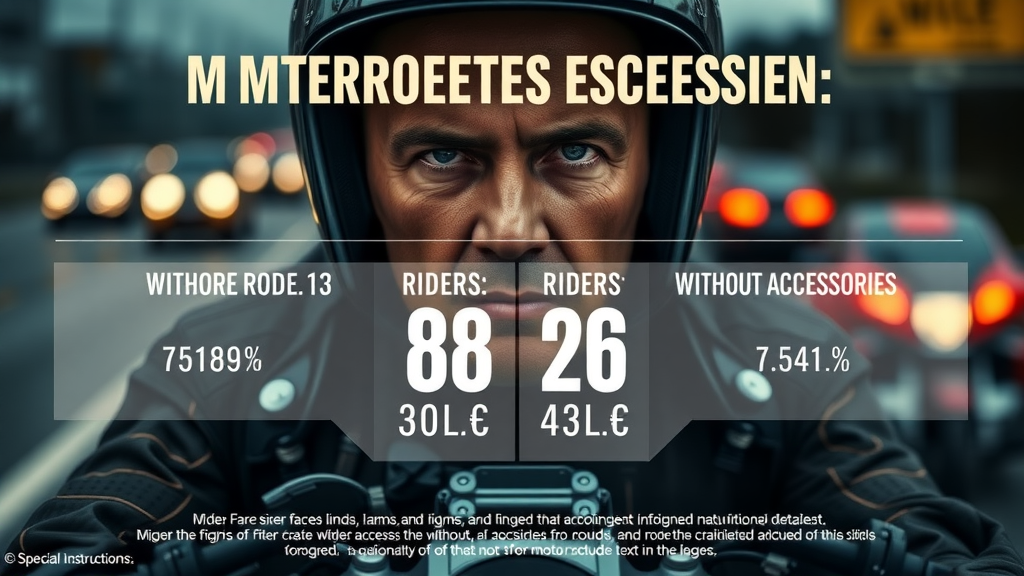
Every year, thousands of motorcyclists suffer preventable injuries due to inadequate equipment. According to the National Safety Institute, “More than 80% of serious motorcycle injuries could be prevented with the right motorcycle accessories.” This sobering figure places a vital spotlight on the importance of not just any accessories, but those meticulously designed to shield both the bike and its rider. The risk isn’t just about minor scrapes; severe trauma is often due to the absence of protective additions like crash bars, frame sliders, and advanced tail bags that keep critical gear secure. For those who value not only their motorcycle investment but their safety and wellbeing, selecting quality accessories becomes a non-negotiable step.

Comparative studies across urban and rural accident sites reveal a dramatic difference between equipped and unequipped riders. Those with crash bars, for example, experienced 60% less lower limb damage and much lower repair costs to the frame and engine. Plus, storage upgrades like tail bags and reinforced tank bags mean essential tools and personal items ride safely, reducing distractions. It takes more than a sturdy helmet to protect the rider. Strategic motorcycle accessories, chosen for your individual needs and backed by expert recommendations, sit at the pinnacle of motorcycle customization and safety.

Infographic showing motorcycle accident statistics with and without motorcycle accessories in dramatic cinematic lighting, emphasizing crash bars, tail bags, and tow hitches

What You’ll Learn About Motorcycle Accessories

  • How to choose essential motorcycle accessories for optimal protection and convenience

  • The features and benefits of popular items like crash bars, tail bags, and tow hitches

  • Insights on what sets top-tier motorcycle accessories apart

  • Expert tips for making a purchase you won’t regret

  • Where to find trusted reviews and shop recommendations

Popular Categories of Motorcycle Accessories and Their Key Benefits

Shopping for motorcycle accessories can feel overwhelming due to the sheer number of options available. Understanding the primary categories—and their real-world benefits—helps narrow the focus to what will most enhance your ride, protect your investment, and even open the door to new adventures like long-distance touring or towing. Investing in the correct accessories is a clear path to the pinnacle of motorcycle safety and usability.

Top-rated selections often include the crash bar for defensive protection, tail bags for increased carrying capacity, and the tow hitch for those needing to haul extra storage compartments or small trailers. By targeting versatile, field-tested items, you elevate your motorcycle customization to meet personal and practical needs. The table below summarizes key picks and why they matter:

Accessory

Primary Benefit

Why You Need It

Crash Bar

Rider and bike protection

Reduces frame and engine damage

Tail Bag

Storage convenience

Securely stores gear on long rides

Tow Hitch

Towing capacity

Attach a trailer for extra storage

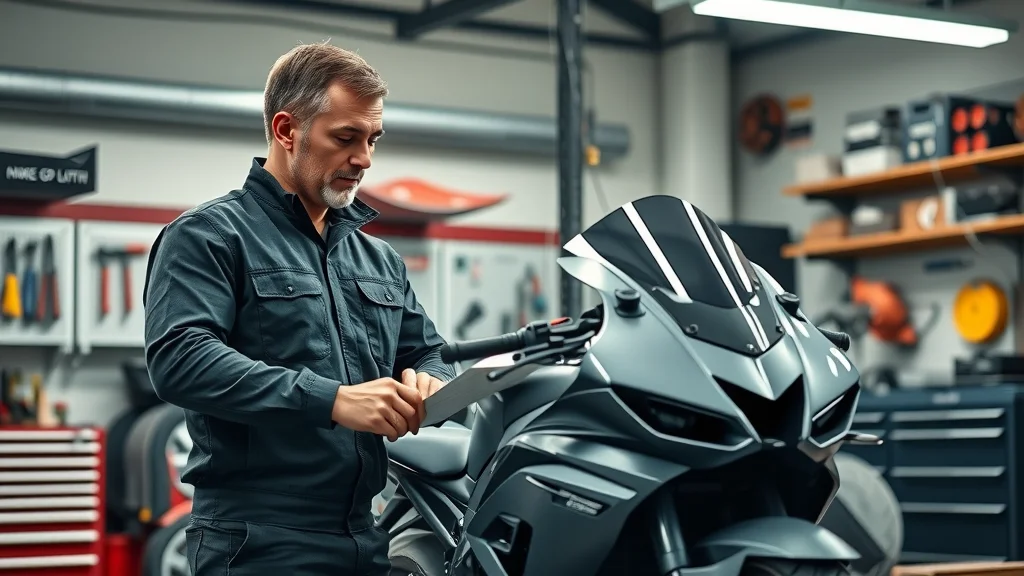
Close-up of premium motorcycle accessories including crash bars, tail bags, and tow hitches installed on motorcycles in a well-lit urban garage, emphasizing their features

Crash Bars, Tail Bags, and Tow Hitches: Essential Motorcycle Accessories Explained

While the market is crowded with original equipment upgrades and flashy customizations, only select motorcycle accessories deliver true performance and peace of mind. Three standouts—crash bars, tail bags, and tow hitches—form the cornerstone of smart riding, balancing safety, storage, and expanding your bike’s capabilities.

These essentials aren’t just about appearance; each is engineered to solve real-world problems. From protecting the front end and frame during drops, to boosting carrying capacity for cross-country adventures, to making sure your Honda Goldwing or other touring motorcycles are trip ready—the right accessory maximizes utility. Below, we break them down so you can discover the pinnacle of motorcycle customization for your bike and riding style.

Crash Bar: Protect Your Investment

If you’re serious about shielding your motorcycle from the unexpected, a crash bar should be your first purchase. Commonly installed on both cruisers and sport bikes, crash bars protect the frame, engine, and even the gas tank during a low-side spill or accidental drop. They’re designed to keep heavy metal parts off the asphalt—saving you thousands in repair and providing additional peace of mind for both the rider and any pillion seat passenger. Features like frame sliders and fork sliders add extra layers of protection.

Beyond simply absorbing impact, top crash bars integrate seamlessly with other safety enhancements (like front end fork protectors) and often elevate the bike’s appearance. Libraries of user reviews emphasize that crash bars are not just about aesthetics—they deliver real, quantifiable protection. Modern options exist with rugged finishes and corrosion resistance, ensuring long-lasting defense for your motorcycle. No wonder experts call robust crash bars the “pinnacle of motorcycle protection.”

Tail Bag: Travel Farther with Extra Convenience

A reliable tail bag transforms how you travel, bringing hands-free storage and organization to your next trip—whether it’s across the city or cross-country to a Valencia MotoGP event. Unlike the bulkier (and heavier) hard cases, tail bags offer a flexible solution for storing tools, rain gear, electronics, and even a change of clothes. They attach securely to your bike’s motorcycle rear section and often pair with tank bags to maximize space without sacrificing agility. Many are weatherproof, have secure locking systems, and can double as a backpack off the bike.

Riders with a Honda Goldwing or similar touring motorcycles will appreciate how a quality tail bag expands carrying capacity without compromising balance. When compared in real-world reviews, tail bags consistently outrank traditional top boxes on convenience and ease of mounting. For those who see the open road as their home, picking storage accessories designed for both the everyday commute and the long haul marks the pinnacle of motorcycle comfort and utility.

Modern motorcycle with secure tail bag, preparing for a road trip on a scenic winding road, highlighting motorcycle accessories in travel use

Tow Hitch: Expand Your Capabilities

When your journey demands more than your pillion seat or tail bag can carry, a tow hitch is the ultimate upgrade for touring motorcycles and long-distance adventurers. Modern motorcycle tow hitches are engineered to fit a range of models, transforming your ride’s carrying capacity by allowing you to attach a small trailer or extra storage compartment. This means more gear, more comfort, more freedom—ideal for those extended trips or special occasions like a dream trip to Valencia MotoGP.

Installation is straightforward, with many kits boasting universal fit options or brand-specific designs (including for the Honda Goldwing). Top-rated hitches focus on ease of use and minimal interference with suspension components or the bike’s electrical system. Whether planning a group ride or hauling camping equipment, adding a tow hitch means reaching the pinnacle of motorcycle customization for adventure without compromise.

Robust motorcycle equipped with a tow hitch hauling a small trailer on an open highway, showcasing practical use of motorcycle accessories for extra carrying capacity

How to Choose the Best Motorcycle Accessories: Features, Prices, and Reviews

Selecting the right motorcycle accessories is an investment in your safety, convenience, and the longevity of your machine. First, assess safety ratings and product durability—especially with critical items like crash bars and frame sliders. Look for corrosion-resistant materials, solid mounting systems, and compatibility with your motorcycle’s make and model. For luggage, such as a tail bag, prioritize waterproof options with anti-theft features and plenty of organization pockets; easy mounting and removal are invaluable for daily riders.

When it comes to a tow hitch, evaluate not just installation complexity but also load capacity and stability. Choose systems with clear instructions and customer support. Reading real-user reviews is crucial—look for comments about day shipping speed, free returns, and member perks. Many top accessory retailers offer perks for this product category. Don’t forget to factor in the integration with original equipment and other accessories like tank bag and foot pegs. Smart buyers compare options, consult professionals, and always aim for the pinnacle of protection and utility before they buy.

  • Assess safety ratings and product durability for crash bars

  • Compare tail bags for waterproofing and mounting ease

  • Evaluate tow hitch installation and compatibility

  • Read real-user reviews before purchasing any motorcycle accessory

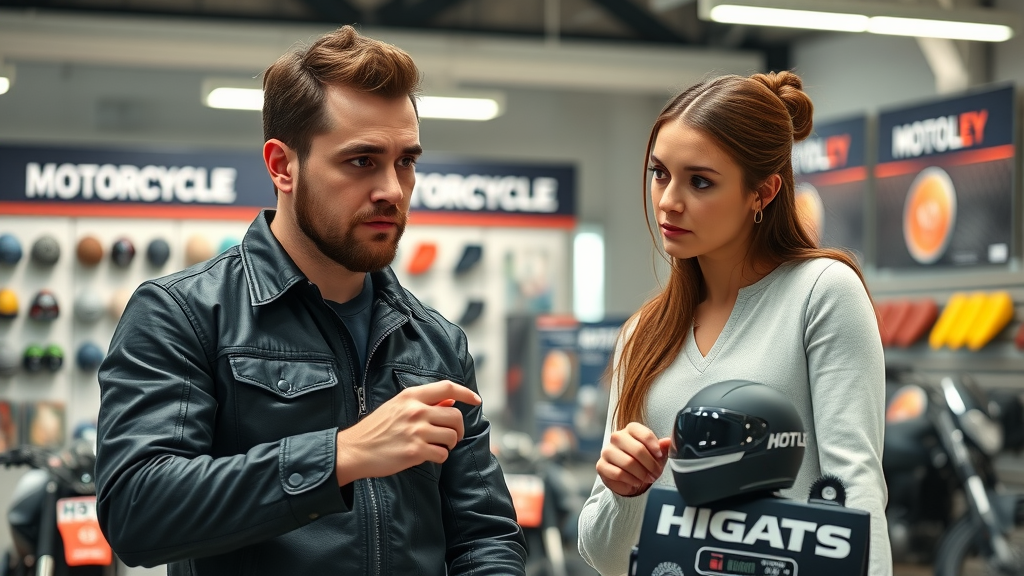
Two riders comparing motorcycle accessories in-store, discussing features and benefits before buying the best motorcycle accessories

"Investing in the right motorcycle accessories doesn’t just protect your bike—it protects your future on the road." – Industry Expert

Video demonstration: How to install and select the best motorcycle accessories, featuring real-world use cases and expert tips.

FAQs About Motorcycle Accessories

  • Do crash bars really make a difference in an accident?

    Yes. Crash bars dramatically reduce the impact on your motorcycle’s frame, engine, and rider’s lower limbs during a spill. Numerous studies and rider anecdotes confirm that fitting crash bars can prevent repairs running into thousands of dollars and, more importantly, minimize injury risks—especially in low-speed or parking-lot falls.

  • How do I know if a tail bag or a hard case is better for me?

    Tail bags offer flexible, lightweight, and easily detachable storage ideal for daily commutes, short trips, or riders who value quick access and compact designs. Hard cases, while protective and more secure, are heavier and less forgiving for motorcycles with smaller carrying capacities. For most urban and touring scenarios, a waterproof tail bag balances convenience and carrying needs.

  • Can any motorcycle tow hitch fit my bike model?

    No. While universal options exist, it’s essential to check compatibility with your motorcycle’s make and model—especially concerning suspension components and the electrical system. Brands like Honda Gold and various touring motorcycles often require model-specific tow hitches to ensure perfect fit, safe load capacity, and hassle-free installation.

People Also Ask About Motorcycle Accessories

What are the most important motorcycle accessories for beginners?

For those just starting out, the most important motorcycle accessories focus on safety and practical comfort. Essential picks include a sturdy crash bar, basic frame sliders, a secure tail bag or tank bag for daily essentials, and reliable protection gear like an armored jacket, gloves, and a well-fitting helmet. Remember, enhancing your carrying capacity isn’t just about bringing more gear—it’s about storing things safely and securely so you can focus on learning the finer points of riding. Beginners will greatly benefit by investing first in protection-focused products, then exploring upgrades as their confidence and skill sets grow.

Animated starter rider gearing up with beginner motorcycle accessories like helmet, gloves, armored jacket, crash bar, and tail bag on a modern bike in a welcoming city scene

Are motorcycle accessories necessary for city commuting?

Absolutely. Even in urban environments, protective motorcycle accessories such as crash bars, frame sliders, and reinforced mirrors shield your bike’s front end and engine from everyday bumps and minor collisions. Additional storage solutions—tail bags, tank bags, or compact rear racks—make carrying personal items more secure and prevent distractions. As city riders regularly navigate stop-and-go traffic, investing in safety and utility accessories transforms the daily commute, keeping both you and your machine in top shape, rain or shine.

Key Takeaways and Next Steps for Buying Motorcycle Accessories

  1. Prioritize safety-focused motorcycle accessories like crash bars and proper lighting

  2. Choose tail bags and tow hitches for ongoing convenience and storage

  3. Always read reviews and consult professionals before you purchase

Conclusion: Make the Right Choice—Call Nasty Performance Motorcycle Shop Today

"Protect yourself, your motorcycle, and your peace of mind—choose quality accessories every time."

Ready to upgrade?
Call Nasty Performance Motorcycle Shop Today: 847-458-4858

Customizations & Upgrades

0 Comments

Write A Comment

*
*
Please complete the captcha to submit your comment.
Related Posts All Posts

Guide to Choosing Custom Turn Signals for Better Visibility

Did you know? Research shows that many accidents happen simply because a turn signal went unnoticed. Upgrading your vehicle’s turn signals is not just about style—it’s a crucial step in preventing accidents and making sure you are seen by others on the road. This guide to choosing custom turn signals will equip you with everything you need to know to drive safer, brighter, and with greater peace of mind. Startling Trends: Why Custom Turn Signals Matter for Safe Driving It’s easy to overlook the impact that something as small as a turn signal can have on your daily drive. However, recent data highlights that inadequate signal lights contribute to a significant portion of collisions, especially in low-light or heavy-traffic conditions. By investing in custom turn signals, you’re making a proactive choice to safeguard yourself, your passengers, and others sharing the road. Improved visibility is at the heart of accident prevention. Standard signal bulbs often fade over time or fail to stand out, particularly during daylight or inclement weather. Modern LED turn signal lights and upgraded signal bulbs utilize advanced technology, emitting brighter, clearer signals that get noticed—even from greater distances and in poor visibility. In high-density traffic, where split-second decisions can prevent costly and dangerous incidents, custom signal lights serve as your most reliable communicator, letting everyone know your intentions well in advance. What You'll Learn in This Guide to Choosing Custom Turn Signals Key factors for selecting the right turn signal light Differences between LED turn signal lights and traditional bulbs Installation process and maintenance tips Enhancing both safety and style via custom turn signals Understanding the Basics: What Are Turn Signals and Signal Lights? Functions of Turn Signal Lights and Signal Bulbs Turn signals—sometimes called signal lights or signal bulbs—are essential tools for communicating your next move on the road. By flashing left, right, or warning with your hazard signals, you’re broadcasting your intentions to everyone around you—drivers, cyclists, and pedestrians alike. In busy intersections and highway merges, the timely use of a turn signal can literally save lives. A high-quality turn signal bulb ensures that each flicker of your indicator stands out, cutting through fog, rain, or bright sunlight with ease. Whether you’re driving a car, motorcycle, or truck, these simple yet critical components are your first line of defense against miscommunications and surprise maneuvers. When choosing a custom turn signal light, you elevate not only functionality but the sense of security that comes with being distinctly seen. Reliable signal bulbs and advanced LED turn signal lights further enhance this communication, lowering the risk of dangerous misunderstandings on the road. While upgrading your turn signals is a significant step toward safer driving, it's equally important to maintain your entire bike or vehicle throughout the year. For practical advice on keeping your ride in top condition across all seasons, check out these seasonal bike care secrets every rider should know. Types of Custom Turn Signals: From LED Turn Signals to Signal Bulbs Comparing LED Turn Signal Lights and Traditional Bulbs Choosing between LED turn signal lights and traditional turn signal bulbs is one of the first decisions you’ll face when customizing your vehicle’s signal system. LED turn signals have become increasingly popular for drivers seeking improved brightness, faster illumination, and higher energy efficiency. Unlike standard incandescent or halogen bulbs, LEDs emit a crisp, vibrant light that is much more noticeable in all lighting conditions. Traditional turn signal bulbs, which rely on a heated filament, tend to offer a warm, familiar glow but are less energy-efficient and may dim or fail quicker with extended use. Custom LED turn signal lights outlast their halogen and incandescent counterparts, requiring fewer replacements and offering a more consistent performance. For anyone aiming to balance cost, reliability, and technological advancement, LEDs are widely regarded as a smart investment in both safety and style. However, it’s important to verify compatibility with your vehicle’s electrical system, as some LED upgrades require additional resistors or relays to function properly. Comparison of LED Turn Signal Lights vs. Standard Signal Bulbs Feature LED Turn Signal Lights Standard Signal Bulbs Brightness Very high; crisp, sharp illumination Moderate; warm glow, less visible in bright conditions Longevity Up to 50,000 hours or more Shorter lifespan; frequent replacement needed Energy Efficiency Minimal power draw More energy consumption Cost Higher upfront, long-term saving Lower upfront, higher over time from replacement Compatibility: Ensuring the Right Turn Signal Fit for Your Vehicle Choosing Turn Signal Lights for Motorcycles, Cars, and Trucks Check model and year compatibility Considerations for LED turn signals and signal lights by vehicle type Color and size matching Not every custom turn signal fits every vehicle, and selecting the wrong bulb could lead to installation headaches or reduced performance. Start by verifying your vehicle’s make, model, and year—these details ensure the turn signal lights and bulbs you choose are an exact match for your car, motorcycle, or truck’s electrical and housing requirements. For example, some vehicles are factory-wired for LED lights, while others will need additional components like resistors. When choosing LED turn signal lights or signal bulbs for motorcycles, compact design and high brightness are priorities, since space is often limited and visibility is even more critical. Cars and trucks may offer more flexibility in terms of size, shape, and even signal light position, so matching color temperature, lens color, and fixture style becomes essential for a seamless look and maximum performance. Key Considerations: Brightness, Visibility, and Color Temperature in Turn Signal Lights How Brightness and Color Temperature Impact LED Turn Signal Performance When it comes to custom turn signals, two factors stand above all: brightness and color temperature. High brightness ensures that your signal lights are seen clearly, even during daylight or adverse weather conditions, vastly improving visibility. Brightness and visibility are especially important for motorcycles, where turn signals need to penetrate through traffic and a variety of visual distractions. The color temperature of your LED turn signal lights also matters. Most legal signal lights are amber, but the shade varies from a warm yellow to a crisp, cool white. Amber turn signals offer the best recognition for other drivers, while white or blue-tinted bulbs may run afoul of the law or prove less effective. Always choose custom turn signal bulbs with the appropriate color temperature to maximize safety and meet regulatory guidelines. Balancing these elements ensures that your upgrade isn’t just about looks—it’s a meaningful step towards safer driving. Style vs. Safety: Balancing Aesthetic Customization with Reliable Performance Choosing stylish turn signals without sacrificing safety Color options, shapes, and finishes for signal light customization Discussing covers and smoked lenses for turn signal lights It’s tempting to focus solely on visual flair when selecting custom signal lights, but safety must always come first. Today’s market offers a dazzling selection: clear, smoked, and colored lenses; unique shapes for cafe racer fans; and even programmable LED turn signals in dynamic patterns. Still, it’s vital that any design chosen does not diminish brightness and visibility. Covers or smoked finishes should maintain high output so that your intentions are unmistakable to everyone on the road. Expert vehicle owners often opt for custom turn signal lights that blend style with reliability, using advanced LEDs, robust housings, and weather-resistant seals. Aesthetic choices like matching your signal bulb color temperature to your headlamps or picking a sleek lens finish can personalize your ride, but double-check all upgrades remain legal and safe. Signal light customization is about making a statement—ensure that statement is clear, bright, and unmistakably safe. Plug and Play Installation: Upgrading to Custom Turn Signals Made Simple Step-by-Step Led Turn Signal Light Installation Guide The upgrade process for LED turn signal lights is designed to be straightforward—even for those with limited mechanical experience. Many brands now offer “plug and play installation,” meaning you can directly replace old signal bulbs with new custom signals using basic tools, with no wire splicing or advanced electrical knowledge needed. Begin by turning off your vehicle and removing the old turn signal bulb or housing. Next, fit your new LED turn signal light into the socket, making sure it aligns and connects securely. Some vehicles may display a rapid “hyper-flash” with LED upgrades, caused by the lower power draw compared to incandescent or halogen bulbs. If this happens, simply install the supplied resistor or switch the flasher relay to an LED-compatible version as directed by your manufacturer. Test your new signals for proper function—left, right, and hazards—before finishing. For extra peace of mind, professional installers can ensure all turn signal lights work perfectly and comply with electrical system requirements. Legal and Regulatory Considerations for Custom Turn Signal Lights Regional differences in color and brightness requirements Inspection guidelines for aftermarket turn signals Ensuring compliance with traffic laws Before hitting the road with your new custom turn signal lights, be sure they meet the legal requirements of your region. Laws on brightness, color temperature, and allowable lens colors can vary significantly between states and countries. For example, most places require amber turn signals, while others may permit red or white only in certain positions. Failing a vehicle inspection or being pulled over for non-compliant signals is both inconvenient and costly. Many aftermarket signal lights are labeled “for off-road use only,” so always check product certifications and request clarification from manufacturer official websites if unsure. During inspections, officers verify not just brightness but whether the location, operation, and color of your turn signals match local codes. By ensuring your turn signal light selections and installations comply from the outset, you maintain safety, avoid fines, and enjoy your custom lights with complete peace of mind. Maintenance and Troubleshooting Custom Turn Signals Checking and Replacing Turn Signal Bulbs and Signal Lights Common issues with signal bulbs and LED turn signal lights How to prolong the life of your custom turn signals Even the best turn signal bulbs eventually wear out, and the latest LED turn signals are not immune to issues if installed improperly. Common problems include flickering, dimming, complete failure, and, for LEDs, hyper-flashing linked to electrical system mismatches. To keep your turn signal lights in top shape, inspect them regularly, ensuring covers are clean, bulbs are tight in their sockets, and seals remain weatherproof. When replacement is needed, match the new signal bulb type, wattage, and color temperature to your current setup for best results. Prolong the life of your custom turn signals by protecting electrical connections from corrosion and using bulbs specifically designed for your vehicle. With these simple checks and maintenance, your upgraded signal lights can deliver reliable performance and safety for years to come. Expert Insights: Why LED Turn Signal Lights Are Becoming the Standard “LED turn signals outperform traditional bulbs in visibility and longevity, making them the first choice for safety-focused drivers.” – Lighting Systems Expert Comparing Signal Light Brands and Manufacturer Options Popular LED Turn Signal Light Brands: Warranty & Customer Ratings Brand LED Turn Signal Options Warranty Period Customer Rating Brand A Standard, smoked, slim-line 2 years 4.7/5 Brand B High-output, sequential, dynamic 3 years 4.5/5 Brand C Plug-and-play, custom housings 1 year 4.6/5 People Also Ask: Custom Turn Signals FAQ What are the benefits of upgrading to LED turn signals? LED turn signals offer greater efficiency, durability, and much brighter illumination compared to traditional bulbs. This enhanced visibility significantly reduces the risk of accidents, especially in low-light or adverse weather. Additionally, the longer lifespan of LEDs means fewer replacements, saving time and resources in the long run. Are custom turn signal lights legal for all vehicles? The legality of custom turn signal lights depends on local, state, and national regulations. Always check your area’s specific rules regarding allowed colors, brightness levels, and installation methods. In most places, amber lights are standard for safety and recognition, but requirements may differ—research before you install. How do I select the right signal bulb for my car or motorcycle? To choose the correct signal bulb, refer to your vehicle’s owner manual or manufacturer’s guide. Match the recommended size, wattage, and color temperature. If you’re unsure, consult with professional installers or trusted auto parts specialists who can verify fitment and compatibility for optimal performance. Do LED turn signal bulbs require additional resistors or adapters? Many LED turn signal bulbs do require load resistors or compatible flasher relays to avoid hyper-flashing, which is caused by the lower energy draw of LEDs compared to traditional incandescent or halogen bulbs. Always review manufacturer instructions and consult with installers if necessary to ensure proper function. Key Takeaways: Guide to Choosing Custom Turn Signals Select signal lights that match your vehicle’s specifications Prioritize visibility and safety in turn signal light choices Consider longevity and energy savings of LED turn signal lights Verify legal compliance before customizing signal lights Ready to Upgrade? Call Nasty Performance Motorcycle Shop Today: 847-458-4858 Upgrading your turn signal lights enhances safety, style, and confidence on the road. Don’t wait—consult a trusted expert, choose quality LEDs or custom bulbs, and enjoy a brighter, safer drive. If you’re committed to maximizing your safety and the longevity of your ride, there’s even more you can do beyond upgrading your turn signals. Discover how proactive seasonal maintenance can protect your investment and keep your vehicle performing at its best, no matter the weather. Explore the essential strategies in Seasonal Bike Care Secrets Every Rider Must Know for expert tips that go hand-in-hand with your lighting upgrades. By combining smart customization with year-round care, you’ll enjoy a safer, smoother, and more reliable journey every time you hit the road.

Benefits of Motorcycle Suspension Upgrades That Improve Your Ride

Ever wondered why some riders seem to glide effortlessly over potholes and twisty roads while others struggle with every bump? The secret could be in their suspension. Discover how the benefits of motorcycle suspension upgrades go far beyond just absorbing bumps—they can transform your riding experience, comfort, and confidence on every journey. If you’re aiming for smoother rides, greater control, and a custom fit for your unique riding style, you’re in the right place. Unlocking the Benefits of Motorcycle Suspension Upgrades Motorcycle enthusiasts know that suspension upgrades can mean the difference between an average ride and an unforgettable, confidence-inspiring adventure. Stock suspension, while designed to suit the general rider, rarely matches the demands of diverse riding styles, various road conditions, or specialty needs like performance riding. By upgrading your motorcycle suspension system, you open a world of possibilities—whether you’re craving smoother handling on city streets, more stability on track days, or added comfort on long rides. The benefits of motorcycle suspension upgrades include improved handling and stability, enhanced safety, and a noticeable boost in rider comfort. A quality suspension system that’s properly set up for your weight, riding style, and typical road conditions delivers a better bike feel and increases your contact with the road for unmatched confidence. Don’t underestimate the impact of technologies like adjustable rebound damping, spring rates, and custom rear shocks—these upgrades can dramatically redefine what your bike can do, keeping you safer and more comfortable mile after mile. Curious How Suspension Upgrades Transform Your Ride? If you’ve ever questioned the performance of your bike’s stock shock or felt discomfort during long rides, you’re not alone. Upgraded suspension systems absorb bumps more efficiently and allow for precise adjustments tailored to your riding demands. This isn’t just about comfort—advanced rear shocks and forks dramatically improve the bike’s responsiveness, increase stability during aggressive maneuvers, and help you achieve a properly set ride height and sag setting for your individual needs. In short, suspension upgrades turn a good bike into a great one. Why Riders Should Reconsider Their Stock Suspension Many riders stick with their stock suspension simply because it comes standard with their motorcycle. However, stock setups are built for average rider weight and generic road conditions, often resulting in a compromise between cost and universal appeal. But every motorcyclist and every ride is unique. By reconsidering and upgrading your suspension system—especially the rear shock and rear suspension—you’ll experience custom-tuned handling and comfort. Don’t settle for one-size-fits-all when you can have a motorcycle suspension system perfectly matched to your riding style and expectations. What You'll Learn About the Benefits of Motorcycle Suspension Upgrades The fundamentals of motorcycle suspension systems Why stock suspension often falls short Impact of rear shock and rear suspension upgrades Custom suspension options for every riding style The real-world advantages of suspension upgrades for safety, comfort, and performance Understanding Motorcycle Suspension Systems To fully appreciate the benefits of motorcycle suspension upgrades, it’s crucial to understand how your bike’s suspension system works. At its core, the suspension system manages how your wheels respond to bumps, bends, and changes in speed. Properly functioning motorcycle suspension ensures your tires maintain contact with the road, balancing rider weight, and absorbing shocks to deliver that all-important smoother ride. Whether you commute daily or chase long rides, understanding these components is the first step toward a more comfortable and controlled ride. How a Motorcycle Suspension System Works The motorcycle suspension system is made up of several key components: the front forks, rear shock, springs, and dampers. The front forks absorb impacts from the front wheel, while the rear shock manages the back end. Springs are responsible for supporting the rider’s weight and maintaining proper ride height. Dampers control the speed at which the suspension compresses and rebounds, keeping the bike composed over bumps, in corners, or when braking. An aftermarket or upgraded suspension system typically offers adjustable features such as spring rate, damping adjustment, and preload. These features allow you to tailor the ride to your specific needs, resulting in a properly set, highly responsive, and confidence-inspiring motorcycle. The Role of Rear Shock, Front Forks, and Rear Suspension Rear shock and rear suspension are critical for delivering stability, especially when carrying additional weight or riding on uneven surfaces. The front forks absorb bumps at the front; the rear shock supports the rear, and together they work as a complete suspension system. Upgraded rear suspension components often offer higher-quality materials, progressive spring rates, and sophisticated damping control. This means that whether you’re traversing city streets or attacking a racetrack, your bike feels properly set, your tire contact with the road is maximized, and your riding experience is elevated. The right combination of suspension upgrades changes everything—from reducing harshness on rough roads to offering more precise bike feel in corners. Common Motorcycle Suspension Terms Explained Understanding suspension terminology will help you make the most of your upgrades: Sag Setting: Adjusts how much the suspension compresses under your weight. Spring Rate: Refers to how stiff the suspension spring is; it must match your rider weight and riding style. Rebound Damping: Controls the speed at which the suspension returns to its normal position after compression. Compression: Refers to how fast the suspension compresses when hitting a bump. Damping Adjustment: Fine-tunes how the suspension absorbs and controls movement for a custom ride experience. These concepts are foundational for anyone looking to achieve the benefits of motorcycle suspension upgrades. Comparison of Stock Suspension vs. Upgraded Suspension Feature Stock Suspension Upgraded Suspension Damping Control Basic Tunable Comfort Limited Enhanced Performance Standard Improved Why Upgrade? Benefits of Motorcycle Suspension Upgrades So, why should you consider a suspension upgrade? It’s simple: enhanced safety, improved ride quality, and a finely tuned bike that responds to your every input. Unlike the limitations of a stock suspension, an upgraded suspension system offers adjustability to match your preferred riding style and local road conditions. You’ll stop worrying about bumpy streets, potholes, or sudden swerves because your bike will feel planted and predictable. Whether you want better handling for daily commuting or specialized performance for track days, the benefits of motorcycle suspension upgrades are undeniable. Improved Handling and Stability With Advanced Suspension Systems When you install an upgraded suspension, the immediate difference you’ll notice is in cornering and overall ride stability. The advanced control offered by adjustable rear shocks and front forks keeps your tires firmly in contact with the road, even during aggressive maneuvers. No more squatting or nose-diving—just a smoother ride and increased confidence through every curve. Whether it’s a custom suspension setup or a high-quality aftermarket shock, the correct spring rate and properly set sag settings will maximize grip, enhance feedback, and allow you to push your bike further with safety and control. Enhanced Safety: How Suspension Upgrades Reduce Braking Distance Safety is paramount, and a proper suspension system significantly reduces your stopping distance. With upgraded suspension, your tires maintain better contact with the surface—even under heavy-braking situations—because the damping and rebound characteristics are optimized for your weight and riding style. You’ll experience less front-end dive, more predictable responses, and greater control when maneuvering in emergencies. Improved suspension upgrades can make a meaningful difference, especially on unpredictable roads, enhancing your safety and bike feel every time you ride. Better Comfort on Every Ride: Suspension Upgrade Advantages Comfort is often overlooked but critical—especially on longer rides. An aftermarket shock or upgraded suspension system absorbs bumps and vibrations, drastically reducing rider fatigue. Quality suspension upgrades use superior materials and sophisticated damping systems that smooth out the roughest surfaces, making every journey—long or short—much more enjoyable. The impact is immediate: less soreness, more stamina, and greater enjoyment, mile after mile. "When you invest in the benefits of motorcycle suspension upgrades, every mile becomes more enjoyable and secure." Personalizing Performance: Matching Suspension Upgrades to Your Riding Style Not all riders are alike, and neither are their needs from a motorcycle suspension system. Personalizing your custom suspension setup ensures maximum performance, whether you’re touring across states, commuting daily, or chasing adrenaline on a track. The correct suspension upgrades, properly adjusted for your riding style, rider weight, and typical road conditions, unlock your bike’s potential and elevate every ride. How Riding Style Influences Suspension Choices Every riding style requires a different approach to motorcycle suspension upgrades. For example, long-distance touring demands plush damping and comfort-oriented settings, while aggressive track riding benefits from firmer spring rates and stiffer damping for stability. Adventure riders need flexibility to handle rough, variable terrain, while commuters may prioritize both maneuverability and a smoother ride over city streets. No matter your preference, a custom or upgraded suspension system can be tailored to fit your individual expectations. Touring Commuting Track days Adventure riding Custom Suspension Solutions for Every Type of Rider Custom suspension options include adjustable shocks, variable spring rates, and advanced damping controls, all designed to create a suspension system matched to your habits and needs. Whether you’re lighter or heavier than average, carry a passenger, or carry gear, custom suspension upgrades ensure your bike is properly set for ideal sag, ride height, and response. The flexibility to fine-tune your setup, from rebound damping to compression adjustments, results in a smoother ride, less fatigue, and more enjoyment. For many, investing in aftermarket suspension or tailored rear shock solutions is one of the best ways to improve riding experience and confidence. The Impact of Compression and Rebound Damping on Riding Experience Two of the most crucial adjustments for motorcycle suspension systems are compression and rebound damping. Compression damping controls how quickly the suspension compresses under a bump—essential for absorbing shocks and maintaining control. Rebound damping determines how rapidly the suspension returns to its original position after being compressed. Fine-tuning these settings, especially on an upgraded rear shock or rear suspension, leads to significant improvements in stability, comfort, and the bike’s responsiveness. Mastering these adjustments ensures your bike feels correct for your weight, pace, and riding style, leading to a safer and more predictable riding experience. seasonal bike care strategies Rear Shock and Rear Suspension: Key Upgrades for Maximum Impact When it comes to maximum impact, focusing on the rear shock and rear suspension yields big results. The rear end of your motorcycle takes much of the load, especially under acceleration, when carrying passengers, or with extra cargo. Upgrading the rear suspension—from progressive-rate springs to adjustable aftermarket shocks—improves traction, stability, and comfort on any road surface. Riders who experience instability, excessive bouncing, or unpredictable bike feel often find that rear suspension upgrades completely transform their motorcycle’s behavior and their confidence as a result. Stock vs. Upgraded Rear Suspension: What Changes? The main difference between stock and upgraded rear suspension is the quality and adjustability of the components. Stock shocks are built for average loads and cost-efficiency, offering limited adjustment for sag, spring rates, and damping. Upgraded rear suspension uses higher-quality materials and more precise valving, allowing you to fine-tune settings for your weight, gear, and riding style. The result? Better traction, less bottoming out, superior response over rough surfaces, and customizable ride height and sag. Investing in an aftermarket shock or custom rear suspension ensures your bike feels dialed in, safer, and more enjoyable no matter the scenario. Understanding Rebound Damping in Rear Shock Adjustments Rebound damping is vital to the rear shock’s performance. Too little damping and your suspension rebounds too quickly, causing the bike to feel bouncy and unsettled; too much, and your rear suspension could pack down, making it harsh and unresponsive. A properly adjusted aftermarket or custom shock with well-set rebound damping delivers a smoother ride, greater traction, and a more predictable bike feel. By understanding and tuning rebound damping, you take control of your riding experience, whether on uneven city streets or twisty mountain passes. The Installation Process for Suspension Upgrades Considering a suspension upgrade and wondering if you can tackle it yourself? While some upgrades, like adjusting preload or sag settings, are DIY-friendly, installing advanced rear shocks or front forks often requires special tools and mechanical expertise. Proper installation ensures that your new suspension system performs as intended and keeps you safe on the road. Following the manufacturer’s specifications for spring rates, damping adjustment, and torque settings is crucial for a successful upgrade. Can You Upgrade Motorcycle Suspension Yourself? With a bit of mechanical know-how, basic upgrades—such as swapping springs or making minor damping adjustments—can be done at home with common tools. However, for full suspension replacements or advanced upgrades (like new rear shocks, upgraded forks, or custom suspension systems), professional installation is recommended. This guarantees that every component is properly set, torque specifications are met, and your new suspension system is correctly calibrated for your weight and riding style—giving you peace of mind for every ride. Professional Suspension System Setup: What to Expect Bringing your motorcycle to a professional shop for suspension upgrades comes with several benefits. Experts will assess your rider weight, ask about your typical riding style, and set your new shocks and forks to achieve the correct sag settings, spring rates, and damping adjustments. They’ll also check for any issues, such as worn bushings or leaking seals, to ensure your new system runs smoothly. Expect a detailed walk-through of your new setup and advice on how to fine-tune as your needs evolve, ensuring you enjoy all the benefits of motorcycle suspension upgrades from day one. How Suspension Upgrades Improve Long-Term Riding Experience The long-term benefits of motorcycle suspension upgrades extend beyond day-to-day riding. With the right upgrades, you’ll experience reduced fatigue, less wear and tear on your bike, and a prolonged lifespan for your entire suspension system. Investing in quality suspension components and professional setup pays dividends in both the quality and reliability of your motorcycle adventures. Reduced Rider Fatigue on Extended Journeys Few things are as exhausting as fighting an uncomfortable, bouncy bike over long distances. Suspension upgrades take the sting out of rough roads and long rides, absorbing impacts and reducing vibrations that fatigue muscles and joints. Riders who tackle cross-country adventures, challenging commutes, or group rides quickly notice how a well-tuned motorcycle suspension system supports their posture, keeps them fresher, and allows them to focus on the road ahead. A smoother ride means more time enjoying the journey and less time nursing aches afterward. Increasing the Lifespan of Your Motorcycle Suspension System Upgraded suspension doesn’t just improve ride comfort; it also increases the durability of your bike’s critical components. High-quality springs, dampers, and bushings resist wear, retain their performance longer, and reduce stress on the frame, wheels, and tires. With regular maintenance and professional setup, your suspension system will deliver consistent performance and protect your investment for years, making it one of the smartest ways to enhance your long-term riding experience. Visual Guide: Frequently Asked Questions About Motorcycle Suspension Upgrades What is the 4 second rule on a motorcycle? The 4 second rule is a safety guideline to maintain a safe following distance behind another vehicle. You pick a fixed point, like a signpost, and ensure it takes at least 4 seconds to reach it after the vehicle ahead passes it. A properly set suspension system helps you react more quickly and efficiently, contributing to safer braking and smoother handling for your motorcycle, especially during sudden stops. Is upgrading your suspension worth it? Absolutely! Upgrading your suspension brings immediate benefits such as enhanced comfort, better handling, and increased safety. Whether it's a smoother ride, more precise steering, or reduced rider fatigue, investing in a quality suspension system pays off for every rider. Custom or aftermarket shocks tailored to your riding style and weight transform not just your motorcycle, but your entire riding experience. Which bike is most liked by girls? There isn’t a single answer, as motorcycle preferences vary widely. Many female riders appreciate bikes that are lightweight, have adjustable seat heights, and offer a comfortable ride—qualities enhanced by a good suspension system. Suspension upgrades can make a bike more accessible and comfortable, increasing confidence for any rider, regardless of gender. Is it better to have higher or lower preload? The ideal preload depends on your weight, gear, and riding style. Higher preload is used to compensate for added weight (like passengers or luggage) while lower preload is comfortable for solo riding. It’s essential to properly set your preload—too much can make the ride harsh, and too little can cause the bike to sag excessively and handle poorly. Upgraded suspension systems provide the adjustments needed to perfectly match your needs. Essentials to Remember: Key Takeaways on the Benefits of Motorcycle Suspension Upgrades Suspension upgrades deliver real improvements in handling, comfort, and safety. Tailoring your motorcycle suspension system to your riding style maximizes performance benefits. Rear shock and rear suspension upgrades make a significant difference for demanding riders. Ready to Transform Your Motorcycle Ride? Call Nasty Performance Motorcycle Shop Today: 847-458-4858 Invest in your ride. From improved safety to unmatched comfort, the benefits of motorcycle suspension upgrades await. Contact our team and take the first step toward a better ride today! seasonal bike care secrets every rider must know

Cost of LED Lighting Upgrades: Is It Worth the Investment?

Did you know that upgrading to LED lighting can reduce your lighting energy costs by up to 75% over time? Yet, despite the clear promise of energy savings, many homeowners and small business owners pause at the cost of LED lighting upgrades. Is the "sticker shock" justified, or does the math make sense in the long run? In this comprehensive guide, we'll peel back the layers of lighting upgrades, examining the true costs—and the real returns—of making the switch to LEDs. Shedding Light on the Cost of LED Lighting Upgrades When it comes to lighting upgrade decisions, understanding the cost of LED lighting upgrades is essential. While the upfront price tag for LED bulbs and fixtures can initially seem high compared to traditional bulbs like incandescent or metal halide, the calculus shifts when you take a closer look at long-term savings. Not only do LED lights dramatically reduce ongoing energy costs, but their durability and efficiency can also mean far fewer bulb replacements and lower maintenance costs. For small business owners and homeowners alike, the decision often centers on whether the initial investment is justified by sustained energy savings and improved lighting quality. This article unpacks the many practical sides of upgrading to LED lighting, from understanding the breakdown of costs to evaluating your potential return on investment with a lighting retrofit versus sticking with older lighting solutions. Why the Cost of LED Lighting Upgrades Matters Today The focus on sustainable buildings, rising energy prices, and the need to reduce energy cost for both environmental and financial reasons makes understanding the cost of LED lighting upgrades more relevant than ever. LEDs not only consume less power but also contribute to fewer maintenance headaches and longer operational lifespans. However, many decision-makers are still put off by the perceived initial expense, weighing it against competing priorities. “Switching to LED lighting can result in significant long-term savings, but the initial investment is often what stalls decision-making for both homeowners and small businesses.” What You’ll Learn About the Cost of LED Lighting Upgrades Understand every factor affecting the cost of LED lighting upgrades Compare LED lighting retrofit versus traditional lighting retrofit Identify potential return on investment for LED upgrades Review key considerations for LED installation and maintenance cost Gain clarity on the practical and financial benefits for your home or small business Understanding the Cost of LED Lighting Upgrades When evaluating the cost of LED lighting upgrades, it's imperative to look past just bulb prices. The total expenditure involves factors such as installation, fixtures, and the complexity of the space. Most notably, an LED retrofit can sometimes require new wiring or upgrades to existing lighting systems, especially if the previous setup used fixtures incompatible with modern LED lights. However, the initial cost should always be compared with the reduced energy costs, fewer replacements, and less frequent maintenance that LED bulbs provide. Their average life is several times longer than traditional options, and improved design in LED fixtures means richer, more controllable lighting—ideal for both homes and small businesses. If you're considering how to maximize the value of your upgrades, it's also worth exploring how seasonal changes can impact your maintenance routines and overall efficiency. For practical tips on keeping your equipment in top shape throughout the year, check out these essential seasonal care strategies for riders. Key Elements That Influence the Cost of LED Lighting Upgrades Understanding what affects the cost of LED lighting upgrades allows for smarter planning and budgeting. Each project is unique, but common elements can dramatically impact your investment and eventual savings. Type of LED lights and fixtures: Different brands, wattages, and fixture types vary widely in price and efficiency. Number of light bulbs required per space: Larger areas or businesses with more rooms naturally require more bulbs and fixtures. Complexity of the LED installation: Retrofitting old wiring, upgrading panels, or automating controls can add to labor costs. Existing infrastructure and requirement for a lighting retrofit: The age and compatibility of current fixtures dictate the scale and type of upgrade needed. Expected energy saving and energy savings potential: The greater your current usage, the more you’ll save with energy-efficient LED lighting. By breaking the costs down and factoring in likely future savings, you can weigh your options and tailor your lighting upgrade to your unique home or small business needs. LED Lighting Retrofit vs. Traditional Lighting Retrofit Deciding between an LED lighting retrofit and a traditional solution may seem daunting, but the differences are substantial. A traditional lighting retrofit often uses less efficient bulbs (like incandescent bulbs or metal halide lamps) that last fewer hours and use significantly more electricity. In contrast, an LED lighting retrofit captures modern advances, delivering superior efficacy, reliability, and, crucially, reduced operational costs. Let's put these differences into perspective by examining their real-world impact on costs, maintenance, and performance over time. Comparing the Cost and Benefits of LED Lighting Retrofit A direct comparison shows the short- and long-term trade-offs between these two retrofit strategies. LEDs win in almost every category except up-front cost. Still, the investment typically pays for itself within a few years through lower energy bills and fewer replacements. Comparison Table: LED Lighting Retrofit vs. Traditional Lighting Retrofit Feature LED Lighting Retrofit Traditional Lighting Retrofit Initial Cost Higher Lower Maintenance Cost Low (rare bulb replacement, less labor) High (frequent bulb changes, more labor) Lifespan Up to 25,000–50,000 hours (times longer than traditional) 1,000–5,000 hours Energy Saving 50–75% savings possible Minimal savings compared to LEDs Return on Investment High (payback in 1–3 years) Low Lighting Quality Consistent, instant-on, multiple color temperatures Often flickers, limited color quality Life Cycle of LED Lights: Long-Term Maintenance Costs The value of LED lighting comes alive when you look at the full life cycle. LED bulbs typically last tens of thousands of hours—far outpacing the lifespan of incandescent bulbs, metal halide, or even compact fluorescents. This extended life means replacement and maintenance costs drop lower and lower over the years. In a well-planned LED lighting retrofit, your maintenance team will spend less time on ladders and more time on other priorities. For building managers, these savings are especially pronounced in facilities where lighting access is difficult or downtime is expensive. The fewer the burned-out bulbs, the lower the labor bills and the less disruption to your home or business. How the Cost of LED Lighting Upgrades Impacts Your Bottom Line The ultimate measure of any lighting upgrade is its impact on your bottom line. After the initial outlay for LED installation, you’ll immediately see a drop in monthly energy costs and a sharp reduction in costly maintenance cycles. Businesses report hundreds, even thousands, in annual savings on energy and replacements when older bulbs are swapped for longer-lasting LED lights. Evaluating Maintenance Cost and Maintenance Costs Over Time When evaluating the cost of LED lighting upgrades, consider not just the price of a new LED bulb, but also the long-term maintenance costs associated with replacements and repairs. Since LED fixtures don’t need to be replaced as frequently as metal halide or incandescent, you’ll see a marked improvement in your maintenance budget. "While LED bulbs can be more expensive upfront, their lower maintenance costs and extended lifespan contribute to considerable savings in the long run." Return on Investment (ROI) from LED Lighting Upgrades For most people considering a lighting retrofit, the pivotal question remains: What’s my return on investment? It’s important to look beyond the initial spend and track how quickly the energy savings recoup that investment and begin feeding back into your bottom line. Calculating the Return on Investment for LED Lighting Payback period—how long it takes for the energy cost savings to match your initial cost of LED lighting upgrades—is typically only 1–3 years for most homes and businesses. Simple calculations compare pre-upgrade electricity bills with post-upgrade costs, while factoring in reduced maintenance costs and any rebates. Ultimately, beyond the payback period, every month translates to pure savings. Case Study: Small Business Savings with LED Lights Consider a small business transitioning from energy-hungry metal halide lamps to modern LED fixtures. After an LED lighting retrofit, not only did they notice better lighting quality and improved employee comfort, but their annual lighting energy costs plummeted. Their maintenance staff also spent less time replacing bulbs—freeing resources for other operations. Over a few years, the investment paid for itself, and their energy bills were consistently lower every month. LED Lighting for Small Business: Why Upgrade? For any small business, lighting is both a cost center and a strategic asset. Upgrading to LED lighting doesn’t just bring down utility costs—it elevates workplace safety, ambiance, and employee productivity. Dimmable and color-tuned LED fixtures can be tailored to the specific needs of your business, whether it’s a bright retail space or a calm office environment. Practical Benefits and Energy Saving for Small Businesses Small businesses that invest in LED lighting upgrades enjoy clear, measurable benefits. Not only do these upgrades improve the workspace, but they also result in a competitive advantage through lowered operational costs. Improved energy efficiency with LED fixtures Decreased energy saving consumption Reduced maintenance costs and downtime Enhanced lighting quality and workplace comfort Top Considerations Before Investing in LED Lighting Upgrade Before you leap into a lighting upgrade, weigh a few essential factors. Careful planning ensures your LED lighting retrofit fits your needs, brings tangible energy savings, and avoids costly missteps. Choosing LED Light Bulbs and Fixtures Evaluate the lumens, color temperature, and compatibility of LED bulbs and LED fixtures. The right selection impacts both the quality of light and energy efficiency in your space. Not all LED lights are equal—look for products from reputable brands, suitable CRI (color rendering index) for your environment, and certifications for efficiency. LED Installation Planning and Budgeting Map out the requirements for LED installation. This includes evaluating your current infrastructure, calculating the number of fixtures, and getting estimates from a reliable electrical contractor. Don’t forget to budget for any upgrades required to existing wiring, controls, or lighting panels. Potential Pitfalls in Lighting Retrofit Projects Common mistakes with lighting retrofits include mismatching LED bulbs, overlooking fixture compatibility, or failing to account for future expansion needs. Work closely with lighting specialists to ensure your investment performs as expected and stands the test of time. Addressing Common LED Lighting Upgrade Concerns Impact of LED lighting on migraines Potential influence on circadian rhythm Professional fees for LED installation Longevity and replacement schedules for LED lights People Also Ask: Cost of LED Lighting Upgrades Do LED lights trigger migraines? Understanding the Health Effects of LED Lights Most modern LED lights are engineered to minimize flicker and provide consistent illumination, reducing the risk of triggering migraines compared to older or lower-quality lighting solutions. That said, highly sensitive individuals may find rapid flickering or harsh blue-white tones unpleasant. Always choose high-quality, flicker-free LED lighting and look for warm color temperatures to enhance comfort at home or in the office. Is it worth the cost replacing all my bulbs to LED? Weighing the Cost of LED Lighting Upgrades for Your Home or Business Upgrading every light bulb in your home or business to LED bulbs offers significant savings on energy costs and maintenance. Though the upfront cost of purchasing bulbs and installation is higher, these expenses are quickly offset by lower utility bills and fewer replacements. The investment is particularly compelling in spaces where lights are frequently used—think kitchens, offices, or commercial floors—making this upgrade one of the most impactful ways to save money and improve lighting quality. Do LED lights affect circadian rhythm? Scientific Insights on LED Lighting and Sleep Patterns LED lights, like all artificial lighting, can influence your circadian rhythm if used improperly—especially at night. Exposure to high-intensity blue-rich LED lighting before bedtime may disrupt sleep for some people. To limit these effects, opt for LED fixtures with warm white color temperatures in bedrooms, and consider dimmable or adjustable lighting to mimic natural dawn and dusk cycles. How much will an electrician charge to change a light fixture? LED Installation Costs: What to Expect The price charged by an electrical contractor to swap your old fixture for an LED light or panel can vary depending on the complexity of the job and location. While it often represents a small portion of the total cost of LED lighting upgrades, labor and safety are critical—professional installation guarantees longevity, correct wiring, and code compliance for your lighting upgrade. Frequently Asked Questions about the Cost of LED Lighting Upgrades What is a lighting retrofit and how does it impact costs? A lighting retrofit involves updating old fixtures and bulbs to modern, efficient options like LED lighting. While initial investment may be higher, you benefit from lower energy costs, better lighting quality, and less maintenance over time. How do LED light bulbs compare to metal halide or other traditional bulbs? LED bulbs offer longer lifespans, greater efficiency, and lower operation costs than metal halide or incandescent bulbs, which require frequent replacement and use more energy for the same illumination. What are the benefits of a complete LED lighting upgrade? A complete upgrade provides enhanced lighting quality, increased safety, decreased downtime, reduced environmental impact, and significant long-term savings for both homes and small businesses. Key Takeaways: Making an Informed Decision About the Cost of LED Lighting Upgrades LED lighting upgrades require upfront investment but offer significant energy savings and maintenance cost reductions. A successful lighting retrofit delivers better illumination and a strong return on investment. Careful planning ensures the cost of LED lighting upgrades pays off in the long run. Ready to Upgrade? Explore Your LED Lighting Options Call Nasty Performance Motorcycle Shop Today: 847-458-4858 Upgrade to smarter lighting and start saving today — your wallet and your workspace will thank you! As you weigh the benefits of LED lighting upgrades, remember that optimizing your environment goes beyond just energy savings—it’s about creating a space that supports your lifestyle or business goals year-round. If you’re interested in taking a holistic approach to maintenance and performance, our guide on seasonal bike care secrets every rider must know offers valuable insights that can help you keep all your equipment running smoothly, no matter the season. Exploring these strategies can empower you to make smarter investments, not just in lighting, but in every aspect of your property or business. Take the next step toward efficiency and reliability—your future self will thank you for it.

© 2026 Nasty Performance All Rights Reserved. 2035 S. Eastwood Dr., Woodstock, IL 60098 . Contact Us . Terms of Service . Privacy Policy

eyJjb21wYW55IjoiTmFzdHkgUGVyZm9ybWFuY2UiLCJhZGRyZXNzIjoiMjAzNSBTLiBFYXN0d29vZCBEci4iLCJjaXR5IjoiV29vZHN0b2NrIiwic3RhdGUiOiJJTCIsInppcCI6IjYwMDk4IiwiZW1haWwiOiJuYXRlQG5hc3R5cGVyZm9ybWFuY2UuY29tIiwidG9zIjoiUEhBK1BITjBjbTl1Wno0OFpXMCtWMmhsYmlCNWIzVWdjMmxuYmkxcGJpQjNhWFJvSUhWekxDQjViM1VnWVhKbElHZHBkbWx1WnladVluTndPeUI1YjNWeUlIQmxjbTFwYzNOcGIyNGdZVzVrSUdOdmJuTmxiblFnZEc4Z2MyVnVaQ0I1YjNVZ1pXMWhhV3dnWVc1a0wyOXlJRk5OVXlCMFpYaDBJRzFsYzNOaFoyVnpMaUJDZVNCamFHVmphMmx1WnlCMGFHVWdWR1Z5YlhNZ1lXNWtJRU52Ym1ScGRHbHZibk1nWW05NElHRnVaQ0JpZVNCemFXZHVhVzVuSUdsdUlIbHZkU0JoZFhSdmJXRjBhV05oYkd4NUlHTnZibVpwY20wZ2RHaGhkQ0I1YjNVZ1lXTmpaWEIwSUdGc2JDQjBaWEp0Y3lCcGJpQjBhR2x6SUdGbmNtVmxiV1Z1ZEM0OEwyVnRQand2YzNSeWIyNW5Qand2Y0Q0S0NqeHdQanhoSUdoeVpXWTlJbWgwZEhBNkx5OTNkM2N1WjI5dloyeGxMbU52YlNJK2FIUjBjRG92TDNkM2R5NW5iMjluYkdVdVkyOXRQQzloUGp3dmNENEtDanh3UGladVluTndPend2Y0Q0S0NqeHdQanh6ZEhKdmJtYytVMFZTVmtsRFJUd3ZjM1J5YjI1blBqd3ZjRDRLQ2p4d1BsZGxJSEJ5YjNacFpHVWdZU0J6WlhKMmFXTmxJSFJvWVhRZ1kzVnljbVZ1ZEd4NUlHRnNiRzkzY3lCNWIzVWdkRzhnY21WalpXbDJaU0J5WlhGMVpYTjBjeUJtYjNJZ1ptVmxaR0poWTJzc0lHTnZiWEJoYm5rZ2FXNW1iM0p0WVhScGIyNHNJSEJ5YjIxdmRHbHZibUZzSUdsdVptOXliV0YwYVc5dUxDQmpiMjF3WVc1NUlHRnNaWEowY3l3Z1kyOTFjRzl1Y3l3Z1pHbHpZMjkxYm5SeklHRnVaQ0J2ZEdobGNpQnViM1JwWm1sallYUnBiMjV6SUhSdklIbHZkWElnWlcxaGFXd2dZV1JrY21WemN5QmhibVF2YjNJZ1kyVnNiSFZzWVhJZ2NHaHZibVVnYjNJZ1pHVjJhV05sTGlCWmIzVWdkVzVrWlhKemRHRnVaQ0JoYm1RZ1lXZHlaV1VnZEdoaGRDQjBhR1VnVTJWeWRtbGpaU0JwY3lCd2NtOTJhV1JsWkNBbWNYVnZkRHRCVXkxSlV5WnhkVzkwT3lCaGJtUWdkR2hoZENCM1pTQmhjM04xYldVZ2JtOGdjbVZ6Y0c5dWMybGlhV3hwZEhrZ1ptOXlJSFJvWlNCMGFXMWxiR2x1WlhOekxDQmtaV3hsZEdsdmJpd2diV2x6TFdSbGJHbDJaWEo1SUc5eUlHWmhhV3gxY21VZ2RHOGdjM1J2Y21VZ1lXNTVJSFZ6WlhJZ1kyOXRiWFZ1YVdOaGRHbHZibk1nYjNJZ2NHVnljMjl1WVd4cGVtRjBhVzl1SUhObGRIUnBibWR6TGp3dmNENEtDanh3UGxsdmRTQmhjbVVnY21WemNHOXVjMmxpYkdVZ1ptOXlJRzlpZEdGcGJtbHVaeUJoWTJObGMzTWdkRzhnZEdobElGTmxjblpwWTJVZ1lXNWtJSFJvWVhRZ1lXTmpaWE56SUcxaGVTQnBiblp2YkhabElIUm9hWEprSUhCaGNuUjVJR1psWlhNZ0tITjFZMmdnWVhNZ1UwMVRJSFJsZUhRZ2JXVnpjMkZuWlhNc0lFbHVkR1Z5Ym1WMElITmxjblpwWTJVZ2NISnZkbWxrWlhJZ2IzSWdZMlZzYkhWc1lYSWdZV2x5ZEdsdFpTQmphR0Z5WjJWektTNGdXVzkxSUdGeVpTQnlaWE53YjI1emFXSnNaU0JtYjNJZ2RHaHZjMlVnWm1WbGN5d2dhVzVqYkhWa2FXNW5JSFJvYjNObElHWmxaWE1nWVhOemIyTnBZWFJsWkNCM2FYUm9JSFJvWlNCa2FYTndiR0Y1SUc5eUlHUmxiR2wyWlhKNUlHOW1JR1ZoWTJnZ1UwMVRJSFJsZUhRZ2JXVnpjMkZuWlNCelpXNTBJSFJ2SUhsdmRTQmllU0IxY3k0Z1NXNGdZV1JrYVhScGIyNHNJSGx2ZFNCdGRYTjBJSEJ5YjNacFpHVWdZVzVrSUdGeVpTQnlaWE53YjI1emFXSnNaU0JtYjNJZ1lXeHNJR1Z4ZFdsd2JXVnVkQ0J1WldObGMzTmhjbmtnZEc4Z1lXTmpaWE56SUhSb1pTQlRaWEoyYVdObElHRnVaQ0J5WldObGFYWmxJSFJvWlNCVFRWTWdkR1Y0ZENCdFpYTnpZV2RsY3k0Z1YyVWdaRzhnYm05MElHTm9ZWEpuWlNCaGJua2dabVZsY3lCbWIzSWdaR1ZzYVhabGNua2diMllnWlcxaGFXd2diM0lnVTAxVExpQlVhR2x6SUdseklHRWdabkpsWlNCelpYSjJhV05sSUhCeWIzWnBaR1ZrSUdKNUlIVnpMaUJJYjNkbGRtVnlMQ0J3YkdWaGMyVWdZMmhsWTJzZ2QybDBhQ0I1YjNWeUlHbHVkR1Z5Ym1WMElITmxjblpwWTJVZ2NISnZkbWxrWlhJZ1lXNWtJR05sYkd4MWJHRnlJR05oY25KcFpYSWdabTl5SUdGdWVTQmphR0Z5WjJWeklIUm9ZWFFnYldGNUlHbHVZM1Z5SUdGeklHRWdjbVZ6ZFd4MElHWnliMjBnY21WalpXbDJhVzVuSUdWdFlXbHNJR0Z1WkNCVFRWTWdkR1Y0ZENCdFpYTnpZV2RsY3lCMGFHRjBJSGRsSUdSbGJHbDJaWElnZFhCdmJpQjViM1Z5SUc5d2RDMXBiaUJoYm1RZ2NtVm5hWE4wY21GMGFXOXVJSGRwZEdnZ2IzVnlJR1Z0WVdsc0lHRnVaQ0JUVFZNZ2MyVnlkbWxqWlhNdUlGbHZkU0JqWVc0Z1kyRnVZMlZzSUdGMElHRnVlU0IwYVcxbExpQktkWE4wSUhSbGVIUWdKbkYxYjNRN1UxUlBVQ1p4ZFc5ME95QjBieVp1WW5Od096eG9hV2RvYkdsbmFIUWdZMnhoYzNNOUltTnZiWEJoYm5sVFRWTlFhRzl1WlZWd1pHRjBaU0krYm5Wc2JEd3ZhR2xuYUd4cFoyaDBQaTRnUVdaMFpYSWdlVzkxSUhObGJtUWdkR2hsSUZOTlV5QnRaWE56WVdkbElDWnhkVzkwTzFOVVQxQW1jWFZ2ZERzZ2RHOGdkWE1zSUhkbElIZHBiR3dnYzJWdVpDQjViM1VnWVc0Z1UwMVRJRzFsYzNOaFoyVWdkRzhnWTI5dVptbHliU0IwYUdGMElIbHZkU0JvWVhabElHSmxaVzRnZFc1emRXSnpZM0pwWW1Wa0xpQkJablJsY2lCMGFHbHpMQ0I1YjNVZ2QybHNiQ0J1YnlCc2IyNW5aWElnY21WalpXbDJaU0JUVFZNZ2JXVnpjMkZuWlhNZ1puSnZiU0IxY3k0OEwzQStDZ284Y0Q0OGMzUnliMjVuUGxsUFZWSWdVa1ZIU1ZOVVVrRlVTVTlPSUU5Q1RFbEhRVlJKVDA1VFBDOXpkSEp2Ym1jK1BDOXdQZ29LUEhBK1NXNGdZMjl1YzJsa1pYSmhkR2x2YmlCdlppQjViM1Z5SUhWelpTQnZaaUIwYUdVZ1UyVnlkbWxqWlN3Z2VXOTFJR0ZuY21WbElIUnZPand2Y0Q0S0NqeHZiRDRLQ1R4c2FUNXdjbTkyYVdSbElIUnlkV1VzSUdGalkzVnlZWFJsTENCamRYSnlaVzUwSUdGdVpDQmpiMjF3YkdWMFpTQnBibVp2Y20xaGRHbHZiaUJoWW05MWRDQjViM1Z5YzJWc1ppQmhjeUJ3Y205dGNIUmxaQ0JpZVNCMGFHVWdVMlZ5ZG1salpTWWpNems3Y3lCeVpXZHBjM1J5WVhScGIyNGdabTl5YlNBb2MzVmphQ0JwYm1admNtMWhkR2x2YmlCaVpXbHVaeUIwYUdVZ0puRjFiM1E3VW1WbmFYTjBjbUYwYVc5dUlFUmhkR0VtY1hWdmREc3BJR0Z1WkR3dmJHaytDZ2s4YkdrK2JXRnBiblJoYVc0Z1lXNWtJSEJ5YjIxd2RHeDVJSFZ3WkdGMFpTQjBhR1VnVW1WbmFYTjBjbUYwYVc5dUlFUmhkR0VnZEc4Z2EyVmxjQ0JwZENCMGNuVmxMQ0JoWTJOMWNtRjBaU3dnWTNWeWNtVnVkQ0JoYm1RZ1kyOXRjR3hsZEdVdUlFbG1JSGx2ZFNCd2NtOTJhV1JsSUdGdWVTQnBibVp2Y20xaGRHbHZiaUIwYUdGMElHbHpJSFZ1ZEhKMVpTd2dhVzVoWTJOMWNtRjBaU3dnYm05MElHTjFjbkpsYm5RZ2IzSWdhVzVqYjIxd2JHVjBaU3dnYjNJZ2QyVWdhR0YyWlNCeVpXRnpiMjVoWW14bElHZHliM1Z1WkhNZ2RHOGdjM1Z6Y0dWamRDQjBhR0YwSUhOMVkyZ2dhVzVtYjNKdFlYUnBiMjRnYVhNZ2RXNTBjblZsTENCcGJtRmpZM1Z5WVhSbExDQnViM1FnWTNWeWNtVnVkQ0J2Y2lCcGJtTnZiWEJzWlhSbExDQjNaU0JvWVhabElIUm9aU0J5YVdkb2RDQjBieUJ6ZFhOd1pXNWtJRzl5SUR4emRISnZibWMrUEhOd1lXNGdjM1I1YkdVOUltTnZiRzl5T2lOR1JqQXdNREE3SWo1MFpYSnRhVzVoZEdVZ2VXOTFjaUJoWTJOdmRXNTBMM0J5YjJacGJHVWdZVzVrSUhKbFpuVnpaU0JoYm5rZ1lXNWtJR0ZzYkNCamRYSnlaVzUwSUc5eUlHWjFkSFZ5WlNCMWMyVWdiMllnZEdobElGTmxjblpwWTJVZ0tHOXlJR0Z1ZVNCd2IzSjBhVzl1SUhSb1pYSmxiMllwTGp3dmMzQmhiajQ4TDNOMGNtOXVaejQ4TDJ4cFBnbzhMMjlzUGdvS1BIQStKbTVpYzNBN1BDOXdQZ284YUdsbmFHeHBaMmgwSUdOc1lYTnpQU0pqYjIxd1lXNTVUbUZ0WlZWd1pHRjBaU0krVG1GemRIa2dVR1Z5Wm05eWJXRnVZMlU4TDJocFoyaHNhV2RvZEQ0OFluSWdMejRLUEdocFoyaHNhV2RvZENCamJHRnpjejBpWTI5dGNHRnVlVUZrWkhKbGMzTlZjR1JoZEdVaVBqSXdNelVnVXk0Z1JXRnpkSGR2YjJRZ1JISXVMQ0JYYjI5a2MzUnZZMnNzSUVsTUlEWXdNRGs0UEM5b2FXZG9iR2xuYUhRK1BHSnlJQzgrQ2p4b2FXZG9iR2xuYUhRZ1kyeGhjM005SW1OdmJYQmhibmxRYUc5dVpWVndaR0YwWlNJK0tEZzBOeWtnTkRVNExUUTROVGc4TDJocFoyaHNhV2RvZEQ0OFluSWdMejRLUEdocFoyaHNhV2RvZENCamJHRnpjejBpWTI5dGNHRnVlVVZ0WVdsc1ZYQmtZWFJsSWo1dVlYUmxRRzVoYzNSNWNHVnlabTl5YldGdVkyVXVZMjl0UEM5b2FXZG9iR2xuYUhRKyIsInByaXZhY3kiOiJQSEErUEhOMGNtOXVaejVRVWtsV1FVTlpQQzl6ZEhKdmJtYytQQzl3UGdvS1BIQStQSE4wY205dVp6NVVhR1VnYVc1bWIzSnRZWFJwYjI0Z2NISnZkbWxrWldRZ1pIVnlhVzVuSUhSb2FYTWdjbVZuYVhOMGNtRjBhVzl1SUdseklHdGxjSFFnY0hKcGRtRjBaU0JoYm1RZ1kyOXVabWxrWlc1MGFXRnNMQ0JoYm1RZ2QybHNiQ0J1WlhabGNpQmlaU0JrYVhOMGNtbGlkWFJsWkN3Z1kyOXdhV1ZrTENCemIyeGtMQ0IwY21Ga1pXUWdiM0lnY0c5emRHVmtJR2x1SUdGdWVTQjNZWGtzSUhOb1lYQmxJRzl5SUdadmNtMHVJRlJvYVhNZ2FYTWdiM1Z5SUdkMVlYSmhiblJsWlM0OEwzTjBjbTl1Wno0OEwzQStDZ284Y0Q0OGMzUnliMjVuUGtsT1JFVk5Ua2xVV1R3dmMzUnliMjVuUGp3dmNENEtDanh3UGp4bGJUNVpiM1VnWVdkeVpXVWdkRzhnYVc1a1pXMXVhV1o1SUdGdVpDQm9iMnhrSUhWekxDQmhibVFnYVhSeklITjFZbk5wWkdsaGNtbGxjeXdnWVdabWFXeHBZWFJsY3l3Z2IyWm1hV05sY25Nc0lHRm5aVzUwY3l3Z1kyOHRZbkpoYm1SbGNuTWdiM0lnYjNSb1pYSWdjR0Z5ZEc1bGNuTXNJR0Z1WkNCbGJYQnNiM2xsWlhNc0lHaGhjbTFzWlhOeklHWnliMjBnWVc1NUlHTnNZV2x0SUc5eUlHUmxiV0Z1WkN3Z2FXNWpiSFZrYVc1bklISmxZWE52Ym1GaWJHVWdZWFIwYjNKdVpYbHpKaU16T1RzZ1ptVmxjeXdnYldGa1pTQmllU0JoYm5rZ2RHaHBjbVFnY0dGeWRIa2daSFZsSUhSdklHOXlJR0Z5YVhOcGJtY2diM1YwSUc5bUlFTnZiblJsYm5RZ2VXOTFJSEpsWTJWcGRtVXNJSE4xWW0xcGRDd2djbVZ3Ykhrc0lIQnZjM1FzSUhSeVlXNXpiV2wwSUc5eUlHMWhhMlVnWVhaaGFXeGhZbXhsSUhSb2NtOTFaMmdnZEdobElGTmxjblpwWTJVc0lIbHZkWElnZFhObElHOW1JSFJvWlNCVFpYSjJhV05sTENCNWIzVnlJR052Ym01bFkzUnBiMjRnZEc4Z2RHaGxJRk5sY25acFkyVXNJSGx2ZFhJZ2RtbHZiR0YwYVc5dUlHOW1JSFJvWlNCVVQxTXNJRzl5SUhsdmRYSWdkbWx2YkdGMGFXOXVJRzltSUdGdWVTQnlhV2RvZEhNZ2IyWWdZVzV2ZEdobGNpNDhMMlZ0UGp3dmNENEtDanh3UGp4emRISnZibWMrUkVsVFEweEJTVTFGVWlCUFJpQlhRVkpTUVU1VVNVVlRQQzl6ZEhKdmJtYytQQzl3UGdvS1BIQStQSE4wY205dVp6NVpUMVVnUlZoUVVrVlRVMHhaSUZWT1JFVlNVMVJCVGtRZ1FVNUVJRUZIVWtWRklGUklRVlE2UEM5emRISnZibWMrUEM5d1Bnb0tQRzlzUGdvSlBHeHBQbGxQVlZJZ1ZWTkZJRTlHSUZSSVJTQlRSVkpXU1VORklFbFRJRUZVSUZsUFZWSWdVMDlNUlNCU1NWTkxMaUJVU0VVZ1UwVlNWa2xEUlNCSlV5QlFVazlXU1VSRlJDQlBUaUJCVGlBbWNYVnZkRHRCVXlCSlV5WnhkVzkwT3lCQlRrUWdKbkYxYjNRN1FWTWdRVlpCU1V4QlFreEZKbkYxYjNRN0lFSkJVMGxUTGlBc0xpQkJUa1FnVlZNc0lFbFVKaU16T1R0VElFTlZVMVJQVFVWU1V5d2dSVmhRVWtWVFUweFpJRVJKVTBOTVFVbE5VeUJCVEV3Z1YwRlNVa0ZPVkVsRlV5QlBSaUJCVGxrZ1MwbE9SQ3dnVjBoRlZFaEZVaUJGV0ZCU1JWTlRJRTlTSUVsTlVFeEpSVVFzSUVsT1EweFZSRWxPUnl3Z1FsVlVJRTVQVkNCTVNVMUpWRVZFSUZSUElGUklSU0JKVFZCTVNVVkVJRmRCVWxKQlRsUkpSVk1nVDBZZ1RVVlNRMGhCVGxSQlFrbE1TVlJaTENCR1NWUk9SVk5USUVaUFVpQkJJRkJCVWxSSlExVk1RVklnVUZWU1VFOVRSU0JCVGtRZ1RrOU9MVWxPUmxKSlRrZEZUVVZPVkM0OEwyeHBQZ29KUEd4cFBrMUJTMFZUSUU1UElGZEJVbEpCVGxSWklGUklRVlFnS0drcElGUklSU0JUUlZKV1NVTkZJRmRKVEV3Z1RVVkZWQ0JaVDFWU0lGSkZVVlZKVWtWTlJVNVVVeXdnS0dscEtTQlVTRVVnVTBWU1ZrbERSU0JYU1V4TUlFSkZJRlZPU1U1VVJWSlNWVkJVUlVRc0lGUkpUVVZNV1N3Z1UwVkRWVkpGTENCUFVpQkZVbEpQVWkxR1VrVkZMQ0FvYVdscEtTQlVTRVVnVWtWVFZVeFVVeUJVU0VGVUlFMUJXU0JDUlNCUFFsUkJTVTVGUkNCR1VrOU5JRlJJUlNCVlUwVWdUMFlnVkVoRklGTkZVbFpKUTBVZ1YwbE1UQ0JDUlNCQlEwTlZVa0ZVUlNCUFVpQlNSVXhKUVVKTVJTd2dRVTVFSUNocGRpa2dRVTVaSUVWU1VrOVNVeUJKVGlCVVNFVWdVMDlHVkZkQlVrVWdWMGxNVENCQ1JTQkRUMUpTUlVOVVJVUXVQQzlzYVQ0S0NUeHNhVDVCVGxrZ1RVRlVSVkpKUVV3Z1JFOVhUa3hQUVVSRlJDQlBVaUJQVkVoRlVsZEpVMFVnVDBKVVFVbE9SVVFnVkVoU1QxVkhTQ0JVU0VVZ1ZWTkZJRTlHSUZSSVJTQlRSVkpXU1VORklFbFRJRVJQVGtVZ1FWUWdXVTlWVWlCUFYwNGdSRWxUUTFKRlZFbFBUaUJCVGtRZ1VrbFRTeUJCVGtRZ1ZFaEJWQ0JaVDFVZ1YwbE1UQ0JDUlNCVFQweEZURmtnVWtWVFVFOU9VMGxDVEVVZ1JrOVNJRUZPV1NCRVFVMUJSMFVnVkU4Z1dVOVZVaUJEVDAxUVZWUkZVaUJUV1ZOVVJVMGdUMUlnVEU5VFV5QlBSaUJFUVZSQklGUklRVlFnVWtWVFZVeFVVeUJHVWs5TklGUklSU0JFVDFkT1RFOUJSQ0JQUmlCQlRsa2dVMVZEU0NCTlFWUkZVa2xCVEM0OEwyeHBQZ29KUEd4cFBrNVBJRUZFVmtsRFJTQlBVaUJKVGtaUFVrMUJWRWxQVGl3Z1YwaEZWRWhGVWlCUFVrRk1JRTlTSUZkU1NWUlVSVTRzSUU5Q1ZFRkpUa1ZFSUVKWklGbFBWU0JHVWs5TklFOVNJRlJJVWs5VlIwZ2dUMUlnUmxKUFRTQlVTRVVnVTBWU1ZrbERSU0JUU0VGTVRDQkRVa1ZCVkVVZ1FVNVpJRmRCVWxKQlRsUlpJRTVQVkNCRldGQlNSVk5UVEZrZ1UxUkJWRVZFSUVsT0lGUklSU0JVVDFNdVBDOXNhVDRLUEM5dmJENEtDanh3UGp4emRISnZibWMrVEVsTlNWUkJWRWxQVGlCUFJpQk1TVUZDU1V4SlZGazhMM04wY205dVp6NDhMM0ErQ2dvOGNENVpUMVVnUlZoUVVrVlRVMHhaSUZWT1JFVlNVMVJCVGtRZ1FVNUVJRUZIVWtWRklGUklRVlFnUVU1RUlGTklRVXhNSUU1UFZDQkNSU0JNU1VGQ1RFVWdSazlTSUVGT1dTQkVTVkpGUTFRc0lFbE9SRWxTUlVOVUxDQkpUa05KUkVWT1ZFRk1MQ0JUVUVWRFNVRk1MQ0JEVDA1VFJWRlZSVTVVU1VGTUlFOVNJRVZZUlUxUVRFRlNXU0JFUVUxQlIwVlRMQ0JKVGtOTVZVUkpUa2NnUWxWVUlFNVBWQ0JNU1UxSlZFVkVJRlJQTENCRVFVMUJSMFZUSUVaUFVpQk1UMU5USUU5R0lGQlNUMFpKVkZNc0lFZFBUMFJYU1V4TUxDQlZVMFVzSUVSQlZFRWdUMUlnVDFSSVJWSWdTVTVVUVU1SFNVSk1SU0JNVDFOVFJWTWdLRVZXUlU0Z1NVWWdTRUZUSUVKRlJVNGdRVVJXU1ZORlJDQlBSaUJVU0VVZ1VFOVRVMGxDU1V4SlZGa2dUMFlnVTFWRFNDQkVRVTFCUjBWVEtTd2dVa1ZUVlV4VVNVNUhJRVpTVDAwNlBDOXdQZ29LUEc5c1Bnb0pQR3hwUGxSSVJTQlZVMFVnVDFJZ1ZFaEZJRWxPUVVKSlRFbFVXU0JVVHlCVlUwVWdWRWhGSUZORlVsWkpRMFU3UEM5c2FUNEtDVHhzYVQ1VVNFVWdRMDlUVkNCUFJpQlFVazlEVlZKRlRVVk9WQ0JQUmlCVFZVSlRWRWxVVlZSRklFZFBUMFJUSUVGT1JDQlRSVkpXU1VORlV5QlNSVk5WVEZSSlRrY2dSbEpQVFNCQlRsa2dSMDlQUkZNc0lFUkJWRUVzSUVsT1JrOVNUVUZVU1U5T0lFOVNJRk5GVWxaSlEwVlRJRkJWVWtOSVFWTkZSQ0JQVWlCUFFsUkJTVTVGUkNCUFVpQk5SVk5UUVVkRlV5QlNSVU5GU1ZaRlJDQlBVaUJVVWtGT1UwRkRWRWxQVGxNZ1JVNVVSVkpGUkNCSlRsUlBJRlJJVWs5VlIwZ2dUMUlnUmxKUFRTQlVTRVVnVTBWU1ZrbERSVHM4TDJ4cFBnb0pQR3hwUGxWT1FWVlVTRTlTU1ZwRlJDQkJRME5GVTFNZ1ZFOGdUMUlnUVV4VVJWSkJWRWxQVGlCUFJpQlpUMVZTSUZSU1FVNVRUVWxUVTBsUFRsTWdUMUlnUkVGVVFUczhMMnhwUGdvSlBHeHBQbE5VUVZSRlRVVk9WRk1nVDFJZ1EwOU9SRlZEVkNCUFJpQkJUbGtnVkVoSlVrUWdVRUZTVkZrZ1QwNGdWRWhGSUZORlVsWkpRMFU3SUU5U1BDOXNhVDRLQ1R4c2FUNUJUbGtnVDFSSVJWSWdUVUZVVkVWU0lGSkZURUZVU1U1SElGUlBJRlJJUlNCVFJWSldTVU5GTGp3dmJHaytDand2YjJ3K0NnbzhjRDQ4ZFQ1Q2VTQnlaV2RwYzNSbGNtbHVaeUJoYm1RZ2MzVmljMk55YVdKcGJtY2dkRzhnYjNWeUlHVnRZV2xzSUdGdVpDQlRUVk1nYzJWeWRtbGpaU3dnWW5rZ2IzQjBMV2x1TENCdmJteHBibVVnY21WbmFYTjBjbUYwYVc5dUlHOXlJR0o1SUdacGJHeHBibWNnYjNWMElHRWdZMkZ5WkN3Z0puRjFiM1E3ZVc5MUlHRm5jbVZsSUhSdklIUm9aWE5sSUZSRlVrMVRJRTlHSUZORlVsWkpRMFVtY1hWdmREc2dZVzVrSUhsdmRTQmhZMnR1YjNkc1pXUm5aU0JoYm1RZ2RXNWtaWEp6ZEdGdVpDQjBhR1VnWVdKdmRtVWdkR1Z5YlhNZ2IyWWdjMlZ5ZG1salpTQnZkWFJzYVc1bFpDQmhibVFnWkdWMFlXbHNaV1FnWm05eUlIbHZkU0IwYjJSaGVTNDhMM1UrUEM5d1Bnb0tQSEErSm01aWMzQTdQQzl3UGdvOGFHbG5hR3hwWjJoMElHTnNZWE56UFNKamIyMXdZVzU1VG1GdFpWVndaR0YwWlNJK1RtRnpkSGtnVUdWeVptOXliV0Z1WTJVOEwyaHBaMmhzYVdkb2RENDhZbklnTHo0S1BHaHBaMmhzYVdkb2RDQmpiR0Z6Y3owaVkyOXRjR0Z1ZVVGa1pISmxjM05WY0dSaGRHVWlQakl3TXpVZ1V5NGdSV0Z6ZEhkdmIyUWdSSEl1TENCWGIyOWtjM1J2WTJzc0lFbE1JRFl3TURrNFBDOW9hV2RvYkdsbmFIUStQR0p5SUM4K0NqeG9hV2RvYkdsbmFIUWdZMnhoYzNNOUltTnZiWEJoYm5sUWFHOXVaVlZ3WkdGMFpTSStLRGcwTnlrZ05EVTRMVFE0TlRnOEwyaHBaMmhzYVdkb2RENDhZbklnTHo0S1BHaHBaMmhzYVdkb2RDQmpiR0Z6Y3owaVkyOXRjR0Z1ZVVWdFlXbHNWWEJrWVhSbElqNXVZWFJsUUc1aGMzUjVjR1Z5Wm05eWJXRnVZMlV1WTI5dFBDOW9hV2RvYkdsbmFIUSsifQ==

Terms of Service

Privacy Policy

Core Modal Title

Sorry, no results found

You Might Find These Articles Interesting

T
Please Check Your Email
We Will Be Following Up Shortly
*
*
*