
Did you know that skipping just one oil change can turn a $25 investment into a $3,000 engine repair? Most riders invest thousands in their dream motorcycle, but too many overlook routine care until things go wrong. With preventive motorcycle maintenance , you can dodge emergency repairs, prolong your bike’s life, and enjoy the open road with confidence. In this guide, you’ll uncover a simple but powerful maintenance checklist, pro tips, and solutions to the most common issues — all aimed at keeping your motorcycle in top shape and your wallet happy.

Unlocking Savings: How Preventive Motorcycle Maintenance Reduces Repair Costs
Mastering preventive motorcycle maintenance is more than just a way to keep your bike looking and running at its best; it’s a proven strategy for slashing long-term expenses. By catching minor issues early through regular inspection and care, you avoid the “hidden” wear and tear that can lead to sudden breakdowns and exponentially higher repair bills.
For example, performing a basic oil change every few months keeps your engine lubricated, reducing internal friction and costly damage. A simple maintenance checklist —covering everything from tire pressure to brake pads —supports your bike’s essential systems and safeguards against unexpected failure.
It’s not just about avoiding inconvenience: neglecting basic tasks like replacing the air filter or inspecting the cooling system has a direct impact on engine health and could cause catastrophic breakdowns if left unchecked. By embracing a routine of preventative maintenance , you protect your motorcycle investment and ensure every ride is as safe and enjoyable as the last.
The Shocking Truth: Neglecting Preventive Motorcycle Maintenance Increases Overall Expenses
Many riders underestimate the cumulative effect of skipping small, scheduled tasks. Neglecting maintenance can lead to a domino effect: missed oil changes result in engine seizure ; ignoring tire pressure increases the risk of blowouts; and letting brake pad wear go unchecked could damage your rotors. Each neglected item compounds over time, forcing you into expensive repairs that could have been easily avoided.
According to industry data, routine motorcycle maintenance —averaging a modest cost each year—pales in comparison to the bills for fixing major failures caused by routine neglect. Understanding these consequences is the first step toward making regular preventative maintenance a non-negotiable part of your riding routine. Smart riders know that small investments today translate to years of reliable, trouble-free riding.
-
Master a motorcycle maintenance checklist for every rider
-
Learn top maintenance tips backed by experts and data
-
Implement preventative maintenance routines for longevity
-
Understand common motorcycle maintenance problems and solutions
|
|
|
|
Preventive Motorcycle Maintenance Activities vs. Potential Repair Costs |
|
Maintenance Task |
DIY Cost |
Missed Task Consequence |
Estimated Repair/Replace Cost |
|---|---|---|---|
|
Oil Change |
$25 |
Engine Seizure |
$1,500–$3,000 |
|
Brake Pad Replacement |
$50 |
Damaged Rotors |
$400–$800 |
|
Air Filter Replacement |
$20 |
Poor Mileage |
$150–$300 |
|
Tire Pressure Check |
$0 |
Tire Blowout |
$150–$500 |
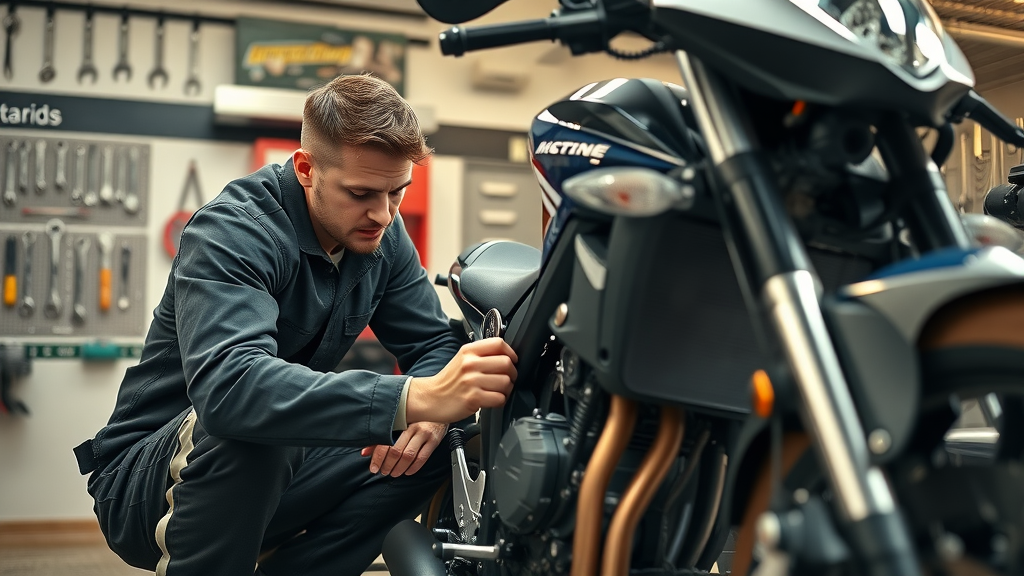
“Routine preventive motorcycle maintenance does more than just save you money—it can save your life.” — Motorcycle Industry Expert
Your Ultimate Preventive Motorcycle Maintenance Checklist
A reliable motorcycle begins with a thorough maintenance checklist . By following a comprehensive preventive motorcycle maintenance plan, you can be confident that your ride is ready for any journey. From critical systems like the brakes and engine to smaller items such as the battery and lights, each task on your checklist supports your motorcycle’s performance and longevity.
While every bike has unique requirements—depending on make, model, and mileage—these core steps should form the backbone of your preventative maintenance efforts. Consistent care also makes it easier to spot signs of wear before they escalate into expensive problems. So, whether you’re preparing for a road trip or just another week of daily commutes, revisit your checklist regularly and tick off each vital task with diligence.
-
Check and adjust tire pressure
-
Replace or clean the air filter
-
Inspect brake pads and brake fluid
-
Perform regular oil changes
-
Examine the cooling system and coolant level
-
Inspect and lubricate chain
-
Check lights and battery

Maintenance Tips Experts Swear By for Preventive Motorcycle Maintenance
Consistency is crucial in motorcycle maintenance , and even small tasks performed routinely will keep your bike in top shape . The tips below, gathered from seasoned mechanics and riders, are designed to help both newcomers and experienced enthusiasts get the most from their machines. These expert-backed practices form the foundation of preventative maintenance , ensuring every ride begins and ends safely.
From checking tire pressure with a reliable gauge to changing your air filter at factory-recommended intervals, adopting these techniques will keep your motorcycle running smoothly for years. Use your service manual as a guide, but don’t hesitate to go above and beyond—proactive care now pays off in trouble-free rides and reduced long-term costs.
How to Check Tire Pressure and Avoid Tire Failure
Maintaining proper tire pressure is one of the simplest yet most impactful steps in preventive motorcycle maintenance . Begin by using a trusted handheld gauge to check the tension with a gauge on both the front and rear wheel ; consult your service manual for recommended PSI levels. Underinflated tires lead to poor handling and increased wear, while overinflated tires reduce traction and make blowouts more likely.
For best results, check your tire pressure before every major ride and at least once a week. Don’t forget to visually inspect the tires for signs of wear or embedded debris. Regularly monitoring and adjusting tire pressure not only improves fuel economy but also enhances your safety, making it one of the most crucial maintenance tips you can follow.
Keeping your tires at the correct pressure prolongs their life, prevents uneven wear and tear, and reduces the risk of unexpected blowouts. Remember: the cost of a new tire is minimal compared to the medical bills and repairs that follow an avoidable accident. Keeping this small habit ensures your bike is performing at its best and that you stay safe on the road.
Replacing and Cleaning Your Motorcycle Air Filter
The air filter in your motorcycle acts as the first line of defense against dust and debris, ensuring your engine gets clean air for combustion. Over time, air filters become clogged, restricting airflow and reducing performance. Checking and cleaning or replacing your air filter is a key preventative maintenance step—aim for every 5,000–10,000 miles or as specified in your service manual .
Start by locating the air filter—usually behind a side panel or under the seat. Remove it gently, inspect for dirt or damage, and either clean it with compressed air (if reusable) or replace it if it shows excessive wear. A fresh, clean air filter supports better throttle response, improves fuel economy, and keeps your engine running smoothly.
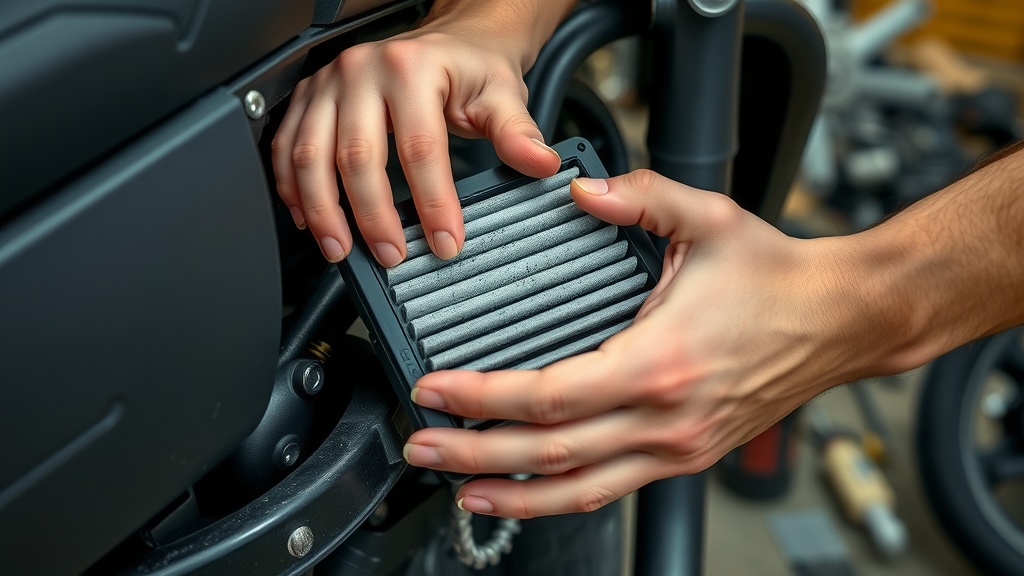
Neglecting the air filter increases the risk of dirt entering your engine, leading to premature wear and costly repairs. Taking care of this minor task is one of the best investments you’ll make for your bike’s health. Check your manual for filter type and cleaning recommendations to ensure proper care for your specific model.
Brake Pads Versus Brake Pad Wear: Early Detection for Preventative Maintenance
Your brake pads are critical to safe riding—neglecting their condition is a recipe for disaster. Inspecting your pads regularly for signs of wear, thinning, or cracking ensures optimal stopping power and helps you avoid damaging more expensive braking components like the rotors. To check, remove the caliper and visually assess the pad thickness compared to the manufacturer’s guidelines; replace any that fall below the minimum.
Listen for squeals or grinding noises, as these often signal excessive wear. Don’t ignore warning signs, as worn pads can reduce braking efficiency and cause accidents. It’s better to invest in new pads than face a hefty bill for rotor replacement—or worse, an avoidable crash.
Remember, early detection doesn’t just spare your wallet; it’s also a vital maintenance tip for keeping every ride safe. Combine regular inspections with attention to brake fluid level and quality to ensure your entire braking system remains in good working order. Regular motorcycle maintenance of your brakes directly impacts your safety and riding confidence.
Performing a Motorcycle Oil Change and Maintaining the Cooling System
A well-timed oil change is at the heart of any preventive motorcycle maintenance strategy. Your engine oil lubricates vital moving parts and keeps the system clear of contaminants—over time, oil degrades and collects debris, making timely changes essential. Follow your owner’s manual for intervals (often every 3,000–5,000 miles), and always use high-quality oil and the correct oil filter for your motorcycle.
Don’t overlook the cooling system and coolant level if your bike is liquid-cooled. Regularly inspect hoses, radiator, and coolant to maintain cooling efficiency and prevent dangerous overheating. Always top up with the recommended coolant type and schedule a full flush as part of your annual service checklist.
Keeping up with these maintenance tasks is the best way to ensure your bike keeps running smoothly, season after season. Make “ change your oil ” and “check your coolant level” non-negotiable habits, and your engine will reward you with reliability and performance on every mile.
Quick Demo: Completing a Preventive Motorcycle Maintenance Checklist Step-by-Step
(Video content would go here for a real webpage.)
Preventive Motorcycle Maintenance: Common Problems and How to Prevent Them
Even the most vigilant riders can encounter maintenance challenges, but awareness of these common problems is the first step toward prevention. Many issues—like battery failure or chain wear —stem from neglecting small, routine checks. Fortunately, these costly setbacks are easy to avoid when you incorporate a thorough maintenance checklist into your schedule.
Remember, most catastrophic damage begins as a minor, overlooked detail. Stay proactive by tracking your battery’s charge and terminal condition, cleaning and lubricating your chain often, and never dismissing changes in engine performance or tire pressure . By addressing the following issues head-on, you’ll keep your bike reliable and ready for adventure.
-
Battery failure from lack of charging or old terminals
-
Chain wear from missed lubrication
-
Overlooked air filter causing engine performance issues
-
Untended tire pressure leading to uneven wear
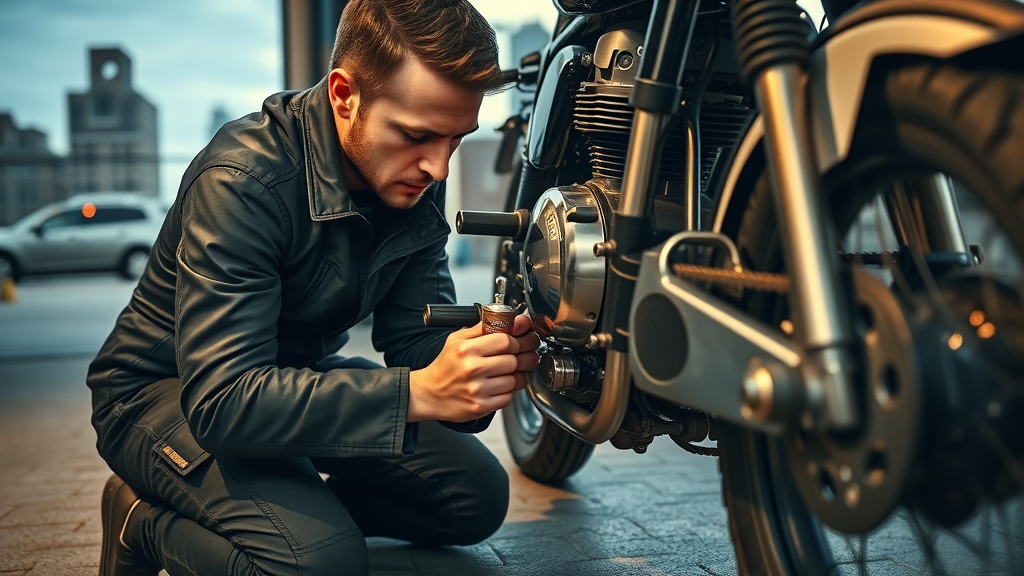
“Even the smallest preventive motorcycle maintenance task today prevents the largest repair bill tomorrow.”
People Also Ask: Preventive Motorcycle Maintenance FAQs
What routine maintenance is required for a motorcycle?
-
Routine preventive motorcycle maintenance should include oil changes , checking tire pressure , cleaning or replacing the air filter , inspecting brake pads , adjusting chain tension, and checking all fluid levels regularly.
What is PMS for motorcycles?
-
PMS stands for Preventive Maintenance Schedule, a systematic approach to routine motorcycle maintenance tasks such as oil changes, air filter cleaning, and regular inspections to ensure longevity and performance.
What's the average lifespan of a motorcycle?
-
With regular preventive motorcycle maintenance , most motorcycles can last 12 to 15 years or longer, depending on usage, storage, and how well they follow a maintenance checklist .
What is the common maintenance problem on a motorcycle?
-
The most common preventive motorcycle maintenance problems include neglecting the air filter , failing to change oil , and improper tire pressure maintenance, all of which may lead to costly repairs.

Preventive Motorcycle Maintenance: Expert Recommendations for Every Ride
Maintaining your motorcycle is an ongoing commitment—experts emphasize that consistency makes all the difference. Establishing a regular schedule not only minimizes future repairs, but also keeps your rides enjoyable and stress-free. The top maintenance tips from seasoned riders often center around small actions: keep your checklist updated, store your bike properly in the off-season, and always give your motorcycle a quick inspection before every trip.
Updating your maintenance checklist with mileage or age markers helps ensure nothing falls through the cracks, while building your routines around your bike’s real-world usage extends its lifespan. Remember: it’s not just about early detection—it’s about forming habits that make maintenance second nature.
-
Consistency is crucial for minimizing future repairs
-
Small maintenance tips make a big impact on safety and expense
-
Regularly updating your maintenance checklist ensures nothing is missed
Ready to Save? Schedule Your Preventive Motorcycle Maintenance Check Now
Protect your ride—and your wallet—by embracing regular preventive motorcycle maintenance . Call Us Today: 847-458-4858 and keep your motorcycle running strong.
Make preventive motorcycle maintenance a habit—address small issues early, follow a routine checklist, and enjoy safe, cost-effective riding for years to come!
To further enhance your understanding of preventive motorcycle maintenance, consider exploring the following resources:
This guide offers practical advice on essential maintenance tasks, including tire care, brake inspections, and air filter maintenance, to keep your motorcycle in optimal condition.
This checklist provides a seasonal approach to motorcycle upkeep, detailing steps such as fluid checks, battery maintenance, and tire inspections to prepare your bike for safe riding.
By incorporating the insights from these resources into your routine, you can ensure your motorcycle remains reliable and ready for the road.

Write A Comment