
Did you know? Proper motorcycle tire and brake care could reduce your risk of an accident by over 40%! No matter how experienced a rider you are, neglecting your motorcycle tires and brakes can turn a minor issue into a major hazard. Ready to transform your routine and ensure every ride is as safe as possible? Dive in to learn must-know maintenance tips that go way beyond the basics.
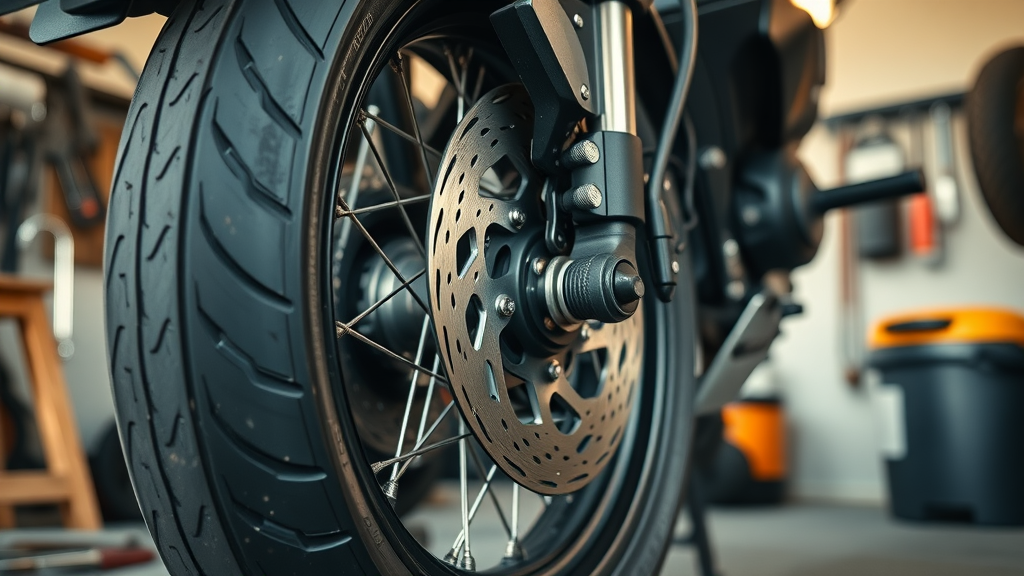
Fact: Proper Motorcycle Tire and Brake Care Reduces Accident Risk by Over 40%
Nothing outweighs rider safety , and the statistics speak for themselves: attentive motorcycle tire and brake care lowers the likelihood of accidents by a staggering margin. When you commit to regular tire maintenance and consistent check-ups of your motorcycle brakes , you’re not just extending the life of your ride—you’re protecting yourself and others on the road. A well-maintained motorcycle reacts better in emergencies, providing superior grip, reliable stopping power, and predictable handling.
The heart of motorcycle maintenance is prevention. Issues like improper tire pressure , worn-out brake pads , or unnoticed wear and tear can lead to poor handling or even complete brake failure—making every journey riskier. Through this guide, you’ll find actionable, step-by-step tips for safeguarding every critical component, ensuring each ride starts and ends with confidence.
Understanding the Importance of Motorcycle Tire and Brake Care
Grasping the significance of motorcycle tire and brake care is fundamental for any rider. Tires are your motorcycle’s sole contact with the pavement, and brakes provide the control you need to stop safely. If these systems are flawed, even a straight highway or a simple turn can become dangerous. For those who love long rides or frequently commute, the consistent assessment of tire pressure, tread depth, and brake pads becomes even more essential—small lapses can rapidly escalate into serious risks.
Motorcycle tires that show uneven wear or are underinflated compromise both comfort and reaction time. Likewise, brakes with thinning pads or degraded brake fluid don’t just reduce stopping power, they can unexpectedly fail. Prioritizing the right tire size and promptly replacing worn components is crucial for both protection and performance. Your investment in regular inspections delivers peace of mind and makes safer adventures possible.
What You’ll Learn in This Guide
-
Key motorcycle tire care techniques for longevity and safety
-
Crucial motorcycle brake maintenance steps
-
How tire pressure, tread depth, and brake pads impact performance
-
Signs of wear and tear and how to address them
-
Answers to real riders’ frequently asked questions
Motorcycle Tire Care: Fundamentals for Every Rider
Your motorcycle tires are the foundation of your safety and riding experience. Regardless of your bike’s make or model, dedicating time to tire maintenance ensures optimal contact with the road, responsive handling, and extended tire life. Inattentive care leads to hazards like tire failure or unpredictable loss of grip, particularly during a long ride or sudden stop. That’s why every rider must embrace a habit of thorough inspections, proper tire inflation, and timely replacements.
With the growing variety of tires—from sport to touring to off-road options—understanding the essentials of tire service is more valuable than ever. Each tire has unique lifespan benchmarks, pressure requirements, and compatibility factors. Neglecting tire checks can result in irregular wear, air leaks around valve stems, and performance bottlenecks. Prioritizing consistent maintenance means you’re not just preserving your tires; you’re proactively amplifying the safety and reliability of your entire ride.
Regular Tire Maintenance Checklist
-
Visual inspections
-
Pressure checks
-
Tread depth and wear observations
-
Assessing tire size and compatibility
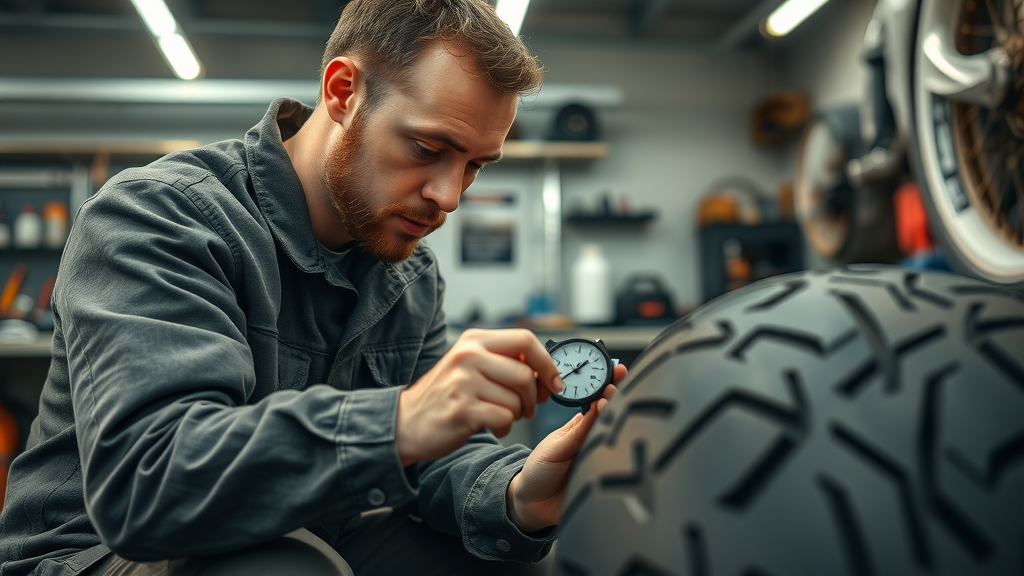
Building a tire maintenance routine into your ride prep makes a massive difference. Start with visual inspections for cracks, embedded debris, or bulges. Tire pressure should be checked before every ride, ideally when the tires are cool—use a reliable gauge for accuracy. Don’t overlook tread depth; worn treads equate to poor water displacement and higher chances of sliding in wet conditions. Finally, confirm tire size and compatibility, referencing the recommendations from your tire manufacturer or motorcycle manual to optimize safety and handling.
Tire Pressure: The Foundation of Motorcycle Tire and Brake Care
“Incorrect tire pressure can reduce grip, increase wear, and jeopardize braking efficiency.”
Proper tire inflation directly impacts your motorcycle tire and brake care regimen. Under- or over-inflated tires alter your bike’s feel—affecting how you corner, accelerate, and most importantly, stop. Incorrect air pressure can also lead to premature tread wear, uneven wear , or even catastrophic tire failure. Always match your tire pressure to the guidelines specified in your owner’s manual, accounting for factors such as temperature changes and load.
Don’t forget to check valve stems and replace them if you notice cracks or leaks. If your tire pressure frequently dips, inspect for slow leaks at the valve stem or the bead and consider consulting a tire service professional. Correct inflation improves brake pad contact with the road surface, ensuring both your motorcycle tires and brakes are working at peak performance levels.
Evaluating Tread Depth and Detecting Unusual Wear and Tear
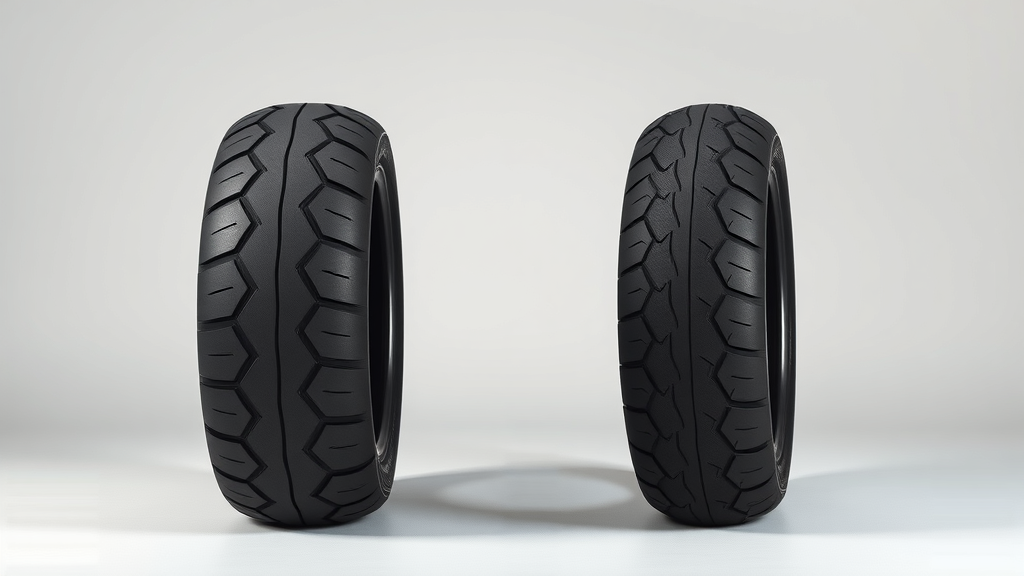
Your safety on two wheels heavily depends on tread depth. Tire treads displace water and debris, maintain grip, and allow the brakes to engage the road efficiently. Insufficient tread depth leads to poor handling and increases stopping distances—especially in wet conditions. Use a tread gauge as part of your tire maintenance and inspect at several points around both the front tire and the rear tire, not just the center.
|
|
|
Tire Tread Depth Guidelines and Replacement Indicators |
|
Tread Depth |
Condition |
Recommended Action |
|---|---|---|
|
>4mm |
Good |
Visual checks |
|
2-4mm |
Monitor |
More frequent checks |
|
<2mm |
Worn |
Replace tire |
Watch for unusual patterns of wear and tear: flat spots, cupping, or scalloping can signal suspension or alignment issues. Uneven wear on your rear tire or front tire could mean suspension misalignment, overloading, or improper tire inflation. Promptly replacing a worn tire forestalls poor grip and supports reliable motorcycle brakes performance—vital for every long ride and unpredictable weather.
Choosing the Right Tire Size and Profile for Motorcycle Performance
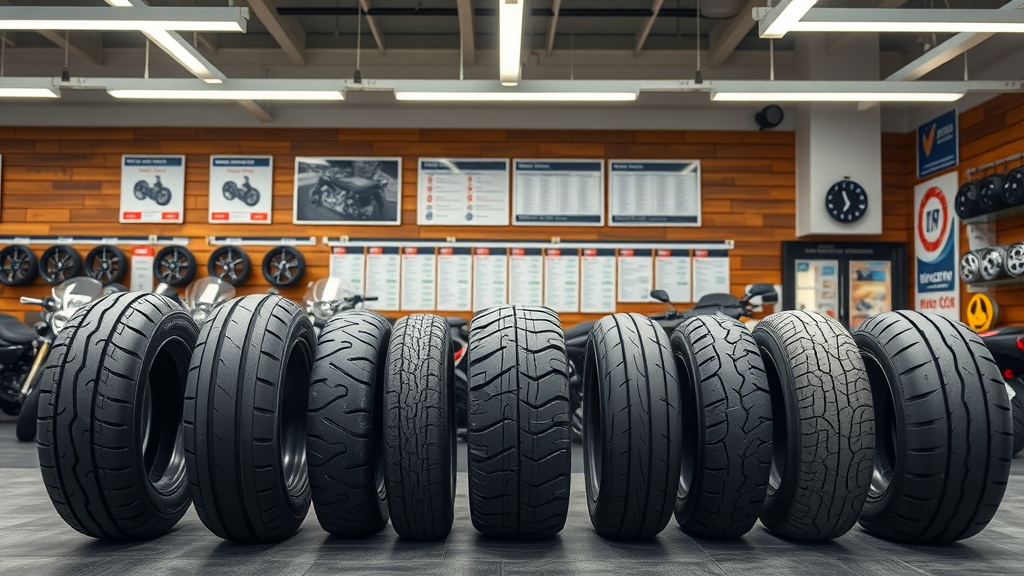
Selecting the proper tire size and profile is not just a matter of fit—it impacts how your motorcycle responds to steering, braking, and acceleration. The wrong size can hinder the action of your motorcycle brakes or even cause tire failure during extremes. Always consult your motorcycle manufacturer’s guidelines for tire specifications and avoid mixing brands or types without a professional’s input.
Performance-oriented riders may opt for specific profiles that offer sportier handling or longer mileage. Remember, the rear tire and front tire may require different tire sizes and profiles for optimal balance. Matching your tire characteristics with your riding style and conditions delivers the best mix of safety, mileage, and fun on the road.
Motorcycle Brake Care: Reliable Stopping Power Starts Here
Your motorcycle brake system is your lifeline in emergencies and everyday riding alike. Brake components like brake pads, rotors, and brake fluid endure substantial stress mile after mile. Ignoring routine brake maintenance can swiftly lead to poor performance or outright failure. Riders should learn to recognize symptoms of declining brake health, commit to scheduled inspections, and never hesitate to replace components that show significant wear and tear.
The interplay between motorcycle tires and brakes is crucial: poor tire condition will reduce braking effectiveness, while faulty brakes can’t deliver optimal stopping power, even with perfect tires. Together, these systems reinforce each other in the quest for safe riding. Commit to both tire maintenance and brake care for holistic motorcycle maintenance—your ability to react swiftly in split-second scenarios depends on it.
Routine Brake Pad and Brake Pads Inspections
-
Checking brake pad thickness
-
Identifying brake pad glazing or scoring
-
Scheduling timely replacements
Brake pads are the critical point where hydraulic force meets friction to slow your motorcycle. Regularly inspect your brake pad thickness; if it’s less than the manufacturer’s minimum, it’s time for replacement. Look out for signs of glazing (a shiny, glass-like finish) or scoring (deep grooves) on the pads, which can cause a dramatic drop in braking efficiency.
Neglect may result in metal-on-metal contact, irreparably damaging rotors and rendering your motorcycle brakes unreliable. Set a reminder to peek at the brake pads every month or during tire service, and never postpone replacements—timely action can save your brakes, your wallet, and possibly your life.
Ensuring Fresh and Effective Brake Fluid
“Neglecting brake fluid replacement is one of the top causes of brake failure.”
Brake fluid is often overlooked but absolutely vital. It transfers your input from the brake lever or pedal to the caliper and pads, enabling effective stopping. Over time, brake fluid absorbs moisture, reducing its boiling point and leading to spongy brakes or complete brake failure—especially critical during a long ride or aggressive riding.
Most experts recommend replacing brake fluid every 1–2 years, or sooner if you notice cloudiness or a drop in lever firmness. Always select fluid that matches your motorcycle manufacturer’s recommendations, avoiding contamination or mixing incompatible types. During every service, check fluid reservoirs and look for leaks—especially around the rear brake and front brake master cylinders.
Warning Signs of Motorcycle Brake and Motorcycle Brakes Issues

Your motorcycle brakes communicate their needs through specific symptoms: squealing or grinding noises, spongy lever feel, longer stopping distances, and visible rotor grooves. If your brake pads appear thin or the rotor surface feels rough or deeply scored, don’t dismiss these warning signs. Vibrations while braking can indicate warped rotors, while leaks or a sudden drop in fluid suggest it’s urgent to check the master cylinder and calipers.
Never wait until performance deteriorates drastically—addressing these signs early can prevent far more extensive and expensive repairs. If you’re unsure, schedule a comprehensive braking system evaluation as part of your routine motorcycle maintenance to guarantee consistent, predictable stopping power.
Watch this in-depth walkthrough as a certified expert explains how to systematically inspect every component of your motorcycle brake system, highlighting what to look for and when to seek professional service.
Integrated Motorcycle Maintenance: Combining Tire Maintenance and Brake Checks
One of the secrets to exceptional motorcycle tire and brake care is integrating both systems into your maintenance schedule. Both tire condition and brake health complement each other, and incorporating checks for each ensures that nothing is overlooked. Many modern riders develop a pre-ride checklist—reviewing tire pressure, inspecting wear patterns, checking brake fluid, and ensuring brake pads meet standards.
Motorcycle maintenance is most effective when it becomes a habit. Frequency and timing matter: from daily pre-ride checks to in-depth inspections every season or after a particularly long ride. Proactive maintenance not only increases component life but significantly bolsters your confidence when out on the open road.
The Schedule: How Often to Service Motorcycle Tires, Brake Pads, and Brake Fluid
|
|
Recommended Motorcycle Tire and Brake Care Intervals |
|
Maintenance Item |
Recommended Interval |
|---|---|
|
Tire pressure |
Every ride |
|
Tread depth |
Monthly |
|
Brake pads |
Every 6,000–12,000 miles |
|
Brake fluid |
Every 1–2 years, or as needed |
Adhering to these maintenance intervals is vital for staying ahead of both visible and hidden issues. Establishing a schedule—ideally with reminders—will help you regularly check and maintain optimal tire pressure, measure tread depth, inspect brake pads, and replace brake fluid before problems arise. Tracking maintenance gives you better control over your motorcycle and can even boost resale value down the line.
Follow along as an industry professional guides you through a live demonstration of a complete tire and brake care routine, offering practical advice for every rider—new and experienced alike.
Motorcycle Tire and Brake Care Tips from Industry Experts
Leading mechanics agree: consistency is the hallmark of effective motorcycle tire and brake care . Habits like checking tire pressure before every ride, storing your motorcycle in a temperature-controlled environment, and selecting only manufacturer-approved parts dramatically lower your odds of mechanical failure. Expert advice often centers on prevention—replace items at the first sign of wear rather than waiting until the next scheduled visit.
Many riders make the mistake of mixing tire brands or ignoring climate’s impact on tire inflation and brake fluid viscosity. Instead, invest in a simple maintenance toolkit, document your service history, and stay alert to subtle shifts in handling or braking performance. When in doubt, quick consultations with a seasoned mechanic can spare you from costly mishaps.
Top Preventative Maintenance Actions for Tires and Brakes
-
Use manufacturer-recommended tire pressure and brake fluid
-
Store your motorcycle properly
-
Avoid mixing tire brands/types
-
Recognize and replace worn components proactively
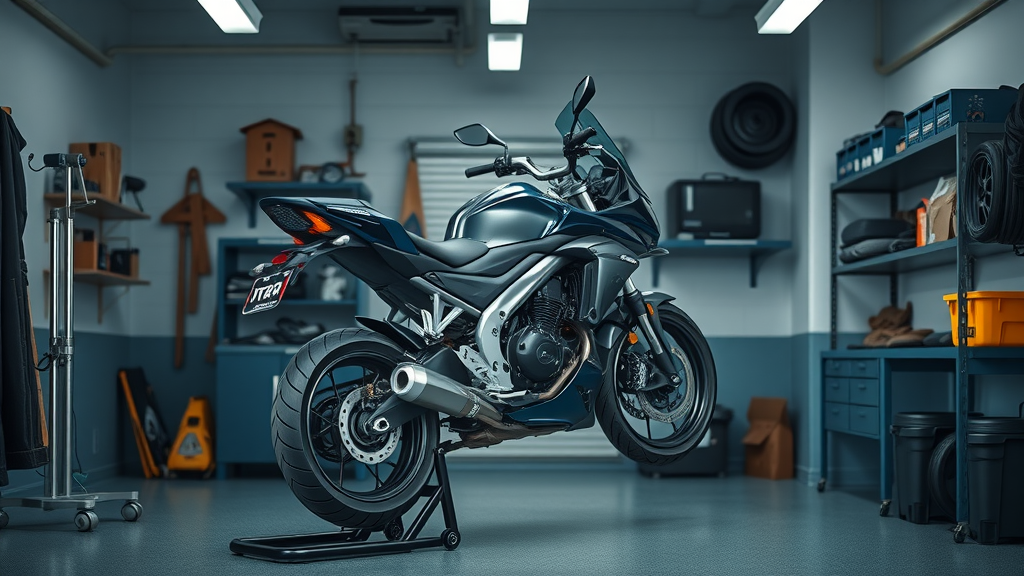
Setting up a dedicated space for your maintenance supplies will keep you organized and ready for every inspection. Having your tire gauge, fluid tester, and replacement parts stored neatly means you won’t skip crucial steps due to inconvenience. This level of preparedness is what separates casual riders from truly safety-conscious motorcyclists.
Quote from a Professional Mechanic: The Value of Consistency
“Consistent motorcycle tire and brake care can mean the difference between a close call and an accident.”
That regular attention not only helps detect issues before they escalate but also instills the peace of mind necessary for pure riding enjoyment. Adopt a routine—your motorcycle and your adventures will thank you for it.
People Also Ask About Motorcycle Tire and Brake Care
What is the 70 30 rule on a motorcycle?
The 70/30 rule refers to using 70% of your front brake and 30% of your rear brake during normal stops. This technique maximizes stopping power while maintaining control, especially during motorcycle tire and brake care routines.
How often should I change the brake fluid in my motorcycle?
Most manufacturers recommend changing motorcycle brake fluid every 1–2 years as part of routine motorcycle maintenance. Regularly replacing brake fluid ensures optimal motorcycle brake performance and safety.
How to take care of motorcycle brakes?
To take care of motorcycle brakes, inspect brake pads for wear, replace brake fluid as needed, clean rotor surfaces, and check for uneven wear or scoring. Promptly address any squealing, reduced stopping power, or visual decay.
Is it worth patching a motorcycle tire?
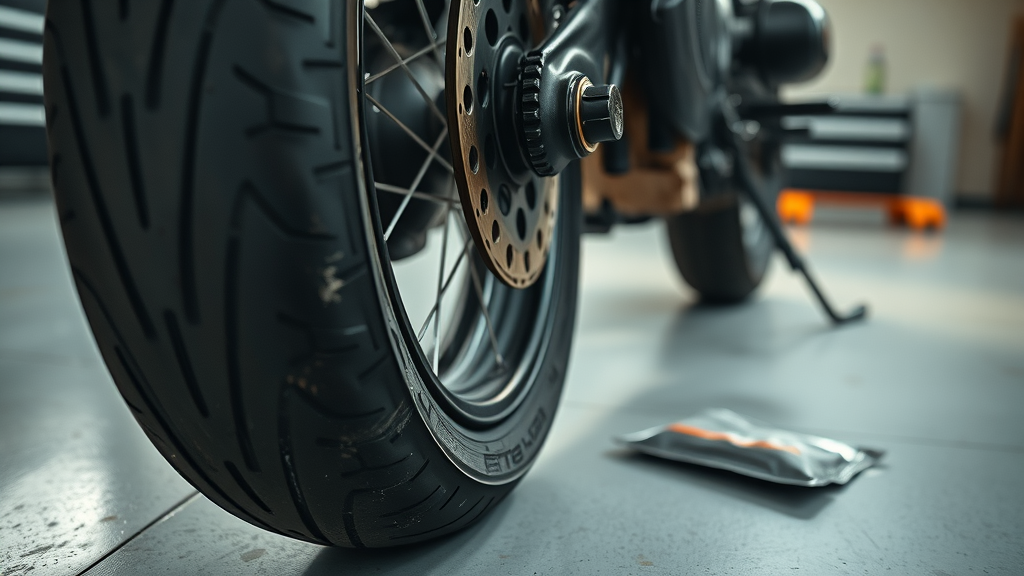
Patching a motorcycle tire is only acceptable for small punctures in the tread area—never in the sidewall. For maximum safety, most experts recommend replacing damaged motorcycle tires rather than patching them.
Frequently Asked Questions About Motorcycle Tire and Brake Care
What are the signs I need new motorcycle tires?
Common indicators include reduced tread depth, visible cracks, bulges, irregular wear patterns, or the motorcycle tires reaching their recommended mileage limit.
Can I mix different brands of motorcycle tires or brake pads?
For optimal performance, always use matching brands, types, and sizes as advised in your motorcycle manual. Mismatched components can negatively affect handling and braking.
How do temperature changes affect motorcycle tire pressure and brake fluid?
Cold temperatures decrease tire pressure and can cause brake fluid to thicken. Regular adjustments as the seasons change help maintain safety and performance.
Key Motorcycle Tire and Brake Care Takeaways for Safe Riding
-
Inspect motorcycle tire and brake components every ride.
-
Prioritize timely replacement of worn items.
-
Use quality materials for maintenance.
-
Follow the manufacturer’s service schedule closely.
-
When in doubt, consult a professional mechanic.

Discover top professional tips for keeping your motorcycle in peak shape throughout every season, emphasizing the critical overlap between tire maintenance, brake care, and smart riding.
Stay Safe on Every Journey with Trusted Motorcycle Tire and Brake Care
By prioritizing motorcycle tire and brake care, you’re not only following safety guidelines but protecting your most valued investment—yourself. Make maintenance a habit and the road ahead becomes far more predictable, enjoyable, and safe.
Contact Our Motorcycle Maintenance Experts for Personalized Support: Call Us Today: 847-458-4858
Ready to schedule a comprehensive checkup or need tips tailored to your motorcycle? Call Us Today: 847-458-4858 —our team is here to put your safety first.
Maintaining your motorcycle’s tires and brakes is crucial for safety and performance. For comprehensive guidance, consider the article “ Tips for Motorcycle Brake Maintenance ,” which offers detailed advice on brake fluid management and pad inspections. Additionally, “ Tips to Take Care of Motorcycle Tires ” provides essential tire maintenance practices to ensure optimal traction and longevity. By integrating these expert recommendations into your routine, you can enhance your riding experience and safety.


Write A Comment