
Did you know that collectors who focus on historic motorcycles often see their investment appreciate up to 120% faster than those who collect contemporary models? The world of historic motorcycles isn't just about nostalgia or beautiful machines<—it’s a strategic and rewarding way to elevate any motorcycle collection. Whether you’re a passionate enthusiast or a savvy investor, understanding the unique story, craftsmanship, and market behavior of these two-wheeled legends can help you transform your collection into a source of pride and long-term value.
"Did you know that collectors who focus on historic motorcycles often see their investment appreciate up to 120% faster than those who collect contemporary models?" – Motorcycle Industry Report
Startling Facts: The Lasting Impact of Historic Motorcycles in Modern Collecting
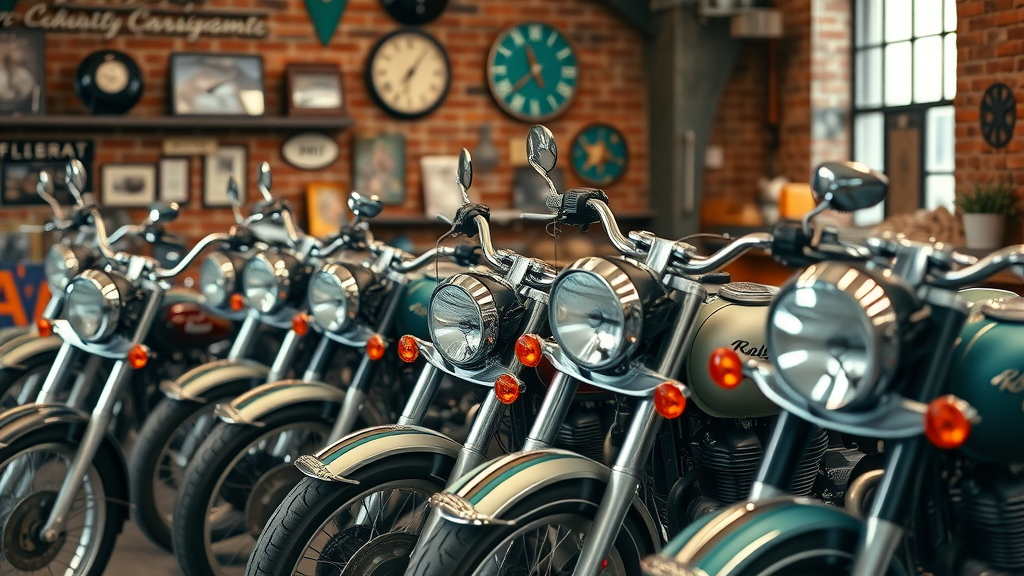
Historic motorcycles continue to leave a profound imprint on modern collecting. More than relics, these masterworks blend mechanical genius with cultural significance, making them prized assets in today’s collectibles market. Data shows that certain classic motorcycle brands appreciate faster and hold their value better than many contemporary models. While modern bikes offer innovation, it’s the iconic performance, legendary names (think Harley Davidson and Vincent Black Shadow), and documented connections to world events like World War II that grant historic motorcycles their staying power and allure. Collectors cite not only investment upside but the pride in owning machines that shaped eras and first redefined the global motorcycle industry. Entering this market is more than a personal passion—it’s a calculated move that can lift the prestige and value of your entire collection.
This isn’t just about profit; it’s about participating in an international tradition of mechanical excellence, dramatic innovation, and cultural evolution. As you explore brands from Moto Guzzi and Royal Enfield to rare Japanese motorcycles and those with ties to the Isle of Man TT, you discover machines that transcend simple utility or style. In short, the increased demand and limited supply of these storied bikes mean the time to invest is now. The impact of historic motorcycles reaches far beyond the garage—it’s in the stories you can tell, the sense of legacy you create, and the living history you preserve.
What You'll Learn About Historic Motorcycles
The most influential historic motorcycles and their transformative impact on collectors.
Key criteria for evaluating classic motorcycle brands.
Historic motorcycles tied to world events such as World War II.
Expert opinions and practical advice for new and seasoned collectors.
Why adding a historic motorcycle can increase the value and prestige of any collection.
Table: Top Historic Motorcycles and Key Features
Brand |
Model |
Year |
Notable Feature |
Historical Significance |
|---|---|---|---|---|
Harley Davidson |
Electra Glide |
1965 |
First electric start on a Harley |
Iconic US touring model, part of Civil Rights Era culture |
Moto Guzzi |
V7 |
1967 |
First transverse V-twin engine |
Revolutionized motorcycle engineering post-World War II |
Brough Superior |
SS100 |
1924 |
Custom-built, top speed 100 mph |
The "Rolls Royce" of motorcycles, owned by T.E. Lawrence |
Royal Enfield |
Bullet |
1939 |
Wartime reliability, 4-stroke engine |
Used by Allied forces in World War II |
Honda |
CB750 |
1969 |
First production inline-four, front disc brake |
Heralded the modern superbike era |
Vincent |
Black Shadow |
1948 |
Often topped 125 mph, innovative engineering |
Once world’s fastest production motorcycle |
Indian |
Chief |
1940 |
Legendary V-twin, art deco styling |
Racing pedigree, symbol of American ingenuity |
Norton |
Commando |
1969 |
Isolastic frame, parallel twin engine |
Defined British motorcycle performance in the 1970s |
1. Harley Davidson: American Icon of Historic Motorcycles
The Enduring Legacy of Harley Davidson in Motorcycle Brand History
From wartime utility to peacetime freedom: Harley Davidson’s role from World War II to today
Desirable models: Electra Glide, Harley Dav
Harley Davidson’s impact on United States motorcycle culture
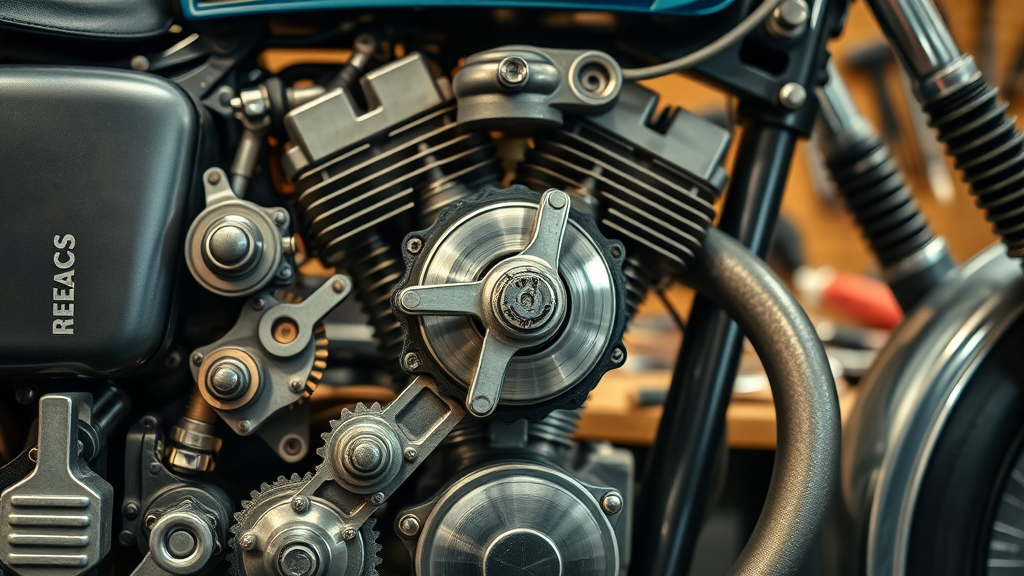
Harley Davidson stands as perhaps the most recognized motorcycle brand in the United States and worldwide. While to many, a Harley simply symbolizes the open road, its legacy runs much deeper. The company’s historic motorcycles forged their reputation during World War II, when robust, reliable machines like the WLA became standard issue for Allied military forces. After the war, Harley Davidson’s models, including the revolutionary Electra Glide—the brand’s first with electric start—redefined peacetime freedom and cemented the company’s identity as a cultural force.
When collectors pursue historic motorcycles, they value Harley Davidson not only for its unmistakable design and growling V-twins but for its sustained influence on motorcycle culture. The Electra Glide in particular remains a sought-after icon. From its art deco lines to its prominent appearances in Hollywood, every Harley embodies a spirit of adventure, rebellion, and innovation. As demand and values rise—especially for wartime models or earlier editions in immaculate condition—the Harley Davidson legacy continues to transform collections and make history tangible.
"The roar of a vintage Harley Davidson is more than nostalgia—it's living history on two wheels." – motohistorian
2. Brough Superior: The Rolls Royce of Historic Motorcycles
Why Brough Superior Defines Elite Motorcycle Brands
Hand-built excellence: Craftsmanship and exclusivity
Historical value and market performance of Brough Superior SS100
Connections to world famous owners and the mystique of rarity
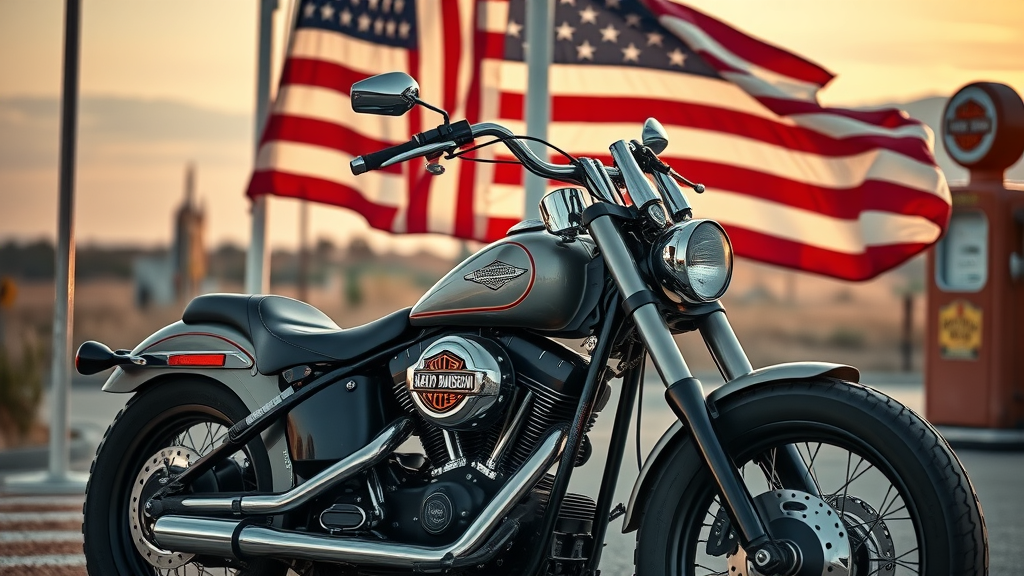
Known as the “Rolls Royce of motorcycles,” the Brough Superior marks the pinnacle of craftsmanship and exclusivity in the field of historic motorcycles. Built to order from the 1920s through World War II, each bike—especially the coveted SS100 model—was a unique, hand-assembled marvel. Achieving speeds of over 100 mph, the SS100 was not just technologically advanced for its time, but also carried a reputation for meticulous engineering that few brands could match.
Collectors covet Brough Superiors not only for their rarity (fewer than 3,000 were made) but for their deep connections to famous owners like T.E. Lawrence (“Lawrence of Arabia”), whose endorsement only raised their legendary status. The value of preserved and restored models continues to climb, with SS100s fetching six-figure amounts at auction. Ownership is a statement: you prize the artistry, history, and rarity of one of the world’s most elite historic motorcycle brands.
3. Moto Guzzi: Italian Ingenuity in Historic Motorcycles
Moto Guzzi’s Innovations and Distinctive Character
Introduction of the transverse V-twin
Moto Guzzi’s impact on post-World War II motorcycle engineering
Notable models and collectible editions
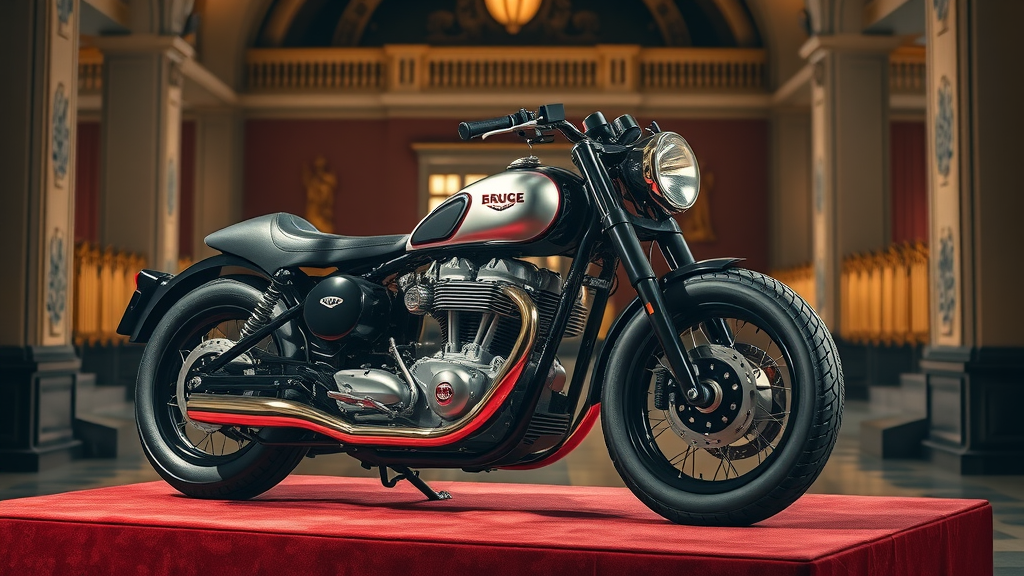
No discussion of historic motorcycles is complete without Moto Guzzi. As Italy’s oldest continuous motorcycle manufacturer, Moto Guzzi made waves in the post-World War II era by pioneering the transverse V-twin engine—a design that continues to distinguish its bikes to this day. Legendary models such as the V7 and Le Mans were lauded for innovation, robust engineering, and distinctive style, from classic upright stances to their iconic “eagle” logo.
Collectors seek Moto Guzzis for their unique combination of pedigree and mechanical flair. The brand’s engineering feats extended to winning the Isle of Man TT and setting speed records, while also serving as dependable transport for Italian police and military units. Whether you value the technical breakthroughs, racing accomplishments, or the romance of Italian design, adding a classic Moto Guzzi elevates your collection with character and historical gravitas.
4. Royal Enfield: A Legacy Shaped by World War II
Enduring Heritage of Royal Enfield Historic Motorcycles
Wartime origins and survival into the modern era
Royal Enfield’s connection to British and world motorcycling history
Why collectors prize Royal Enfields
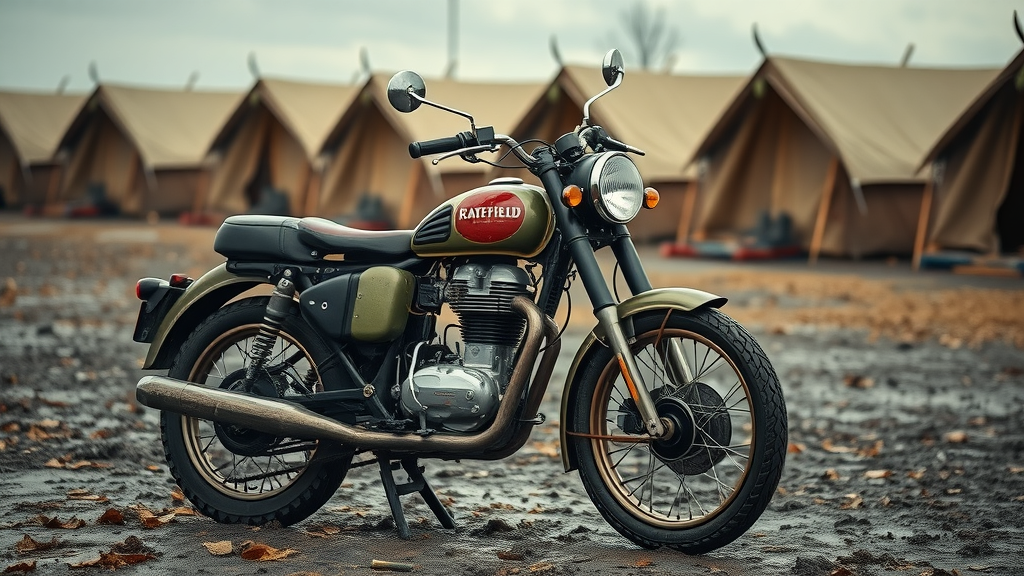
The story of Royal Enfield is a tale of resilience and innovation. Founded in the UK, the company gained global recognition during World War II as the supplier of the “Flying Flea,” a lightweight, easily parachutable motorcycle used behind enemy lines. Surviving the postwar industry reshuffle, Royal Enfield thrived by adapting production to India, where models like the Bullet became legendary for their durability and raw mechanical simplicity.
Collectors covet Royal Enfields for their direct link to world history and their classic, unadulterated lines. While other motorcycle brands have faded, Royal Enfield’s production endures, offering both nostalgia and rideability in equal parts. The historic models—especially those with military provenance—often increase in value and hold a unique place in any historic motorcycle collection, reflecting both British engineering and international legacy.
5. Honda CB Series: Japanese Motorcycle Revolution in Historic Motorcycles
How the Honda CB Redefined Motorcycle Brands Worldwide
Honda CB750’s role in the superbike era
Reliability and engineering innovations of Honda CBs
Shift in global motorcycle trends due to Japanese motorcycles
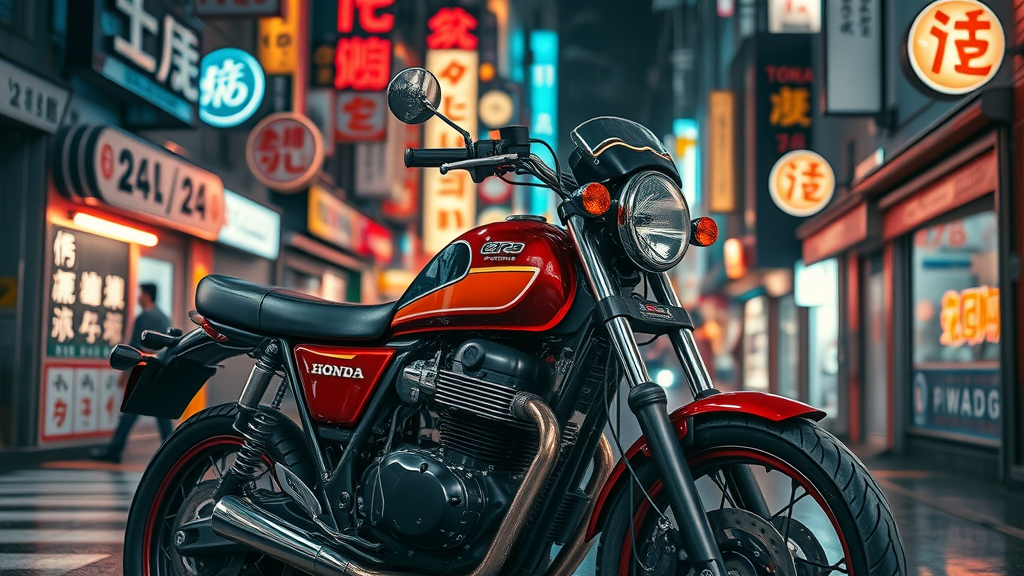
Rarely has a single motorcycle so thoroughly altered the industry as the Honda CB750. Heralded as the world’s first superbike, the CB750 featured a reliable inline-four cylinder engine, front disc brake, and legendary dependability, setting a new benchmark for performance and affordability. Japanese motorcycles in general—led by Honda—disrupted the global market, pushing British and American motorcycle brands to new levels of innovation and reliability.
Collectors appreciate the Honda CB series not only for their contributions to engineering but for their democratization of high-quality motorcycling worldwide. These bikes made speed, comfort, and reliability accessible to more riders, and original, unrestored CB750s now command considerable sums at auction. If you want a motorcycle brand with a story of revolution and global impact, the Honda CB is a must-have centerpiece.
6. Indian Chief: The Classic American Rival in Historic Motorcycles
The Resurgence and Mythic Status of Indian Chief Motorcycles
Indian Chief’s influence on the American motorcycle landscape
Distinguishing features and historic racing pedigree
Collector appeal and market trends
A rival as storied as Harley Davidson, the Indian Chief is woven into the fabric of American motorcycle history. The original Indian Chief, with its bold chief’s head fender ornament and signature V-twin power, took on the Harley Dav at racetracks and on highways from the 1920s to the 1950s. Known for both speed and durability, these motorcycles were chosen for racing and law enforcement across the United States, and track racing dominance helped cement their mythic status.
Despite facing industry challenges in the postwar era, the Indian Chief has experienced a dramatic resurgence, and vintage models are fiercely sought after by collectors. Their art deco design and racing pedigree make them a visual and historical centerpiece that only grows in value—proof that classic American motorcycles remain relevant and highly prized in today’s collecting landscape.
7. Vincent Black Shadow: The Fastest Historic Motorcycle of Its Era
Why the Vincent Black Shadow Is a Holy Grail for Collectors
Engineering marvels and legendary speed
‘Black Shadow’ mystique in vintage motorcycle circles
Record-breaking sales and auction highlights
The Vincent Black Shadow sits atop many collectors’ wish lists for good reason. Upon its 1948 debut, the Black Shadow set speed records as the fastest production motorcycle in the world, hitting more than 125 mph. Its matte-black engine cases and elegant script made it instantly recognizable, and advanced technological features—like its shadowy finish and robust frame—marked it as a true engineering marvel.
Classic motorcycle enthusiasts value the Black Shadow for its combination of style, innovation, and legendary performance. Today, original and well-preserved models are so rare that their arrival at auction generates global headlines, frequently fetching record-breaking sums. Owning a Black Shadow means holding a literal piece of speed record history and perhaps the ultimate conversation starter for any historic motorcycle collection.
8. Norton Commando: Defining Performance in Historic Motorcycles
Norton Commando’s Enduring Impact on Motorcycle Brands
Engine innovation and distinctive style
Role in British motorcycle history
Market value and restoration insights
In the competitive world of British motorcycles, the Norton Commando defined a new era of bold design and technical innovation. Debuting in 1969, it introduced the “Isolastic” frame—a solution that minimized vibration from its parallel twin engine and won the hearts of both racers and everyday riders. Success on the Isle of Man TT and other racing circuits cemented the Commando’s role as a motorcycle brand leader during the late 1960s and 1970s.
Collectors are drawn to Nortons for their blend of performance, style, and restoration potential. The Commando, especially models in original paint and specification, commands a strong following on the vintage scene and continues to rise in value. Whether restored to factory-correct condition or left with a bit of “patina,” these machines are as beautiful as they are significant, reminding us of the enduring legacy of British motorcycle manufacturing.
9. Other Influential Historic Motorcycles Worth Considering
Notable mentions: Electra Glide, rare Japanese motorcycles
Unique historic motorcycles shaped by World War II
How these rare finds influence modern collections
The world of historic motorcycles is replete with rare gems beyond the famous brands. Certain models like the Electra Glide defined entire eras and captured the heart of the American motorcycle scene. Across the Pacific, lesser-known vintage Japanese motorcycles, especially early two-stroke and four-cylinder models, are now being recognized for their historic importance and engineering innovation. Additionally, motorcycles shaped by World War II, such as military Triumph and BMW machines, continue to attract dedicated collectors.
These unique finds are not only conversation pieces but are often essential for completing thematic collections—whether focused on war, racing, or the evolution of motorcycle technology. Owning such pieces adds layers of narrative and value to collections, providing opportunities for both enjoyment and appreciation in today’s dynamic marketplace.
Transforming Your Collection with Historic Motorcycles: Expert Tips
Assessing value: What to look for in historic motorcycles
Proper restoration methods for different motorcycle brands
Insurance, storage, and preservation best practices
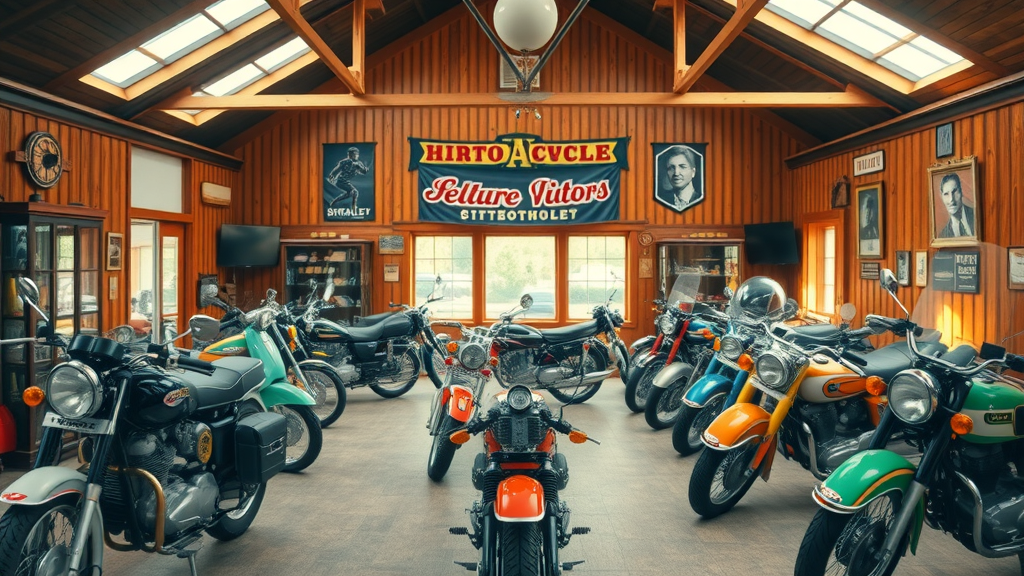
If you’re ready to add historic motorcycles to your collection, experts recommend starting with a thorough assessment of authenticity, provenance, and originality. Original paint, matching engine/frame numbers, and documented history all add significant value. Restoration is another critical factor—while some collectors prefer immaculate restorations, others seek “survivor” bikes with age-earned patina.
When restoring, always use brand-appropriate techniques and parts. For instance, a Harley Davidson may require period-correct chrome work, while a Moto Guzzi restoration demands meticulous attention to V-twin engine details. Finally, don’t overlook insurance, proper storage, and regular maintenance—preserving these masterpieces for future generations ensures they remain both beautiful and valuable.
"Every historic motorcycle has a story—preserving it ensures future generations appreciate the engineering and spirit of our past." – Vintage Motorcycles Restorer
People Also Ask About Historic Motorcycles
What is the most iconic motorcycle of all time?
Many consider the Harley Davidson Electra Glide or Vincent Black Shadow to be the most iconic motorcycles of all time, thanks to their legendary performance, global recognition, and influence on the culture. These historic motorcycles not only set records but also inspired countless collectors and riders with their innovation and status.
What is the 12 second rule on a motorcycle?
The "12 second rule" refers to the practice of scanning the road ahead far enough to see where your motorcycle will be in 12 seconds. It’s a crucial technique for motorcycle safety, especially on historic motorcycles lacking modern braking systems. This rule gives riders time to anticipate hazards, adjust speed, and ensure safe navigation.
What is the most sought after vintage motorcycle?
Among the most coveted historic motorcycles, the Brough Superior SS100, Vincent Black Shadow, and early Indian Chief models continually top the lists at auctions. Their rarity, engineering excellence, and deep-rooted historical impact make them the holy grails for passionate collectors worldwide.
What motorcycle is called the widowmaker?
The infamously nicknamed “widowmaker” is the Kawasaki H2 Mach IV from the early 1970s—a powerful two-stroke triple with extreme acceleration and a reputation for unpredictability. While not always considered "historic" in the traditional sense, the H2's lore has become a major talking point among vintage and classic motorcycle fans.
FAQs: Get the Details on Historic Motorcycles
What maintenance do historic motorcycles require?
Historic motorcycles need regular oil changes, attention to engine and brake systems, and protection from moisture. Classic motorcycles often require more frequent checks on electrical systems and vintage parts than modern bikes.How do you verify the authenticity of a historic motorcycle?
Authenticity is best confirmed by matching serial numbers, reviewing provenance documents, and consulting brand or era-specific experts. Certifications from recognized clubs or historical registries add substantial credibility to any purchase.Do historic motorcycles increase in value over time?
Yes, historic motorcycles—especially rare models in original or properly restored condition—tend to appreciate, sometimes far outpacing modern collectibles. Market trends show consistent demand and strong long-term investment potential.
Key Takeaways on Historic Motorcycles for Collectors
Historic motorcycles offer significant investment and legacy-building value.
Knowing the history, engineering, and rarity helps transform collections.
Expert insight and careful curation maximize enjoyment and return.
Conclusion: Why Every Collection Needs Historic Motorcycles
"Historic motorcycles tell the story of human innovation—owning one is like holding a piece of living history." – Restorer
Ready to Transform Your Collection with Historic Motorcycles?
Now is the perfect time to unlock the full potential of your collection—whether you’re adding your first historic motorcycle or expanding an established set, the impact is undeniable.
Call Nasty Performance Motorcycle Shop Today: 847-458-4858


Write A Comment